We may earn money or products from the companies mentioned in this post. This means if you click on the link and purchase the item, I will receive a small commission at no extra cost to you ... you're just helping re-supply our family's travel fund.

In the hills of Lower Galilee, a familiar gospel scene keeps pulling scholars back to the ground: a wedding, stone jars, and a story of water turned to wine. For centuries, pilgrims followed tradition, not trenches. Lately, archaeologists and historians have been re-reading early travel accounts alongside new excavations, arguing that the setting for Jesus’s first sign can be narrowed to a specific village landscape. The claim is not simple proof, but a layered case built from caves, inscriptions, ceramics, and geography.
The Claim Points To Khirbet Qana
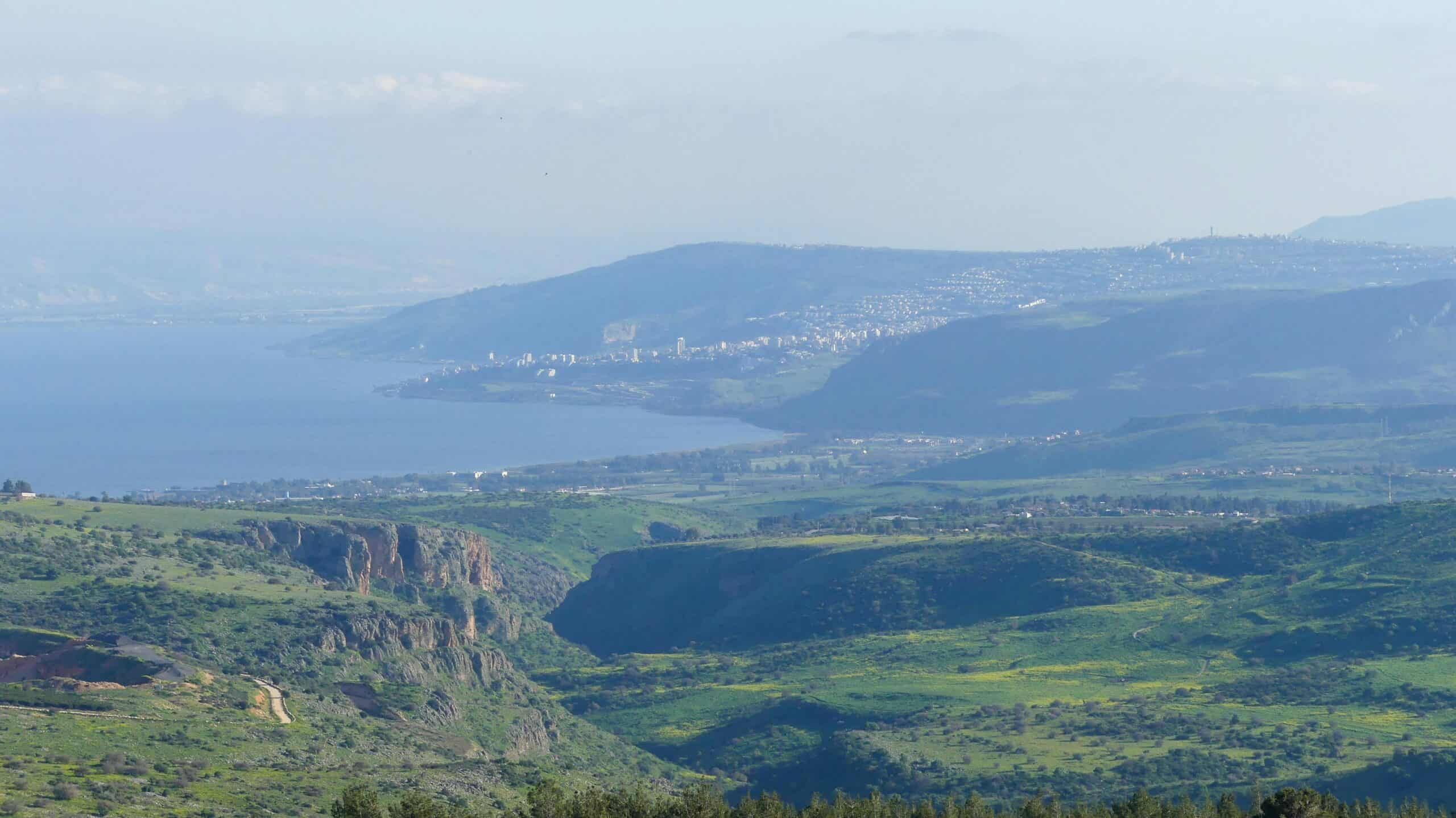
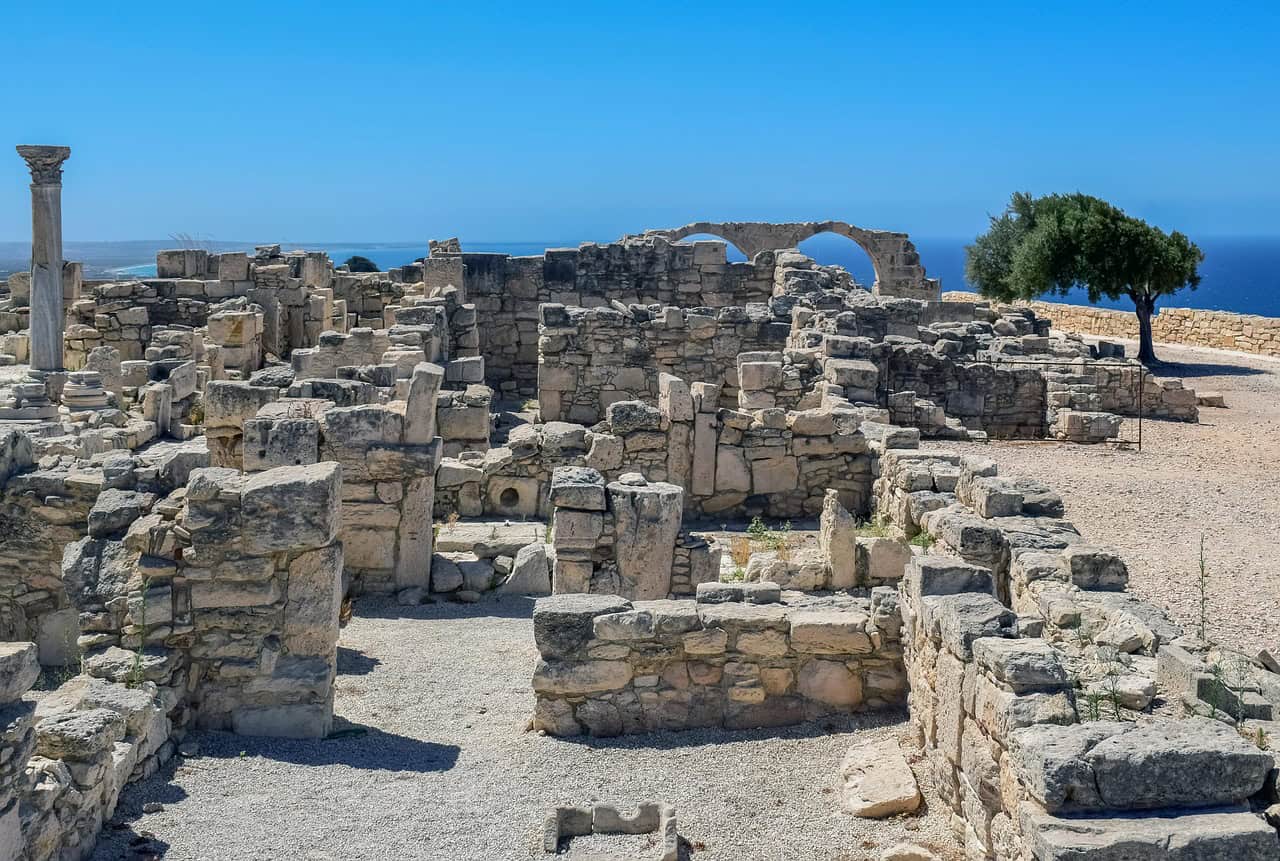
Researchers working at Khirbet Qana argue that this hilltop village fits Cana of Galilee more convincingly than the better-known pilgrimage stop nearby. The site sits about 12 kilometers northwest of Nazareth, and the excavators describe early Roman domestic remains that read like a lived-in Jewish settlement, not a themed memorial. What makes the claim stand out is the pairing of everyday ruins aboveground with later Christian veneration spaces cut into caves below, with carved crosses, invocations, and a shrine layout that echoes pilgrim descriptions, helping explain why devotion clustered for centuries as nearby towns grew louder close by.
Why Cana Has Competing Maps
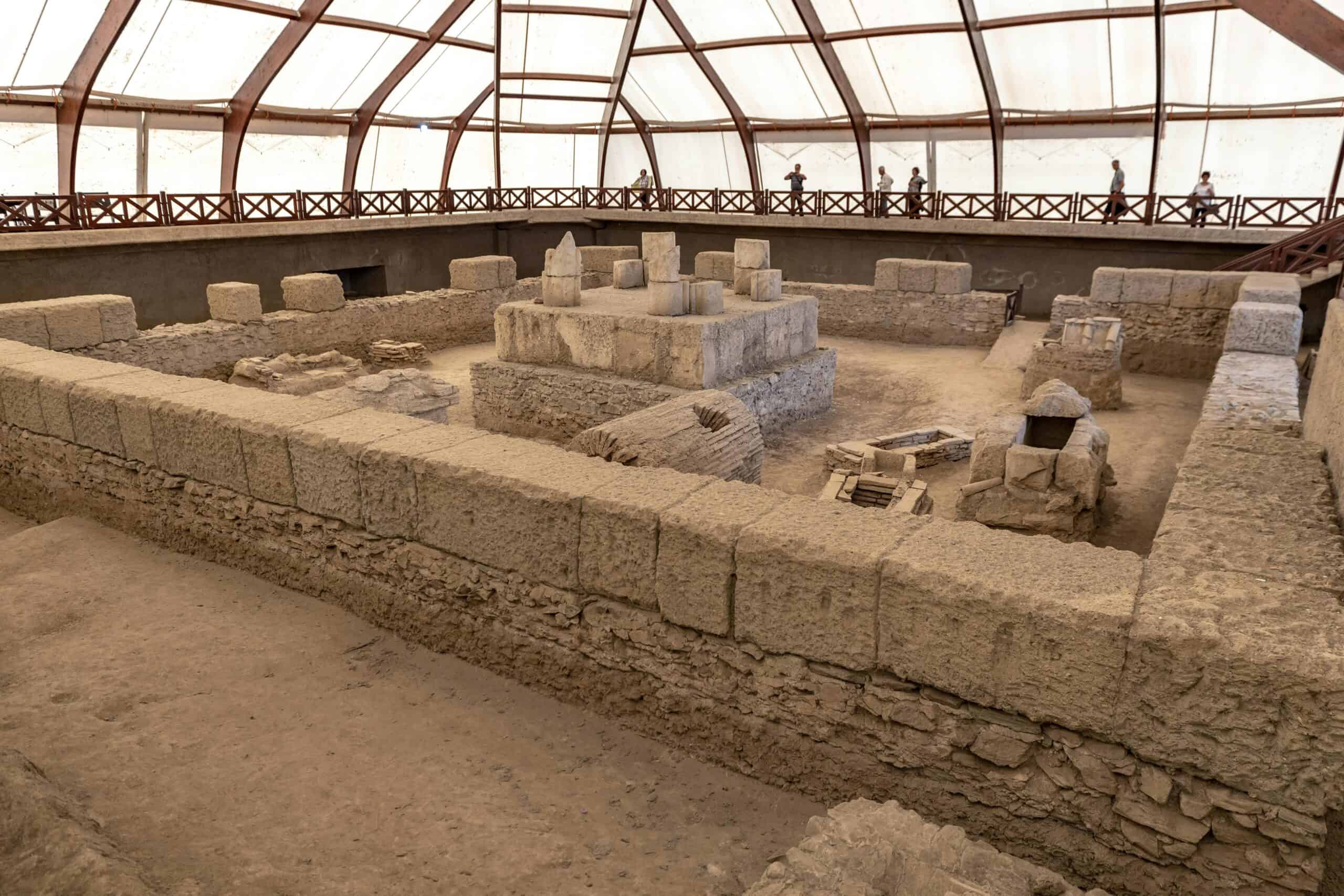
Cana is a name with a long afterlife, and the surviving evidence does not hand over a single, uncontested address. Researchers compare place-names, road logic, and travel distances between Nazareth, Sepphoris, and the Sea of Galilee, then test each candidate against pottery, coins, tombs, presses, and water systems that can be dated to the early Roman period. The debate is also about memory: the “Gospel of John” places the scene in a Jewish village world, while later pilgrimage economies favored sites with churches, access, and steady guardianship, even when archaeology remained thin and maps shifted under empires, as names changed over time.
A Cave Complex That Kept Secrets
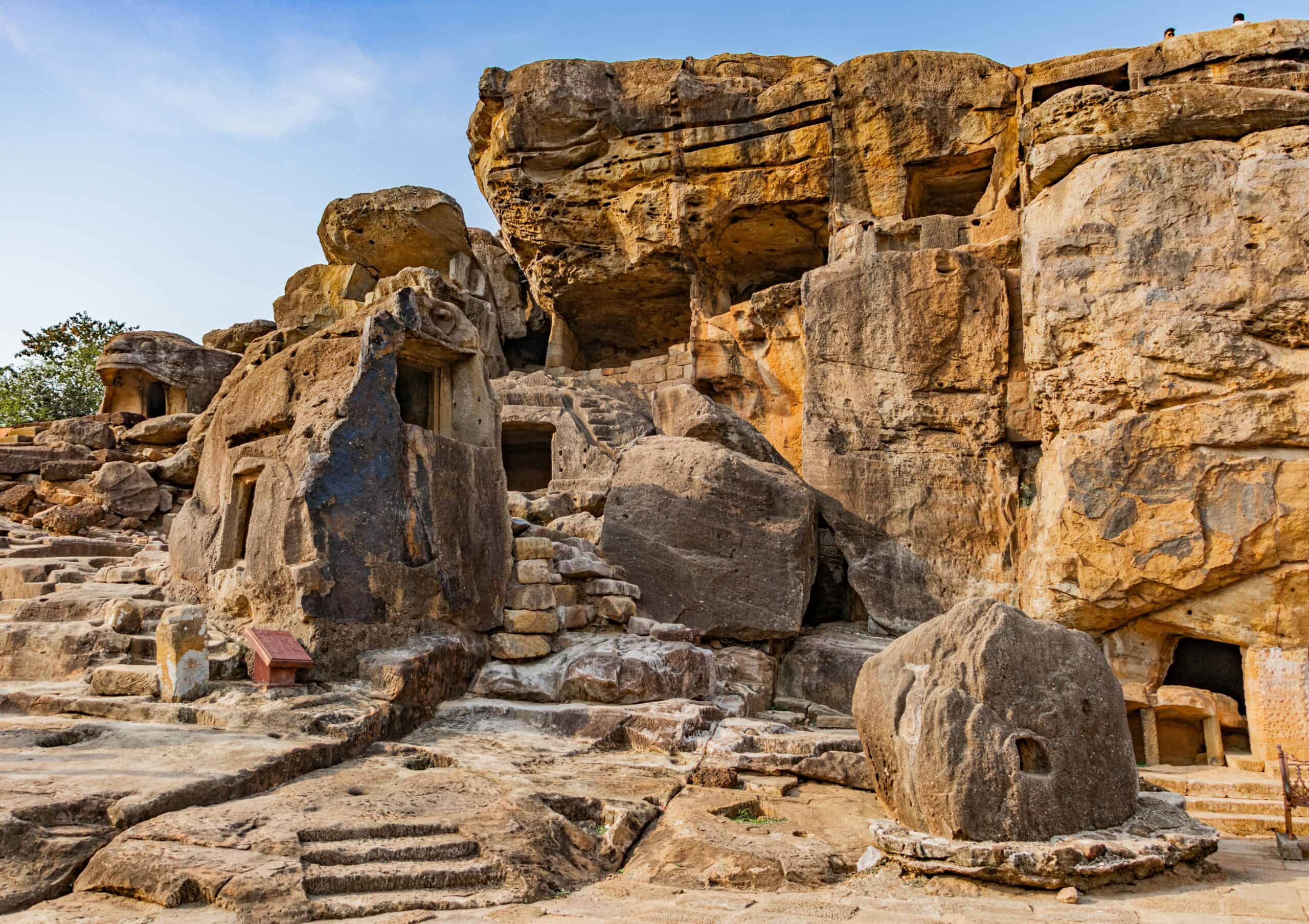
At Khirbet Qana, the most vivid evidence sits underground, in chambers that appear to have been reused for worship from the Byzantine era into the Crusader period, roughly the 5th through 12th centuries. Excavators describe carved crosses and Greek inscriptions that invoke “Kyrios Iesou” and mark the caves as intentional devotional space, alongside niches, lamp soot, and worked surfaces that hint at repeated ritual use. Those markings do not date the wedding story itself, but they suggest that pilgrims returned to one hillside to remember it, preserving a geography of faith that can now be tested against stone, soil, and time for generations.
The Stone-Jar Detail That Grabs Headlines
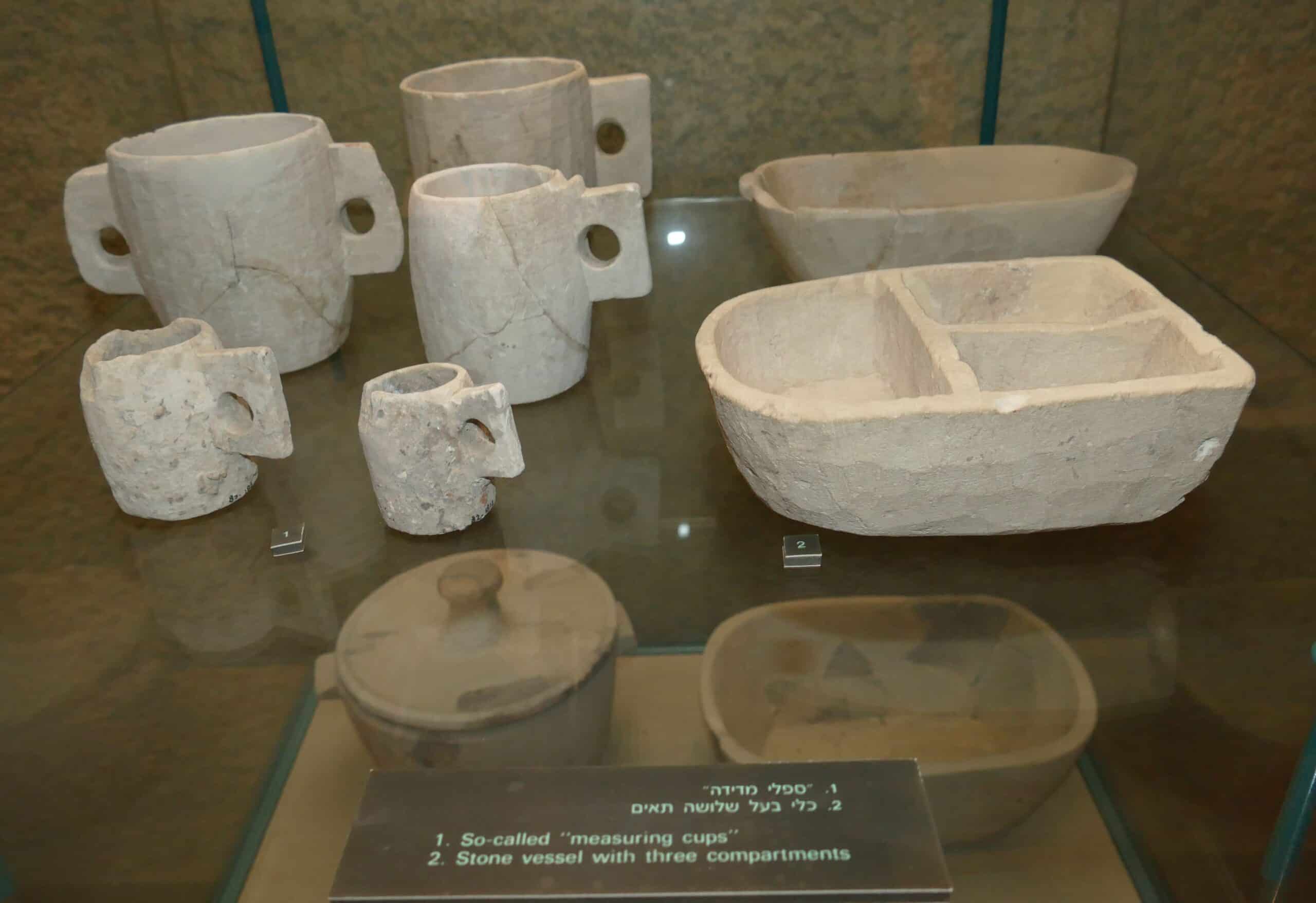
One chamber in the cave complex is described as a small shrine with an altar built from an overturned sarcophagus lid, a striking example of late antique reuse. Above it, excavators report a shelf holding one large stone vessel with space for five more, echoing the six stone jars used for ceremonial washing in the “Gospel of John,” with each jar described as holding 20 to 30 gallons. No artifact can verify a miracle, but a staged setting like this shows how early devotees anchored a remembered narrative to physical cues, turning architecture into a guide for prayer, story, and arrival and inviting pilgrims to picture the banquet in quiet awe.
Evidence Of A Village In Jesus’s Era

A convincing Cana needs more than a shrine; it needs a settlement that was alive in the early first century, with ordinary rhythms of water, food, and family. At Khirbet Qana, researchers point to Second Temple period tombs, domestic structures, and a possible beth midrash or synagogue-like space, plus small finds such as coins linked to the Maccabean revolt that signal a Jewish community under Roman rule. That matters because it keeps the story grounded in a real village landscape, where stone vessels, purification practices, and wedding feasts belonged to daily life rather than to later invention, with Nazareth close enough for easy travel.
Pilgrim Accounts Meet The Ground
The Khirbet Qana team leans hard on early pilgrim texts, arguing that descriptions of what visitors saw in Cana line up with the excavated cave shrine and its devotional details, and that few other sites offer the same ensemble. Texts can be copied, mistranslated, or reshaped by devotion, so the stronger move is triangulation: comparing those accounts with stratified layers, dated finds, and routes that make sense in Lower Galilee. When those lines overlap, the claim becomes more than a hunch, yet it still remains a historical argument, not a courtroom verdict, built from probabilities that improve as more seasons are studied, over time, too.
A Site, A Story, And A Shared Responsibility
The Cana question sits where scholarship and devotion overlap, so the tone matters as much as the trench notes. For believers, the story of water and wine is about joy arriving at the edge of embarrassment, while for archaeologists it is a test of how places are remembered, renamed, and revisited over time. If renewed attention brings more visitors to Galilee, the responsibility is practical: protect fragile caves and inscriptions, with controlled access, trained guides, and funding for conservation work, avoid sensational claims, support local communities, and let the landscape hold both faith and doubt without being turned into a spectacle.