We may earn money or products from the companies mentioned in this post. This means if you click on the link and purchase the item, I will receive a small commission at no extra cost to you ... you're just helping re-supply our family's travel fund.
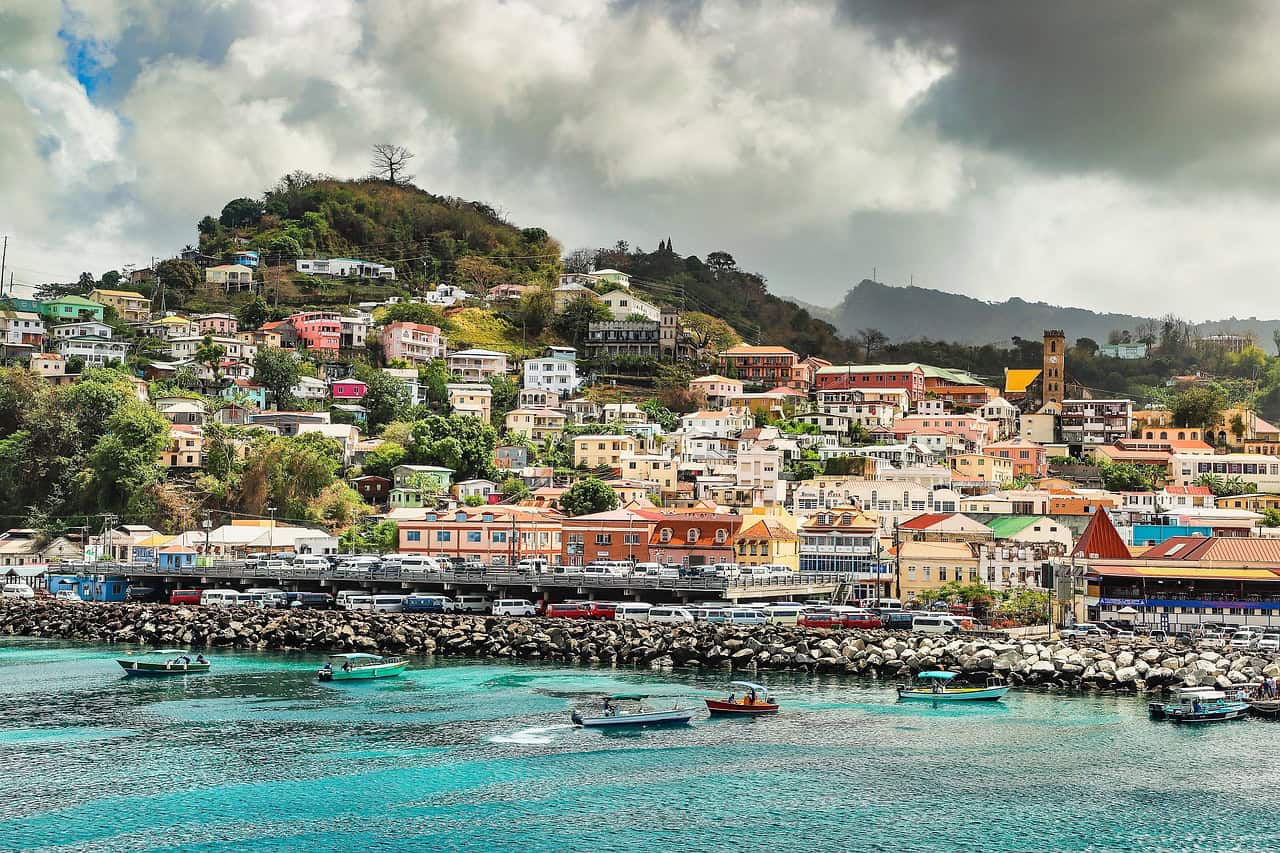
Grenada still earns its nickname as the Spice Isle, with nutmeg-scented breezes and a harbor that glows at sunset. Yet U.S. officials recently urged Americans to use added caution, shifting attention from pure escape to practical awareness. The island’s warmth has not vanished, but smart habits matter more on quiet roads, after dark, and in unfamiliar rentals. Most visits remain trouble-free, especially for travelers who stay organized, move with intention, and avoid risky shortcuts. With clear planning and calm choices, the trip can stay beautiful without feeling naïve.
Why The Advisory Shifted
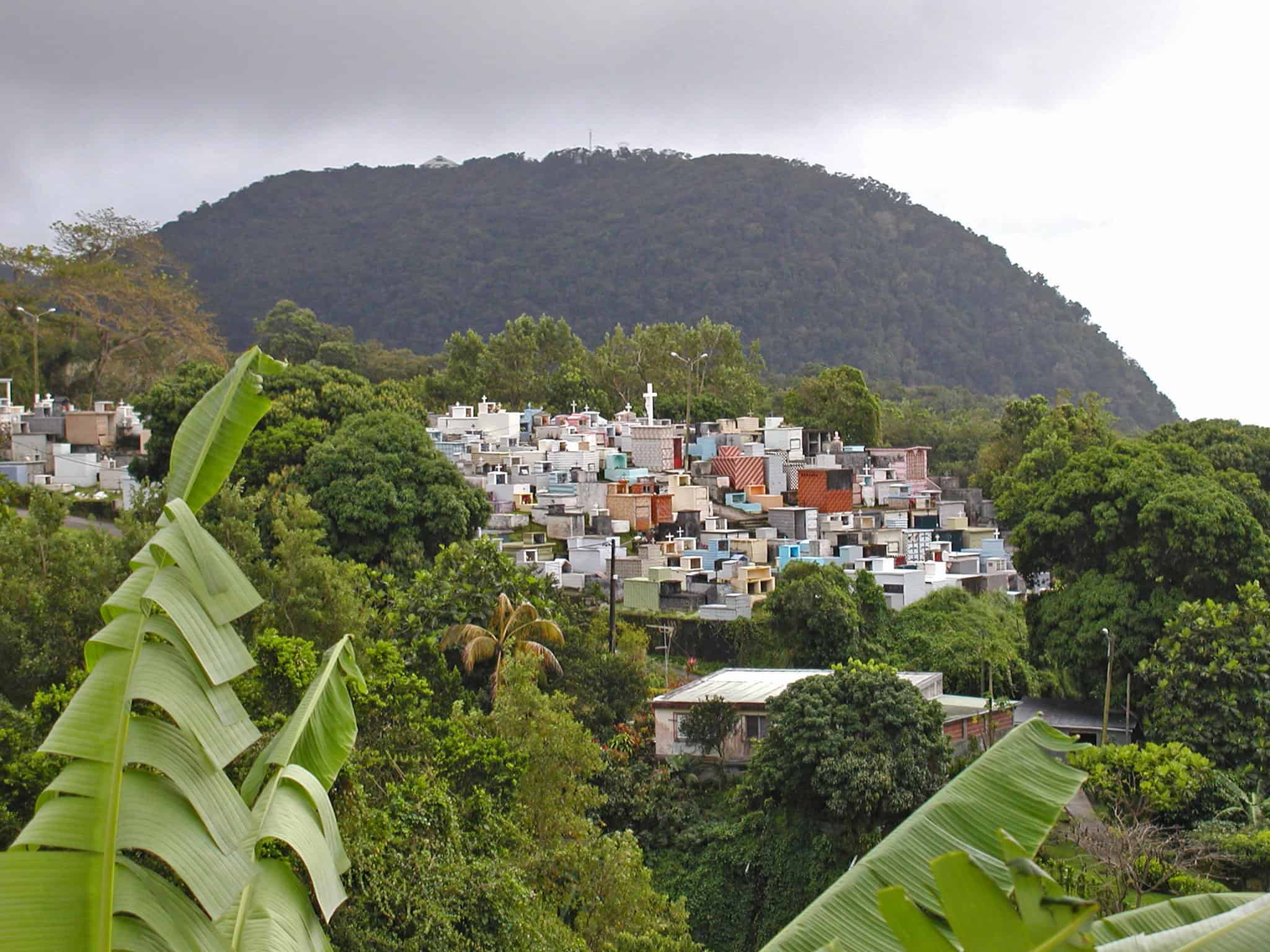
On Jan. 5, 2026, the U.S. State Department moved Grenada to Level 2 and cited crime as the reason for added caution. Reports include armed robbery, assault, and burglary, plus a reminder that serious incidents can happen in both tourist zones and ordinary neighborhoods. Police response may also feel slower than many Americans expect, especially outside St. George’s. The update does not cancel the island’s charm. It means late nights, rentals, and isolated roads deserve smarter choices, and it encourages travelers to treat safety like sunscreen: used early, not after trouble starts.
Petty Crime Loves Tourist Timing
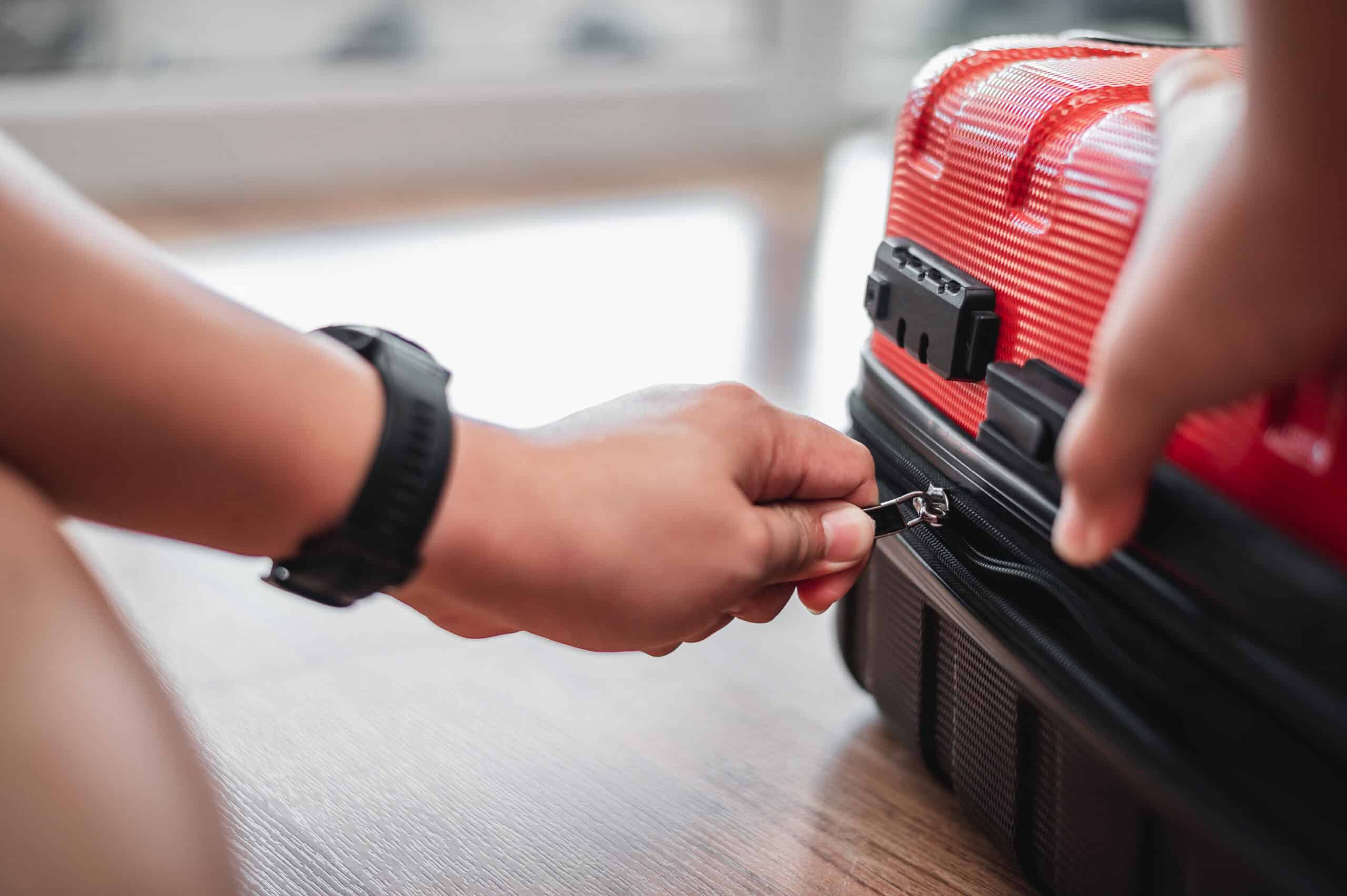
Grenada rarely feels tense, which is exactly why petty theft can land so well. A phone left on a café table, a tote on a beach chair, or a rental door that never fully latched can invite a quick loss. The advisory flags burglary for a reason: many bad nights begin as small lapses in routine. Travelers who carry only what they need, keep passports secured, and use hotel safes or locked luggage cut the easy angles. In rental cars, nothing visible on seats helps, even for a short stop. Markets and waterfront bars stay fun when belongings stay close and attention stays calm.
After Dark, Distances Feel Longer
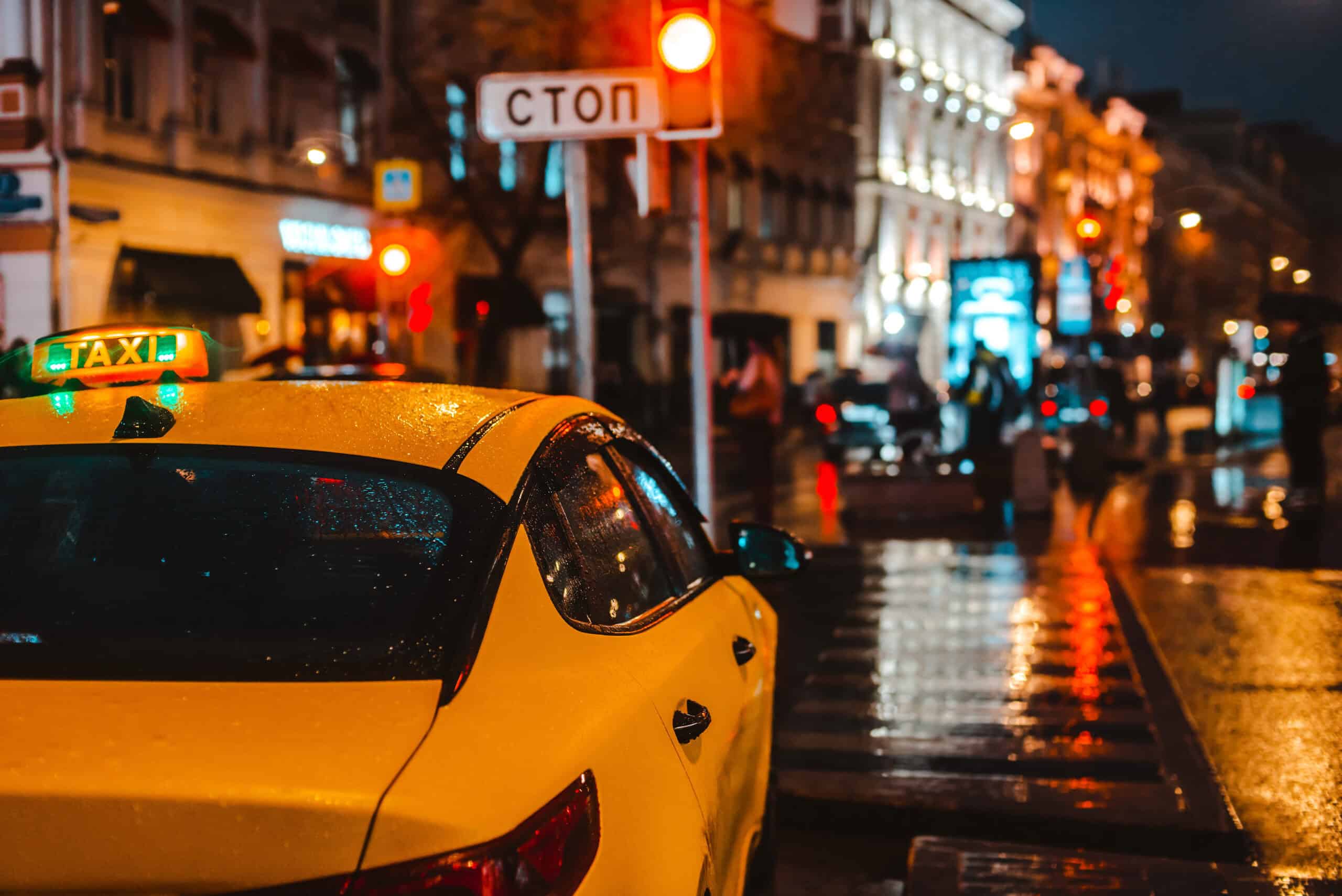
The advisory puts special weight on nights, and the island’s roads explain why. Outside the main stretches, lanes tighten, lighting drops, and a wrong turn can become an awkward stop. Late dinners in Grand Anse or music near the harbor can still be part of the trip, but planned rides matter more than bravado. Walking back from a bar feels different when sidewalks vanish and traffic is thin. Groups that move together, skip isolated shortcuts, keep cash minimal, and confirm pickup points before stepping out tend to avoid the moments when crowds thin and attention fades.
The Door Knock Rule Matters
One line in the guidance is blunt: do not open the door unless the visitor is known. On a friendly island, strangers can still test boundaries, especially at rentals with no lobby. Guests do best by asking hosts how housekeeping, deliveries, and late arrivals are handled, then using a call or message instead of guessing. If there is a peephole, chain, or gate, it should be used every time. Deadbolts, windows checked, and valuables out of sight keep the stay quiet. It is not paranoia. It is the same basic rule that keeps any home secure, just practiced in a new place.
Resisting Can Turn Small Into Serious
The guidance also says not to physically resist if a robbery happens. It reads harsh, yet it reflects how quickly panic can escalate a situation. Travelers who carry limited cash, keep one backup card separate, and store passports securely can comply fast and move to safety. Afterward, prompt reporting helps banks and insurers lock things down, and it gives local authorities a clearer timeline. Saving key phone numbers and lodging details offline helps when a device is taken. The goal is not to imagine the worst. It is to keep a bad moment from becoming a lasting one.
On The Water, Stay Situationally Aware

Grenada’s sailing scene is part of its magic, from calm bays to trips toward Carriacou. The advisory adds a specific note for boaters: use caution if unfamiliar people or watercraft approach at anchor or at sea. Most days are peaceful, but isolation can make small problems feel big. Reputable operators, clear float plans, and secure storage for passports and phones keep the romance intact. Sharing the route with someone on land, fueling before late runs, and choosing well-lit moorings help, too. Crews also avoid leaving dinghies unattended at night.
Students And Study Abroad Have Different Risks
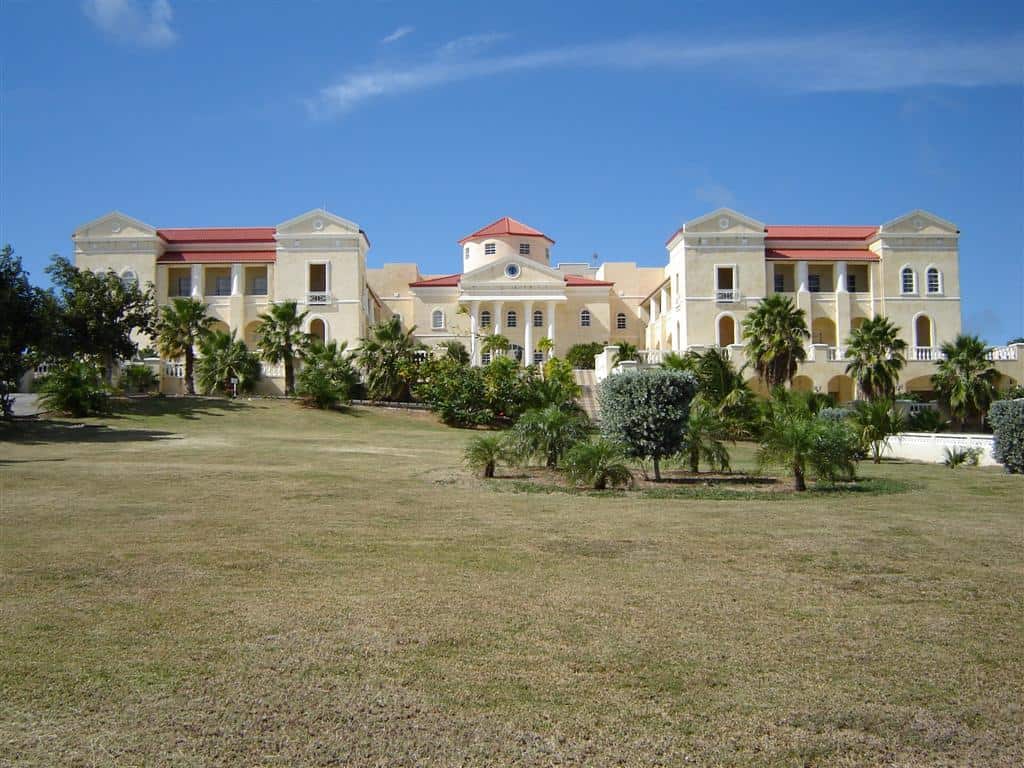
Grenada hosts many U.S. students, and the guidance points them toward campus security for on-campus emergencies because it may respond faster. That detail matters in real life, when routines include late labs, weekend errands, and off-campus housing. New arrivals are most vulnerable while learning which routes are well lit and which taxi numbers are reliable. Clear buddy systems, rides planned in advance, and a simple rule about not walking alone late reduce risk without turning school life into a lockdown. Students who treat briefings as essential not optional settle in with more confidence.
Insurance And Health Plans Reduce Stress
Caution is not only about crime. Trips go sideways when a medical issue or missed connection becomes a money crisis. Insurance that covers cancellations, medical care, and evacuation can turn a scary call into a manageable plan. Grenada has clinics and hospitals, yet serious cases may require transfers, and costs add up fast. Travelers who pack prescriptions in carry-on bags, keep policy numbers accessible, and enroll in STEP reduce the stress of surprises. The trip still feels spontaneous, but the backstop is real when something breaks, or plans shift overnight.