We may earn money or products from the companies mentioned in this post. This means if you click on the link and purchase the item, I will receive a small commission at no extra cost to you ... you're just helping re-supply our family's travel fund.

In Europe, the surprise is often the rulebook, not the scenery. Small habits that feel harmless in the United States can cross a legal line overseas, especially in historic centers, on highways, and in places where privacy is tightly protected. Most travelers never face more than a warning, but a fine, a seized item, or a tense stop can ruin a day. These eight examples show where ordinary behavior can become a problem, and how a little awareness keeps the trip smooth.
Packing Pepper Spray For Safety In The United Kingdom

Pepper spray feels like a simple safety item in parts of the U.S., but the U.K. treats it as a prohibited weapon. Official import guidance lists CS gas canisters, pepper sprays, and other self-defense sprays as firearms, so possession can carry serious consequences. One forgotten canister in a purse pocket or checked luggage can be seized at the airport, and a calm arrival can turn into interviews and paperwork. Many visitors swap it for a personal alarm and practical habits: well-lit routes, licensed rides, and asking hotel staff which streets to skip after 10 p.m.
Carrying A Pocketknife Or Multitool In The United Kingdom

A pocketknife clipped to a keychain can look practical, yet U.K. law is strict about blades in public. GOV.UK notes that carrying a knife can be illegal without a good reason, and a court decides what qualifies. Small, non-locking folding pocket knives may fall under an exemption, but locking blades, multitools with locking mechanisms, and longer edges raise risk quickly. Knives that lock open are treated as lock knives, even if the blade is short. Bag checks at museums, stadiums, and rail stations can end with confiscation and a day that starts with stress instead of sightseeing.
Using Radar Detectors Or Camera Alerts In France
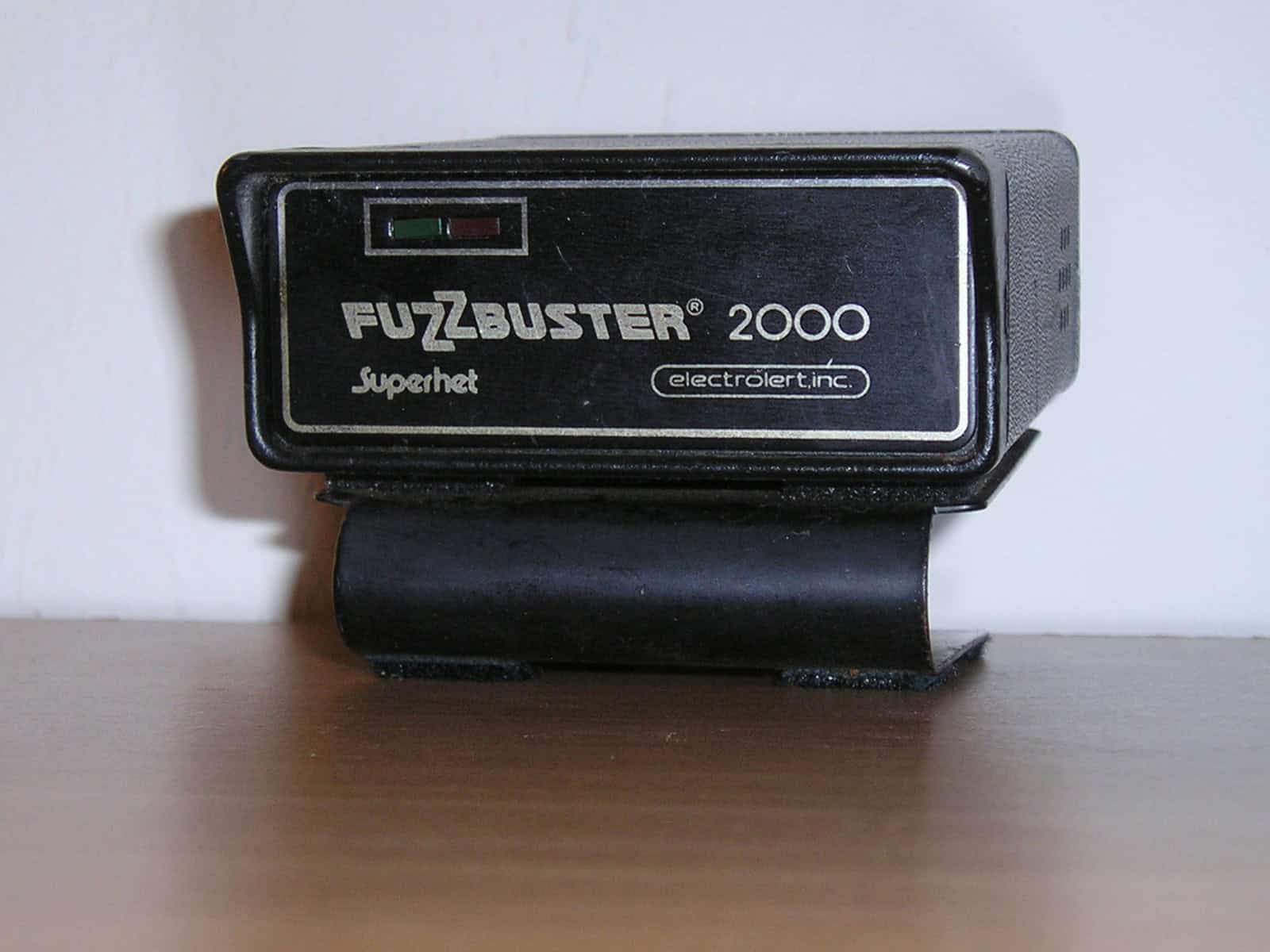
In France, radar detectors are not treated as harmless driving tech. Driver guidance notes penalties can include fines up to €1,500 and confiscation, and enforcement can apply even if the device is in the car switched off. The logic is that warning tools undercut road-safety enforcement, so a gadget bought at home or baked into a navigation app can trigger trouble at a stop. Even a casual mention during a rental return can bring questions. Many travelers disable camera alerts before crossing into France, then rely on posted limits and calm pacing through villages where cameras are common.
Treating Dashcams Like A Normal Car Accessory In Austria
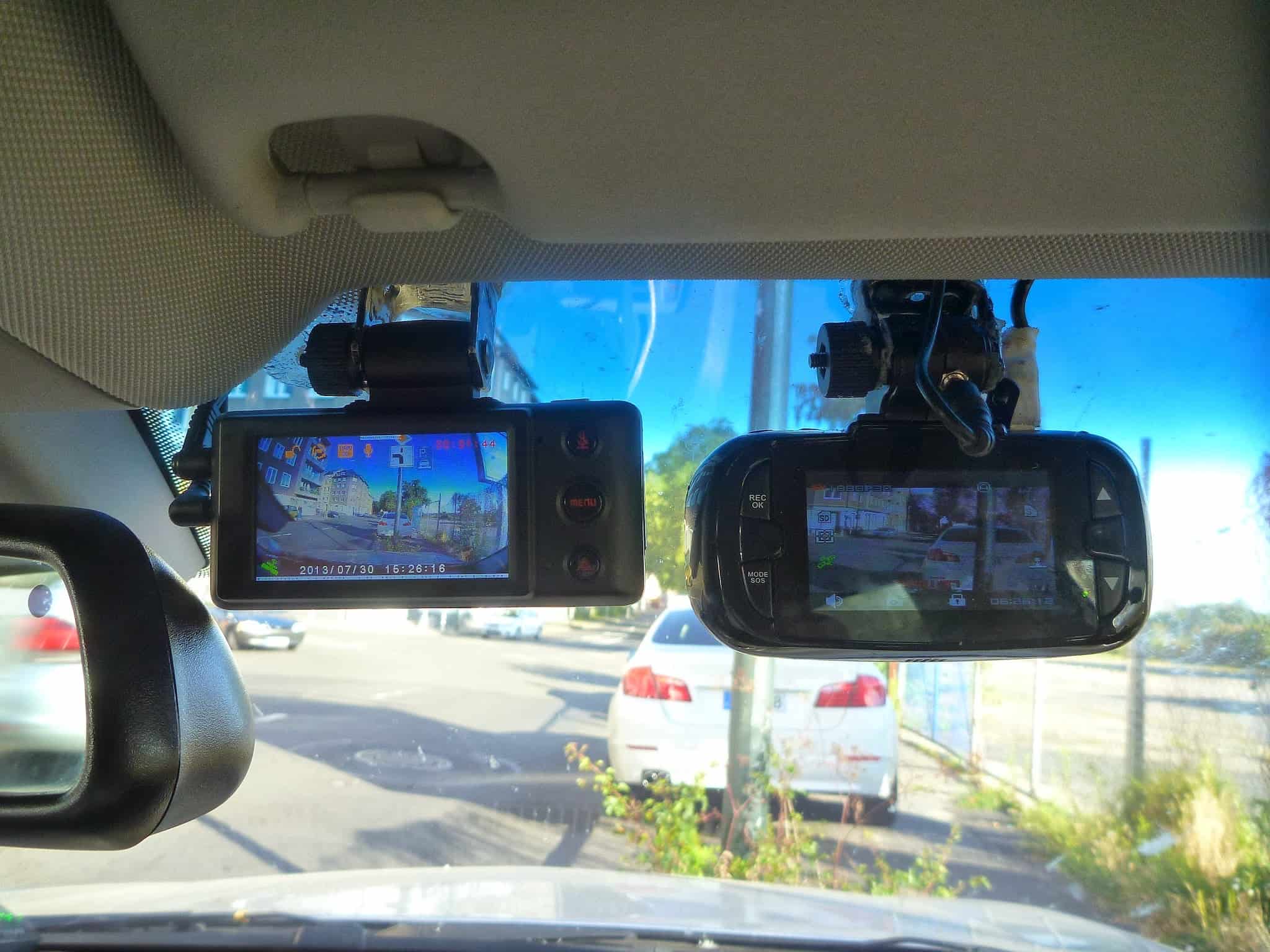
A dashcam can feel like cheap insurance, but Austria’s privacy rules make constant road recording risky. Legal analysis of Austrian data-protection decisions describes cases where dashcams were penalized when they amounted to ongoing surveillance of public space, including a fine for illegal dashcam use. The problem is continuous capture of identifiable faces and license plates, not a single accident clip, and posting footage can raise the stakes. It surprises many road trippers. Drivers often keep cameras off by default, record only scenic moments, and save evidence only when a genuine incident occurs.
Taking Sand Or Shells As A Beach Souvenir In Italy

Gala Iv/Unsplash
A handful of sand or a few shells can feel like a harmless keepsake, yet Sardinia treats it as an environmental offense. Regional guidance states it is forbidden to remove, possess, or sell sand, pebbles, stones, and shells from the coast or sea, and fines can be steep. Officials take it seriously because tiny losses add up across peak summers, thinning beaches and disrupting habitats that depend on those materials. Beach signs and local campaigns make the message plain. Most travelers stick to photos, postcards, and locally made ceramics or textiles that carry the place home without stealing from the shoreline.
Feeding Pigeons In A Famous Square In Italy

Feeding pigeons can look like a charming travel moment, but Venice has treated it as a finable offense for years. Reporting on the city’s ban noted that selling and distributing grain to feed birds around St. Mark’s Square was prohibited, with fines starting at €50. The goal is protecting historic stonework from droppings and limiting swarms in tight public spaces where tour groups funnel through. The old tradition of buying grain on the spot is exactly what the ban tried to end. Keeping food packed away avoids the flock, the mess, and an avoidable fine in the middle of a city built on fragile beauty.
Running Out Of Fuel On The Autobahn In Germany
Coasting on fumes and hoping for the next exit is a classic road-trip gamble, but on Germany’s Autobahn it can be punishable. Reporting on the rule explains that stopping on the motorway without necessity is restricted, and running out of fuel is treated as avoidable, with fines cited at €35 for a brief stop and €70 once it counts as parking. It also creates real danger at high speeds, where even a small slowdown can ripple into near misses. Drivers treat the fuel gauge as a safety tool, not a suggestion. Filling up early, especially before long rural stretches, costs less than the lesson and keeps the drive calm.
Wearing Earbuds While Driving Or Cycling In France
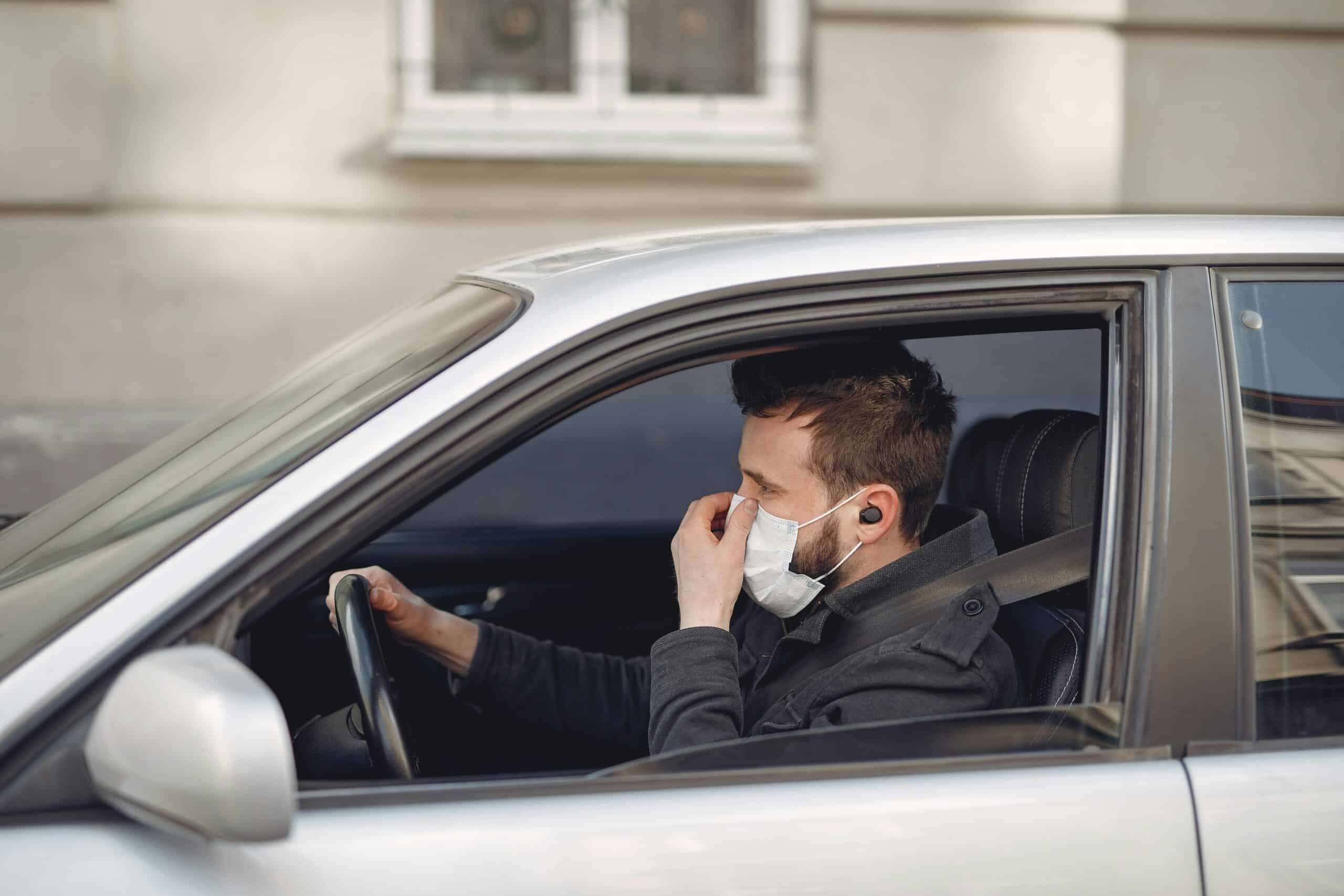
Earbuds in traffic can feel normal, but France bans drivers and other road users from wearing earpieces, headphones, or audio headsets while moving. Official road-safety guidance ties the rule to missed sirens, horns, and subtle cues, and lists penalties that include a fine and loss of points on a license. The ban reaches cars, motorcycles, and bicycles, which catches visitors off guard on streets packed with scooters and buses. It also covers Bluetooth headsets worn in the ear. Audio through car speakers or helmet systems keeps attention where it belongs, and keeps any roadside conversation short and uncomplicated.