Americans Keep Making the Same European Train Mistake — and It’s Stranding Them in Cities They Can’t Afford
We may earn money or products from the companies mentioned in this post. This means if you click on the link and purchase the item, I will receive a small commission at no extra cost to you ... you're just helping re-supply our family's travel fund.
The fantasy of European rail travel is intoxicating. Rolling countryside, a coffee in the dining car, pulling into a city center instead of some airport forty miles from anywhere. And the fantasy is real — European trains are genuinely wonderful. What’s not wonderful is showing up at Gare de Lyon in Paris with a Eurail pass and a 9am train to board, only to be told your pass doesn’t include a seat on this particular train and the reservation fee is €30 and the train is full anyway.
This is not a rare occurrence. It happens to dozens of American tourists every single day, and it happens because there are fundamental things about European rail that American culture — built around cars and domestic flights — does not naturally teach you.
Let’s go through them exactly.
The Eurail Pass Is Not a Train Ticket
This is the single most important thing to understand. A Eurail pass — which costs anywhere from $300 to over $1,000 depending on the coverage — grants you the right to board many European trains. It does not guarantee you a seat. It does not reserve you a spot on any specific departure. In many cases, it does not even cover all trains.
On regional and intercity trains in Germany (IC and some ICE routes), Austria, and much of Scandinavia, a Eurail pass often gets you on with just the pass. But:
- French TGV trains, Spain’s AVE trains, Italy’s Frecciarossa and Italo high-speed routes, and Eurostar all require a paid seat reservation on top of your pass.
- Reservation fees range from €4 on some German trains up to €30–€40 on French TGV peak services.
- Night trains require either a reservation fee (for a couchette or private cabin) or, in some cases, won’t accept a pass at all on certain routes.
- Point-to-point tickets — just buying the ticket directly — are often cheaper than a pass plus reservation fees for a short trip.
Why do people buy Eurail passes without knowing this? Because the Eurail marketing is excellent and doesn’t lead with the caveats.
The Booking Window Problem Nobody Warns You About

European train tickets open for sale at different times depending on the country and operator. This isn’t standardized, which is the problem.
- Renfe in Spain opens bookings roughly 2 months in advance. Book early and you can get Madrid to Barcelona for €25–€35. Wait until two weeks out and you’re paying €80–€120.
- SNCF in France opens TGV bookings about 3 months in advance. The cheapest fares — labeled “Ouigo” or “iDTGV” — sell out within days of opening.
- Trenitalia in Italy opens 4 months in advance for Frecciarossa routes. Early booking prices can be €19. Last-minute can be €95 for the same seat.
- Deutsche Bahn in Germany runs a different system — the “Sparpreis” (savings fare) discount tickets open 6 months in advance. They’re not cheap by European standards, but they’re substantially better than walk-up prices.
The American habit of planning trips broadly and booking specifics close to departure is actively punished by this system. A family of four who books a Paris-to-Nice TGV two weeks out instead of two months out can easily spend $200–$300 more than the same family who booked early.
High-Speed Trains Have a Different Rule Set Entirely
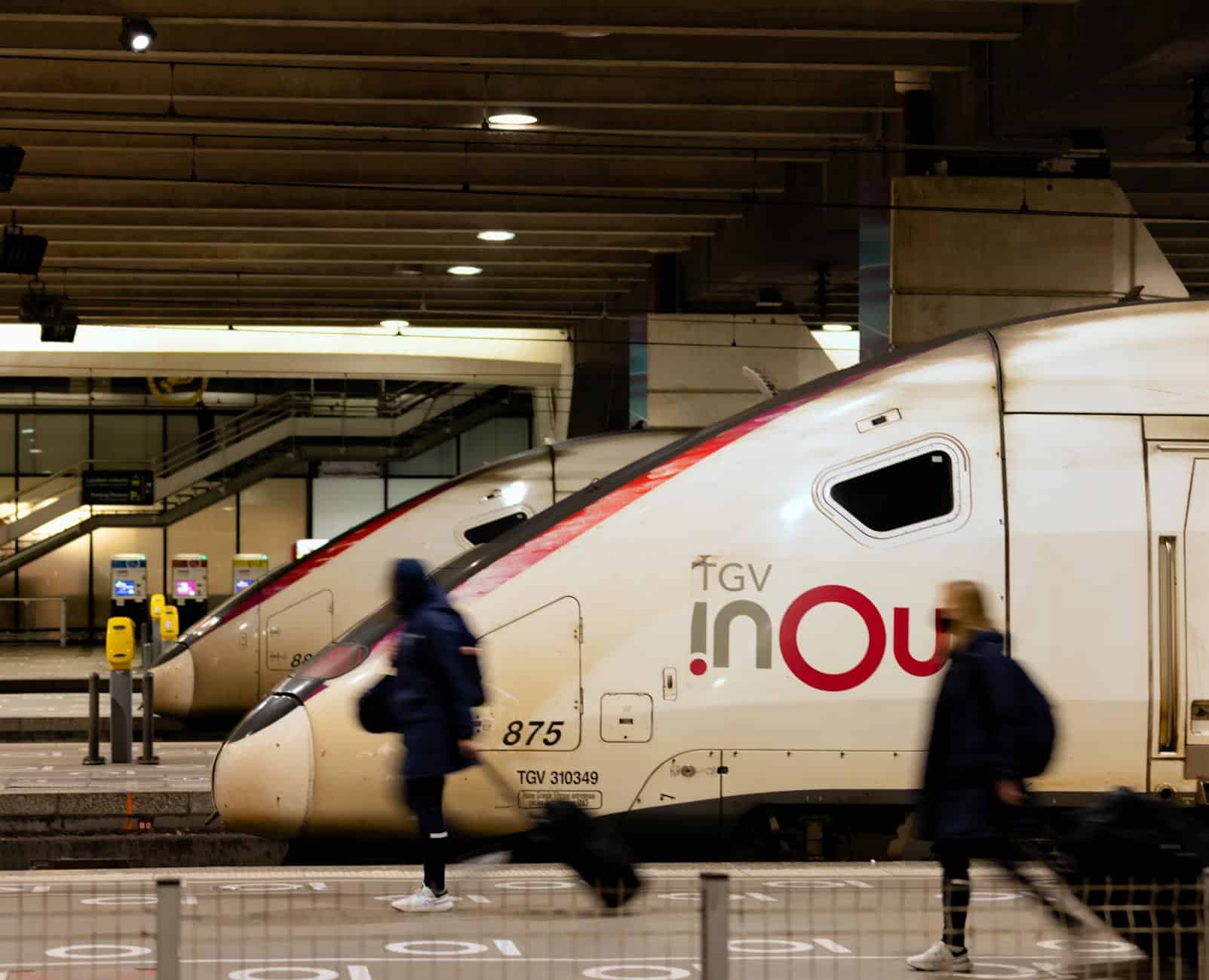
High-speed rail in Europe operates more like an airline than a traditional train. There are specific departure times, assigned seats, fare classes with different change/cancel policies, and yield-managed pricing that goes up as the train fills.
This means:
- You can’t just show up and take the next train. High-speed routes frequently run at capacity on popular travel days.
- If you miss your specific high-speed train, your ticket may not be valid on the next departure. You may need to buy a new ticket at the full walk-up price.
- Flexible fares that allow changes exist but cost significantly more. Budget fares are non-changeable and non-refundable, like a basic economy flight.
- The passenger experience on these trains — especially Spain’s AVE and France’s TGV — is excellent, often better than flying. But the logistics require the same discipline as air travel.
People assume that because it’s a train, they can be casual about timing and ticketing. That assumption is expensive.
Train Strikes in Europe: Not a Rare Inconvenience
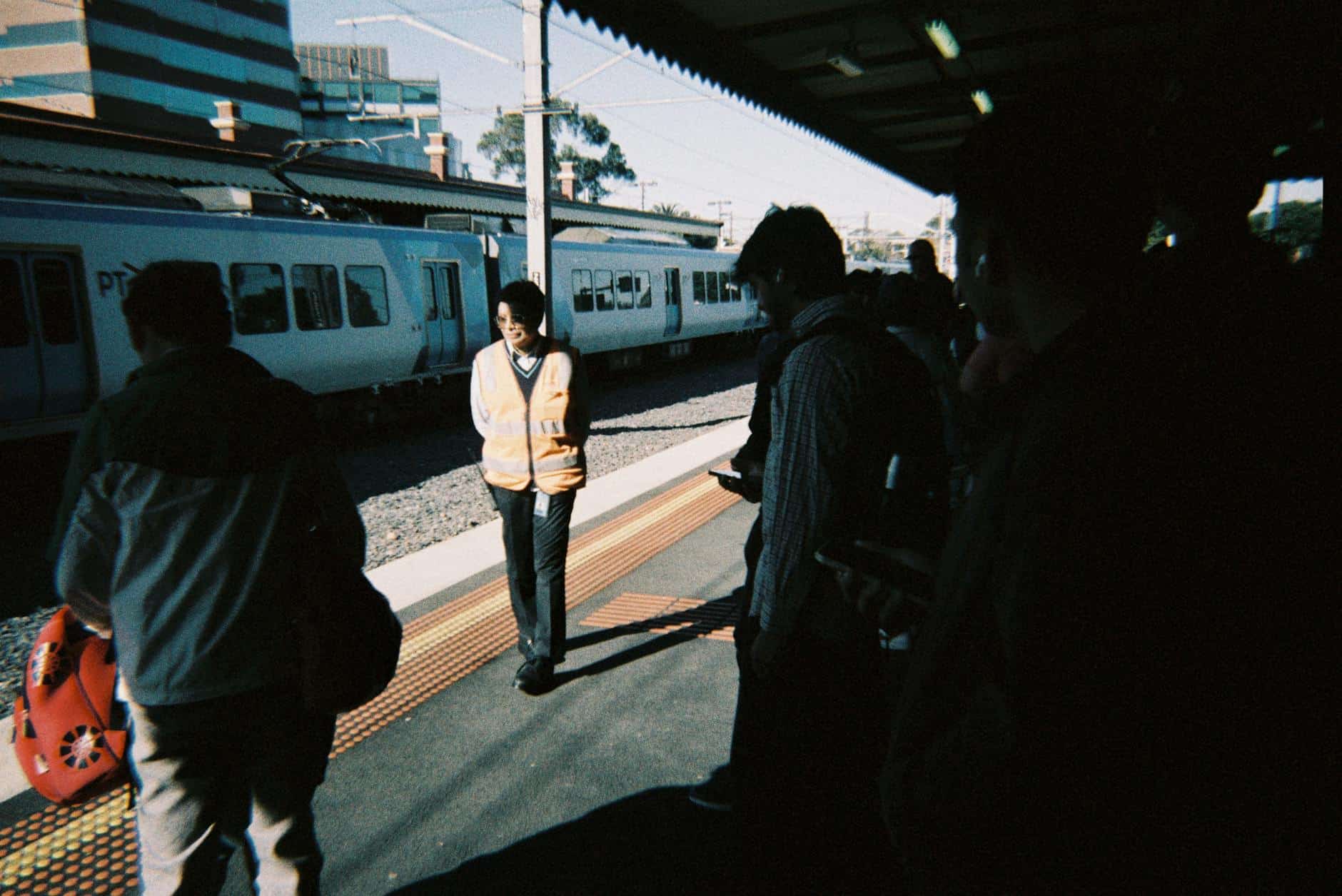
French rail strikes. Italian rail strikes. Spanish rail strikes. These are not exceptional events. They are scheduled, announced, and legally protected parts of European labor culture.
In France, rail workers have a legal right to strike that is exercised regularly — and French law requires minimum service levels, so some trains run. But “some trains” on a strike day might mean your specific Paris-Lyon departure doesn’t exist.
Italy’s rail strikes are often announced with about 20 days’ notice. They typically run for 24 hours and fall on a specific day. If that day is the day you were counting on to catch an international connection, your itinerary unravels.
What to know:
- Check scioperi.it if traveling in Italy — it lists declared strikes weeks in advance.
- SNCF strike information is published on their website and announced in French media. Moneycontrol and The Local cover it in English.
- Build buffer days around critical connections. If you need to catch a flight home from Rome and you’re coming from Florence, don’t plan to arrive the same day. Build in 24 hours.
- Travel insurance that includes trip interruption for labor disputes is worth having. Standard travel insurance often excludes strikes. Read the policy.
The Seat Reservation Trap on Night Trains
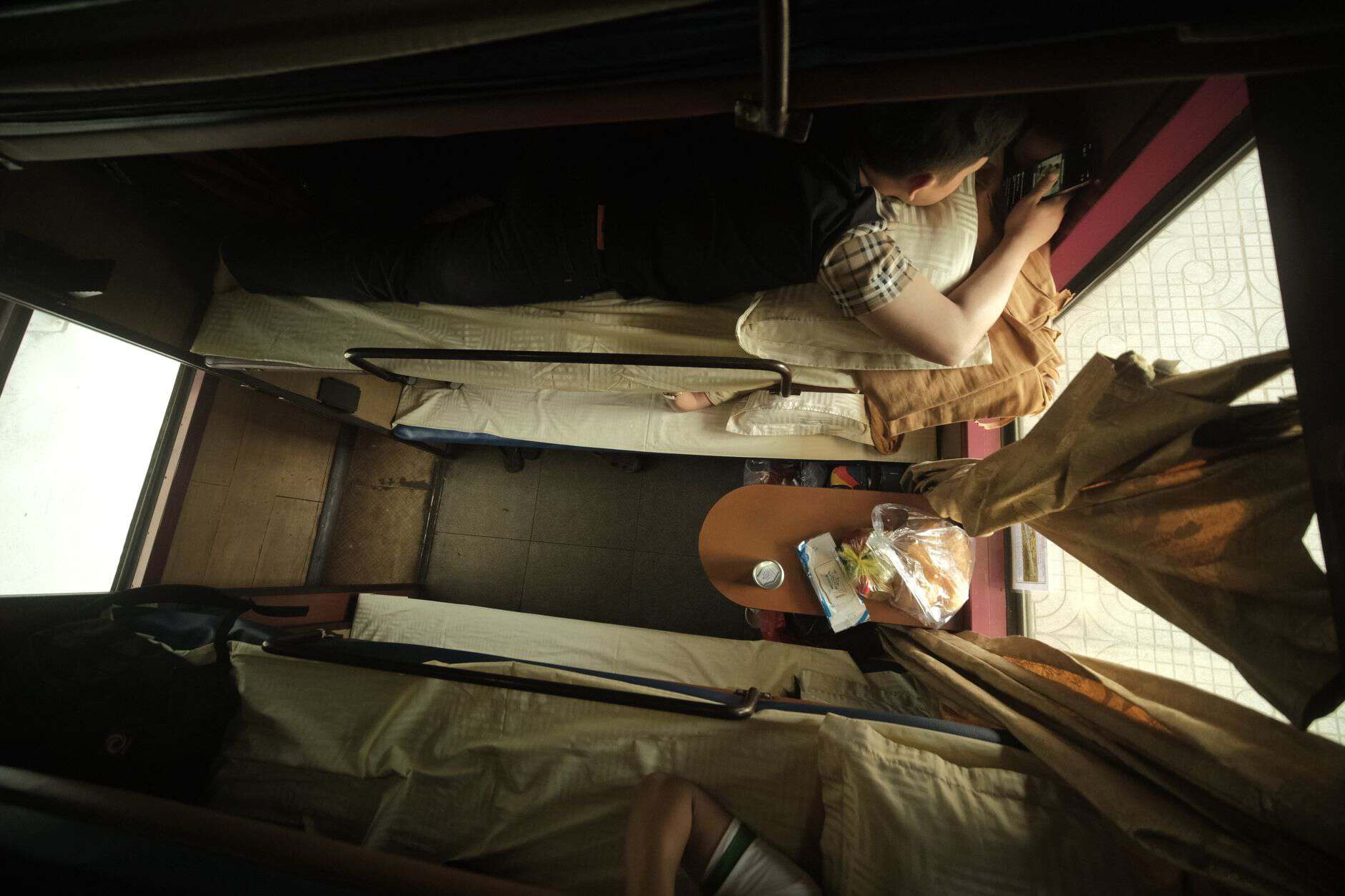
Night trains have made an enormous comeback in Europe — new routes between Vienna and Amsterdam, Paris and Barcelona, Stockholm and Hamburg. They’re romantic, practical, and genuinely good value when you factor in saving a hotel night.
But night trains come with their own booking complexity:
- Sleeper cabins (private, with beds) cost significantly more than couchettes (shared 4–6 person compartments with fold-down bunks) which cost more than seat reservations.
- Eurail passes cover the base fare on many night trains but require a paid supplement for couchettes and sleeper cabins. The supplement on some routes is €25–€60 per person.
- Night train routes between countries may require booking through multiple operators, and the interfaces are not intuitive. ÖBB (Austrian railways) currently operates some of the best new night trains and their booking system at nightjet.com is cleaner than most.
- Night trains sell out months in advance on popular routes during summer. If you want a sleeper cabin in July from Paris to Barcelona, you’re booking that in March or April.
What to Actually Do to Get This Right
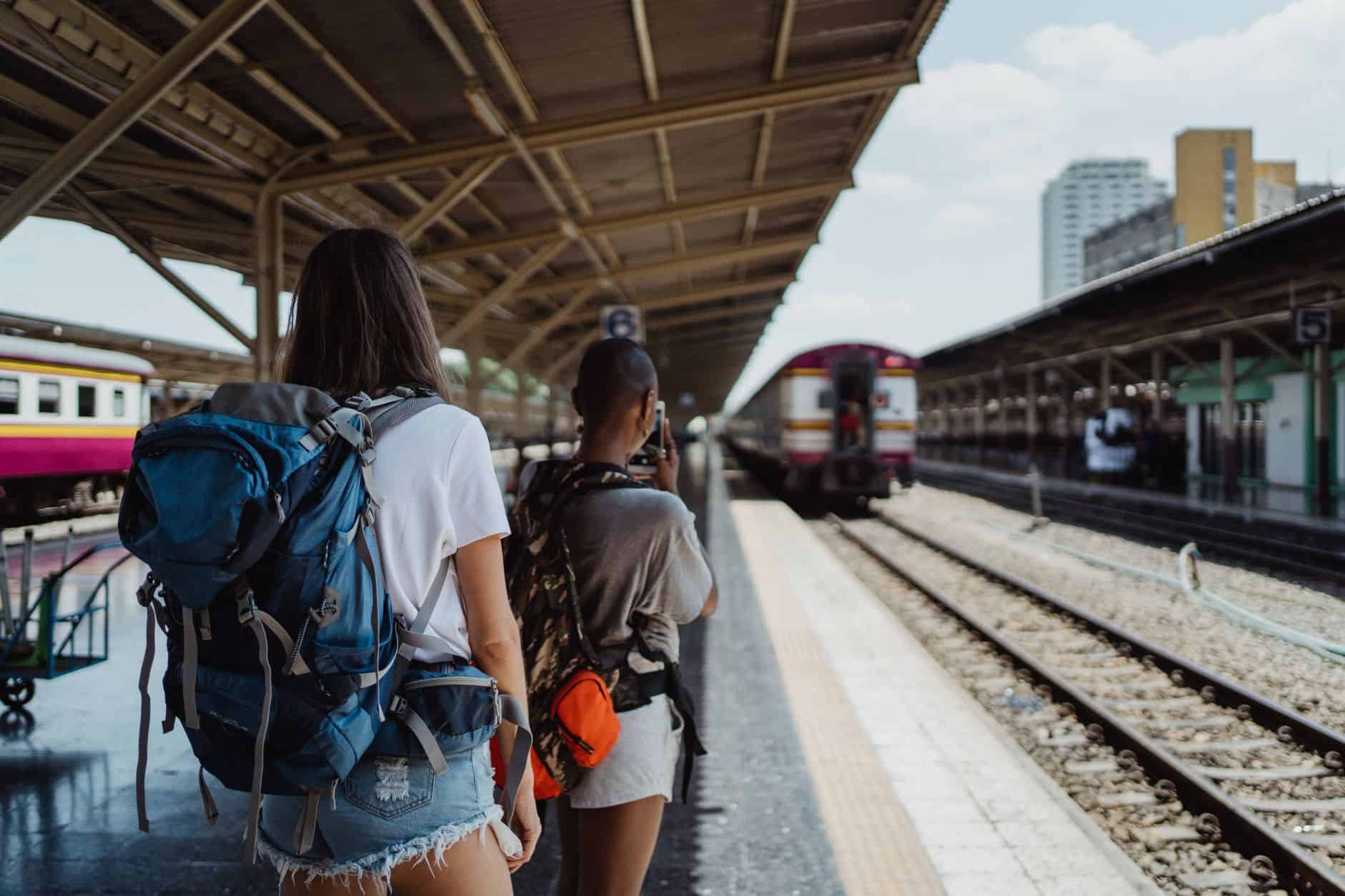
Here’s the honest framework for making European rail work without the pain:
- Skip the pass for single-country trips or trips under two weeks: A Eurail pass makes financial sense primarily if you’re moving between four or more countries on high-speed trains. For most Americans doing a 10-day trip through Italy or France, point-to-point tickets bought at the right time are cheaper.
- Use the right booking platforms: Rail Europe and Omio aggregate routes across operators. For Spain, book directly on Renfe.com. For France, SNCF Connect. For Italy, Trenitalia or Italo directly. Going direct often surfaces cheaper fares that aggregators miss.
- Set a reminder 90 days before your trip: That’s when to book French TGV. Set another for 60 days for Spain. If your trip is during peak summer, add two weeks to those estimates.
- Never plan a same-day train-to-flight connection for departures home: Allow at least one full day between your last train and your international flight. European trains are reliable but not perfect, and a missed flight home is far more expensive than a hotel night.
- Understand what “full flex” costs and decide if it’s worth it: Fully flexible tickets that allow same-day changes exist on most routes. They’re usually 2–3x the basic fare. For leisure travel on a fixed schedule, they’re probably not worth it. For business travel or trips with tight connections, they might be.
European rail is worth every bit of the planning effort. A two-hour ride through the Swiss Alps, a morning TGV from Paris to Lyon with a coffee and a croissant, pulling into Barcelona Sants at a civilized hour — these are genuinely great travel experiences. They just require a different operating model than Americans are used to. Learn the model, and it’s magnificent. Wing it, and you’ll be sleeping on a train station bench.