We may earn money or products from the companies mentioned in this post. This means if you click on the link and purchase the item, I will receive a small commission at no extra cost to you ... you're just helping re-supply our family's travel fund.
America’s national park dream is still alive in 2026, but more travelers are reworking the classic bucket-list route instead of forcing the busiest parks into one crowded season. After the National Park Service recorded more than 331.8 million recreation visits in 2024, the pressure never really left the system, and newer trip planning now includes reservations, closures, construction, and heat risk as much as scenery. For many families, skipping a famous park for now is not giving up, it is choosing a better moment. [turn0view0] [turn1view0]
Yosemite National Park
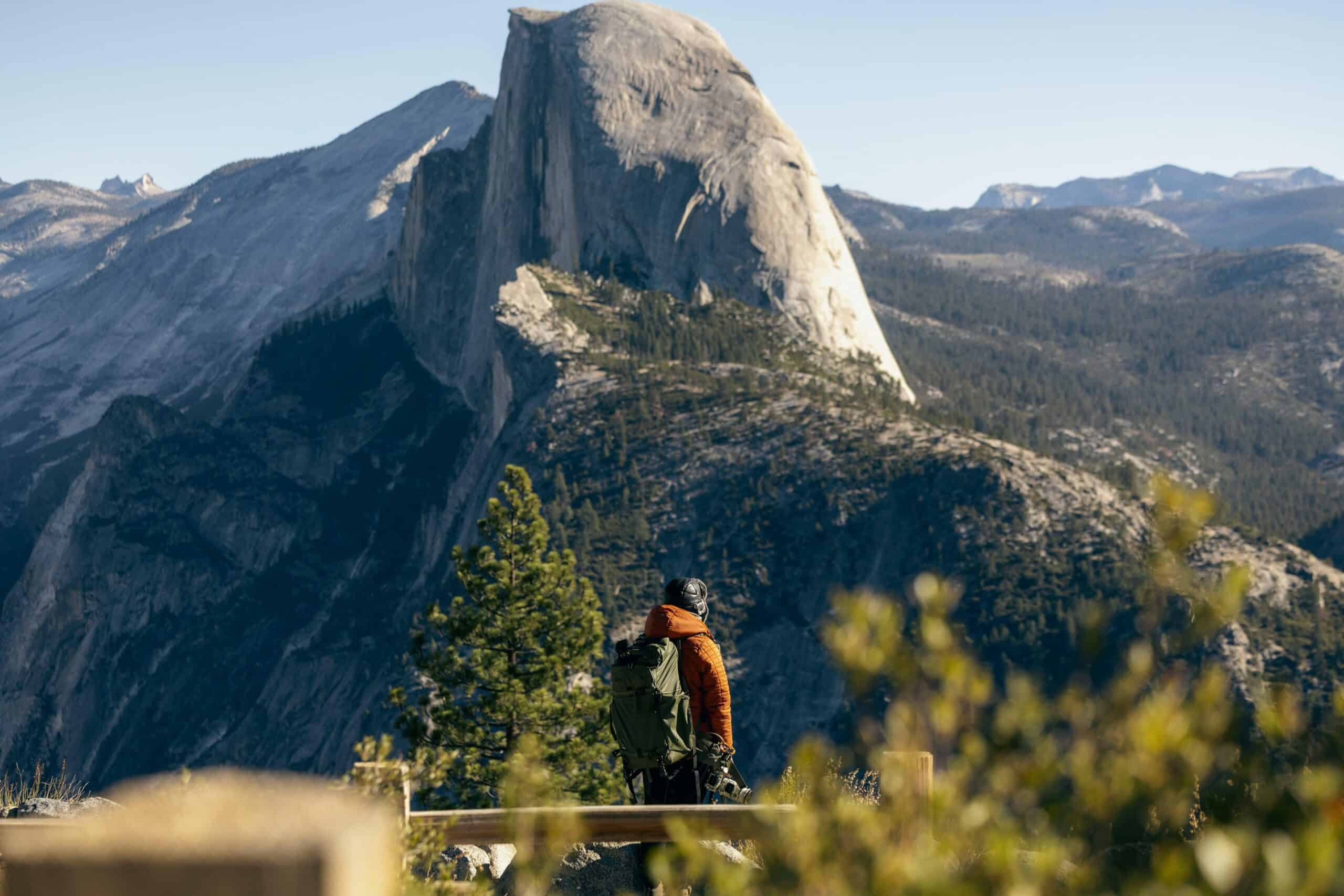
Yosemite is dropping broad entry reservations for 2026, but park officials also say they will monitor parking and traffic and may temporarily close entrances when the valley fills. That puts peak weekends back into the familiar pattern of long lines, circling for parking, and a day shaped by congestion instead of granite walls and waterfalls. For many travelers, 2026 is becoming a year to skip summer weekends there and hold Yosemite for a shoulder-season trip, when the same valley can feel slower, quieter, and far more memorable, and often means easier parking, shorter shuttle waits, and more daylight spent in the park, instead of in traffic. [turn21view0]
Glacier National Park
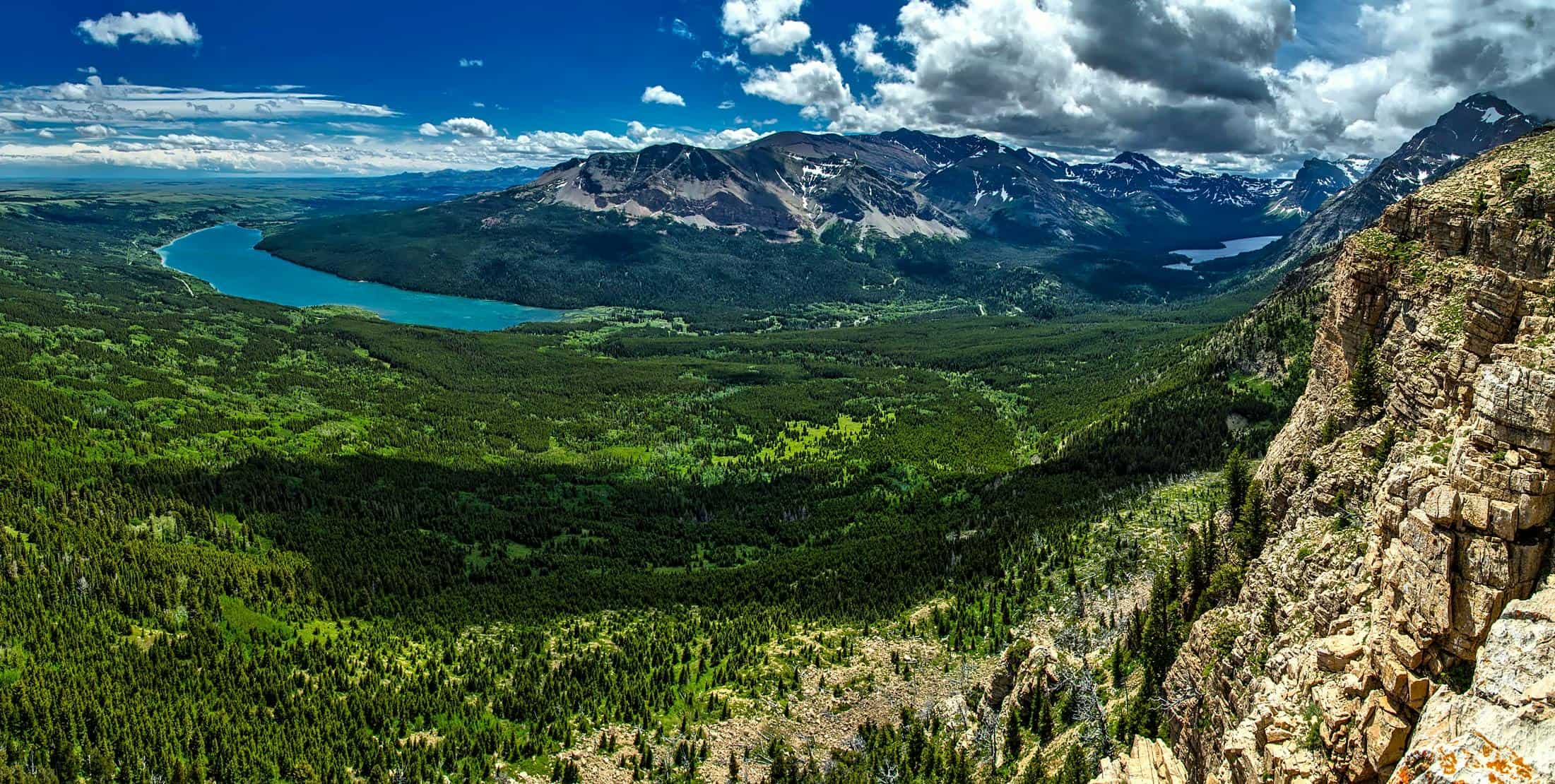
Glacier is keeping its vehicle reservation system in 2026 for major high-demand areas, including the west side of Going-to-the-Sun Road and the North Fork, while Many Glacier access remains affected by construction changes. Even organized travelers can end up planning around narrow entry windows, limited parking, and shifting logistics instead of the park’s alpine rhythm. For families chasing a relaxed road-trip feel, Glacier can be worth postponing until a simpler season or a less crowded corner of the park, especially while construction impacts and reservation windows can make any drive feel like a timed entry puzzle, not a mountain escape. [turn19view0] [turn1view0]
Arches National Park
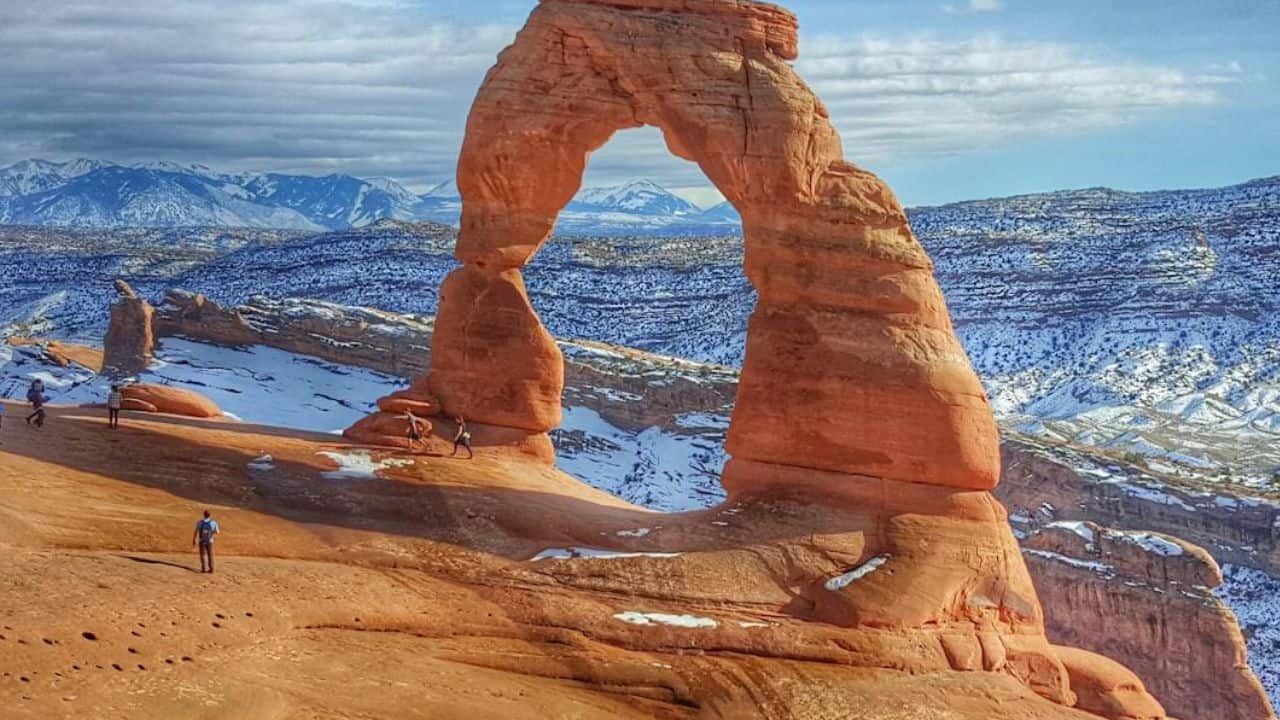
Arches will not use a timed-entry reservation system in 2026, but that does not mean the pressure disappears; it mostly returns to the gate line and the parking lot. This park’s most famous stops sit along a compact road corridor, so once traffic stacks up, the day can feel like a slow queue between viewpoints rather than open desert exploration. Many travelers are choosing to wait for cooler months and calmer mornings instead of forcing a midday visit during the busiest stretches, when sunrise arrivals, off-season light, and shorter gate wait make Delicate Arch and the Windows feel like places to truly linger instead of checkpoints to clear. [turn1view0]
Rocky Mountain National Park
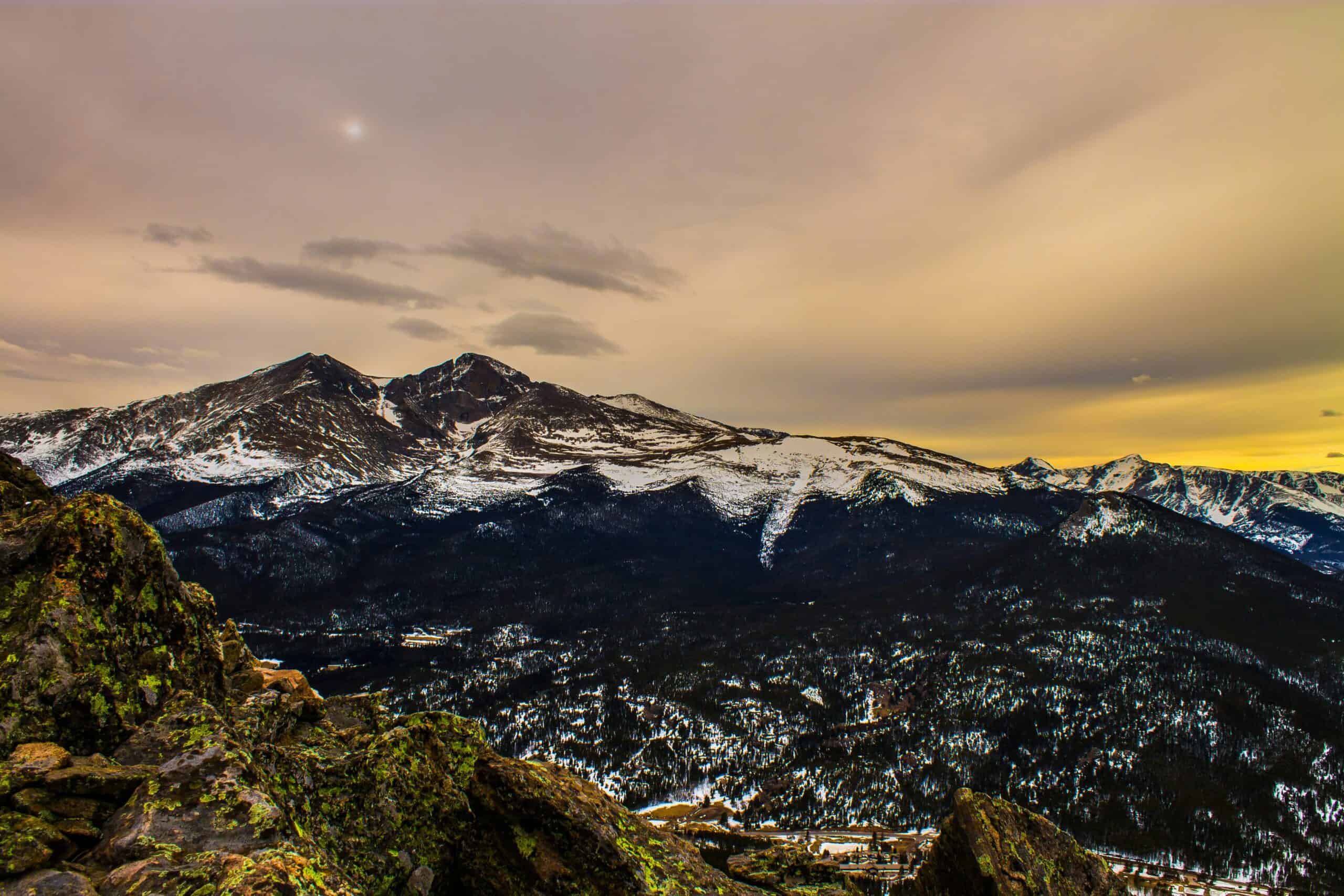
Rocky Mountain is continuing timed-entry reservations in 2026, with a reservation period stretching from late May into mid-October, which keeps peak-season spontaneity off the table for many visitors. The park is still spectacular, but the planning burden is real, especially for families stitching together weather, altitude, and short vacation windows. In 2026, some travelers are skipping the high-season scramble here and saving the trip for fall weekdays when the mountain pace is easier to absorb, when lower demand usually means easier permit times, less pressure at trailheads, and a day that feels like mountain time, not a reservation rush. [turn22view0]
Acadia National Park
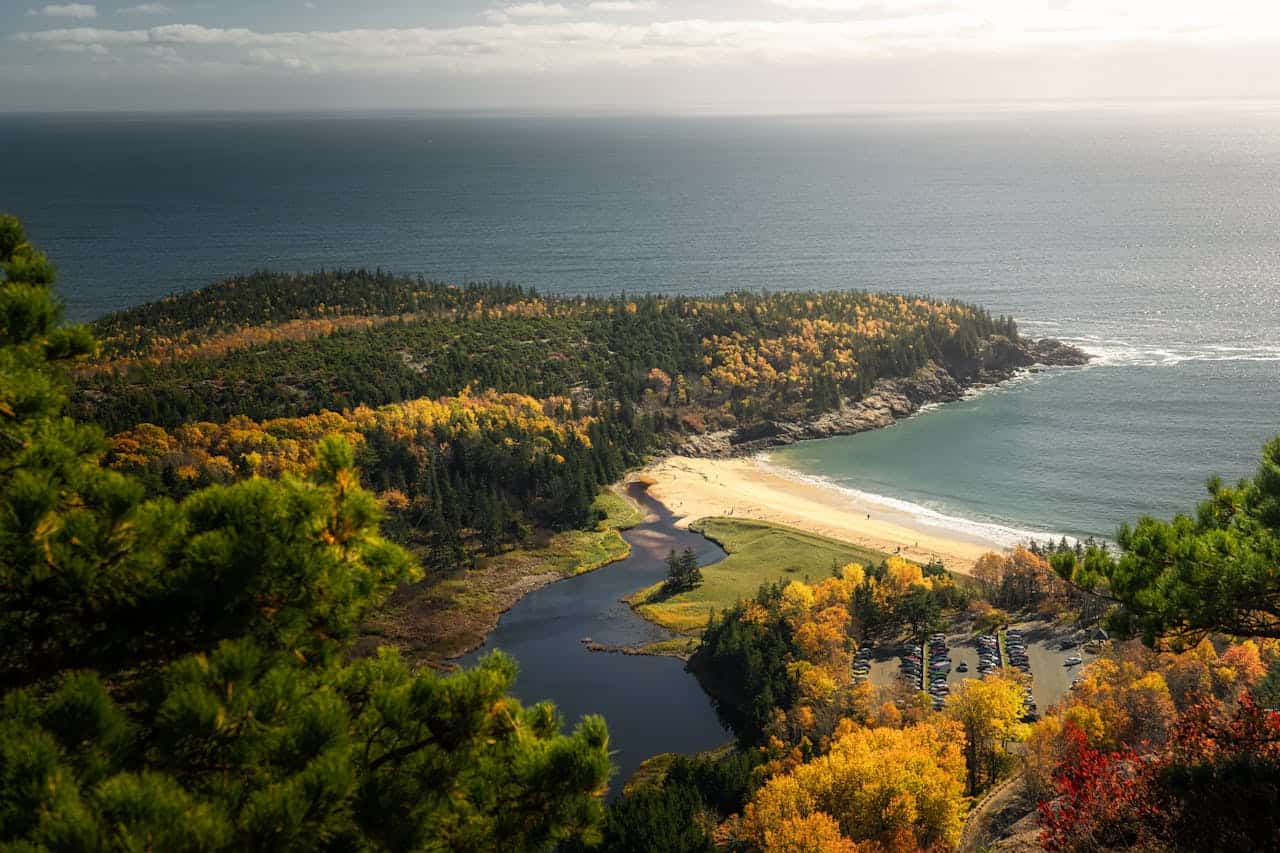
Acadia still requires a vehicle reservation to drive Cadillac Summit Road during its seasonal window, and the system runs on advance releases plus a smaller batch issued two days ahead. The rules are manageable, but they add another layer to an already crowded summer destination where parking and timing can shape the entire day. That is why many East Coast travelers are skipping peak dates in 2026 and choosing quieter months when Acadia’s coast feels more like a refuge than a rush, with more room for shoreline walks, carriage roads, and unhurried dawn views that do not begin with a reservation release or a parking race at the summit overlook. [turn23view0]
Zion National Park
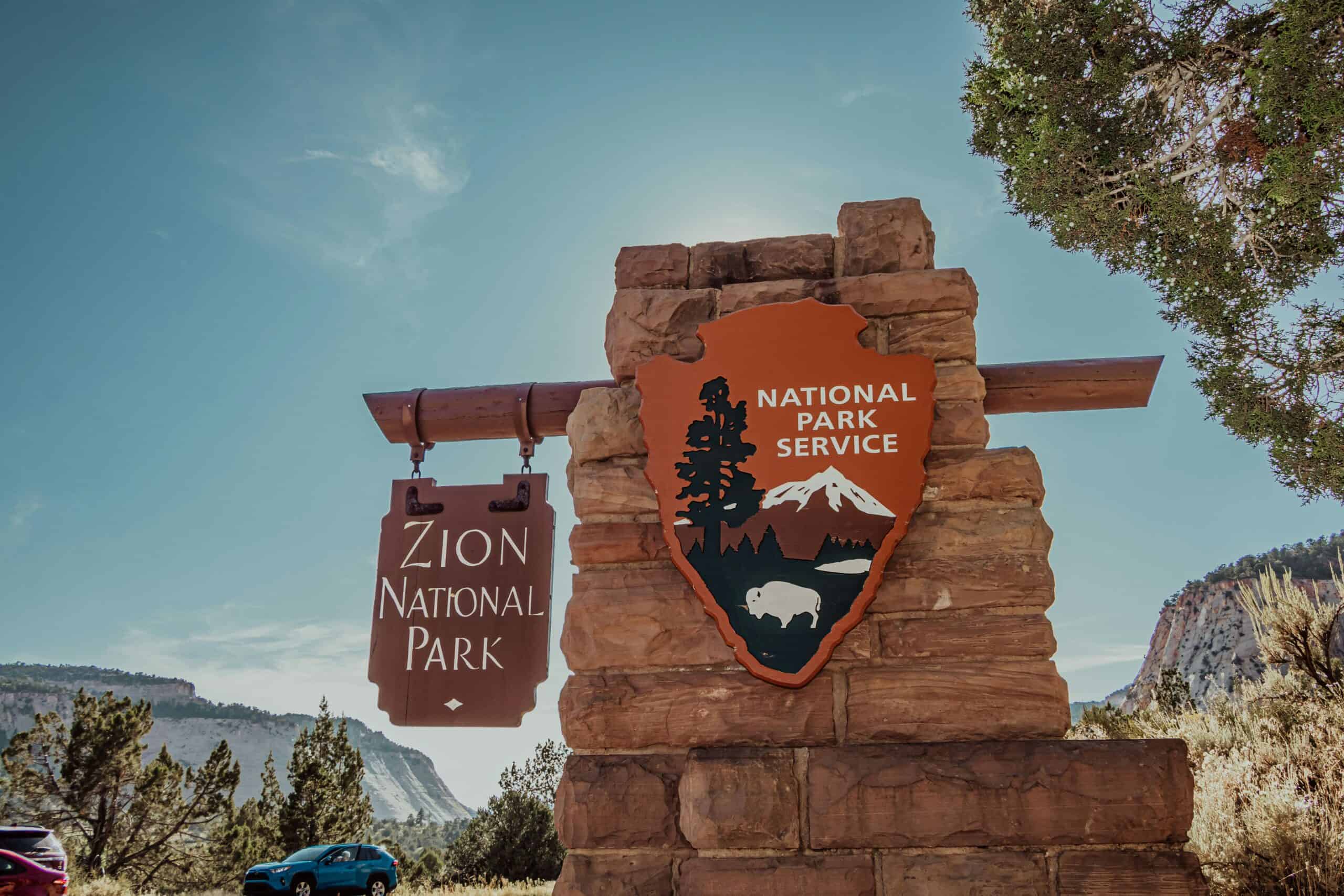
Zion remains one of the most logistically demanding parks in peak season because even simple hiking days often depend on shuttle timing, full parking lots, and backup plans from the start of the morning. NPS notes that Angels Landing still requires a permit beyond Scout Lookout, and shuttle riders can face a long walk back if they miss the last bus. With those layers in place, more travelers are bypassing Zion in the busiest weeks of 2026 and shifting to shoulder-season visits with more breathing room, when shorter lines and easier shuttle flow give the canyon back its quiet scale and make simple walks feel less like a schedule test for once. [turn24view0] [turn24view1]
Great Smoky Mountains National Park
crackerclips/123rf
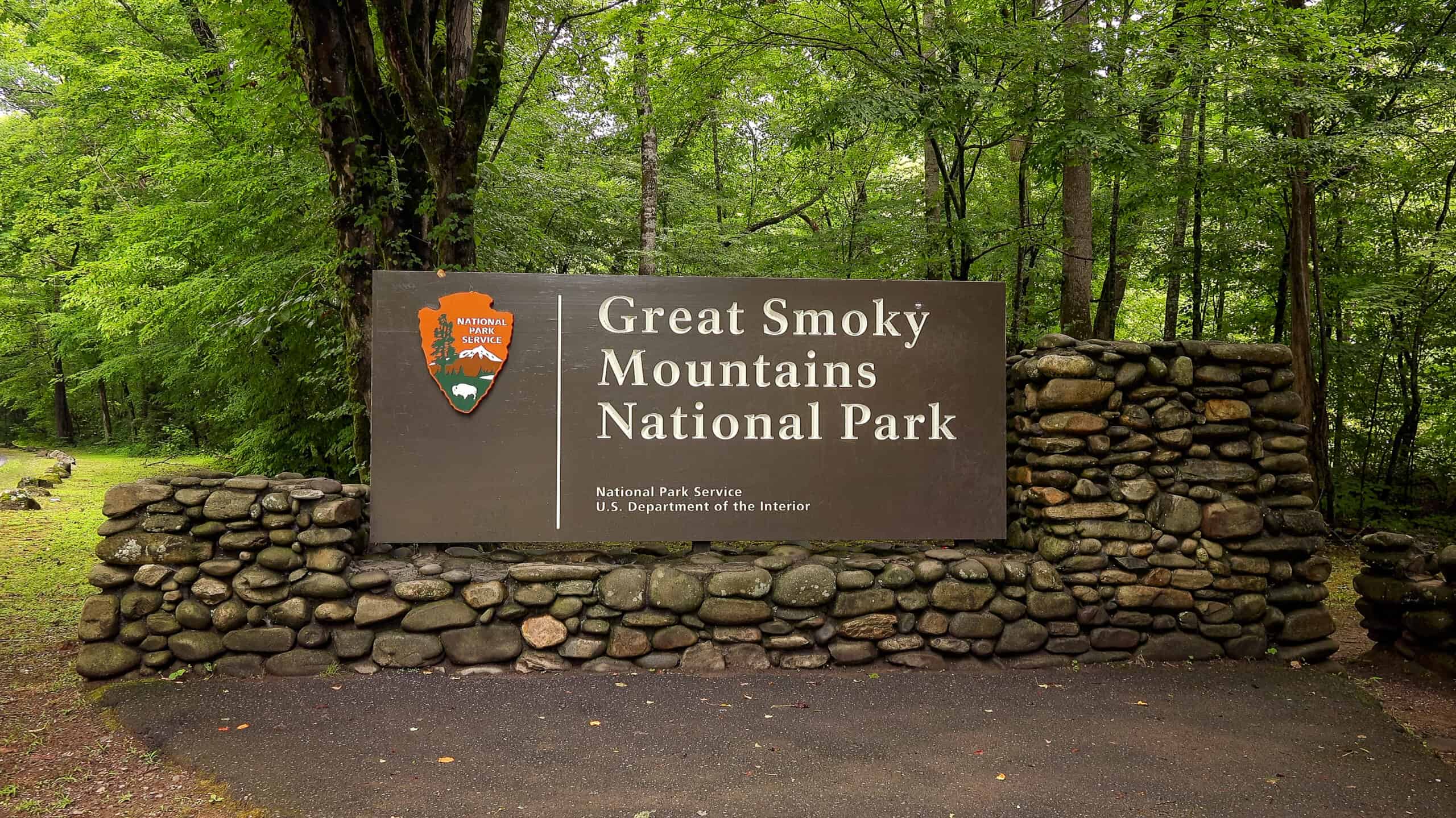
Great Smoky Mountains stays the country’s most visited national park, with more than 12 million recreational visits in 2024, and that popularity keeps showing up in packed pull-offs, crowded trails, and slow roads. The park also requires parking tags for vehicles parked longer than 15 minutes, and a major safety-upgrade project on the Spur is scheduled in early 2026. For travelers hoping for a quiet mountain reset, skipping the busiest windows can preserve the Smokies at their gentler pace, especially while road work and warm-weather crowds squeeze the same scenic corridors that make the park feel effortless in quieter weeks in crowded weeks. [turn28view1] [turn29search1] [turn29search10]
Grand Canyon National Park
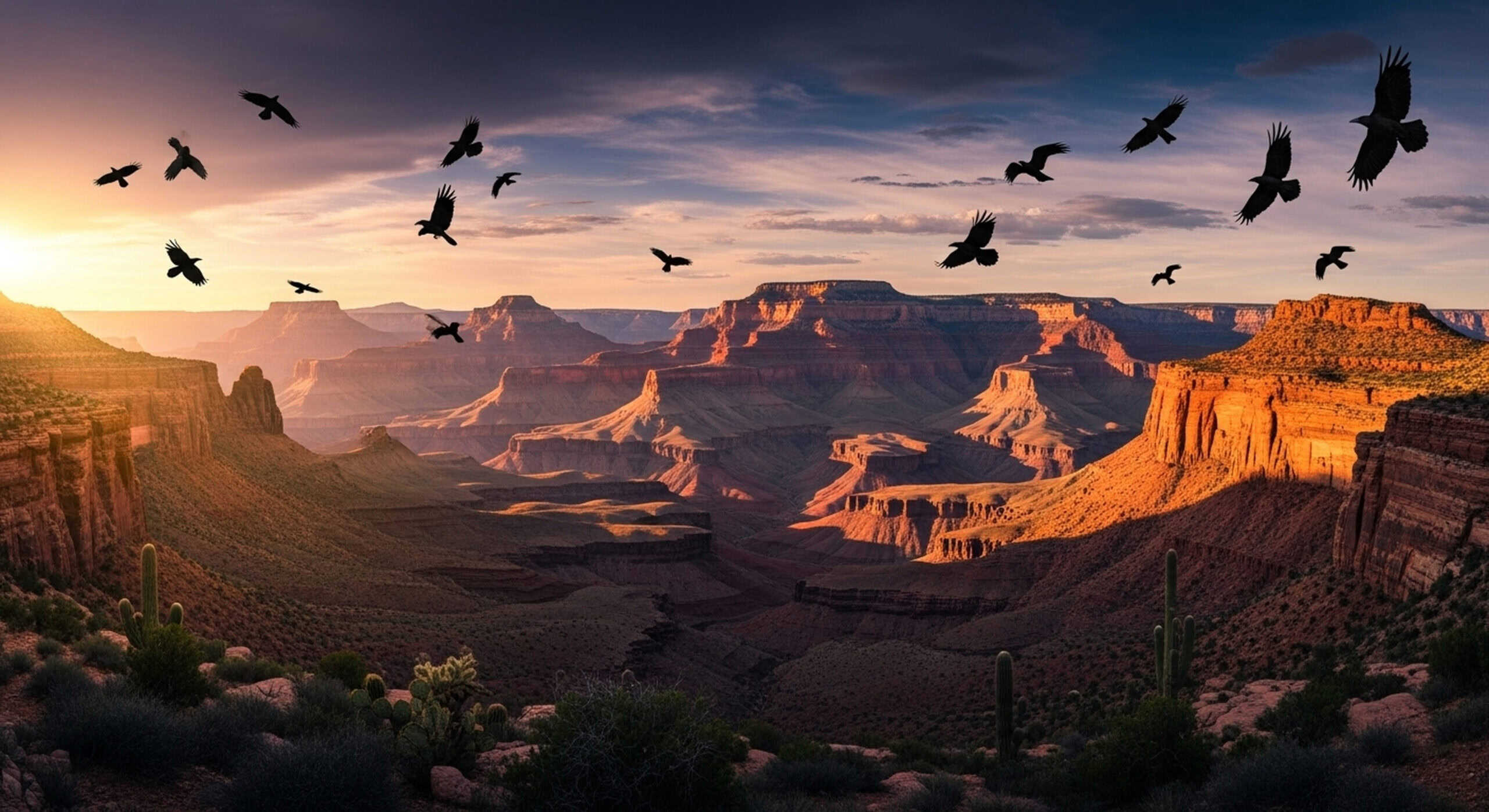
Grand Canyon remains iconic, but 2026 comes with extra uncertainty on the North Rim, where park officials announced an adaptive reopening approach after the Dragon Bravo Fire and said details will come closer to the season. At the same time, key corridor trail and bridge closures continue into 2026 on parts of the inner-canyon system, which can complicate long-planned hikes. Many travelers are delaying major canyon trips until operations stabilize, especially when the trip is meant to be a once-in-a-lifetime walk, and a steadier season can reduce the risk of building a costly itinerary around access changes that shift close to departure date. [turn28view5] [turn28view0]
Yellowstone National Park
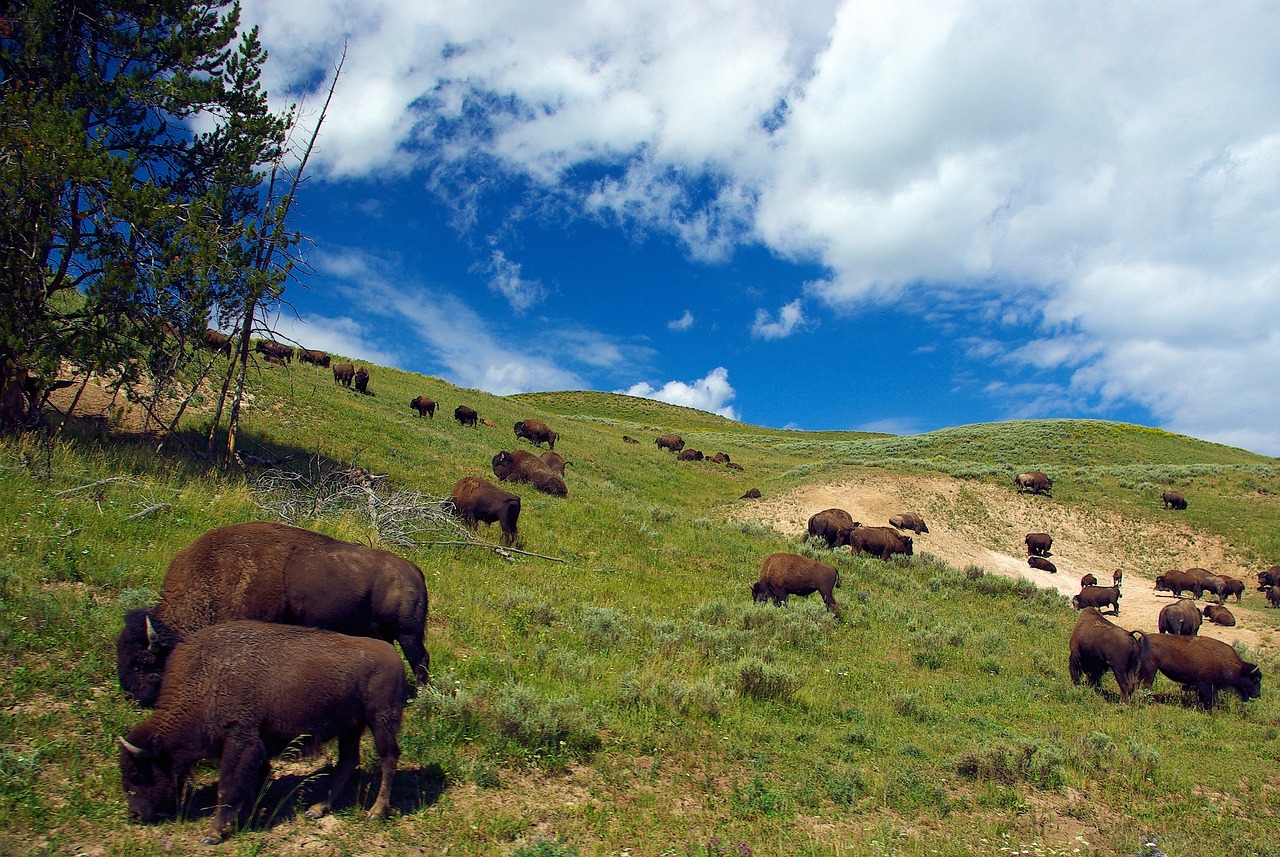
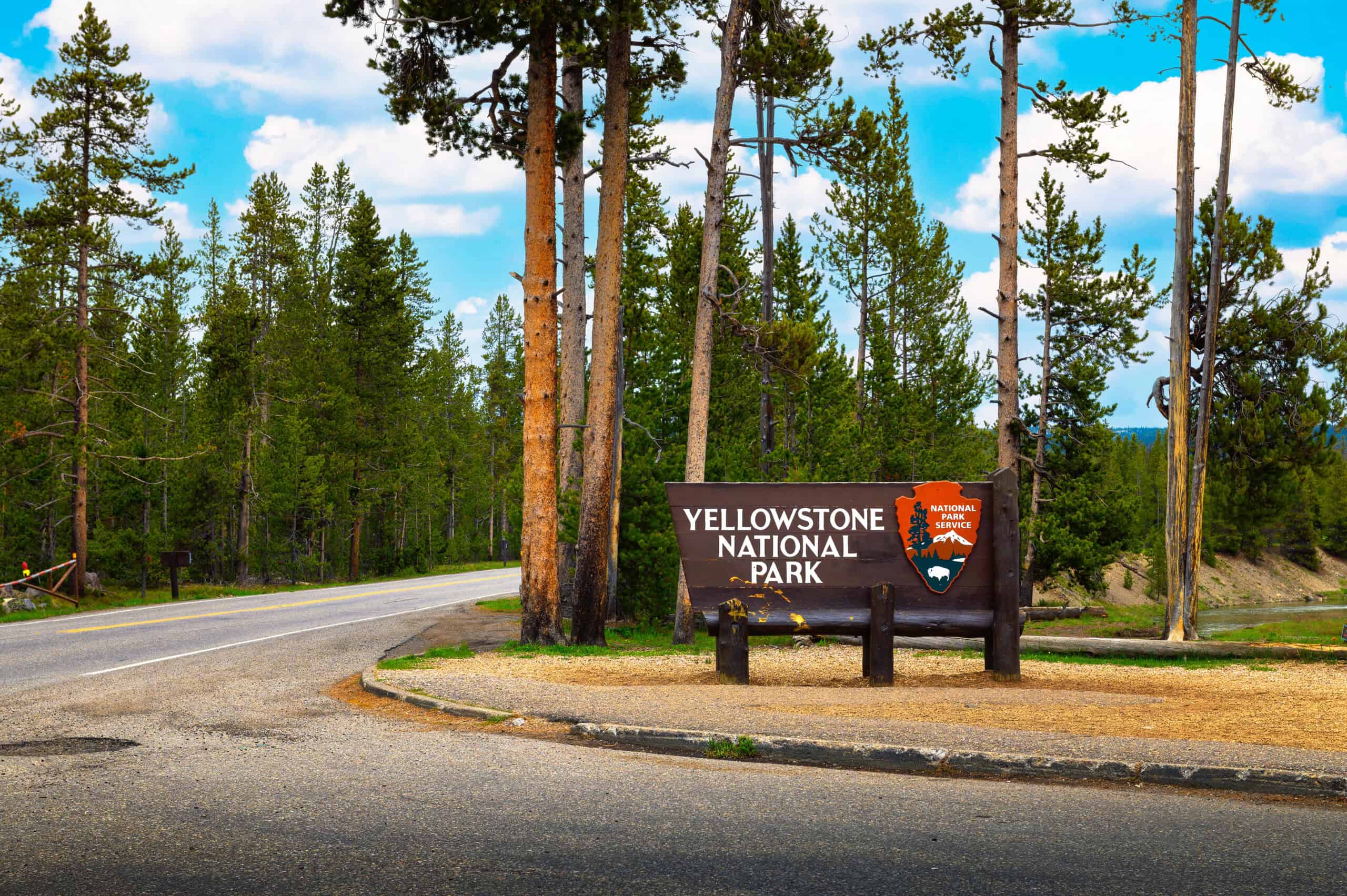
Yellowstone is still the classic summer road-trip dream, yet the park’s 2026 road calendar and planned improvement projects mean traffic delays are not a side note but part of the trip design. Add the reality of wildlife slowdowns, where safe viewing requires distance and patience, and a single day can shrink fast on the road. That is why some travelers are stepping back from peak-season Yellowstone in 2026 and waiting for quieter shoulder weeks when the park’s scale can breathe, with more time for pullouts and geyser basins, and less pressure to rush when traffic pauses for construction or wildlife along the loop roads on the busy park days. [turn28view4] [turn29search11]
Joshua Tree National Park
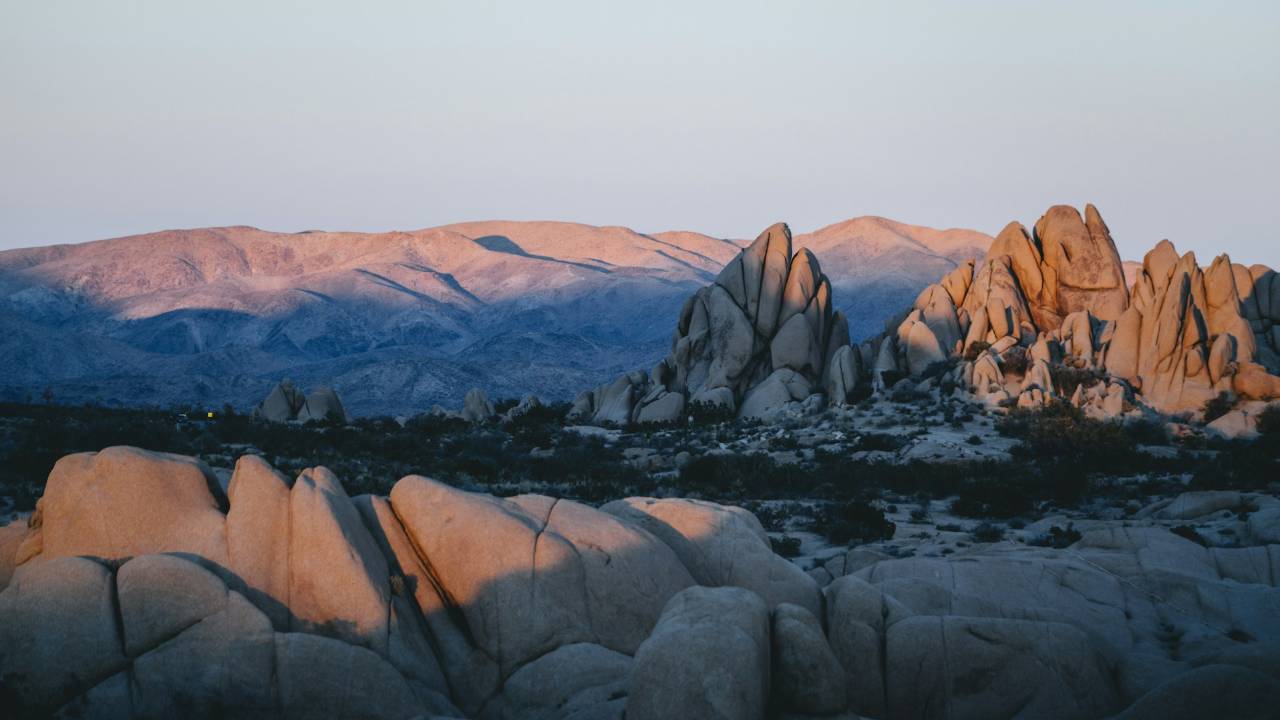
Joshua Tree often looks simple on a map, but the park’s own guidance paints a tougher picture in peak heat, with no water in the interior, very limited cell service, and serious summer risk. NPS says summer highs are typically around 100°F, and rangers have also warned the park can reach 120°F in lower elevations during extreme heat. In 2026, many travelers are skipping the hottest stretches and treating Joshua Tree as a sunrise-season or winter park instead, when cooler months offer safer hiking windows, easier camping logistics, and far less chance that a simple trail stop turns into a heat-management problem during long, bright afternoons. [turn28view3] [turn27search7] [turn28view2]
Haleakalā National Park
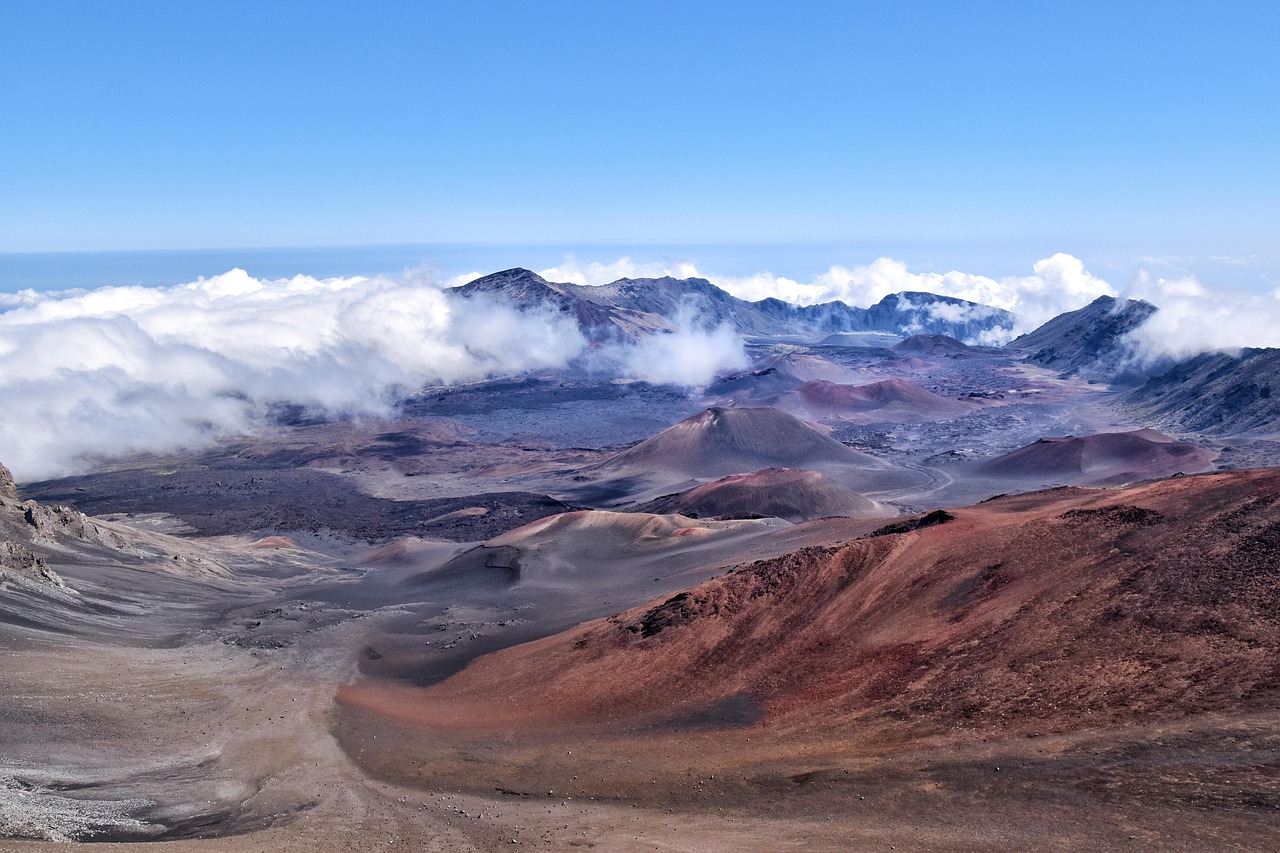
Haleakalā’s sunrise remains unforgettable, but the experience is tightly managed and physically demanding in ways many travelers underestimate when building a Maui itinerary. Sunrise reservations are required, parking lots close when full, and the summit area can be wet, windy, and below freezing before dawn, with fast-changing conditions. In 2026, some visitors are skipping the sunrise rush and choosing later overlooks or different districts for a calmer, safer park day, especially for travelers who would rather avoid a predawn schedule, a cold summit lot, and the stress of timing a reserved sunrise window on a trip that should feel relaxed. [turn26view0] [turn26view1]
Shenandoah National Park
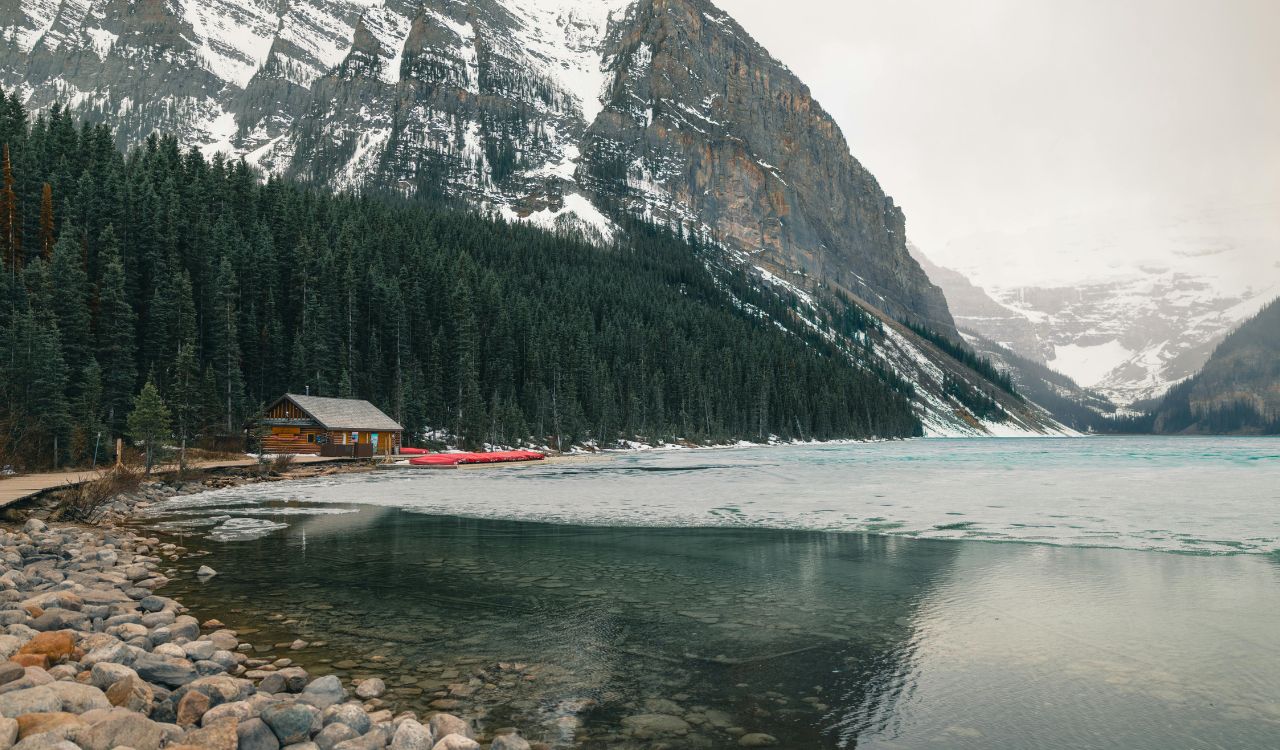
Shenandoah feels easy compared with giant Western parks until Old Rag enters the plan, where day-use tickets are required from March through November and do not guarantee parking. The park says the system grew out of crowding and congestion concerns, and even the ticket adds another step to a hike many people picture as spontaneous. For travelers building a flexible Blue Ridge weekend, 2026 may be the year to skip Old Rag on peak dates and choose quieter Shenandoah trails, when Skyline Drive overlooks, gentler trails, and weekday timing can still deliver Blue Ridge views without building the day around one permit-controlled route each season. [turn25view0]
Denali National Park & Preserve
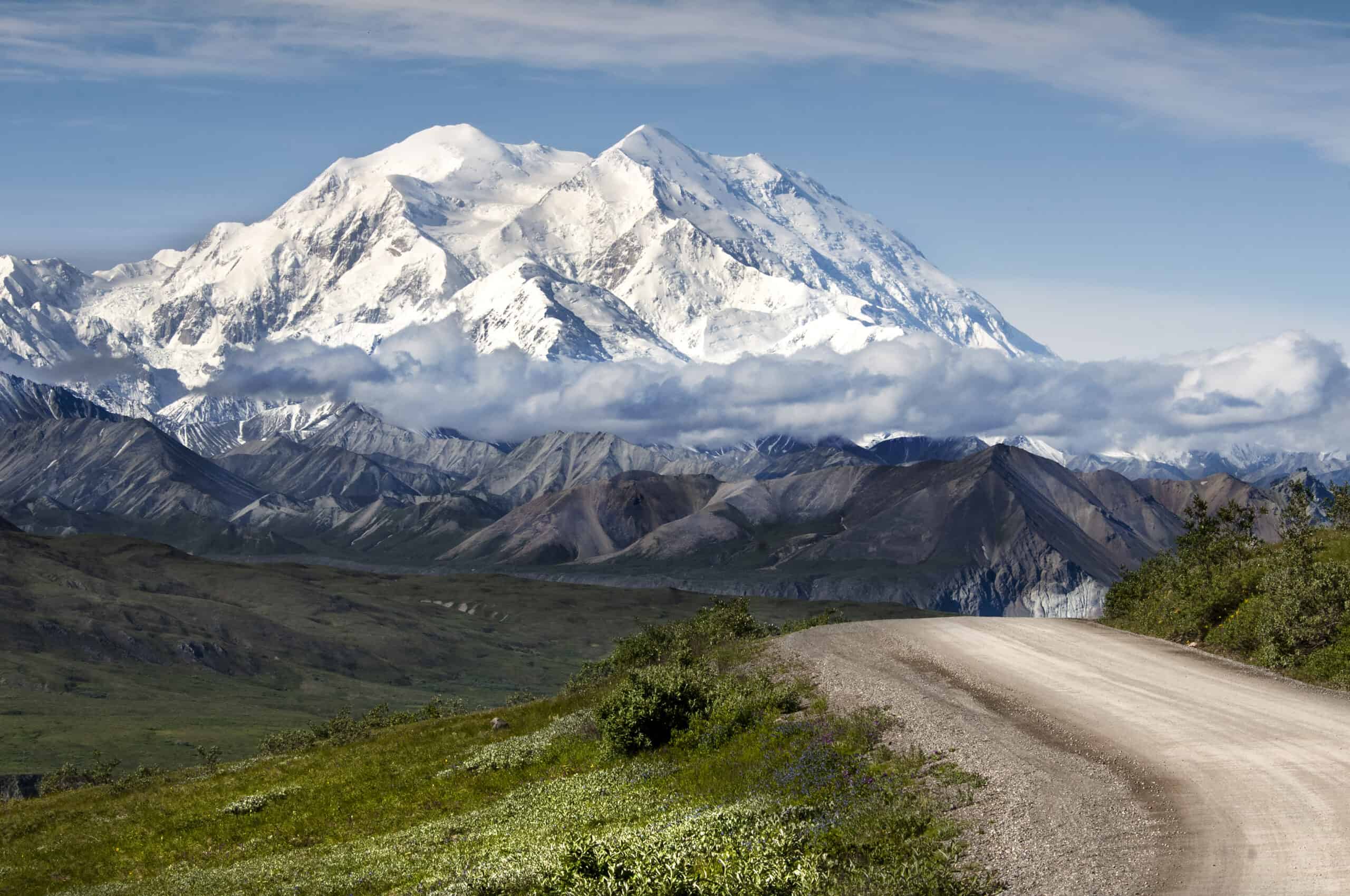
Denali remains one of the most awe-inspiring names in the system, but access is still heavily shaped by the Pretty Rocks Landslide and the long closure of the park road at Mile 43. NPS says that closure is expected to remain through summer 2026, and park planning pages note buses cannot go beyond Mile 43 while access to Kantishna is only by air. For travelers dreaming of the classic deep-road Denali journey, 2026 may be a year to wait rather than settle for a partial route, because the full scale of the park is tied to road reach, and a delayed trip can restore the classic wildlife-and-landscape experience many people are expecting in Alaska. [turn29search0] [turn29search6]