We may earn money or products from the companies mentioned in this post. This means if you click on the link and purchase the item, I will receive a small commission at no extra cost to you ... you're just helping re-supply our family's travel fund.

David Syphers/Unsplash
Travel planning usually focuses on the obvious details. Flights get booked, hotels get reserved, and itineraries start to take shape months in advance. But some of the biggest travel mistakes happen because of small details that seem easy to ignore. Passport validity is one of them. Many travelers assume a passport is fine until the exact expiration date printed inside it. In reality, several countries require much more time remaining. A passport that looks valid can still create enough trouble to stop a trip before it even begins.
The Six-Month Passport Rule
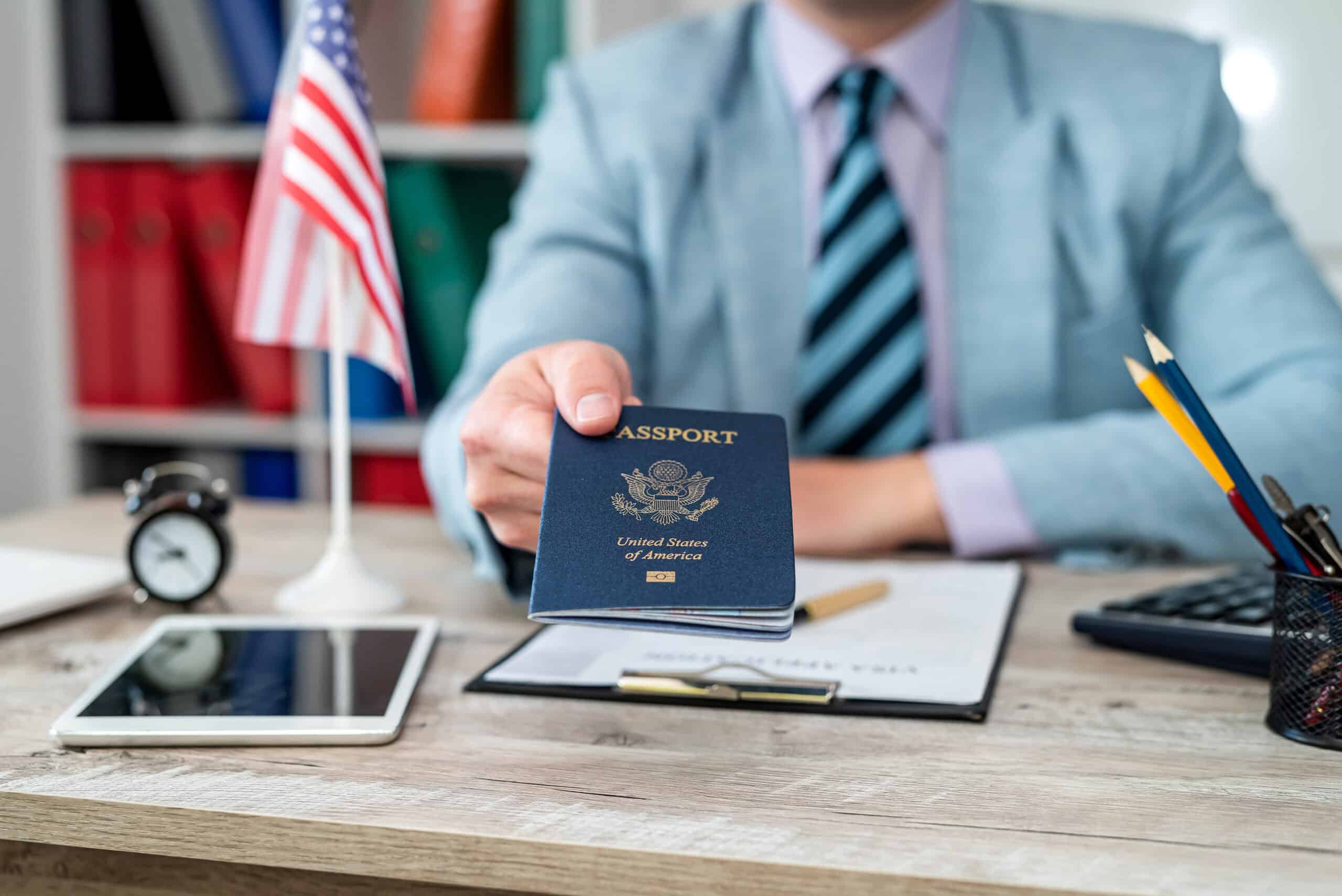
One of the most overlooked travel rules is the six-month passport requirement. Many countries expect a passport to remain valid for at least six months beyond the date of entry or departure. A passport that expires in Oct. 2026 could still create problems for a trip planned in May. Travelers are often surprised when they learn that the passport in their hand is technically valid, but still not valid enough for international travel. That small gap between expectation and reality is what catches so many people off guard.
Why Airlines Refuse Boarding

Most people assume immigration officers will be the first to notice a passport problem, but airlines often catch it before the plane ever leaves. Staff at the check-in counter are trained to verify passport rules because airlines can face fines if they transport someone who is later denied entry. That means a traveler can arrive at the airport with a ticket, luggage, and hotel reservation, only to be turned away at the desk. It is one of the most frustrating travel problems because it happens before the trip even begins.
Countries That Enforce It Strictly
Several countries are known for enforcing the six-month rule with little flexibility. Thailand, Vietnam, India, Egypt, and Singapore often expect passports to have at least six months of validity remaining. In some cases, the rule is measured from the date of departure rather than the arrival date, which creates even more confusion. A traveler may look at the passport, see that it expires months later, and assume everything is fine. By the time the mistake is noticed, the flight may already be lost.
Europe Has Different Rules

Europe follows a different standard in many cases, but that does not make it less important. Most countries in the Schengen Area require a passport to remain valid for at least three months beyond the planned departure date. That shorter window sounds easier to manage, but it still causes problems for travelers who wait too long to renew. A passport expiring in Aug. 2026 could still become an issue for a trip planned in June. The rule is different, but the risk is still very real.
Emergency Delays Matter

The reason these rules exist is not just paperwork. Governments know that travel plans can change without warning. Flights get canceled, storms delay departures, and illness can extend a trip by days or weeks. If a passport expires too close to the travel dates, there is a greater chance of someone getting stuck abroad without valid documentation. Requiring extra months of validity creates a buffer that protects both the traveler and the country being entered. It may seem strict, but there is a practical reason behind it.
Some Countries Have Exceptions
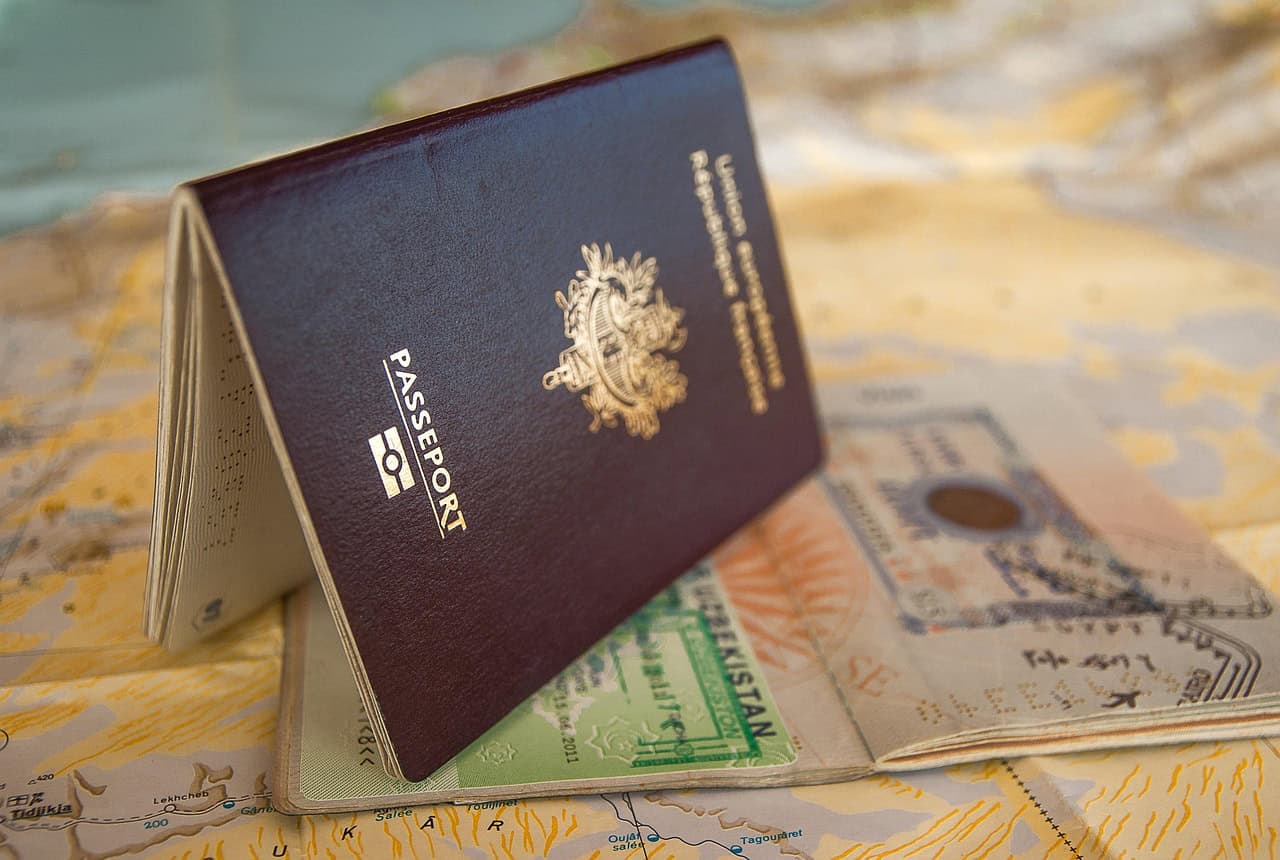
Not every country follows the same timeline. Mexico generally allows travelers to enter as long as the passport remains valid for the duration of the trip. Canada also tends to be more flexible than many destinations in Asia or the Middle East. These exceptions create confusion because travelers often assume one rule applies everywhere. In reality, passport validity rules change from country to country. Even neighboring destinations can have completely different requirements, which is why checking before departure matters so much.
Renewing Early Avoids Stress
Experienced travelers rarely wait until the final months before renewing a passport. Many treat the six-month mark as a deadline rather than a warning sign. Passport processing times can slow down during busy travel seasons, and last-minute renewals add unnecessary pressure. Renewing early removes the guesswork and creates more flexibility when future trips come up. A passport with plenty of time remaining feels like one less thing to worry about, especially when everything else about travel already comes with enough moving parts.
Rules Can Change Quickly
Passport requirements are not fixed forever. Governments update travel policies, airlines tighten enforcement, and exceptions can disappear without much public attention. A rule that seemed flexible one year may become stricter the next. That is why checking official entry requirements before every trip is so important, even for destinations that feel familiar. Relying on old information can lead to expensive mistakes. Travel changes constantly, and passport rules are one of the easiest details to overlook until it is too late.