We may earn money or products from the companies mentioned in this post. This means if you click on the link and purchase the item, I will receive a small commission at no extra cost to you ... you're just helping re-supply our family's travel fund.
Beginning in 2026, international visitors to U.S. national parks will face a new “America First” fee structure that significantly changes how access is priced for non-residents. While the policy aims to increase funding for park maintenance, it also reshapes the economics of global tourism in some of the world’s most iconic landscapes. The changes affect everything from annual passes to per-park surcharges, and travelers will need to plan carefully to avoid unexpected costs.
1. The New $250 Non-Resident Annual Pass
The most talked-about change is the creation of a $250 non-resident annual pass, which is more than triple the $80 rate reserved for U.S. citizens and permanent residents. This pass grants access to over 2,000 federal recreation sites, but its higher cost signals the government’s intent to prioritize domestic affordability. Officials project the revised pass could generate over $150 million annually, funding restoration backlogs that have exceeded $22 billion nationwide.
2. The Extra $100 Surcharge at 11 Major Parks

Foreign visitors who skip the $250 pass will face an additional $100 surcharge at 11 high-demand parks, including Yellowstone, Yosemite, Zion, and the Grand Canyon. These sites collectively draw more than 50 million visitors each year, creating significant strain on infrastructure. The surcharge is added on top of base entry fees, which typically range from $20 to $35 per person. Park officials argue these funds could boost yearly maintenance budgets by nearly 18%.
3. Why the Fee Structure Was Introduced
The U.S. government cites rising operational costs, aging facilities, and increased global tourism pressure as key reasons for the new pricing. More than 30% of visitors to certain top parks are non-residents, and officials believe higher international fees will ease financial burdens on local taxpayers. With maintenance costs increasing roughly 7% each year, planners estimate that shifting expenses toward tourists could close funding gaps without reducing services for American families.
4. How This Affects Short-Term Travelers
For foreign travelers visiting only one or two parks, the new costs can add up quickly. A typical visitor to Yellowstone, for example, may now pay a combined $135 with the surcharge, compared to the earlier average of $35. Groups or families will feel the change even more, as fees are charged per person rather than per vehicle. Analysts suggest that short-term tourists could spend 40% to 60% more overall, depending on their itinerary and season.
5. Economic Ripple Effects on Tourism
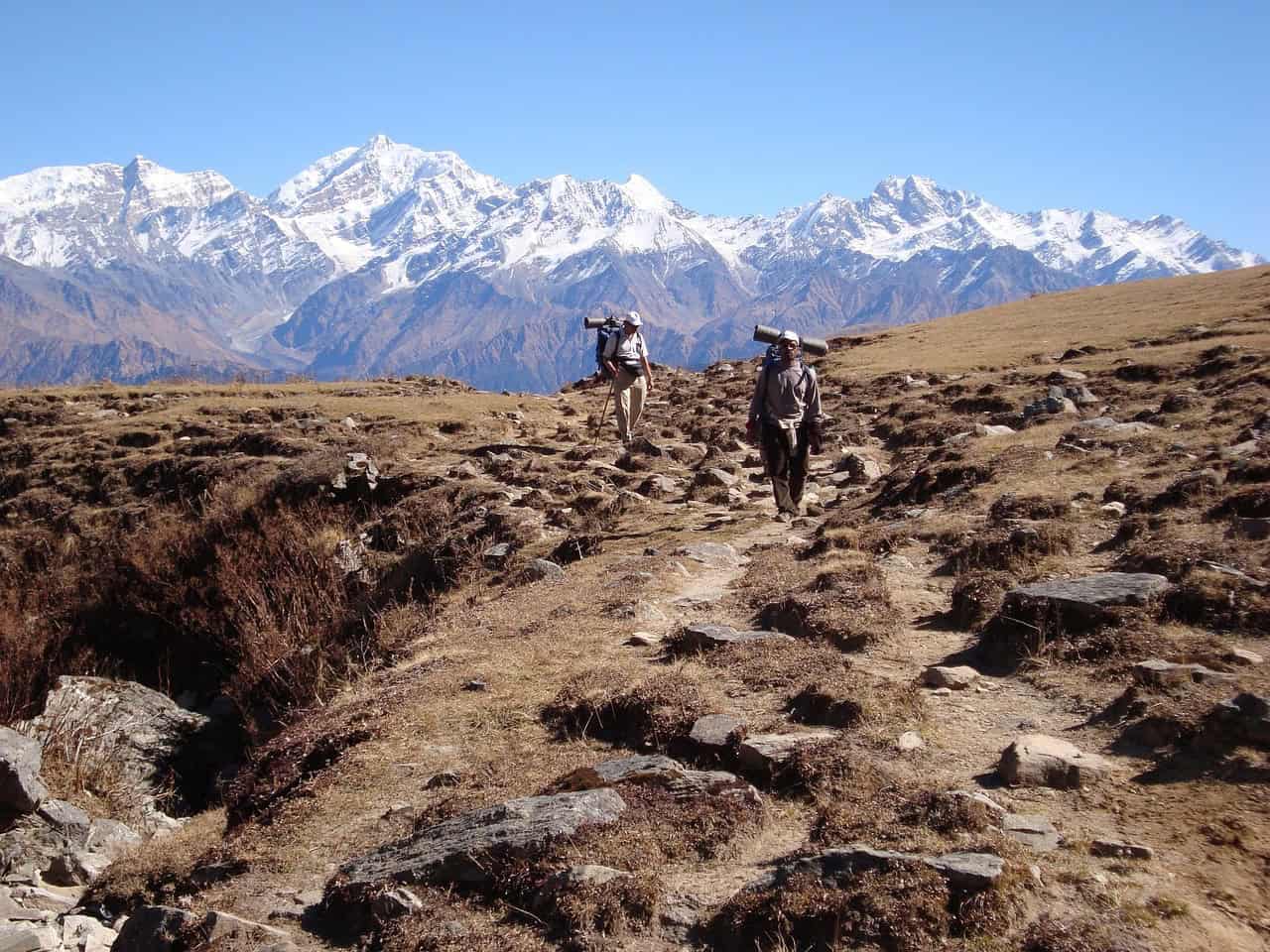
Tourism researchers warn that the pricing shift may reduce international demand by 8% to 12% in the first year, especially among long-haul travelers from Asia and Europe. Gateway towns near popular parks, many of which rely on tourism for over 70% of local revenue, could see noticeable changes in occupancy rates and seasonal hiring. Still, supporters argue that higher-spending tourists will continue visiting, potentially stabilizing revenue despite fewer overall visitors.
6. Digital Passes and New Verification Rules
Starting 2026, all passes, resident and non-resident alike will be issued digitally through Recreation.gov, with QR verification at park entrances. This system aims to reduce fraud, which officials estimate cost parks over $10 million annually. Visitors will need passports linked to their digital profiles, and inspectors may conduct random checks during peak hours. The updated system is expected to streamline entry wait times by nearly 25% while improving enforcement accuracy.