All-Inclusive Resorts Are Optimized to Keep You From Leaving the Property. That’s Not Always What Guests Actually Want
We may earn money or products from the companies mentioned in this post. This means if you click on the link and purchase the item, I will receive a small commission at no extra cost to you ... you're just helping re-supply our family's travel fund.
The all-inclusive resort model, dominant across the Caribbean, Mexico, and increasingly parts of Europe, is built around a single core economic incentive: the resort makes more money the longer a guest stays on-property and the less they spend at outside businesses. Every design decision, from meal timing to entertainment scheduling to the physical layout of the property, tends to flow from that incentive, and understanding it explains a lot about why all-inclusive vacations feel a specific way that guests either love or find subtly stifling.
The Economics Behind the Buffet
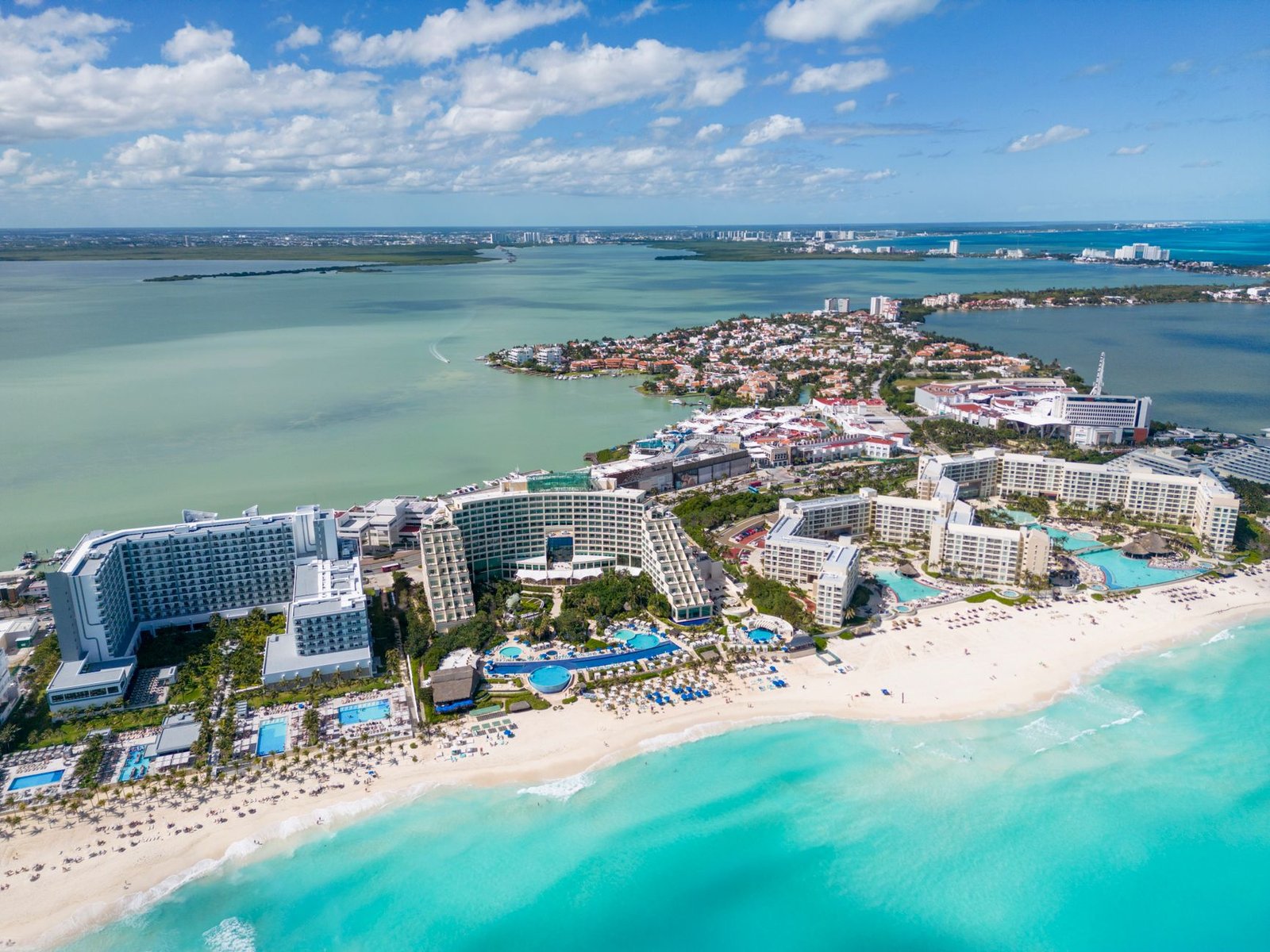
All-inclusive resorts operate on a prepaid revenue model, meaning the resort has already collected its money before the guest ever eats a meal or orders a drink, which flips the usual restaurant or hotel incentive on its head. A traditional restaurant wants you to order more; an all-inclusive resort’s food and beverage operation is, from a pure margin standpoint, better off if guests eat and drink somewhat less than their prepaid package technically allows, since every additional cocktail or lobster dinner is a cost against revenue that’s already been collected. This is part of why all-inclusive buffet quality and drink pour sizes are frequently criticized by guests relative to a la carte alternatives — the financial incentive to over-deliver simply isn’t there the way it is at a restaurant charging per item.
Keeping Guests On-Property Is the Real Product
Because the resort has already been paid regardless of whether a guest leaves the property, every dollar a guest spends at an outside restaurant, tour operator, or shop represents pure lost potential revenue from the resort’s perspective — even though the resort didn’t have to provide anything for that money. This is why all-inclusive properties tend to be built with deliberately limited walkable access to surrounding towns, extensive on-property entertainment programming scheduled throughout the day, and marketing language that subtly discourages leaving, often citing safety concerns about surrounding areas that may or may not be proportionate to actual risk. The entertainment programming — pool volleyball, trivia, nightly shows — isn’t primarily about guest enjoyment; it’s a retention mechanism keeping guests occupied and on-site rather than curious about what’s beyond the resort gates.
Why Some Guests Love This Anyway
None of this means all-inclusive resorts are a bad choice for everyone — for travelers whose primary goal is decision-free relaxation, particularly families with young children or people recovering from an exhausting work stretch, the model’s core function, eliminating the need to make choices about where to eat, what to pay, or how to plan a day, is precisely the appeal, not a hidden downside. The same lack of decisions that frustrates a traveler who wants to explore local culture is exactly what a burned-out parent of three is paying for. The model works well when a guest’s goals and the resort’s incentives happen to align.
- Prepaid revenue model means the resort profits more when guests consume less than their package allows
- On-property entertainment functions primarily as a retention tool, not purely guest enjoyment
- Limited walkability and safety messaging discourage off-property spending
- The model suits decision-fatigued travelers better than culturally curious ones
The Mismatch That Produces Bad Reviews
Most negative all-inclusive reviews trace back to a mismatch between what the traveler wanted and what the model is actually built to provide: a guest hoping to authentically experience a destination’s culture and food will likely find an all-inclusive resort’s curated, safety-oriented, on-property experience frustratingly limited, while a guest who simply wanted a low-effort week of sun and prepaid margaritas will likely rate the same resort five stars. The properties aren’t failing at their job when a culturally curious traveler feels stifled — they’re succeeding at a different job than that traveler actually wanted done, which is worth knowing before booking rather than after arriving.
The Rise of Boutique All-Inclusives Complicates the Picture
A newer generation of upscale, boutique all-inclusive resorts, particularly in destinations like the Riviera Maya and parts of the Caribbean, has begun deliberately breaking from the traditional retention-focused model, offering curated off-property excursions, partnerships with local restaurants, and significantly higher-quality food and beverage programs as a core selling point rather than an afterthought. These properties still operate on the same prepaid revenue structure, but they’ve recognized that a segment of affluent travelers specifically wants cultural engagement alongside convenience, and are willing to pay a premium for a version of all-inclusive that doesn’t require choosing between relaxation and authenticity.
What to Actually Check Before Booking
Travelers trying to decide whether a specific all-inclusive resort will suit their goals can look at a few concrete signals beyond marketing photos: whether the resort actively promotes and facilitates off-property excursions or discourages them, how recent reviews describe food and drink quality relative to the price paid, and whether the property is part of a large international chain optimized for volume or a smaller, independently run resort with more direct incentive to maintain reputation among a more discerning repeat customer base. None of these signals guarantee a good trip, but they reveal more about which incentive structure a specific resort is actually operating under than any glossy brochure will.
The smartest way to approach an all-inclusive booking, in the end, is to be honest about which traveler you actually are on this particular trip — decision-fatigued and craving simplicity, or curious and craving contact with an actual place — rather than assuming those are the same thing every time you travel.
Travel agents who specialize in all-inclusive bookings increasingly describe their job as matching a traveler’s actual temperament to the right property tier and brand, rather than simply finding the lowest price for a given star rating, a shift in the industry that acknowledges just how much satisfaction depends on the fit between guest expectations and resort incentive structure rather than on the resort’s amenities list alone.
Consumer protection agencies in several states have taken a closer look at all-inclusive resort marketing practices in recent years, particularly around resort fees and add-on charges that some properties present as “all-inclusive” while still charging separately for premium alcohol, spa access, or specific dining venues, a pattern that has drawn enough complaints to prompt renewed calls for clearer industry-wide pricing standards.