Alaska Airlines Added Pacific Northwest Routes and Cut Others. Here’s How the 2026 Schedule Affects West Coast Travelers
We may earn money or products from the companies mentioned in this post. This means if you click on the link and purchase the item, I will receive a small commission at no extra cost to you ... you're just helping re-supply our family's travel fund.
Alaska Airlines’ route network restructuring post-Hawaiian Airlines merger has meaningfully changed options for West Coast travelers. Some routes that were previously operated by Hawaiian are now Alaska-branded, while Alaska has reduced frequency on others. If you’re planning a West Coast or Hawaii trip and relied on Alaska’s old network, here’s what’s changed.
The Route Changes That Matter Most
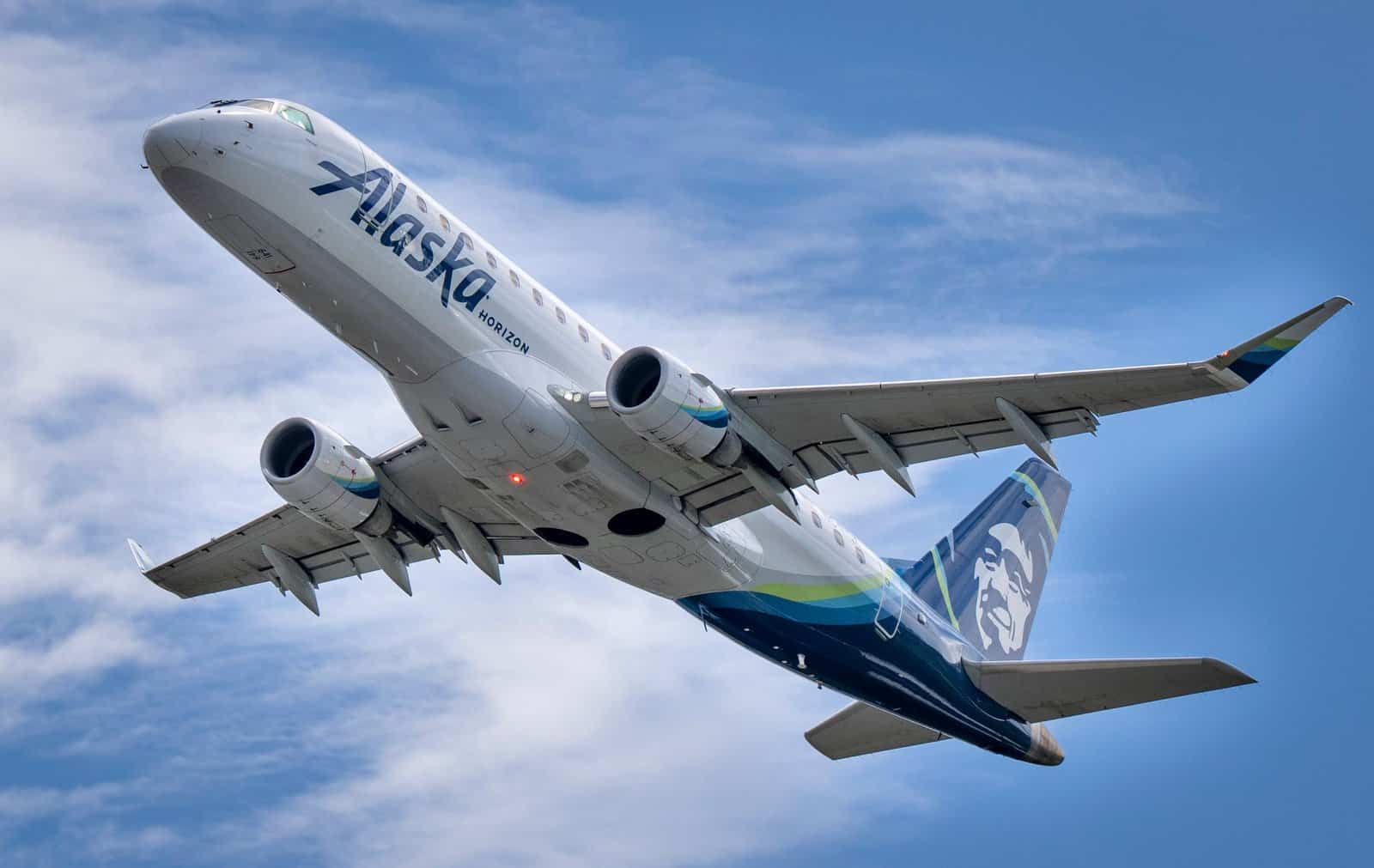
The integration of Hawaiian Airlines routes into the Alaska network created new direct connections from mainland cities that previously required connections through Honolulu or connections that didn’t exist at all. Seattle (SEA) to Maui now operates as a direct Alaska flight that previously was Hawaiian-branded from a different terminal. Portland and Anchorage gained strengthened Hawaii connectivity through the merger’s network logic.
On the negative side, some Alaska routes to smaller Pacific Northwest markets saw frequency cuts as the carrier absorbed the operational complexity of integrating two airlines. Several markets that had daily service dropped to 5x or 4x weekly, which changes flexibility for travelers who need to move on specific dates. Check current schedules when booking rather than assuming the pre-merger frequency is maintained.
What Alaska Mileage Plan Members Should Know
Key changes for frequent flyers:
- Hawaiian Airlines flights now earn Mileage Plan miles at Alaska’s earning rates
- Elite status benefits extend to Hawaiian-operated flights during the integration period
- Companion fare certificates now apply to some Hawaiian routes that were previously excluded
- Interisland Hawaiian routes are fully integrated into Mileage Plan award booking
The Alaska-Hawaiian merger is a net positive for West Coast travelers who were already Alaska Mileage Plan members — the expanded network and the Hawaii integration give the program more value than it had before. The uncertainty around route frequency and the completion of integration makes booking flexibility (refundable fares or trip insurance) more advisable for Alaska flights in 2026 than in a stable network year.
How the Merger Affects Booking Strategy in 2026
The Alaska-Hawaiian integration is still in process in 2026, which creates some specific booking considerations. Codeshare and interline agreements between the two carriers allow ticketing on a single itinerary, but the actual operational integration — shared check-in systems, unified loyalty redemption, combined award availability — is happening in phases. Booking a single itinerary that combines Alaska and Hawaiian operated flights should work seamlessly on alaska.com and through the Mileage Plan redemption interface, but travelers with complex itineraries should verify the booking on both airlines’ apps before departure.
The West Coast hub structure — Seattle and Portland strengthened as Pacific Northwest hubs, with San Francisco and Los Angeles positions maintained — means Alaska is genuinely the best domestic option for West Coast to Hawaii travel in terms of network reach and points currency. Delta and United both serve Hawaii from the West Coast, but neither has the West Coast network depth or the inter-island connectivity that the combined Alaska-Hawaiian system provides. For travelers who do Pacific routes regularly, aligning with Alaska Mileage Plan in 2026 has the most value it’s ever had.
The practical bottom line for route planning: check the Alaska app first for West Coast domestic and Hawaii routing, expect some service level variability during the integration year, and prioritize flexible fares when booking Alaska or Hawaiian operated flights through mid-2027 until the integration stabilizes. The combined network is the right answer for Pacific Northwest travelers — the uncertainty is about the quality of execution during the transition, not about the long-term value of the merger’s network logic.
How to Navigate the Integration Year
The Alaska-Hawaiian integration creates a specific year of complexity for travelers who have loyalty commitments to either carrier. Mileage Plan members who booked Hawaiian-operated flights before the merger should verify that their existing reservations are correctly migrated to the Alaska booking system and that their elite benefits are correctly applied. The most common integration pain point is award bookings made under Hawaiian’s HawaiianMiles program before the integration that need to be serviced under Mileage Plan’s different redemption logic.
The positive news is that the combined Alaska-Hawaiian footprint gives West Coast travelers a domestic and Pacific network that is more comprehensive than either carrier’s standalone network. The number of West Coast cities with direct Hawaii service increased post-merger, and the interisland Hawaiian routes are now bookable alongside mainland itineraries in a single Mileage Plan redemption. The travelers who benefit most are the ones who fly Alaska regularly on the West Coast and also travel to Hawaii — for them, 2026 is the year when the Mileage Plan ecosystem expanded significantly in the direction they were already traveling.