Airlines Owe You a Cash Refund When They Cancel Your Flight and You Don’t Rebook. Here’s When the DOT Rule Applies
We may earn money or products from the companies mentioned in this post. This means if you click on the link and purchase the item, I will receive a small commission at no extra cost to you ... you're just helping re-supply our family's travel fund.
If an airline cancels your flight, for any reason, and you do not accept a new flight, a travel credit, or other compensation, the airline owes you a refund in your original form of payment. The DOT automatic refund rule, issued by the U.S. Department of Transportation, also requires airlines to send that money without making you ask for it, within seven business days for credit card purchases and 20 calendar days for other payment methods.
According to the DOT, the rule applies when a flight is canceled and the airline does not rebook you, when you turn down the rebooking the airline offers, or when your flight is “significantly changed” and you decline the new itinerary and any other compensation. The rule defines a significant change for the first time, including a domestic flight that departs three or more hours early or arrives three or more hours late, or an international flight that shifts by six hours or more.
The catch is the word “accept.” Once you take the new flight, voucher, or miles, your right to a cash refund for that disruption generally goes away. Here is when the rule applies and how to use it.
When the DOT automatic refund rule applies
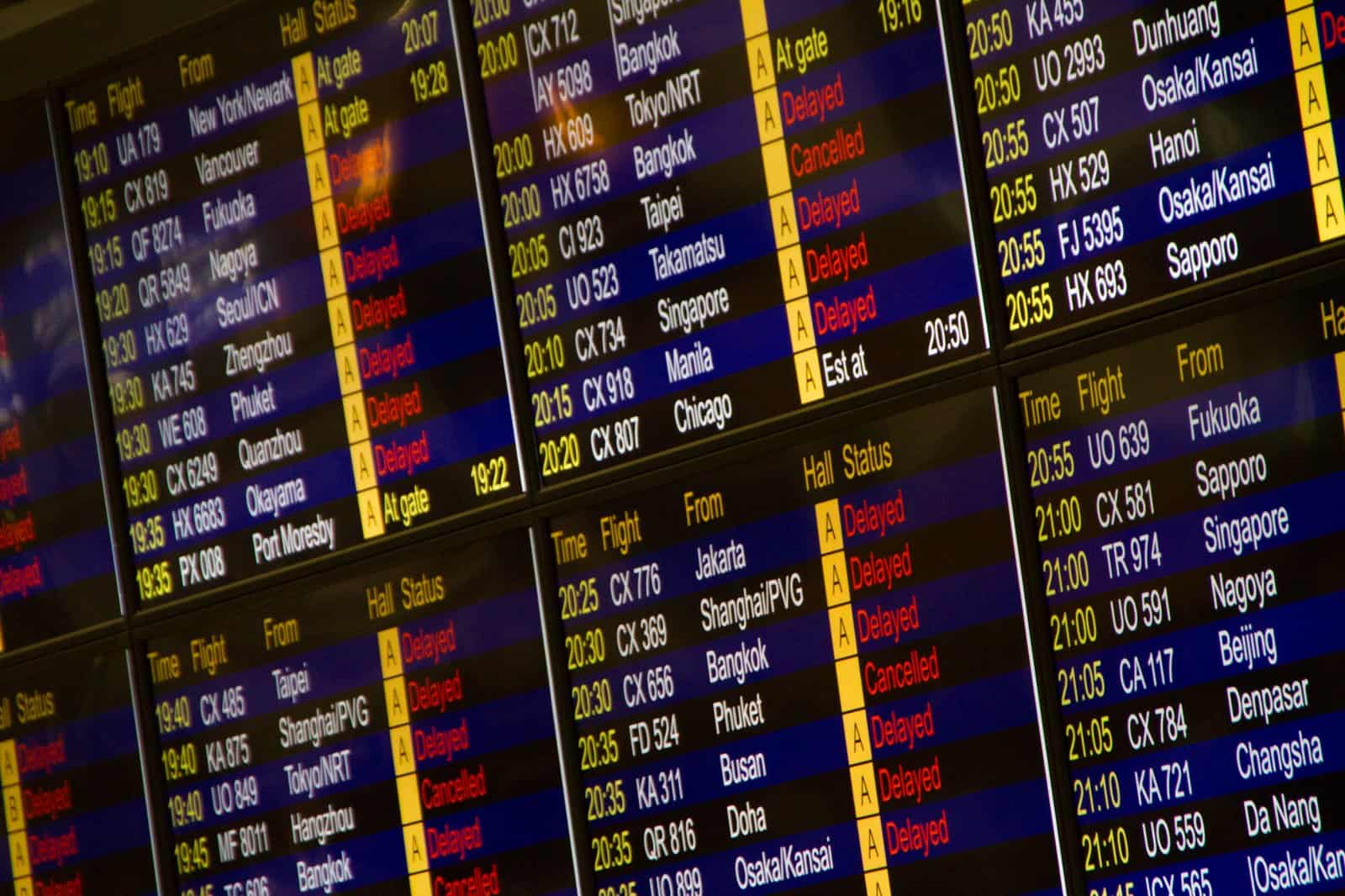
The DOT lists three main situations in which passengers are entitled to a refund under the rule:
- Your flight is canceled and the airline does not rebook you. You are owed a refund if the airline cancels a flight, regardless of the reason, and you do not accept alternative compensation such as a voucher or miles.
- Your flight is canceled and you decline rebooking. If the airline offers a new flight or alternative compensation and you do not accept either, you are owed a refund.
- Your flight is significantly changed and you decline. If you do not want to travel on the changed itinerary or a rebooked itinerary, and you do not accept other compensation in place of a refund, you are owed a refund.
The reason for the cancellation does not matter. Weather, mechanical problems, crew shortages, or air traffic control delays all count. That is different from compensation for meals or hotels, which often depends on whether the disruption was within the airline’s control.
What counts as a significant change
According to the DOT, a significant change includes:
- A domestic flight that departs three or more hours earlier or arrives three or more hours later than scheduled.
- An international flight that departs six or more hours earlier or arrives six or more hours later than scheduled.
- A change to the departure or arrival airport.
- An increase in the number of connections.
- A downgrade to a lower class of service.
- For passengers with disabilities, connections at different airports or flights on different planes that are less accessible or accommodating.
These standards apply to schedule changes made before your trip as well as to long delays on the day of travel.
What the refund covers
The refund is for the airfare, including government taxes and fees and mandatory carrier charges, minus the value of any portion of the trip you already used. If you paid for extras like seat selection or checked bags and you did not get the service, the DOT says airlines must also notify you of your right to a refund of those extra service fees.
The refund goes back to your original form of payment. A travel credit or voucher does not satisfy the requirement unless you choose to accept it.
How fast the money must arrive
The DOT says airlines and ticket agents must issue refunds:
- Within seven business days of the refund becoming due for credit card purchases.
- Within 20 calendar days for other payment methods, such as debit cards, cash, or checks.
Business days are Monday through Friday, excluding federal holidays.
The clock starts when the refund becomes due, usually when you reject the airline’s offer or when the airline knows you did not take the alternative.
Who must follow the rule
The rule applies to U.S. airlines and foreign airlines operating flights to, from, and within the United States. It covers tickets bought directly from airlines. Ticket agents that are the merchant of record, meaning their name appears on your card statement, must also provide refunds when owed, though the rules for travel agencies and online booking sites can work slightly differently. If you booked through a third party, contact them and the airline.
When the rule does not apply
The rule has limits. You generally are not owed a refund under it if:
- You accept the new itinerary. Taking the rebooked flight ends your refund right for that disruption.
- You accept a voucher, credit, or miles. Choosing alternative compensation instead of cash means no refund.
- You cancel voluntarily. If you change your mind and cancel a nonrefundable ticket, the rule does not require a refund. Your fare rules decide what you get.
- The change is smaller than the thresholds. A two-hour domestic delay, for example, does not count as a significant change.
- You fly the delayed flight. If you wait out the delay and fly, you used the service.
How to protect your refund right
A few steps can make a big difference:
- Read every message from the airline. Airlines must notify you of cancellations and significant changes and of your refund rights. Check email and the app.
- Do not click “accept” too quickly. Many airline apps automatically rebook passengers and ask them to confirm. If you want a refund instead, decline the change.
- Be careful with vouchers. Taking a credit or voucher may end your right to cash. Make sure that is what you want.
- Document everything. Take screenshots of cancellation notices, schedule changes, and offers.
- Know the thresholds. Count the change in hours to see if it meets the three-hour or six-hour standard.
Rebook or take the refund?
Sometimes rebooking is the better choice. If the airline offers a reasonable alternative and you still need to travel, rebooking may save you from buying a more expensive last-minute ticket. Other times, a refund is better, such as when the change ruins the reason for the trip or a competitor has a better option.
Before deciding, check fares on other airlines. If a new ticket costs much more than your refund, rebooking with your original airline may be the better deal. If you decline rebooking and take the refund, you will need to buy a new ticket yourself.
What about delays and hotel costs?
The automatic refund rule is about refunds for tickets and paid services. It does not require airlines to pay for hotels, meals, or other expenses when flights are delayed or canceled. Some airlines voluntarily cover meals or hotels when the disruption is within their control. The DOT maintains a dashboard of airline commitments for controllable delays and cancellations. Check your airline’s customer service plan.
Travel insurance or a credit card’s trip delay benefits may also cover expenses that the airline does not.
Bags that arrive late
The same set of DOT consumer rules also addresses checked bags that are significantly delayed and services you paid for but did not receive. If your bag is significantly delayed or you paid for Wi-Fi or a seat that the airline did not provide, you may be entitled to a refund of those fees. Check the DOT’s refunds page for current details.
If the airline does not pay
If you believe you are owed a refund and do not receive it on time:
- Contact the airline in writing, citing the DOT rule, your booking details, and the date the refund became due.
- If you paid by credit card, consider disputing the charge with your card issuer.
- File a complaint with the DOT’s Office of Aviation Consumer Protection.
Keep copies of all communications.
Common scenarios
A few examples show how the rule works in practice:
- Your 9 a.m. domestic flight is canceled the night before. The airline rebooks you on a 4 p.m. flight. If you do not want the new flight and do not accept a voucher, you are owed a refund.
- Your international flight is rescheduled to leave seven hours later. That exceeds the six-hour threshold, so if you decline the change and any alternatives, you are owed a refund.
- Your nonstop becomes a one-stop itinerary. An added connection counts as a significant change, so you can decline and get a refund.
Keep your receipts
Save your booking confirmation and receipts for seats or bags you paid for. They make it easier to confirm the right refund amount.
The bottom line
Under the DOT automatic refund rule, airlines owe you a cash refund when they cancel your flight, for any reason, or make a significant change, and you do not accept the new itinerary, a rebooking, or a voucher. Significant changes include three-hour domestic or six-hour international schedule shifts, new airports, extra connections, or downgrades. Refunds are due within seven business days for credit cards and 20 calendar days for other payments. Read airline messages carefully, and do not accept a change or voucher unless you mean to.