We may earn money or products from the companies mentioned in this post. This means if you click on the link and purchase the item, I will receive a small commission at no extra cost to you ... you're just helping re-supply our family's travel fund.

Some places impress quickly, then fade once routine begins. After years of moving across countries, many seasoned expats describe one city that keeps pulling them back because daily life works there without feeling flat. For them, Lisbon stands out. It balances old neighborhoods and modern systems, ocean light and urban structure, ambition and ease. The city does not rely on one headline feature. Its strength comes from many small advantages that compound over time, turning repeat visits into repeat decisions to stay longer.
A Daily Pace That Stays Livable
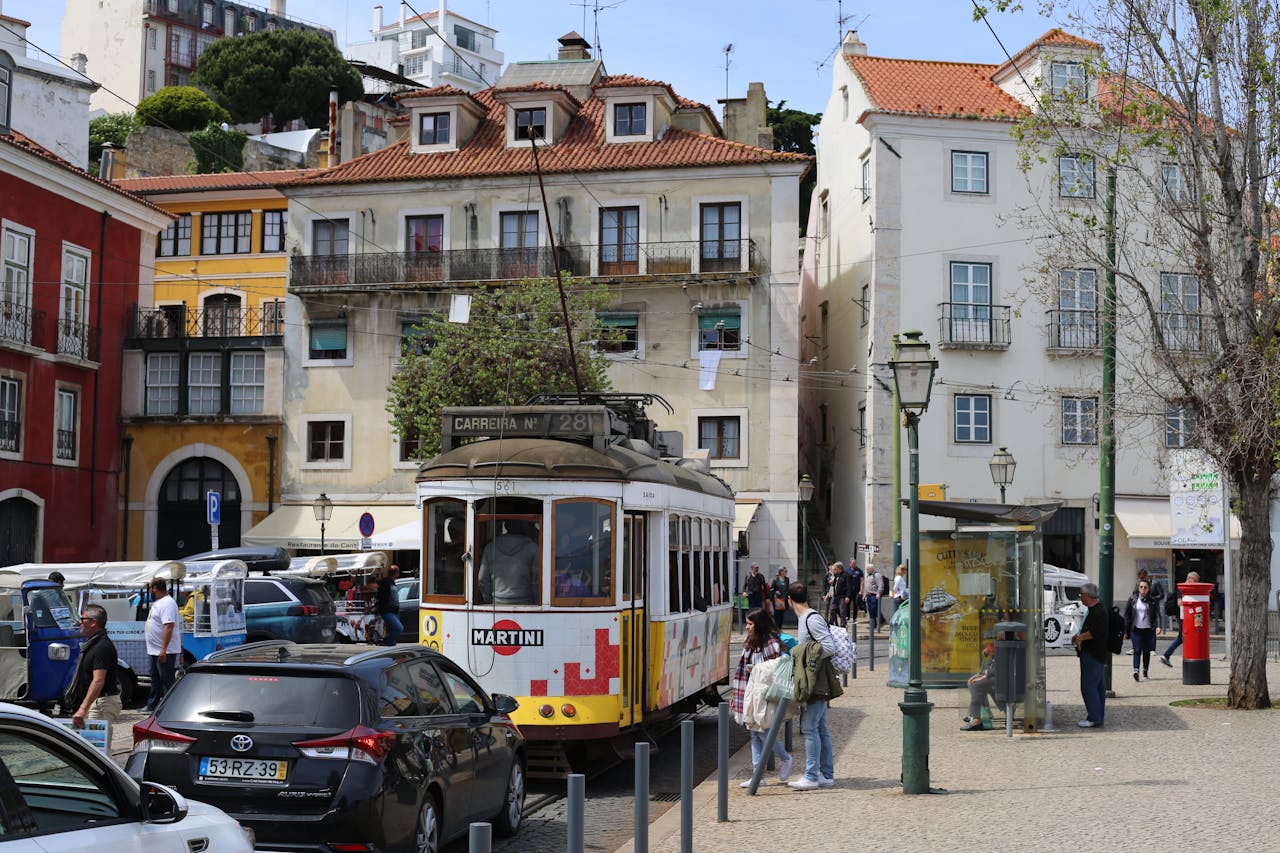
Life in Lisbon runs at a human scale that many global cities have lost, with neighborhood commerce woven into ordinary streets so groceries, coffee, pharmacy stops, and evening walks happen without the friction of long commutes or hyperplanned days. Even in busy zones, the rhythm is not engineered only for speed, and that matters after repeated relocations because conversation, recovery, and attention can survive inside normal weekdays. For people who have lived in high-pressure capitals, that softer tempo feels less like vacation and more like a durable way to live through every season, including work-heavy periods and personal transitions.
Safety Without Constant Vigilance
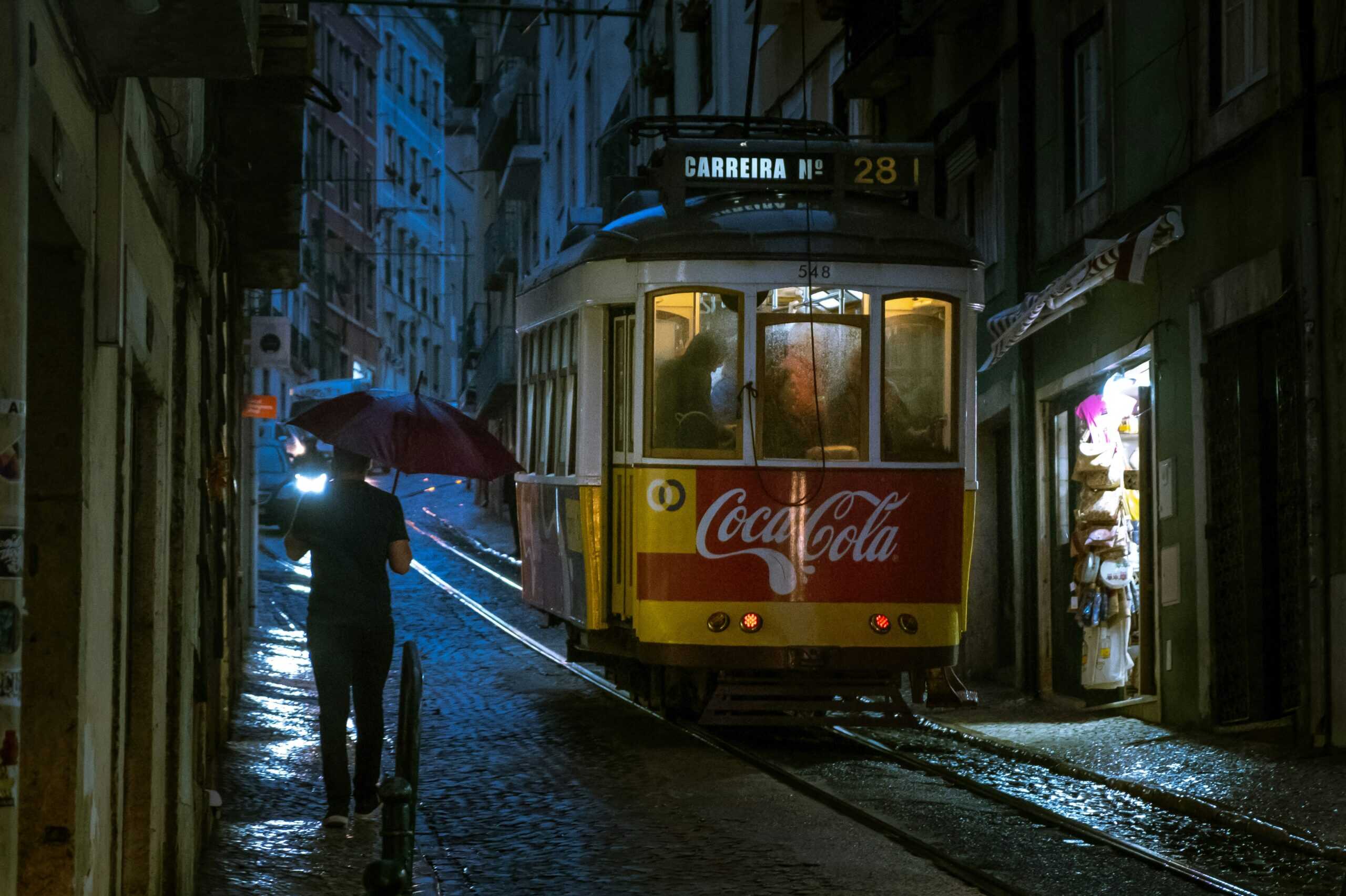
Portugal placed seventh in the 2025 Global Peace Index, a strong sign that daily life is comparatively stable by international standards and that background risk can remain lower than in many peer destinations. In Lisbon, that translates into calmer late returns, less defensive commuting, and neighborhoods where ordinary caution is usually enough, which becomes tangible for anyone arriving from cities shaped by constant alertness. Over months, the gain compounds through better sleep, wider evening mobility, and a quieter mental baseline that frees attention for work, relationships, and long-term planning, even after demanding work cycles.
A Climate That Supports Real Life
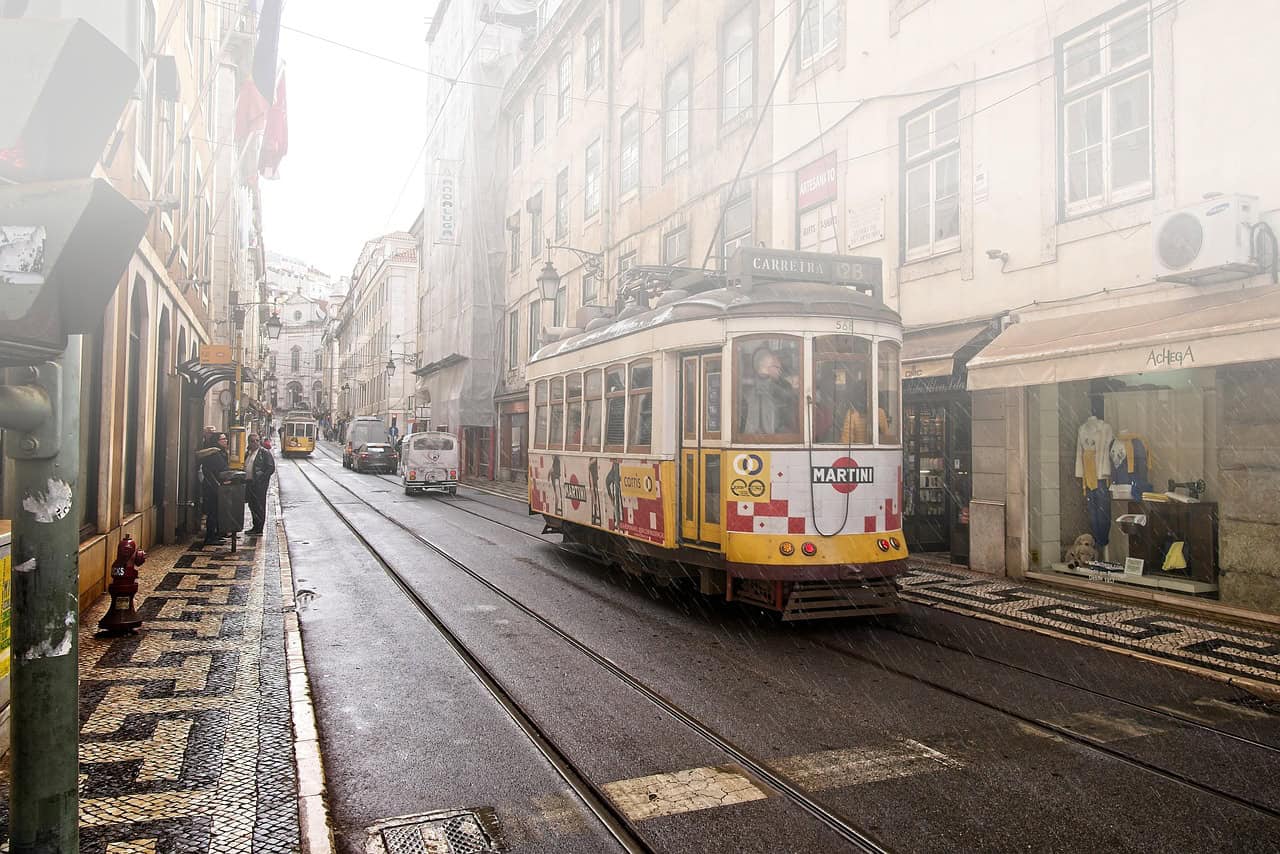
Lisbon’s climate supports routine instead of repeatedly interrupting it, and Met Office averages show mild winter daytime highs near 14.3°C in January, warm summer highs around 28.9°C in August, and roughly nine hours of daily sunshine across the year. That pattern keeps outdoor habits viable in most months, whether the plan is a short weekday walk, errands on foot, or weekend time near the riverfront without constant contingency planning. For frequent movers, reliable weather is practical infrastructure because it lowers restart friction, reduces seasonal disruption, and stabilizes mood, health, and social rhythm across ordinary weeks.
Transit That Reduces Car Dependence
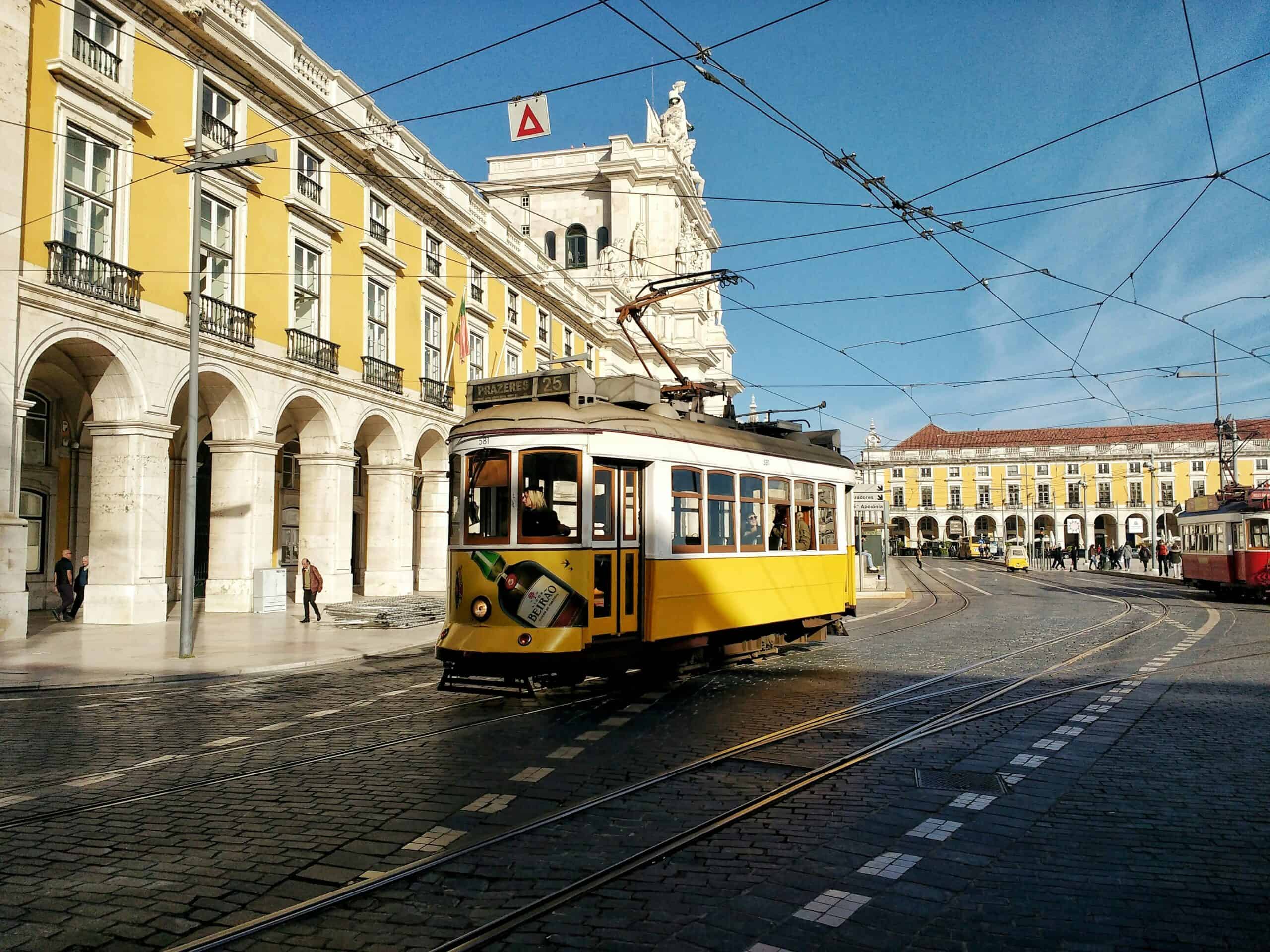
Lisbon’s transport network makes daily movement workable without full dependence on a private car, with official fare listings showing a Carris/Metro/CP 24-hour ticket at €11.40, a metropolitan monthly pass at €40, and broad interchange across metro, bus, tram, and rail. The network also carries local memory through routes like the 28E tram between Martim Moniz and Campo Ourique, where practical commuting and city character overlap in the same trip. For long-term residents, that blend of access, predictability, and identity keeps logistics lighter while preserving a sense of place, while reducing parking, traffic, and ownership pressure.
Culture That Is Lived, Not Staged
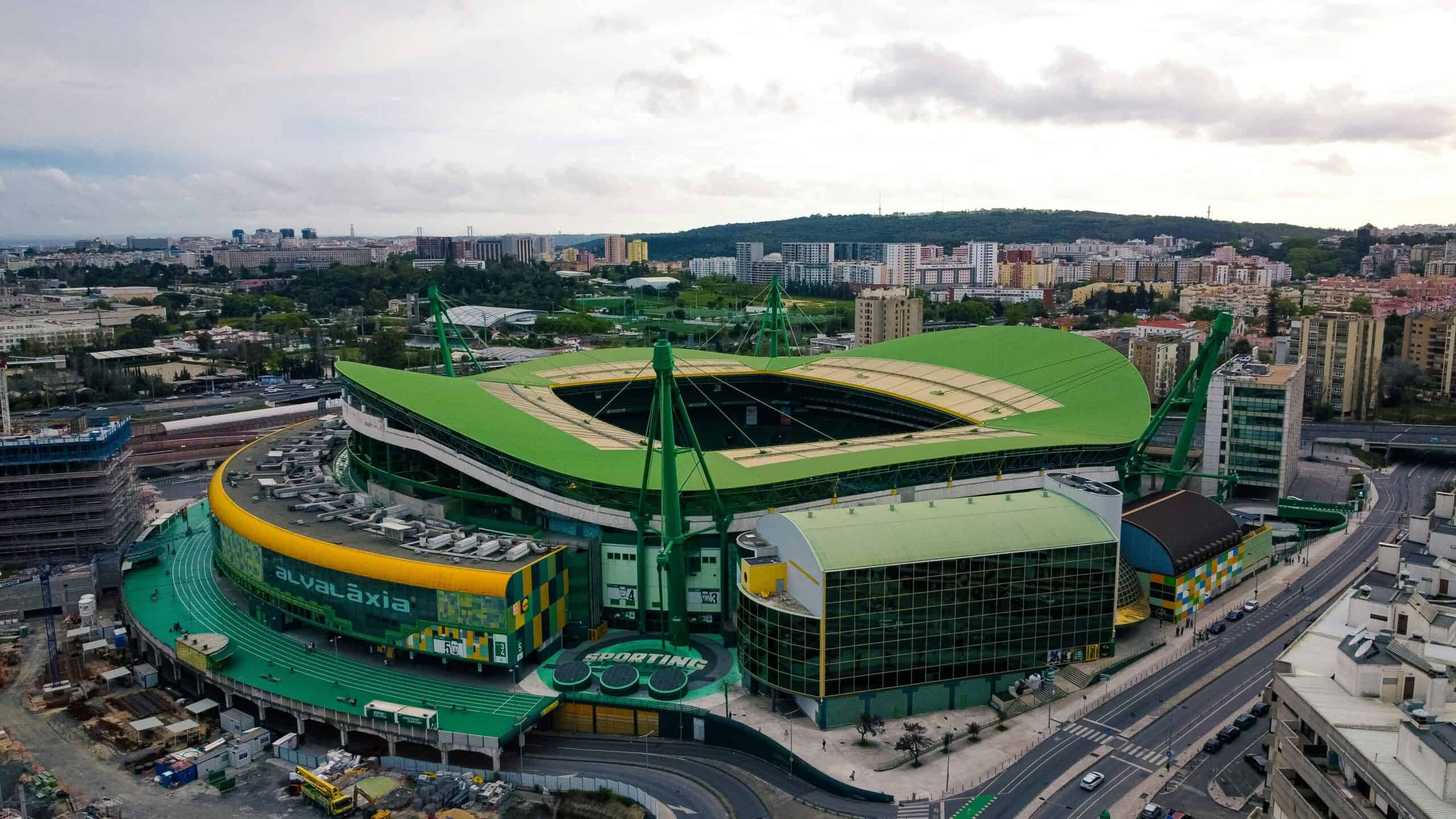
Lisbon’s culture is embedded in ordinary neighborhoods rather than quarantined for visitors, and UNESCO describes fado as a Lisbon-rooted genre combining music and poetry through layered influences that still shape urban evenings today across intimate spaces and local circuits. The important point for residents is continuity, because heritage appears in weeknight routines, local venues, and community gatherings instead of being limited to festival windows or curated seasonal programming. For people who have moved often, that everyday cultural presence creates belonging through repetition, social recognition, and shared rituals, not spectacle.
Healthcare With Broad Public Coverage
Relocation experience teaches that quality of life depends on predictable care, and OECD reporting states that Portugal covers all of its population for a core set of services while the WHO Observatory describes a predominantly tax-based system with universal National Health Service coverage. In Lisbon, that public foundation coexists with private pathways, so care decisions can be adjusted by urgency, budget, and preference without starting from institutional uncertainty. This mix does not remove every friction point, but it makes long-horizon planning far more realistic for mobile families and professionals deciding where to settle for years.