We may earn money or products from the companies mentioned in this post. This means if you click on the link and purchase the item, I will receive a small commission at no extra cost to you ... you're just helping re-supply our family's travel fund.
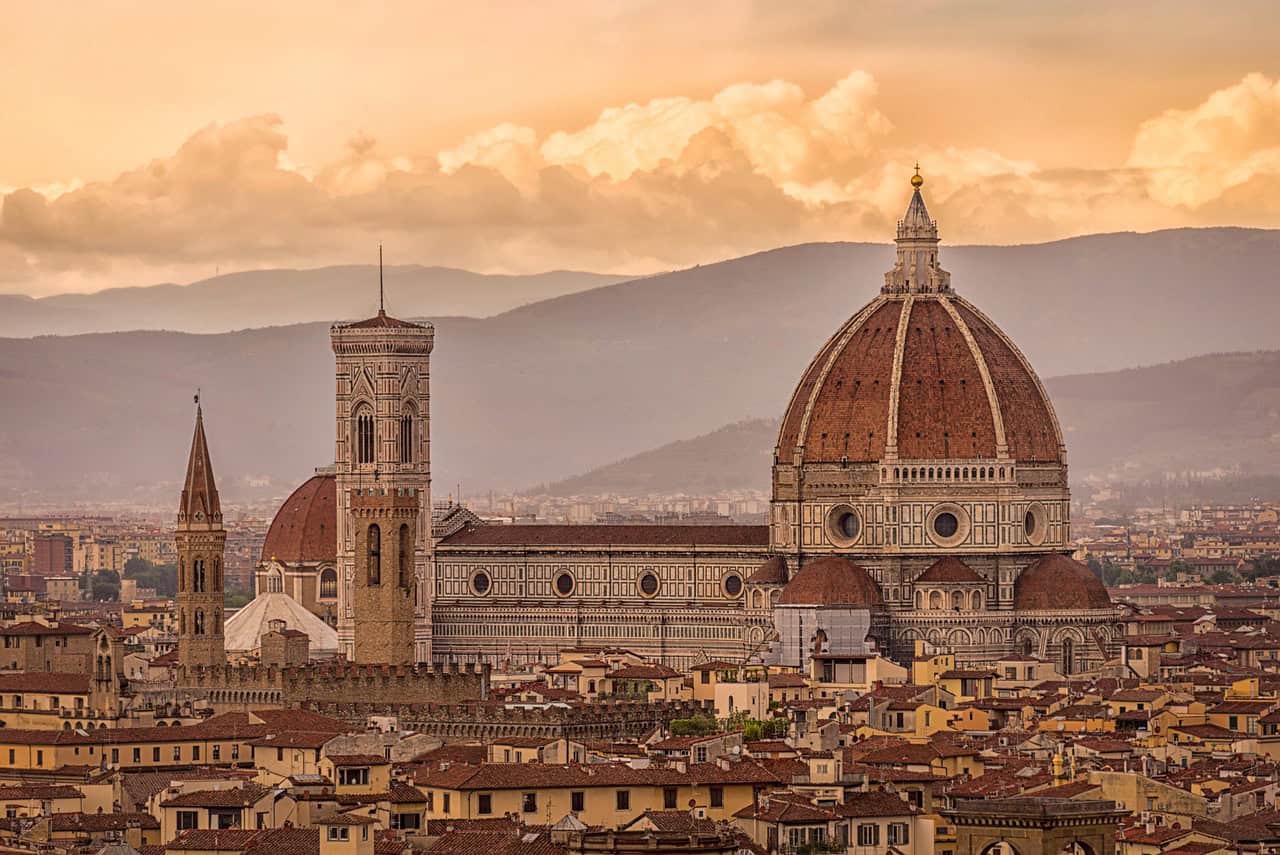
Traveling across 100 countries reshapes your standards. You stop chasing postcard views and start valuing depth, scale, and cultural weight. The ten destinations below stand out not just for beauty, but for measurable significance whether in elevation, size, history, or population. Distances and areas are listed in miles to make planning clearer. Each place offers a layered experience that goes beyond surface-level sightseeing and rewards time, curiosity, and perspective.
1. Kyoto, Japan
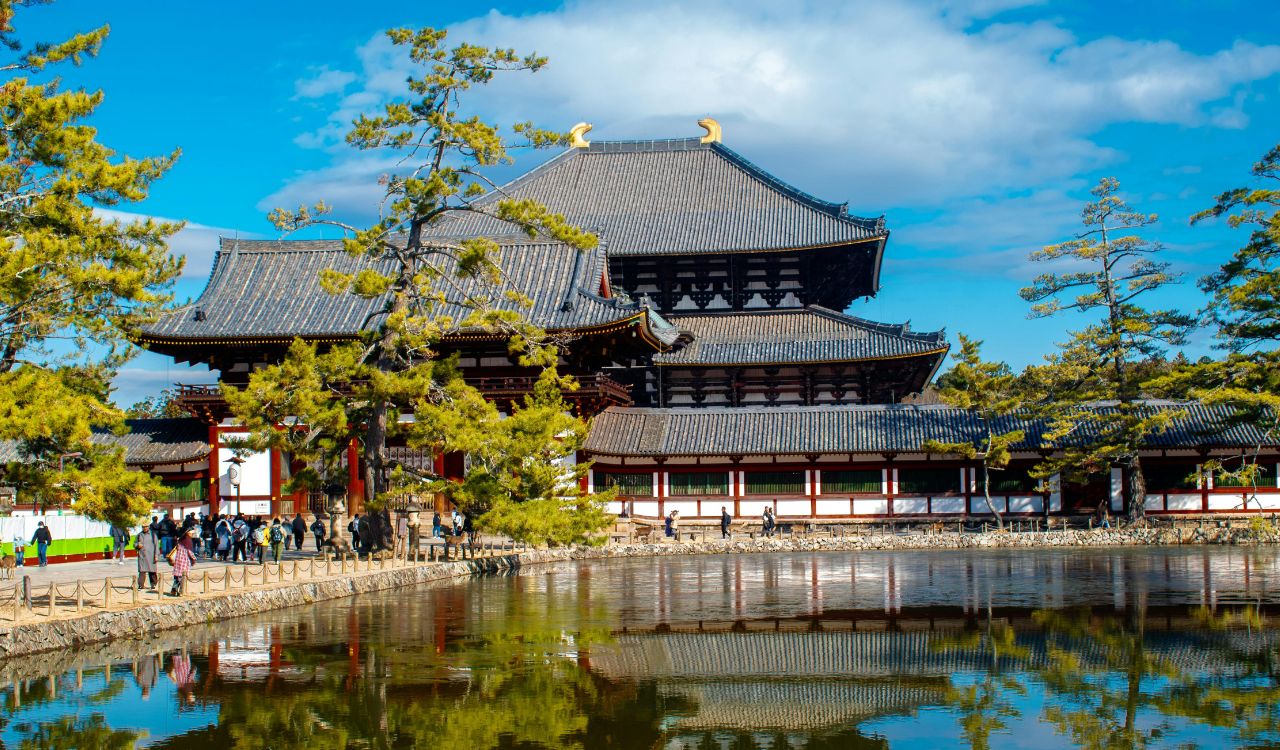
Kyoto served as Japan’s imperial capital for more than 1,000 years and remains its cultural heart. The city holds over 1,600 Buddhist temples and around 400 Shinto shrines within a compact urban area of roughly 320 square miles.
Fushimi Inari’s pathway winds beneath about 10,000 torii gates, creating a 2.5-mile scenic hike. Spring cherry blossoms typically peak between late March and early April, while autumn color arrives in November. Despite welcoming millions annually, Kyoto feels serene in the early morning light.
2. Cape Town, South Africa
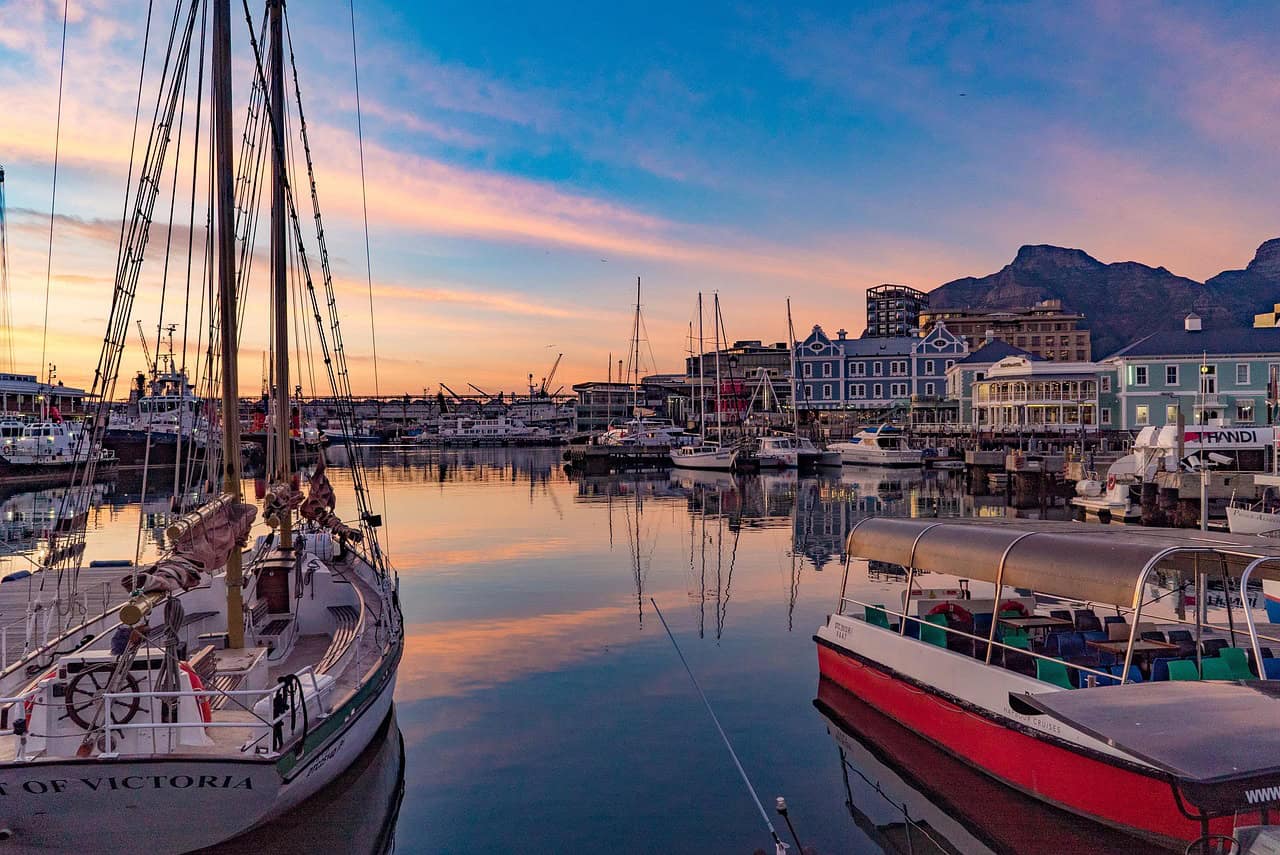
Cape Town compresses mountains and ocean into one dramatic skyline. Table Mountain rises 3,563 feet (0.67 miles) above sea level, accessible by a 5-minute cable ride or a 2-mile hiking trail.
Cape Point lies about 37 miles from the city center, and the Cape Winelands stretch roughly 30 miles inland. With over 3,100 sunshine hours yearly and nearly 2.9 million residents in the metro area, Cape Town balances scenery with vibrant urban energy.
3. Florence, Italy
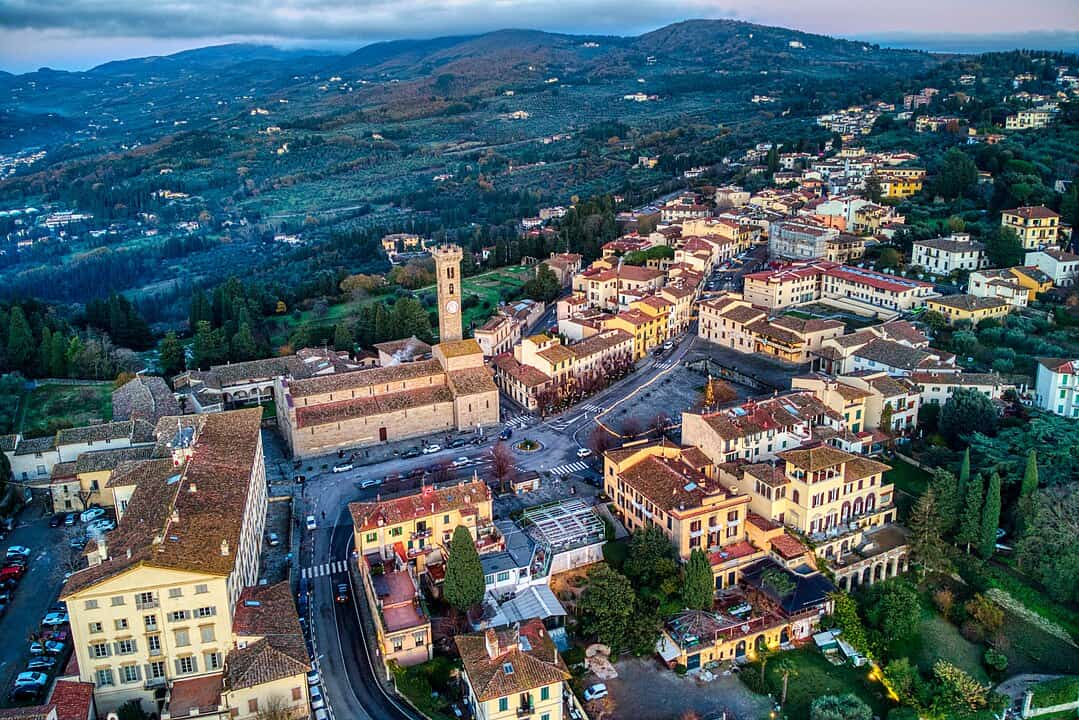
Florence is home to roughly 380,000 residents yet shaped the Renaissance across Europe. Its historic center spans about 2 square miles, making it easy to explore entirely on foot.
The Cathedral dome, completed in 1436, still dominates the skyline, while Michelangelo’s David stands 17 feet tall. The Uffizi Gallery displays art from the 1200s through the 1700s. Spring temperatures average 68°F, perfect for lingering walks along the Arno River.
4. Patagonia, Argentina & Chile
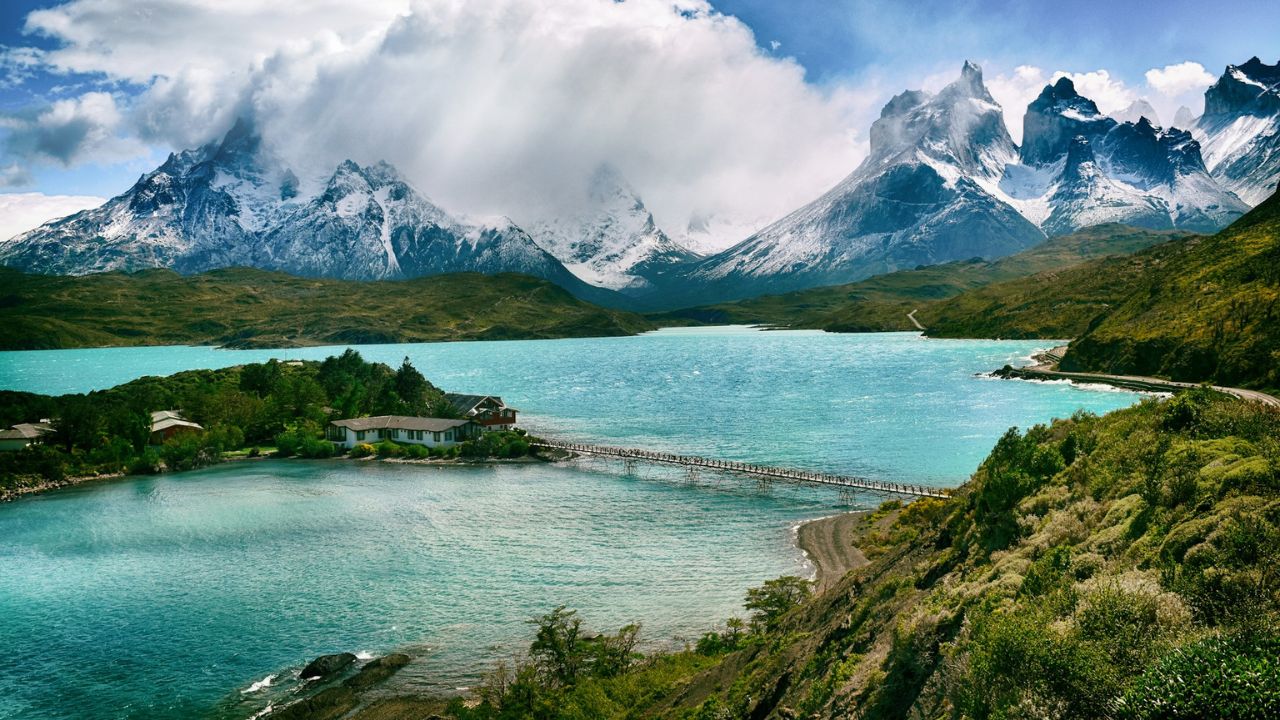
Patagonia stretches across approximately 386,000 square miles of rugged wilderness shared by two countries. Winds can exceed 60 miles per hour, shaping its dramatic landscapes.
Torres del Paine National Park covers about 700 square miles, and the famed W Trek extends roughly 50 miles. Argentina’s Perito Moreno Glacier towers nearly 230 feet high. The prime season runs November through March, when daylight stretches beyond 9 pm.
5. Petra, Jordan
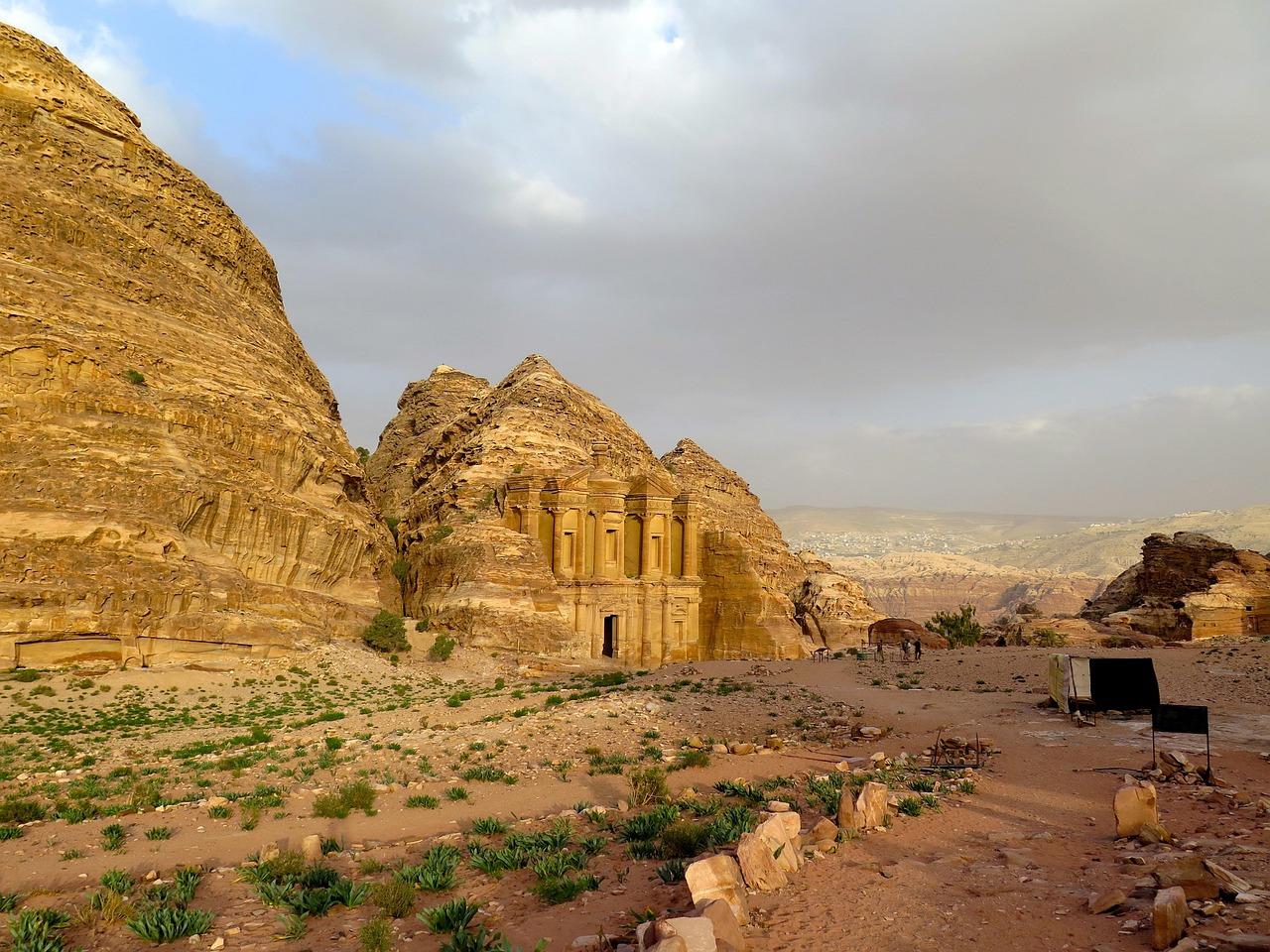
Petra was carved into sandstone cliffs over 2,000 years ago. The walk through the Siq canyon stretches about 0.75 miles before revealing the Treasury façade.
The archaeological park spans nearly 100 square miles, with hundreds of tombs and temples beyond the main monument. Summer temperatures often surpass 95°F. Petra welcomes over 1 million visitors annually, yet early arrivals can explore quieter trails in near silence.
6. Reykjavik, Iceland
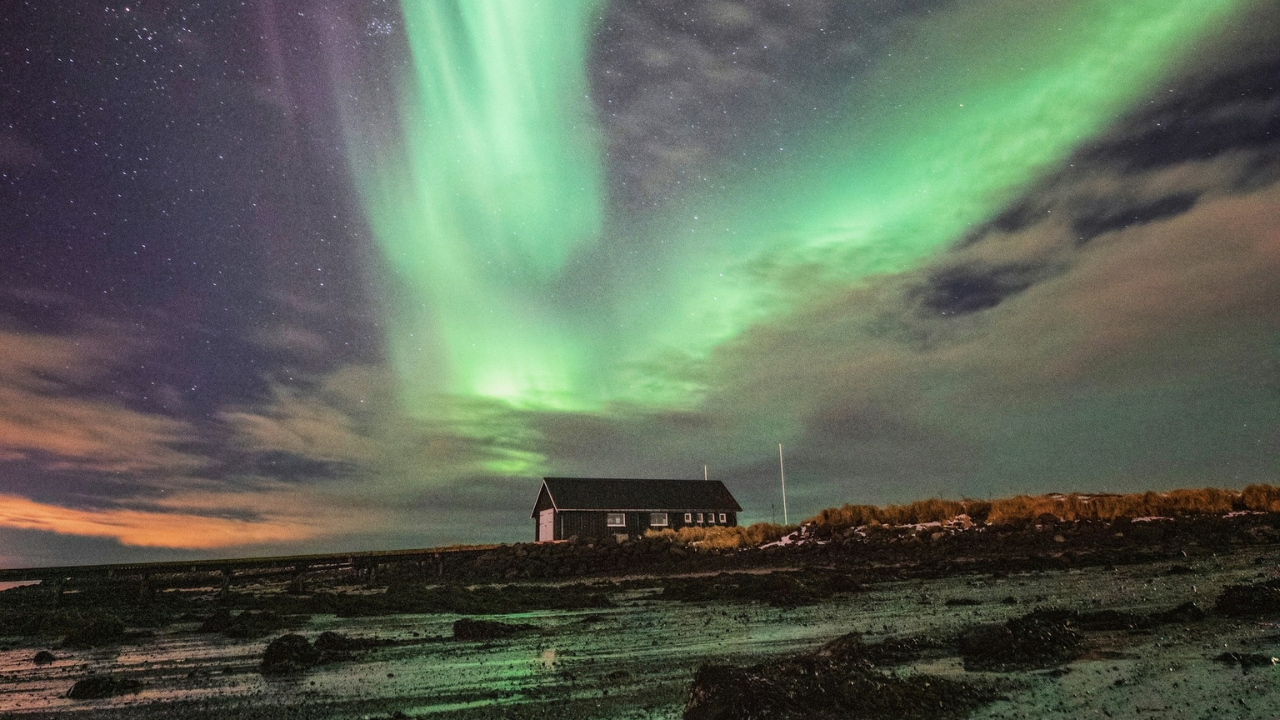
Reykjavik has about 140,000 residents yet serves as the gateway to landscapes shaped by glaciers and volcanoes. The Golden Circle’s main attractions lie within 62 miles of the capital.
Winter temperatures average around 32°F, offering strong northern lights chances from September to March. In June, daylight extends close to 21 hours. Iceland runs largely on geothermal and hydro energy, reinforcing its reputation for sustainability and innovation.
7. Marrakesh, Morocco
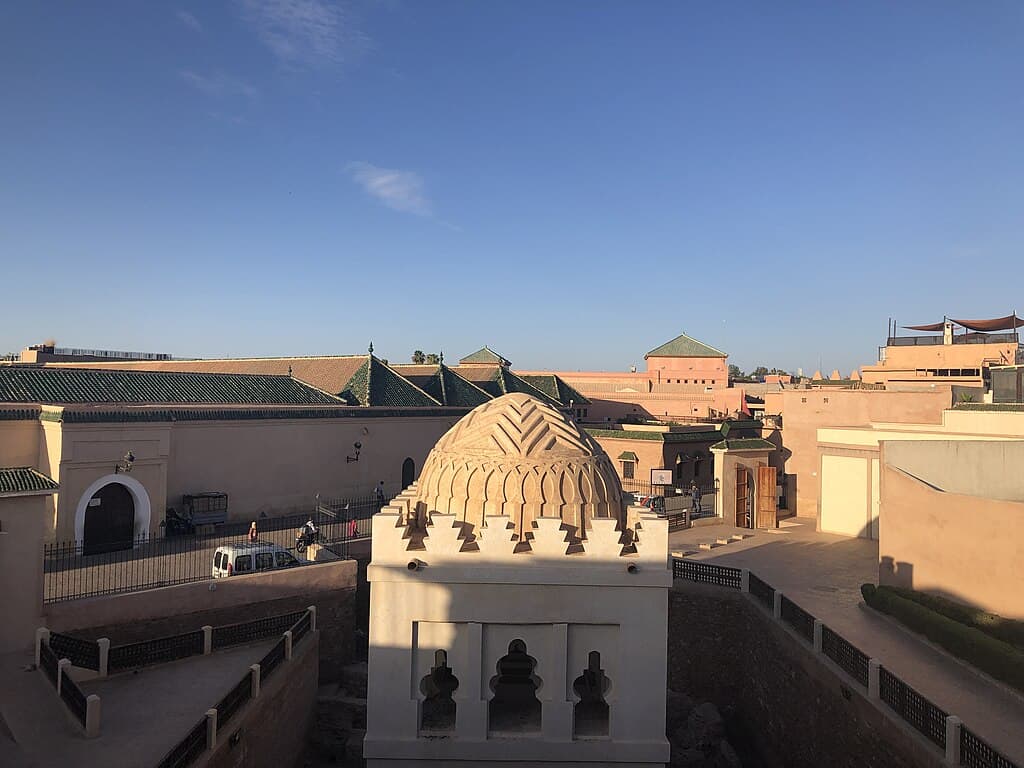
Marrakesh was founded in 1070 and now has nearly 1 million residents. The Medina covers about 2.3 square miles within ancient walls that once protected caravan routes.
Jemaa el-Fnaa square transforms nightly with dozens of food stalls and performers. Winter evenings can dip to 54°F, while summer afternoons often exceed 100°F. The Atlas Mountains rise about 40 miles away, offering cool air and hiking escapes.
8. Banff, Canada
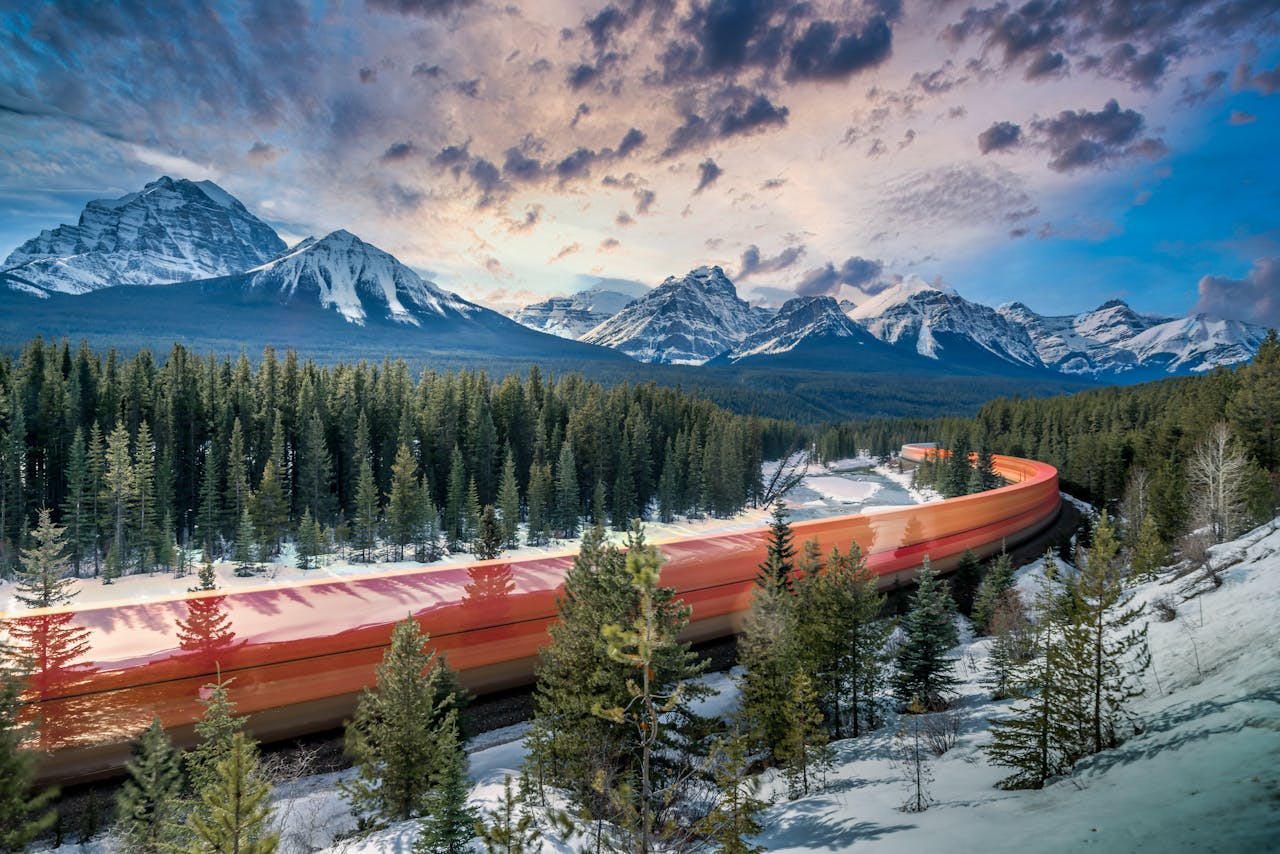
Banff sits inside Banff National Park, which spans roughly 2,564 square miles in the Canadian Rockies. Established in 1885, it was Canada’s first national park.
Lake Louise rests at 5,741 feet (1.09 miles) above sea level, and Moraine Lake reflects peaks reaching over 9,800 feet. Summer highs average 72°F, while winter transforms the region into a ski destination with heavy snowfall.
9. Istanbul, Turkey
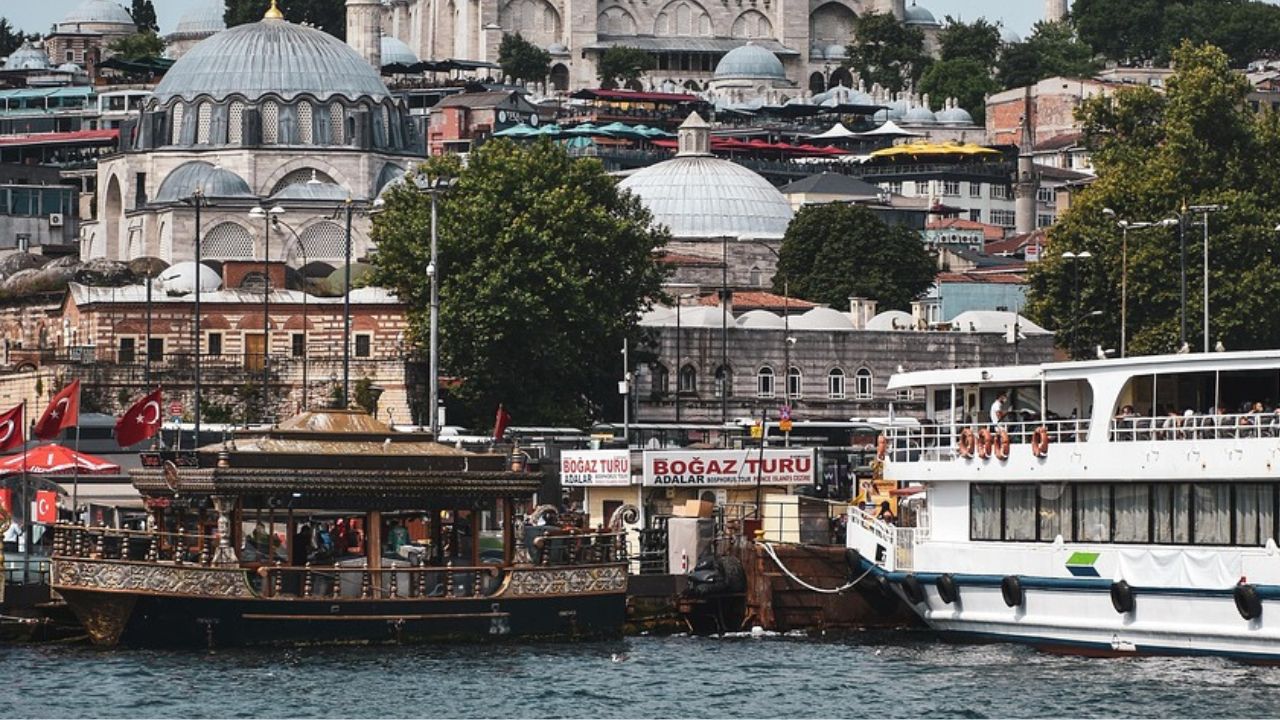
Istanbul stretches across two continents and houses more than 15 million residents. Ferries cross the Bosphorus Strait in about 20 minutes, linking Europe and Asia over a span of roughly 19 miles.
The Hagia Sophia dates back to 537 AD, and the Grand Bazaar contains over 4,000 shops. With nearly 2,500 years of layered history, Istanbul blends Byzantine, Roman, and Ottoman influences into one continuous urban narrative.
10. Cusco, Peru
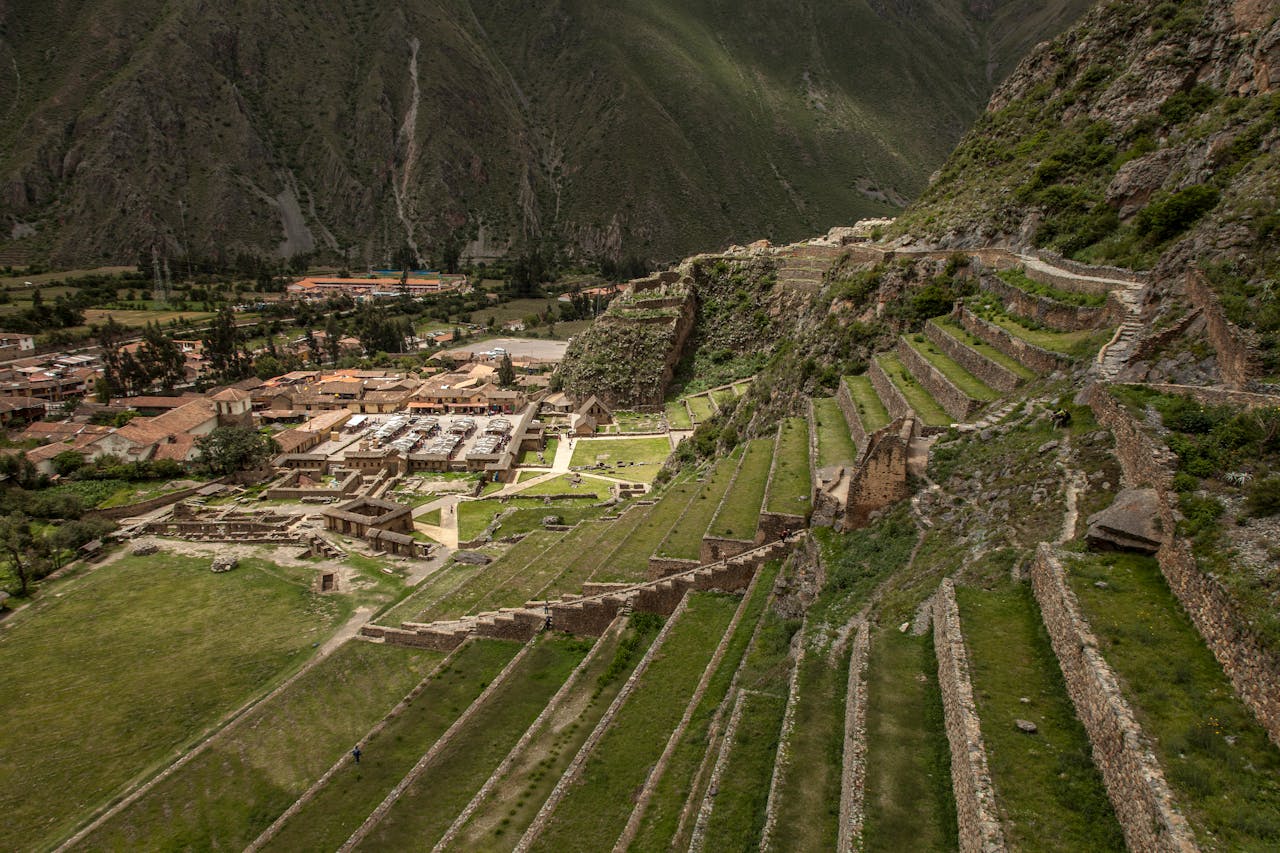
Cusco stands at 11,152 feet (2.11 miles) above sea level and once ruled the Inca Empire. Around 430,000 residents now live among precisely cut Incan foundations and colonial structures.
The Sacred Valley lies roughly 9 miles away, while Machu Picchu sits about 50 miles northwest. Daytime highs during dry season average 66°F. Most travelers allow at least 48 hours to acclimate before tackling high-altitude trails.