We may earn money or products from the companies mentioned in this post. This means if you click on the link and purchase the item, I will receive a small commission at no extra cost to you ... you're just helping re-supply our family's travel fund.
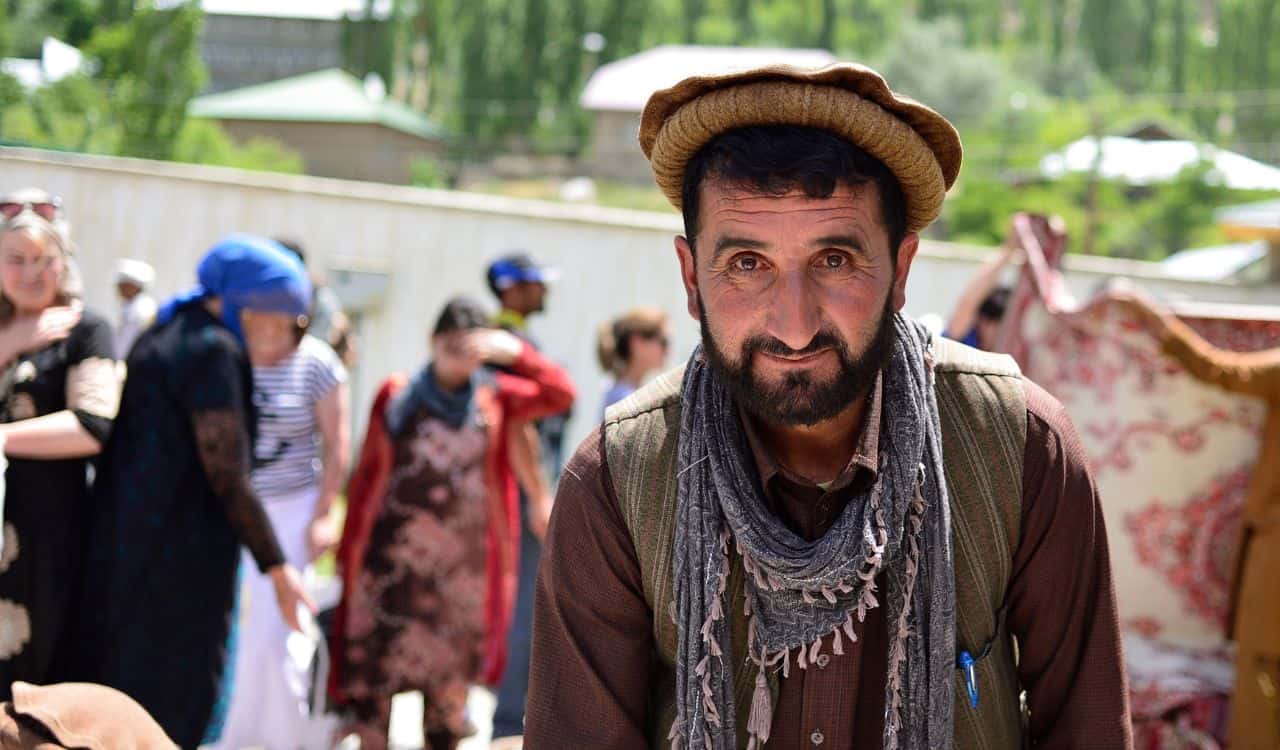
Afghanistan has slipped back into travel conversations for reasons that make many people uneasy. After the Taliban returned to power in 2021, most governments warned citizens to stay away, and commercial flights thinned out. Even so, by the mid-2020s, a small but visible stream of Western visitors began landing in Kabul with cameras, fixed itineraries, and a taste for high-risk travel. Their presence raises hard questions about personal thrill seeking, local suffering, and the ethics of turning an active crisis zone into a backdrop.
A New Wave Of Danger Tourism In Kabul
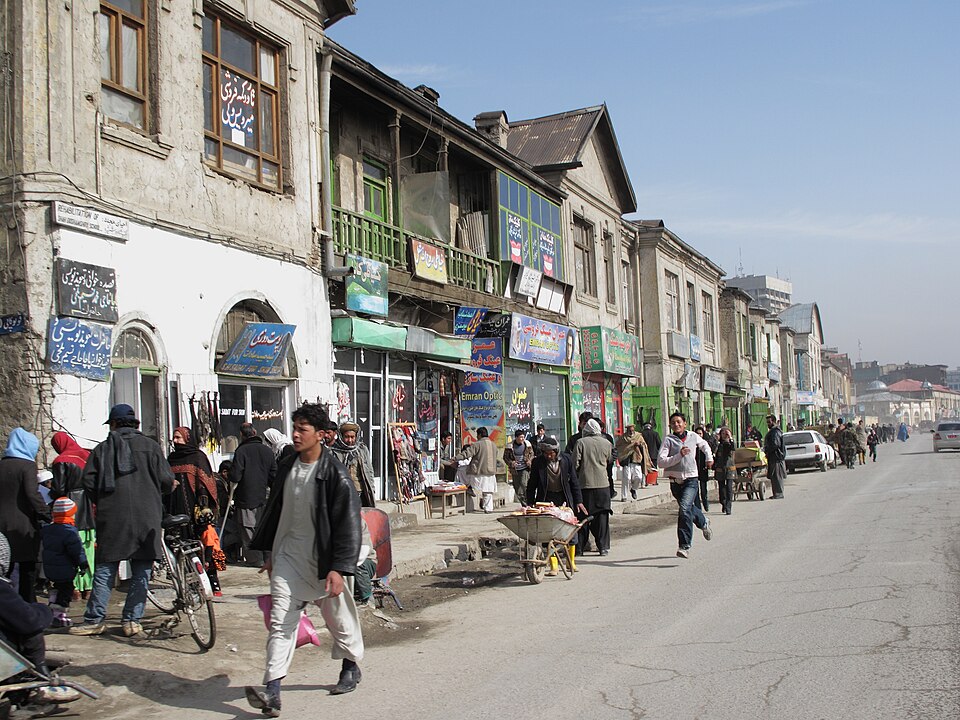
Western tourism to Kabul remains tiny in absolute numbers, but it no longer feels invisible. Instead of lone bloggers sneaking in, group departures now appear on specialized agency calendars. Taliban officials point to these arrivals as proof that the city is stable and open for business, hoping foreign currency will plug a few of the economy’s many holes. For ordinary Afghans, the sight of relaxed visitors sharing streets with beggars and armed checkpoints can feel surreal and, at times, deeply jarring.
What These Travelers Think They Are Chasing
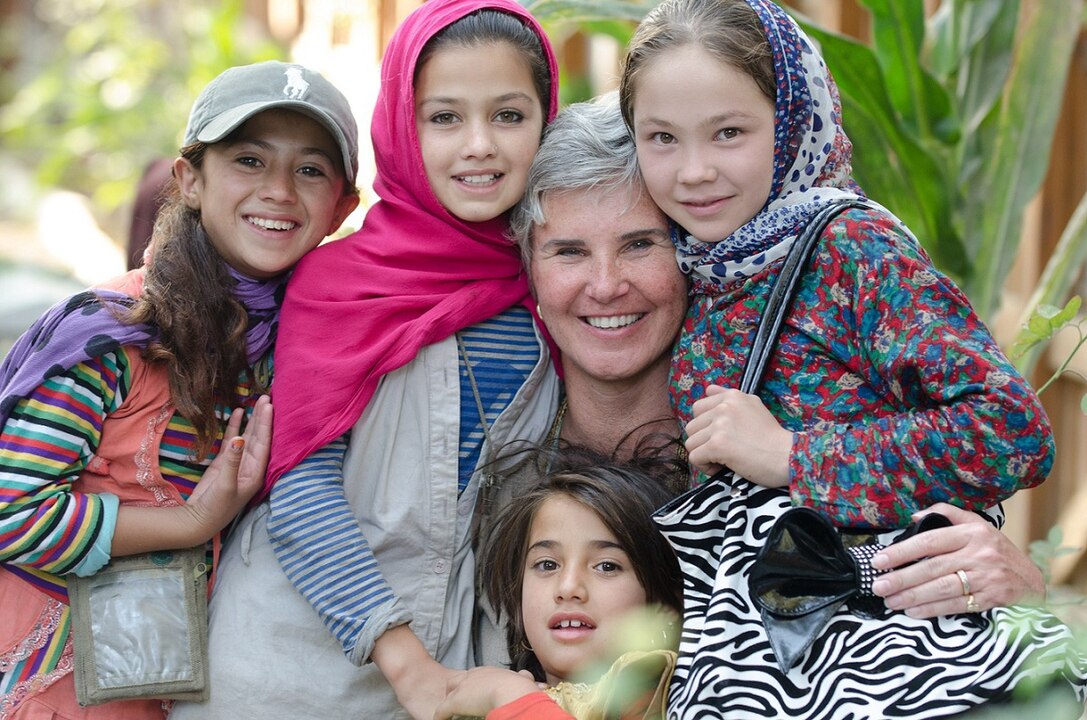
Most of these visitors describe themselves as curious rather than reckless. They talk about wanting to see a country usually reduced to headlines, or to test themselves in a place friends call impossible. Social media quietly rewards that impulse, turning images of bombed buildings, uniforms, and prayer calls into content that travels far beyond Kabul’s streets. For a few, the trip becomes a form of personal branding, with local grief set in the background of a narrative about courage and individuality.
Kabul’s Stage-Managed Calm Versus Daily Fear
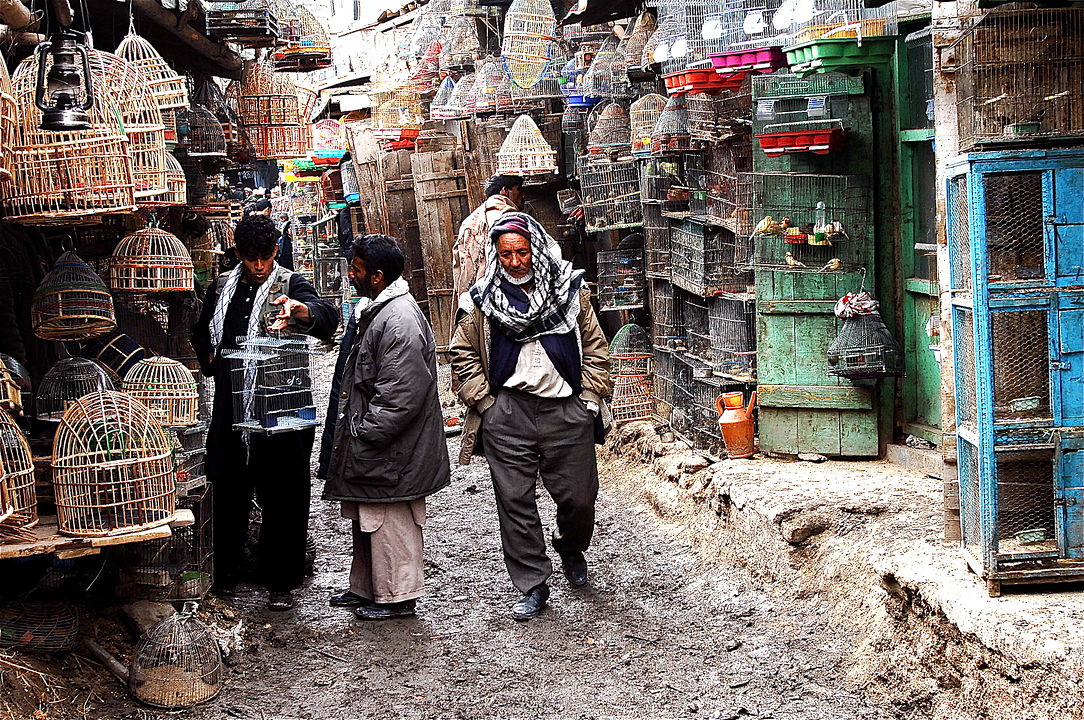
Escorted visitors see only a narrow slice of the city: districts vetted in advance, selected restaurants, shrines that can be monitored, and routes agreed upon with security forces. Within those corridors, the city can appear surprisingly orderly, with traffic jams and market noise that resemble other crowded capitals. Outside that bubble, Afghans live with rolling economic collapse, sudden raids, and attacks from rival militant groups. Women, in particular, navigate bans on work and education that remain invisible to travelers shielded by male guides and short stays.
Taliban PR Wrapped Around Severe Restrictions
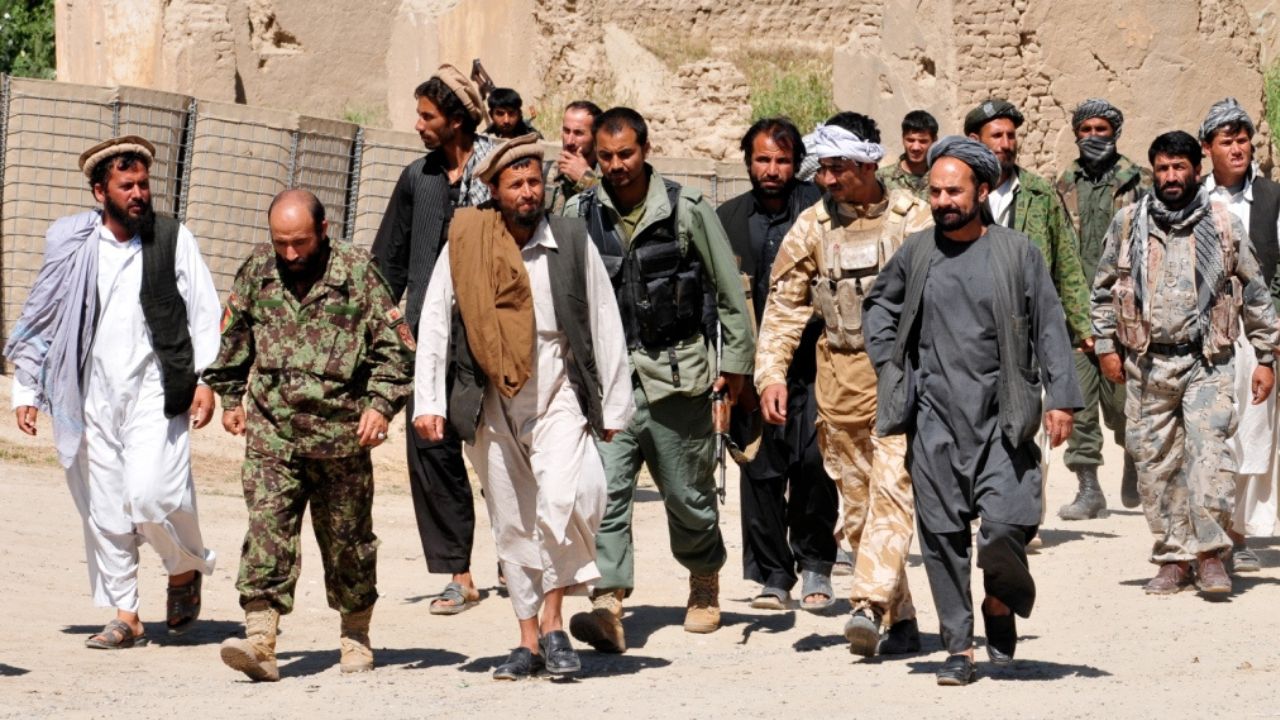
Taliban ministries now speak openly about tourism, train hotel staff, and showcase foreign guests in local media as proof that life is “normal.” At the same time, the same authorities enforce sweeping restrictions on women’s movement, crush dissent, and sideline independent journalists. This split screen is deliberate. Managed hospitality for short term visitors offers currency and headlines, while residents live with sharp limits on basic rights. Tourism becomes another stage prop in a broader effort to rebrand a deeply repressive system.
Official Do-Not-Travel Warnings Still Stand
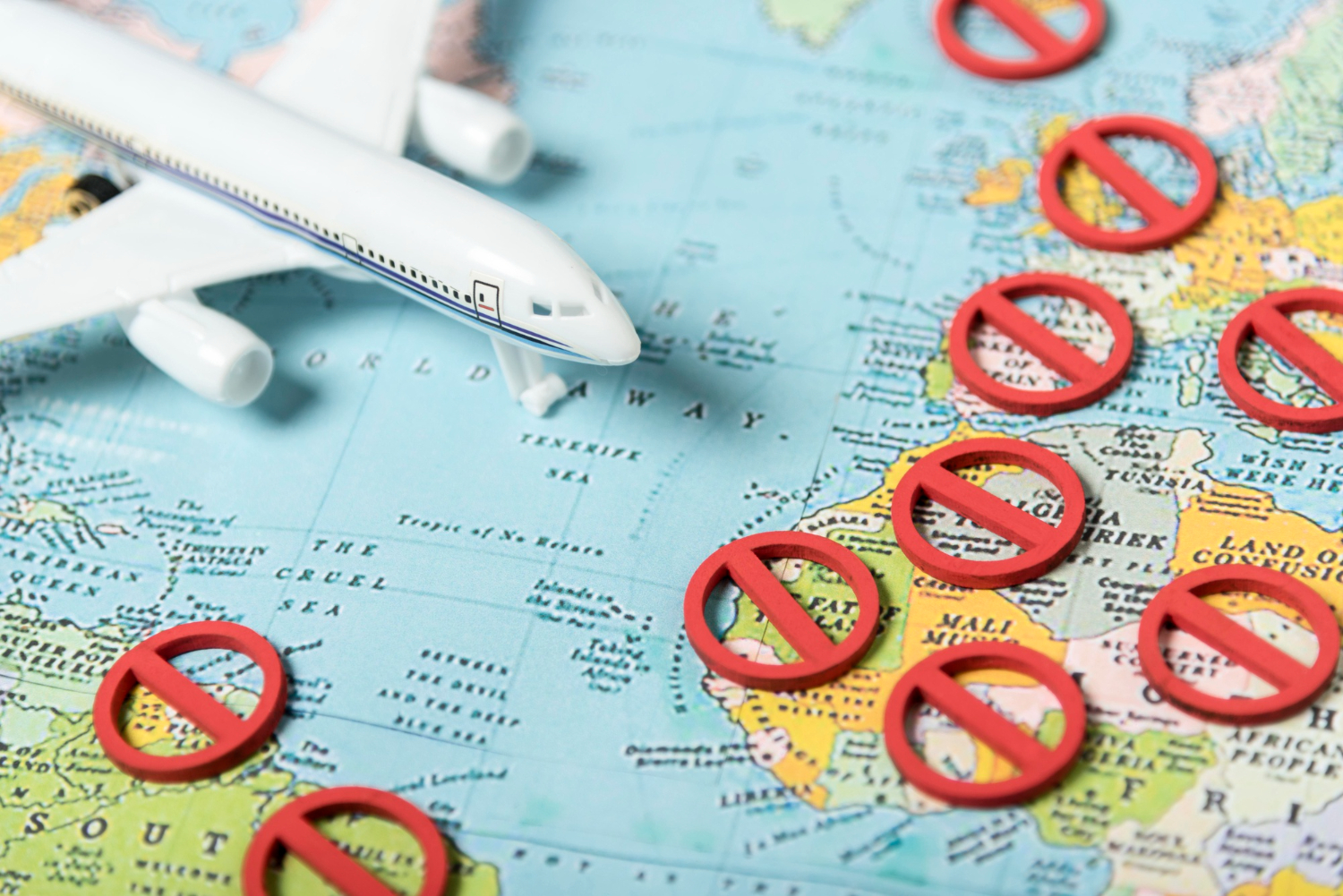
Government advisories in North America and Europe continue to classify Afghanistan as a do-not-travel destination, with language that leaves little room for interpretation. Risks listed include terrorism, kidnappings aimed at foreigners, arbitrary detention, and the absence of functioning consular support. Those warnings are based on real incidents, not abstract fear. Anyone who flies in despite them accepts that medical care, evacuation, and negotiation options may be limited or nonexistent if a trip goes wrong, no matter what a brochure suggests.
Insurance, Liability, And The Real Cost Of Rescue
Conventional travel insurance often excludes countries under top tier security warnings, leaving visitors exposed if flights are canceled, borders close, or violence erupts. Many tour operators require sweeping liability waivers that shift responsibility almost entirely onto clients. In a serious crisis, the burden falls on families, informal networks, and already stretched humanitarian organizations, rather than on the companies that sold the trip. The financial and emotional cost of a rescue, or of failure, rarely appears in marketing material.
How Afghans Feel About Becoming A Spectacle
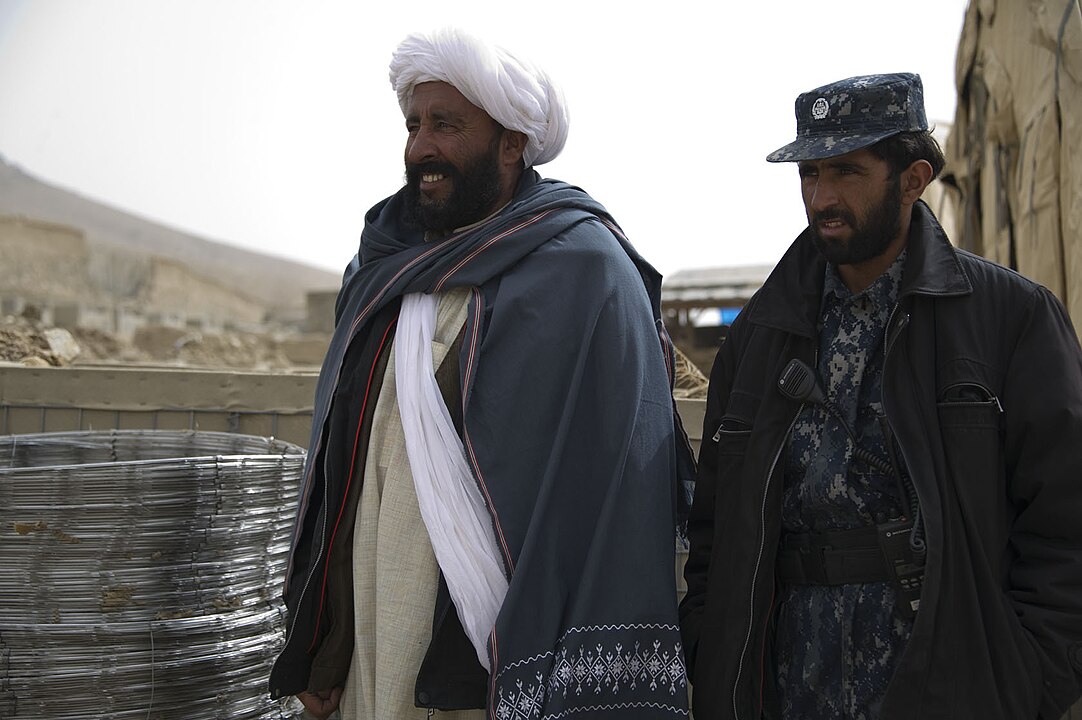
Afghans themselves are divided. Some guides, drivers, and hotel owners welcome any income that helps cover rent, fuel, and food in a wrecked economy. Others resent watching foreigners move freely through spaces that feel tightly controlled or dangerous for locals, especially women and activists. For many, the presence of camera-toting visitors under Taliban rule underscores a blunt truth: mobility has become a privilege reserved for outsiders and a small domestic elite, not a right shared by the wider population.
What 2026 Really Reveals About Kabul Tours
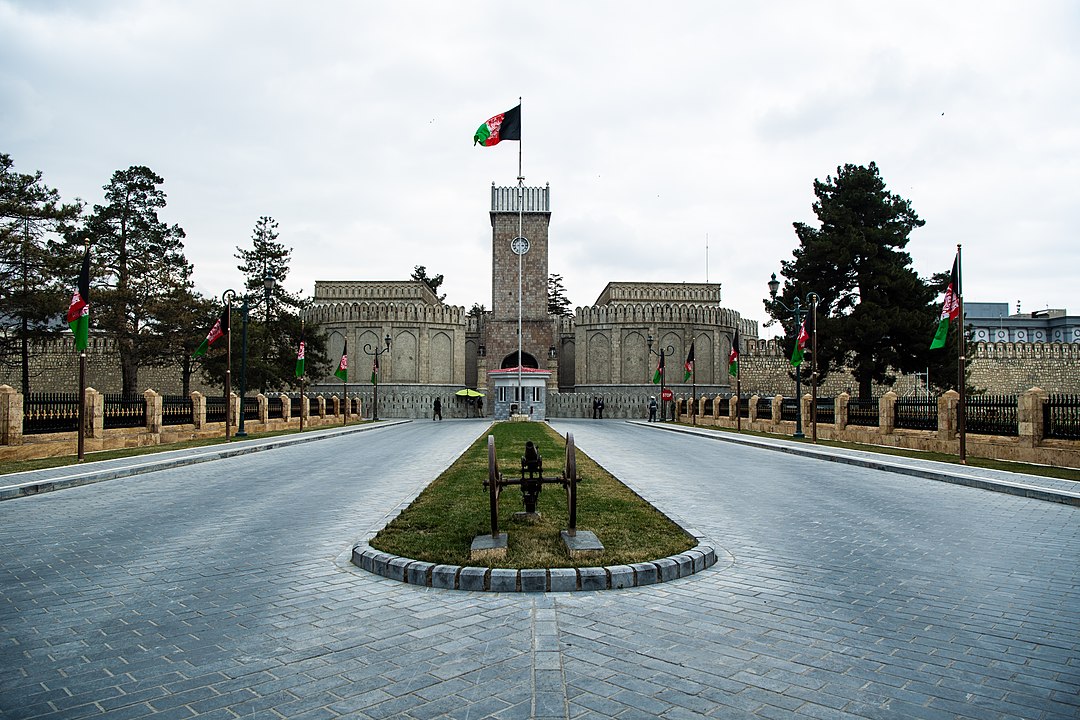
By 2026, the steady trickle of Western tourists into Kabul says less about rising safety and more about shifting appetites for extreme experiences and online storytelling. The numbers remain small but symbolically loud, especially when used as proof that the regime brings “stability.” Underneath that surface, Afghanistan still lives with repression, poverty, and sporadic violence that never make it into most trip reports. Any honest look at these journeys has to acknowledge that they are temporary performances in a place where most people cannot simply fly away.