A Weekend in Nashville Without a Bachelorette Party Still Costs About $700. Here’s Where That Money Actually Goes.
We may earn money or products from the companies mentioned in this post. This means if you click on the link and purchase the item, I will receive a small commission at no extra cost to you ... you're just helping re-supply our family's travel fund.
Nashville’s tourism marketing leans hard into the bachelorette party image: pedal taverns, cowboy boots, Broadway honky-tonks stacked three deep with sashes and matching t-shirts. But a huge share of visitors, arguably most of them, are just trying to spend a normal weekend in a city that happens to have great music, and pricing that experience out looks nothing like the viral videos that define the city’s online reputation.
What a Non-Bachelorette Weekend Actually Costs
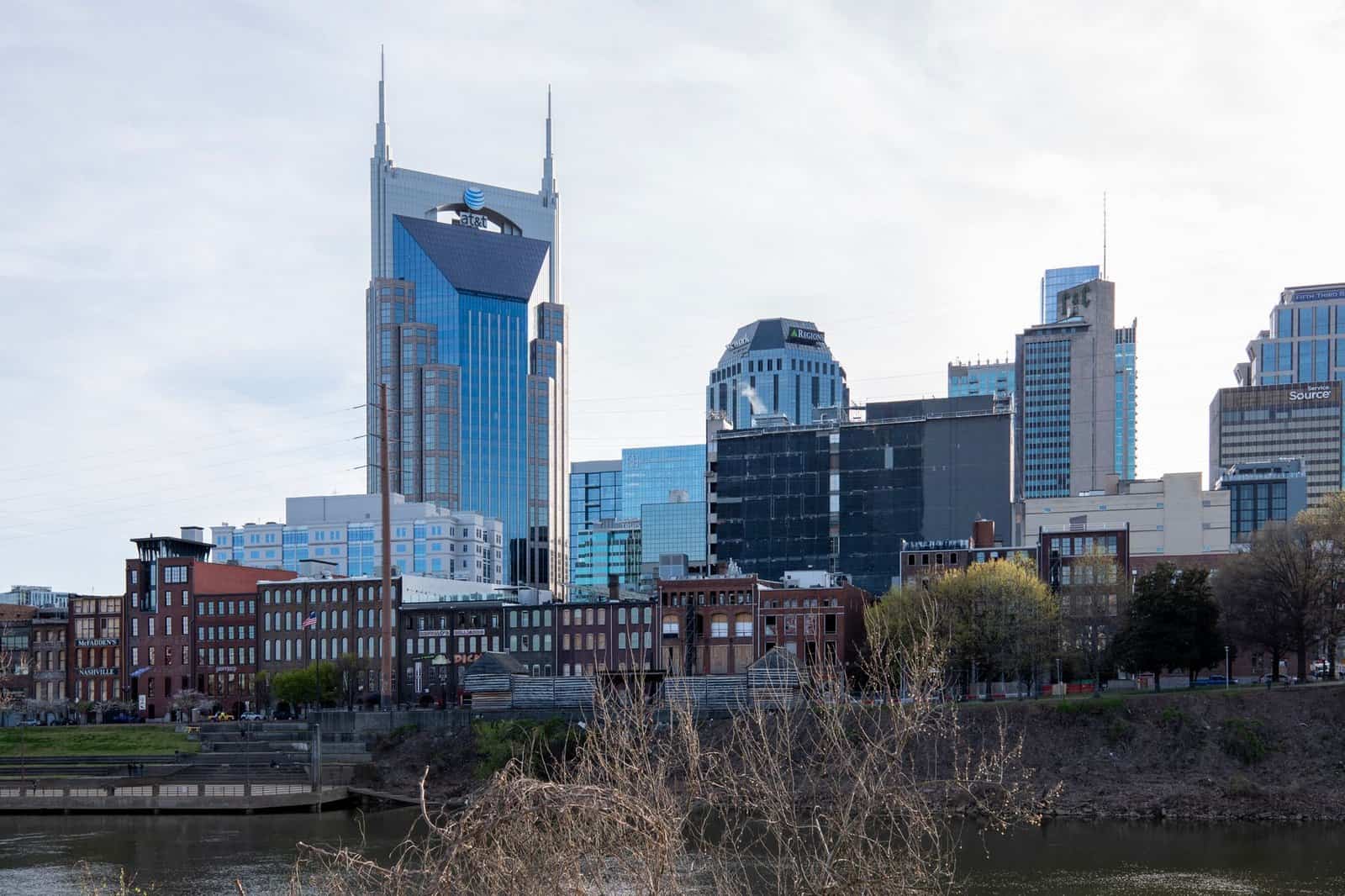
A two-night stay at a mid-range downtown hotel, the kind within walking distance of Broadway but not directly on it, runs roughly $220 to $320 a night during peak weekends according to hotel rate aggregators, pushing lodging alone toward $500 to $650 for two nights before taxes. Add parking, since almost no downtown hotel includes it free, and that’s another $35 to $55 a night stacked on top of the room rate.
Food is where a careful visitor can actually save money relative to the bachelorette-party version of Nashville. Skipping the $18 frozen cocktails lining Lower Broadway in favor of a plate at Arnold’s Country Kitchen, the meat-and-three institution that’s fed Nashville since 1982, costs closer to $12 to $15 for a full lunch with sides. Prince’s Hot Chicken, now with multiple locations after decades as a single Nashville institution founded in the 1940s, runs a similar range for a meal that’s become genuinely famous nationally.
The Honky-Tonks Are Actually Free to Enter
Where the Real Costs Hide
- Cover charges are rare on Broadway itself, but drink prices are inflated to compensate
- Live music in East Nashville venues like The 5 Spot often has a $10-15 cover but stronger lineups
- Grand Ole Opry tickets run $40 to $100 or more depending on seating and season
- Ryman Auditorium self-guided tours cost around $28 per person
The honky-tonks along Lower Broadway, places like Tootsie’s Orchid Lounge and Robert’s Western World, don’t charge cover during the day, which is exactly why they’re packed with both bachelorette parties and regular tourists elbow to elbow from mid-afternoon onward. The actual cost shows up in drink prices, which run noticeably higher than a neighborhood bar in East Nashville or Germantown just a short drive away.
Where to Actually Spend Time Instead
The Country Music Hall of Fame, which relocated to its current 350,000-square-foot building downtown in 2001, runs about $28 for general admission and is genuinely one of the stronger museum experiences in the South, tracing the genre from its Appalachian string-band roots through the Nashville Sound era to modern pop-country crossover acts. It’s the kind of stop that a bachelorette itinerary tends to skip entirely, mostly because it doesn’t photograph as well for a highlight reel.
Germantown and Wedgewood-Houston have emerged over the past decade as Nashville’s answer to a quieter night out, with restaurants like Rolf and Daughters and City House drawing serious national food-press attention without the volume and noise of Broadway. A dinner for two at either runs $80 to $120 with wine, expensive by Nashville standards but a different kind of expensive than a $22 painkiller cocktail on Broadway at 2pm on a Saturday.
The Real Total
Add it up over a real weekend: roughly $550 to $650 for two nights of hotel and parking, $120 in food across two full days, $60 in museum and attraction admissions, and $60 to $100 in miscellaneous transportation and incidentals, and the total lands close to $700 to $800 per person for a double-occupancy trip once everything is split two ways. That’s noticeably less chaotic than the bachelorette-party version of Nashville, which frequently runs $150 to $250 a night per person once party bus rentals, matching outfits, and reserved venue tables get factored into the group total.
The quieter version of Nashville has been there the whole time, just outside the frame of the videos that made Broadway famous in the first place. Nashville’s own tourism data shows the city drawing well over 16 million visitors annually, and while bachelorette parties get outsized attention in coverage of downtown, they represent a fraction of that overall traffic. Most people visiting Nashville are doing something closer to what the city actually offers away from the cameras: songwriter rounds at The Bluebird Cafe, real barbecue, and a music scene that extends far past the four blocks everyone photographs and posts.
Why the Comparison Matters
Nashville’s own convention and visitors corporation has increasingly tried to market beyond the bachelorette image, promoting neighborhoods like 12South, The Nations, and Wedgewood-Houston in campaigns aimed at a different kind of traveler. That effort runs against a powerful cultural current: bachelorette content performs extremely well on social platforms, which means algorithms keep surfacing Broadway over Germantown regardless of what the tourism board would prefer people see first when they search for a Nashville trip.
The result is a city with two overlapping but distinct visitor experiences layered on top of the same four square miles of downtown. One version is loud, expensive per minute, and built around Lower Broadway’s honky-tonks. The other moves at the pace of a songwriter round at The Bluebird Cafe in Green Hills, a twenty-minute drive from downtown, where the cover charge is modest, the audience is expected to stay quiet during performances, and the entire point is watching people write the songs that eventually make it to the honky-tonks a decade later, stripped of any of the context that created them.
For a visitor trying to decide which version of Nashville to book, the honest answer is that both exist inside walking distance of each other, and the total bill depends far more on which bars you choose than which hotel. A traveler who treats Broadway as a two-hour novelty rather than a full itinerary, then spends the rest of the weekend on live music in Germantown, the Country Music Hall of Fame, and a real Nashville hot chicken lunch, ends up with a noticeably cheaper, noticeably calmer trip than the one the internet assumes everyone in Nashville is having on any given Saturday night.
Why the Comparison Still Matters
Nashville’s convention and visitors corporation continues wrestling publicly with how to market the city beyond the bachelorette image without alienating the substantial tourism revenue that image reliably generates every single weekend of the year, a tension that shows no sign of resolving cleanly in either direction.
For now, both versions of the city coexist within the same few downtown blocks, and which one a visitor experiences depends almost entirely on which bars they choose to walk into rather than which neighborhood they booked a hotel room near.