We may earn money or products from the companies mentioned in this post. This means if you click on the link and purchase the item, I will receive a small commission at no extra cost to you ... you're just helping re-supply our family's travel fund.

At European airports, the real slowdown usually starts before the customs exit, at passport control, where officers verify the validity and authenticity of the travel document and the entry conditions tied to it. The detail that causes trouble is often small, not dramatic: a date too close, a damaged page, a blank signature line, or a travel history that invites a second look. Current Schengen rules still require a passport issued within the last 10 years and valid for at least three months beyond departure, while Europe’s border systems are moving toward even tighter digital tracking.
Expiry Date Inside the Three-Month Window
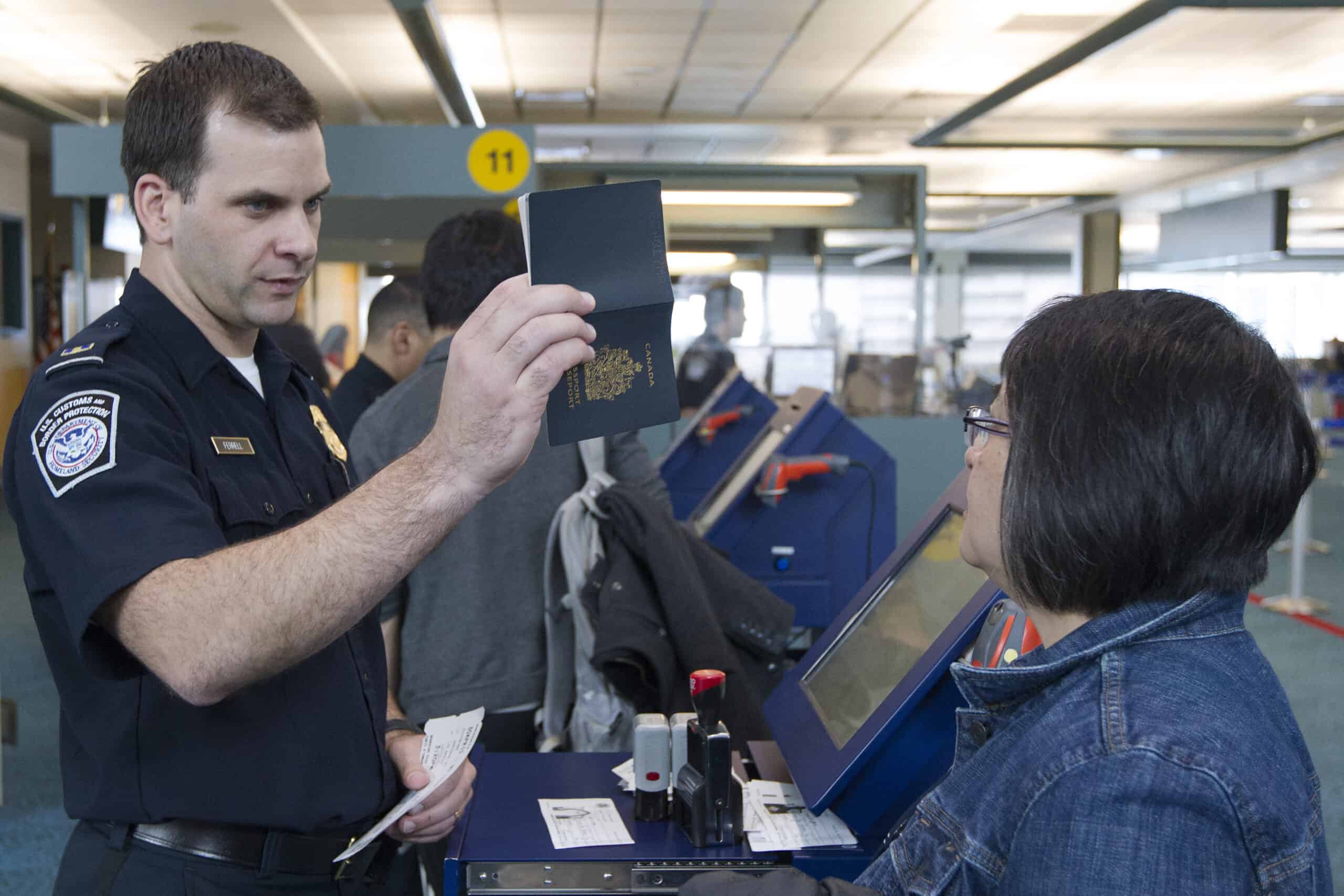
For Americans entering the Schengen area on a short stay, the passport generally must remain valid for at least three months after the planned date of departure, a rule that sounds easy until a trip gets extended, a return changes, or a traveler assumes another country’s six-month rule is the only benchmark that matters. Border officers like this detail because it is clean, objective, and leaves very little room for argument once the booklet is in hand. A passport that looked perfectly fine at home can suddenly become the reason a routine arrival stalls, simply because the remaining validity sits too close to the line.
Issue Date Older Than 10 Years

A passport can still be unexpired and still cause trouble, because Schengen guidance says the travel document must have been issued within the previous 10 years on the day of entry. That catches travelers who assume the expiration date is the only date that matters, when in fact officers read the issue date as part of the entry conditions too, especially when the booklet is otherwise clean, current-looking, and ordinary at a glance. If the document falls outside that 10-year window, the conversation stops feeling practical very quickly and starts sounding like a rule the officer does not have the discretion to bend.
A Blank Signature Line
An unsigned passport looks incomplete because, in an important way, it is; the U.S. State Department tells passport holders to sign the booklet in blue or black ink, and that small step matters more than many people realize. A blank signature line does not guarantee denial every time, but it can invite an avoidable second look because the document appears unfinished in the hands of the very person trying to use it. At a busy European booth, anything that makes a genuine passport look not quite finalized can turn a quick glance into a slower, more skeptical conversation than it ever needed to be.
Water Damage, Tears, Or Missing Pages
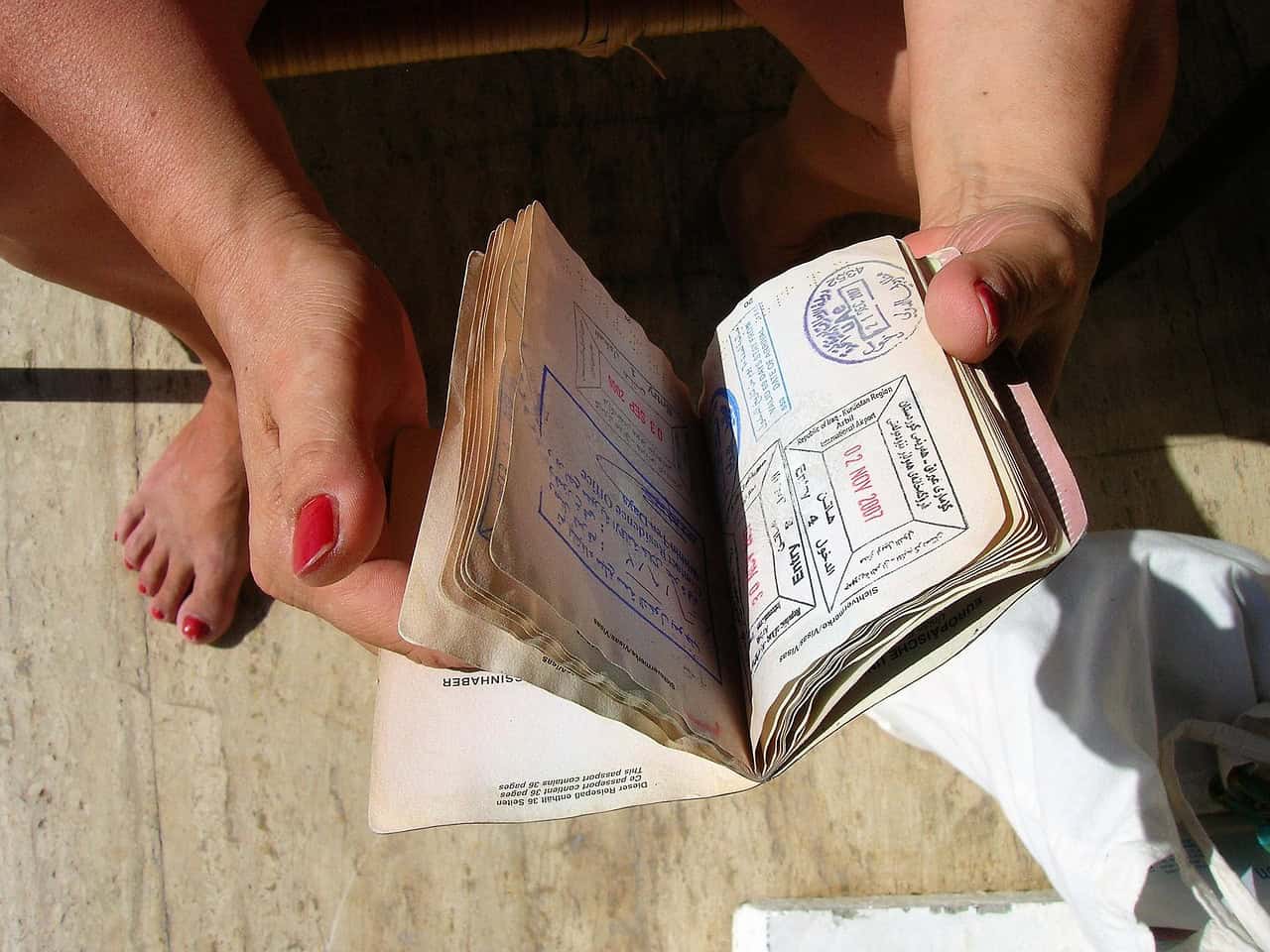
Border officers do not need a passport to be falling apart before they get suspicious, because U.S. guidance says water damage, mold, stains, significant tears, hole punches, and missing visa pages all move a passport beyond normal wear and tear. That matters in Europe because officers are required to verify the validity and authenticity of the travel document, not just glance at the cover and wave it through. A booklet that looks swollen, cut, stained, or tampered with can trigger a much closer inspection, even when every printed word is still readable and the traveler insists it still works fine.
Unofficial Marks Or Data-Page Irregularities

The biographical page is where border patience gets short, because unofficial markings, laminate problems, altered-looking print, or anything odd around the photo and personal details can make a legitimate passport look less trustworthy than it should. Schengen border guidance specifically calls for checks on document authenticity and chip data, and when doubts arise, officers can verify identity through biometrics. That means a passport that seems mostly fine can still get pulled aside fast if the data page looks tampered with, smudged, unusually worn, or just handled in a way that raises doubt.
A Stamp Pattern That Suggests An Overstay

Sometimes the issue is not the passport’s condition but the travel history inside it, because Americans visiting the Schengen area for short stays are generally limited to 90 days within any 180-day period and border officials do check compliance with that rule. A booklet full of recent entries and exits, or a pattern that suggests repeated stays brushing up against the limit, can easily earn extra questions even if the traveler feels fully organized and has done the math only loosely. That scrutiny is only getting sharper, with the EU’s Entry/Exit System set to fully replace manual passport stamping on April 10, 2026.