A Park Ranger’s Least Favorite Question Isn’t Rude. It’s Just Been Asked 4,000 Times This Season
We may earn money or products from the companies mentioned in this post. This means if you click on the link and purchase the item, I will receive a small commission at no extra cost to you ... you're just helping re-supply our family's travel fund.
Ask enough park rangers what tourists say to them, and a specific pattern emerges — not rudeness, but a kind of repetitive, well-meaning confusion that becomes genuinely difficult to answer patiently by August. At Mesa Verde and Canyon de Chelly, rangers are regularly asked, “Are there any undiscovered ruins in the park?” At Grand Teton, visitors want to know at what elevation deer become elk. At Yellowstone, a startling number of people ask where the animals are kept at night, or where they’re put during winter — as if the park operated more like a zoo than an ecosystem (documented in historian James Loewen’s collected ranger interviews).
The Question Every Visitor Center Dreads
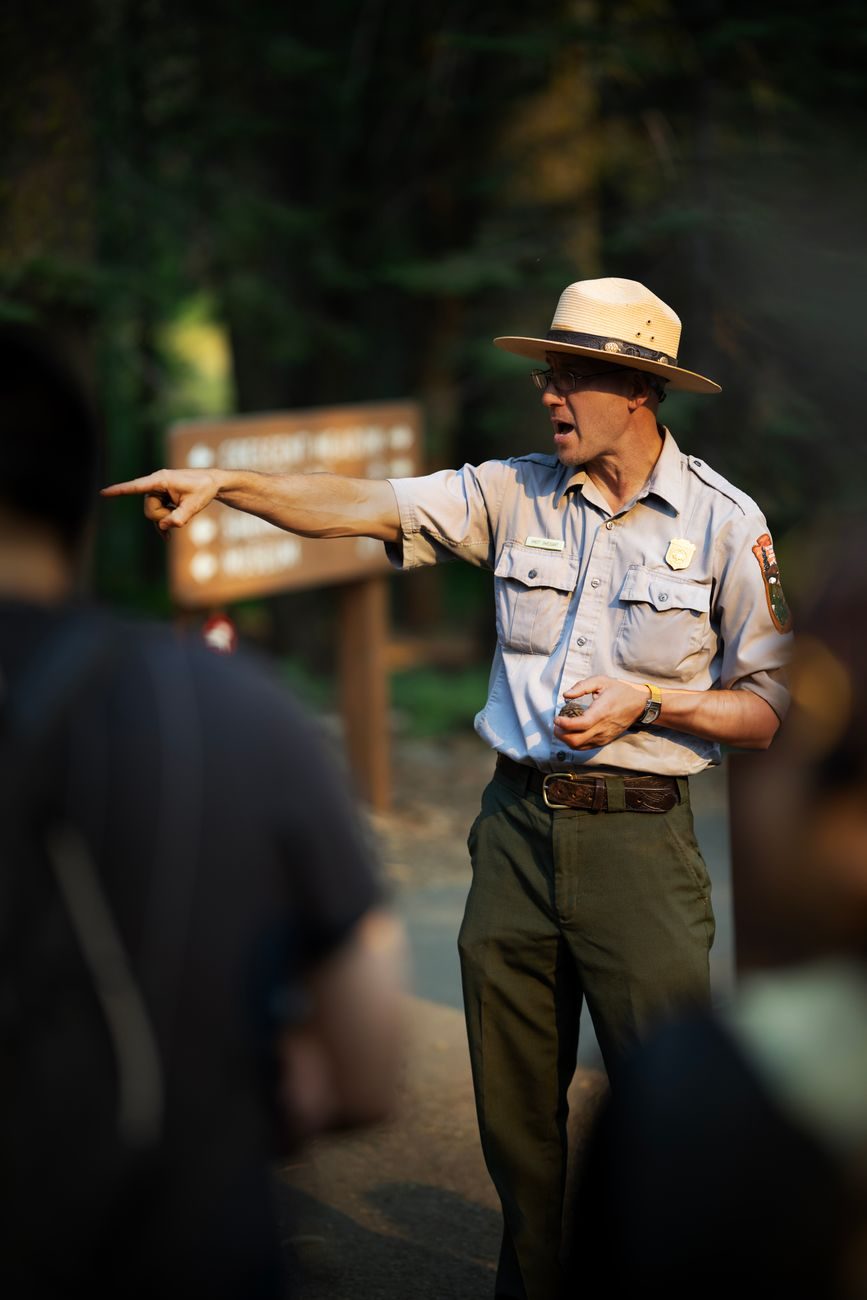
The single most universally dreaded question, according to rangers writing about their own experience, isn’t factual at all — it’s “What should I do here?” or its more insistent cousin, “What’s the BEST thing to see?” asked by visitors who haven’t glanced at a park map or brochure. One ranger, writing candidly about the frustration of peak season, described the difference between a visitor who’s done even minimal homework and one who hasn’t as the difference between an engaging conversation and an exhausting one repeated dozens of times a day (a park ranger’s own account).
The Questions Rangers Actually Enjoy
- Specific questions tied to a visitor’s actual interests — moderate hikes with kids, best wildlife viewing times, current trail conditions
- Genuine curiosity about geology, ecology, or cultural history that goes beyond surface-level sightseeing
- Questions that show a visitor read the map or brochure first and wants clarification, not a full briefing from scratch
- Almost anything asked with patience, since rangers are fielding the same handful of questions from dozens of different people simultaneously
Why the Repetition Wears Rangers Down Specifically
It’s not any single question that exhausts park staff — it’s the multiplication. A ranger at Zion, Yellowstone, or Great Smoky Mountains might field the same three or four questions literally hundreds of times in a single August week, from different people who each believe they’re asking something original. Rangers describe this dynamic in official NPS-linked content as well: a Katmai ranger’s blog post on frequently asked questions at Brooks Camp lists the exact same handful of queries — what do you do all day, what’s it like living out here, do you worry about the bears — that visitors ask on a rotating basis nearly every single day of the season (National Park Service).
The Deeper Issue: Most Visitors Don’t Read Anything First
An outsized share of ranger frustration traces back to a single root cause — visitors arriving with zero preparation, having done no reading about the park’s size, terrain, or basic logistics. The map handed out at entrance stations answers a huge share of common questions on its own, but a meaningful percentage of visitors never open it. Rangers interviewed across multiple parks converge on the same advice for travelers who want a better interaction: skim the map and any posted trail information before approaching the desk, then ask something specific. It transforms the exchange from generic triage into the kind of conversation rangers say they got into the job to have.
What This Means for How You Should Actually Plan a Park Visit
Beyond making rangers’ days easier, doing minimal homework before arriving measurably improves your own visit — you get more specific, more useful answers when you ask specific, informed questions. Rangers hold genuinely deep knowledge about trail conditions, wildlife patterns, and seasonal changes that never make it into a printed brochure, but that knowledge only surfaces in response to a real question. “What’s the best hike here” gets a generic answer. “I want a moderate 4-mile loop with a water view, is anything like that open right now” gets you the actual insider information the ranger has been sitting on all day.
The Deeper Pattern Researchers Have Actually Studied
The National Park Service has run structured visitor surveys for decades specifically to understand who’s asking what and why, compiling what amounts to a formal “pool of known questions” used across parks to standardize visitor research (National Park Service Social Science program). That level of institutional attention reflects something real: visitor questions aren’t just amusing anecdotes, they’re data points the Park Service uses to figure out where signage, staffing, and interpretive programming are falling short.
Newer visitor centers have been redesigned in direct response to these patterns. Facilities like the Foothills Visitor Center at Sequoia National Park now explicitly train rangers to answer frequently asked questions about hiking difficulty, parking availability, and weather conditions as a first line of response, freeing up more substantive ranger time for visitors who arrive with specific, researched questions rather than generic requests for a highlight reel.
What Seasoned Park Visitors Do Differently
Frequent national park visitors tend to develop a specific pre-visit habit: checking the park’s current conditions page and downloading an offline map before arrival, then using the ranger conversation to fill in genuine gaps rather than to receive a full orientation from scratch. This shift in approach — treating the ranger as a specialized resource for specific, current information rather than a general information desk — consistently produces better trip outcomes, according to rangers who’ve written about the difference between engaged and generic visitor interactions.
The research doesn’t suggest one spending level is objectively better. It suggests clarity of intent beats ambiguous middle-ground spending almost every time, which is a more useful and more actionable insight than any specific dollar figure could be.