We may earn money or products from the companies mentioned in this post. This means if you click on the link and purchase the item, I will receive a small commission at no extra cost to you ... you're just helping re-supply our family's travel fund.
Manila has always moved at full speed: ferries, markets, monsoon repairs, and nonstop construction. Yet the city’s sharpest pressure point is now deeply personal. As density rises and land tightens, the struggle over space has moved beyond housing and traffic into cemeteries, where grief meets policy, cost, and scarcity. This crisis did not appear overnight. It grew through decades of uneven planning, flood exposure, migration, and infrastructure strain. The result is a city that must manage growth and mortality in the same crowded geography.
Planned for 800,000, Living at Nearly 2 Million
Luca Bucken/Unsplash
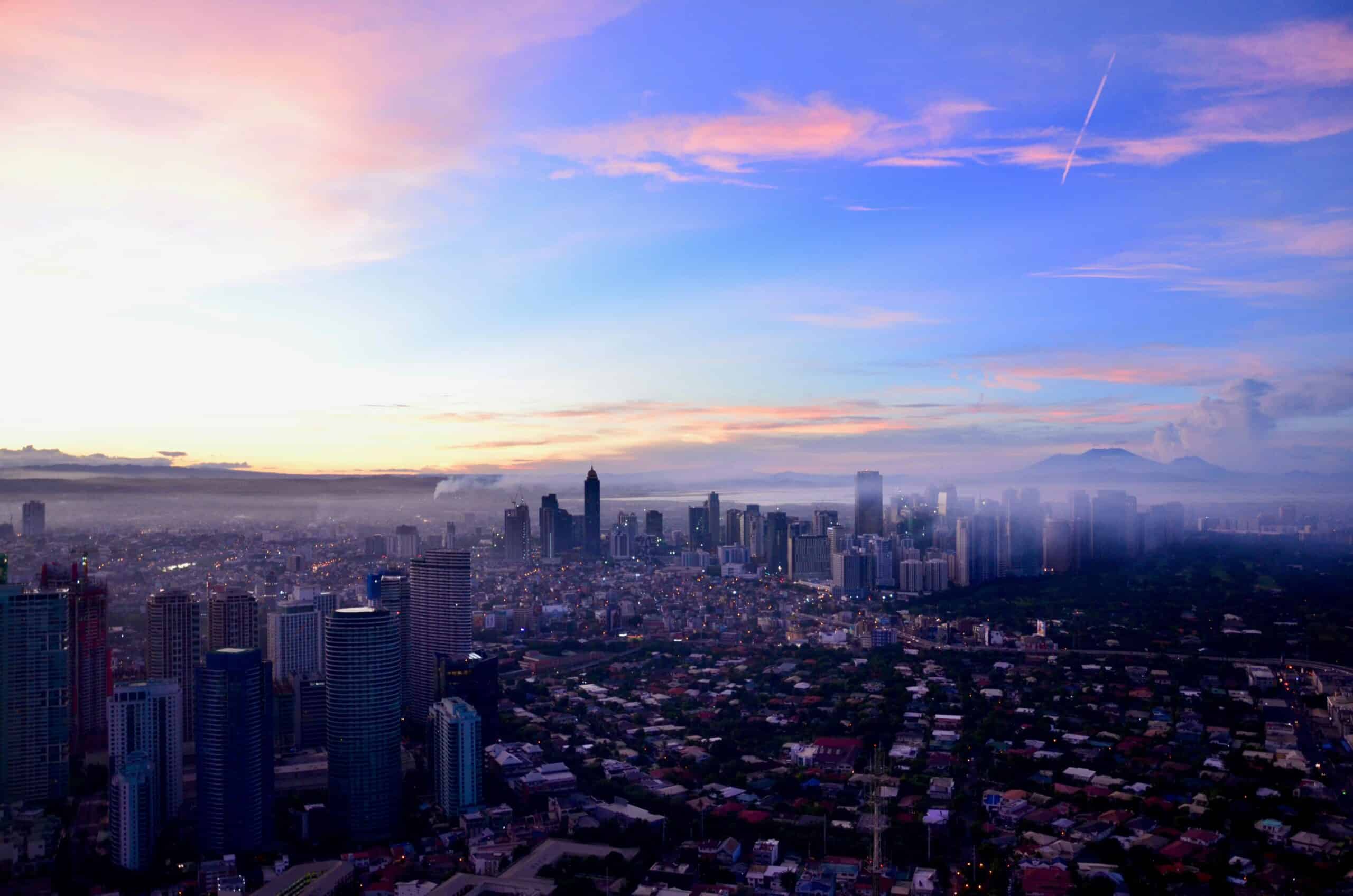
Manila’s modern planning history contains a stark contrast. In 1905, Daniel Burnham envisioned a much-expanded capital built for around 800,000 residents. The ambition was huge for its time, but the present reality is larger still. Public reporting based on the 2024 census places Manila at about 1.9 million residents, packed into a compact urban footprint.That gap between designed capacity and lived reality now appears in every basic system, and burial space has become one of the clearest signs that growth outpaced long-term planning.
When Cemeteries Turn Into Rotations
Space pressure in Manila is not only about homes and roads. It reaches the end of life, too. A long-documented pattern in city cemeteries has forced many families into short-term grave arrangements, with remains later transferred to ossuaries or niches after lease periods expire. What once felt like permanent family ground can become temporary storage under intense land pressure.In that system, grief is still grief, but it is often accompanied by deadlines, fees, and paperwork that make mourning feel procedural when families are least prepared for it.
Vertical Mourning in a Horizontal Space Crunch
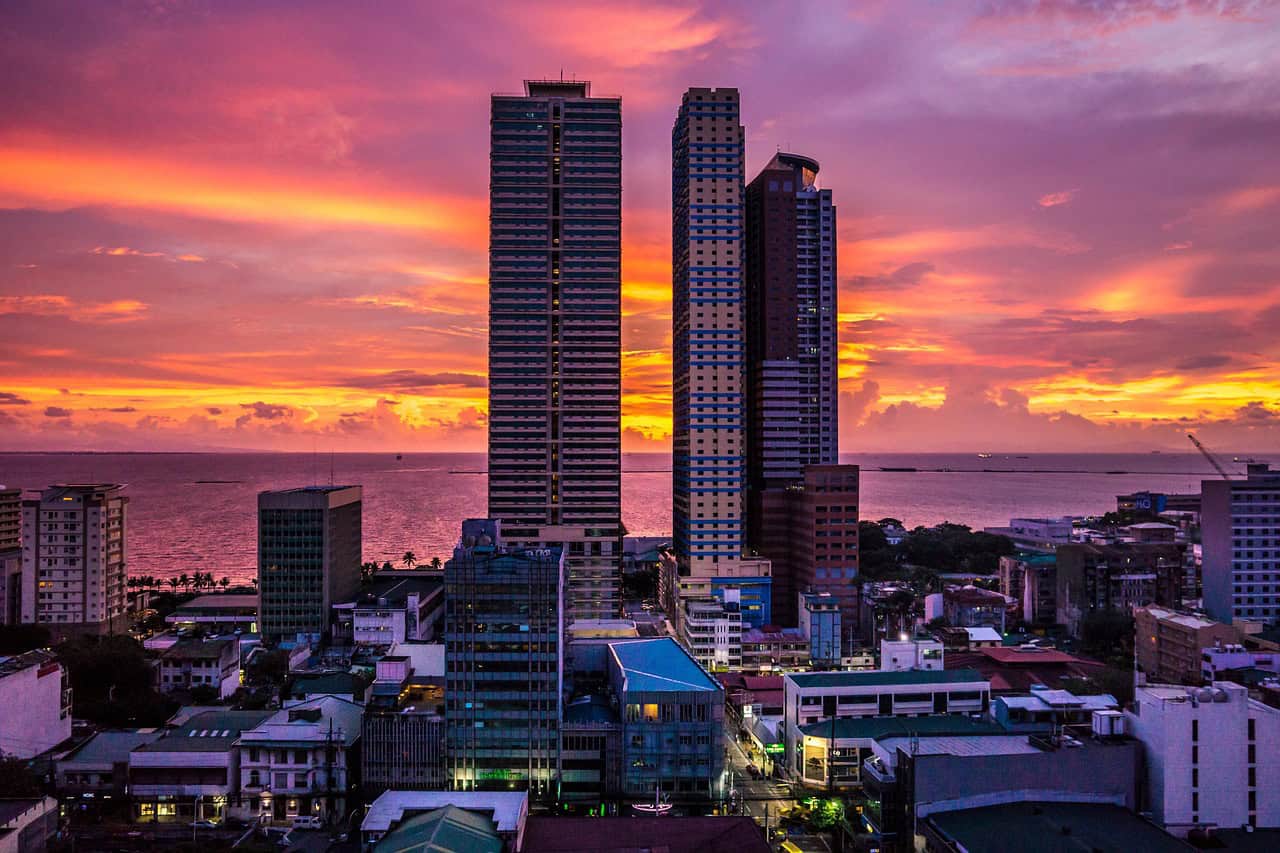
When land runs out, cities build upward, and Manila’s memorial landscape reflects that shift. Multi-level columbaria, shared memorial walls, and tightly organized niches are increasingly practical responses to finite ground space and rising urban costs. Even stable households compare burial options by location, fees, and long-term access rules before deciding.These adaptations can protect dignity when they are well managed. Still, they also reveal a deeper reality: remembrance now competes with real-estate scarcity in one of the most crowded urban cores in the region.
Flood Risk Shrinks Usable Land

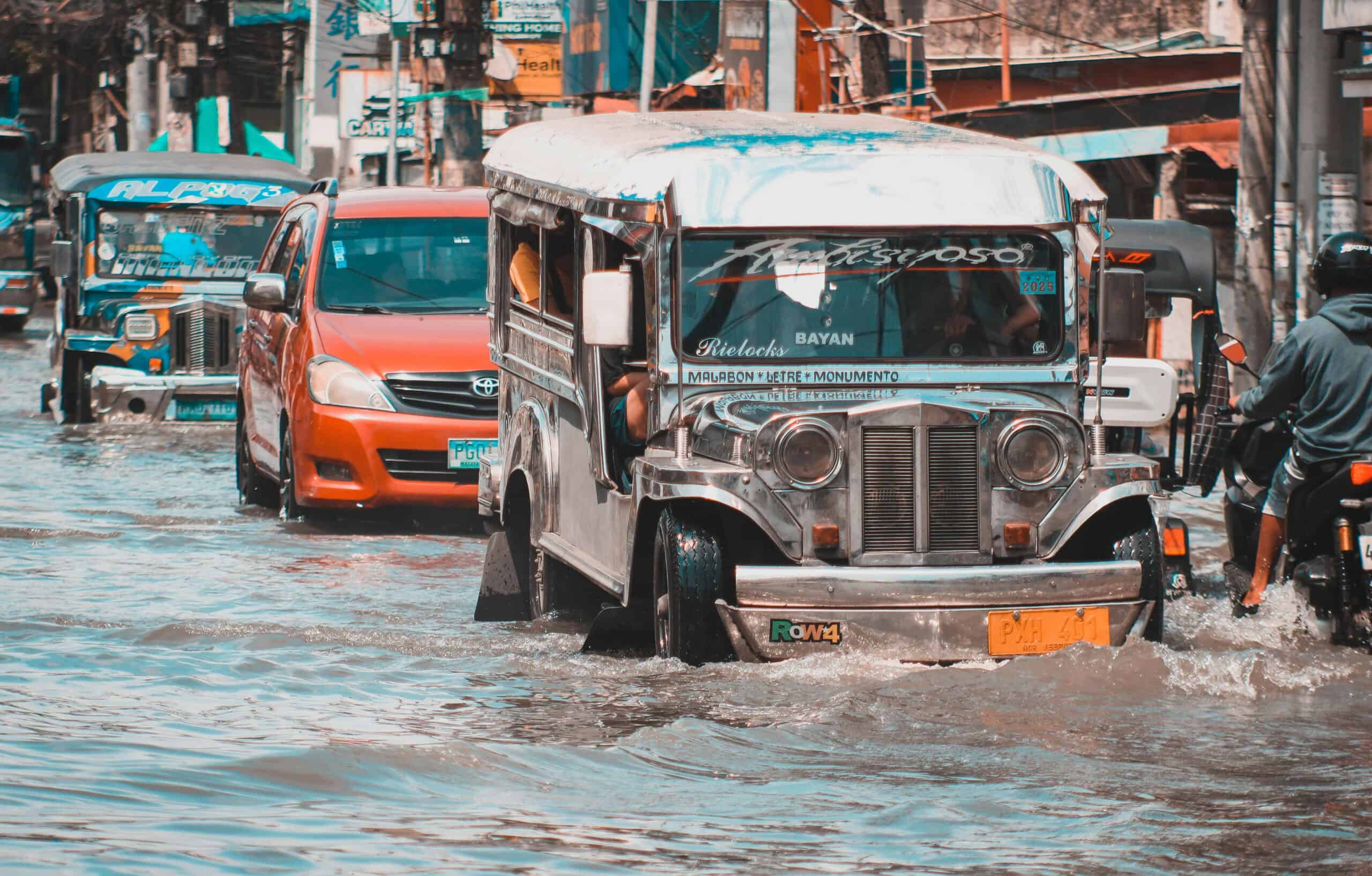
Water makes the land crisis harder. Metro Manila faces recurring flood exposure, and major flood-management efforts target critical drainage areas where millions live and work. Programs include pumping-station upgrades and drainage rehabilitation across multiple high-risk zones, which is necessary but also highlights how constrained safe land has become.Every flood-prone block reduces the space that can reliably support homes, roads, schools, and cemeteries. Recovery after each event also pulls money away from other urgent services, tightening a cycle the city has struggled to break.
Housing Instability Feeds the Burial Crisis
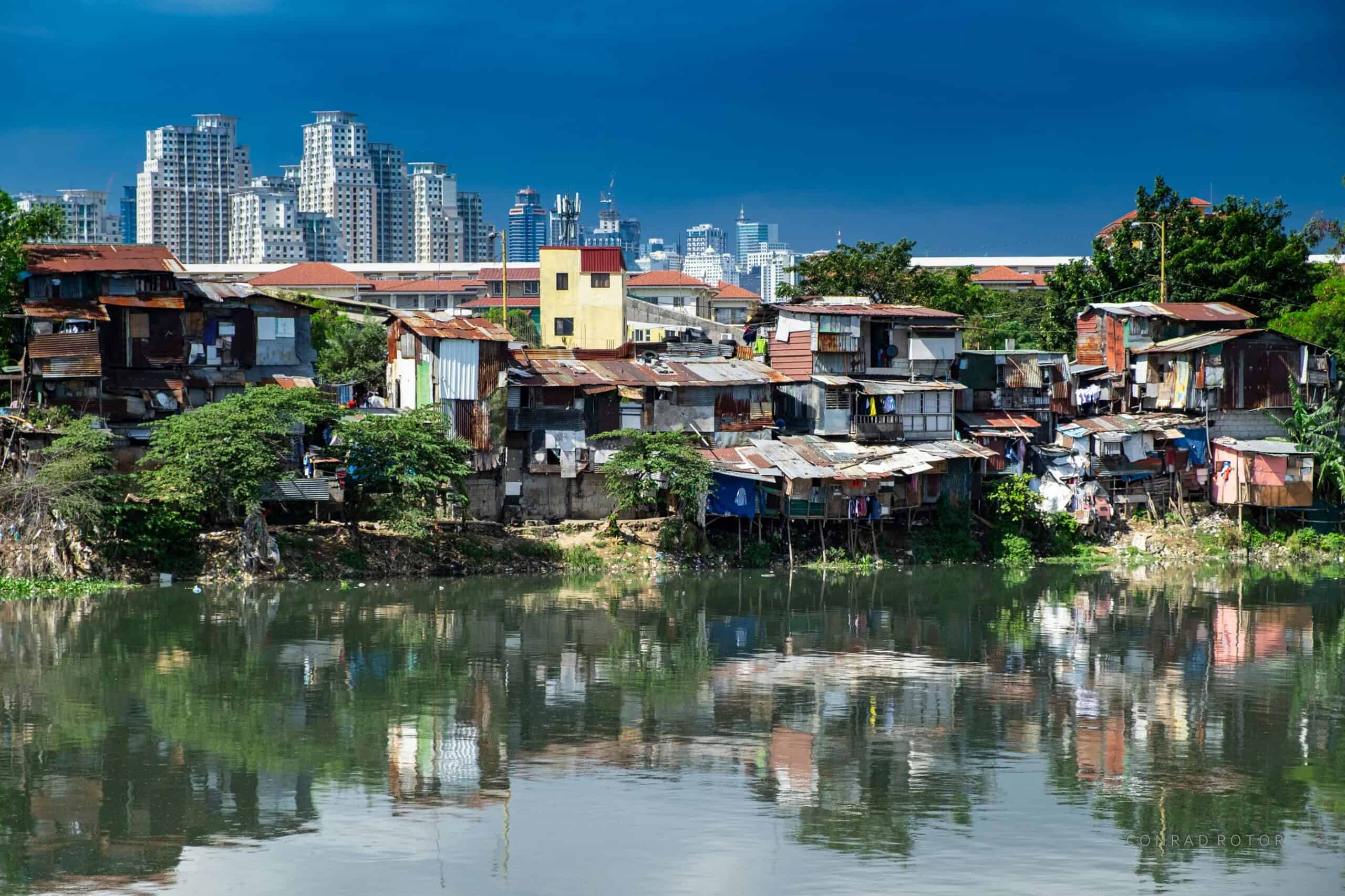
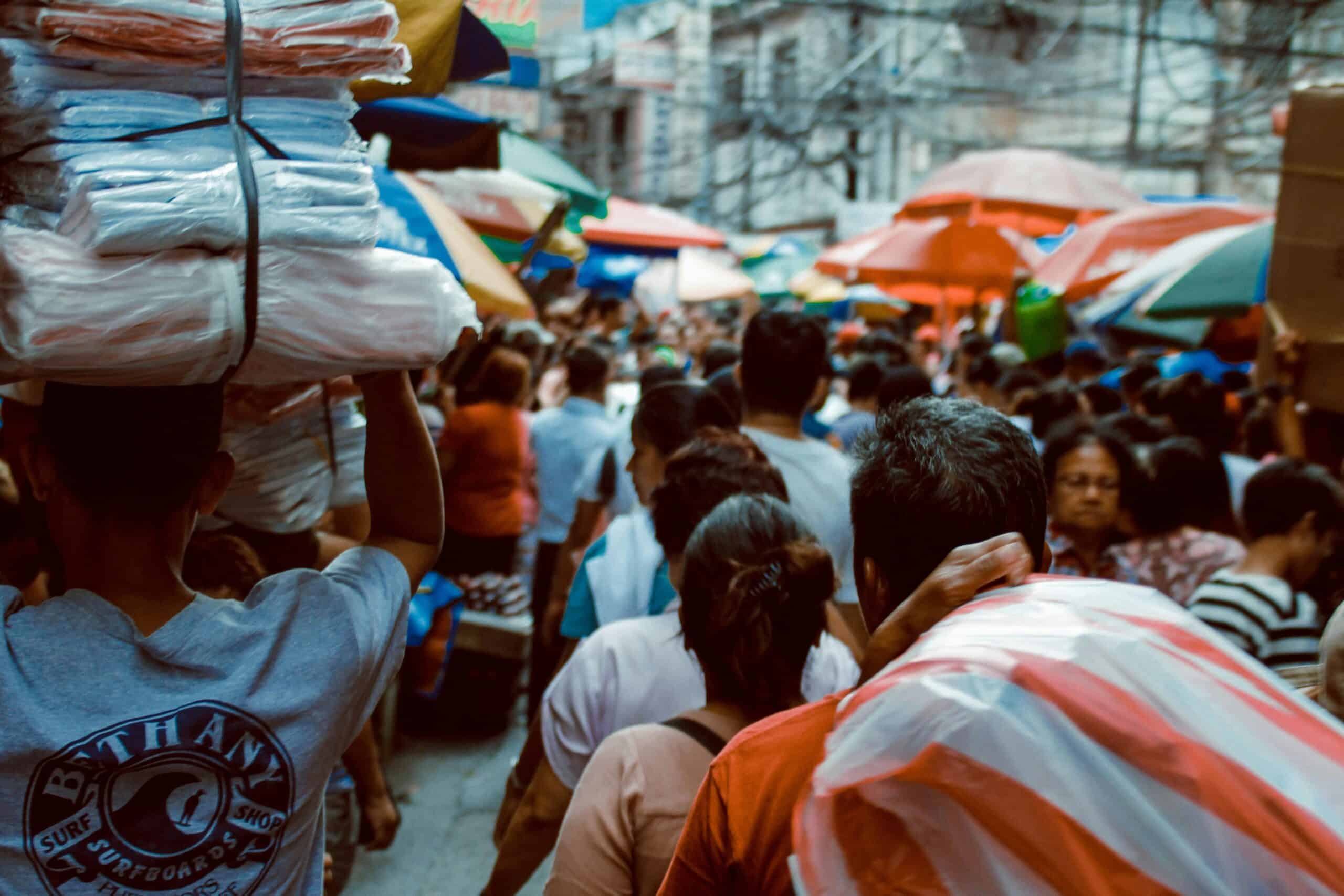
Urban growth has long outrun affordable formal housing in the capital region. World Bank analysis has described how migration, weak service delivery, and high land costs expanded informal settlements, leaving many households with insecure tenure and limited access to basic services. In dense districts, families often stay near jobs even when conditions are fragile, because distance can erase income.When stable housing remains uncertain, pressure ripples across health, sanitation, transport, and emergency planning. Burial access becomes part of that same stress map, not a separate issue at the edge of policy debates.
Congestion Turns Every Hard Day Harder
Bridget Adolfo/Unsplash
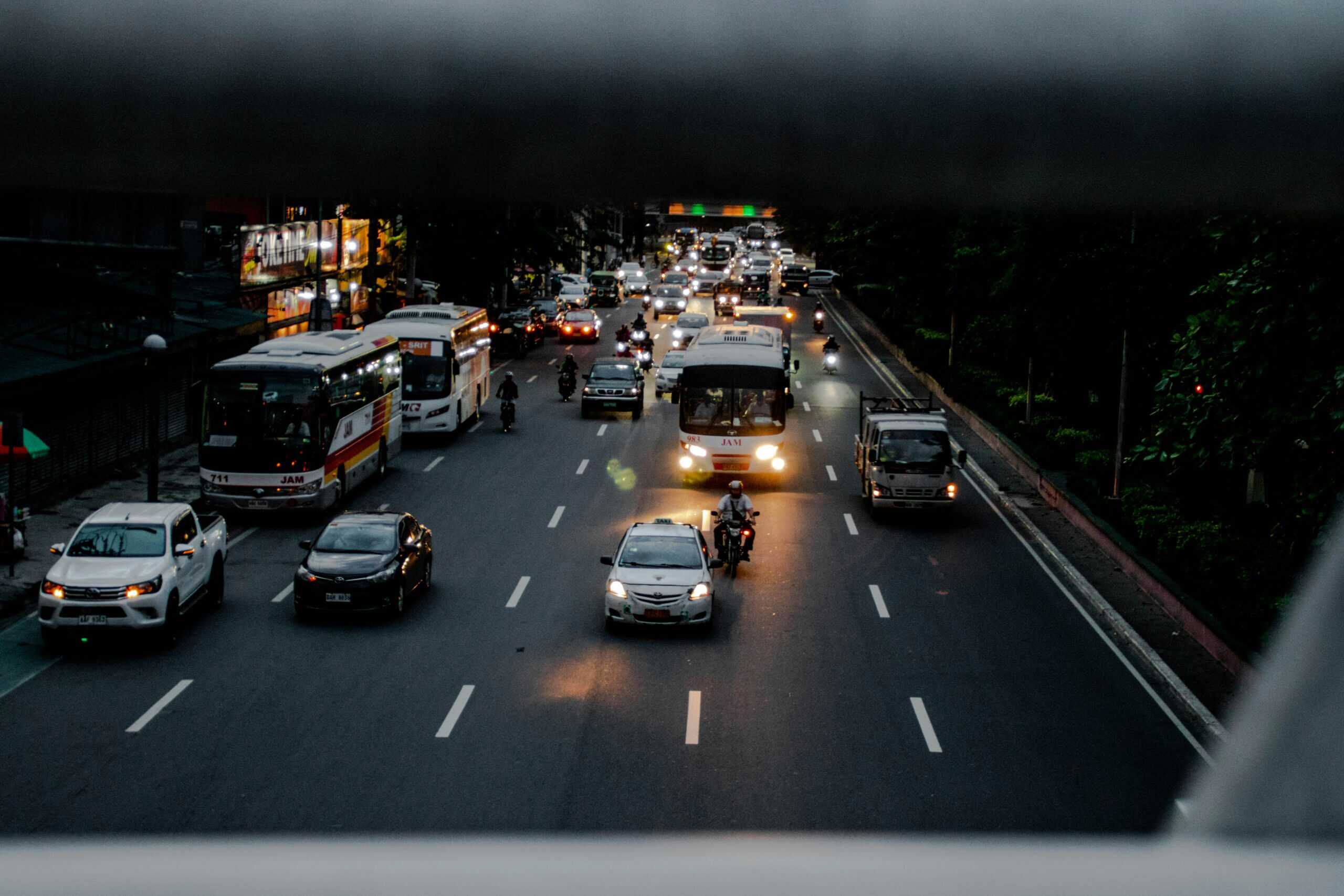
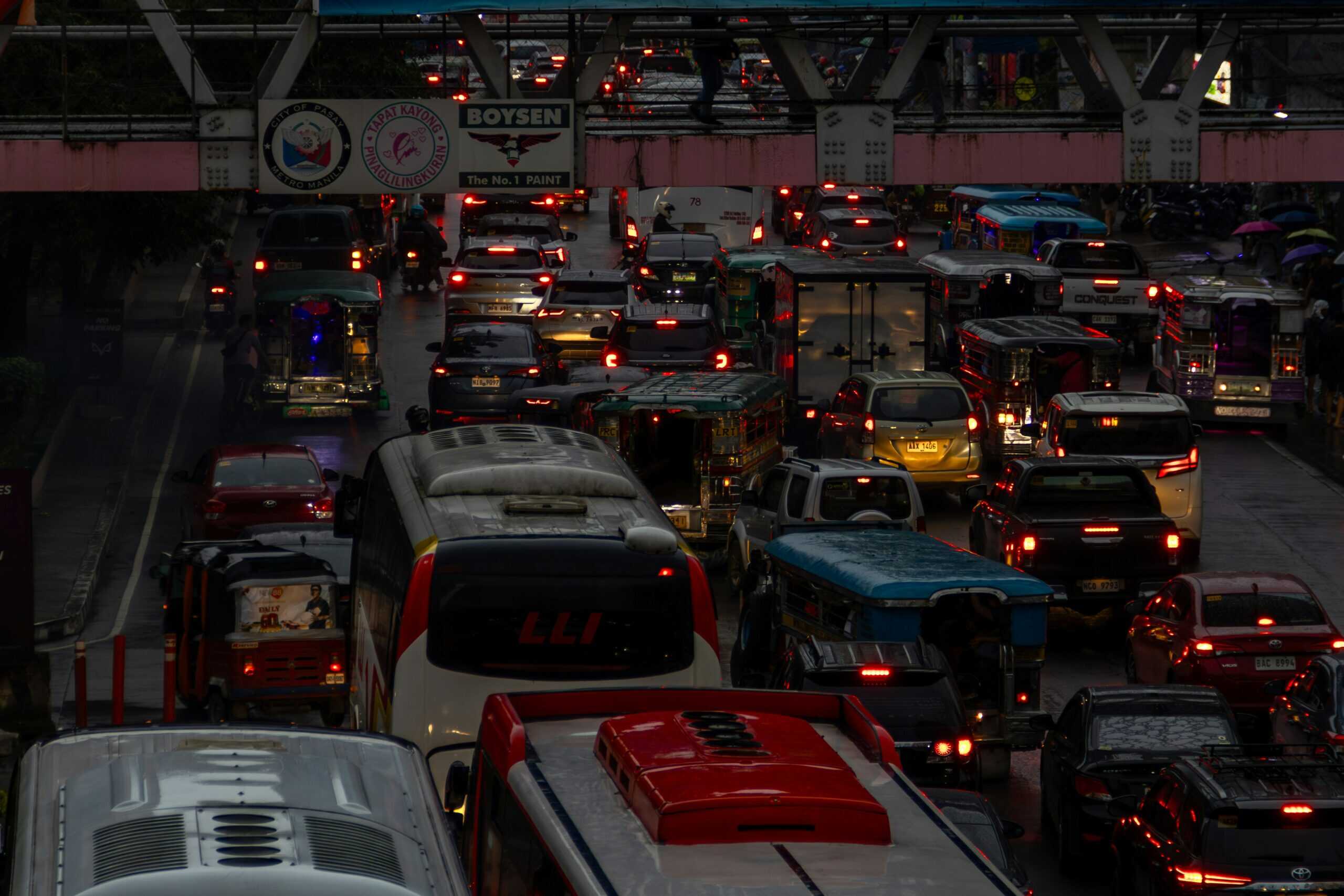
Mobility failure magnifies every other shortage. JICA and local transport planners describe congestion as one of Metro Manila’s most pressing social and economic problems, citing daily losses in the billions of pesos and warning those losses can climb without sustained intervention. Lost time on the road quickly becomes lost income, missed care, and delayed family responsibilities.On ordinary days, traffic is exhausting. On days of illness, funerals, or cemetery visits, it becomes another form of hardship layered onto families already carrying emotional and financial strain.
Big Projects, Slower Relief
No single project can solve a density crisis built over generations. Metro Manila has active investments in drainage modernization and flood mitigation, with progress reports showing measurable gains in priority zones and beneficiary reach. Those gains matter and should not be dismissed.Yet implementation is rarely linear. Procurement delays, local coordination gaps, and difficult relocation politics can slow impact where urgency is highest. The challenge is not only building infrastructure, but sustaining it through stable governance, continuity, and trust with affected communities.