We may earn money or products from the companies mentioned in this post. This means if you click on the link and purchase the item, I will receive a small commission at no extra cost to you ... you're just helping re-supply our family's travel fund.
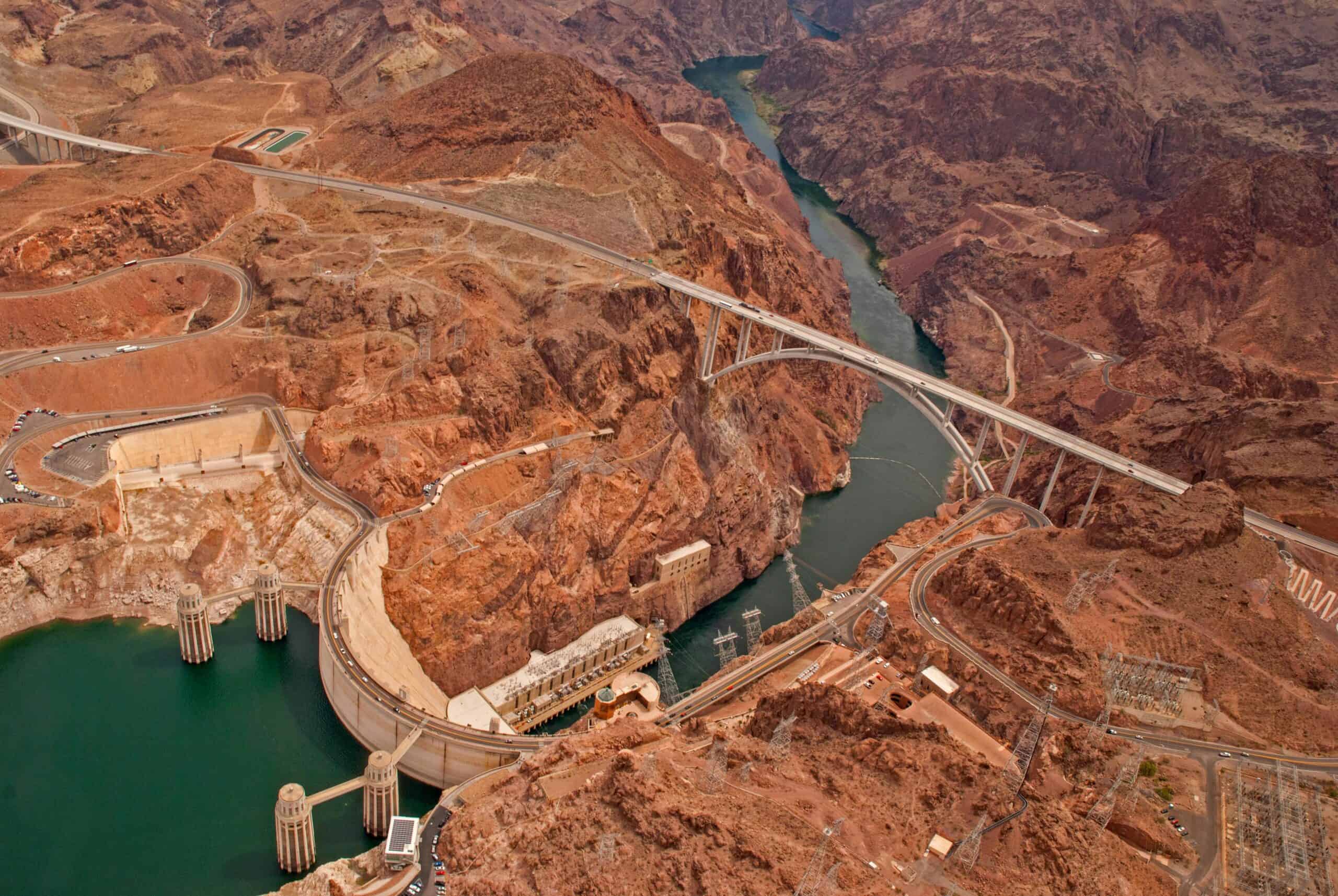
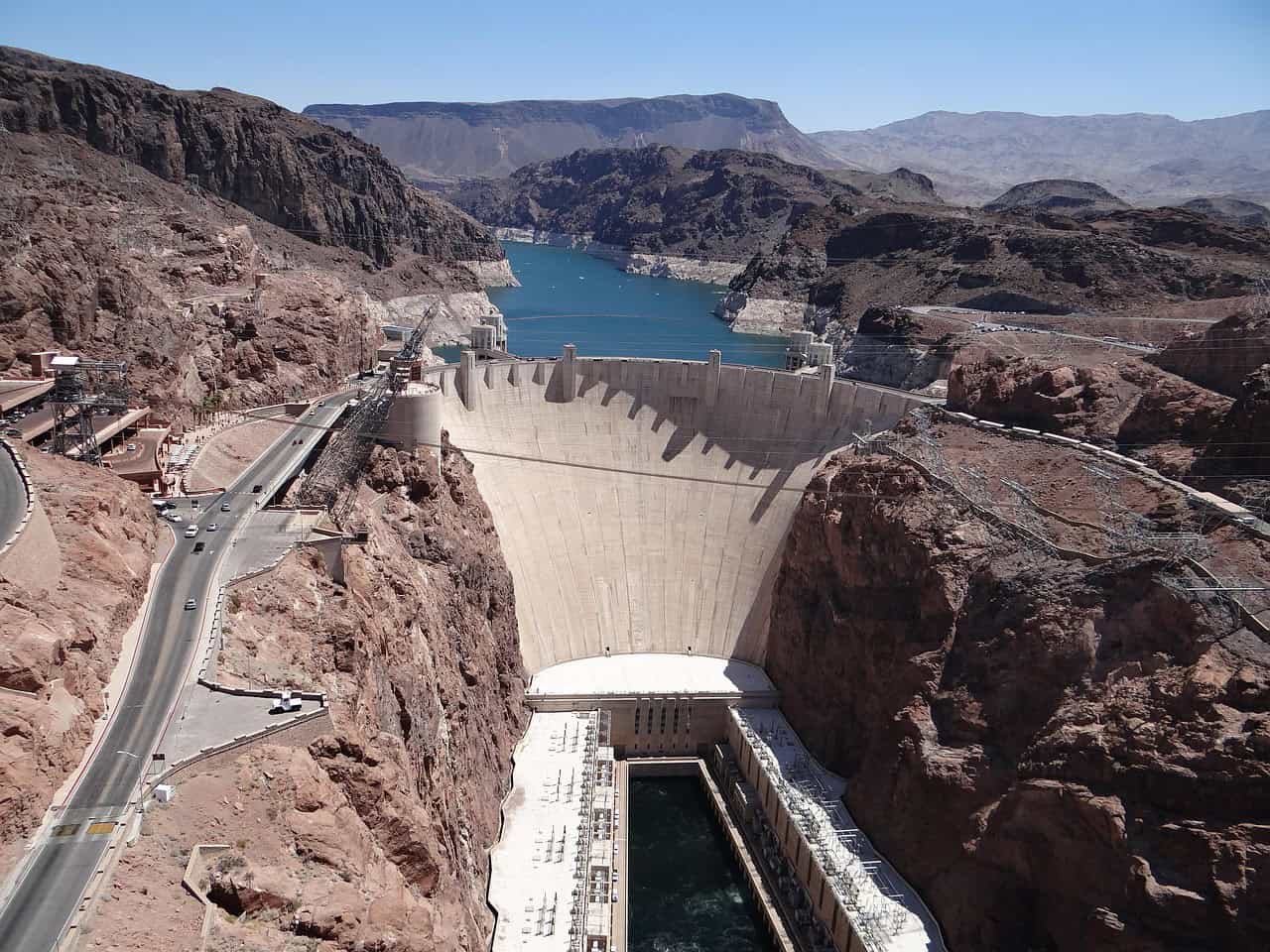
Hoover Dam has always been framed as a triumph of concrete, water, and American ambition, but one of its most thoughtful features sits quietly underfoot. On the Nevada side, Monument Plaza holds a celestial map set into terrazzo, designed to mark the dam’s dedication within Earth’s slow 26,000-year precession cycle. The winged bronzes draw the eyes upward, yet the floor does the deeper work, encoding stars, planets, and shifting north into a public space. It is equal parts art, engineering, and timekeeping, built for anyone willing to pause and read the ground.
The Plaza Most People Walk Over
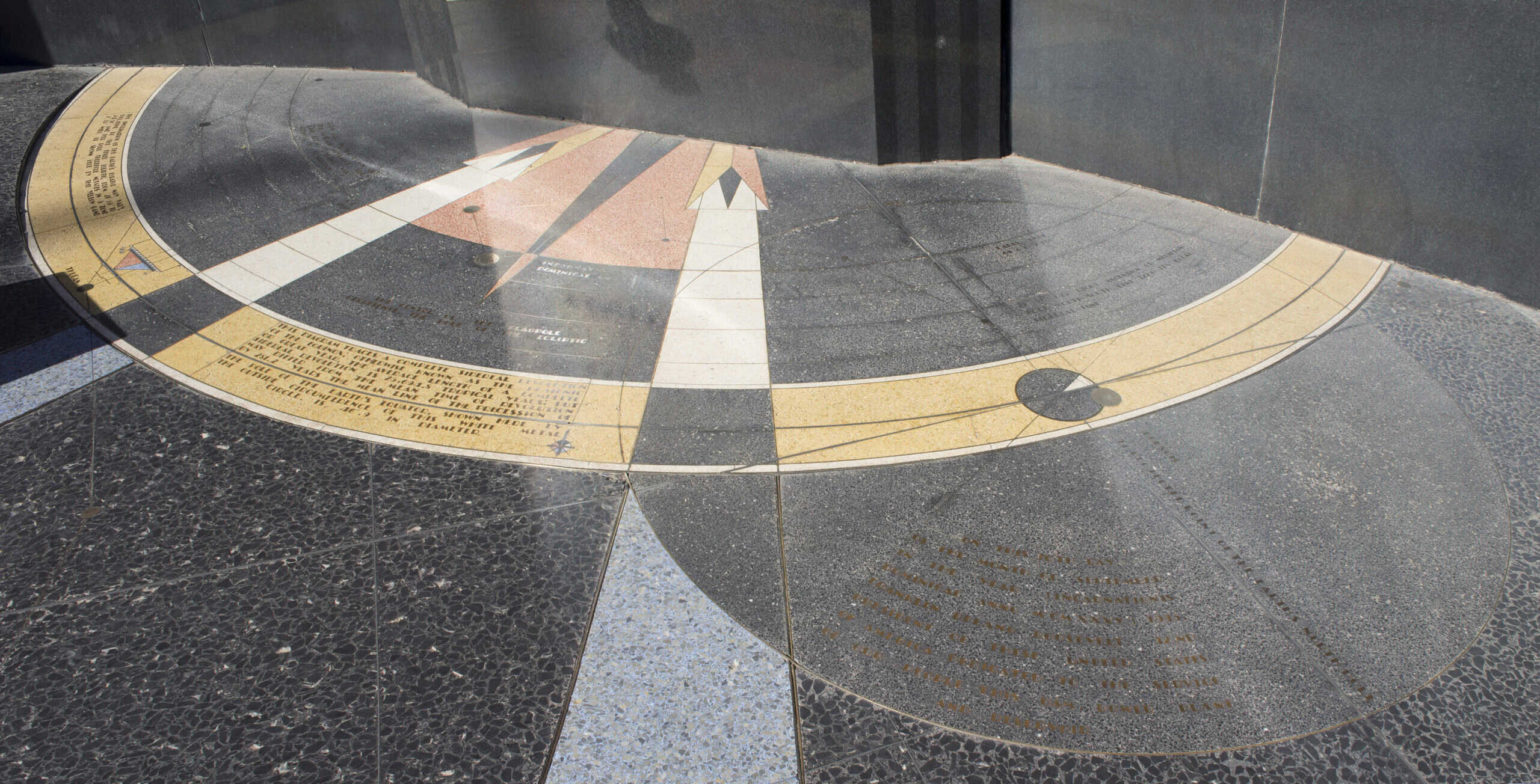
At Hoover Dam’s Monument Plaza on the Nevada side, the most unusual monument is not a statue at all, but a terrazzo floor inlaid as a celestial map beneath the central flagpole and between the Winged Figures. From ground level it reads like elegant patterning, yet the markings were designed to encode the Northern Hemisphere sky at a specific moment, turning stone chips and brass lines into a readable timestamp. In harsh desert light, with tour groups drifting toward the visitor center, that meaning stays quiet, and the monument keeps time underfoot, even as cameras focus higher up on a hot afternoon. It is history written for the long run now
Safety Island Becomes Monument Plaza
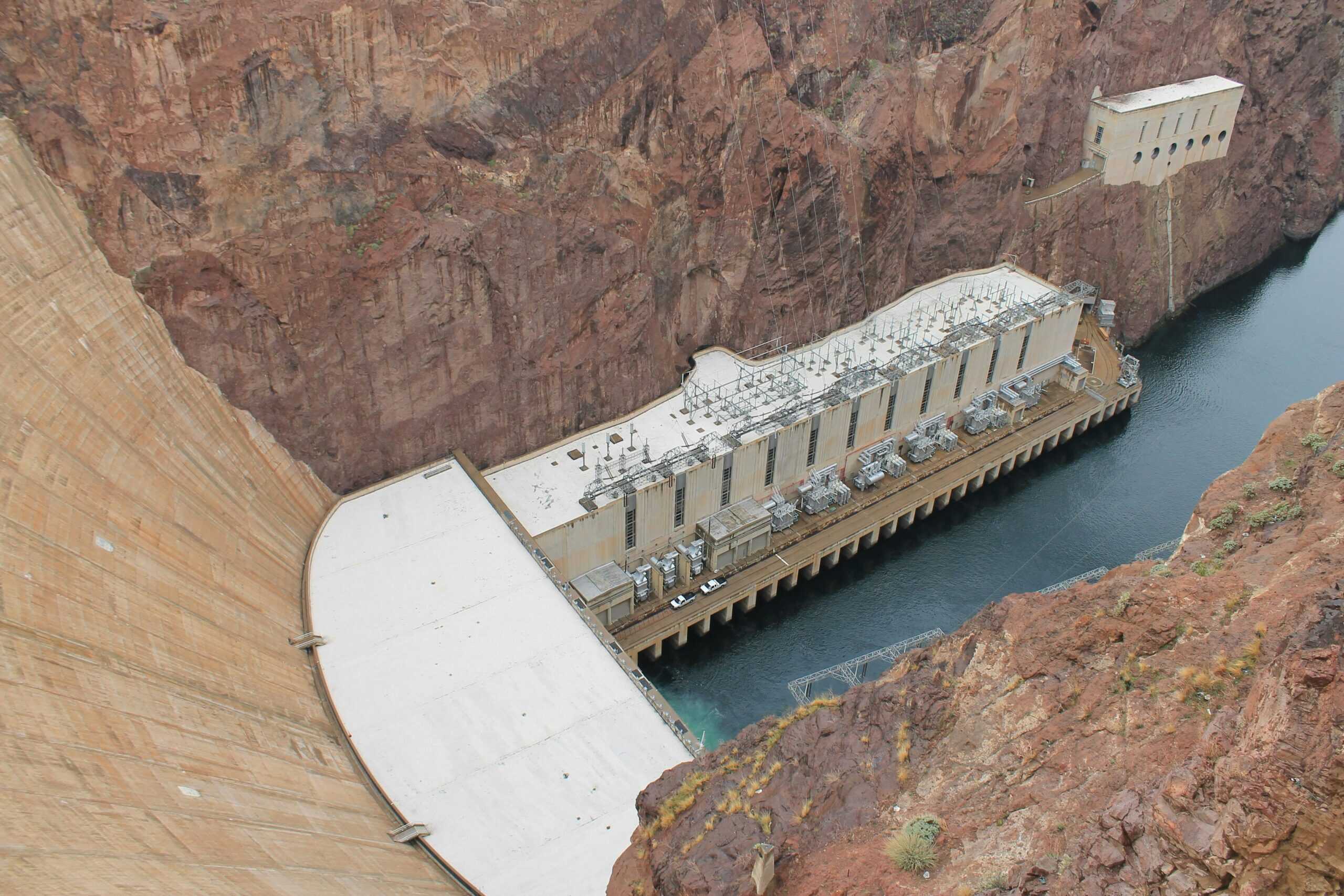
Before it became a photo stop, a corner of the dam was nicknamed Safety Island, a refuge on the construction road where workers could shelter behind a berm as cement trucks rolled by nonstop. After President Roosevelt dedicated Hoover Dam, the Bureau of Reclamation commissioned Monument Plaza, chose sculptor Oskar J.W. Hansen in 1936 after a national competition, and finished the work on Dec. 17, 1937, honoring the feat and those who lost their lives building it. The name changed, but the origin still lingers in the layout: even the ground began as protection, built for bodies, not beauty, and it still meets the desert weather through season.
Oskar J.W. Hansen’s Winged Guardians
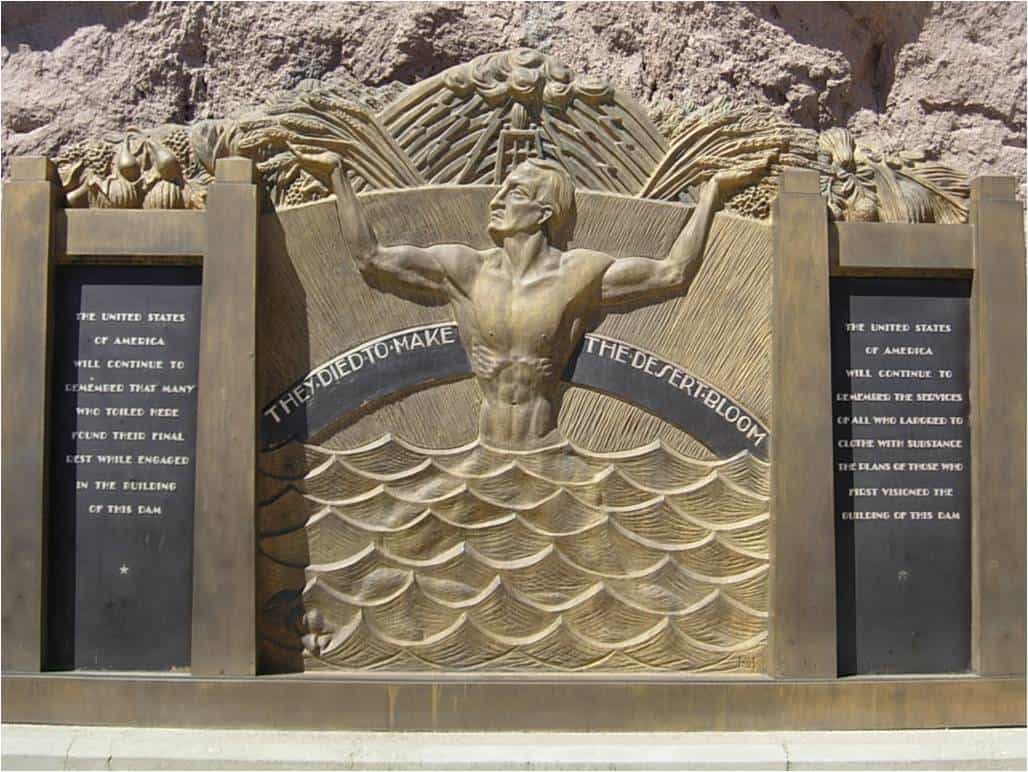
Oskar J.W. Hansen shaped much of Hoover Dam’s public artwork, and his best-known pieces here are the two Winged Figures of the Republic flanking a 142-foot flagpole that rises from a dark, polished base. In his own interpretation, they express calm intellectual resolution and trained physical strength, with eagle-like faces and an upward thrust meant to signal aspiration and readiness to defend civic ideals. Against the stark canyon setting, the bronzes feel less like decoration and more like a public posture, holding a steady gaze where wind whistles off Black Canyon and the river narrows below. Their scale keeps the plaza from feeling small
A Star Map Built as a Clock
The terrazzo under the flagpole works as a long-range clock by using Earth’s axial precession, the slow wobble that shifts the sky’s reference point and changes which star sits closest to true north. That cycle lasts about 25,772 years, and the plaza marks part of that circle so future astronomers could reconstruct the dedication era even if calendars, languages, and nations change. It depicts the Northern Hemisphere sky at the date and time President Franklin D. Roosevelt dedicated Hoover Dam, then adds planets and stars so the moment can be derived, not merely remembered. in a way that feels both scientific and quietly poetic, at once, too.
When The North Star Was Not Polaris
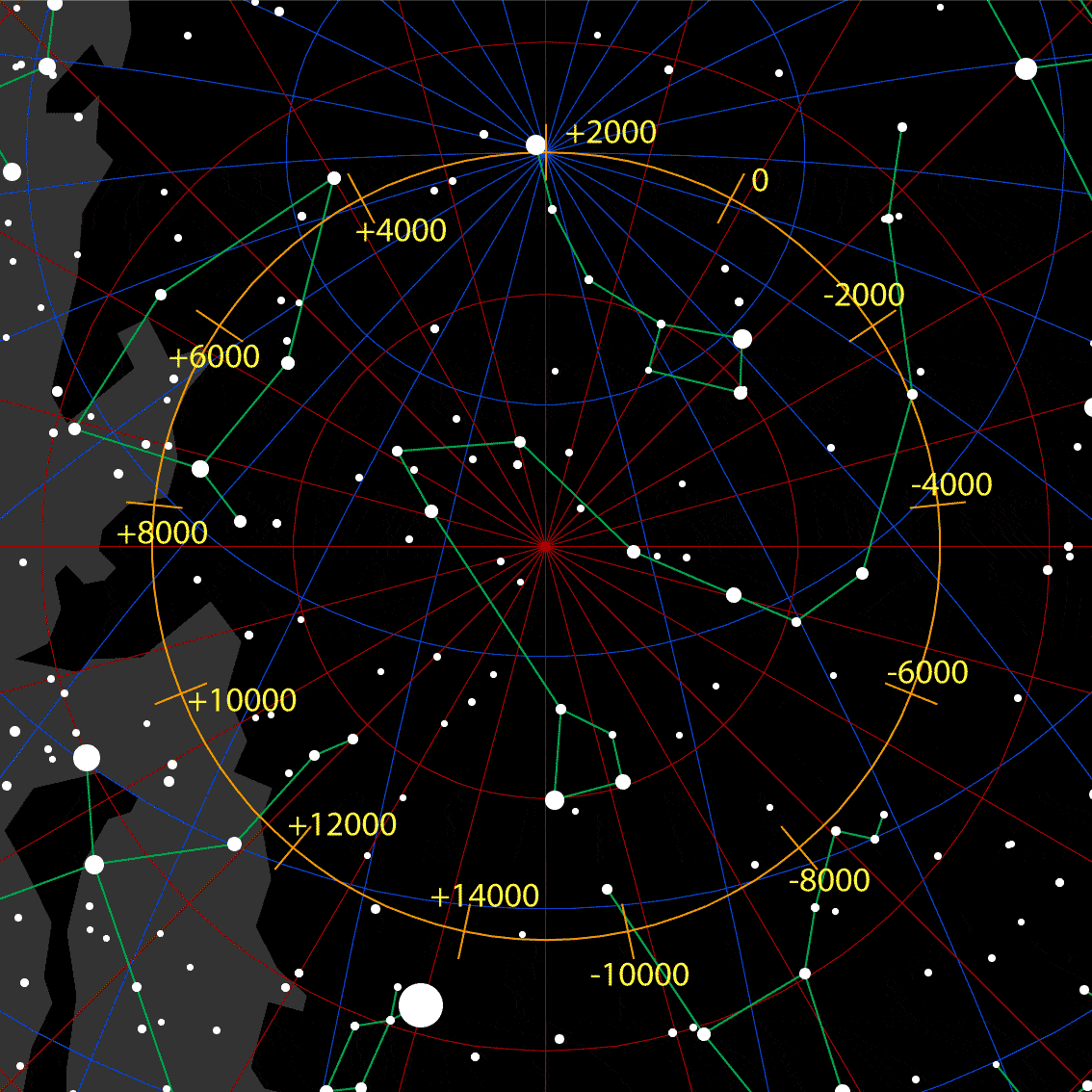
One of the map’s quiet shocks is the reminder that Polaris has not always been the North Star, because Earth’s axis slowly wobbles and traces a circle across the sky over a 25,772-year cycle. In the terrazzo, a marker points to Thuban near Draco, the pole star for ancient Egyptians during the era of the Great Pyramids, and another points toward Vega in Lyra, expected to take the role in roughly 12,000 years. By placing human ambition beside sky mechanics, the plaza makes the shoreline feel wider than a weekend stop, and it invites patience without asking for it. Time is the river here, and it keeps flowing past pyramids, dams, and all photos.
A Zodiac Ring In Concrete And Bronze

Monument Plaza blends science with older sky lore, and it does so in materials meant to last: cementitious terrazzo, bronze, and dark stone at the dam’s edge. Alongside the celestial map, the plaza includes a terrazzo-clad terrestrial compass and twelve bronze plaques representing the zodiac, arranged like a ring of symbols that circle the same flagpole the map uses as its center. The mix explains why the floor can look like pure decoration at first, because it speaks in multiple time languages at once, moving from navigation to astronomy to myth without any warning. It is Art Deco with a deadline measured in millennia, not seasons or trends.
Why The Monument Feels Hidden
The monument’s biggest enemy is perspective, not weather, because the floor was built to be read like a diagram while the human body approaches it like sidewalk. The layout makes the most sense from straight above, but almost everyone sees it from ankle height, with crowds drifting, glare on pale stone, and attention pulled upward to the bronzes and the canyon rather than down to the markings. Long Now points out that the plaza sits a bit apart from the dam’s main tour narrative, so without a clear overhead explanation, the map keeps its secret by staying flat, quiet, and patient under constant foot traffic. That subtlety is part of its charm