We may earn money or products from the companies mentioned in this post. This means if you click on the link and purchase the item, I will receive a small commission at no extra cost to you ... you're just helping re-supply our family's travel fund.
When the expanded 2026 U.S. travel ban was introduced, it was framed as a domestic security measure. However, its global ripple effects are increasingly being felt by ordinary American travelers. Instead of simplifying international movement, the policy has triggered diplomatic friction, stricter border controls, and higher costs for U.S. passport holders overseas. From delayed visas to reduced airline access, Americans are discovering that decisions made at home can quietly reshape how welcome they are abroad. Here are nine detailed ways the travel ban is unexpectedly complicating life for U.S. tourists.
1. Reciprocal Entry Restrictions Are Limiting Access

Several countries have responded with reciprocal policies targeting U.S. citizens. By early 2026, at least 14 countries introduced additional entry requirements for Americans, compared to just 5 in 2023. These measures range from mandatory pre-approvals to outright entry suspensions. For tourists, this means trips once planned in weeks now require months of preparation. Travel agencies report a 31% rise in canceled itineraries linked directly to sudden rule changes. The psychological effect matters too, American travelers are increasingly perceived as politically complicated visitors rather than neutral tourists.
2. Visa Processing Times Have Quietly Doubled

American travelers are discovering that visas once issued on arrival now require formal applications. Average processing times for U.S. tourists in affected regions rose from 7–10 days to nearly 21 days by late 2025. Embassy appointment availability dropped by 42%, forcing travelers to alter or abandon plans. This shift disproportionately affects short-term travelers, retirees, and digital nomads who rely on flexibility. The added bureaucracy also increases costs, with visa fees rising an average of 18–25% for U.S. applicants compared to other nationalities.
3. Airlines Are Cutting Routes Used by Americans
Airlines respond quickly to political uncertainty. Since mid-2025, carriers have reduced or eliminated over 11% of routes heavily used by U.S. outbound travelers to politically sensitive regions. Fewer direct flights mean longer layovers, higher fares, and increased missed connections. Data from fare-tracking platforms shows average ticket prices rising by 22% on affected routes. Travelers also face less protection during delays, as indirect itineraries increase the risk of misconnection across multiple jurisdictions.
4. Heightened Screening Is Slowing Border Crossings
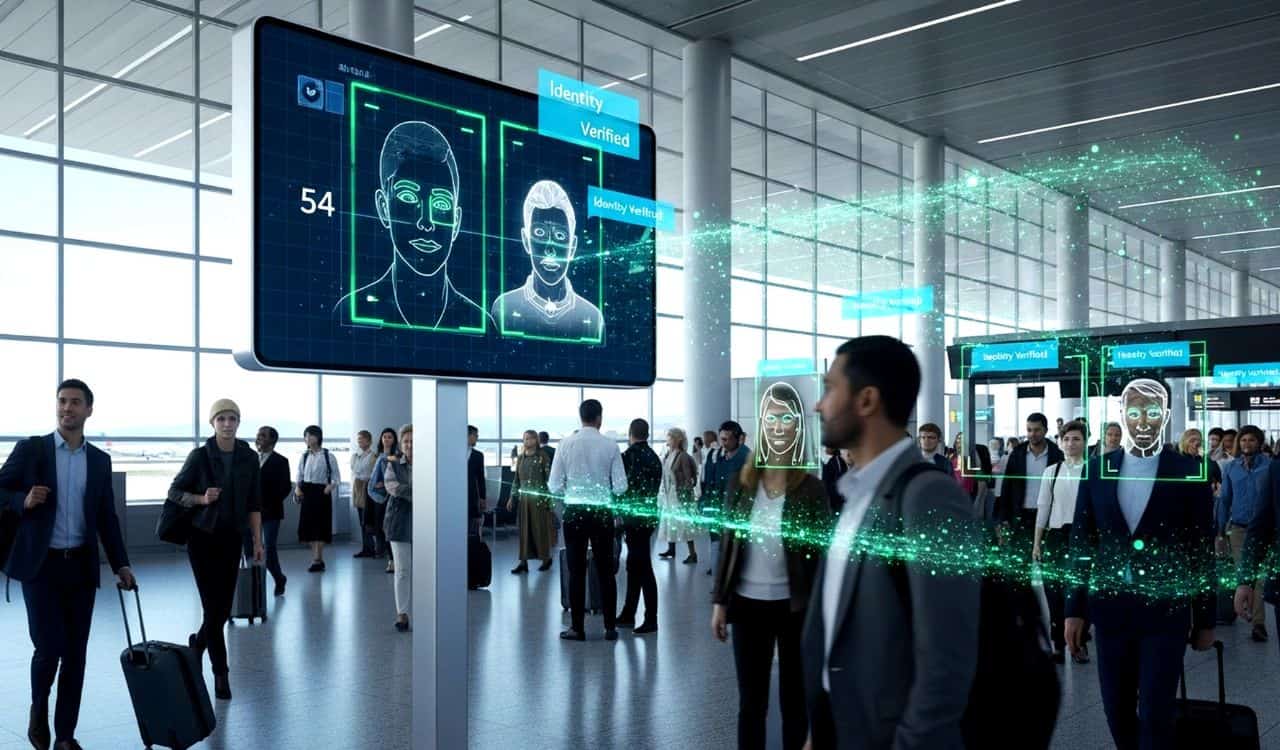
American passport holders are facing longer inspections at foreign borders. In 2026, average immigration clearance times for U.S. travelers increased from 15 minutes to nearly 40 minutes in several international hubs. Secondary screenings now affect an estimated 1 in 6 Americans, compared to 1 in 20 previously. While most travelers are ultimately admitted, the unpredictability causes missed trains, lost hotel reservations, and mounting stress. Frequent travelers report feeling singled out rather than streamlined.
5. Travel Insurance Premiums Are Increasing

Insurance providers price risk conservatively. Since the travel ban expansion, policies covering Americans abroad have risen by 12–28%, depending on destination. Insurers cite higher denial risks, diplomatic instability, and evacuation uncertainties. Some policies now exclude coverage for entry refusal altogether. For families or long-stay travelers, this adds hundreds of dollars in unplanned expenses. Approximately 37% of U.S. travelers surveyed in late 2025 reported purchasing more expensive plans than initially budgeted.
6. Cultural and Academic Travel Is Shrinking

Study-abroad participation by Americans dropped by 19% between 2024 and 2026, largely due to reciprocal policies and uncertain reentry rules. Cultural exchange visas now face stricter scrutiny, with approval rates falling from 92% to 76%in some regions. This affects not just students, but educators, researchers, and volunteers planning short-term placements. Universities report that 1 in 4 programs has reduced U.S. enrollment quotas. The long-term cost is cultural isolation, as fewer Americans gain on-the-ground global exposure during formative years.
7. Americans Face Higher Scrutiny During Emergencies
In times of political unrest or natural disasters, U.S. citizens are sometimes deprioritized. Consular assistance response times increased by an average of 17% in countries with strained diplomatic relations. Local authorities may impose temporary movement limits on American nationals, citing reciprocal security protocols. In 2025 alone, over 8,000 U.S. travelers reported delayed assistance during regional disruptions. Travelers now face added uncertainty during crises, especially when rapid evacuation decisions are required.
8. International Events Are Becoming Harder to Attend

Sporting, cultural, and religious events are increasingly affected by entry restrictions. Americans attending international events report a 26% increase in visa rejections for short-term travel tied to large gatherings. Host countries are tightening crowd-control and nationality-based screening procedures. This has impacted everything from global sports tournaments to film festivals. For travelers, the risk of spending thousands on tickets only to face entry refusal is becoming a major deterrent. Event organizers now quietly advise U.S. attendees to apply earlier than other nationalities to avoid denial.
9. Last-Minute Rule Changes Are Causing Costly Cancellations
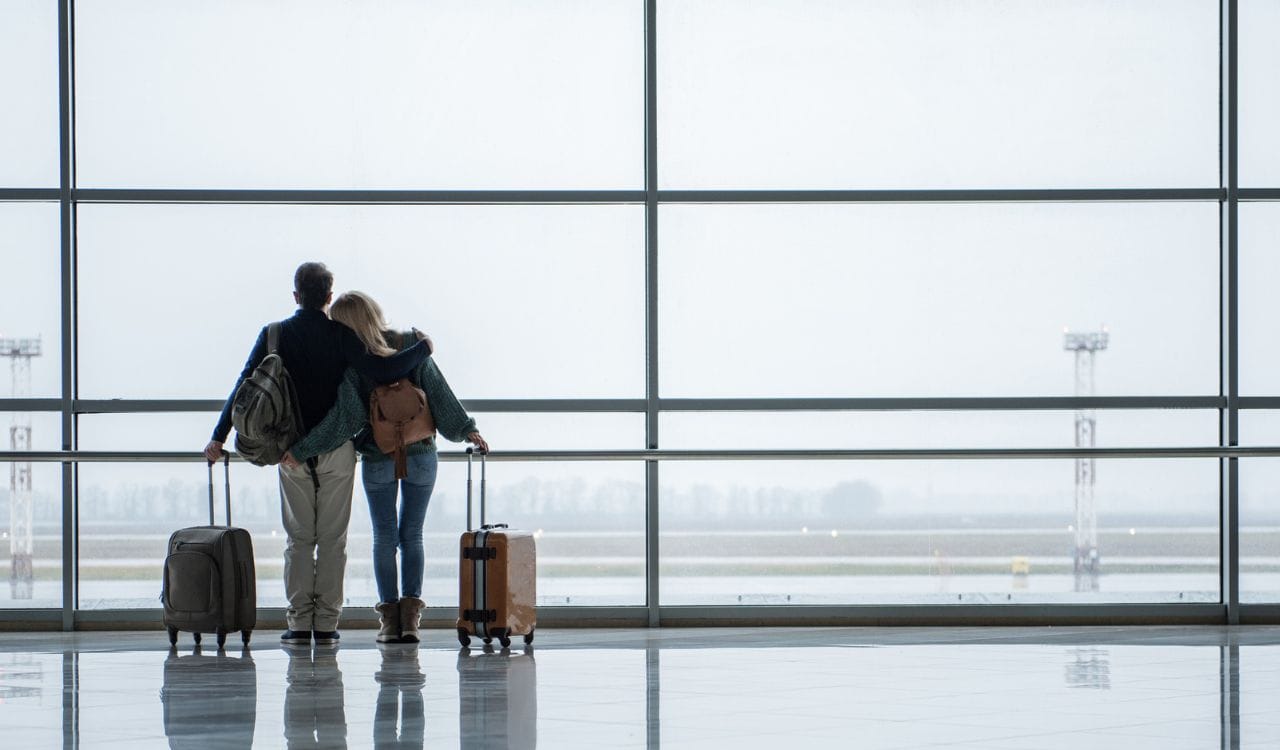
Perhaps the most frustrating impact is unpredictability. Policy updates are often announced with less than 30 days’ notice, leaving travelers stranded mid-planning. Airlines and hotels report a 34% rise in U.S. traveler cancellations linked to sudden rule shifts. Refund disputes, non-recoverable deposits, and missed events are becoming common complaints. The emotional toll matters too, as confidence in hassle-free travel with a U.S. passport continues to erode. Many travelers now delay bookings entirely, reducing flexibility and driving prices even higher.