We may earn money or products from the companies mentioned in this post. This means if you click on the link and purchase the item, I will receive a small commission at no extra cost to you ... you're just helping re-supply our family's travel fund.
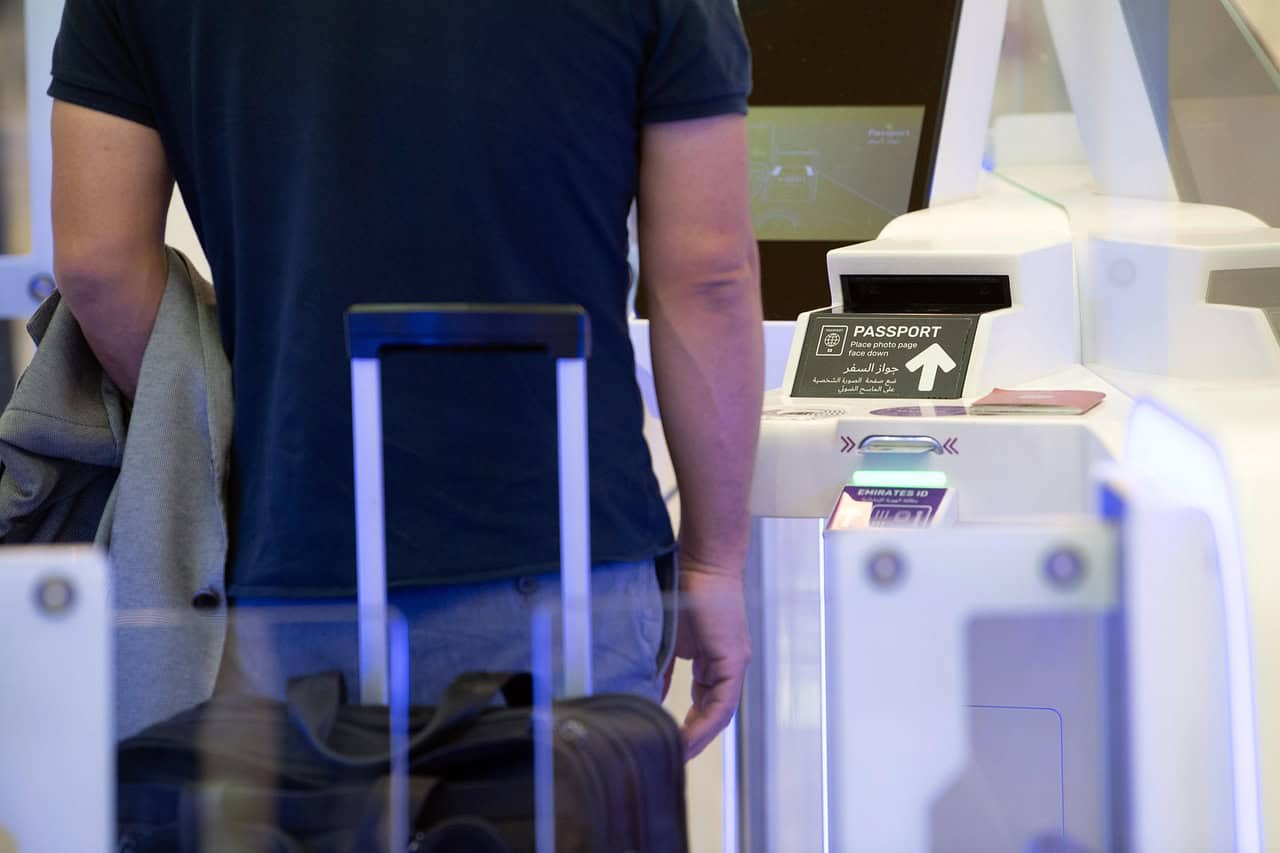
A reunion in the United States can start with a simple idea: a friend flies in, the fridge is stocked, and the city gets seen through fresh eyes. But the trip is shaped long before the first hug. Paperwork, screening tools, and airline checks decide who boards, who waits, and who gets turned around. Some rules are old, some are newly tightened, and most are misunderstood until a passport is already in hand. Knowing the friction points helps visits feel possible again.
Passport Validity Must Clear The Stay Window
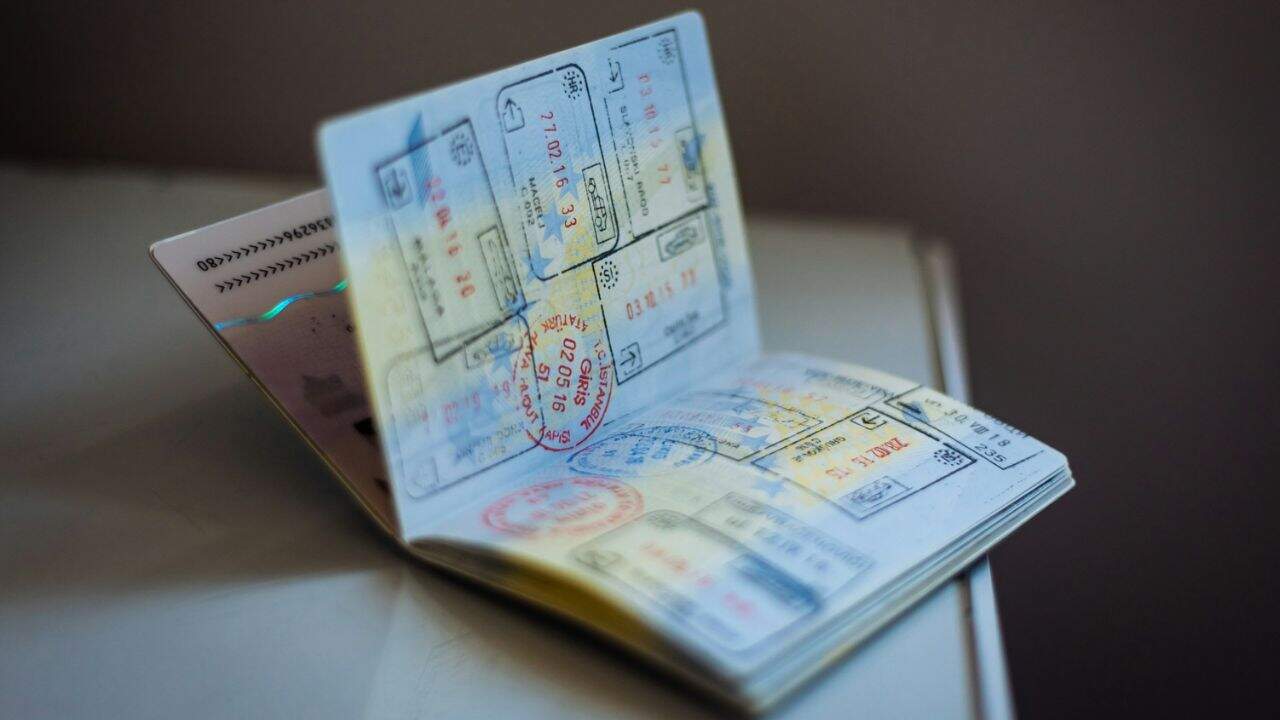
Many visitors assume a passport only needs to be valid through the travel dates, then learn the airline is doing different math. For most temporary visitors, U.S. guidance expects the passport to be valid at least six months beyond the intended period of stay, unless a country-specific agreement waives that buffer. Because carriers can be penalized for transporting someone who will be refused admission, the check happens at check-in, not at the welcome sign, and the strictest interpretation usually wins. Renewing early keeps a holiday from turning into paperwork triage. It also cushions delays and surprise reroutes through stricter hubs, too.
ESTA Approval Is A Boarding Requirement For Visa Waiver Travelers

Friends from Visa Waiver Program countries still need an approved ESTA before boarding a U.S.-bound flight or sea carrier. It is not a visa, but it functions like pre-screening: without approval, the airline generally will not issue a boarding pass, even for a short visit. ESTA is tied to a specific passport and is typically valid up to two years or until the passport expires, so a replacement passport can quietly void an old approval. Approval also does not guarantee entry, so travelers still need a coherent purpose and clean paperwork. Some carriers require approval before check-in opens, and a denial can force a visa application next time.
A Visitor Visa Often Means A DS-160, Fees, And An Interview

For travelers outside the Visa Waiver Program, the usual route is a B-1/B-2 visitor visa, and it comes with friction built in. It starts with the DS-160, a photo that meets strict specs, a fee, and a consular appointment that can be scarce in busy cities or around school breaks. The interview is less about the sightseeing plan and more about credibility, ties abroad, finances, and whether the story holds up under simple follow-up questions. Even a well-prepared applicant can face delays for additional review, so timing needs slack. Appointment wait times and document reciprocity can differ sharply by country, even within the same region, now.
Interview Waivers Have Narrowed Again For Many Applicants
Some visitors still plan around the idea that renewals can be handled without showing up, then run into the newer reality. State Department guidance updated in 2025 says most nonimmigrant visa applicants, including children under 14 and adults over 79, will generally need an in-person interview, with limited exceptions such as certain recent renewals. The practical effect is calendar pressure: families must coordinate appointments, travel to a consulate, and leave time for administrative processing or courier delays. A ticket can be changed; an interview slot can vanish for months. It makes short-notice reunions harder to pull off abroad too.
Social Media Identifiers Can Be Part Of Visa Vetting

U.S. visa applications collect more than biographical basics, and social media identifiers have been part of that net for years. The Department of State updated visa forms to request identifiers used in the preceding five years for most applicants, and it warns that incomplete or untruthful answers can lead to denial. It is rarely the online content that creates the biggest headache, but the mismatch: a handle left out, a platform marked as none, or accounts that do not align with stated work and travel history. Meticulous entries save time and protect credibility. Official rules request identifiers, not passwords, and accuracy matters a lot.
CBP Decides Admission, Length Of Stay, And Can Limit It
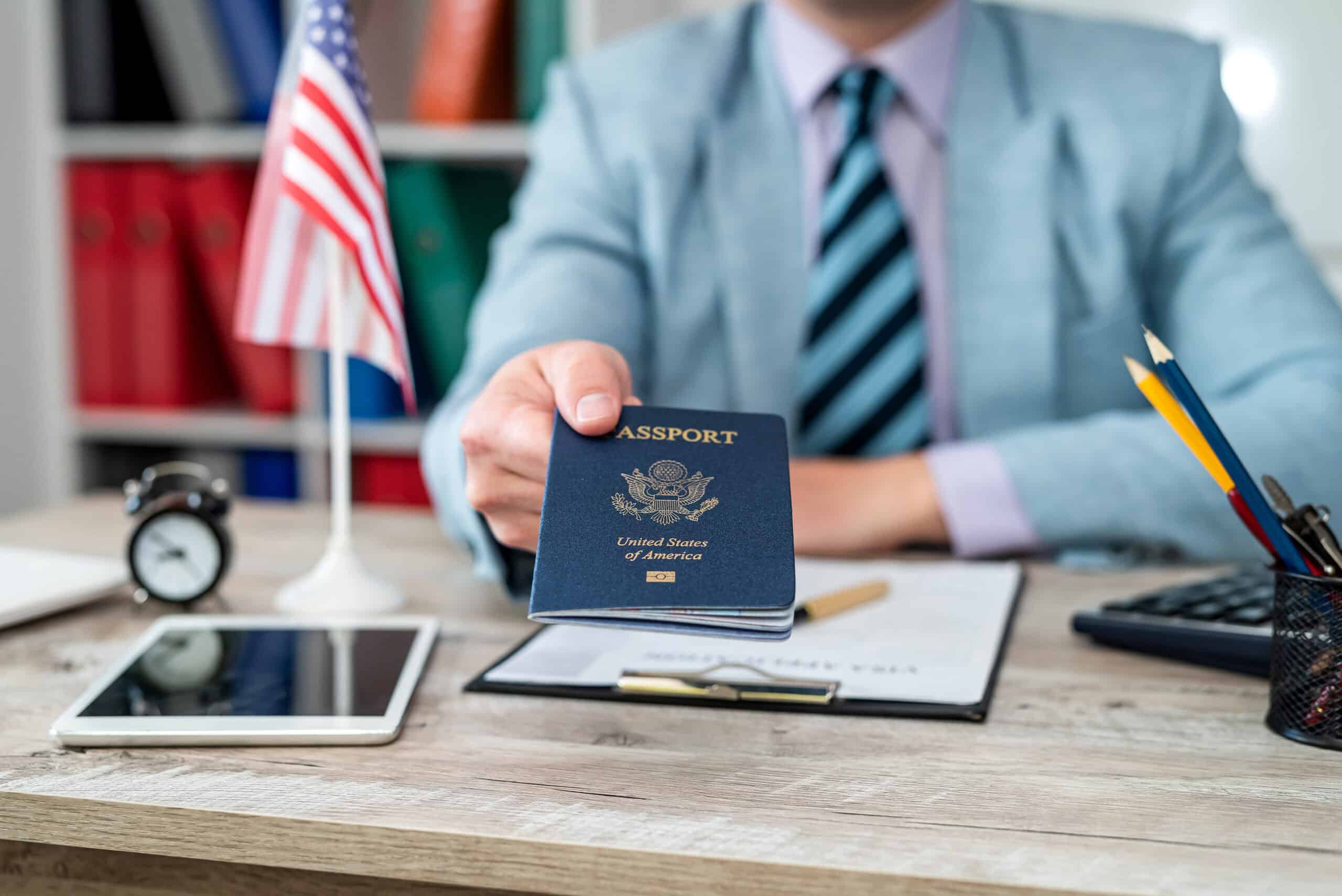
A visa or ESTA is permission to ask for entry, not a promise of admission, and that distinction shocks many first-time visitors. At arrival, CBP officers can decide whether to admit a traveler and can shorten the stay based on purpose, prior travel patterns, and answers that fit or clash with documents and luggage. Secondary inspection is common in busy airports, and it can feel personal when it is really procedural. Clear hotel details, return plans, and a host’s contact information help officers close the file and send a friend onward. It also helps to carry proof of work or school abroad, plus a simple explanation that matches the booking.
I-94 Records Are Digital And Still Matter After Arrival

Many arrivals no longer fill out a paper I-94, but the record still controls lawful presence in the country. CBP’s I-94 system lets most travelers retrieve an electronic record showing the class of admission and the admit-until date, and that date is what governs departure, not the visa sticker’s expiration. Hotels, DMVs, and employers sometimes ask for a printout, and an overstay can complicate future entries in ways that feel disproportionate to the mistake. Pulling the I-94 soon after landing and saving it with travel documents prevents quiet, expensive confusion. It also stores travel history useful when forms ask for exact arrival dates.
Cash Over $10,000 Must Be Reported, Not Hidden

The United States does not limit how much money a visitor can carry, but it is strict about reporting large amounts. CBP states that federal law requires reporting amounts over $10,000 when entering or leaving the United States, typically by filing FinCEN Form 105, and the rule applies to currency and certain monetary instruments. Problems often start when travelers split funds across bags or family members, believing that makes the total invisible, or when a gift is carried on someone else’s behalf. Reporting keeps the arrival calm and prevents a warm visit from opening with suspicion. Reporting is required even when the cash is lawful, too.
Phones And Laptops Can Be Searched At The Border
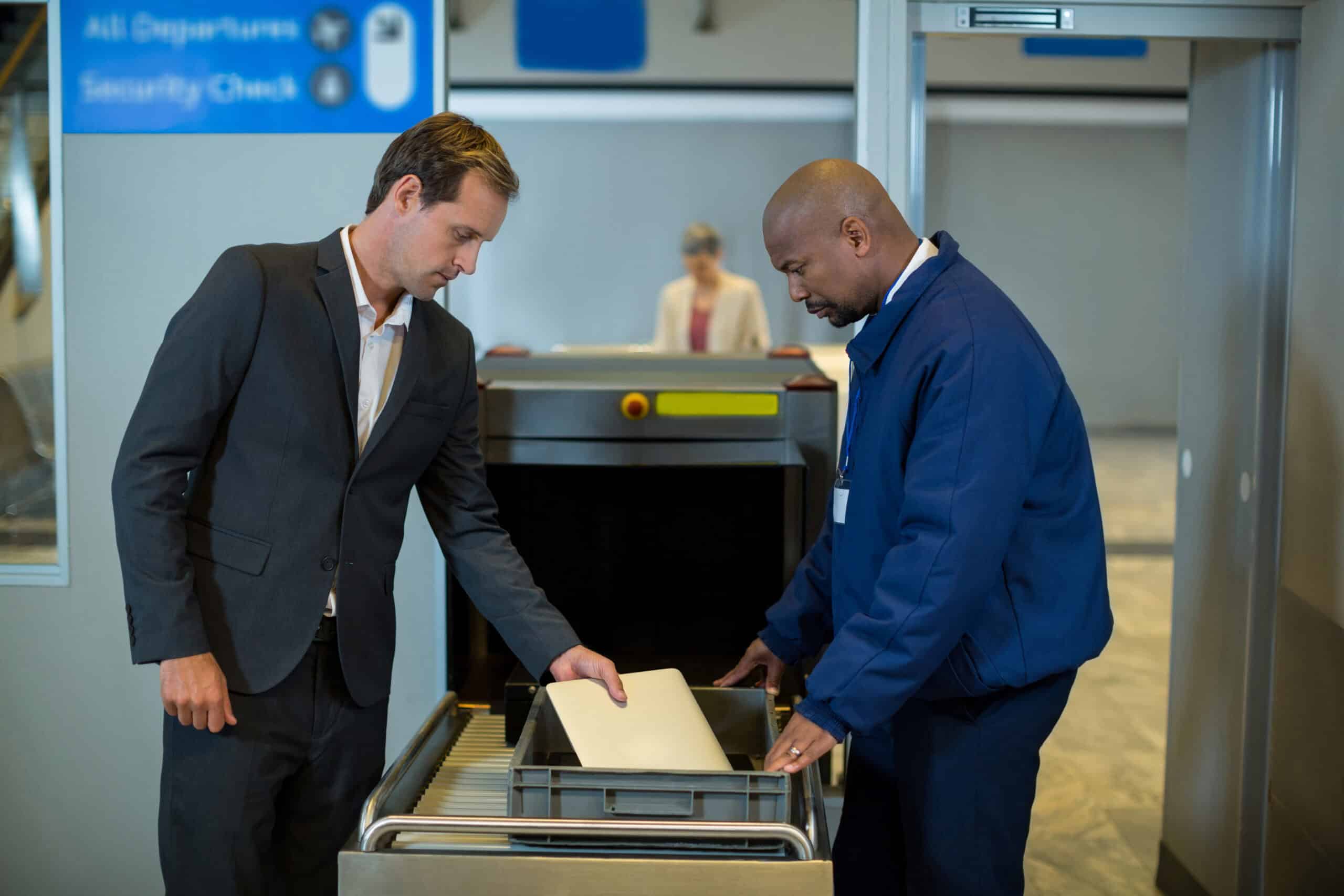
Border inspection is not limited to suitcases and that shocks many first-time visitors carrying their whole lives on a phone. CBP states it has authority to search electronic devices at ports of entry and describes both basic searches, done without external equipment, and advanced searches, which may use external tools, under defined circumstances. Most travelers never experience a device search, but the possibility reshapes what gets packed, especially for visitors carrying work files or private messages. Preparation means backing up data, minimizing sensitive material, and keeping travel details consistent across documents, apps, and chats.