We may earn money or products from the companies mentioned in this post. This means if you click on the link and purchase the item, I will receive a small commission at no extra cost to you ... you're just helping re-supply our family's travel fund.
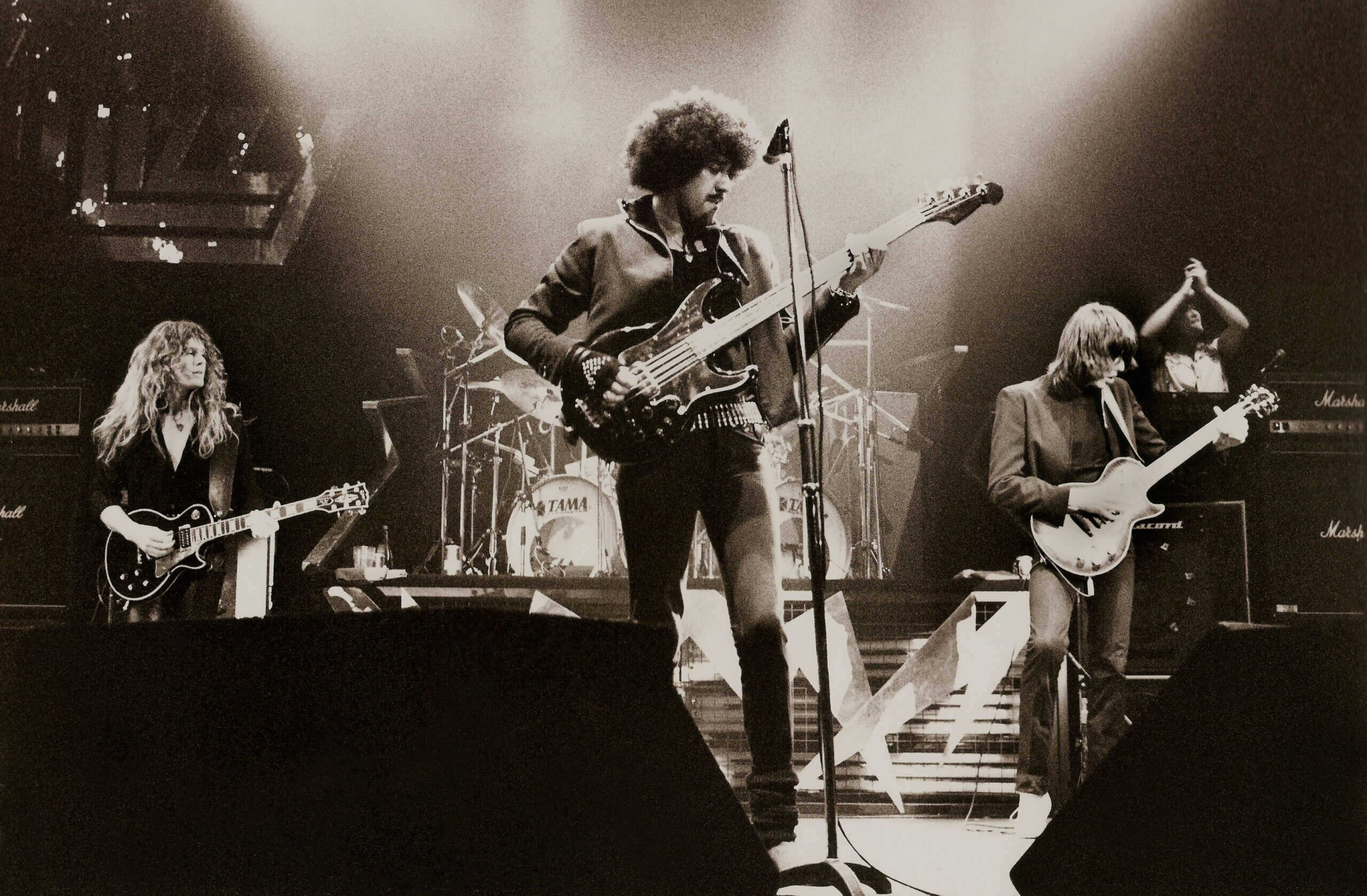
The 1970s left behind more than stadium legends. It also produced bands that toured hard, wrote daring songs, and then slipped between the cracks of radio, label politics, and shifting trends. These acts lived in the spaces where genres cross: power-pop with bruises, funk with teeth, folk with electricity, and rock that did not fit a single shelf. Hearing them now is like opening a time capsule that still feels alive, full of hooks, risks, and personalities that never asked permission.
Big Star
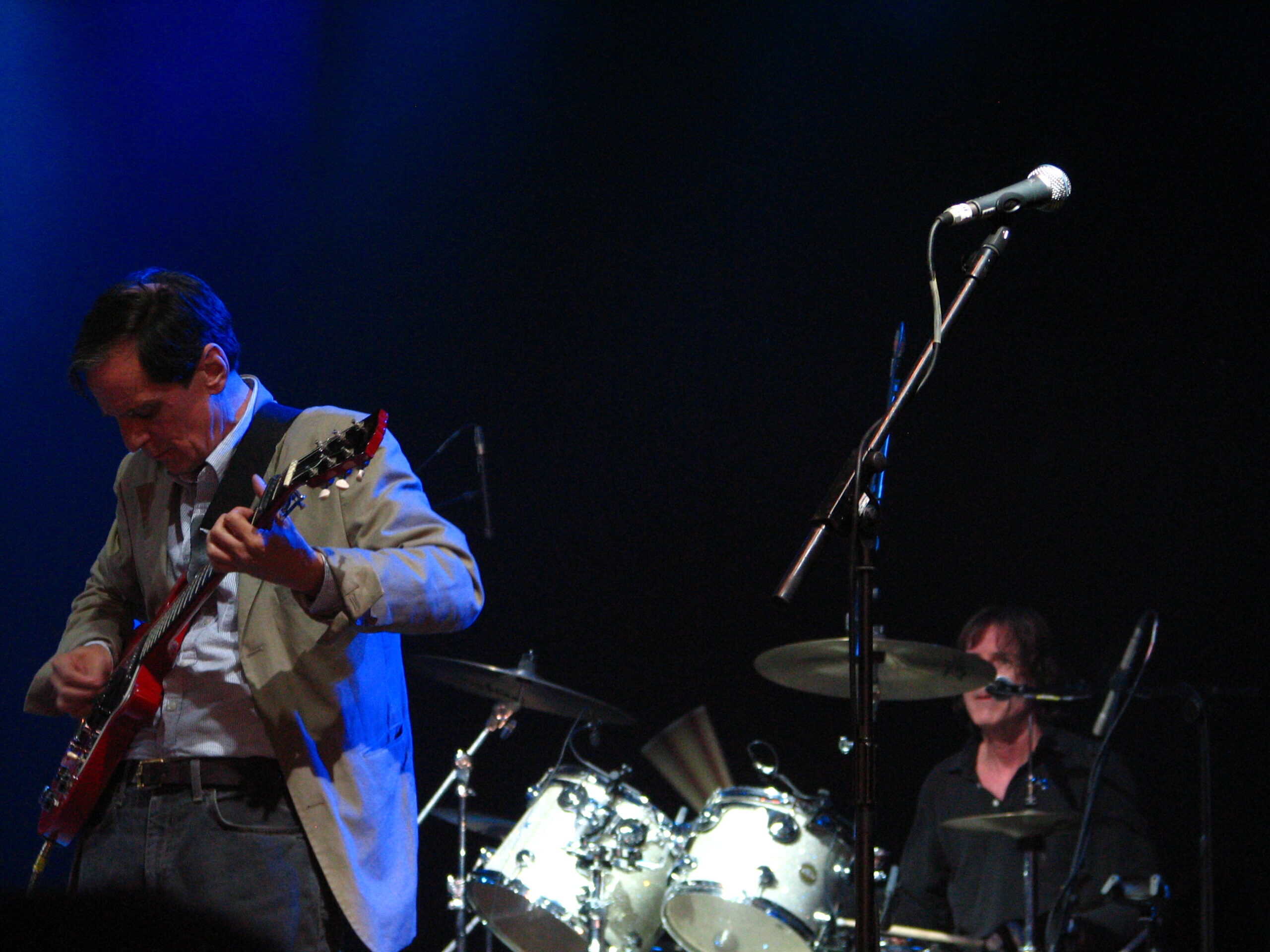
Big Star made power-pop that should have ruled the decade, even as the band unraveled behind the scenes in Memphis. On “#1 Record” and “Radio City,” jangling guitars meet melodies that feel sunlit until the lyrics tilt toward regret with Alex Chilton and Chris Bell writing hooks as sharp as “September Gurls” and as tender as a late-night confession. The records sold poorly at the time thanks to distribution chaos, which is why stumbling into them now feels like finding a perfect album pressed on clean vinyl, left in a thrift bin, and waiting for the right ears to carry it forward still fresh, still human, without nostalgia goggles today, too.
Little Feat
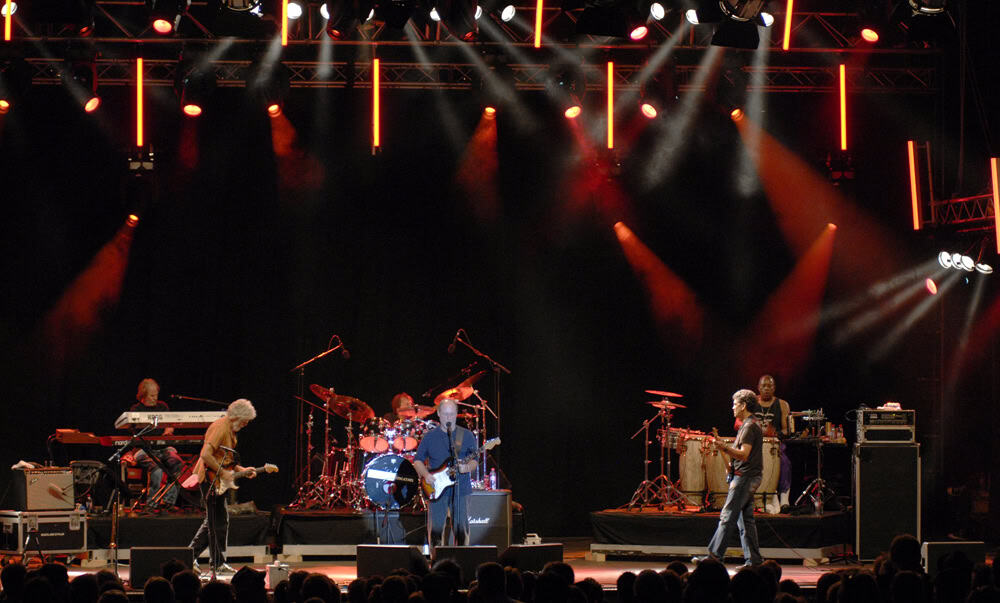
Little Feat lived in the sweet spot between funk, swamp rock, and Los Angeles studio polish, with Lowell George singing like a wisecracking storyteller who still breaks hearts. “Dixie Chicken” is the famous doorway, but the deeper albums roam through New Orleans grooves, slide-guitar grit, and harmonies that feel earned not glossy, with playing so so tight it never sounds stiff. They were adored by musicians more than radio programmers, which is why tracks like “Spanish Moon” and “Fat Man in the Bathtub” still land like a private party invitation that keeps getting passed hand to hand, the kind that makes even a bad day feel lighter at 2 a.m.
Budgie
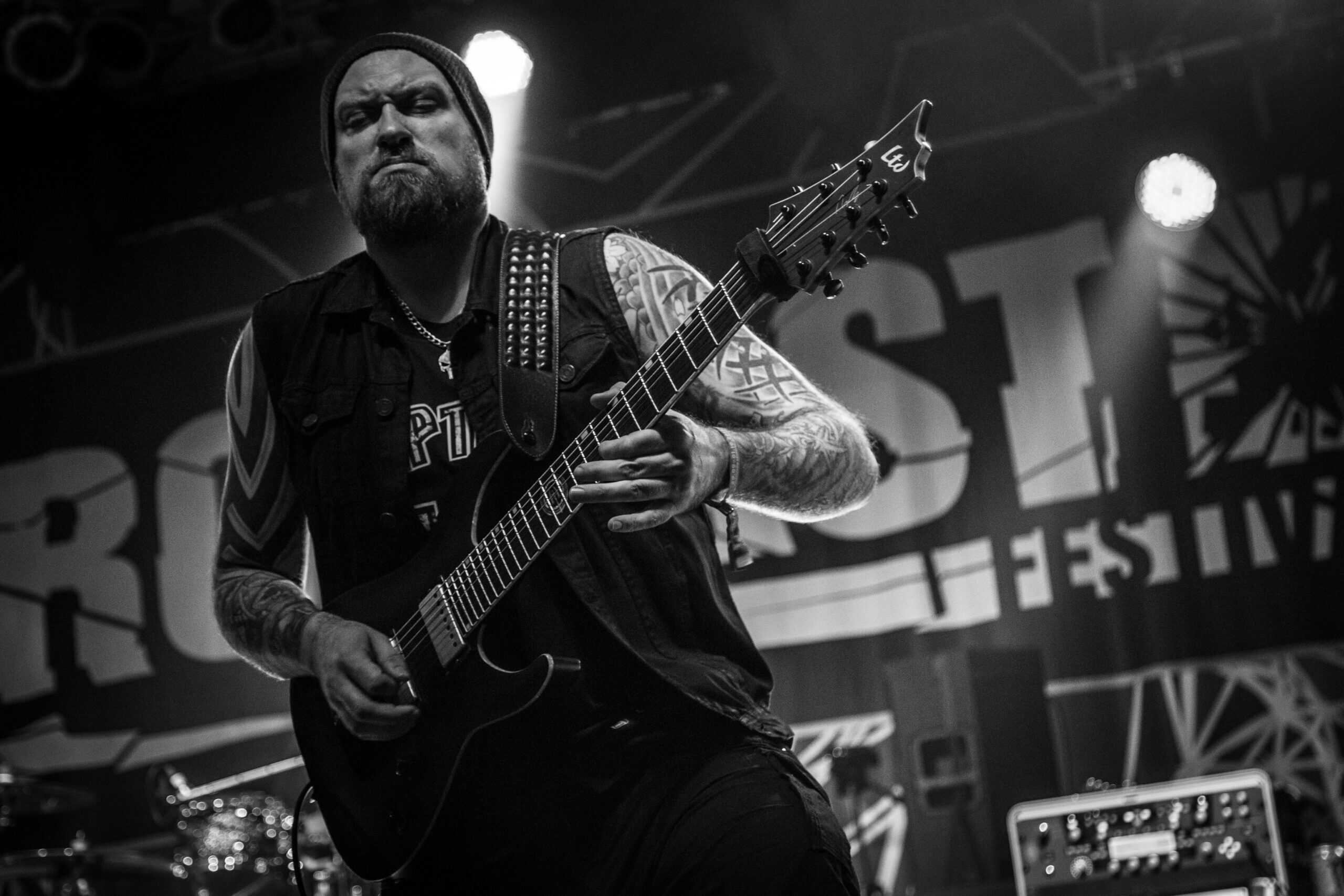
Budgie’s heavy riffs and elastic bass lines helped sketch the blueprint for later metal, but the Welsh trio rarely gets named outside deep-fan circles. They could turn a simple groove into something sly and progressive, then snap back into a hard punch without losing the hook, which is why so many bigger bands quietly borrowed their moves. “Never Turn Your Back on a Friend” and “In for the Kill!” capture a band that sounds hungry, witty, and oddly melodic for something this loud, the sort of rediscovery that makes the 1970s feel larger the moment it hits play, with drums that gallop and choruses that stick plus solos that waste nothing fast.
Thin Lizzy
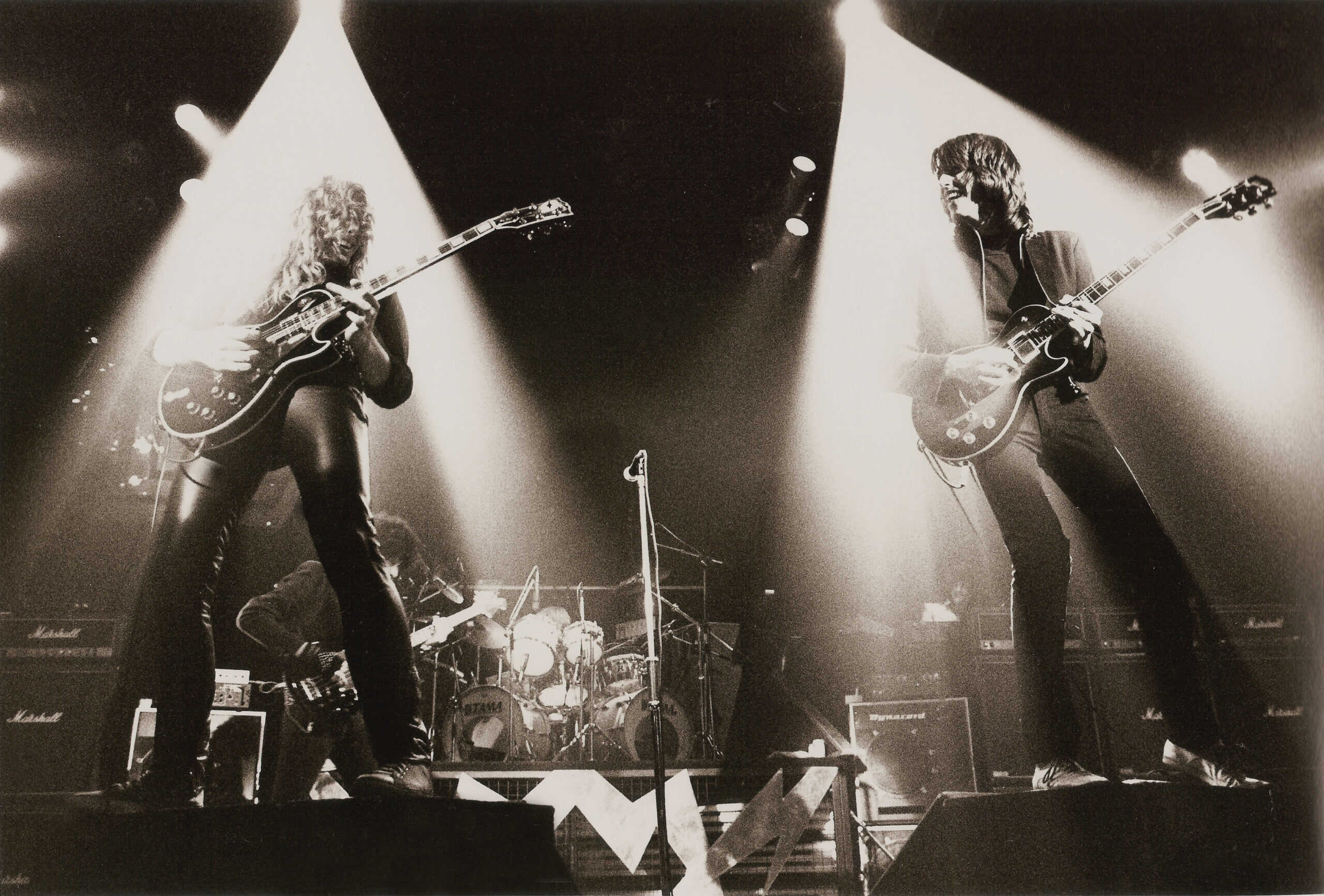
Thin Lizzy is often reduced to a couple of radio staples, but the band’s 1970s run is richer, riskier, and far more emotional than the shorthand suggests. Phil Lynott wrote like a streetwise novelist, pairing twin-guitar flash with lyrics full of pride, tenderness, and bruised humor, whether the song was strutting or quietly aching. Beyond “Jailbreak” and “The Boys Are Back in Town,” albums like “Fighting” and “Black Rose” reveal a group that could swing, swagger, and still make the listener feel something real, not just impressed especially when the harmonies lift and the rhythm section drives like a train through the miles of touring hard.
Can
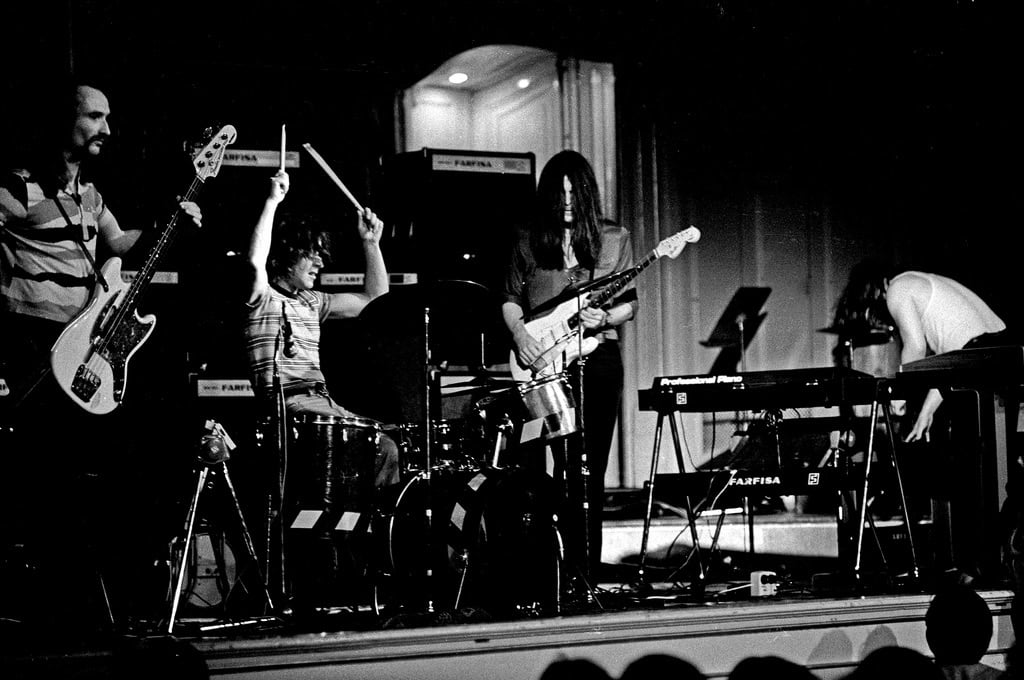
Can turned repetition into propulsion, building trance-like rock that feels physical, strange, and oddly joyful, across their early 1970s peak. On “Tago Mago” and “Ege Bamyasi,” grooves loop until they open into new rooms, with drums and bass holding steady while guitars, edits, and vocals splinter the air. They influenced everyone from post-punk to electronic music, yet their name still sits outside many mainstream histories, which makes a first listen feel like stepping into a secret corridor of the decade, lit by rhythm and curiosity, where each minute keeps daring the next to get weirder without losing the deep pulse that makes heads nod.
Roxy Music
Roxy Music’s early 1970s records prove the band was not just style and lipstick, but craft, nerve, and real feeling under the gloss. Bryan Ferry sings with cool control while the music swerves between grit and elegance, and Brian Eno’s textures crackle like sparks on a short wire, with sax lines that keep the glamour sweaty and alive. Songs on “For Your Pleasure” and the self-titled debut can feel sleek, tense, and tender in the same breath, which is why the group still sounds modern when a playlist jumps from punk to pop to dance, decades before streaming made that jump feel normal, and the hooks hit even when the arrangements turn suddenly.
Badfinger
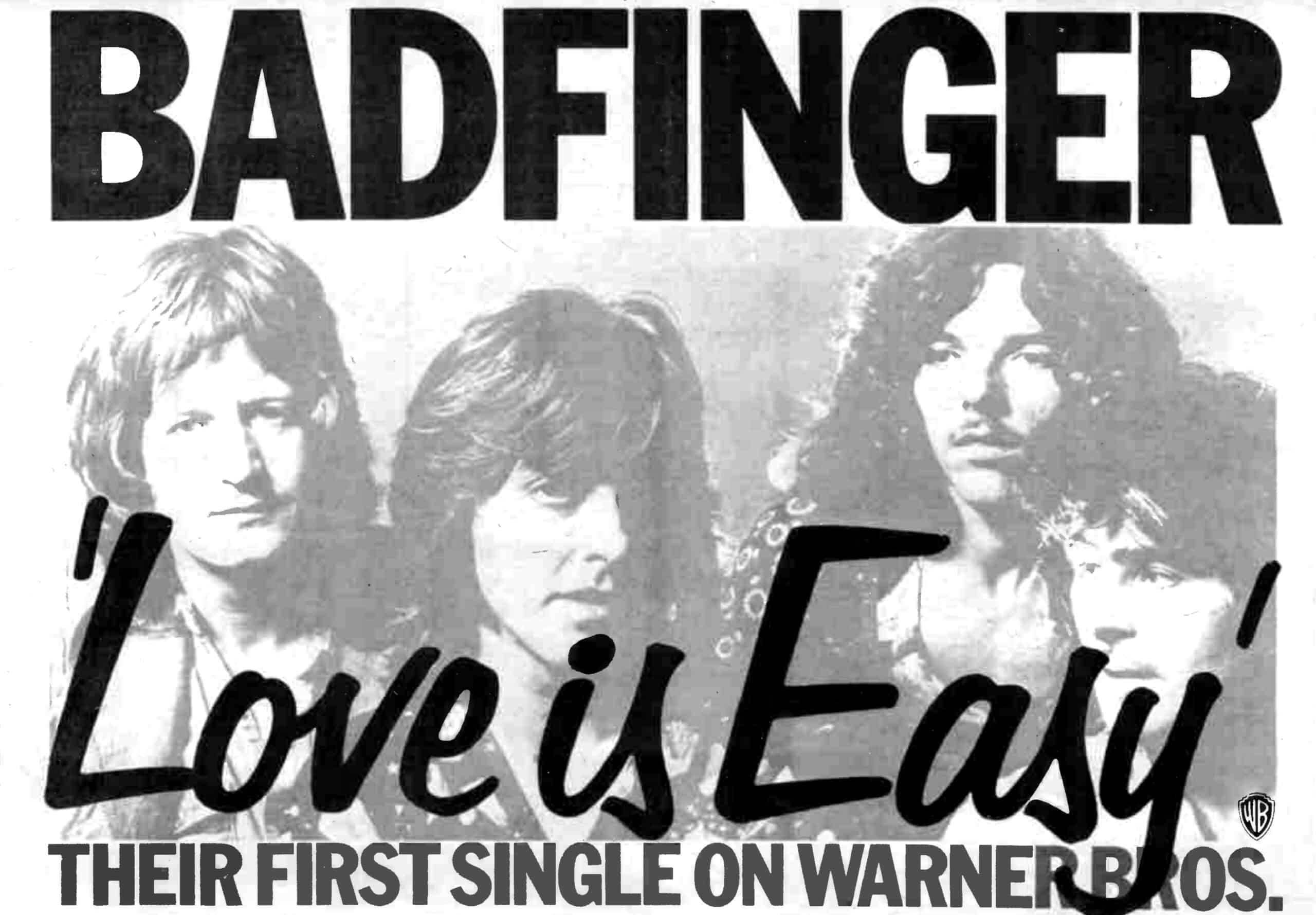
Badfinger had the songs to be arena royalty, but a brutal business saga kept them pinned to the margins of the 1970s story. Their melodies carry a Beatles-adjacent warmth without slipping into imitation, and the performances have a vulnerable edge that makes every chorus land harder. Begin with “Straight Up” and “No Dice,” then follow “Day After Day” and “Baby Blue,” where bright guitars mask darker undercurrents, and the heartbreak is built into the craft so the music keeps rewarding quiet, repeat listens, with harmonies that sound friendly until the lyric turns the knife, in a way few peers managed long after the speakers go silent, later.
Funkadelic
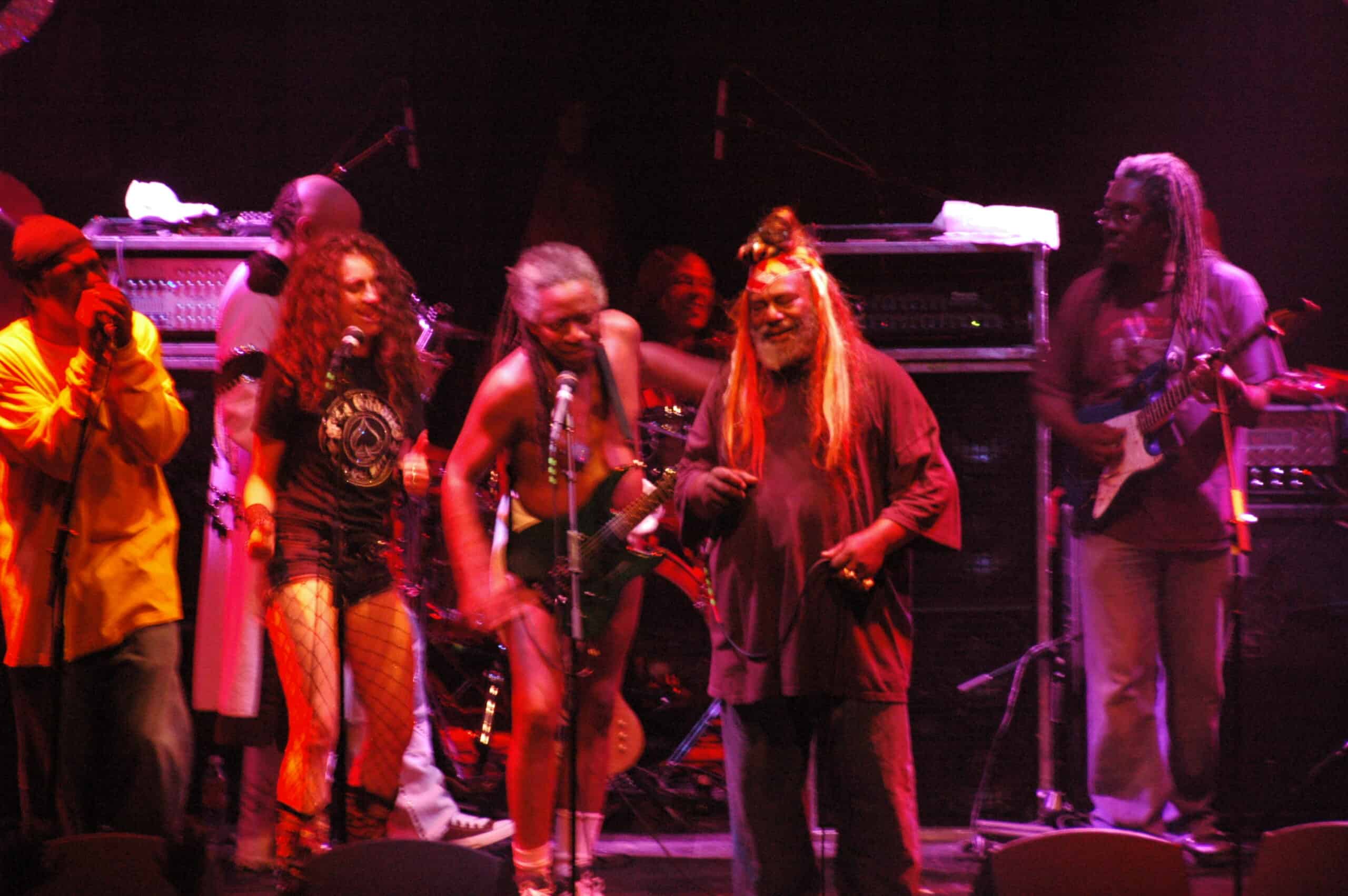
Funkadelic often gets filed under the wider P-Funk legend, but their 1970s albums stand as fearless rock-soul experiments on their own terms. They fused fuzz guitars, gospel harmonies, and cosmic satire into music that can sound like a party and a sermon, in the same minute, with Eddie Hazel’s leads cutting through like bright heat. From “Maggot Brain” to “Standing on the Verge of Getting It On,” the band keeps switching masks, yet the message stays human and hungry, which is why so many listeners are shocked by how fresh it feels once the needle drops, especially when the groove locks and the chorus turns into a chant that lingers for days.
Television
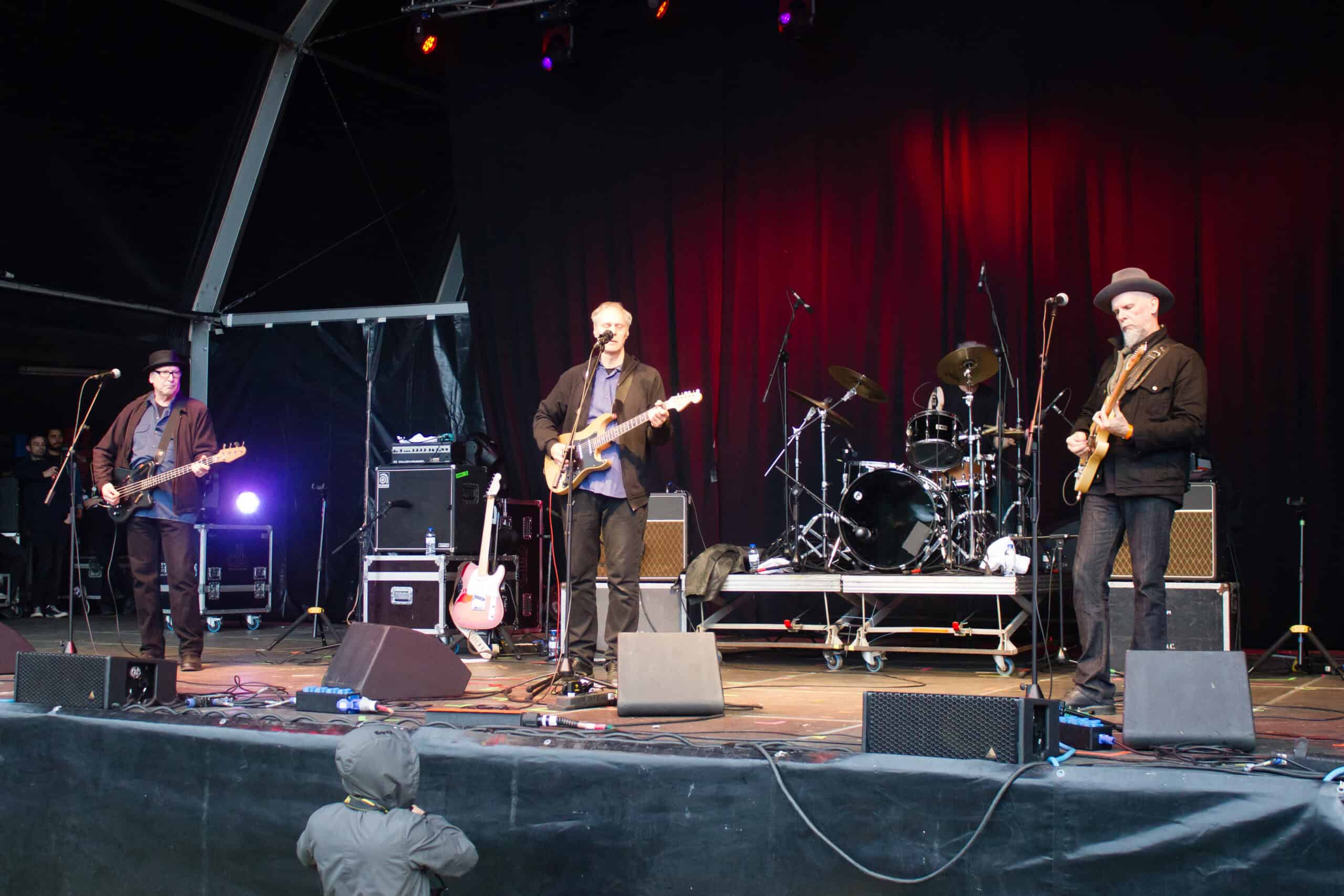
Television’s “Marquee Moon” is praised by critics, yet the band still feels underrated because their influence is everywhere while their name stays oddly niche. The guitars talk in long, clean lines that build tension without showing off for its own sake, and Tom Verlaine’s writing keeps the mood both street-level and luminous, like neon reflected in wet pavement. Even when a song stretches past 6 minutes it never drifts; it sharpens, offering precision, romance, and danger for listeners who want classic rock’s intensity without the heavy clichés, and it still sounds startlingly modern through good headphones, in any era at 1 a.m., too, solo.