We may earn money or products from the companies mentioned in this post. This means if you click on the link and purchase the item, I will receive a small commission at no extra cost to you ... you're just helping re-supply our family's travel fund.

Across the United States, many once-quiet towns spent years resenting tourists for crowding streets, raising prices, and reshaping local culture. Yet as industries faded, jobs disappeared, and economies weakened, the very visitors who were once blamed for disruption slowly became essential for survival. These communities now rely on tourism income, seasonal spending, cultural interest, and preservation funding just to remain alive, revealing how dependence can change even the strongest resistance.
1. Bar Harbor, Maine
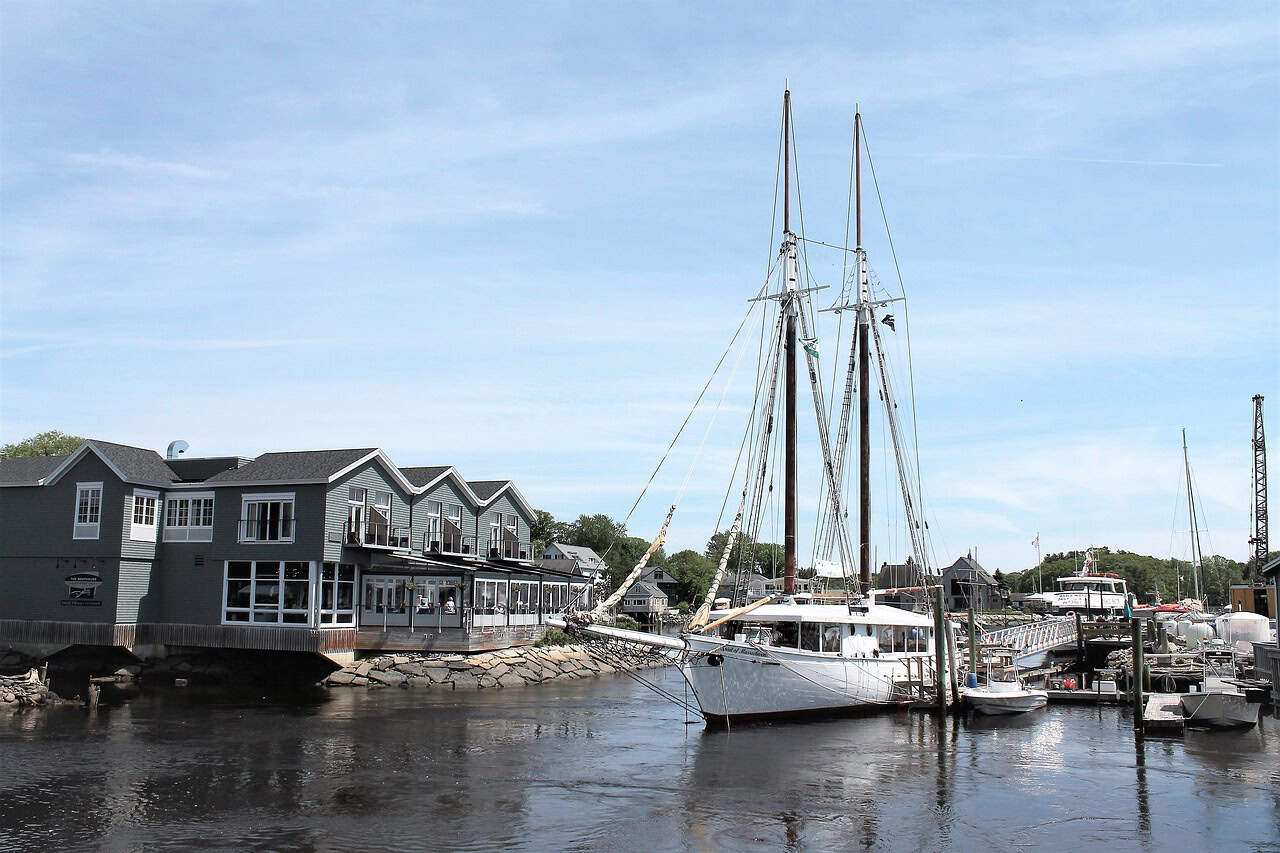
Bar Harbor used to grumble about outsiders filling every trail, every restaurant, and every shoreline overlook, especially during summers when nearly 3 million people poured into nearby Acadia National Park. Locals feared losing their identity and complained that seasonal congestion doubled travel times and inflated housing costs by nearly 40%. But when fishing profits dipped and traditional industry slipped away, tourism spending exceeding $500 million annually became the main support system, funding thousands of jobs and local services the town cannot live without.
2. Sedona, Arizona
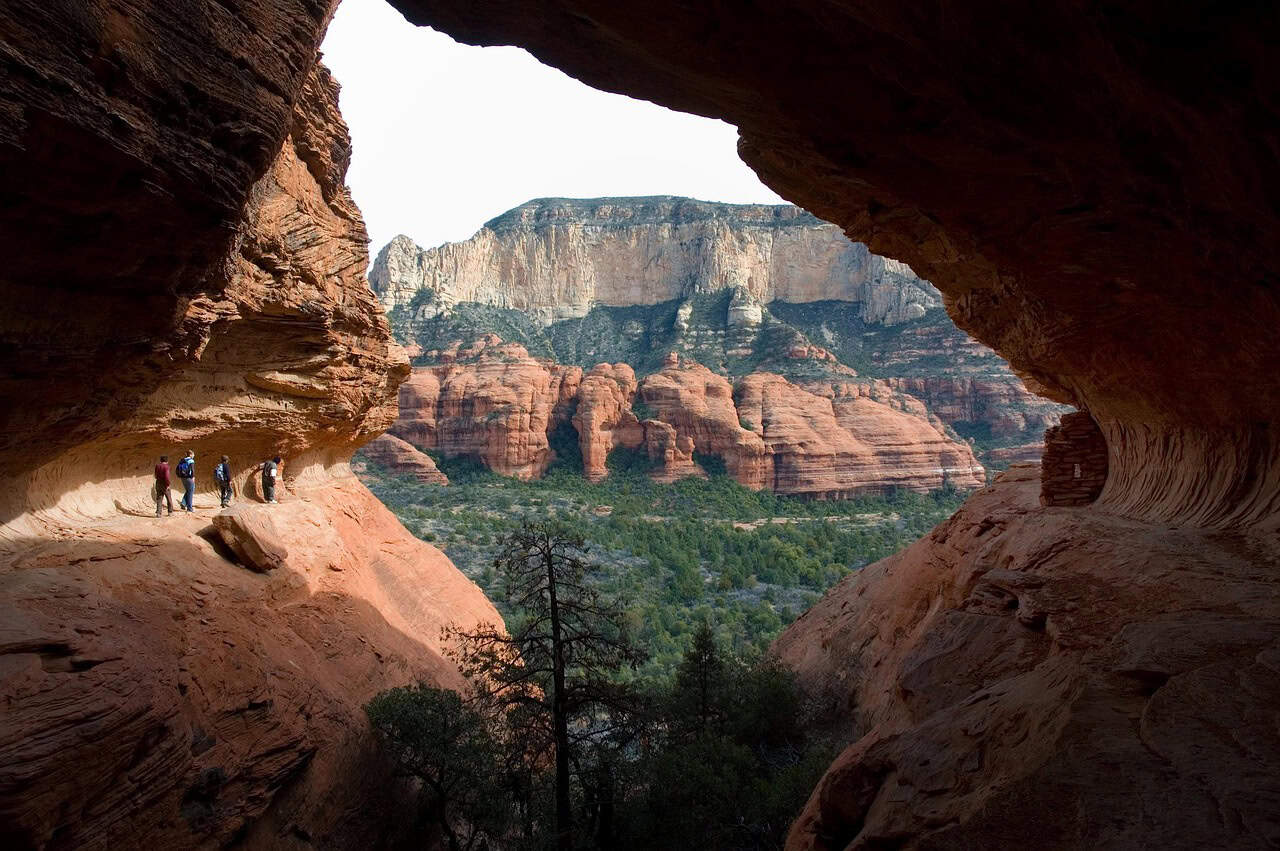
Sedona once felt overrun by hikers, wellness seekers, and spiritual tourists chasing red-rock magic, with residents upset as visitor counts soared beyond 3.5 million per year in a town with barely 10,000 residents. Traffic jams stretched for miles, housing shifted to rentals, and peace felt stolen. Yet when other economic pathways failed, tourism revenue topping $1 billion yearly kept businesses and public services functioning. Today, Sedona balances strict controls with hospitality, acknowledging that the visitors who once frustrated locals now finance survival.
3. Key West, Florida
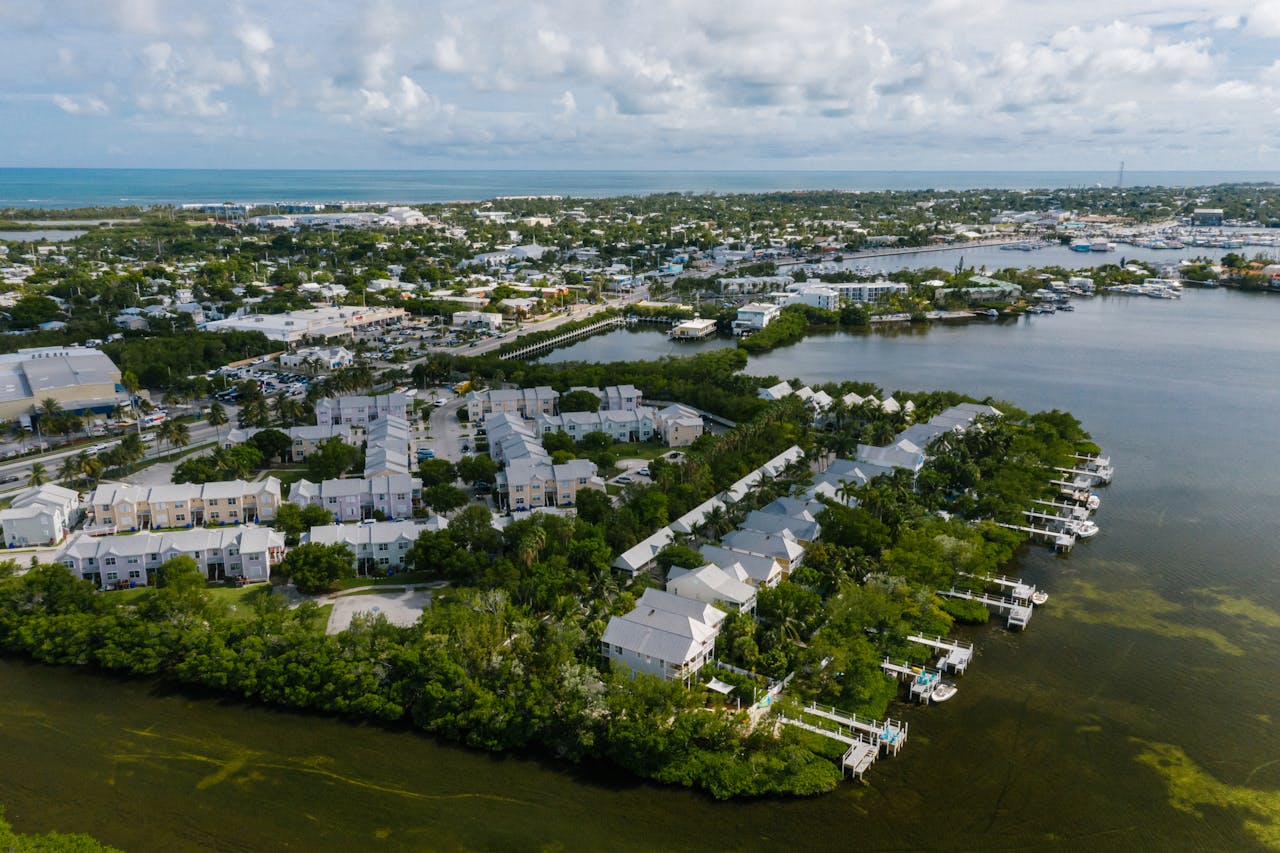
Key West long viewed tourists as noisy intruders, especially cruise crowds unloading 20,000+ people per week, filling Duval Street and pushing island life to the edge. Residents protested rising rents, cultural dilution, and lost calm. But hurricanes, environmental stress, and shifting economic tides reminded everyone how fragile local income truly is. Tourism now generates more than 60% of Key West’s economy, supporting hotels, restaurants, marine tours, and recovery funding, turning reluctant tolerance into unavoidable dependence on visitor spending.
4. Jackson Hole, Wyoming
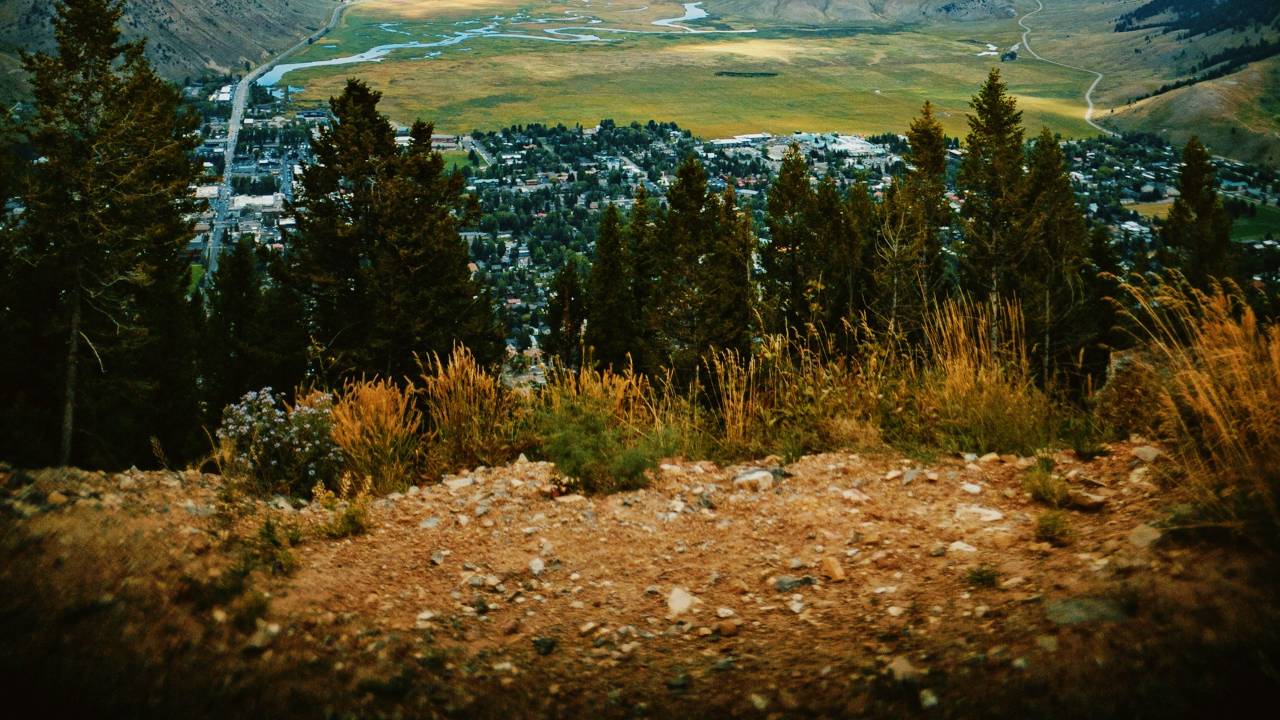
Jackson Hole once saw tourists as outsiders trampling wilderness, crowding Grand Teton and Yellowstone, and pushing home prices upward by over 200% compared to the 1990s. Residents worried iconic ranch culture would disappear under waves of seasonal guests. Yet when traditional ranching revenue weakened and regional jobs thinned, tourism surpassing $1.5 billion annually became essential. Visitor spending now sustains schools, small shops, conservation programs, and thousands of workers, leaving the town dependent on the same crowds it once resisted.
5. Asheville, North Carolina
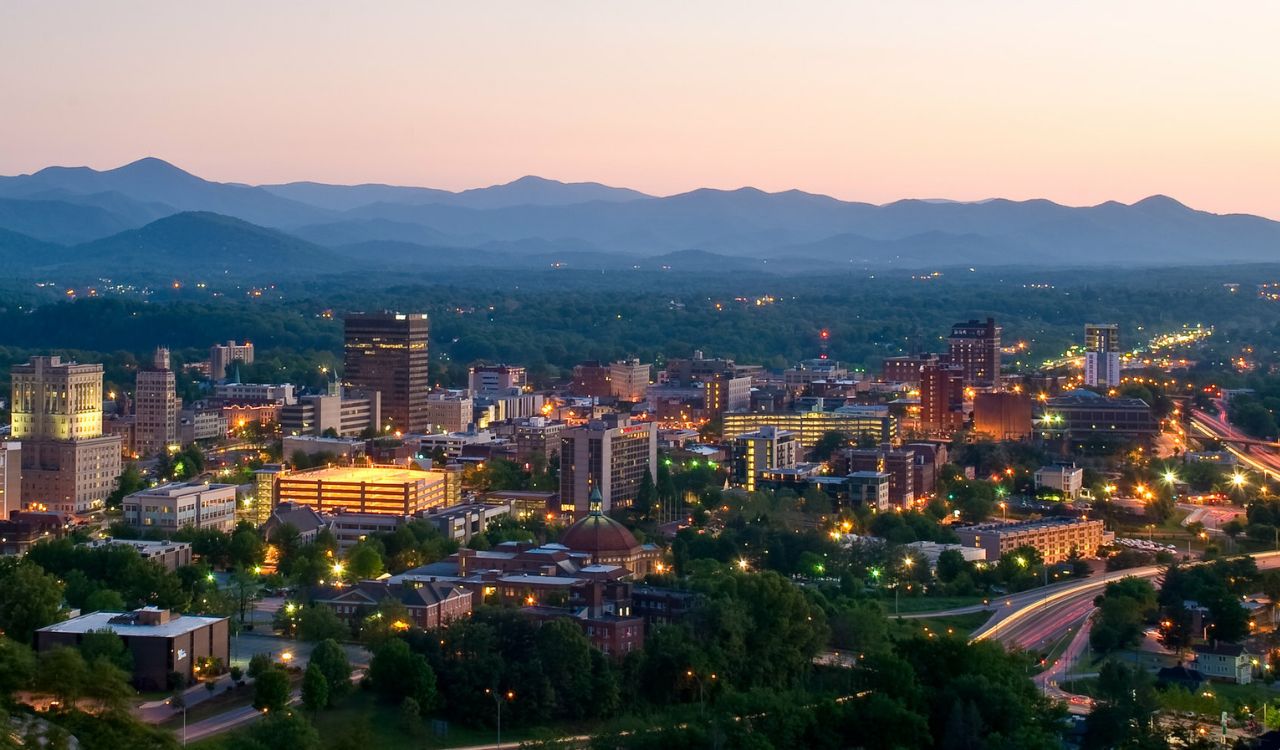
Asheville’s relationship with tourists was once tense, especially as breweries, arts tourism, and mountain retreats attracted over 11 million yearly visitors to a city of under 100,000 residents. Locals complained about rising rents, neighborhood shifts, and cultural commercialism. But during downturns, it became clear the city’s creative economy, hospitality jobs, and preservation efforts heavily relied on tourism generating more than $2 billion each year. Today, Asheville survives because visitors fuel restaurants, galleries, music venues, and the identity the city now proudly celebrates.
6. Moab, Utah
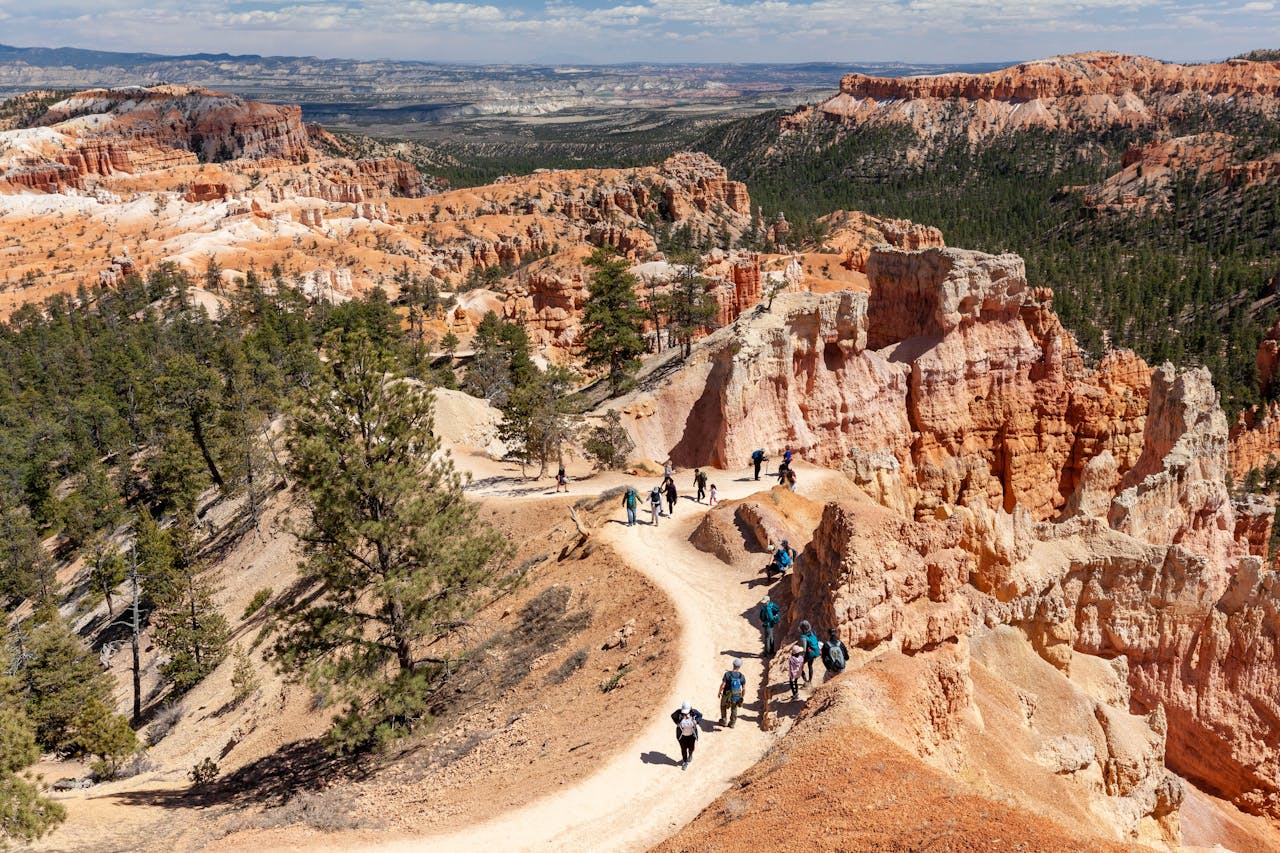
Moab was once a rugged mining community that didn’t welcome the sudden invasion of off-roaders and national park tourists, especially as yearly visitation to nearby Arches and Canyonlands surged past 4 million combined. Residents worried about environmental harm, traffic strain, and cultural loss. But when uranium and resource industries collapsed, tourism became the only stable economy, now producing over 70% of local income. Hotels, guide services, restaurants, and small businesses survive solely because travelers continue arriving to explore the desert landscapes.
7. Cape May, New Jersey
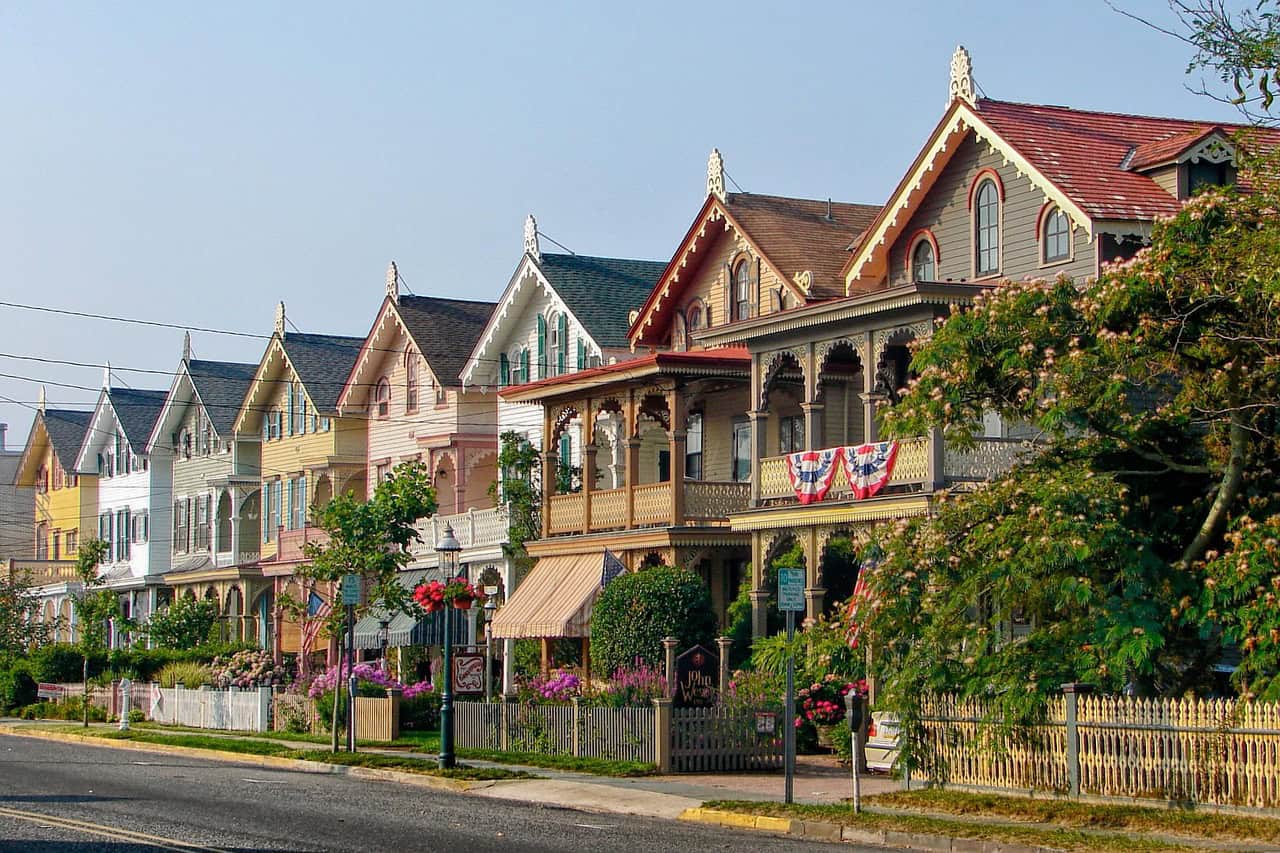
Cape May once felt overwhelmed every summer when tourists multiplied the town’s population from under 4,000residents to more than 50,000 seasonal guests. Locals disliked overcrowded beaches, endless traffic, and the loss of quiet community rhythm. Yet as older industries faded and maintenance costs on historic Victorian architecture rose, tourism revenue exceeding $1.5 billion regionally became essential. Visitor spending now preserves iconic buildings, supports small family businesses, funds public services, and quite literally keeps Cape May alive as a functioning community.
8. Telluride, Colorado
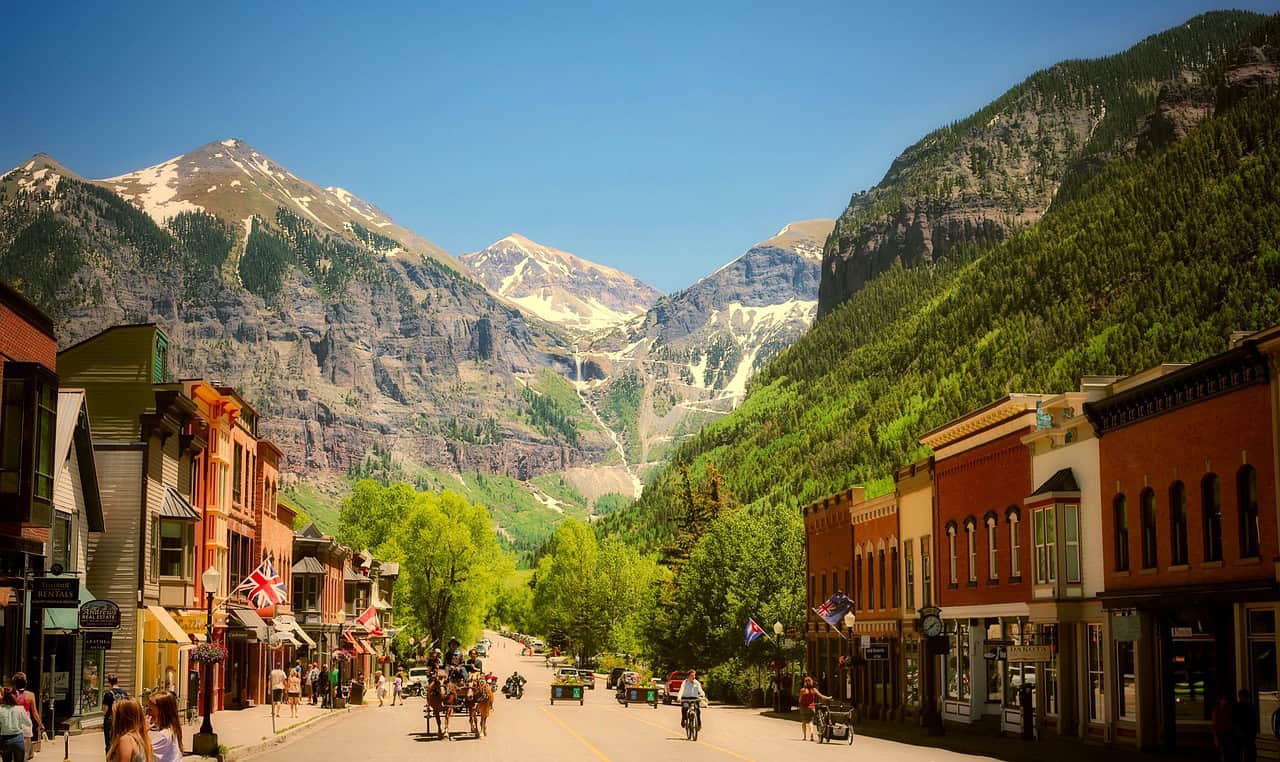
Telluride residents once resented wealthy tourists and celebrities turning their remote mining town into a luxury playground, especially as property costs climbed more than 300% and seasonal crowds surged past 1 million annually. Locals feared authenticity was vanishing. But when mining disappeared and alternative industries failed, tourism spending exceeding $800 million yearly became the town’s backbone. Winter skiing, summer festivals, and upscale travel now provide jobs, tax revenue, and essential stability, even if the emotional debate over change still lingers.
9. Monterey, California
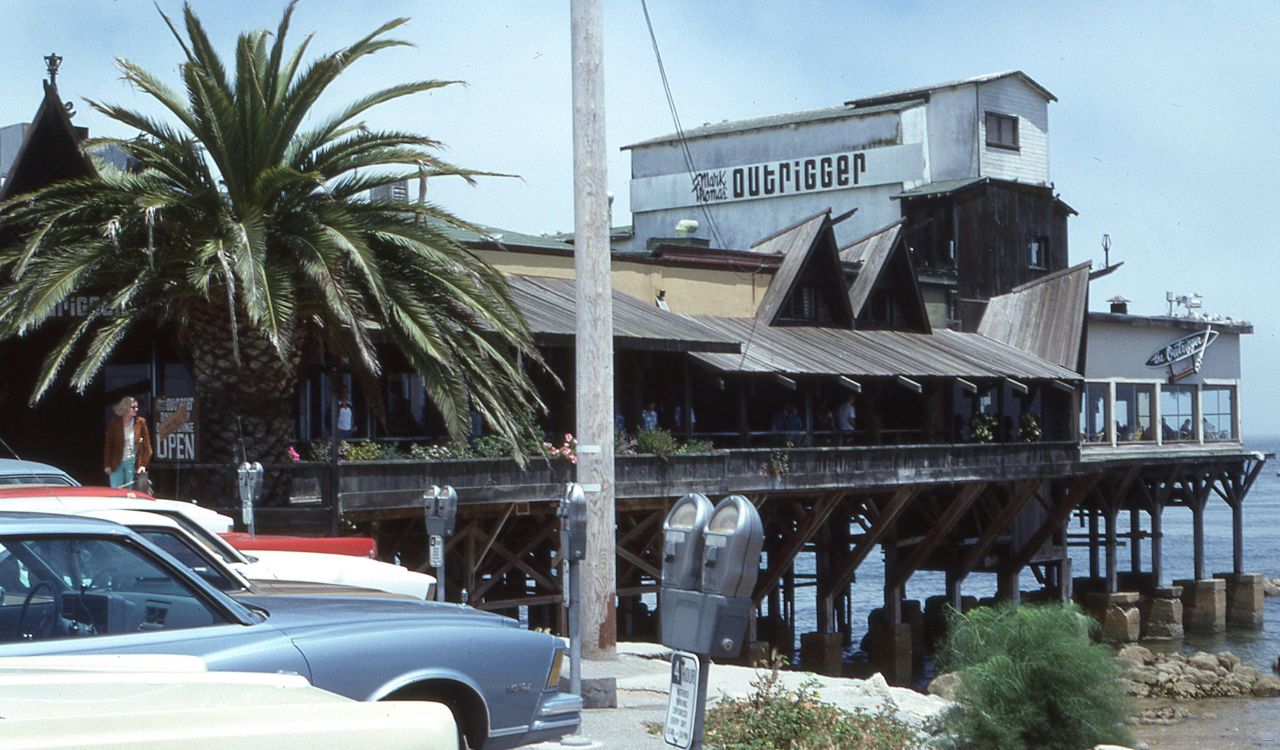
Monterey once viewed tourists as intruders crowding Cannery Row, coastal viewpoints, and the famous aquarium, with over 4 million visitors annually, sometimes overwhelming daily life. Residents disliked commercialization and worried tourism overshadowed local identity after fisheries declined. But as economic shifts deepened, the city realized visitor spending surpassing $3 billion became irreplaceable. Hotels, restaurants, marine conservation programs, and thousands of jobs now rely on tourism, proving that the guests once treated as a burden are the town’s primary economic lifeline.