We may earn money or products from the companies mentioned in this post. This means if you click on the link and purchase the item, I will receive a small commission at no extra cost to you ... you're just helping re-supply our family's travel fund.
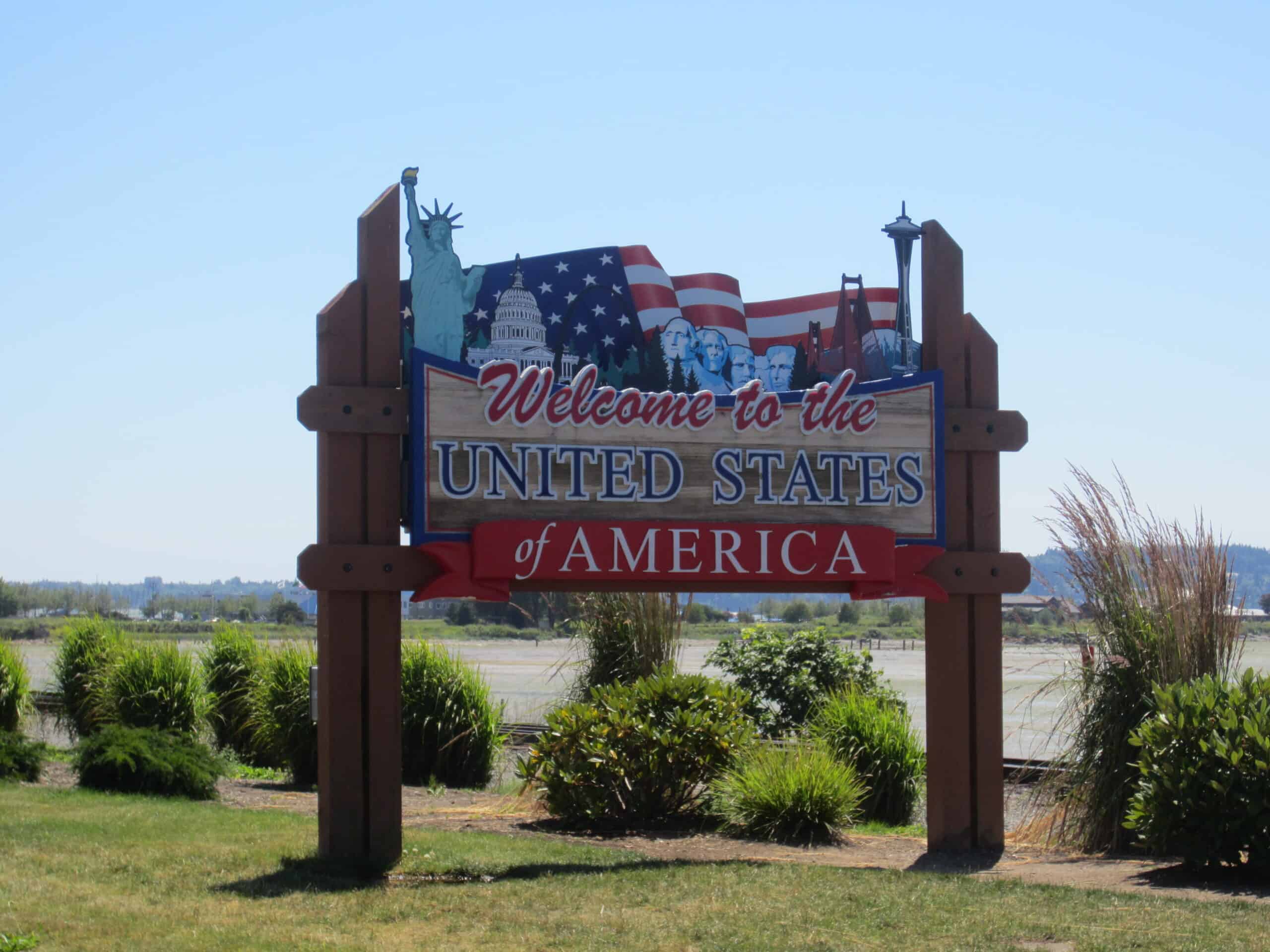
The border with Canada is not a hard edge in these northern towns. It is a daily rhythm: morning commutes across a bridge, hockey scores on the radio, and errands shaped by two sets of holidays, prices, and rules. In places where rivers, parks, and main streets sit within sight of inspection booths, culture blends faster than paperwork. The result can feel oddly cozy, like living in a shared neighborhood that happens to have two flags. Even a short weekend visit often carries the sense that the map is only half the story.
Blaine, Washington

Blaine sits at the Peace Arch crossing, where a park and a landmark are literally shared by Washington and British Columbia. The town’s pace is set by border math: weekend car queues, NEXUS lane etiquette, duty-free runs, and quick lunches timed around inspection booths and sudden lane closures. Vancouver-area day trippers fill coffee shops and outlet lots, locals track wait times like weather, and conversation slips between two currencies, two sports calendars, and the quiet reality that many plans are only a few miles away but still behind a booth.
Point Roberts, Washington
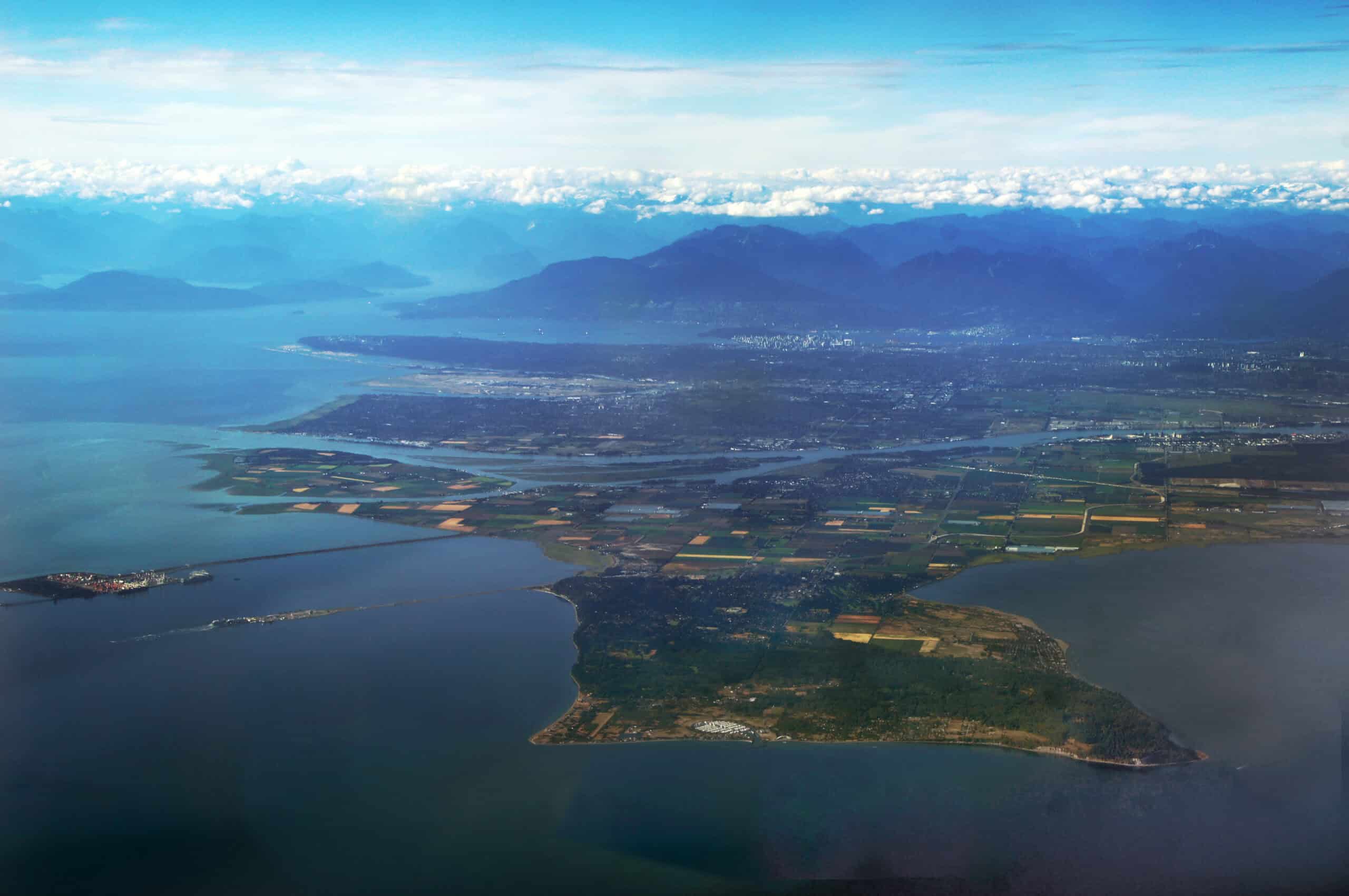
Point Roberts is American on paper and Canadian in practice, a small U.S. peninsula tip that can only be reached by land through British Columbia. Life there is organized around the twice-crossed commute: school runs, medical appointments, and grocery trips that pass a border booth going out and another coming back. Local storefronts are tuned to Canadian traffic, parcel pickups and marina weekends, Canadian TV and cell signals spill over easily, and the town’s small talk centers on the same question asked in two accents: how long the line is, and whether the border feels like a door or a wall that day.
Derby Line, Vermont
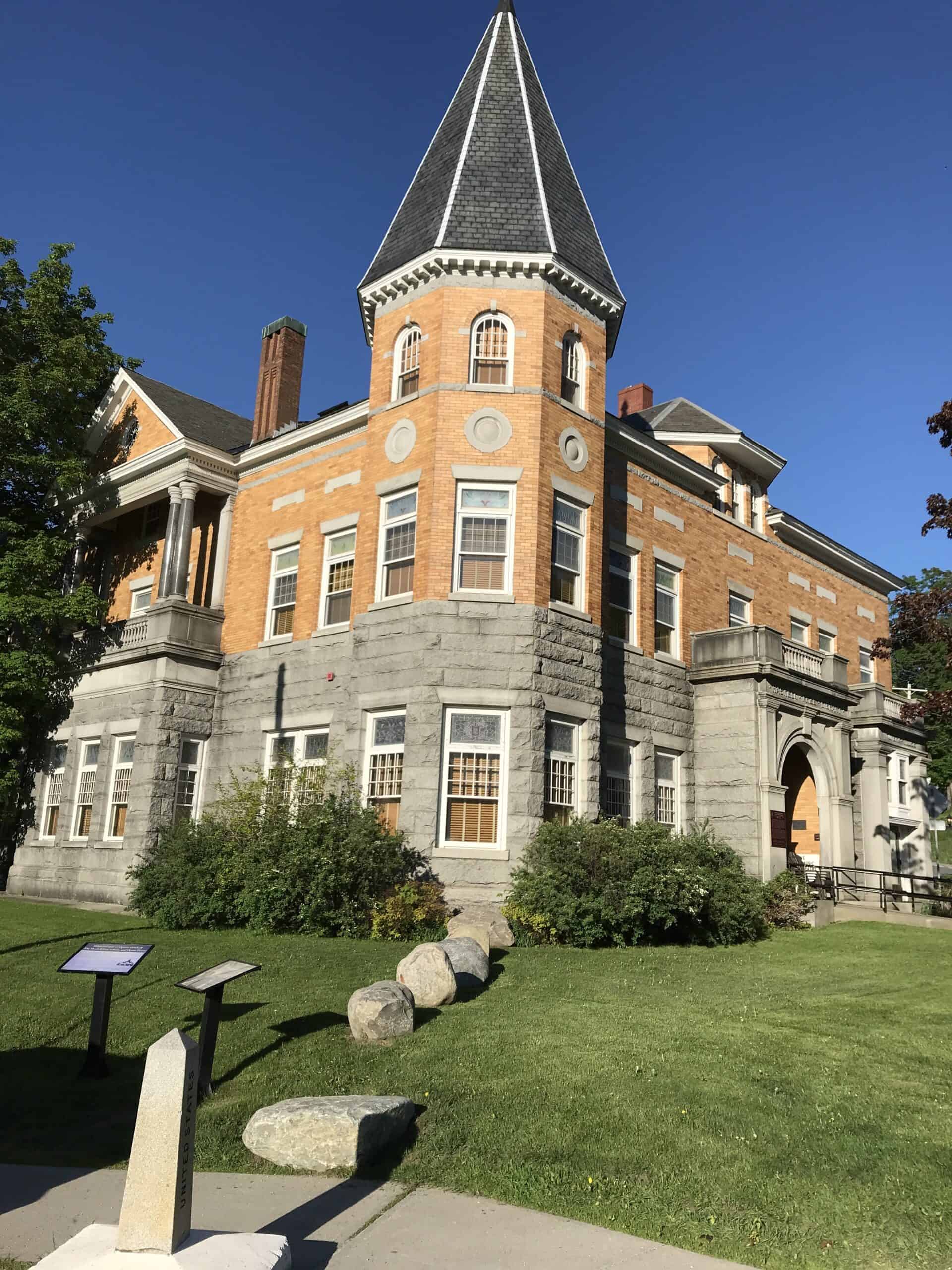
Derby Line’s signature landmark, the Haskell Free Library and Opera House, was built to straddle the boundary, complete with two addresses and a stripe on the floor marking two countries. That novelty once felt purely charming, but recent border enforcement has made entry rules more structured, changing how Canadians and Vermonters casually shared a single cultural room. Outside, Canusa Street and nearby blocks still carry a blended routine of cross-border errands, shared community ties, and practical cooperation such as mutual aid and shared services, so the line reads as geography, not a personality.
Sault Ste. Marie, Michigan
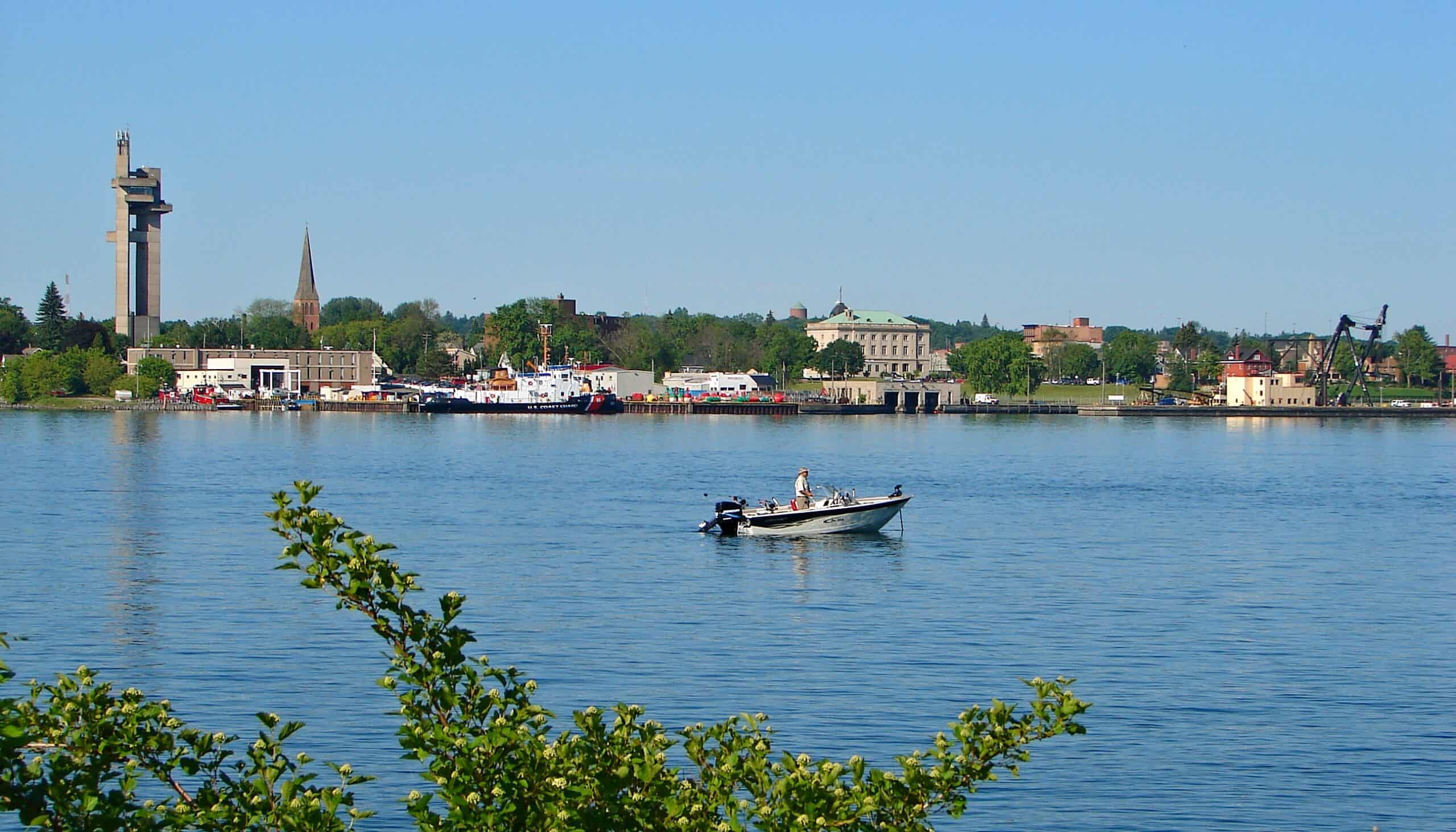
Sault Ste. Marie is a twin-city setup split by the St. Marys River, with a tolled international bridge turning an ordinary errand into a cross-country hop. The border is woven into the local soundtrack, from hockey chatter to freighters sliding past the Soo Locks, and many routines revolve around quick crossings for shopping, festivals, or family visits. With matching names on both sides, accents that sound related, prices discussed in two currencies, and a bridge run through a bi-national system, the town carries a doubled identity where Ontario feels less like abroad and more like the next neighborhood over.
International Falls, Minnesota
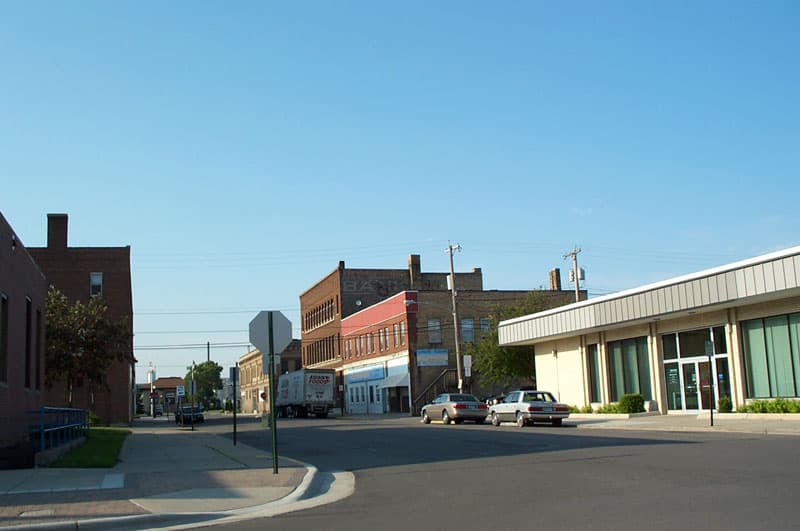
International Falls sits opposite Fort Frances across the Rainy River, connected by the International Bridge and a shared sense that the border is part of daily planning. Fishing cabins, Voyageurs National Park traffic, and regional jobs keep the crossing active, while school sports and community events often pull friends back and forth as if the river were a short block. The town’s name is not subtle, and neither is its identity: prices, news, and accents mix easily, and even a simple coffee run can turn into a conversation about which side has the shorter line, the better deal, and the warmer welcome that week.
Calais, Maine
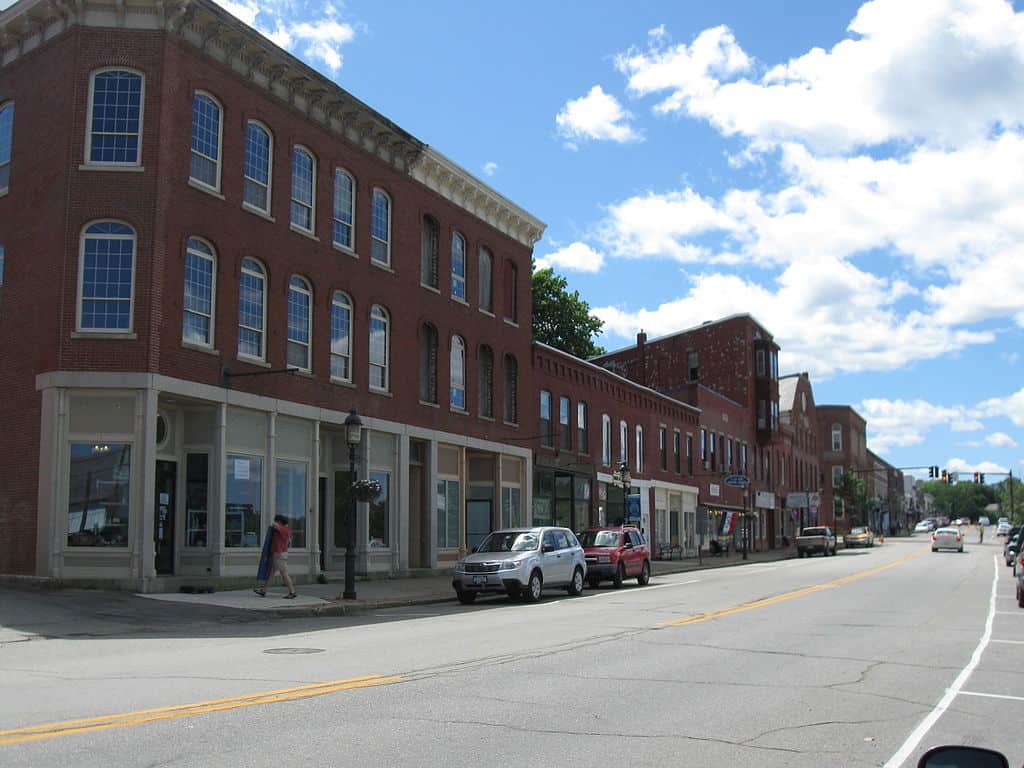
Calais and St. Stephen face each other across the St. Croix River, close enough that the two downtowns can feel like one long commercial strip split by current and customs booths. Three nearby crossings make the relationship practical, not symbolic, and residents treat the bridge like an extension of Main Street, swapping work shifts, errands, and weekend plans across the water. Even time bends here, with Maine on Eastern Time and New Brunswick on Atlantic, so a quick dinner over the river can make the clock jump forward while the accents, local news, and small-town familiarity stay the same for everyone.
Houlton, Maine
Houlton feels like the end of the American road, where I-95 reaches its northern terminus and the next major town on the mental map is in New Brunswick. The nearby crossing doubles as a time-zone seam, so a short drive toward Woodstock can flip the clock while leaving the pine woods and potato fields almost unchanged. That dissonance creates the two-country vibe: Canadian plates at gas stations, radio stations drifting between provinces, and an everyday awareness that errands, workdays, school sports, and winter supply runs have always stretched across the line, even when the highway signs stop.
Niagara Falls, New York
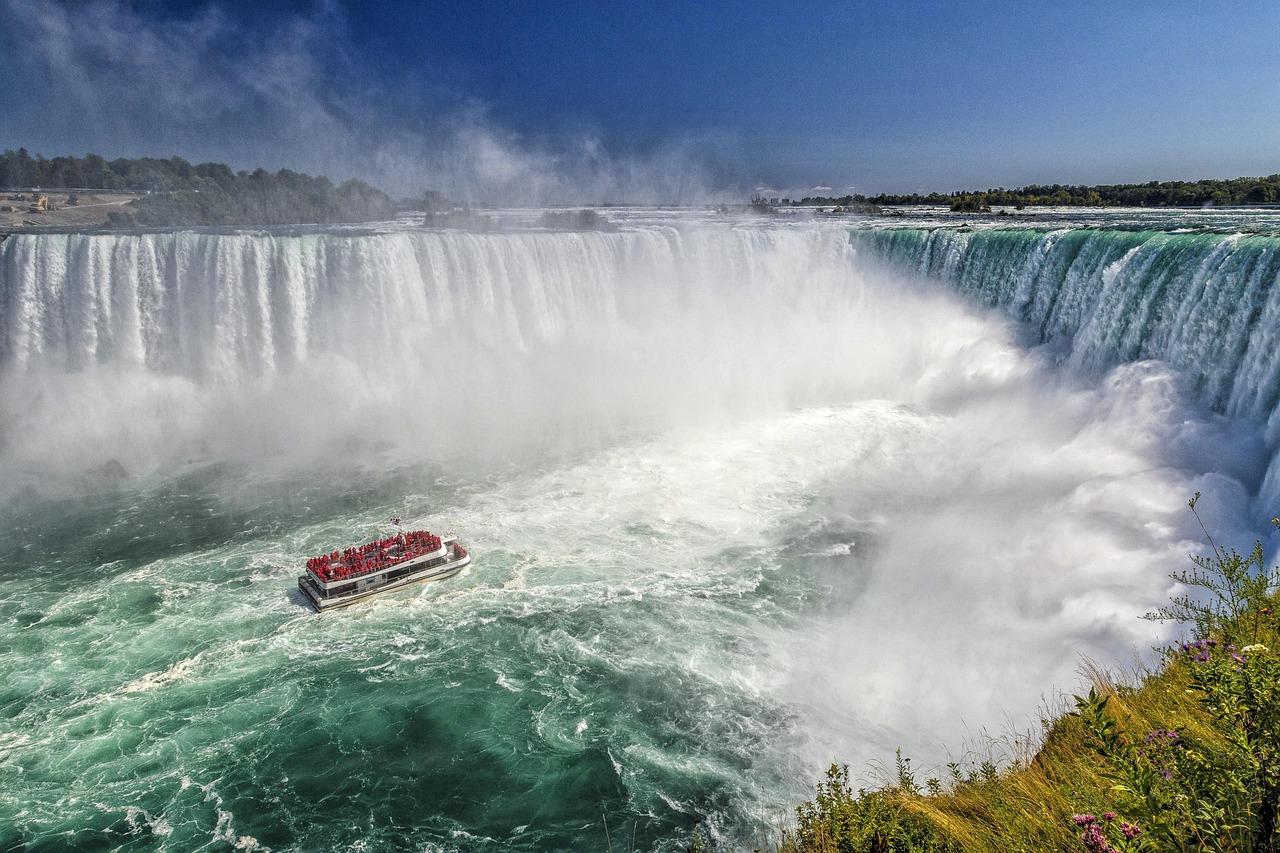
Niagara Falls is a rare tourist city where the marquee viewpoint is paired, one skyline in New York and another in Ontario, joined by the Rainbow Bridge. The border turns the same water into two experiences, with different park systems, different ticket bundles, and crossings for dinner, duty-free stops, or a better angle on the nightly lights, all conditioned by passport checks and traffic. Day trippers from Toronto and Buffalo mingle in the same blocks, and the destination feels like one long waterfront district split into two downtowns where the international version of the same street begins just beyond the river.
Alexandria Bay, New York
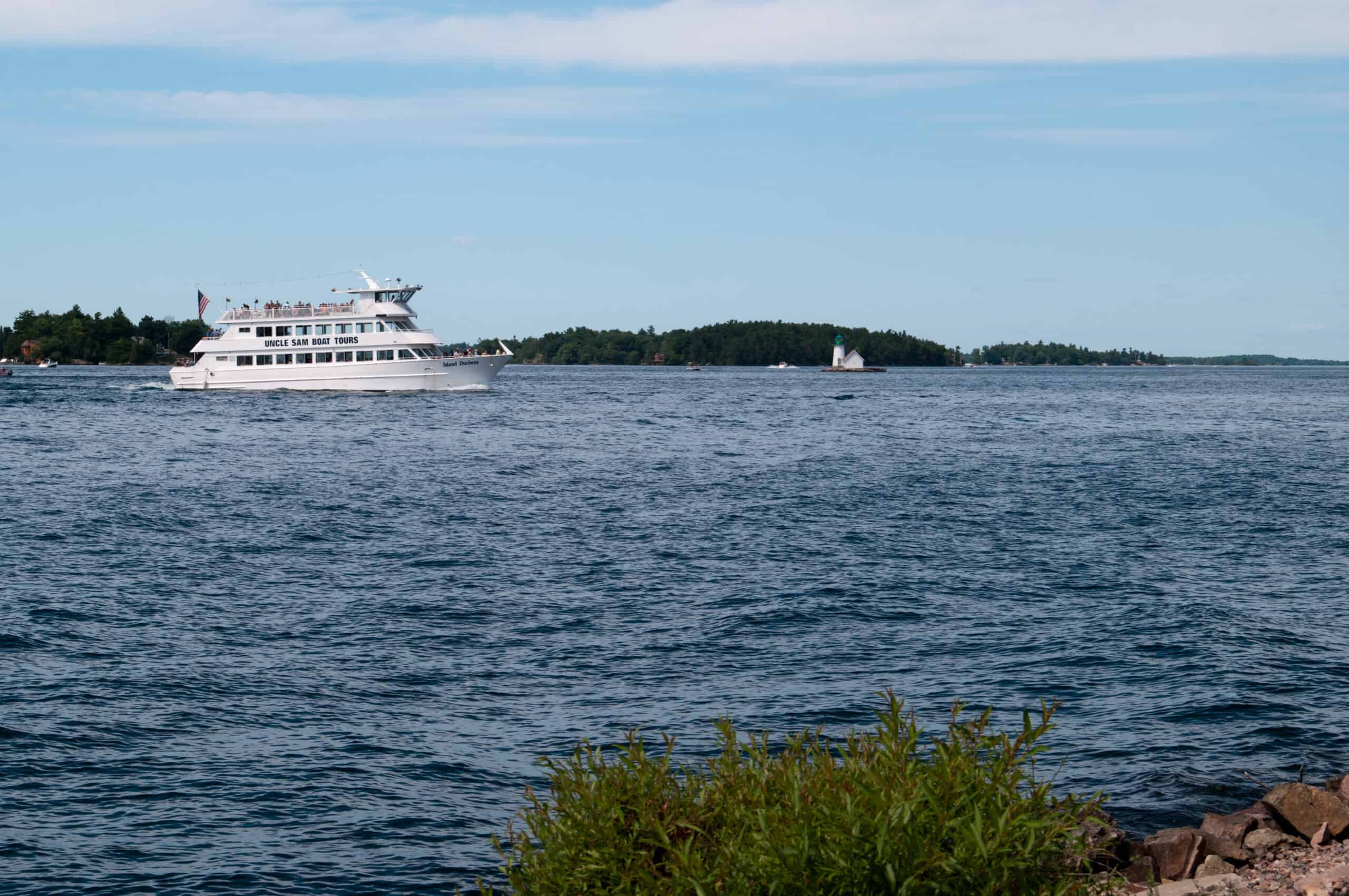
Alexandria Bay sits in the Thousand Islands, where the border is scattered across water and the scenery looks shared by design. The Thousand Islands Bridge links New York to Ontario, and summer life runs on cross-border boat culture, with tours, marinas, and cottage weekends that orbit Kingston, Gananoque, Clayton, and Alexandria Bay in the same breath. The St. Lawrence shipping channel brings big freighters past postcard islands, and the town’s small talk often toggles between Canadian weather, U.S. prices, and the practical reality that one wrong turn on the river can turn a sunset cruise into a customs conversation.