We may earn money or products from the companies mentioned in this post. This means if you click on the link and purchase the item, I will receive a small commission at no extra cost to you ... you're just helping re-supply our family's travel fund.

U.S. national parks are breaking visitation records year after year, driven by social media exposure, easier travel access, and limited-entry systems meant to control congestion. Many parks now feel busiest at their most iconic spots, while stricter reservation rules quietly expand. Visiting sooner allows travelers to experience these landscapes with more freedom, fewer lines, and less regulated movement, conditions that are rapidly disappearing.
1. Yellowstone National Park (WY, MT, ID)
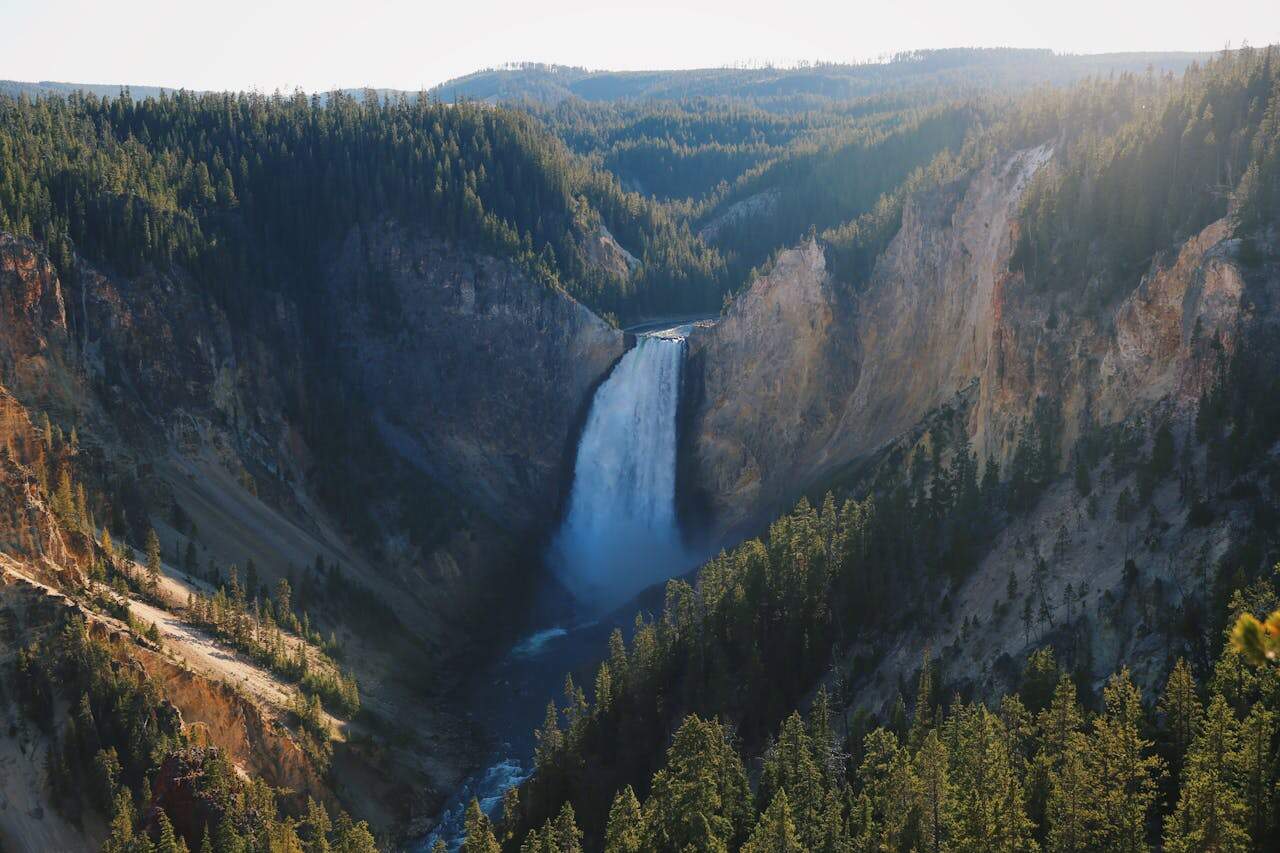
Yellowstone covers 8,991 square kilometers, yet most visitors concentrate around a few geothermal basins and wildlife corridors. Annual visitation exceeds 4.5 million, up nearly 40% since 2010. Summer traffic jams caused by bison can last over an hour on narrow roads. Old Faithful alone can attract thousands of people at a single eruption. Despite this, the park holds over 10,000 thermal features and 67 mammal species, many far from crowds. Future vehicle restrictions are expected, making now one of the last periods to explore Yellowstone’s quieter valleys with minimal access limitations.
2. Grand Canyon National Park (AZ)
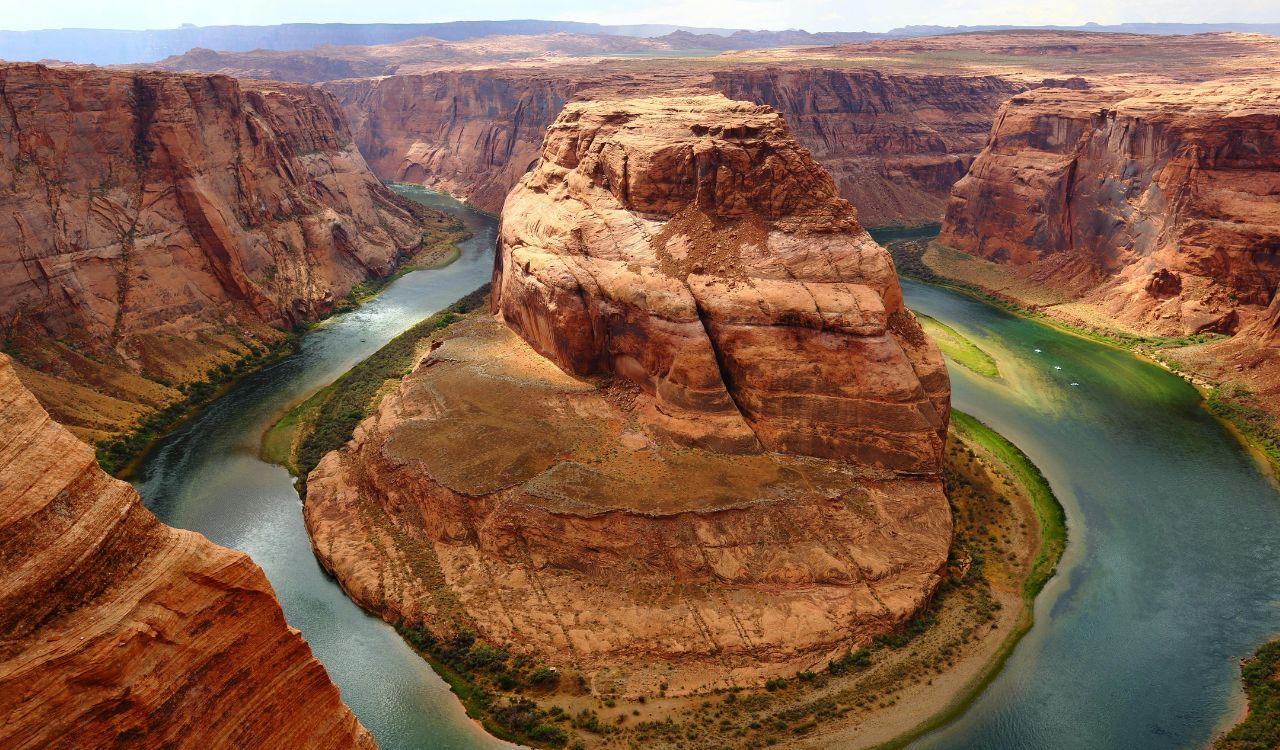
Stretching 446 kilometers long and over 1,800 meters deep, the Grand Canyon receives more than 4.7 million visitors annually. Over 90% remain near the South Rim, creating dense congestion at overlooks and shuttle stops. Parking lots often fill before 9 a.m. during peak season. Meanwhile, the park protects over 1.2 million acres of backcountry rarely seen by most travelers. As shuttle dependency and permit controls expand, visiting now offers greater flexibility to explore rim trails, viewpoints, and less-crowded corridors before movement becomes more regulated.
3. Zion National Park (UT)
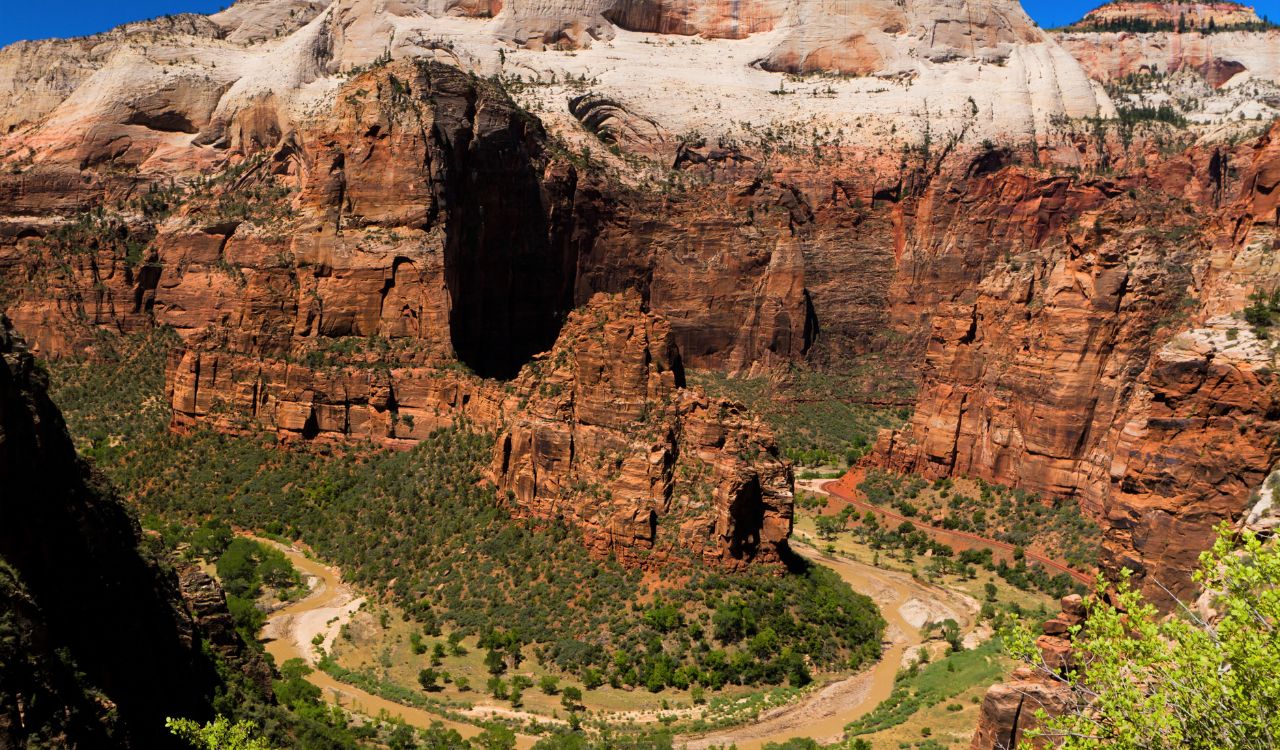
Zion spans only 595 square kilometers but welcomes more than 5 million visitors each year, giving it one of the highest visitor densities in the park system. Popular hikes like Angels Landing receive over 300,000 permit requests annually. Shuttle-only access dominates the main canyon for much of the year. Despite the crowding, Zion’s cliffs rise over 600 meters, and its east-side trails remain quieter. With visitation growing roughly 6% annually, additional permit systems are likely, making current access more flexible than future peak-season visits.
4. Yosemite National Park (CA)
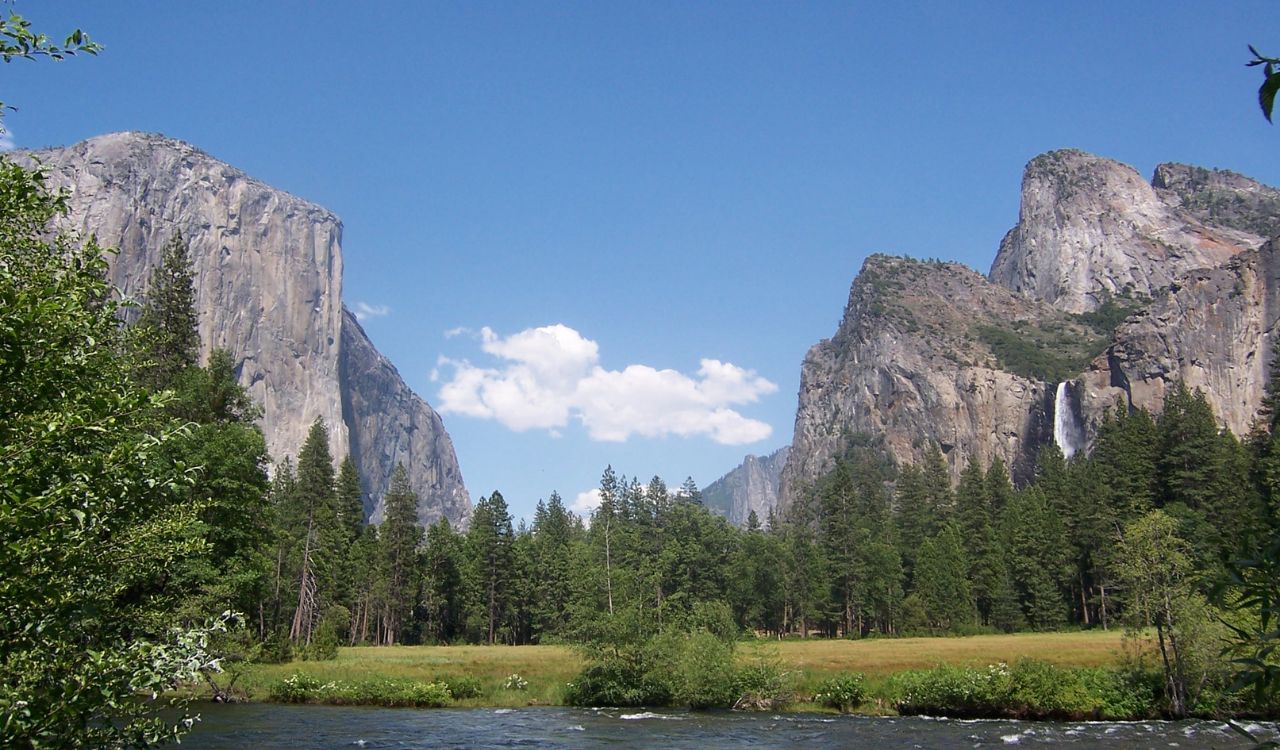
Yosemite covers 3,027 square kilometers, yet nearly 70% of its 4 million annual visitors stay inside Yosemite Valley, which makes up less than 1% of the park. Entrance delays can exceed two hours during summer weekends. Iconic viewpoints feel crowded, while over 95% of the park remains designated wilderness. Reservation systems are expanding, limiting spontaneous trips. Visiting now allows access to quieter regions like Tuolumne Meadows and Hetch Hetchy before stricter daily entry caps reduce freedom to explore lesser-known areas.
5. Acadia National Park (ME)
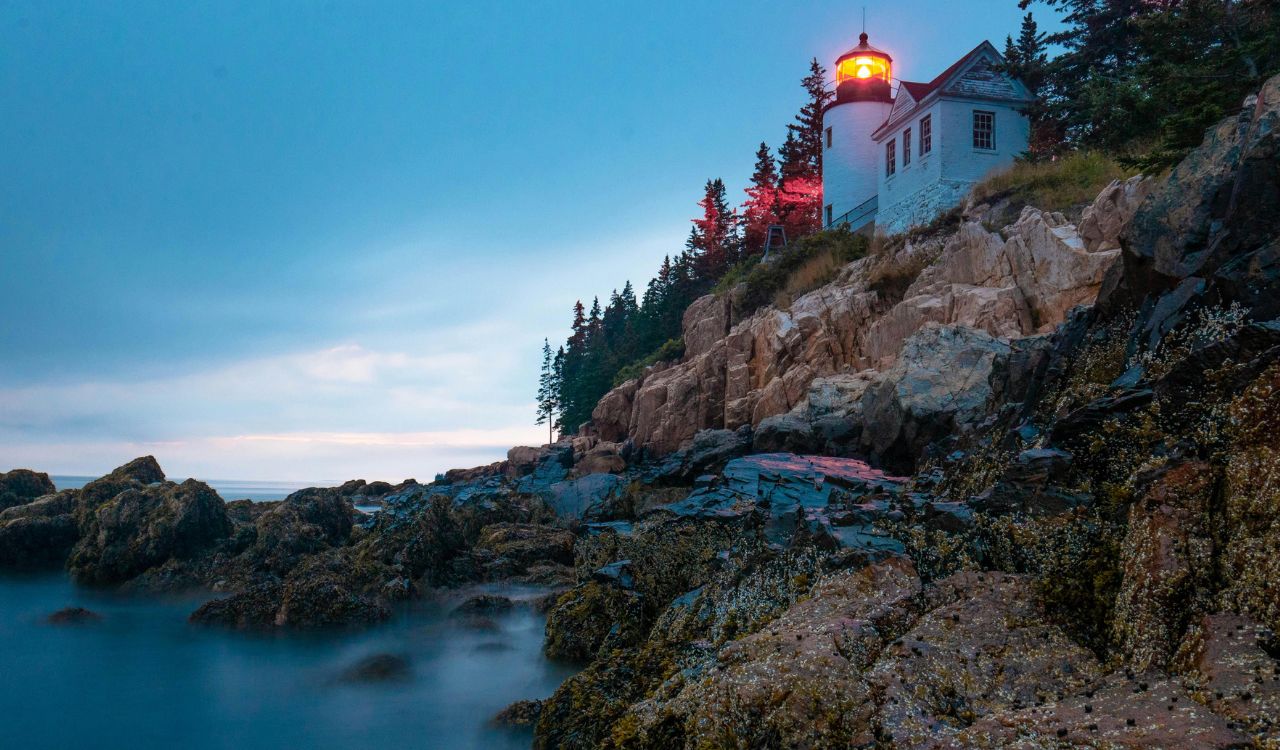
Acadia is one of the smallest national parks at 198 square kilometers, yet attracts over 4 million visitors annually. Summer visitation can triple the local population, straining roads and parking. Cadillac Mountain sunrise reservations often sell out weeks ahead. Still, the park offers more than 250 kilometers of trails, many overlooked by day visitors. With visitation steadily increasing since 2015, expanded reservation systems are expected. Visiting now allows travelers to enjoy Acadia’s coastline and carriage roads with fewer time restrictions and more spontaneous access.
6. Arches National Park (UT)
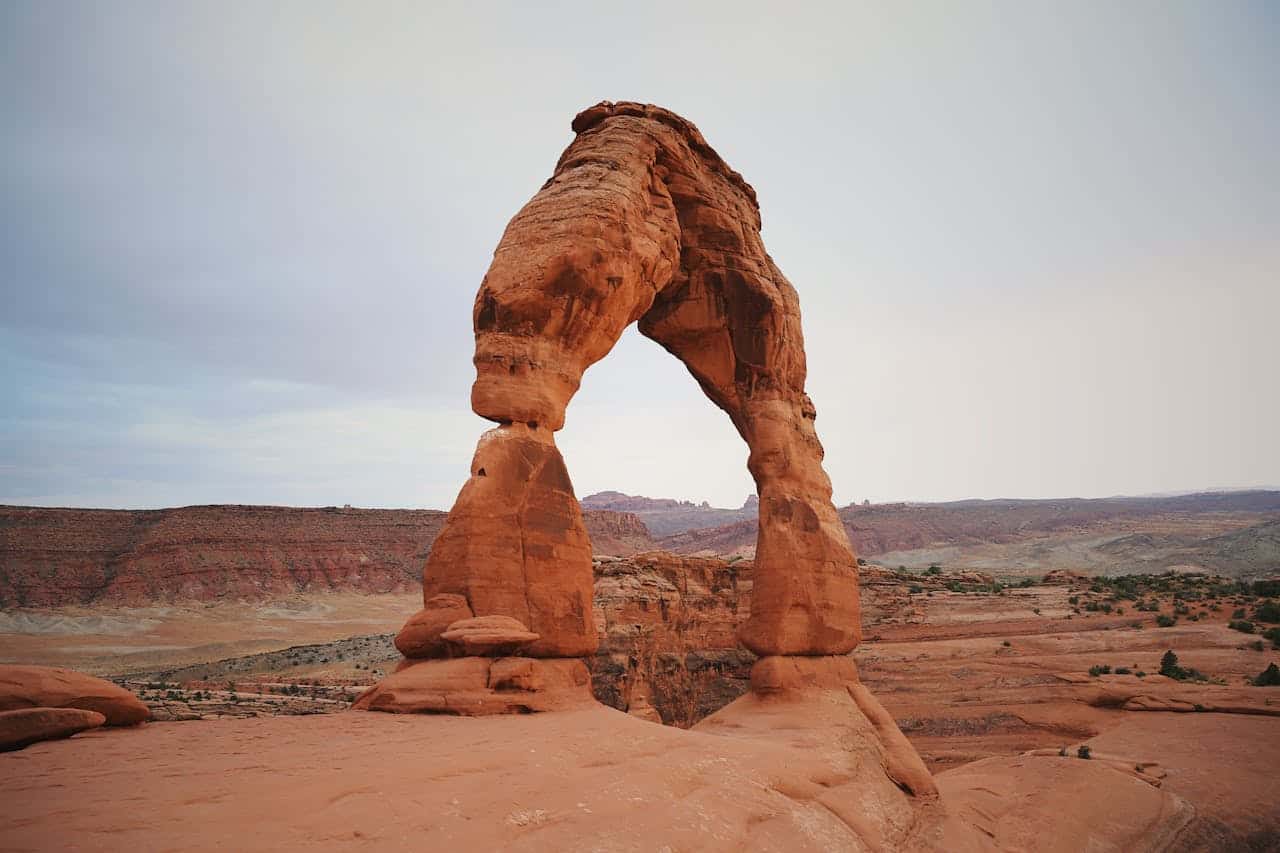
Arches contain over 2,000 natural stone arches within just 310 square kilometers. Annual visitation has surpassed 1.8 million, nearly double its 2011 numbers. Delicate Arch alone sees over 1 million visitors each year. Limited road space and fragile desert soil forced timed-entry reservations. Despite this, many formations sit far from crowded trails. As erosion concerns grow and capacity limits tighten, future access is likely to become more restricted, making current reservation windows the most flexible opportunity to explore the park fully.
7. Rocky Mountain National Park (CO)
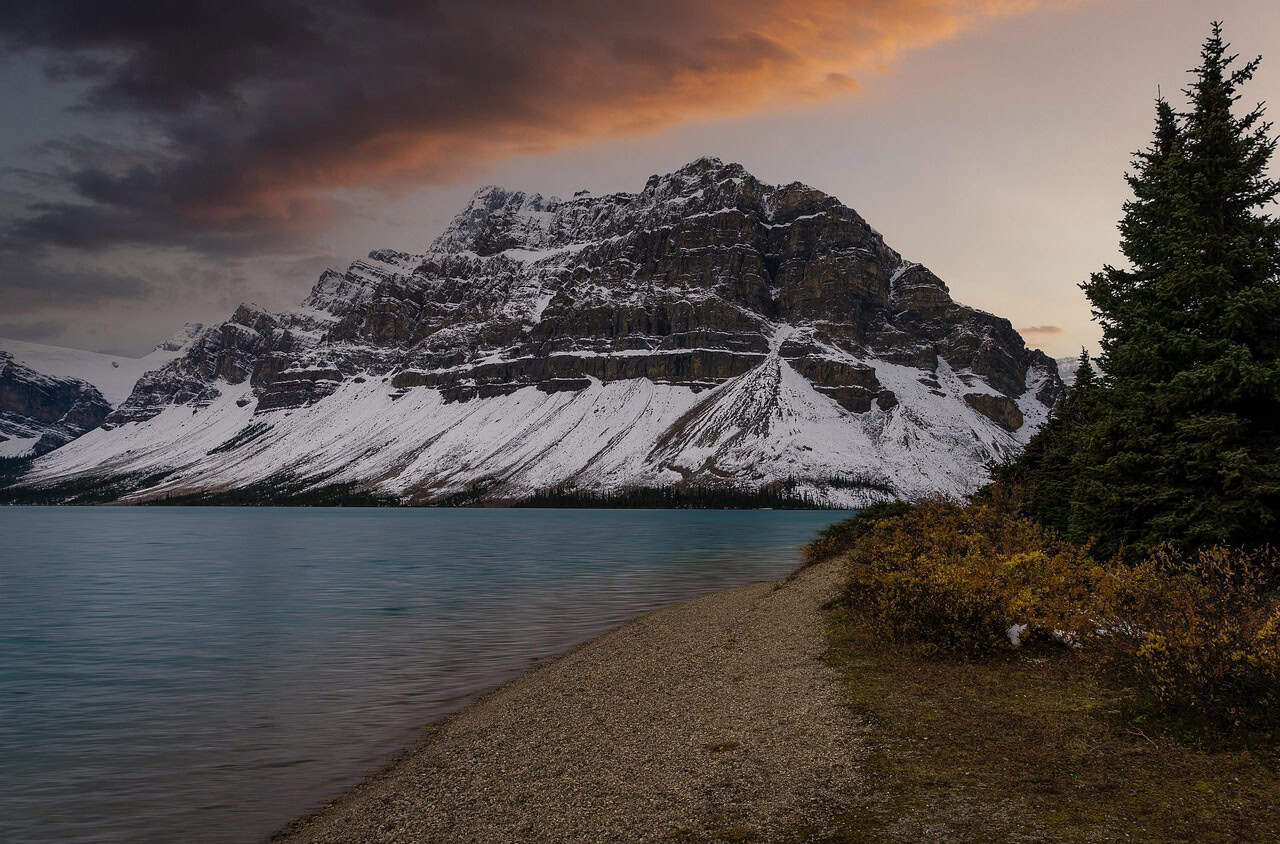
Rocky Mountain National Park spans 1,075 square kilometers and exceeds 4.3 million visitors annually. Trail Ridge Road, the highest continuous paved road in the U.S., often closes by mid-morning due to congestion. Elk populations over 3,000 animals add to traffic slowdowns during fall. Timed-entry permits already control access, with expansion expected. The park still offers over 560 kilometers of trails, many lightly traveled. Visiting now provides greater access to alpine lakes and tundra landscapes before permit windows narrow further.
8. Grand Teton National Park (WY)
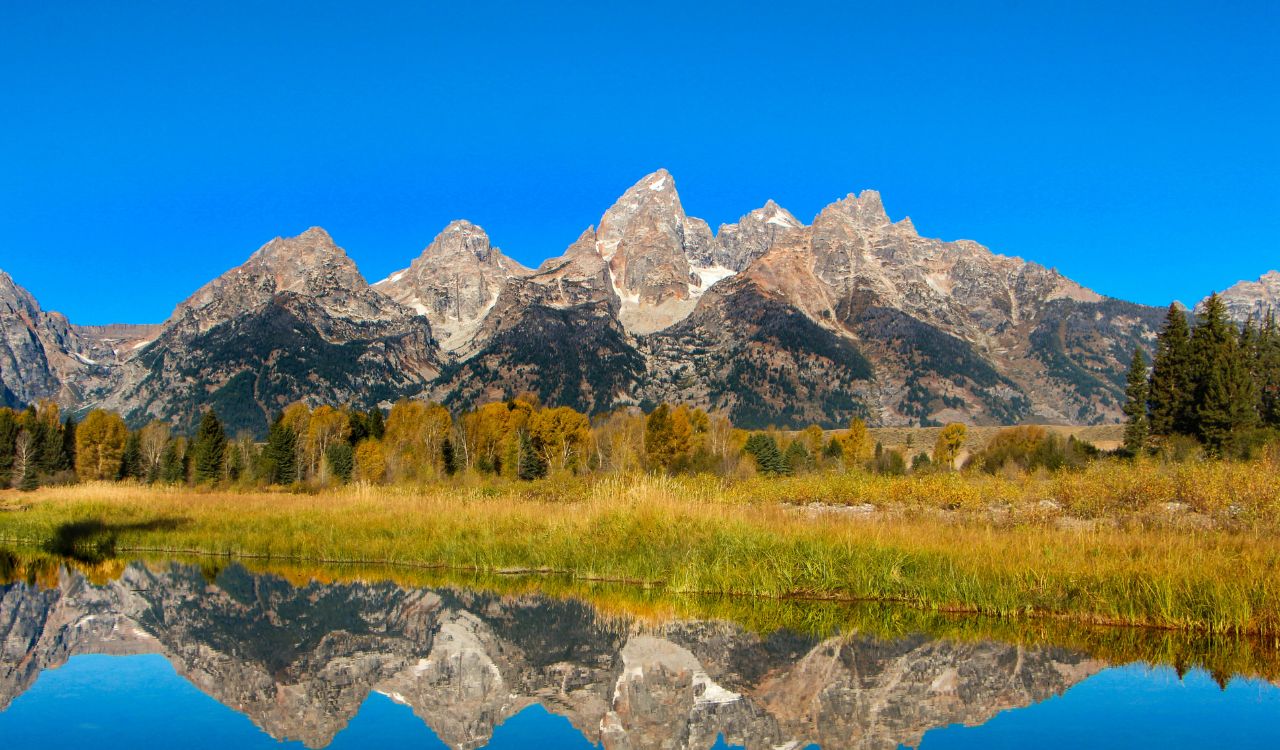
Grand Teton covers 1,255 square kilometers and welcomes more than 3.4 million visitors each year. The Teton Range rises sharply over 2,100 meters, concentrating visitors along a single scenic corridor. Jenny Lake parking often fills before 8:30 a.m. Still, large backcountry areas remain underused. As Yellowstone overflow continues pushing numbers upward, traffic controls are expected to increase. Visiting now allows travelers to experience iconic views and wildlife habitats before stricter entry systems mirror those of neighboring parks.
9. Glacier National Park (MT)
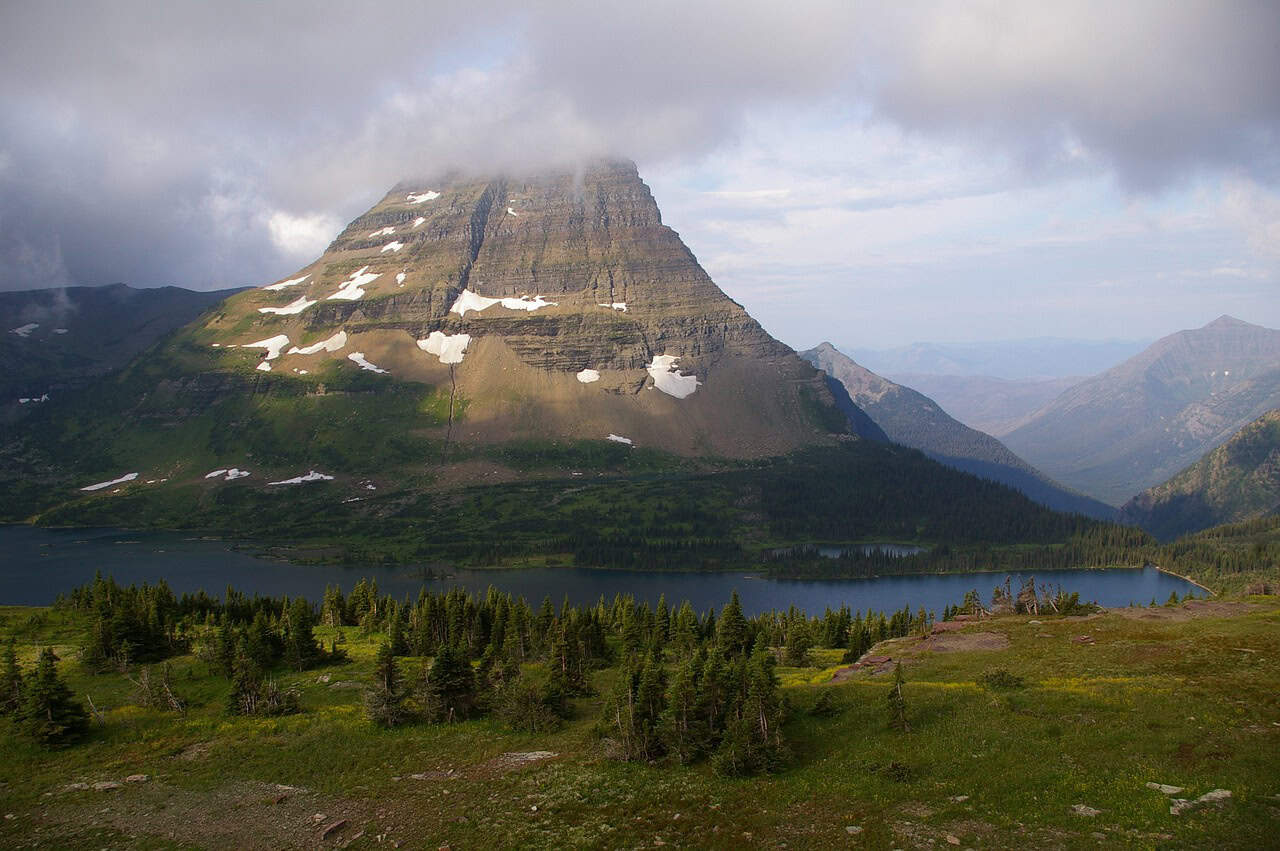
Glacier National Park spans 4,100 square kilometers and includes over 700 miles of trails. Annual visitation now exceeds 3 million, a 30% increase since 2012. Going-to-the-Sun Road channels most visitors into one corridor, requiring vehicle reservations during peak months. The park has lost over 80% of its historic glaciers, increasing urgency-driven tourism. While remote valleys remain peaceful, access controls are expanding. Visiting now offers greater freedom before additional reservation layers permanently change how Glacier is experienced.