We may earn money or products from the companies mentioned in this post. This means if you click on the link and purchase the item, I will receive a small commission at no extra cost to you ... you're just helping re-supply our family's travel fund.
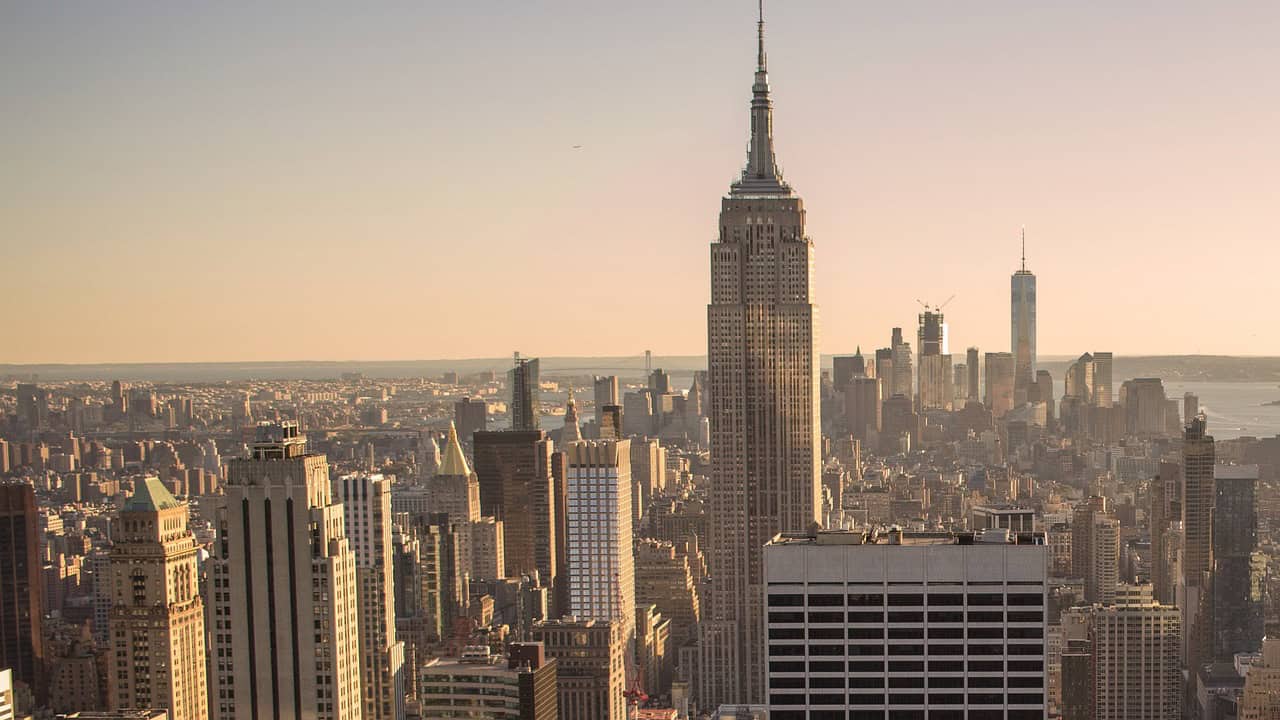
Tourism rarely collapses overnight. In most cities, visitor appeal erodes slowly through policy choices, overdevelopment, rising costs, neglected infrastructure, or quality-of-life issues locals learn to tolerate but travelers do not. The following U.S. cities were once strong tourism magnets, yet a combination of governance failures, unchecked commercialization, safety concerns, or pricing excesses has significantly weakened their allure. This list does not argue that these cities lack culture or history; rather, it examines how decisions made over time have made visits less enjoyable, less accessible, or less worthwhile for the average traveler. Each section outlines what went wrong, supported by clear examples and measurable impacts.
1. San Francisco, California
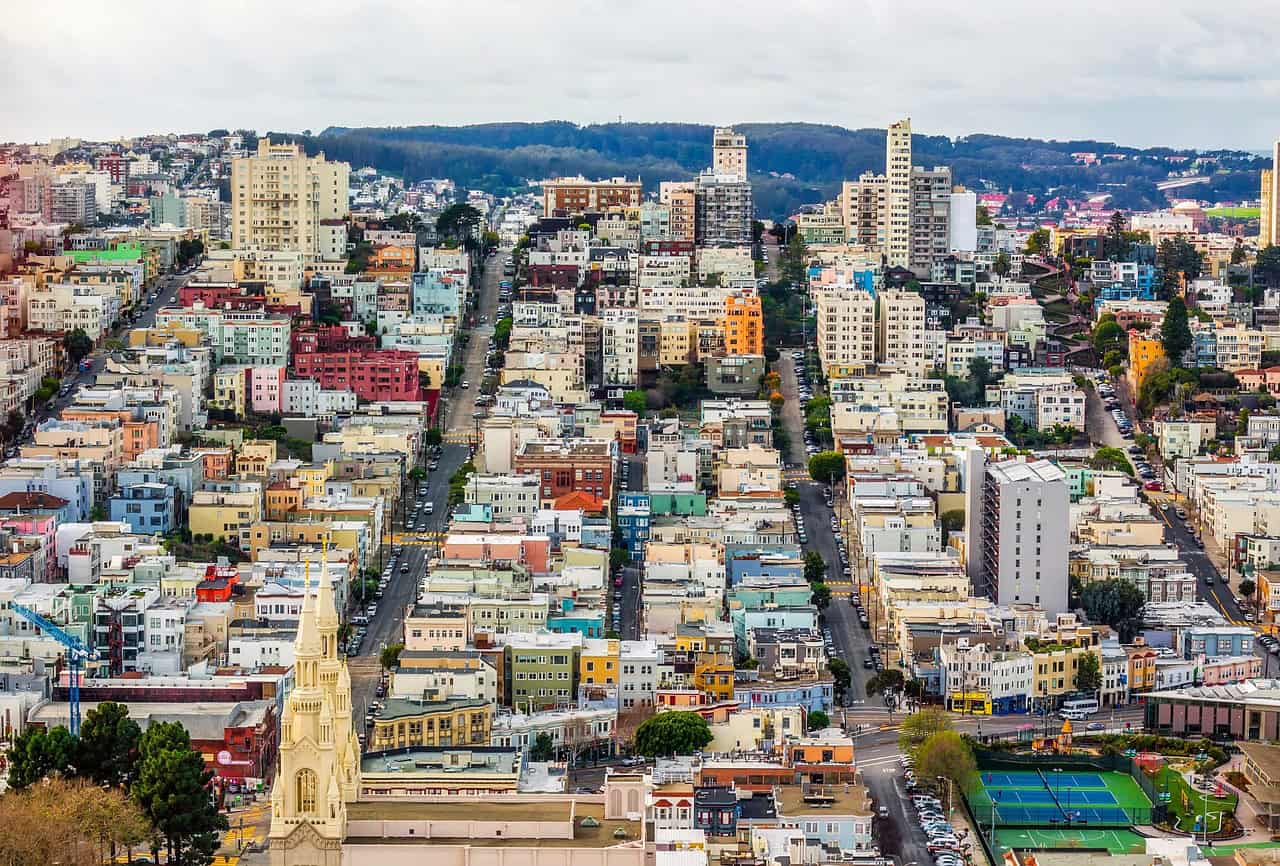
San Francisco remains visually stunning, yet its tourism experience has suffered from persistent urban management issues. Open-air drug use, visible homelessness, and retail closures have reshaped once-iconic districts like Union Square, where vacancy rates exceeded 25% in recent years. Hotel prices averaging $320 per night push visitors toward shorter stays, while car break-ins reported at over 40,000 incidents annually, create anxiety for tourists. Public transit reliability has declined, and major attractions now feel disconnected by safety concerns. Despite world-class food and scenery, the city’s failure to address street-level conditions has damaged its reputation faster than marketing can repair.
2. Las Vegas, Nevada
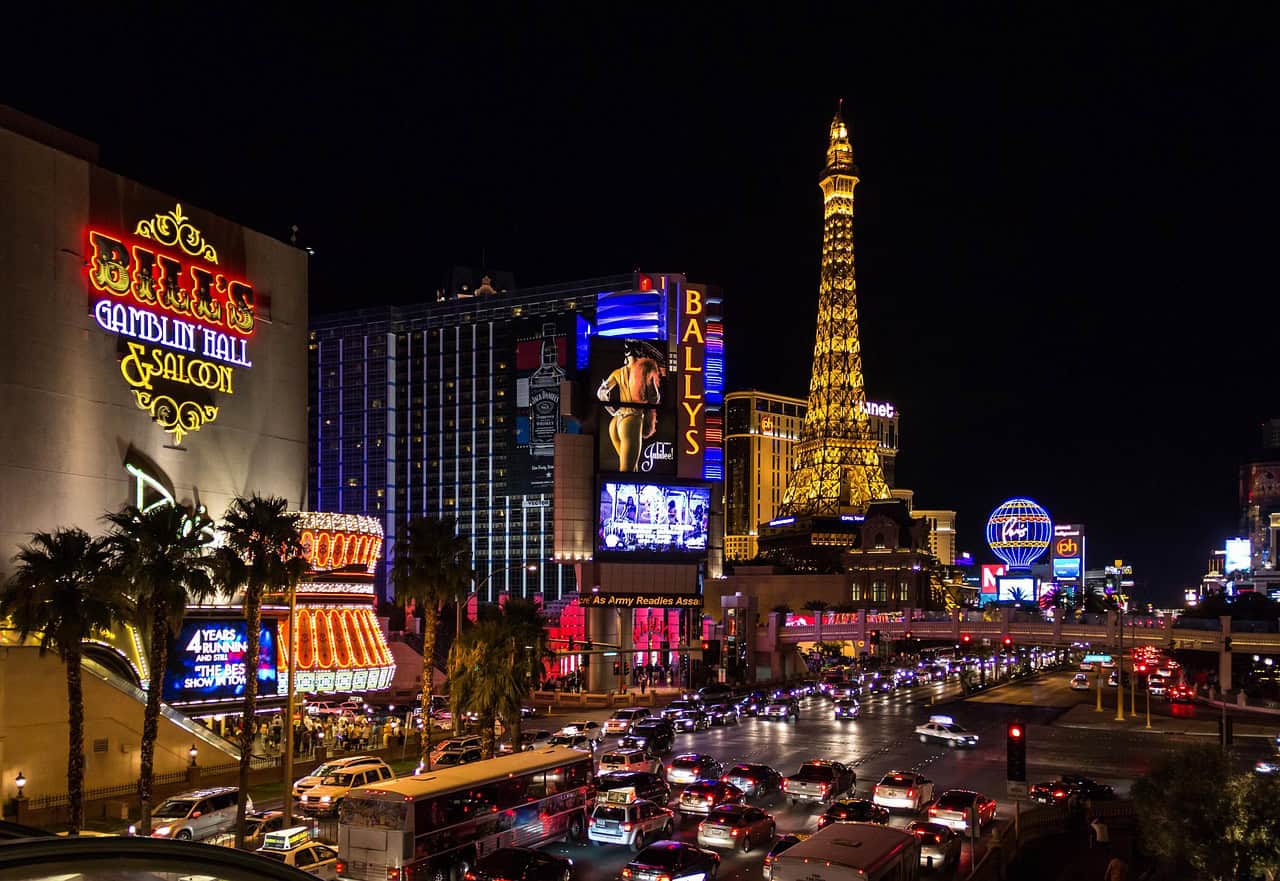
Las Vegas priced itself out of spontaneity. Resort fees averaging $45 per night, parking charges reaching $20 daily, and mandatory service fees have turned once-cheap weekends into $1,500 trips. Strip congestion and endless construction reduce walkability, while casino floors now cater more to high-limit gamblers than casual tourists. Family-friendly attractions have quietly disappeared, narrowing audience appeal. With average hotel occupancy holding steady but visitor satisfaction declining, Las Vegas illustrates how monetizing every step of the experience can erode goodwill. The city still draws crowds, but fewer visitors leave feeling they received fair value.
3. New Orleans, Louisiana
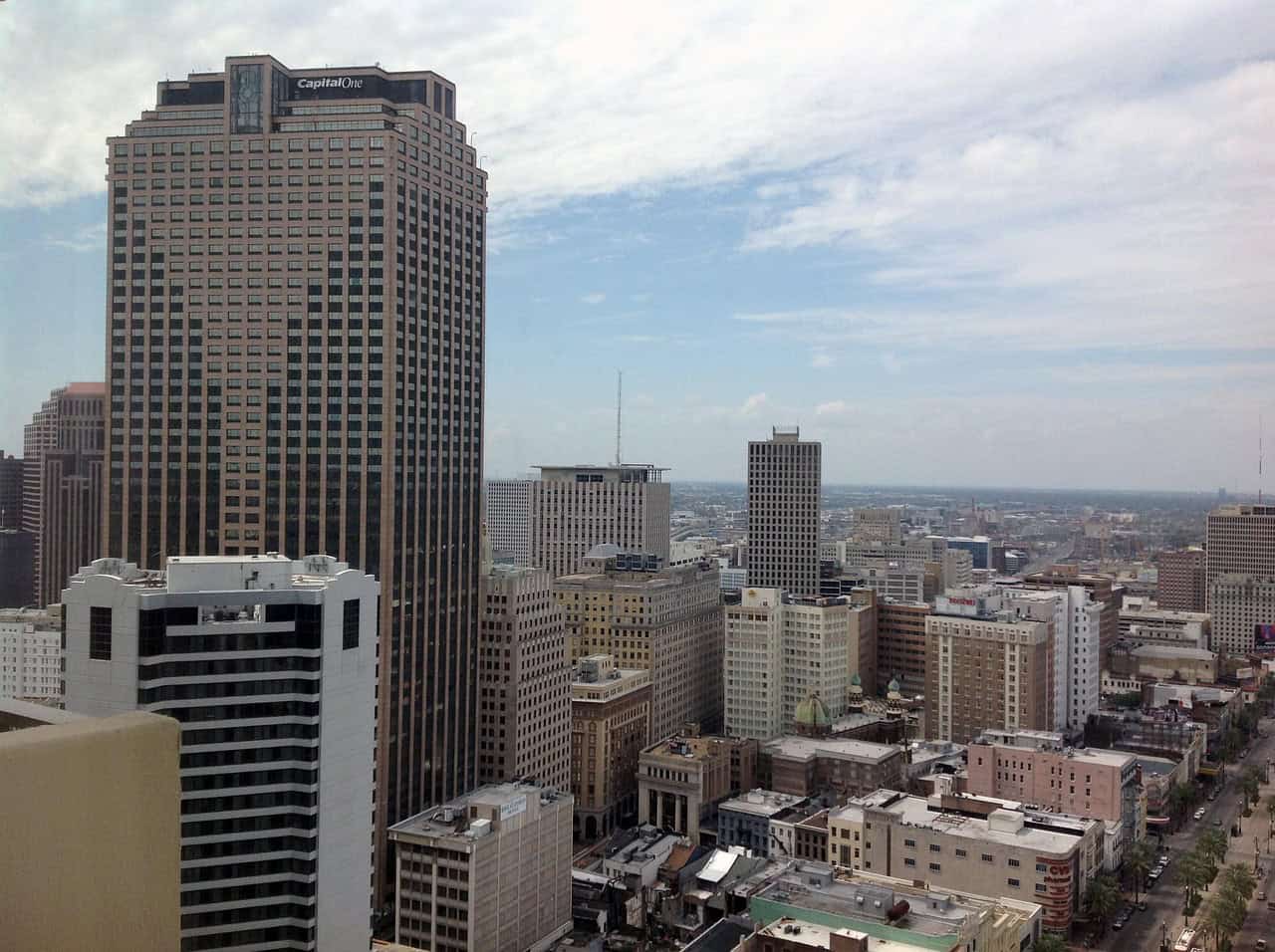
New Orleans depends heavily on tourism, yet chronic infrastructure neglect has harmed its visitor experience. Broken sidewalks, unreliable street lighting, and aging drainage systems are visible even in high-traffic areas like the French Quarter. Violent crime rates remain nearly double the national average, prompting earlier business closures and reduced nightlife activity. Hotel taxes and fees can add 20–25% to nightly costs, frustrating budget travelers. Cultural authenticity also suffers as local residents are displaced by short-term rentals. The city’s music, food, and history remain powerful, but safety and upkeep concerns increasingly dominate travel reviews.
4. Los Angeles, California
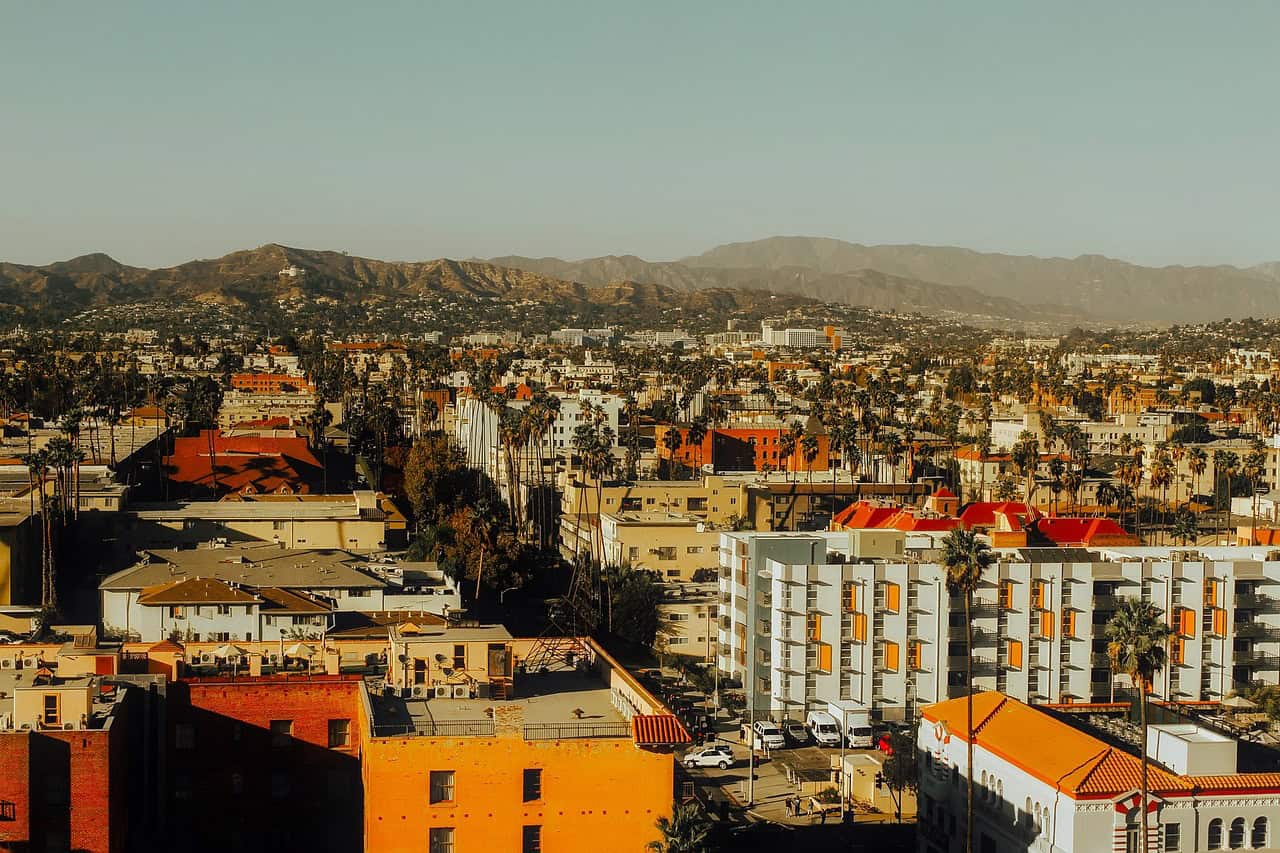
Los Angeles struggles with scale and access. Iconic attractions are scattered across vast distances, forcing tourists into rental cars and multi-hour traffic delays. Average daily traffic congestion costs visitors nearly two hours per day, while parking fees near beaches and landmarks can exceed $30. Homeless encampments near tourist corridors like Hollywood Boulevard undermine first impressions. Public transit expansion has not kept pace with visitor needs, and many attractions feel over-commercialized yet poorly maintained. While the city offers unmatched cultural diversity, its logistical barriers turn short vacations into exhausting exercises in navigation.
5. Honolulu, Hawaii
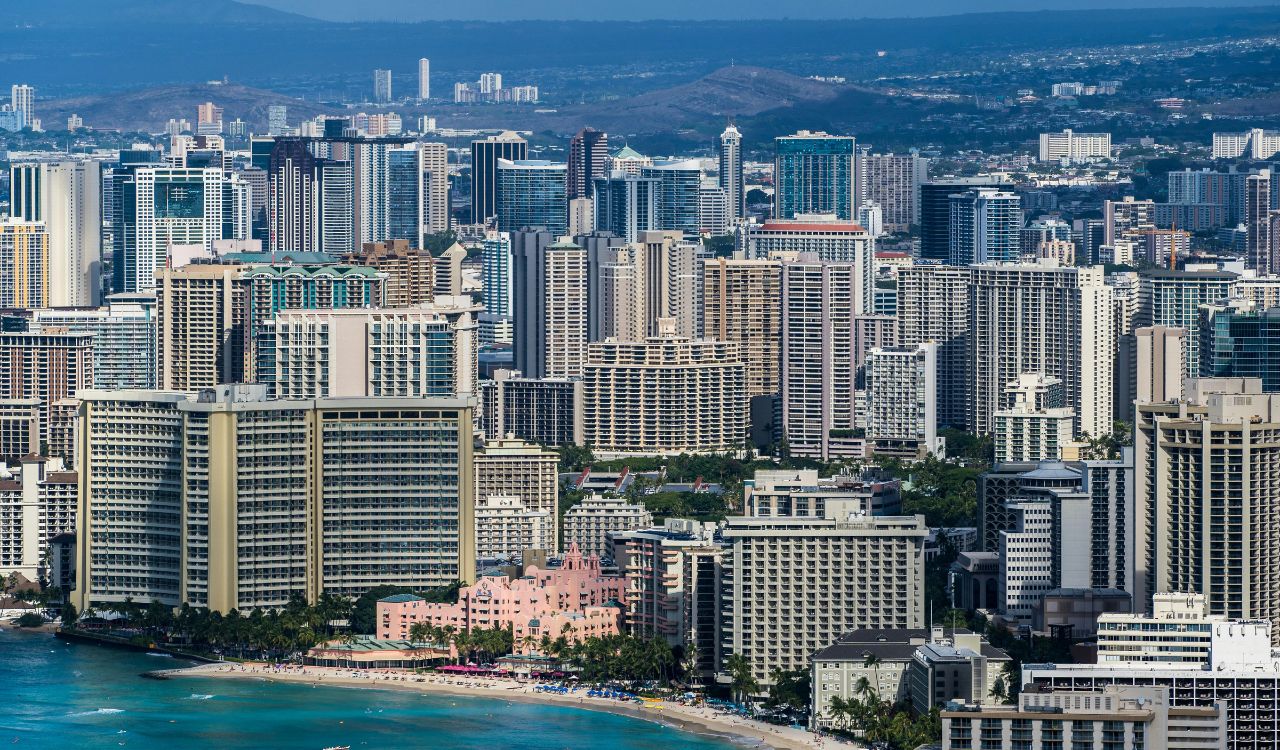
Honolulu faces backlash from the consequences of overtourism. Hotel rates averaging $350 per night, strict beach regulations, and increasing permit requirements have reduced casual exploration. Locals openly express frustration with overcrowding, creating a less welcoming atmosphere. Environmental degradation has forced beach access restrictions, while parking near major sites is heavily limited or fined at rates exceeding $100. Tourism accounts for nearly 25% of the state economy, yet infrastructure investment lags behind visitor volume. Honolulu still offers natural beauty, but rising costs and social tension have dulled its once-effortless appeal.
6. New York City, New York
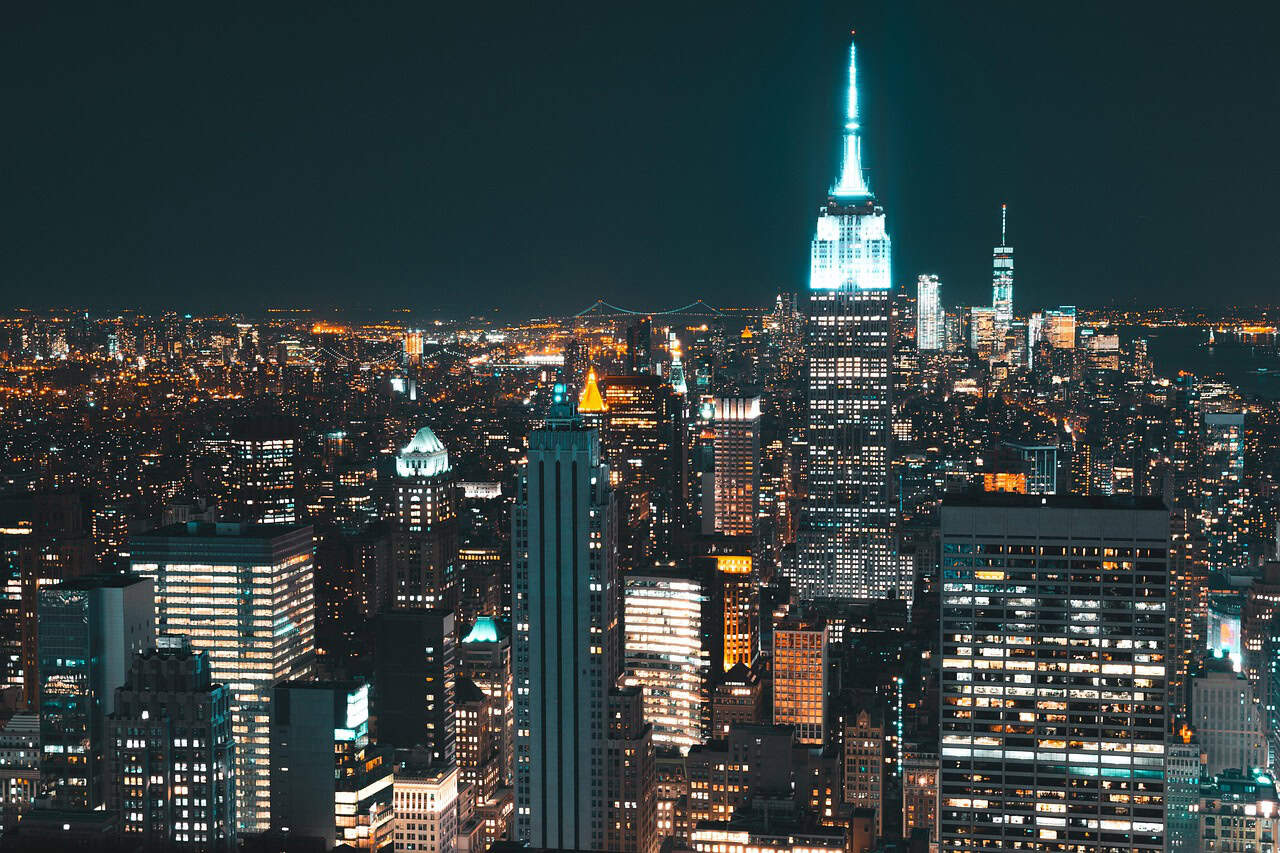
New York City remains globally iconic, but affordability and crowd saturation are weakening its draw. Average hotel prices now exceed $340 per night, while Broadway tickets regularly surpass $180. Popular neighborhoods feel congested year-round, reducing the spontaneity that once defined the city. Subway reliability issues and frequent service changes frustrate visitors unfamiliar with the system. Crime remains localized but highly publicized, shaping perception more than statistics. With nearly 63 million visitors annually, New York risks exhausting its own magic by prioritizing volume over visitor comfort.
7. Miami, Florida
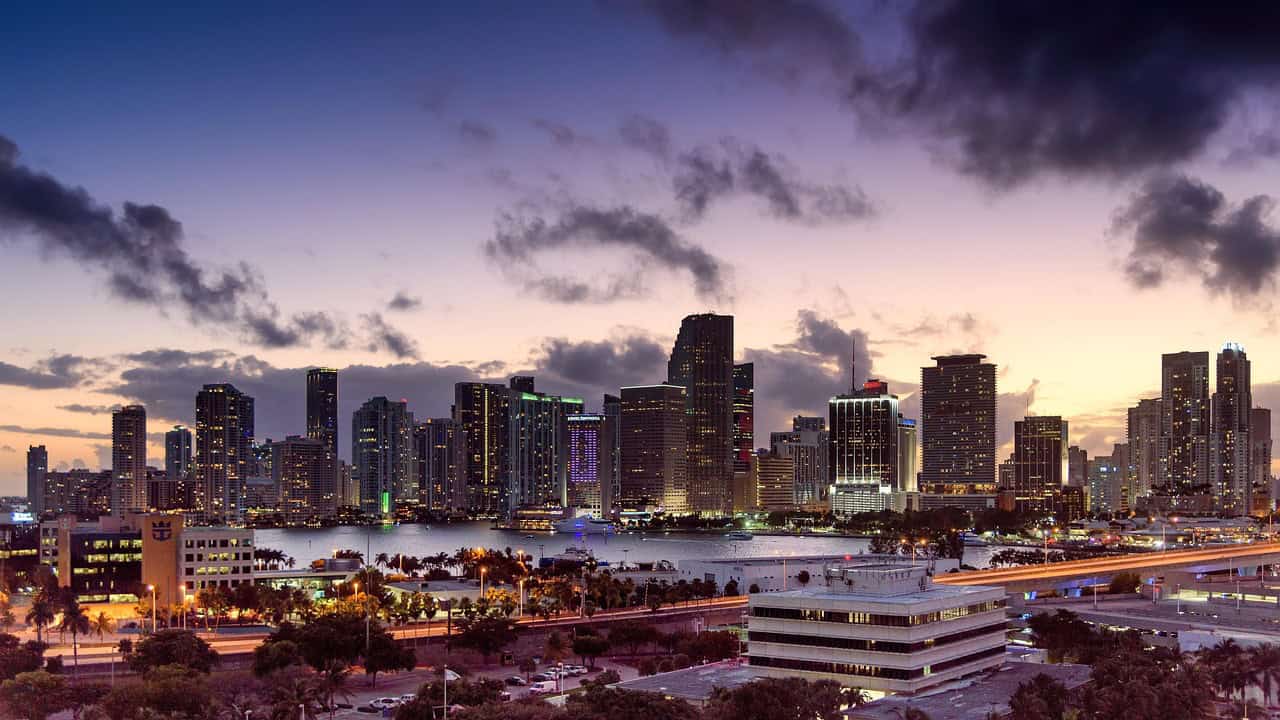
Miami’s transformation into a luxury-centric destination has sidelined mid-range travelers. Beachfront hotel rates often exceed $400 per night, while parking enforcement and towing are aggressively applied. Seasonal crowding leads to overwhelmed infrastructure, especially during spring break and major events. Rising crime in nightlife districts has triggered earlier closing times and stricter policing. Cultural areas increasingly cater to short-term rental guests rather than community spaces. Miami still sells glamour and weather, but escalating costs and regulatory crackdowns have turned relaxation into constant vigilance.
8. Seattle, Washington
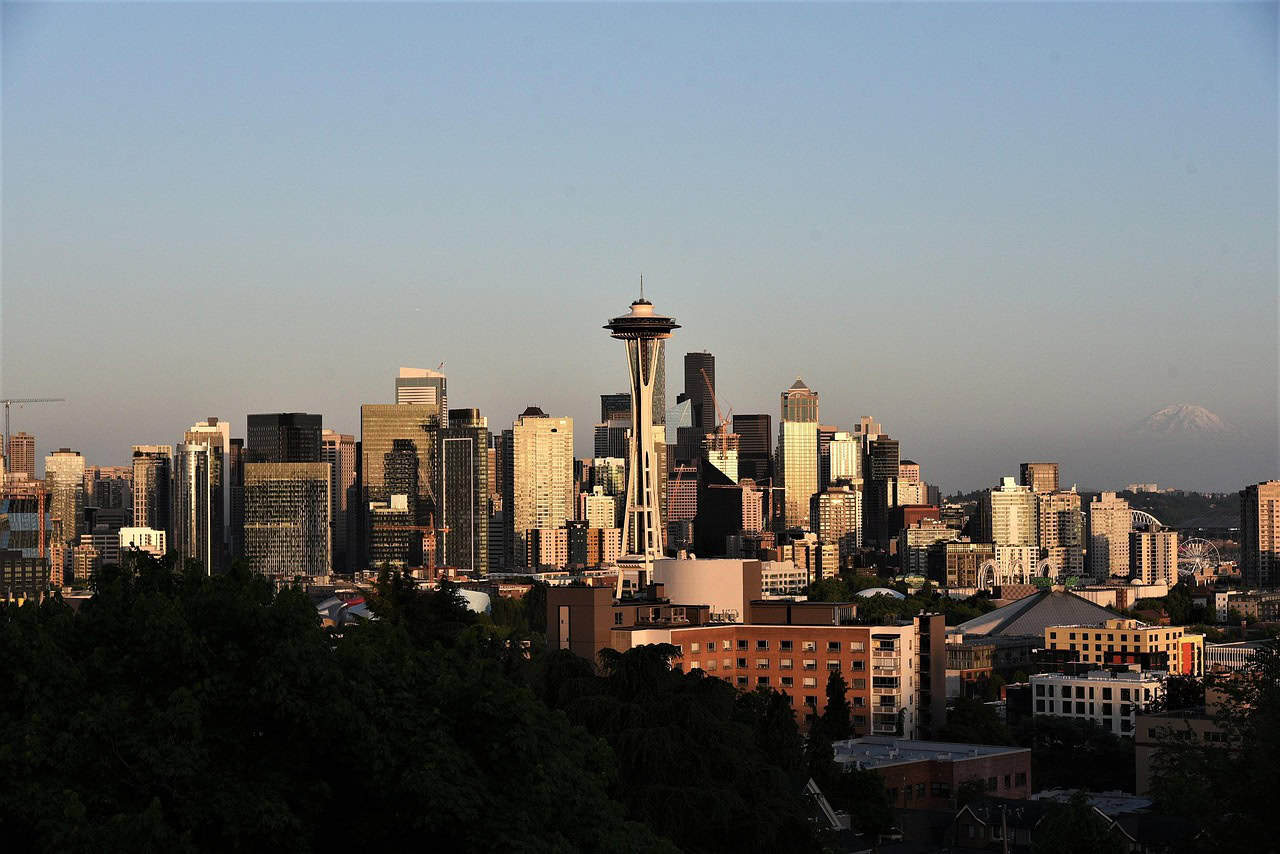
Seattle’s tourism decline stems from visible urban disorder and inconsistent enforcement. Downtown foot traffic has dropped sharply as retail exits and public safety concerns rise. Hotel rates averaging $280 per night clash with reduced nightlife and early business closures. Public transit disruptions and limited late-night options frustrate visitors expecting a vibrant urban experience. Even signature attractions like Pike Place Market feel strained by congestion and security measures. Seattle’s natural surroundings remain breathtaking, but the city center no longer delivers the energy travelers anticipate.
9. Portland, Oregon
Portland’s reputation for creativity and livability has suffered from prolonged civic instability. Downtown vacancy rates exceed 30%, while protests, vandalism, and homelessness dominate public perception. Tourism-dependent businesses report revenue drops of 40–50% compared to pre-2020 levels. Hotel prices remain relatively high despite fewer attractions operating consistently. Public spaces feel under-maintained, and visitor confidence has not recovered. Portland still offers culture, food, and access to nature, but years of unresolved governance challenges have reshaped it from a must-visit city into a cautious choice.