We may earn money or products from the companies mentioned in this post. This means if you click on the link and purchase the item, I will receive a small commission at no extra cost to you ... you're just helping re-supply our family's travel fund.
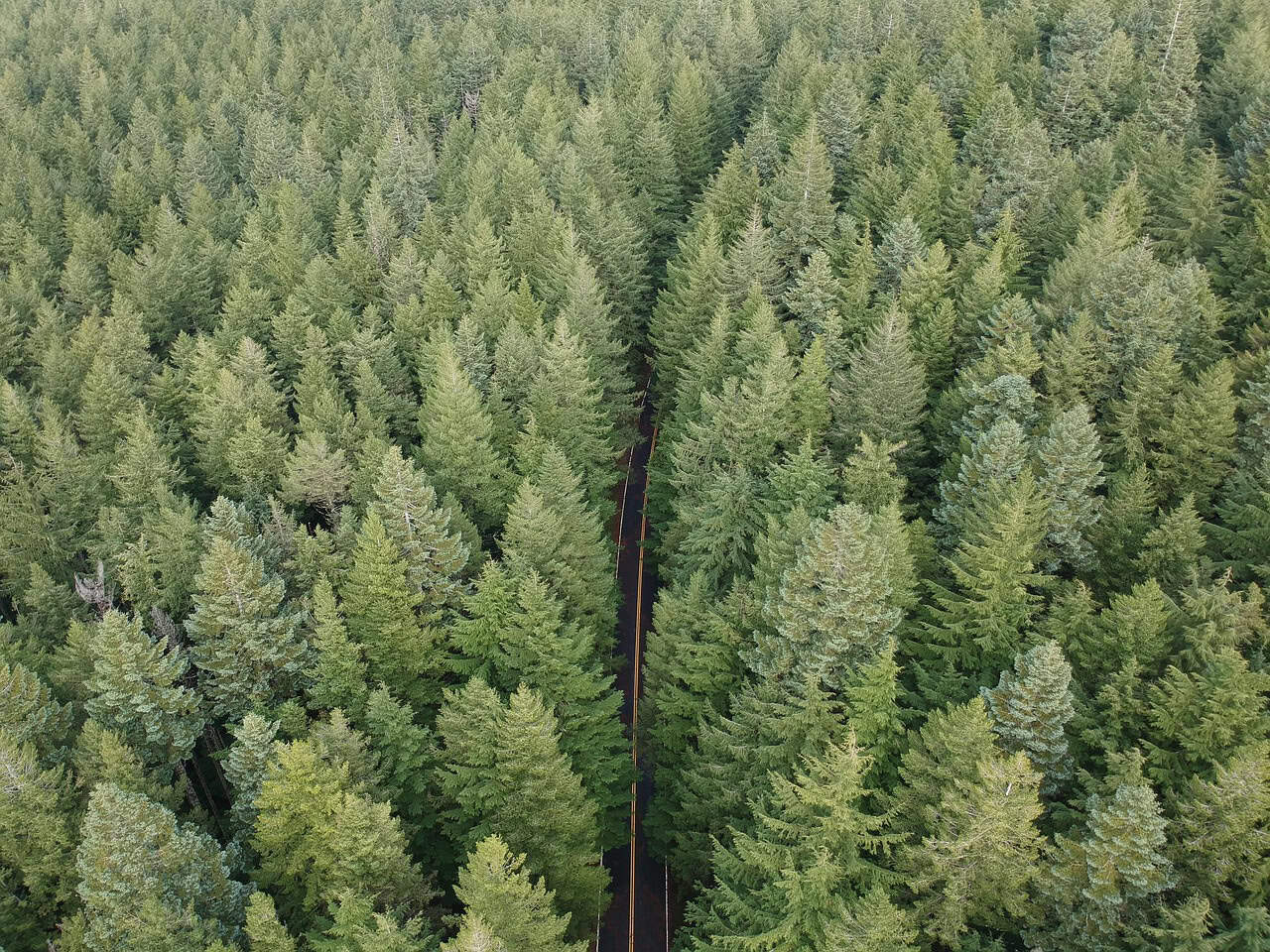
Not every city experience is defined by skylines and traffic. Across the United States, a handful of cities have grown alongside forests, lakes, hills, and wildlife instead of replacing them. In these places, nature is not something you visit on weekends, it’s part of daily life. Trails begin near grocery stores, wildlife crosses bike paths, and silence is never far away. These nine cities stand out for how deeply greenery shapes their identity, offering rare environments where urban living and immersive nature coexist seamlessly.
1. Portland, Oregon
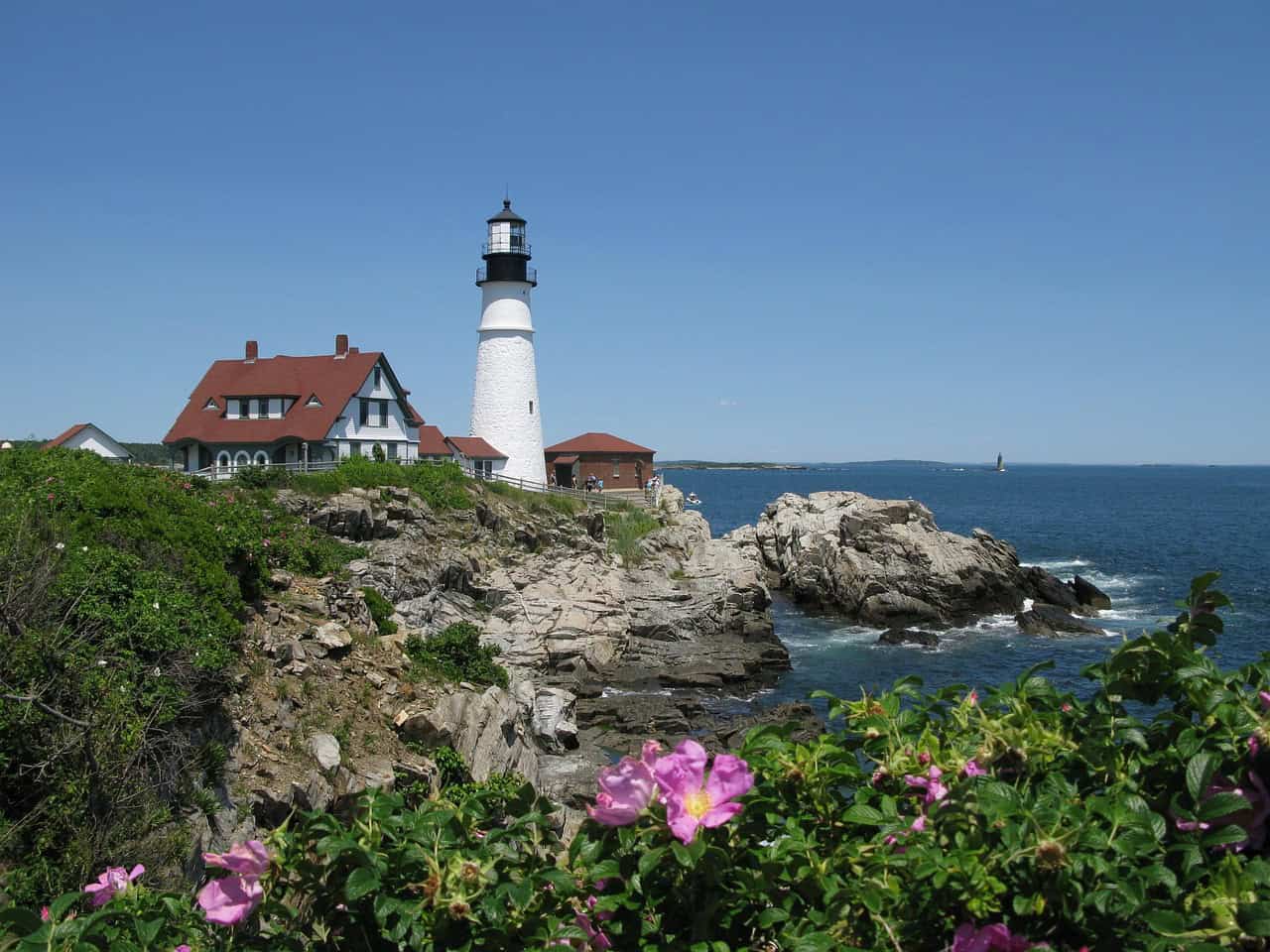
Portland’s relationship with nature feels intentional rather than decorative. The city protects over 5,200 acres of Forest Park, stretching nearly 8 miles along its western edge, making it one of the largest urban forests in the U.S. More than 70 miles of trails wind through dense fir and maple trees, often blocking out city noise entirely. Roughly 31% of Portland’s land area is dedicated to parks and green space. Annual rainfall averaging 43 inches supports thick moss, ferns, and year-round greenery, giving everyday walks an almost rainforest-like feel.
2. Seattle, Washington
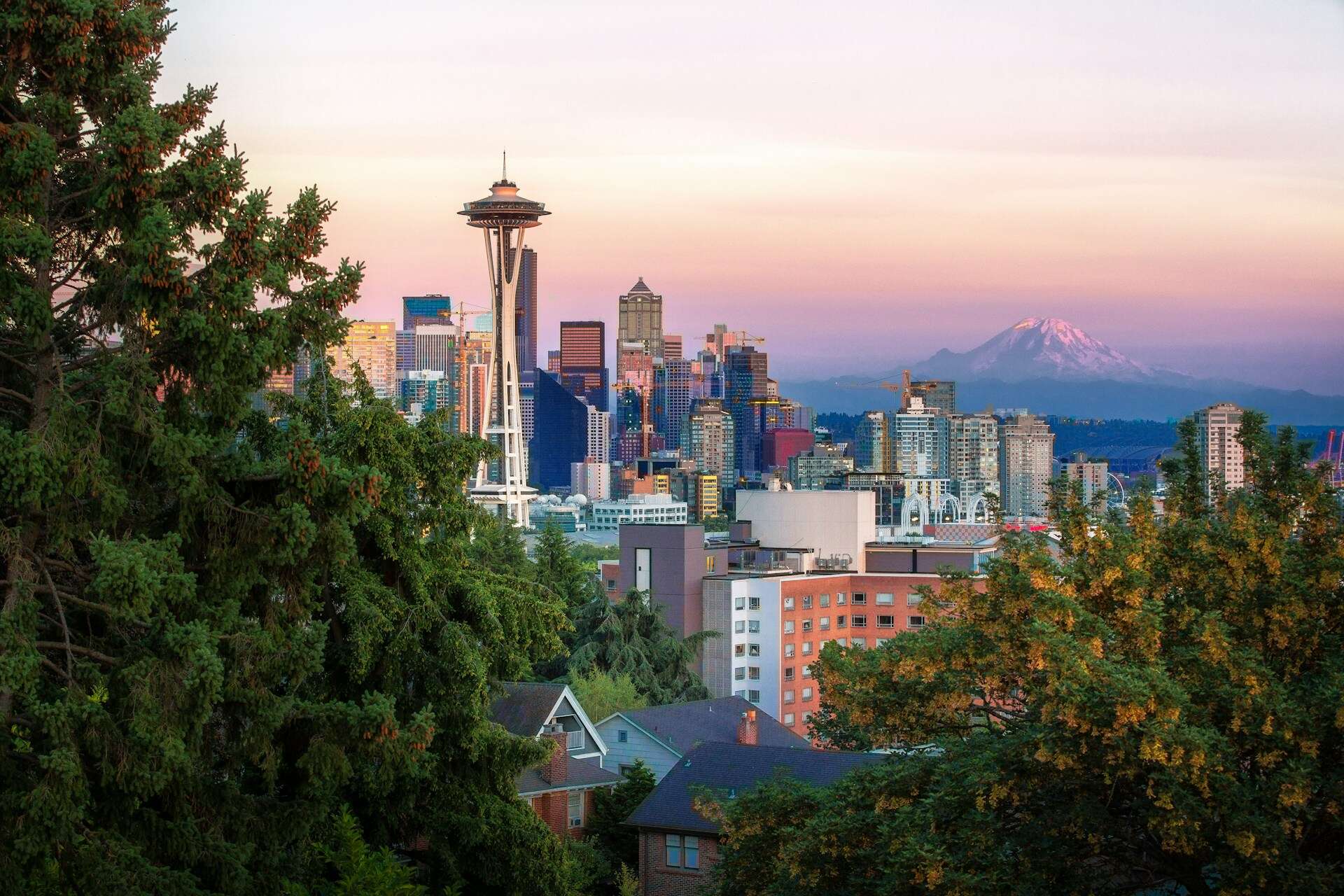
Seattle’s green character is built vertically and horizontally. The city contains over 485 public parks, covering nearly 6,400 acres, with forests, shorelines, and open meadows within city limits. Discovery Park alone spans 534 acres and includes beaches, bluffs, and forest trails. Seattle averages 152 cloudy days per year, helping preserve lush vegetation across hillsides and neighborhoods. With two mountain ranges, three major lakes, and Puget Sound surrounding it, Seattle residents live inside a layered natural landscape rather than beside it.
3. Asheville, North Carolina
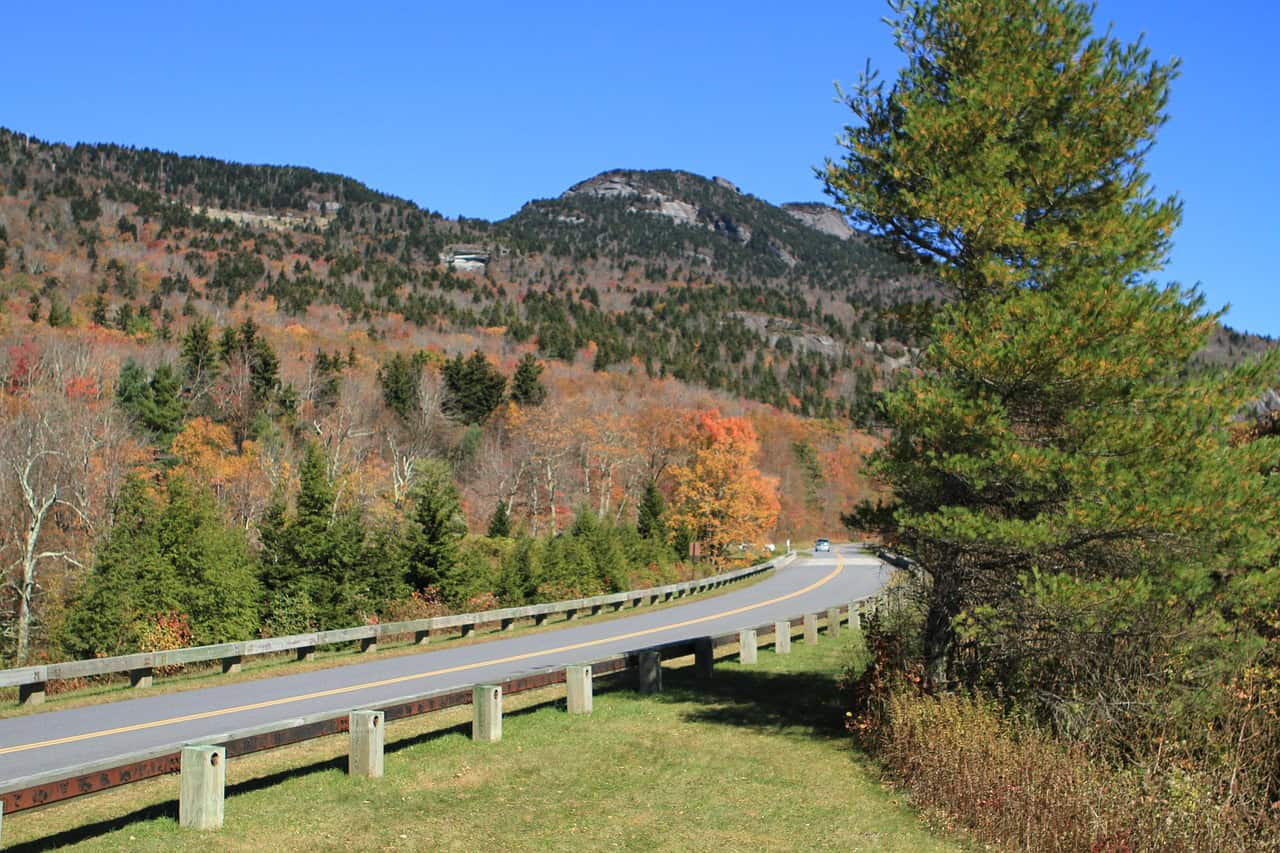
Asheville sits at an elevation of approximately 2,134 feet, surrounded by the Blue Ridge Mountains and more than 1 million acres of protected forest nearby. The Blue Ridge Parkway runs directly past the city, offering access to over 200 scenic overlooks and trailheads. Pisgah National Forest, just minutes away, spans 512,000 acres of hardwood forest and waterfalls. Asheville receives about 40 inches of rain annually, supporting thick vegetation and vibrant fall colors that transform the city into a seasonal nature showcase.
4. Boulder, Colorado
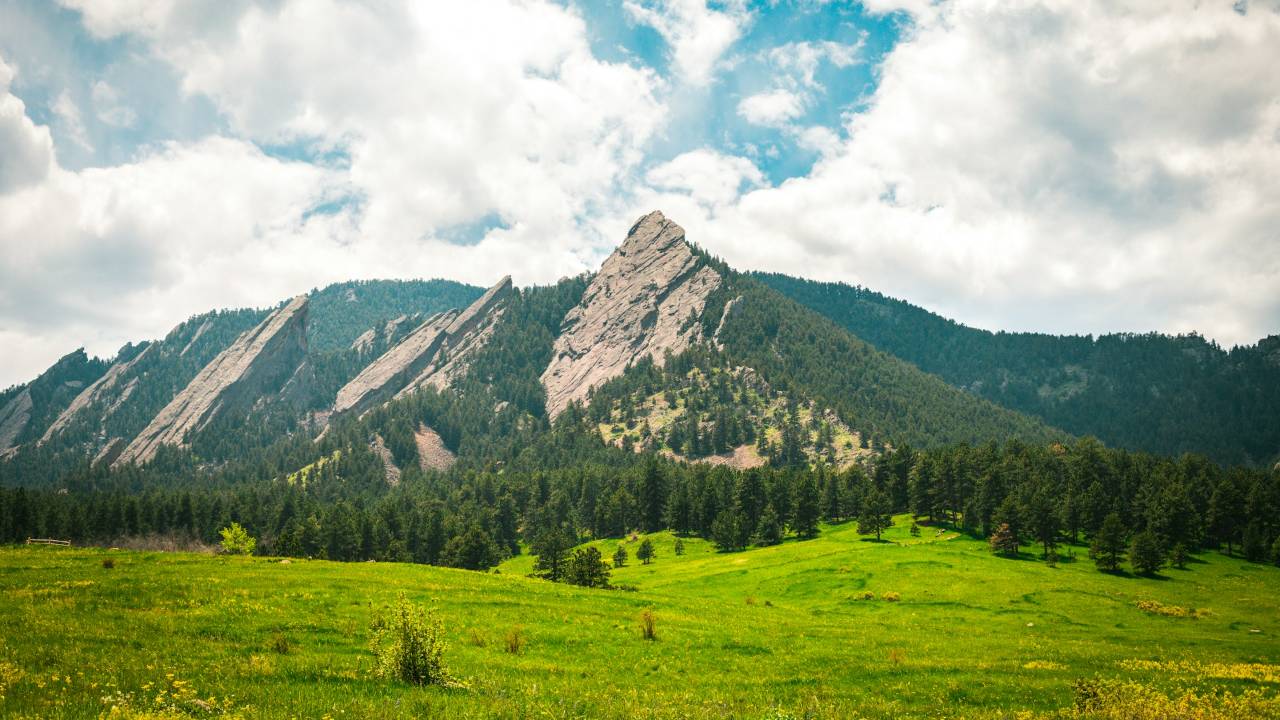
Boulder is bordered by over 45,000 acres of protected open space, creating a clear boundary between development and wilderness. The city maintains more than 155 miles of hiking trails, many starting directly from residential neighborhoods. The Flatirons rise abruptly to elevations above 8,000 feet, dominating the skyline. Boulder averages 245 sunny days per year, allowing year-round outdoor access. Nearly 70% of residents live within walking distance of open space, making nature a daily presence rather than a planned escape.
5. San Francisco, California
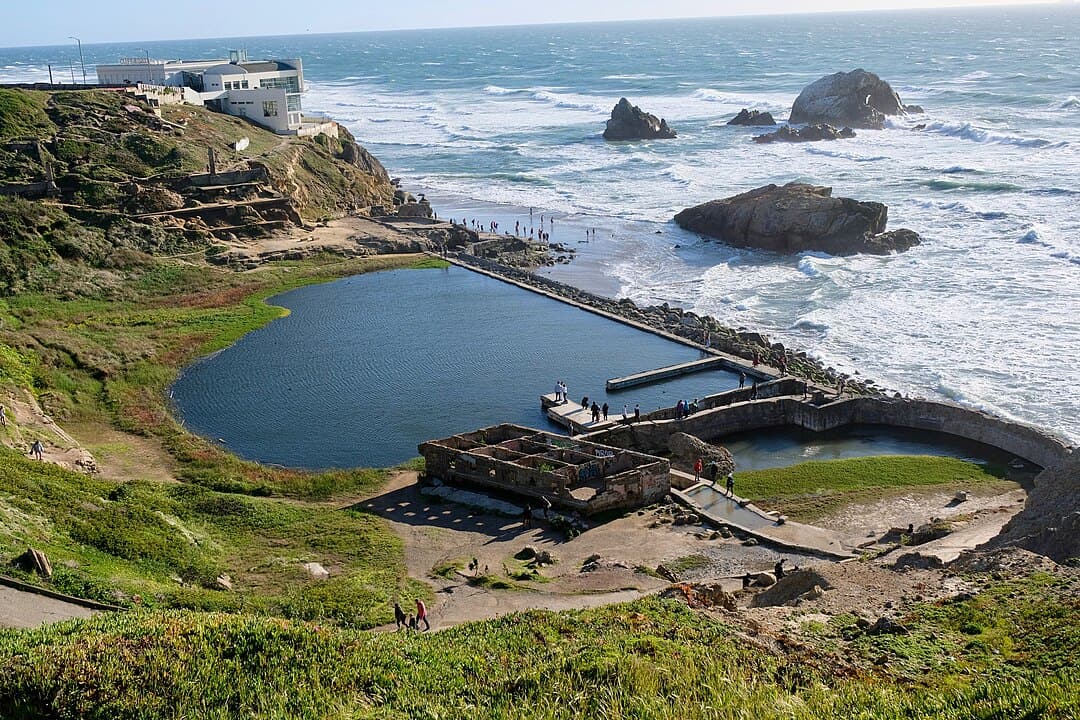
Despite its density, San Francisco dedicates roughly 20% of its land to parks and open space. Golden Gate Park alone spans 1,017 acres, stretching over 3 miles from downtown to the Pacific Ocean. The Presidio adds another 1,491 acres of forests and coastal trails. The city’s cool climate, averaging 57°F annually, supports eucalyptus groves and coastal scrub. Fog frequently rolls through green corridors, giving many neighborhoods an unexpectedly wild, secluded atmosphere within a major metro area.
6. Minneapolis, Minnesota
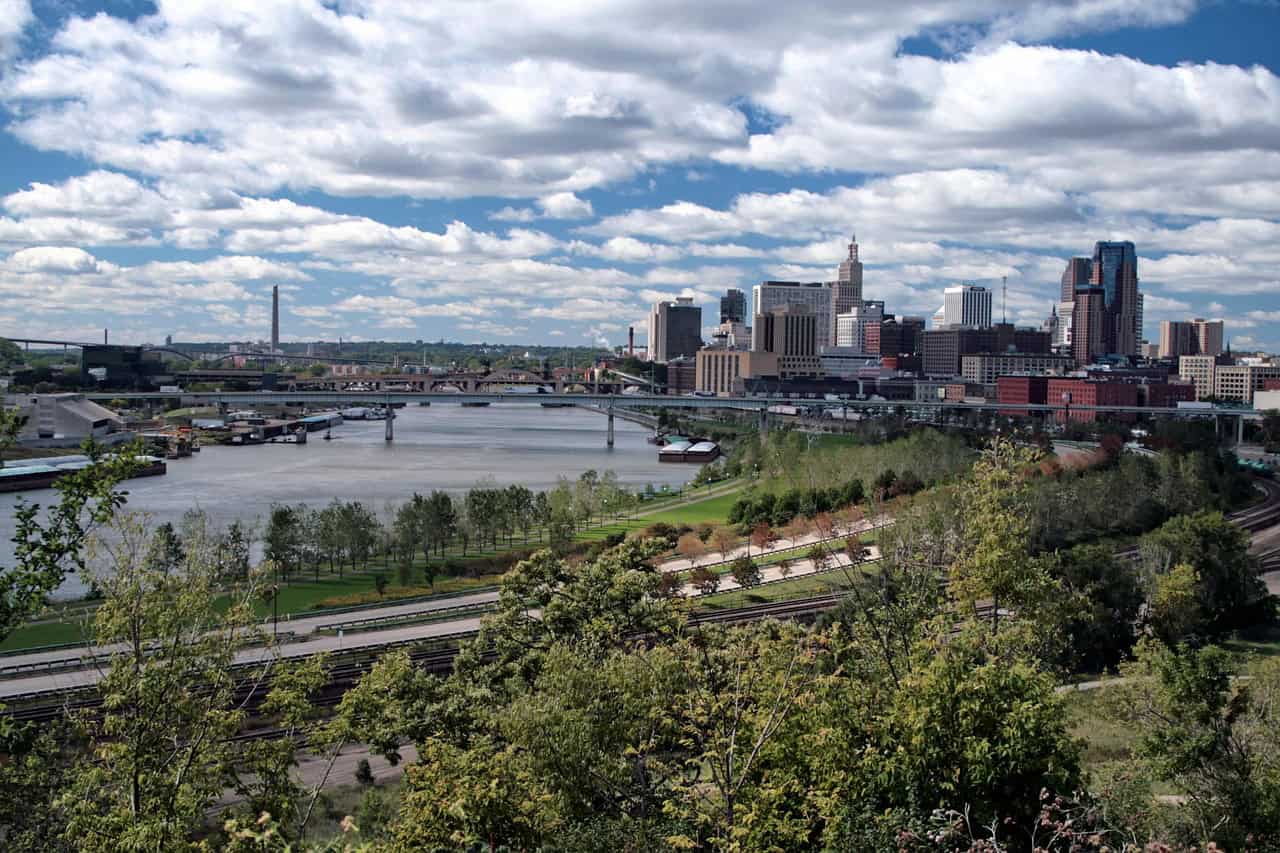
Minneapolis consistently ranks among the greenest U.S. cities, with nearly 98% of residents living within a 10-minute walk of a park. The city manages over 180 parks covering more than 6,800 acres. Its famous Chain of Lakes connects waterways through miles of trails and wetlands. The Mississippi River runs directly through the city, protected by a 72-mile national river corridor. With over 22 lakes inside city limits, water and trees define the urban experience.
7. Madison, Wisconsin
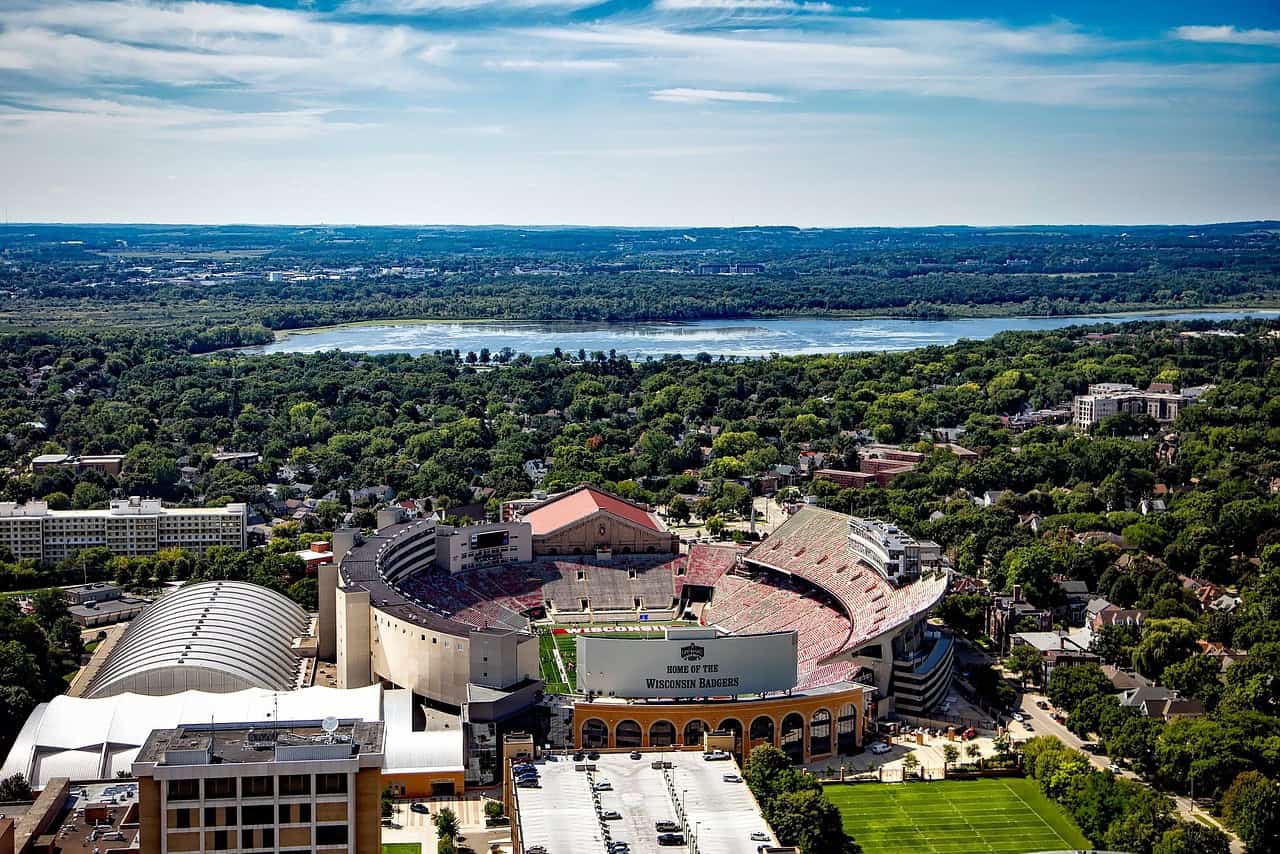
Madison is uniquely positioned between Lake Mendota and Lake Monona, with water touching nearly every part of the city. The city contains over 270 parks and open spaces, totaling roughly 6,500 acres. The University of Wisconsin Arboretum alone preserves 1,200 acres of restored prairie, wetland, and forest. Madison averages 187 sunny days per year, encouraging constant outdoor use. Bike paths and shoreline trails make it possible to move from downtown streets to quiet natural settings in minutes.
8. Eugene, Oregon
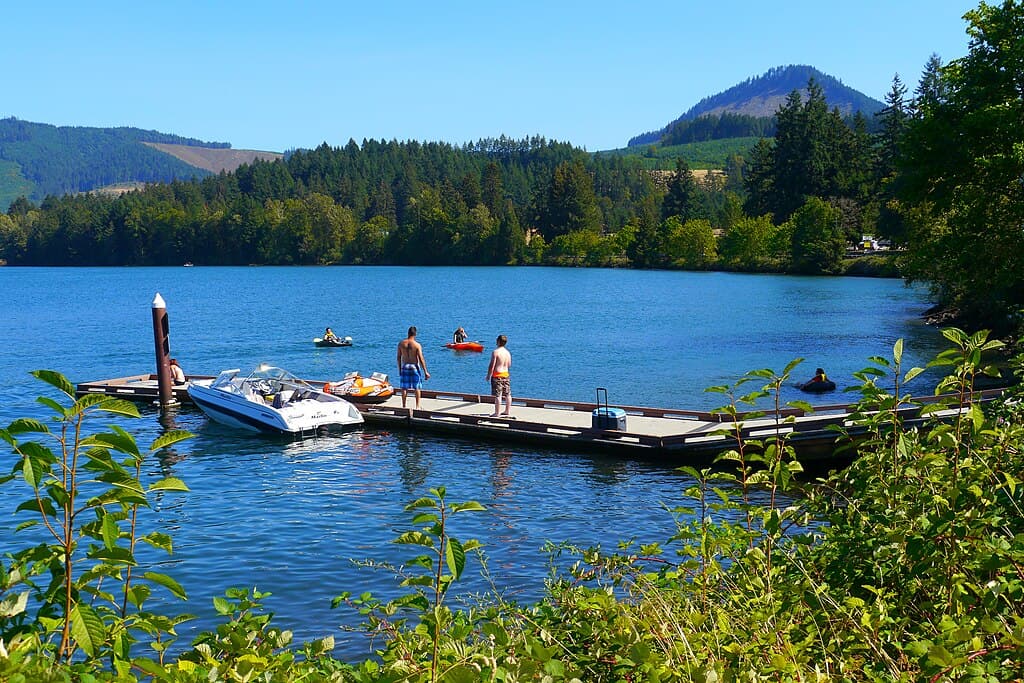
Eugene is surrounded by forested hills and intersected by the Willamette River, which flows for 187 miles through western Oregon. The city maintains over 40 miles of riverfront and urban trails connecting neighborhoods to green corridors. Approximately 30% of Eugene’s land is reserved as open space. Annual rainfall of about 47 inches keeps the environment lush year-round. Wildlife sightings, including deer and river birds, are common even near commercial areas.
9. Ithaca, New York
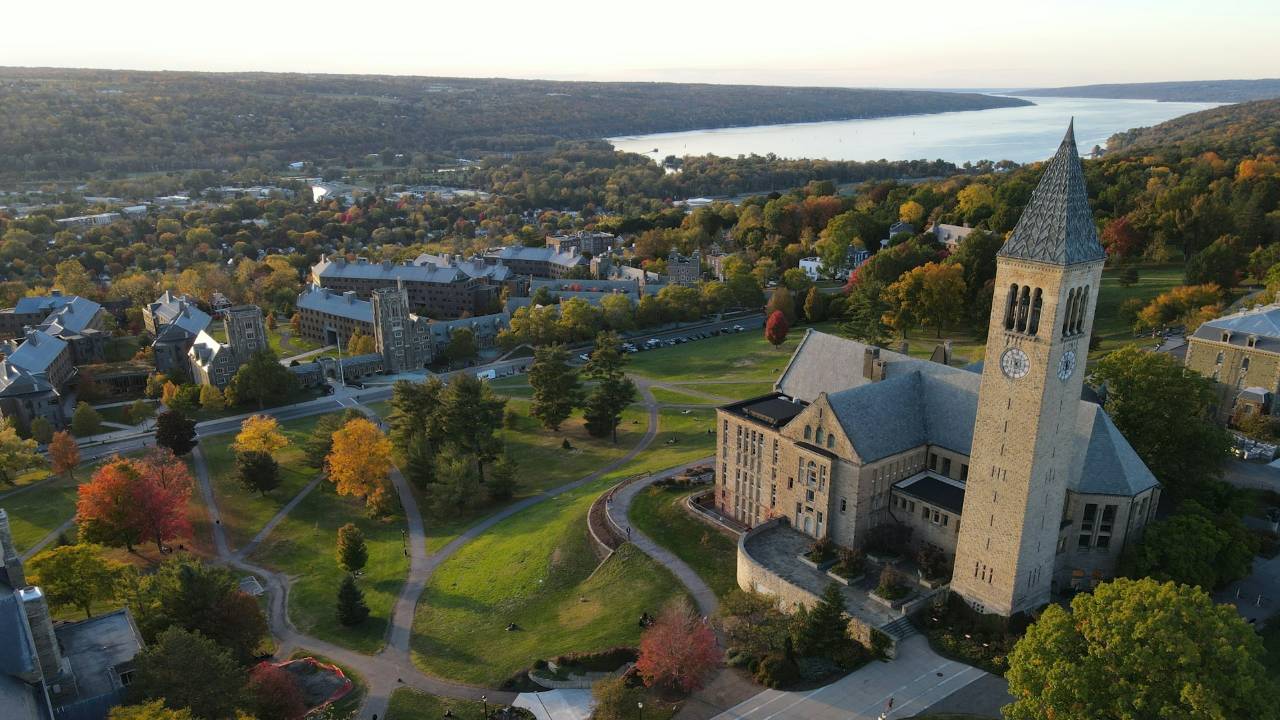
Ithaca’s defining feature is its dramatic natural terrain. Within city limits, there are over 150 waterfalls and three major gorges, including Fall Creek and Cascadilla Gorge. The city sits at the southern tip of Cayuga Lake, one of the 11 Finger Lakes. Ithaca protects more than 1,000 acres of parkland locally, while surrounding forests expand that experience. Steep cliffs, stone trails, and constant flowing water make nature impossible to ignore here.