We may earn money or products from the companies mentioned in this post. This means if you click on the link and purchase the item, I will receive a small commission at no extra cost to you ... you're just helping re-supply our family's travel fund.

Crossing from the United States into Canada, and back again, often feels like a simple bridge between familiar places. But small assumptions can turn a smooth road trip into a parking-lot unpack, a missed reservation, or an hour lost to forms and fine print. Most stumbles are not dramatic. They are quiet oversights: a document left at home, a snack not mentioned, a rule that works differently on the other side. With the right habits, the border becomes what travelers hope it will be: quick, clear, and almost forgettable.
Showing Up With The Wrong ID

At the land border, some Americans still arrive with an expired passport or only a standard driver’s license, assuming a friendly neighbor border will bend. Canada generally expects a valid U.S. passport for entry, while documents like a passport card, NEXUS card, or certain enhanced driver’s licenses may be accepted in specific situations, especially at land and marine crossings. The surprise usually hits at the booth, when a simple weekend plan turns into a secondary referral, long holds, or a turn-around, because proof of citizenship and identity must be produced on demand, not explained away. Plans can unravel before coffee is poured out.
Skipping Consent Paperwork For Minors

Families sometimes underestimate how closely officers watch for missing children and custody disputes, especially when a child crosses with only one parent, a grandparent, or a team coach. Canada strongly recommends a consent letter from the non-accompanying parent or legal guardian, and official guidance notes a minor may be refused entry if an officer is not convinced the trip is authorized. Even on an easy day, having the letter, contact numbers, travel dates, and supporting copies prevents awkward pauses, avoids delays, and keeps the conversation focused on the visit, not suspicion. It matters on solo-parent trips and school breaks alike.
Packing Cannabis Or CBD

Legal cannabis on either side of the border tricks travelers into thinking small amounts are harmless, especially when it comes from a licensed store and looks like any other wellness product. Canada’s border guidance is blunt: taking cannabis across the border remains illegal, whether entering or leaving, and the same warning applies to products containing CBD, including edibles, vapes, oils, and creams. A forgotten cartridge in a jacket pocket can transform a routine crossing into a serious enforcement moment, because local legality does not travel, and officers treat discovery as a border issue, not a lifestyle choice. Leave it behind now.
Bringing Firearms Or Ammunition Unannounced
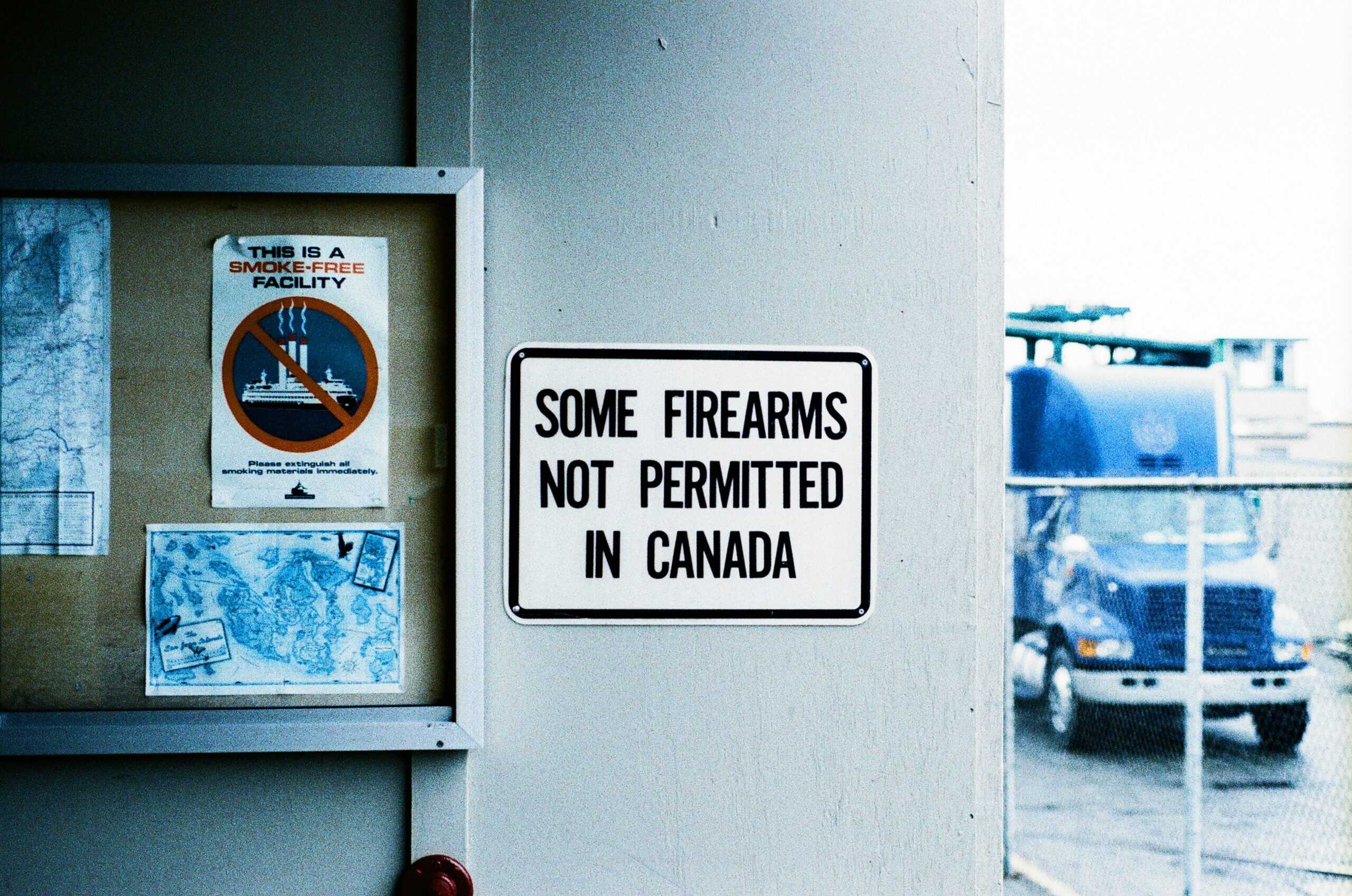
Some drivers treat Canada like another state and forget that its firearms rules start from a different baseline with stricter definitions for what is allowed, and how it must be transported. CBSA and the RCMP require non-residents to declare firearms, ammunition, magazines, and certain parts at the port of entry, complete the Non-Resident Firearm Declaration, and pay a fee before the items can be lawfully brought in. A glove-box magazine or a rifle left in the trunk “just in case” often triggers secondary inspection, and the trip can end before the first hotel check-in, even when the traveler insists it was never meant for use, even unloaded.
Failing To Declare Food, Plants, Or Animal Products
A cooler of snacks, a bag of fruit, or a pet’s treats can feel too ordinary to mention, which is exactly why it becomes a common border mistake during road trips and weekend runs. CBSA requires travelers to declare all food, plant, and animal products, including pets, and warns that failing to declare can lead to seizures and monetary penalties that can reach $1,300, regardless of the item’s value. The smoothest crossings follow one habit: disclose first, let officers decide what is allowed, and keep the inspection from turning into a drawn-out unpacking session, with groceries spread across the pavement. especially holiday-weekend crossings.
Assuming Alcohol, Tobacco, And Vapes Don’t Count

Souvenir bottles and duty-free cartons are easy to forget because they are packed as gifts, not treated as “goods,” and they often sit out of sight under luggage. Canada’s customs guidance is clear that alcohol, tobacco, and vaping products must be declared, and undeclared items can be seized permanently at the border, even when the quantity seems modest. Because allowances vary by trip length and quantity, the least stressful approach is simple: state what is in the bag, keep receipts handy, and let the officer apply the limits without haggling, jokes, or half-answers. That keeps gifts, bottles, and cartons from being treated as concealment.
Using NEXUS Lanes With Non-Members

A NEXUS card feels like a golden ticket, so families sometimes drift into the fast lane with a friend, a visiting grandparent, or a child who never enrolled, assuming membership is only for the driver. CBSA’s NEXUS rules state that everyone in the vehicle must be a member and carry a card to use dedicated NEXUS lanes and procedures, regardless of age, even infants and teens. The mistake often ends with a pull-over and inspection, and it can jeopardize trusted-traveler status later, since program terms can be re-assessed after a violation is recorded in the system. It can trigger membership review, since violations can cost NEXUS status later.
Carrying $10,000+ Without Declaring It

A vacation bankroll, casino winnings, or cash for a used car can add up quietly, especially when spread across bags and wallets, or divided among family members to feel smaller. CBSA states there is no ban on carrying CAN$10,000 or more into or out of Canada, but the total must be declared, and the rule also covers monetary instruments like checks, money orders, and bank drafts. When it is not reported, officers can seize the funds and impose penalties, and a friendly border suddenly feels like a paperwork trap with real consequences that linger long after the booth. The declaration can be simple but it must be made before leaving inspection.
Not Declaring Controlled Prescriptions

Medicine feels personal, so travelers sometimes tuck controlled prescriptions into a toiletry kit and hope the topic never comes up, especially when the label reveals an opioid, stimulant, or sedative. Canada’s travel guidance says prescription medication containing controlled substances must be declared to CBSA, and Health Canada notes the same requirements apply when entering or leaving the country, even for short visits. Carrying a reasonable supply in original packaging, with labels intact, and documentation available, keeps a legitimate health need from being treated like a customs surprise, and reduces the chance of a longer inspection.