We may earn money or products from the companies mentioned in this post. This means if you click on the link and purchase the item, I will receive a small commission at no extra cost to you ... you're just helping re-supply our family's travel fund.
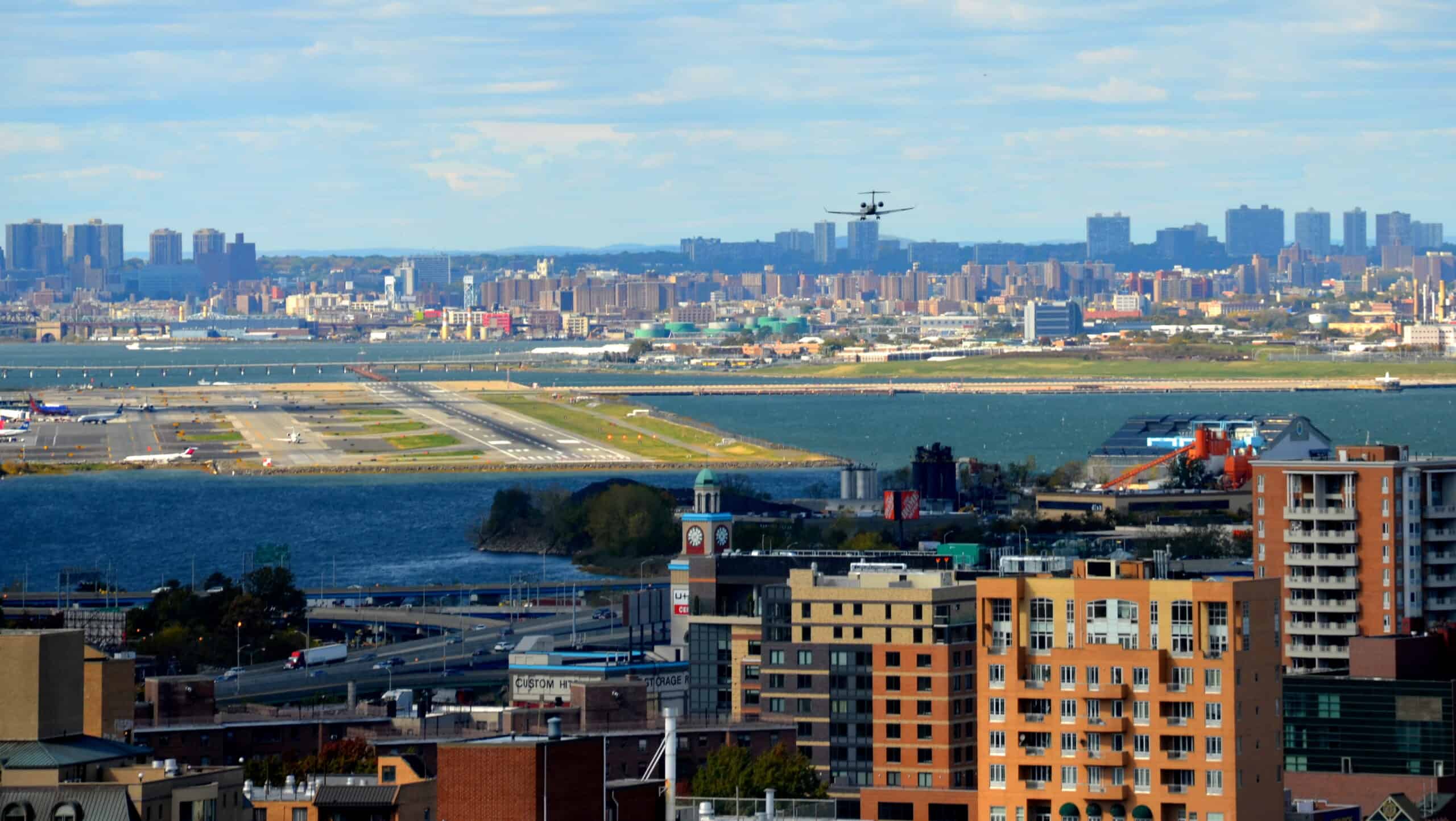
From the cabin, some airports feel like attractions in their own right, with runway views of skyscrapers, mountains, or glittering neon. For pilots, the same airports often mean short pavement, odd approach paths, swirling winds, and crowded airspace that leave very little room for error. These fields are not unsafe, but they ask more of the crew than a typical hub. Many travelers rank them as favorites, while pilots walk away from them with a calmer heartbeat only once the brakes are set.
San Diego International Airport, California
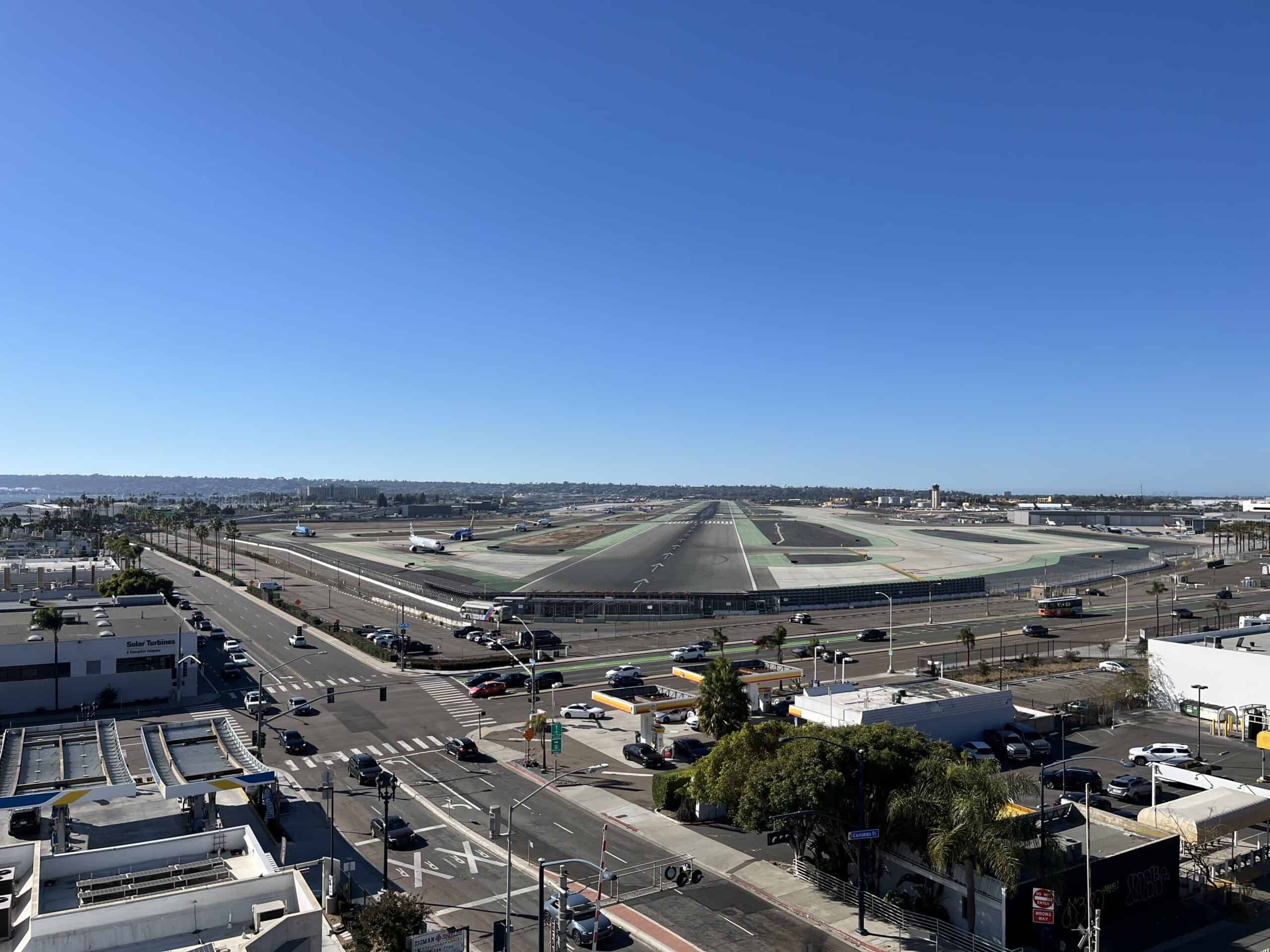
San Diego rewards travelers with harbor views, sunshine, and a short ride to downtown, which makes the airport feel easy and friendly. Pilots see a different picture: a single relatively short runway, rising terrain near the approach path, and shifting coastal winds that can nudge the aircraft late on final. Add busy Southern California skies and tight real estate around the field, and every arrival demands firm focus on speed, descent rate, and touchdown point. It looks relaxed outside, but inside the cockpit the workload is real.
Washington Reagan National Airport, District Of Columbia
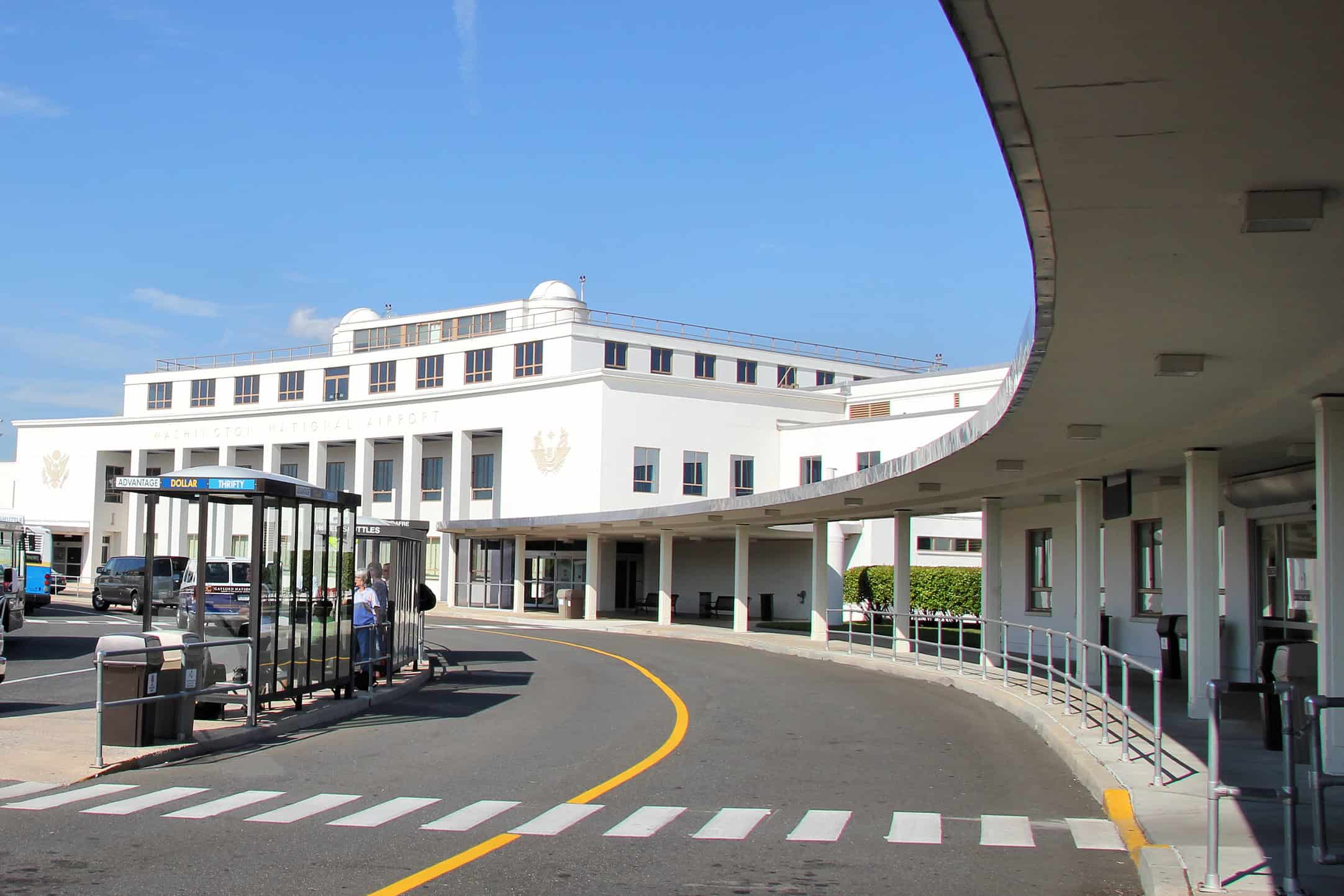
Reagan National offers a postcard approach along the Potomac, with landmarks lined up outside one side of the cabin. Inside the flight deck, crews thread a narrow corridor of restricted and prohibited airspace that punishes even small deviations. The river visual demands careful turns while staying inside noise and security boundaries, all in crowded East Coast traffic. Departures and arrivals both require strict adherence to headings and altitudes. Pilots accept DCA as necessary, but few are thrilled when thunderstorms or gusty winds complicate an already unforgiving environment.
New York LaGuardia Airport, New York
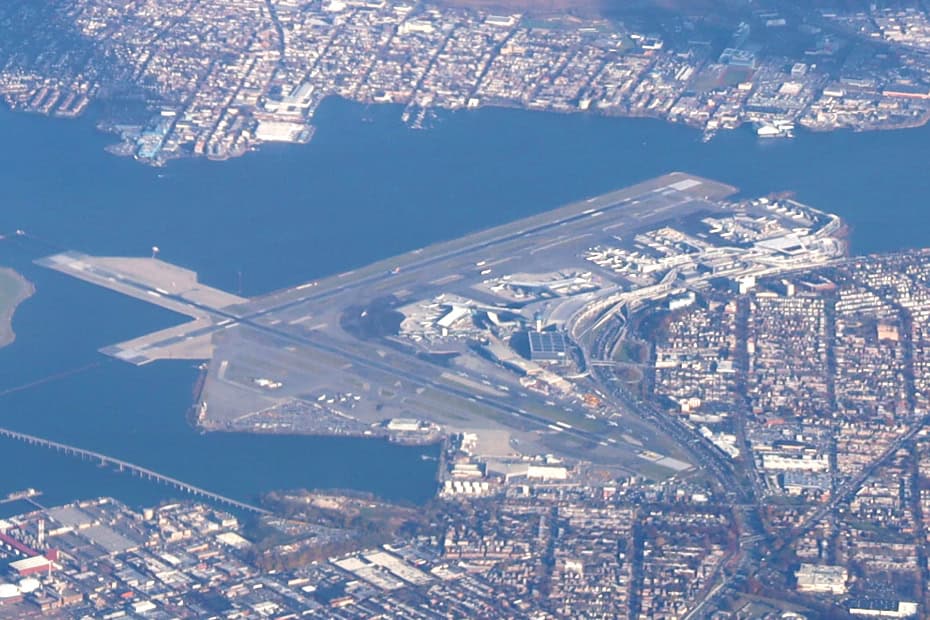
LaGuardia charms travelers with short rides to Manhattan and bright, modern terminals that finally match big city expectations. The runways, though, remain relatively short, bordered by water and dense neighborhoods that leave little space for misjudged landings. Wet pavement, winter slush, and gusty crosswinds turn those margins even thinner, forcing crews to commit to firm, precise touchdowns and disciplined braking. Go-arounds and rejected takeoffs are serious decisions here, not drill scenarios. Pilots appreciate the access but know that physics, not design teams, still define the real challenge.
Chicago Midway International Airport, Illinois
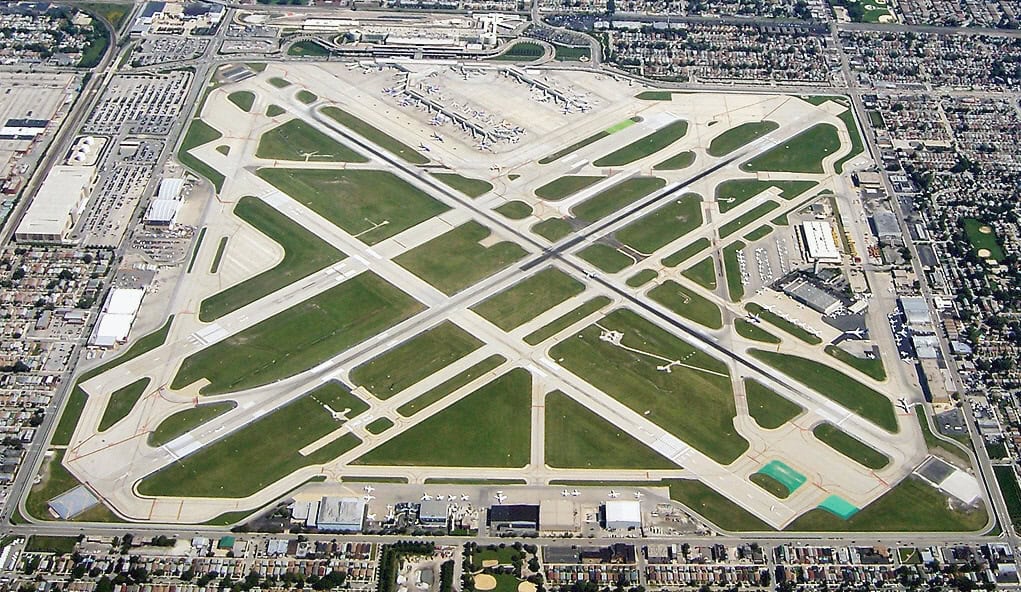
Midway feels like an old neighborhood airport that just grew busier, set squarely inside Chicago’s grid with houses and streets close to the fence. For pilots, that compact footprint means short runways, intersecting traffic, and no empty buffer beyond the pavement. History has already shown what happens when braking or directional control falters on a slick day. Every approach brings a mental reminder to put the aircraft down on speed and on point, without floating. It is a place where precision matters more than style on landing.
San Francisco International Airport, California

San Francisco wins travelers over with food, lounges, and bay views, but pilots think first about those closely spaced parallel runways and the fog that loves the shoreline. In clear conditions, simultaneous approaches with another jet visible off the wingtip are routine. When marine layers move in, capacity drops because the spacing is not generous enough for low-visibility independent arrivals. Crosswinds, wake turbulence, and complex procedures across intersecting paths add layers of attention. SFO functions well, but it never feels like an airport that forgives sloppy flying.
Harry Reid International Airport, Las Vegas, Nevada

Las Vegas promises spectacle, and the approach over the Strip delivers it, yet behind the scenes the desert environment punishes aircraft and crews. Summer heat raises density altitude, stretching takeoff distances and trimming performance margins during busy afternoon departures. Strong winds and mechanical turbulence from nearby terrain can turn final approach into a bumpy, high-workload segment, especially when storms build over the valley. Pilots also juggle heavy traffic and rapid turnarounds. The city might sell non-stop fun, but its airport keeps everyone humble with physics and weather.
Denver International Airport, Colorado
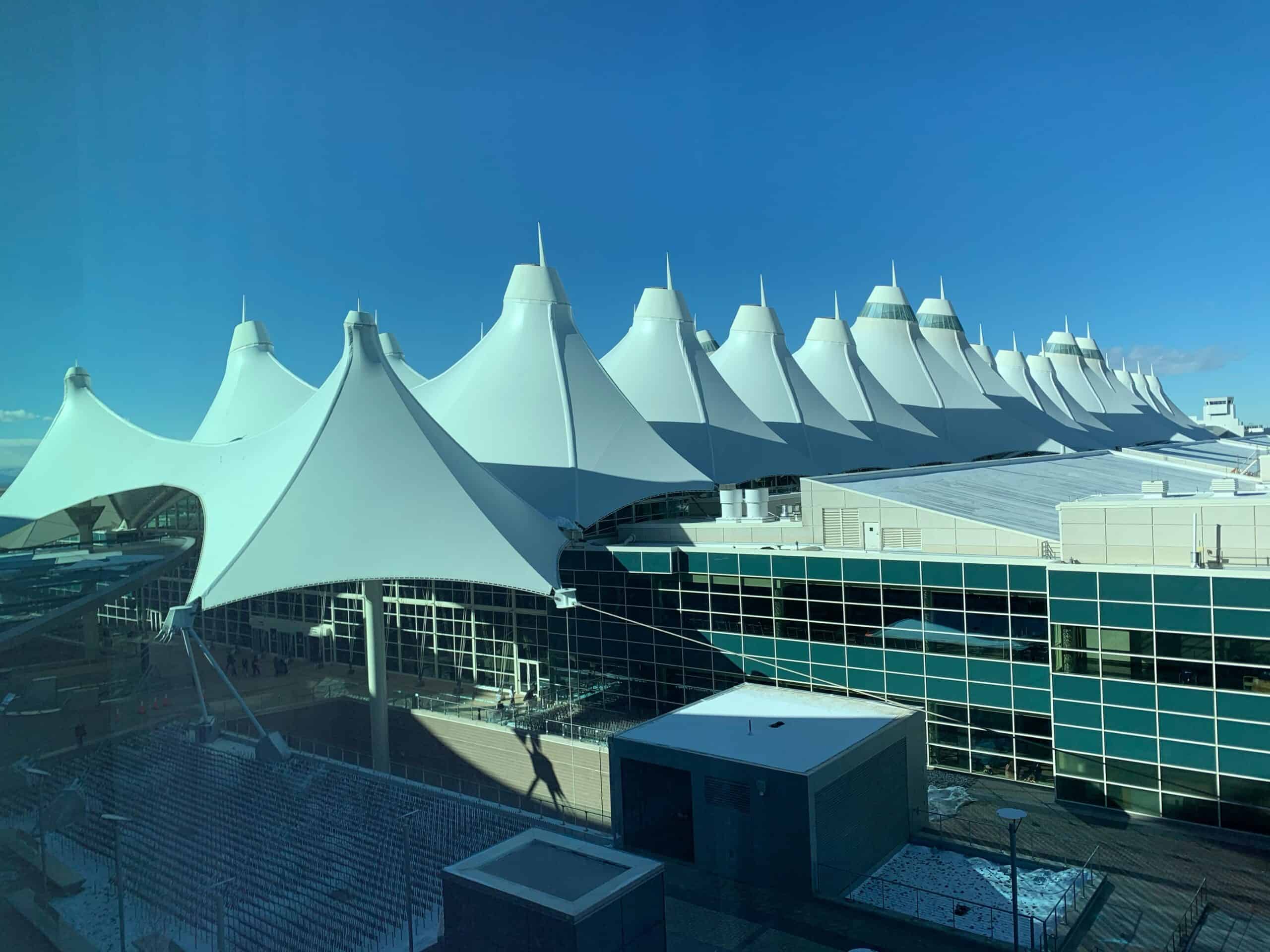
Denver’s tented terminal feels airy and open, while the air outside is anything but gentle. Sitting more than a mile above sea level, the airport forces aircraft to use longer distances for takeoff and landing, especially on hot days when density altitude climbs. Strong crosswinds sweep across the plains, and fast-building thunderstorms routinely bring wind shear alerts and diversions. Crews must plan fuel, weight, and contingencies carefully. The long runways help, but Denver still ranks as a field where the weather briefing can make or break the flight.
Juneau International Airport, Alaska
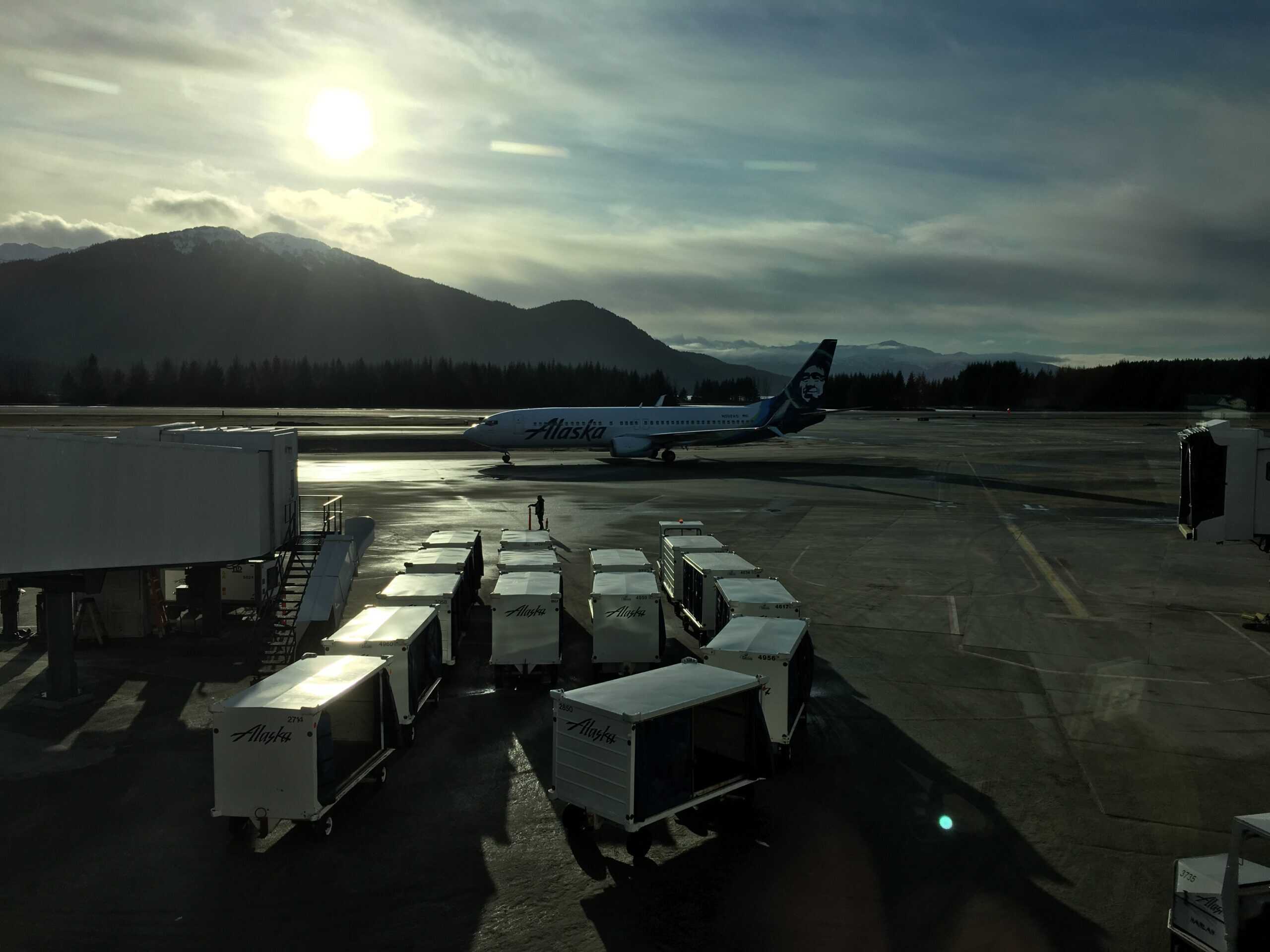
Juneau feels like a gateway between sea, mountains, and glaciers, with scenery that passengers remember for years. Pilots, however, deal with a narrow runway boxed in by water and steep terrain that twists winds in unpredictable ways. Low ceilings, frequent rain, and rapidly changing conditions combine with limited instrument procedures to raise the stakes on every approach. Turbulence and wind shear are common, not rare events. Flying into Juneau is a skill that must be kept current, and many crews view a smooth arrival here as a genuine accomplishment.
Eagle County Regional Airport, Colorado
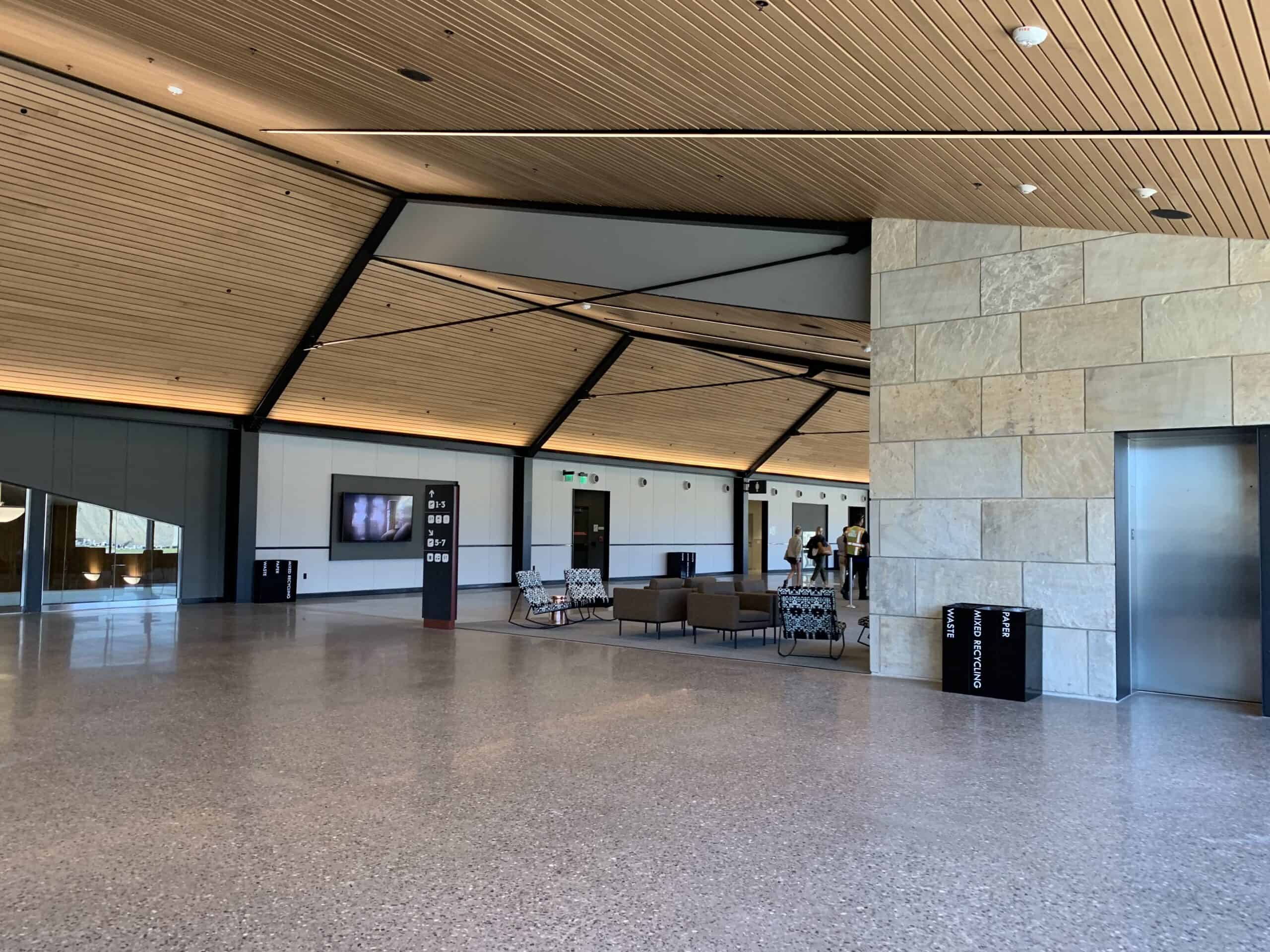
Eagle County serves upscale ski resorts, so many travelers remember it as the first glimpse of fresh powder and alpine hotels. For pilots, this is a high-elevation airport embedded in mountainous terrain that dictates very specific departure and arrival paths. Winter brings snow, ice, and shifting valley winds that can push aircraft around close to the ground. Many airlines require special training, briefings, or captain-only procedures for operations here. Even on clear days, crews treat Eagle as a place that rewards discipline and punishes shortcuts.