We may earn money or products from the companies mentioned in this post. This means if you click on the link and purchase the item, I will receive a small commission at no extra cost to you ... you're just helping re-supply our family's travel fund.
A trip can look perfectly planned until the first flight slips and the schedule loses its balance. Delays are not just annoying. They erase connection windows, shrink rental-car pickups, and turn a calm arrival into a late-night scramble. To keep the picture grounded, the rankings below lean on U.S. on-time arrival reporting, which counts a flight as on time when it arrives within 15 minutes of schedule, plus recent consumer and industry delay summaries. Patterns do not predict every day, but they do explain why some itineraries fray faster than others.
PSA Airlines
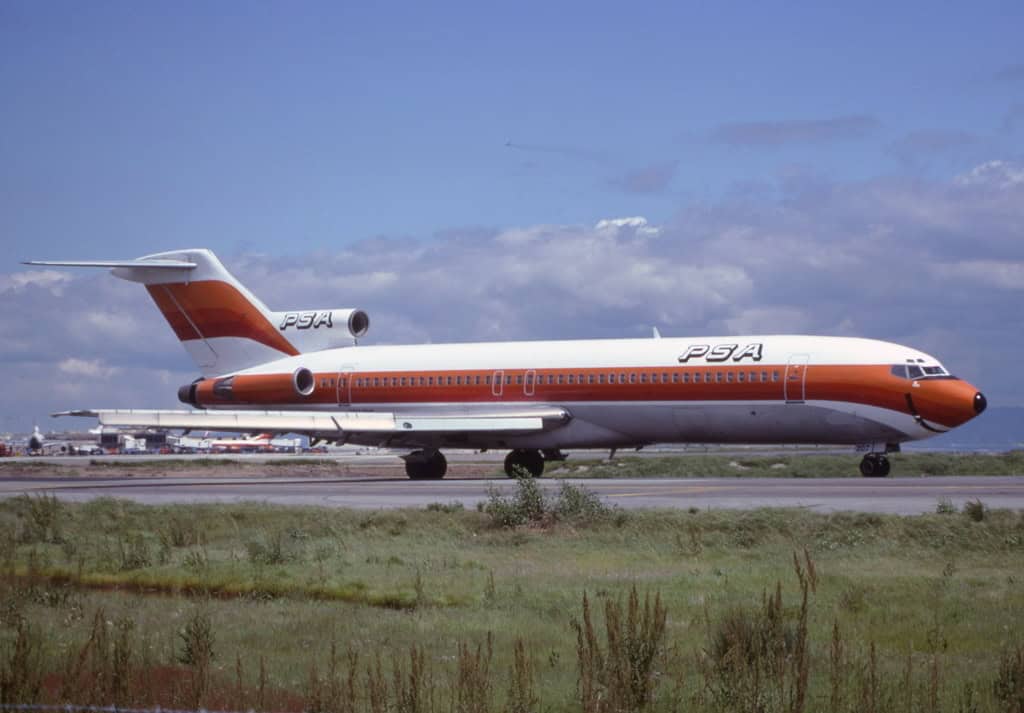
PSA flies regional legs that often look like a big-airline itinerary, which hides the risk until the gate screen starts blinking. In the first half of 2025, BTS data put PSA at the bottom of the on-time table, with 65.7% of arrivals within 15 minutes. When that first hop slips, the trip pays for it twice: missed connection banks, bags arriving later than passengers, and reroutes that add hours because the next wave is already gone. It is rarely dramatic. It is just enough delay to steal the day’s margin. It shows up at the far end as a rental counter closing or a missed last shuttle. That kind of quiet delay is brutal on tight same-day plans.
Frontier Airlines
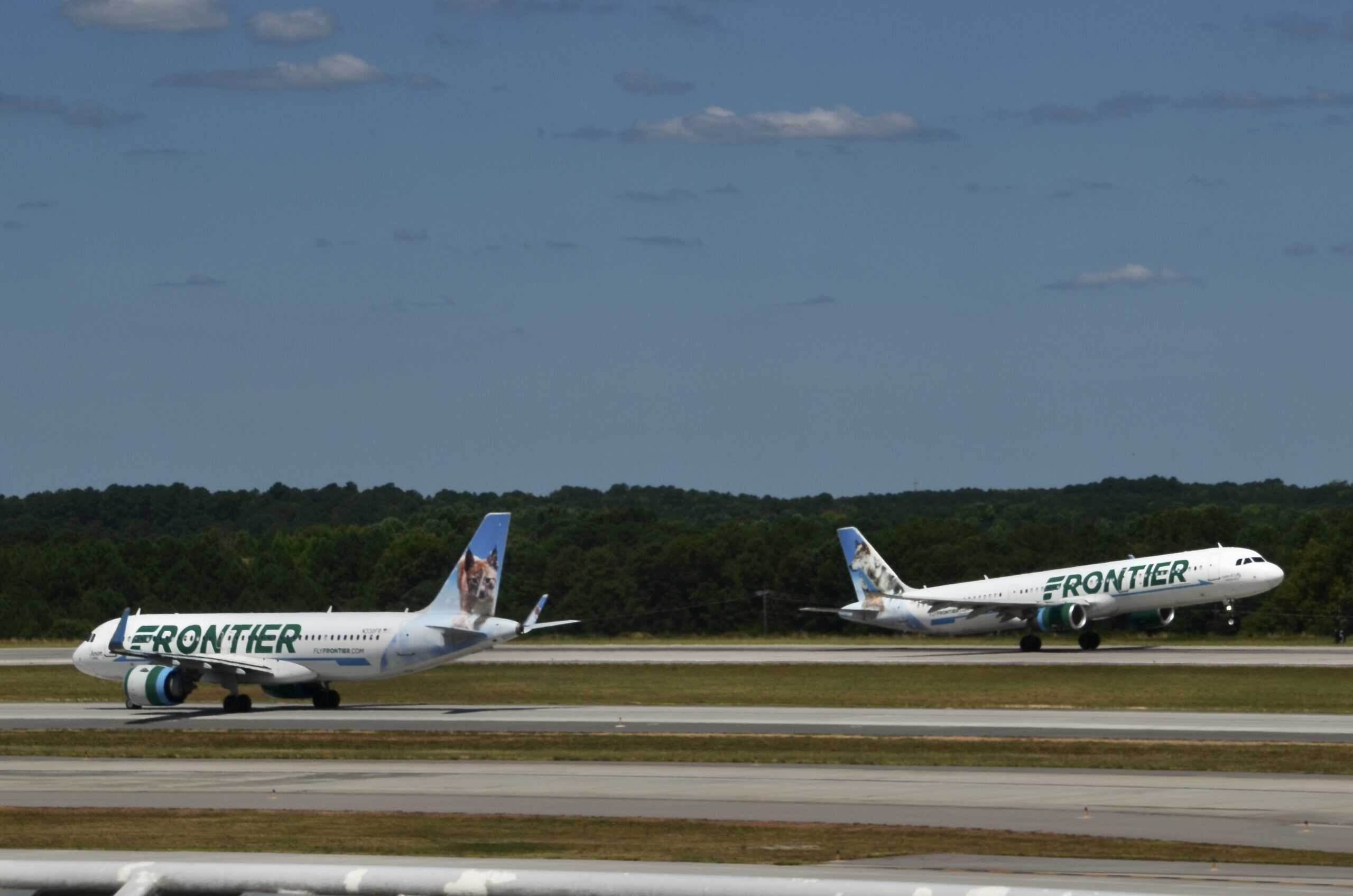
Frontier runs a tight operation, which helps fares but leaves little cushion when storms, gate holds, or ATC flow programs slow the line. Early 2025 BTS data showed Frontier at 70.0% on-time, and DOT’s May 2025 report ranked it last among major carriers at 68.6% within 15 minutes. Flighty’s 2025 analysis echoed the pattern, calling Frontier the most delayed U.S. airline, with 28% of flights 15+ minutes late. That rate turns connections, hotel check-ins, and prepaid pickups into fragile plans. It is not always chaos, but the odds favor building extra slack, especially on the last flight of the night or any itinerary with a short connection.
Air Wisconsin
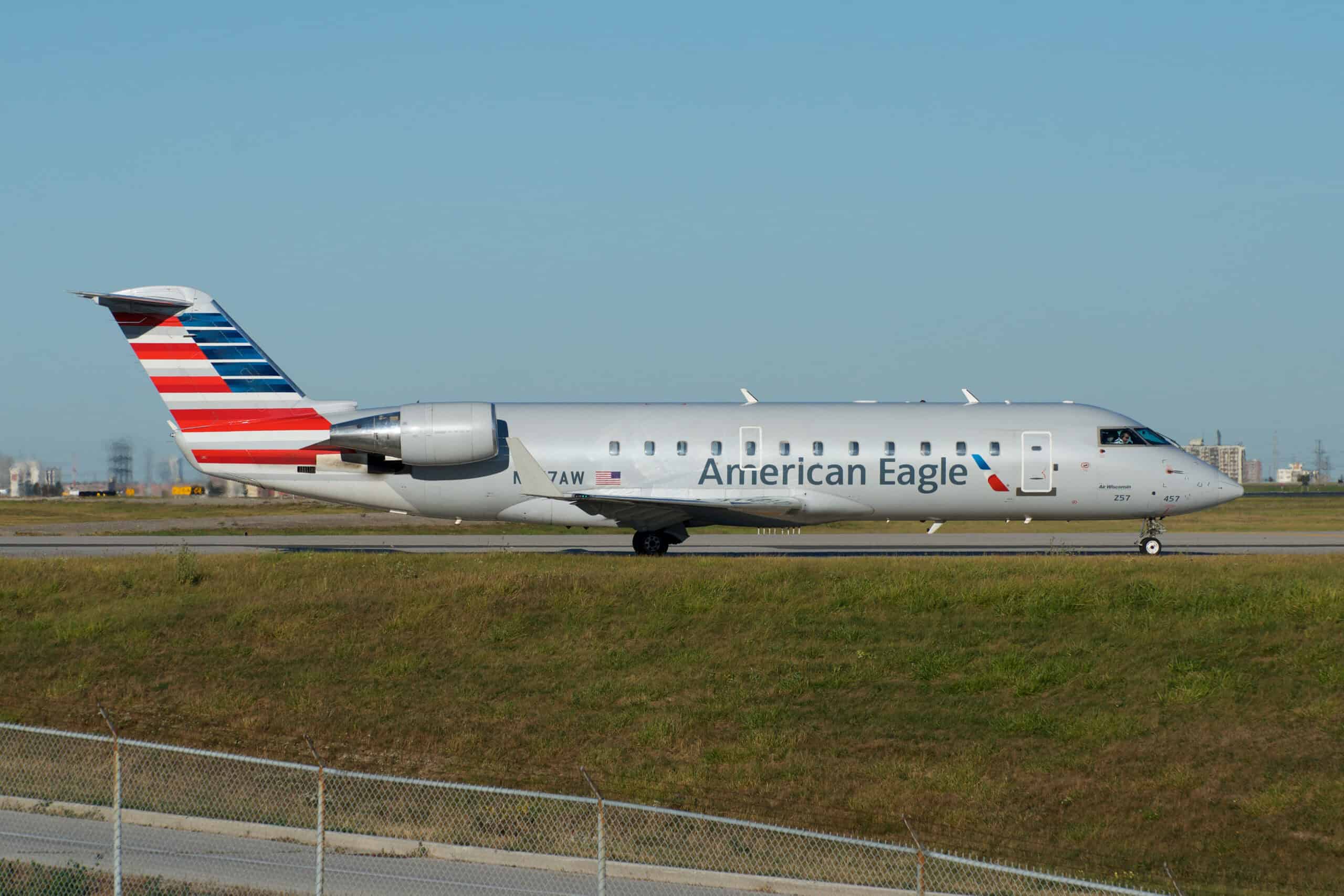
Air Wisconsin operates regional service that feeds hub schedules, so a delay on a short leg can punch above its weight. In the first half of 2025, BTS data listed a 71.3% on-time arrival rate, leaving many flights outside the 15-minute window. The practical issue is choice: on smaller routes there may be one later flight, or none, so a late arrival can trigger standby lists, involuntary reroutes, and long waits at a hub hotel. It is the kind of disruption that starts as minutes and ends as a lost day. The stress comes from uncertainty, because each update buys time and then takes it back. On small routes, the next seat may already be gone.
United Express
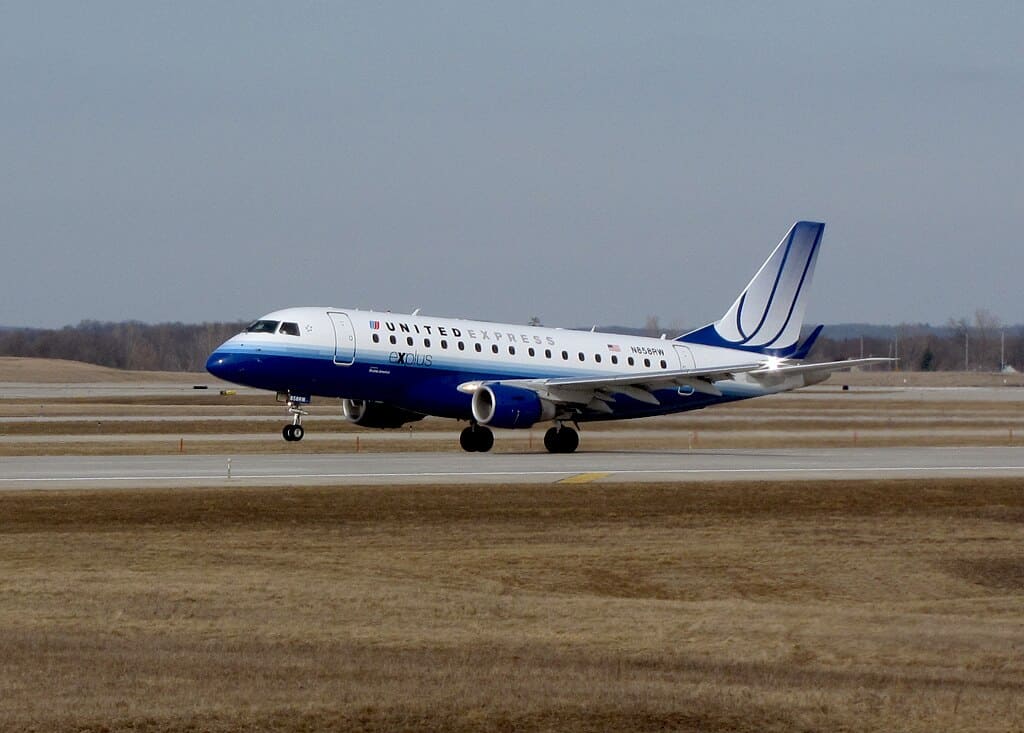
United Express is a brand label for regional partners, many operating into crowded hubs where gates, taxi lines, and traffic programs decide the pace. BTS data for the first half of 2025 put United Express at 72.5% on-time. When an inbound misses its slot, the aircraft can wait for a gate, the crew times out, or the outbound departs late with the same plane, and the same ripple. Recovery is rarely clean. The itinerary becomes smaller delays that stack until the last connection closes. One slip often becomes a longer layover, then a late-night arrival that changes the next day. At peak hubs, gate space becomes the bottleneck.
American Airlines
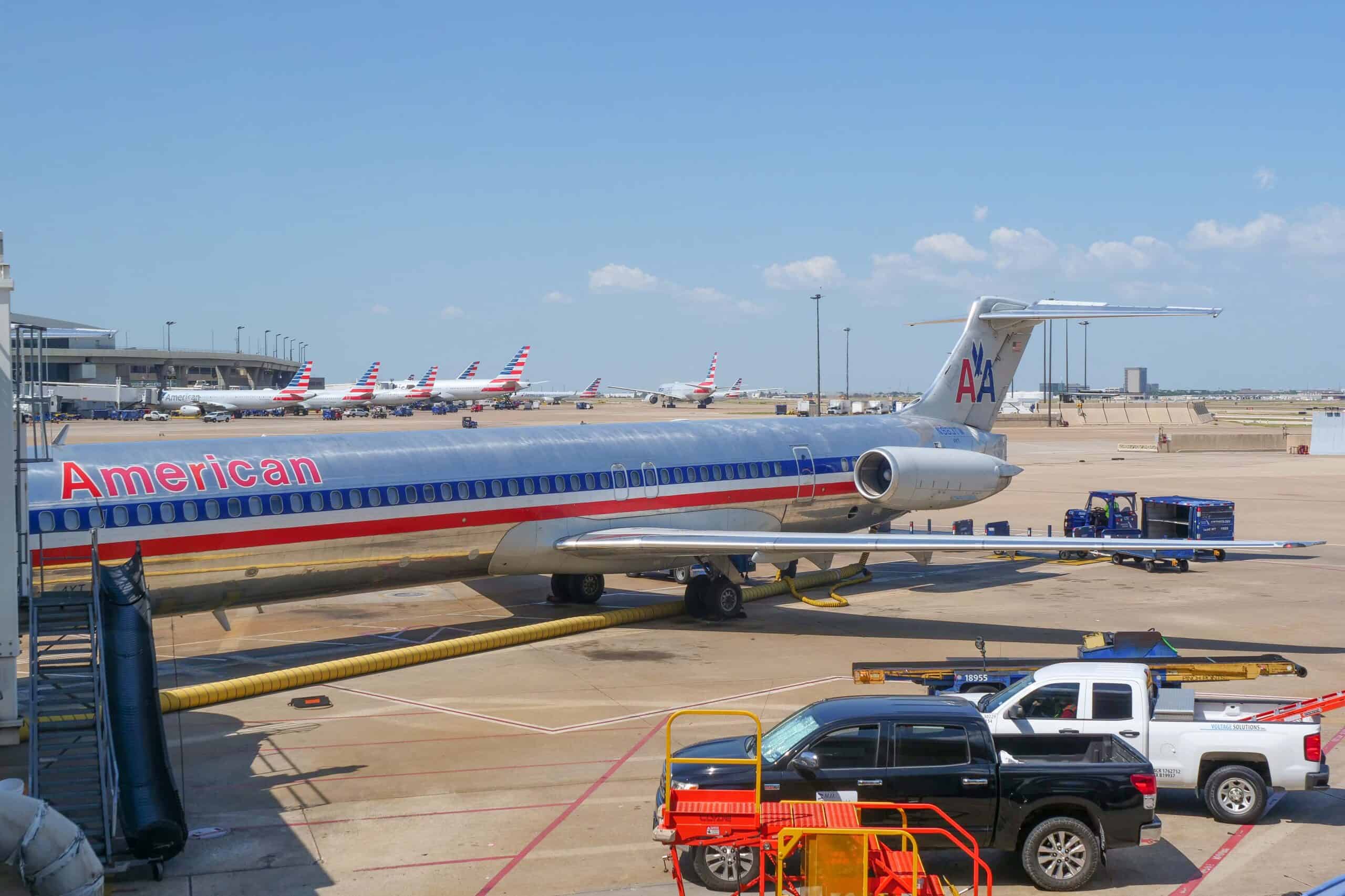
American’s network scale can absorb problems, but it can also spread them when hub weather or congestion tightens the schedule. In the first half of 2025, BTS data showed 73.6% on-time arrivals, and DOT’s May 2025 report listed 72.5%. Those percentages show up as real friction: longer rebooking lines, thinner connection margins, and itineraries pushed into late-night hours when options shrink. A single late inbound can turn a simple connection into a reroute through a different city, plus a surprise hotel night. The common outcome is not cancellation, but a late arrival that misses the one hinge connection. Buffers help on tight days.
JetBlue Airways
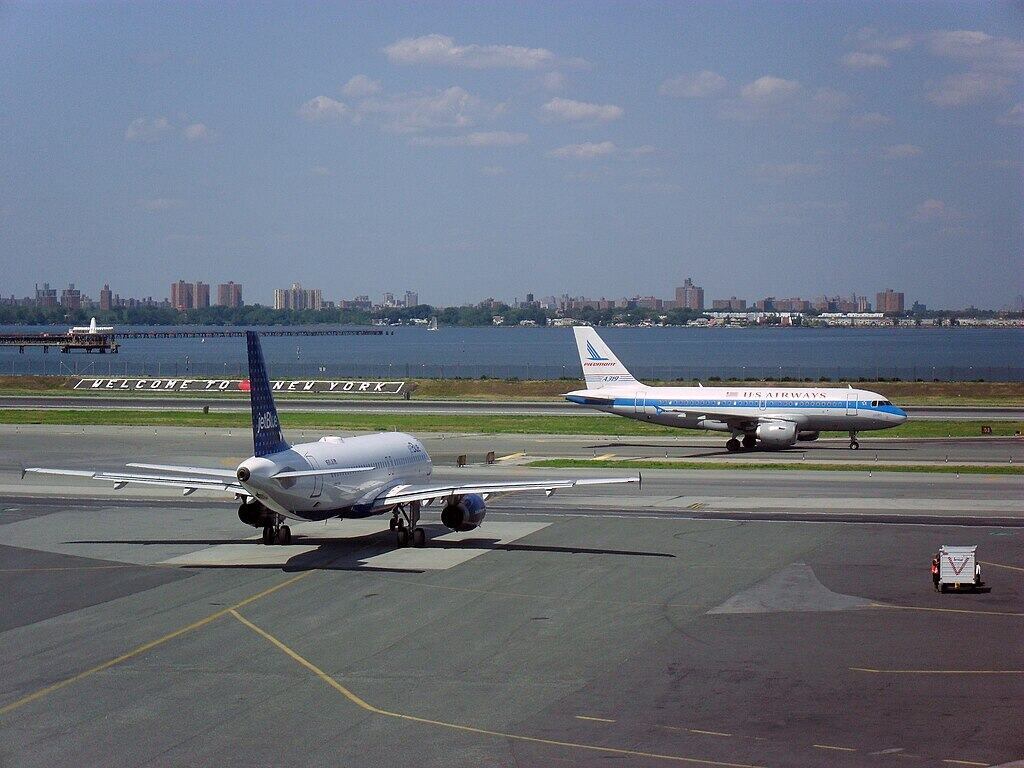
JetBlue leans heavily on the Northeast, where runway constraints and summer storms can stack delays that linger even after the sky clears. Early 2025 BTS data placed JetBlue at 74.5% on-time, and DOT’s May 2025 report showed 73.4%. Flighty’s 2025 review ranked it among the most delayed, with 25% of flights 15+ minutes late. The pain lands on timed plans: event doors, last-mile pickups, and connections that look comfortable until a departure queue at JFK or Boston eats the buffer. Even a 25-minute delay can matter when baggage claim, rideshare surge, and late check-in rules are already tight, and the day has no room left.
Allegiant Air
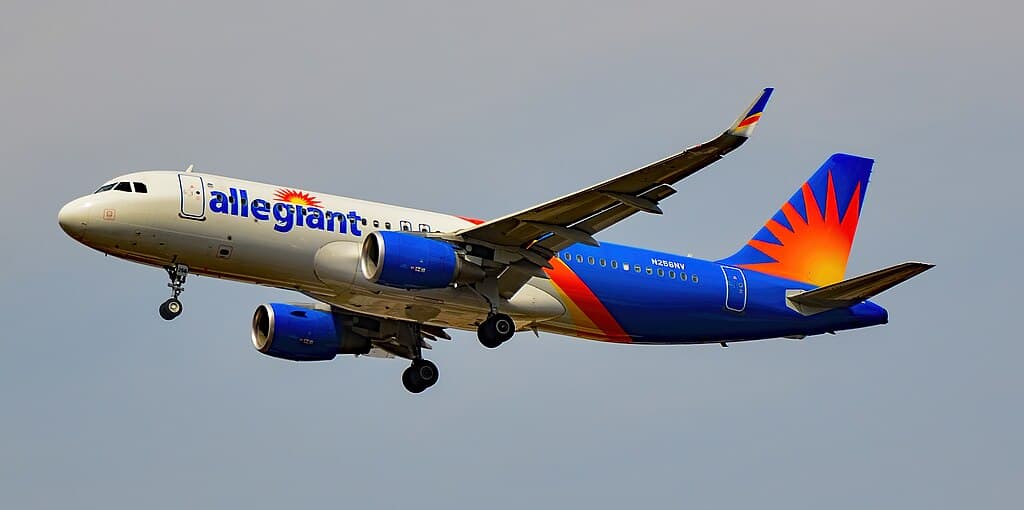
Allegiant can be convenient, but its limited daily frequencies make delays feel heavier, because there may not be another flight for hours or until tomorrow. In the first half of 2025, BTS data showed 74.8% on-time arrivals, and DOT’s May 2025 report listed 75.9%. On a high-frequency network, a slip can be patched. On a thin schedule, it becomes a missed cruise embarkation, a lost hotel night, or a last-minute drive across the state. The delay is the same. The consequences are not. That is why the same delay feels bigger on leisure routes, where hotels, tours, and car pickups are timed, and alternatives are sparse.
Endeavor Air
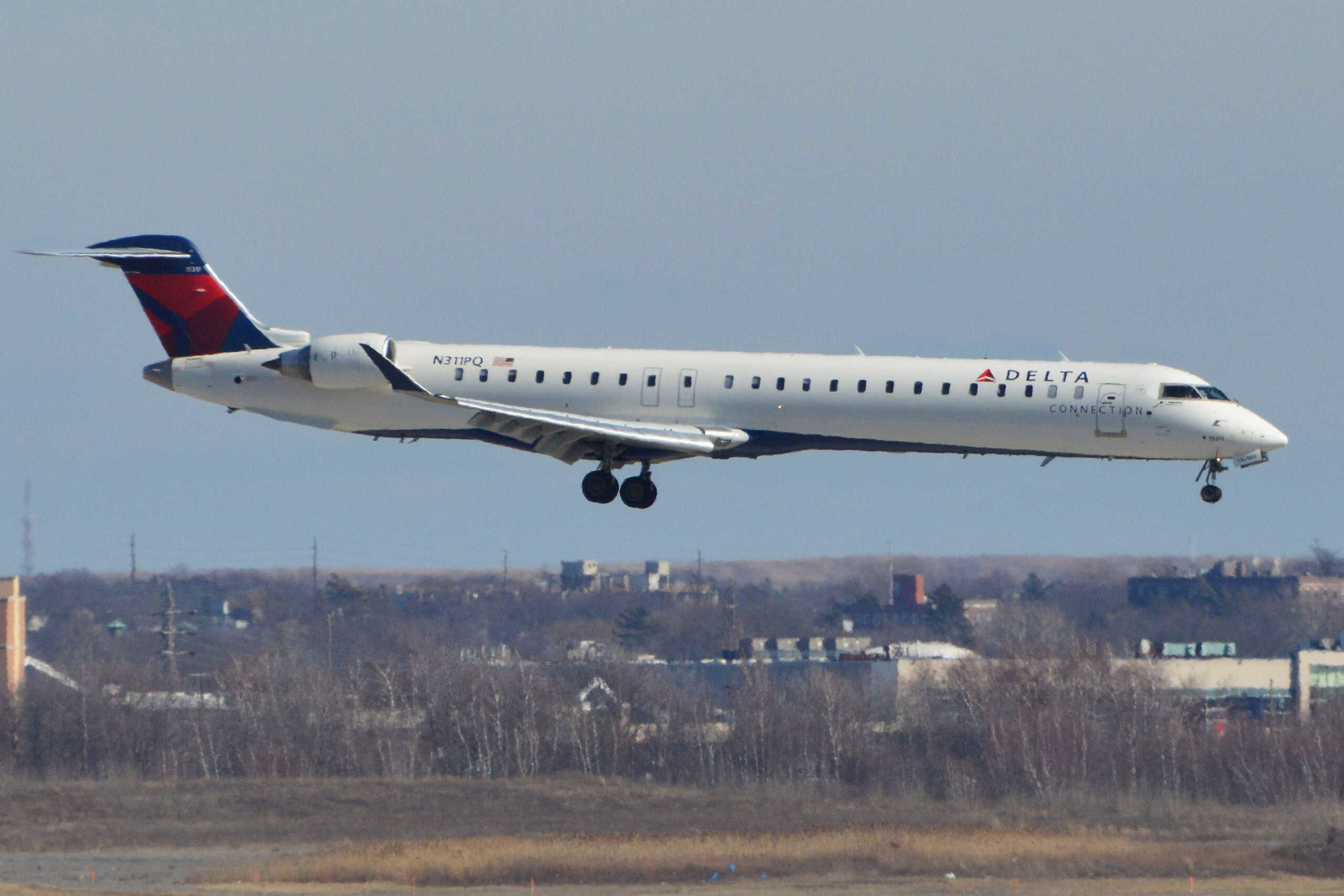
Endeavor operates many Delta Connection flights, and regional banks leave little slack when gates fill and taxi lines stretch. In the first half of 2025, BTS data showed Endeavor at 75.0% on-time. These legs often sit at the front or back of a longer itinerary, so a late regional segment can erase the mainline connection without warning. Rebooking may mean hours of waiting, a later arrival, and bags that take a different route. It starts as a short delay and ends as a rescheduled day. For trips built around a wedding, a meeting, or a cruise pier time, that regional leg deserves the same caution as the long flight that follows.
Envoy Air
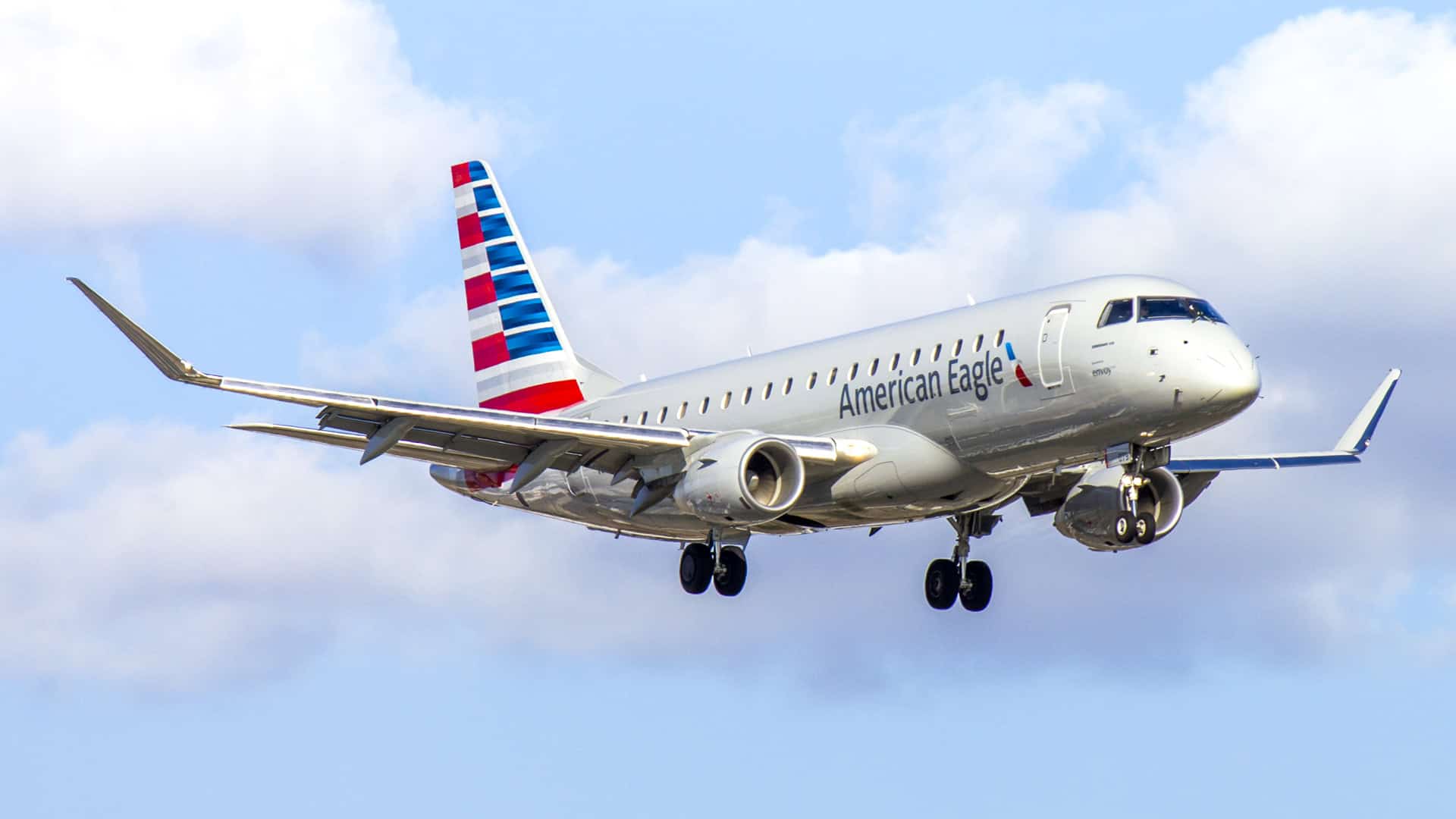
Envoy flies many American Eagle routes, and its performance can decide whether a tight connection works or collapses. BTS data for the first half of 2025 showed Envoy at 76.3% on-time, which still leaves a meaningful share of late arrivals. Because many routes serve smaller airports, the backup plan can be thin: fewer later departures, fewer open seats, and long holds for the next day’s first wave. A modest slip can become a reroute through a new hub, plus a late bag and an unexpected hotel bill. On two-leg trips, a late connector can strand passengers while the long flight departs on time. The fix often means a new hub, and a later bag.