We may earn money or products from the companies mentioned in this post. This means if you click on the link and purchase the item, I will receive a small commission at no extra cost to you ... you're just helping re-supply our family's travel fund.
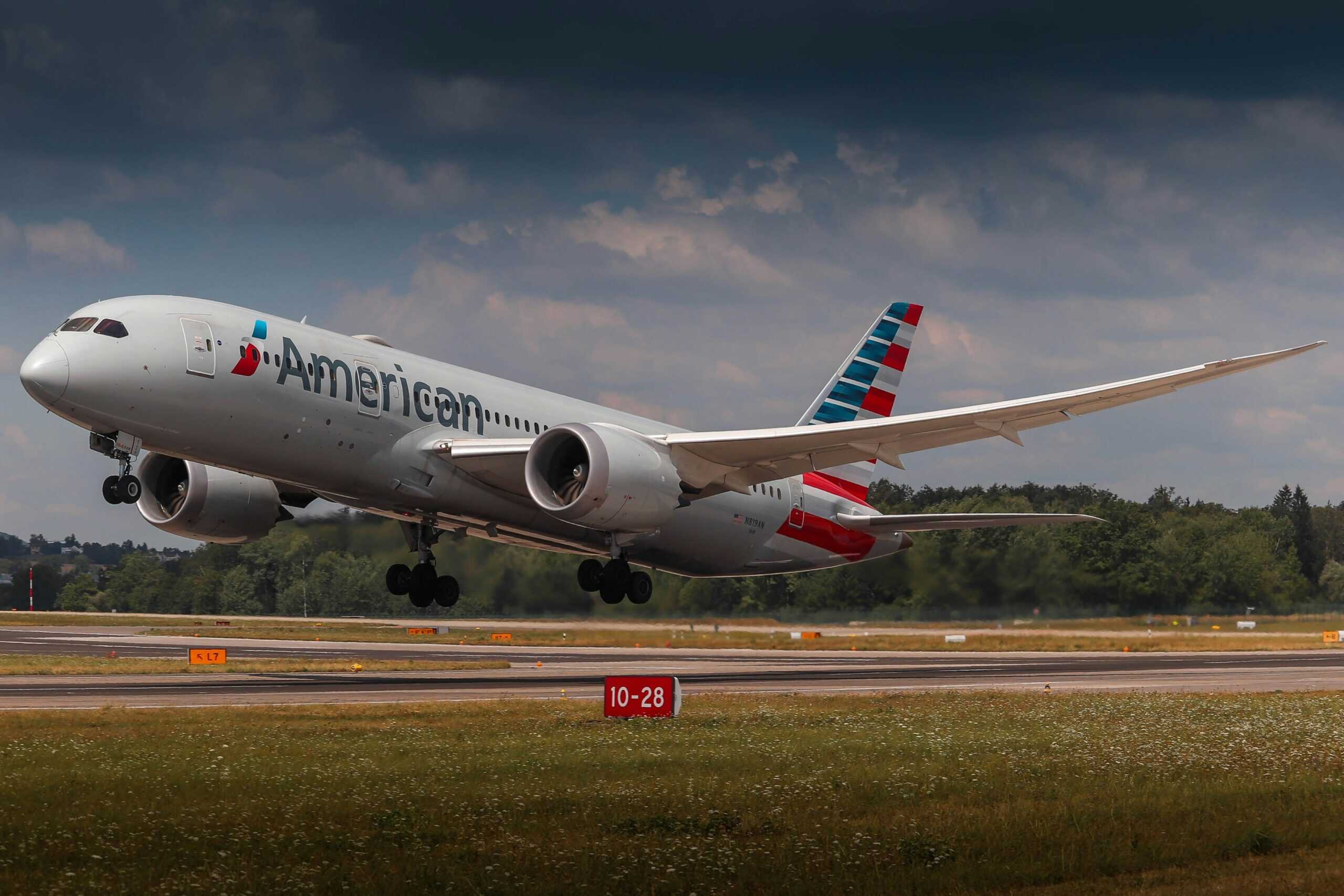
Air travel in the United States has settled into a tense rhythm where planes run full, crews work fast, and margins leave little room for flexibility. Most disputes no longer come from turbulence or delays, but from policies passengers only fully notice when enforcement begins. Rules built to manage crowds, cut costs, or speed boarding land hardest in cramped cabins and busy gate areas. In 2026, the loudest arguments tend to flare where expectations collide with fine print, and where consistency still feels elusive.
Carry-On Size Enforcement
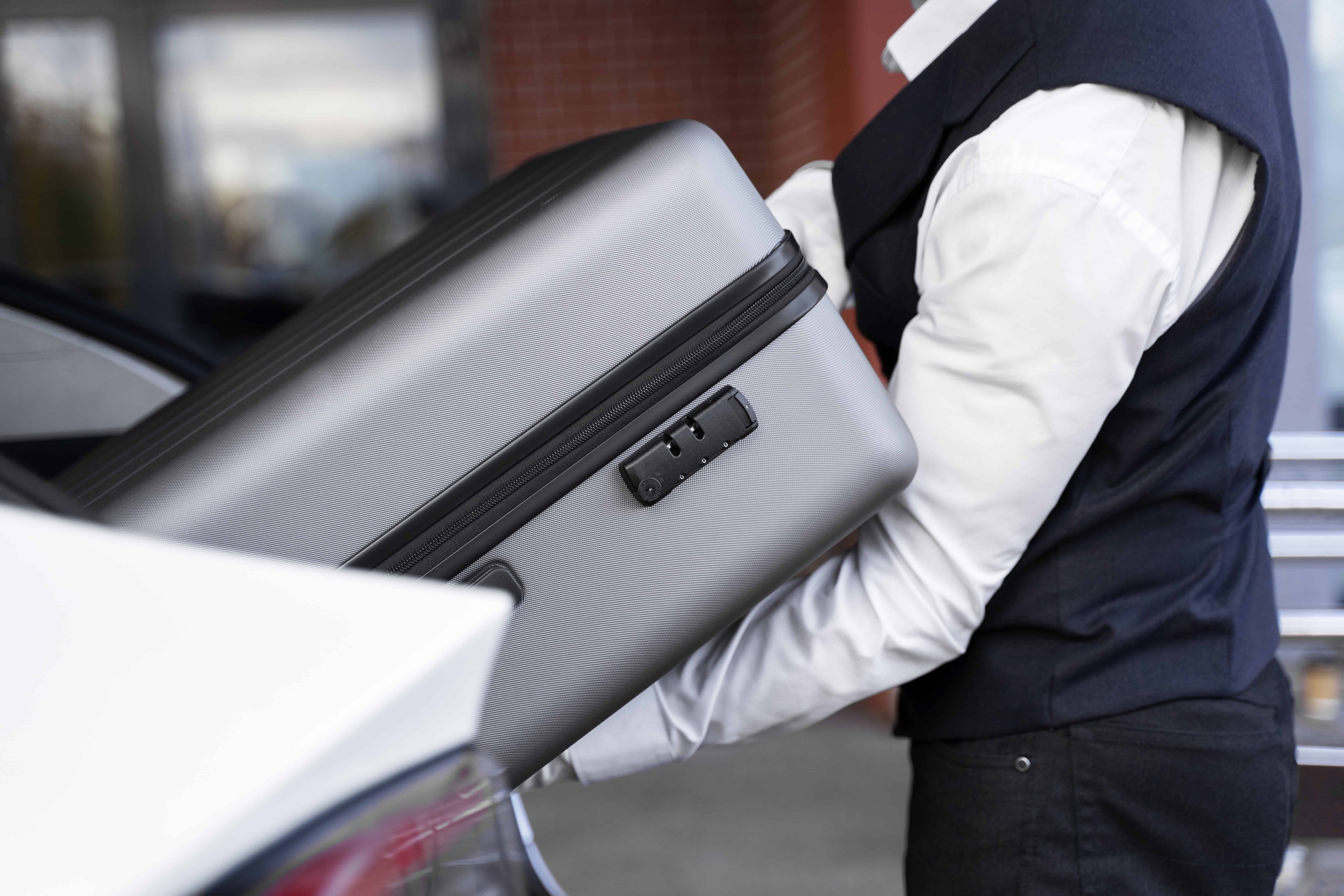
Carry-on sizing at the gate sparks arguments because it turns a personal bag into a public test. On packed flights, agents lean on rigid sizers, bin-capacity math, and stricter personal-item rules, and a soft roller that slid under a seat on one aircraft can fail on the next, even on the return segment, because the posted limits and the real sizer do not always feel like the same measurement. When the tag prints and the fee is quoted, passengers scramble to pull out medication, laptops, cameras, and chargers in the boarding lane, and the mix of time pressure, embarrassment, and the fear of a missed connection is what makes the debate explode.
Basic Economy Boarding Restrictions
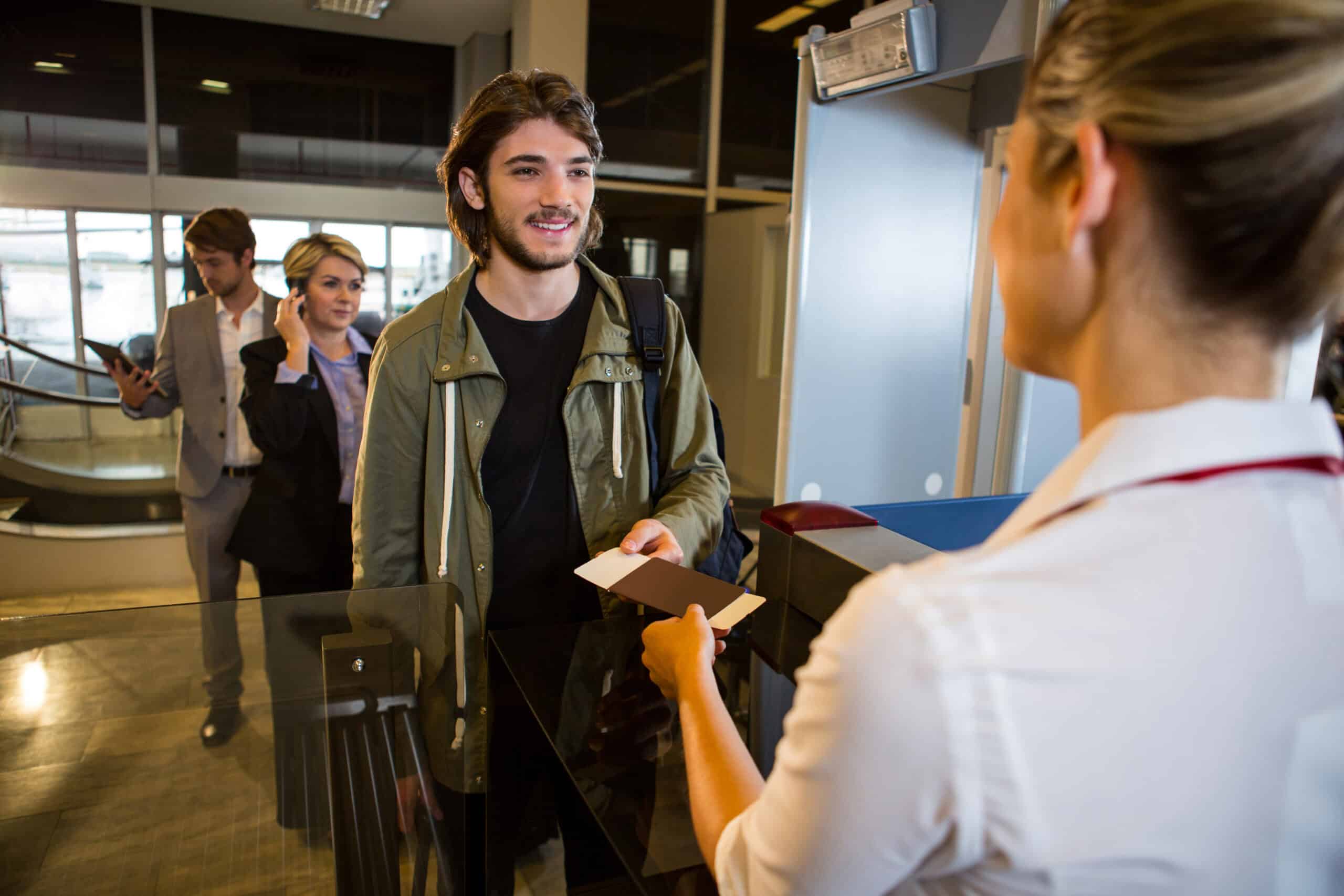
Basic economy arguments flare because the restrictions often reveal themselves at the gate, not during purchase. Last-group boarding, limited overhead access, and locked seat selection collide on full flights, so passengers who paid the lowest fare can end up standing in the aisle with a compliant bag and nowhere to put it once higher groups have filled every bin and the doors are already closing. Gate checks then feel personal, especially when the policy is explained in a rush or applied beside exceptions for elites and families, and the frustration shifts from the price to the feeling of being managed rather than helped.
Seat Recline Disputes
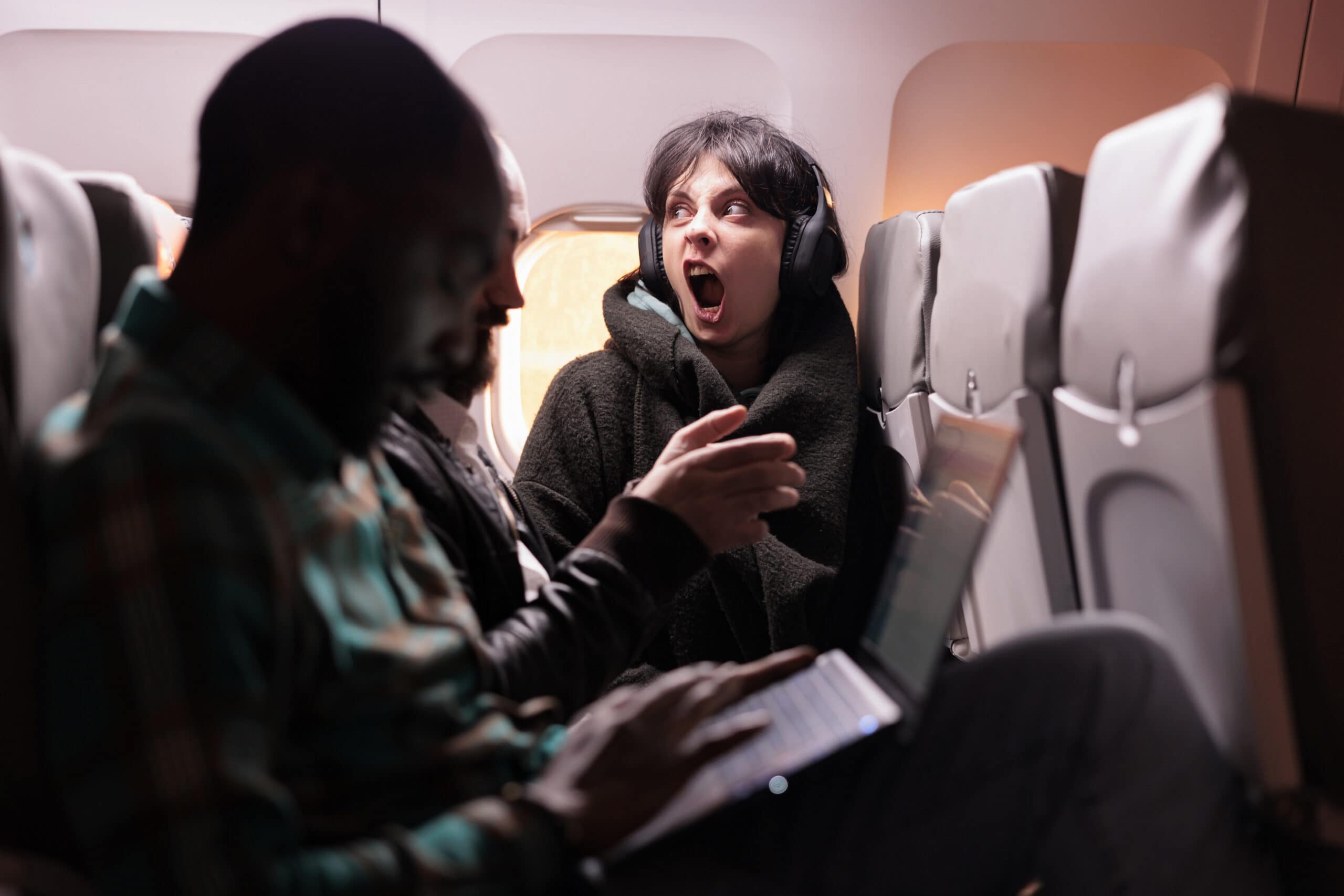
Seat recline fights persist because airlines treat it as a social negotiation, even as space keeps tightening and tempers shorten. One passenger sees a built-in feature and leans back without thinking; the person behind loses knee room, laptop angle, and meal-tray clearance, and the friction spikes when a screen is bumped, a drink spills, or a child is trying to sleep. Crew members can ask for courtesy, but without a clear cabin standard, the same argument repeats row after row, and it feels especially personal on short domestic segments where the recline seems optional, the seat pitch feels unforgiving, and everyone is trapped in the same few inches.
Family Seating Policies
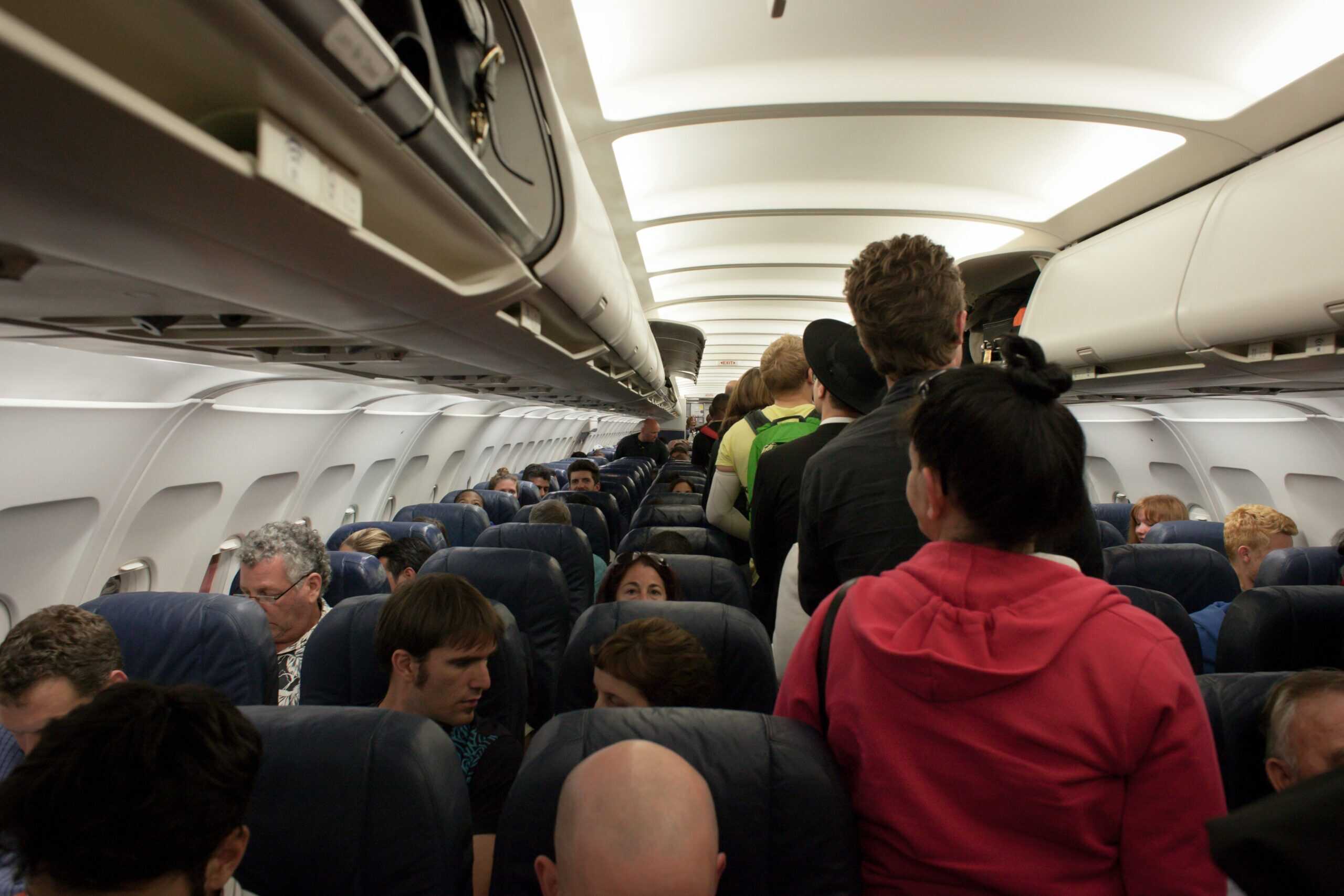
Family seating disputes erupt when a full flight scatters a parent and child across rows, then asks the gate to fix it in public. Airlines may promise to try to keep children near guardians, yet the practical solution often becomes asking other passengers to swap seats, which can mean giving up a paid aisle, a preselected window, or a seat near a companion on a long day. Pressure builds fast because boarding is moving, the cabin is filling, and everyone is watching, so what should be a quiet logistics adjustment turns into a negotiation about fairness, money, and who absorbs the cost of the airline’s limitations.
Change and Cancellation Credits
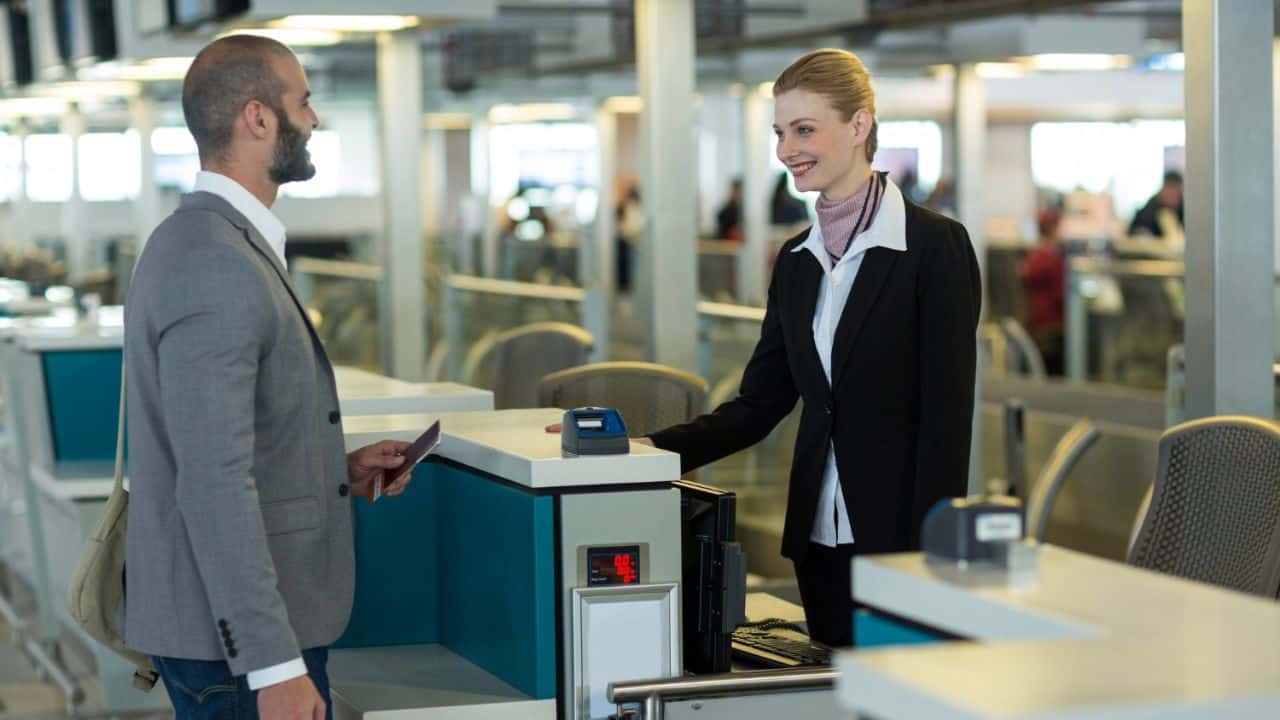
Change and cancellation credits reduce fees, but they also create new points of confusion that spark arguments. Expiration dates, fare-class limits, name restrictions, and leftover-value rules can make a credit appear valid online, then fail at checkout or shrink once the new fare is priced, especially after schedule changes, leaving travelers feeling misled in a moment of stress. Fights intensify when different channels give different answers, because a chat transcript that sounded like approval means little at an airport counter, and the passenger hears flexibility while the system enforces conditions with no emotion.
Overhead Bin Prioritization
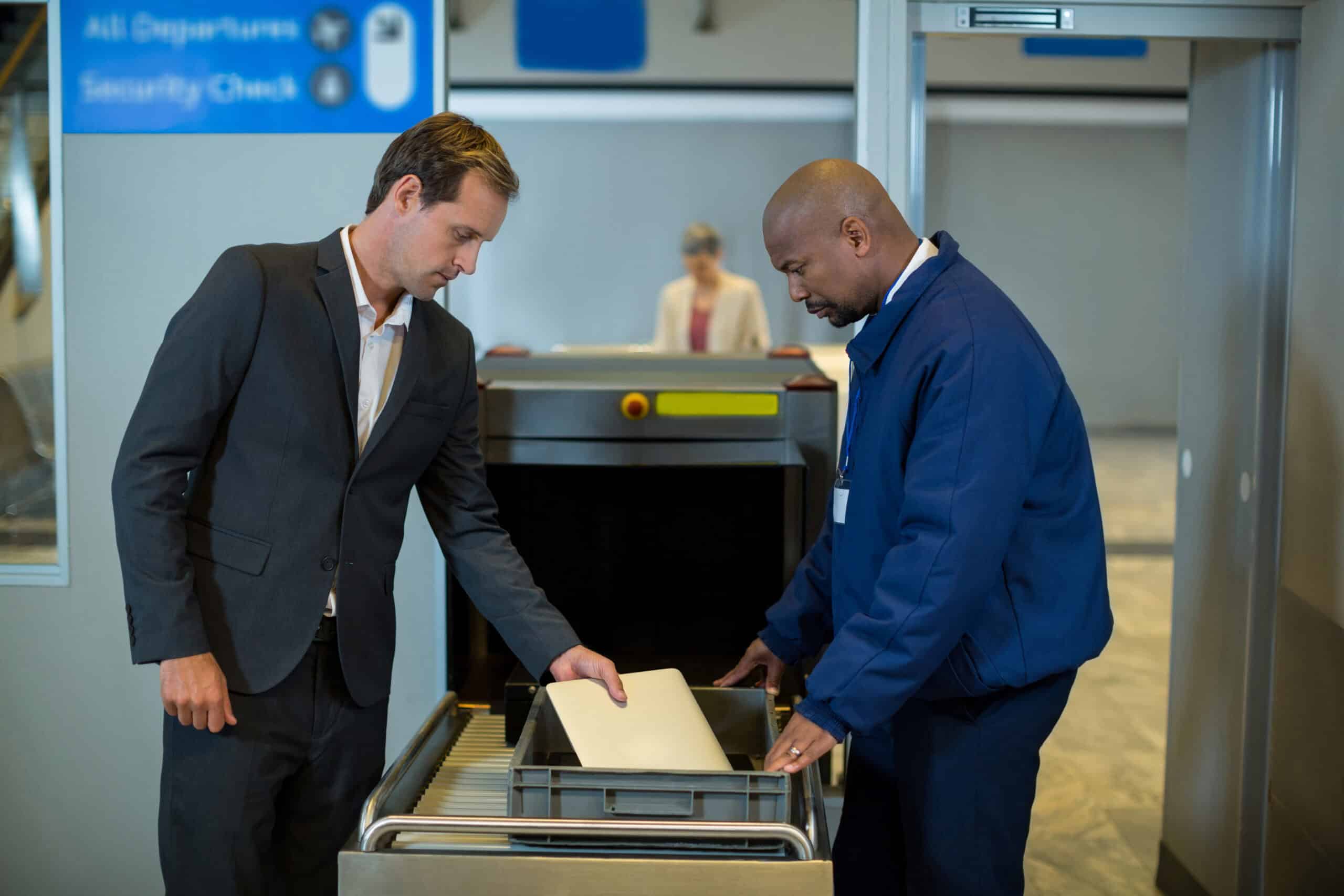
Overhead bin prioritization fuels conflict because it turns storage into a visible hierarchy. With early-boarding sales, premium-cabin carve-outs, and loyalty perks, passengers watch others claim space while their own roller is threatened with a gate tag, and the aisle becomes a narrow stage where every pause, lift, and sigh is noticed. Arguments start when someone relocates another bag, insists a bin belongs to the row beneath it, or tries to wedge a suitcase into a spot meant for jackets, and crews enforce quickly because boarding time is on the clock, doors must close, and even a small standoff can delay departure.
Dress Code and Appearance Rules
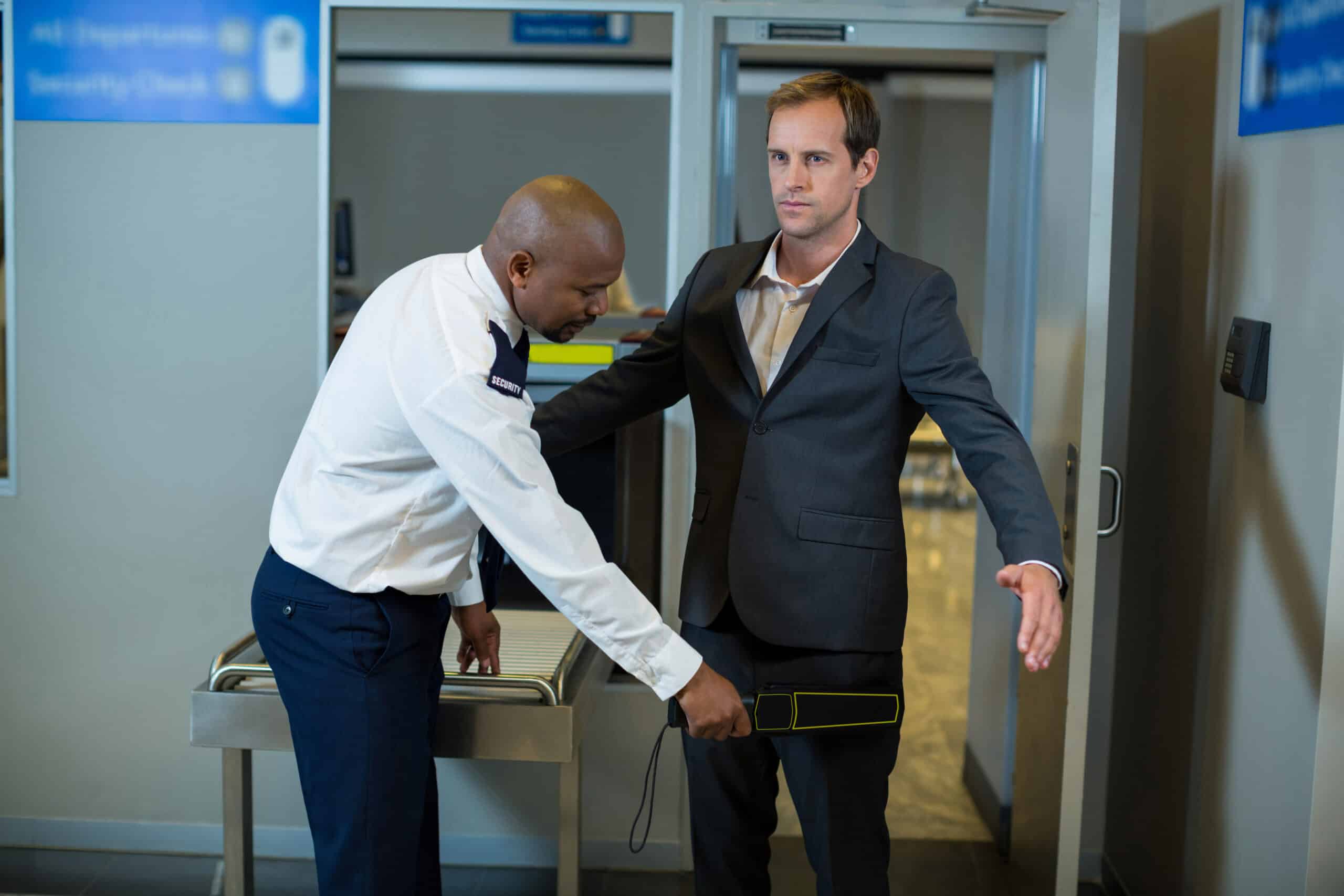
/Freepik
Dress code disputes happen because the standards feel personal and vague until a boarding pass is not enough. Most travelers assume casual clothes are fine, then an agent cites bare feet, offensive wording, or a rule that shifts by carrier and situation, and the passenger experiences it as judgment rather than policy, especially after seeing similar outfits earlier. The sharpest flare-ups involve standby travel on employee benefits, where guidelines are stricter, but regular passengers can also be denied boarding when staff decides an outfit crosses a line, and the lack of a simple checklist makes the moment abrupt and hard to appeal.
Alcohol Service Cutoffs
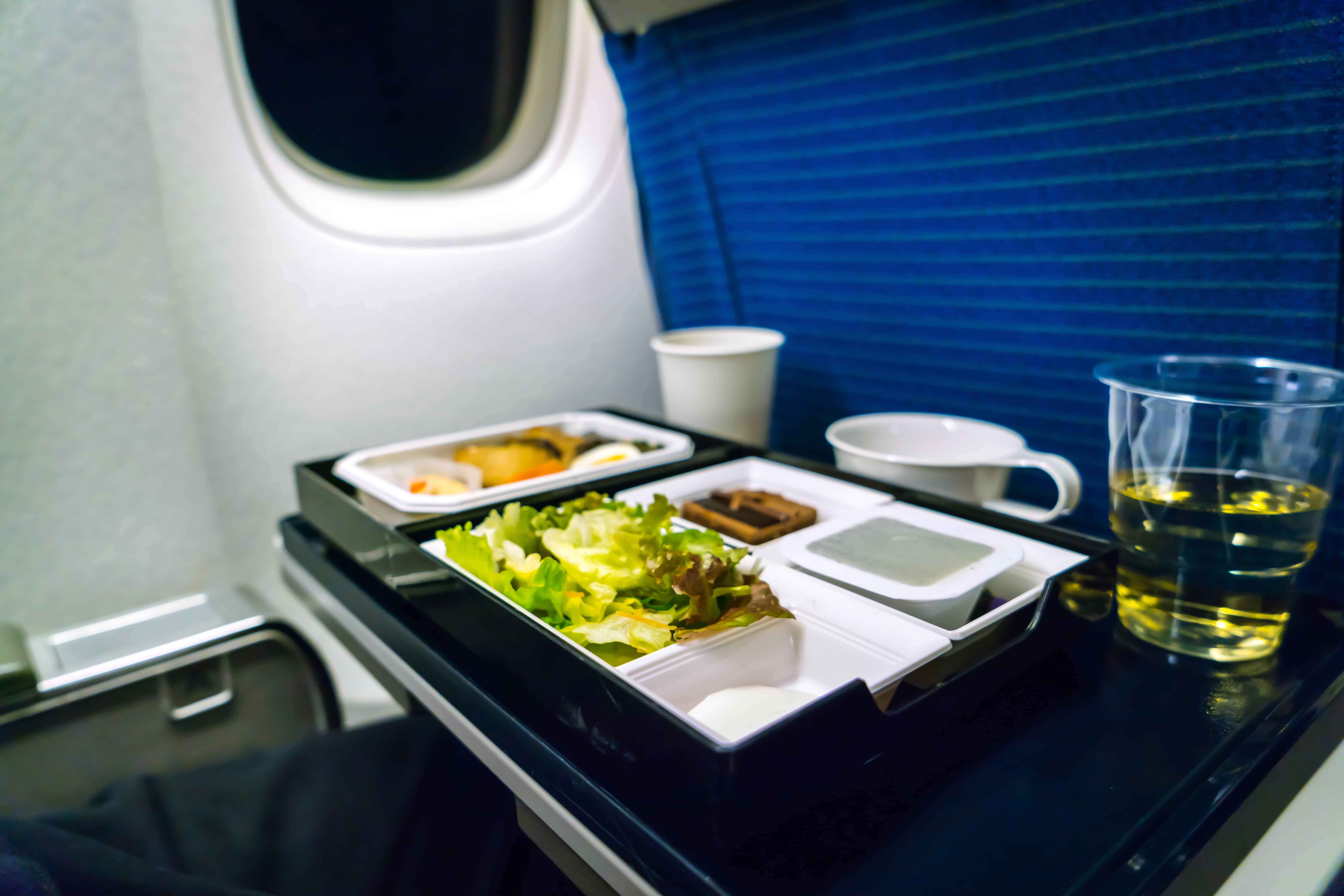
Alcohol service cutoffs trigger arguments because they collide with expectation in a cramped cabin where nerves already run hot. A passenger sees a drink as part of the trip; a flight attendant sees risk management at 35,000 feet, in a metal tube with limited staffing, limited space, and no easy exit if behavior turns unpredictable or if medication and alcohol mix poorly. The dispute sharpens when nearby rows are still being served, when a traveler insists nothing is wrong, or when a prior flight felt looser, so the refusal reads as punishment rather than prevention, and the crew must hold a boundary while also keeping the cabin calm.
Involuntary Seat Changes After Boarding
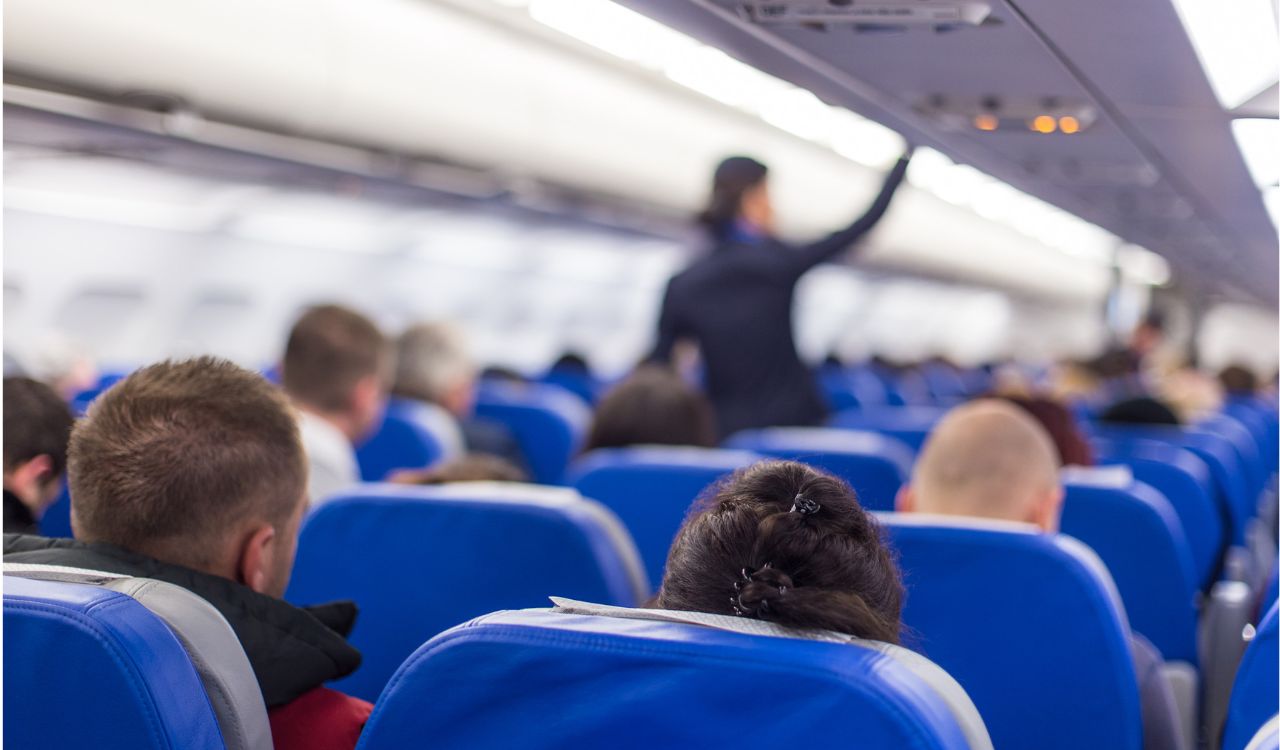
Involuntary seat changes after boarding provoke fast arguments because they arrive after a passenger has settled in, stowed bags, and switched into travel mode. Moves can be required for weight balance, broken seats, crew needs, or accessibility, yet travelers often paid extra for that exact location and chose it for sleep, proximity to a companion, or anxiety management, so the request lands as a loss, not a favor. When the explanation is vague or compensation is unclear, it feels like a bait-and-switch, and the resistance is not only about comfort, but about trust: if a paid selection can vanish after boarding, nothing else feels stable.