We may earn money or products from the companies mentioned in this post. This means if you click on the link and purchase the item, I will receive a small commission at no extra cost to you ... you're just helping re-supply our family's travel fund.
Travel scams used to be loud and sloppy. Now the most damaging ones are polished, digital, and timed for the exact moment attention is thin: check-in lines, missed connections, midnight arrivals, and last-minute itinerary changes. Many borrow real brands, real reservation details, and the calm language of customer support, which is why even seasoned travelers and fraud teams sometimes get fooled. The common thread is urgency. When speed shows up first and clarity comes second, the safest move is to slow down, verify independently, and refuse any shortcut that demands payment or codes.
Reservation Smishing With Real Confirmation Numbers
A text arrives with enough truth to feel official: a confirmation number, correct dates, sometimes even a room type or airport code. That specificity is the hook, because it suggests access to the booking record and pushes a rushed fix through a link or phone number that is not the company’s, where the next screen becomes a login capture or a payment form disguised as verification, often paired with threats like automatic cancellation. The safest routine is to ignore the message, confirm status inside the airline or hotel app, and call a number found independently on the official site.
Booking-Platform Messages That Quietly Move Payment Off-Site
The request lands inside a booking platform thread, which makes it feel safe by default and lowers suspicion. A host or hotel account claims a card failed, a deposit is needed, or an ID check must happen within hours, then supplies an external link or bank details to secure the stay, and DomainTools has documented cases where compromised booking-management accounts send verify-or-cancel notices that load real reservation details on a phishing page to steal payment data. Payments belong on-platform, so any off-platform link, new bank account, or surprise fee is a reason to pause, report it, and restart through official support.
Airline Customer Service Imposters Hunting Complaints
Flight problems create perfect hunting conditions, because frustration drives speed and public complaints signal vulnerability. The FTC warns that scammers crawl social media for delay and cancellation posts, then reply from lookalike accounts offering help and asking for confirmation numbers, phone details, or bank information, or steering travelers to spoof sites that harvest identity data and drain loyalty points. Support stays safest when it begins inside verified airline channels, while unsolicited DMs and reply threads promising urgent rebooking are treated as untrusted by default.
Fake Cancellation Alerts That Route to a Clone Call Center
A cancellation alert lands, panic rises, and the message offers a convenient phone number to rebook immediately, sometimes with a timer. The call connects to a polished fake desk that repeats real flight details, then introduces a rebooking fee, a refundable payment, or a loyalty-points transfer that never returns, and recent reporting shows scams can succeed even when the first contact looks legitimate if the number comes from search results, a forwarded text, or a bad transfer. The defensive habit is to re-check status in the official app and call only numbers pulled from the airline’s own site or card statement, never from the alert.
Toll and Parking Smishing Built for Autofill Panic

Toll and parking texts are getting well targeted, name-dropping local agencies and threatening late fees to trigger quick payment. Some campaigns send links to lookalike sites that collect card data and personal details, and authorities warn that legitimate toll agencies typically do not text unsolicited payment demands. The scam’s edge is speed: it hits between flights or after a long drive, when a small charge feels easier than a dispute; some messages prompt a reply to activate the link, so the clean response is to delete the text and verify balances through a known official portal, not a link that arrived by SMS.
Parking-Meter QR Stickers That Hijack Payments
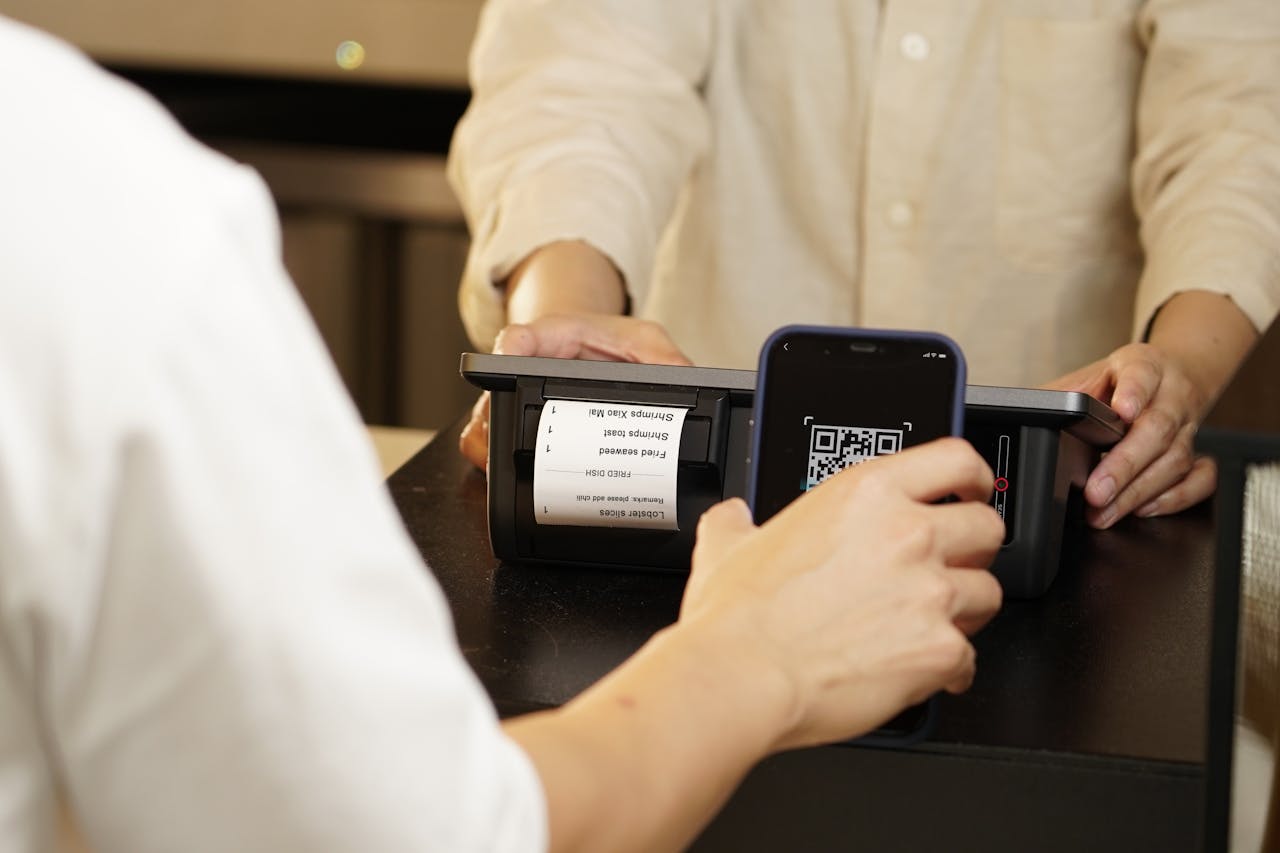
QR parking is fast, which makes it a clean target when someone is juggling luggage, kids, or a tight reservation window. Cities have warned about sticker overlays placed on meters or signs that send drivers to fake payment pages mimicking popular apps long enough to capture card details, and follow-up calls can arrive from fake bank staff pushing transfers to keep victims engaged. The fix is physical and slow: look for an overlay edge, confirm the URL before entering data, and default to the official app from the app store when anything looks freshly applied or misspelled.
Vacation Rentals That Exist Only in Photos

The listing looks normal: crisp photos, a plausible address, and chat scripts that sound like a busy property manager with limited availability. The FTC says that since 2020 people have reported nearly 65,000 rental scams with about $65 million in losses, often tied to fake listings that pair a bargain price with urgency and a request to pay outside the platform via wire, gift cards, or crypto. A reverse-image search, a street-view check, and a firm refusal to move payment off-platform breaks most of these traps before money leaves the account, personal documents are copied, or a fake lease turns into months of cleanup.
SIM-Swap Takeovers That Hijack Two-Factor Codes
SIM swapping is an account takeover that can collapse a trip in minutes, because the phone number becomes the master key for resets and recovery links. Attackers convince a carrier to port a number to a new SIM or eSIM, then intercept one-time passwords to reset email, banking, and travel accounts while the victim suddenly loses service, and FBI-linked reporting has cited heavy losses from SIM swap complaints. Carrier account PINs, port-out locks when available, app-based authenticators instead of SMS, and backup codes stored offline limit the blast radius when a stranger claims to be support or a carrier call suddenly needs verification.
Lookalike Hotel Domains That Personalize the Trap
The slickest traps no longer rely on one fake website; they rely on thousands of them, registered in bulk to mimic travel brands with tiny spelling changes. Threat researchers have documented campaigns using thousands of hotel-like domains and a phishing kit that customizes pages for a target, so the same scam can look different for each person and feel oddly personal. That personalization throws experts off, so the best defense is boring: type URLs directly, avoid login prompts reached from email, and treat feedback surveys and last-minute verification requests as high-risk clicks.