We may earn money or products from the companies mentioned in this post. This means if you click on the link and purchase the item, I will receive a small commission at no extra cost to you ... you're just helping re-supply our family's travel fund.
Travel rarely goes wrong in one dramatic moment. More often, it drifts off course through small, familiar choices: the easy restaurant beside the monument, the taxi already waiting, the official-looking ticket link that only seems right at a glance. These traps survive because they promise convenience when a traveler is tired, rushed, dazzled, or simply trying to make the day smoother. What makes them linger is not just the extra cost, but the quiet feeling that the best part of a place slipped just out of reach.
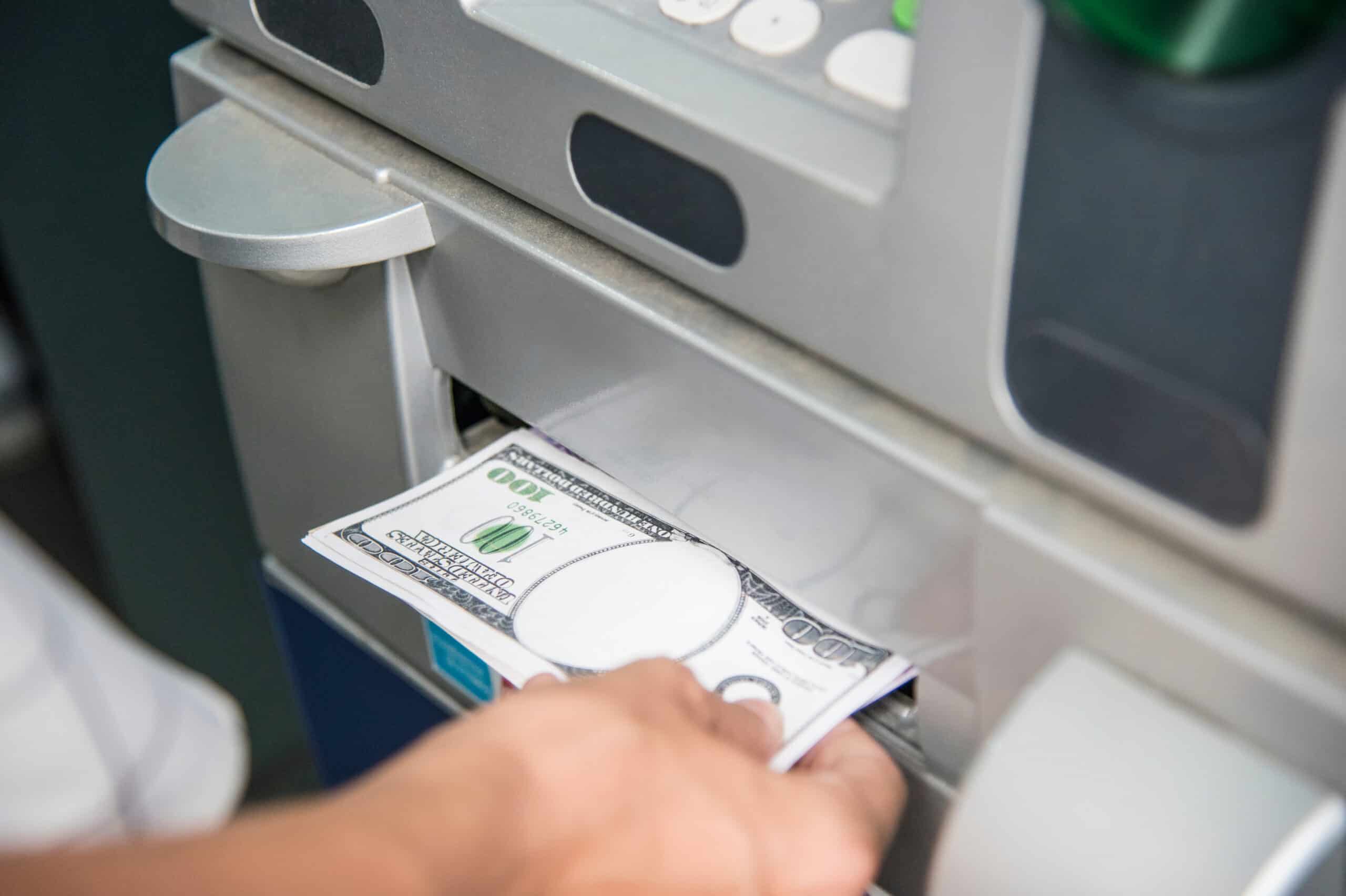
The Airport Exchange Booth
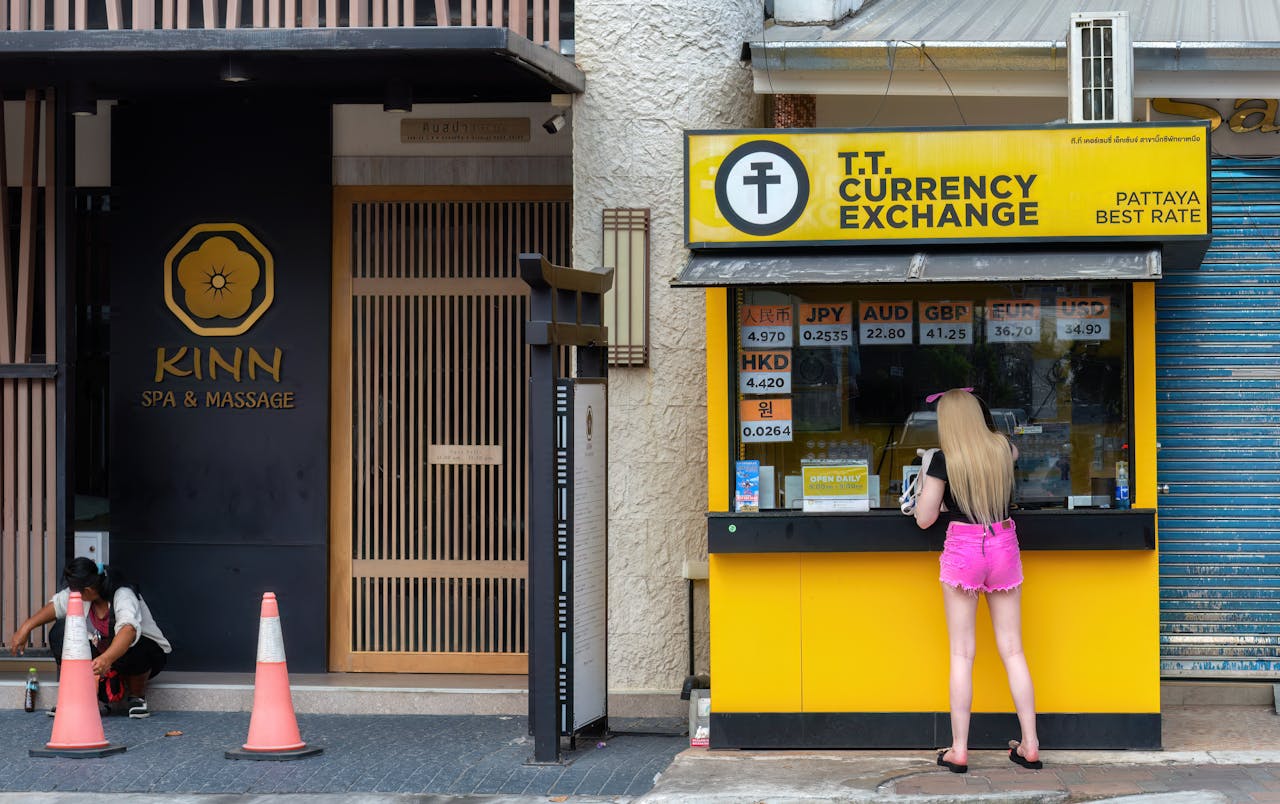
It almost always looks responsible: bright lights, printed rates, a counter positioned exactly where jet-lagged travelers need cash most. But airport exchange desks are widely known for poor rates, and travel experts note that the convenience can cost far more than people realize, especially when commissions or weak spreads are folded in. The booth is not really selling currency so much as relief. That is why the first purchase of a trip so often becomes one of the worst deals in it. The moment feels practical, even mature, and that is precisely why so many careful travelers make the same expensive choice twice.
Paying in Dollars Instead of Local Currency
The card machine flashes a familiar currency, and suddenly the charge feels safer, clearer, and easier to approve. Yet that small moment is often dynamic currency conversion, a system Mastercard describes as allowing a merchant or ATM to convert the purchase before the card issuer does, and travel guidance regularly warns that paying in local currency is usually the better move. The trap works because reassurance looks like transparency. In practice, the traveler often buys comfort first and discovers the exchange-rate penalty later. It is a quiet loss, easy to miss in the moment and irritating enough to remember long after the receipt is gone.
The Restaurant Beside the Landmark

A view of the cathedral, laminated menus in five languages, and someone outside promising quick service can feel like a gift in the middle of a packed sightseeing day. In reality, travel writers and seasoned guidebook experts have long warned that the most obvious restaurants on major squares often charge for location and turnover more than quality, freshness, or regional character. The meal is rarely terrible enough to become a disaster. That is what makes it such an effective trap: it is merely forgettable, expensive, and placed exactly where hunger is loudest. The table comes with a famous backdrop, while the city’s real flavor is usually a few streets away.
The Friendly Local With a Perfect Suggestion

Some tourist traps do not look commercial at all. They arrive as charm: an unexpectedly friendly stranger, a casual invitation, a bar or teahouse that seems hidden from the crowd. The U.S. State Department specifically warns about teahouse, restaurant, and bar scams in which a new acquaintance steers a visitor into a venue with inflated prices, pressure tactics, or worse. The trick depends on emotional timing. A traveler who wanted authenticity ends up paying for theater, confusion, and a bill designed to make hesitation feel dangerous. The story begins with warmth and ends with a lesson about how easily loneliness and curiosity can be monetized.
The Taxi Waiting Right Outside Arrivals
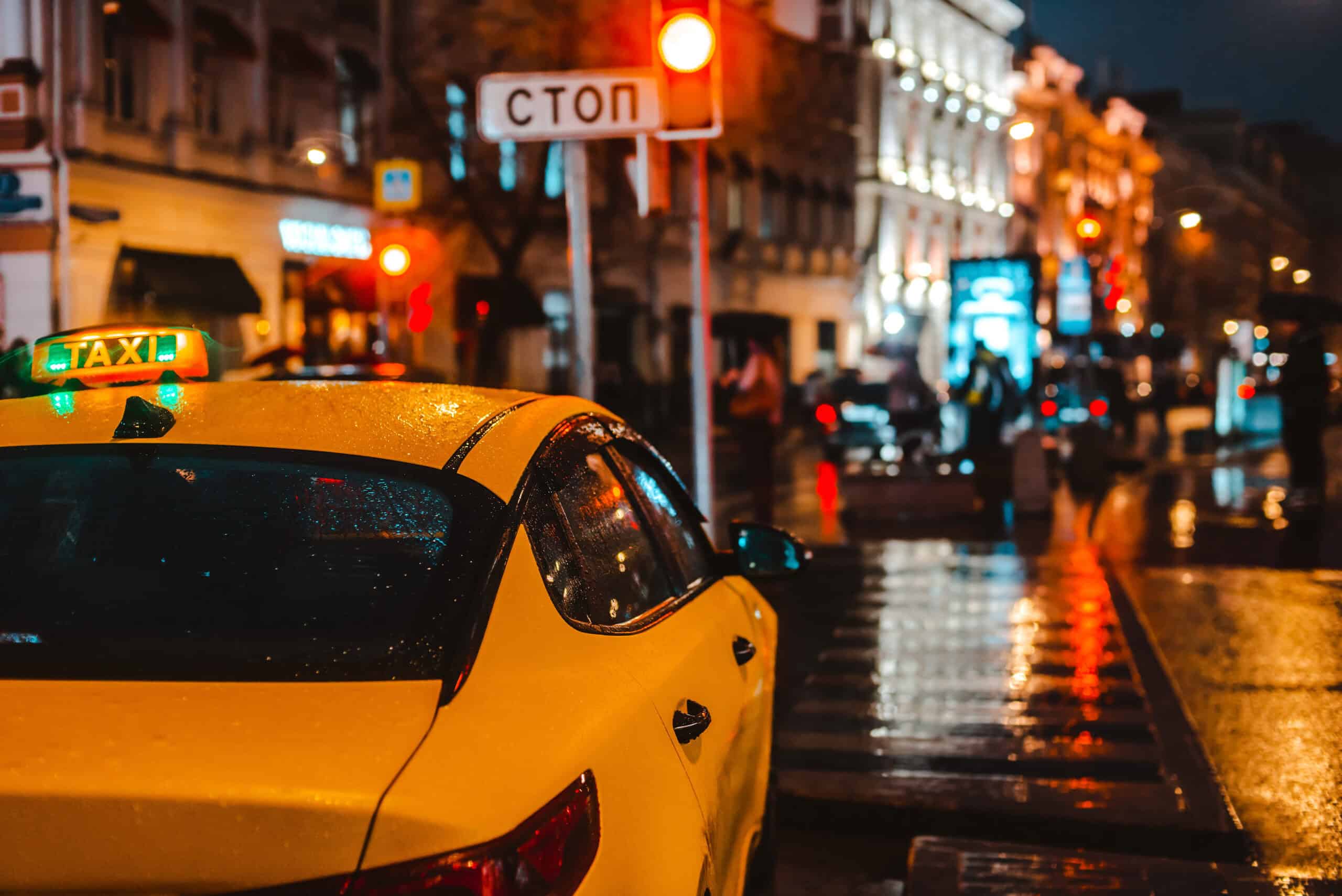
After a flight, the nearest ride can feel like a reward for surviving the airport. That is why unofficial or opportunistic taxis remain such a durable travel trap. U.S. government travel information for several destinations warns about airport taxi scams, meter games, and inflated fares in tourist zones, while advising visitors to use official counters, licensed services, or trusted apps. The problem is not that every curbside driver is dishonest. The problem is that fatigue lowers scrutiny, and a simple ride into town becomes the first negotiation of the trip. By the time the route feels strange or the fare feels high, the traveler is already committed to the back seat.
The Bargain Hotel Rate That Was Never the Real Price

The room looks affordable until the final screen or front-desk printout reveals the real number. Resort fees, amenity fees, destination charges, and other mandatory add-ons have become so common that the Federal Trade Commission finalized a rule barring hidden or deceptive fee practices in short-term lodging pricing. That says plenty about how widespread the frustration became. The trap here is not luxury but misdirection. A traveler thinks a smart deal has been found, only to learn that the advertised rate was merely the opening line of a longer conversation. What looked like careful budgeting turns into the familiar sting of paying for fine print instead of comfort.
Traveling at the Most Crowded Possible Time

Peak season can sell itself as the obvious choice, especially when school calendars, viral photos, and bucket-list pressure all point to the same few weeks. But current travel reporting consistently notes that shoulder seasons often bring fewer crowds, better value, and a less strained version of the same destination. The real trap is not summer itself. It is the assumption that the most popular window must also be the best one. Too often, travelers end up paying premium prices to stand in premium lines while hurrying through places built for slower attention. Even beautiful places can start to feel strangely transactional when every good view comes with a queue.
Trying to See an Entire Country in One Trip

Many trips fail not because too little was planned, but because too much was. Lonely Planet’s destination guidance repeatedly warns against trying to cram an entire country into one rushed itinerary, noting that overpacked schedules can turn even beautiful places into exhausting transit exercises. This is one of the most respectable-looking tourist traps of all because it disguises itself as ambition. The traveler feels efficient, organized, and determined, right up until the journey becomes a blur of checkouts, connections, luggage wheels, and memories too thin to hold. A calendar can look thrilling on paper and still leave almost no room for surprise, rest, or attachment.
The “Official” Ticket Seller Who Isn’t

This trap thrives on urgency. A famous attraction is busy, the line is long, and someone nearby claims to have the fast answer: skip-the-line entry, the last seats left, the easiest booking link. Yet the National Park Service warns that aggressive unauthorized ticket sellers target visitors near the Statue of Liberty, and India’s I4C has warned about fake booking sites impersonating tourist services and religious institutions. The scam works because the offer feels close enough to the truth. It borrows the language of access, then profits from haste, confusion, and a crowded sidewalk. The ticket may cost more, work less smoothly, or fail entirely, but the pitch is built to outrun caution.