We may earn money or products from the companies mentioned in this post. This means if you click on the link and purchase the item, I will receive a small commission at no extra cost to you ... you're just helping re-supply our family's travel fund.
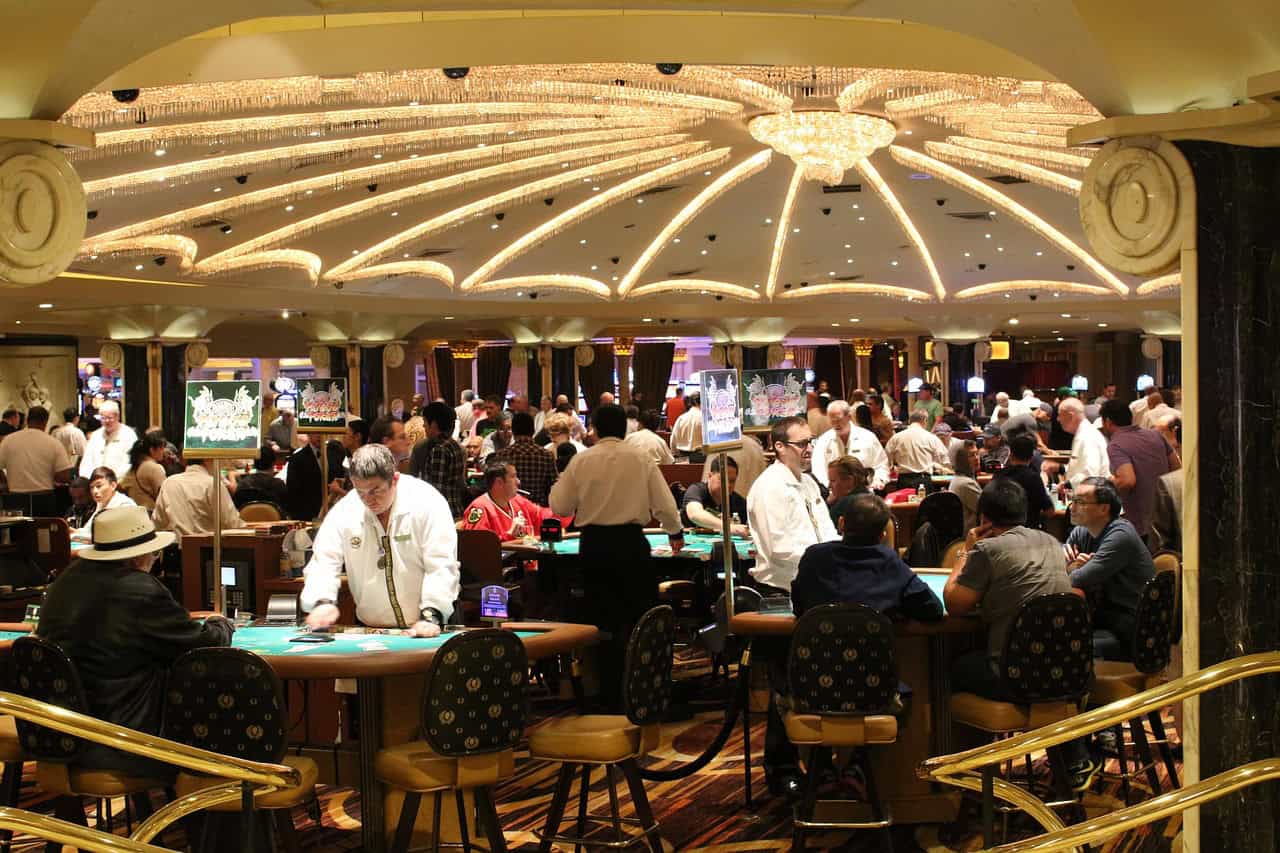
Tourism has snapped back faster than the people who make it work. Lobbies are full, beaches are crowded, and planes land on time, but behind the scenes hotels, restaurants, and attractions struggle to fill key roles. Many workers left the industry during the pandemic and never returned, put off by low pay, housing costs, or burnout. What travelers now walk into is a quiet mismatch: destinations built for abundance running on skeleton crews, where thin staffing reshapes the feel of even beloved places.
New York City, New York

New York City leans on an enormous hospitality workforce, yet many hotels, bars, and attractions still struggle to cover every shift. Rising rents push workers farther out, so long commutes and irregular schedules make these roles harder to keep. Managers quietly trim service: front desks run with fewer staff, housekeeping skips automatic daily cleaning, and some restaurants operate with shortened menus or hours. The city still feels electric at street level, but behind that glow more teams are stretched thinner than visitors realize. Delays at elevators and front desks become small signals of that hidden shortfall.
Las Vegas, Nevada
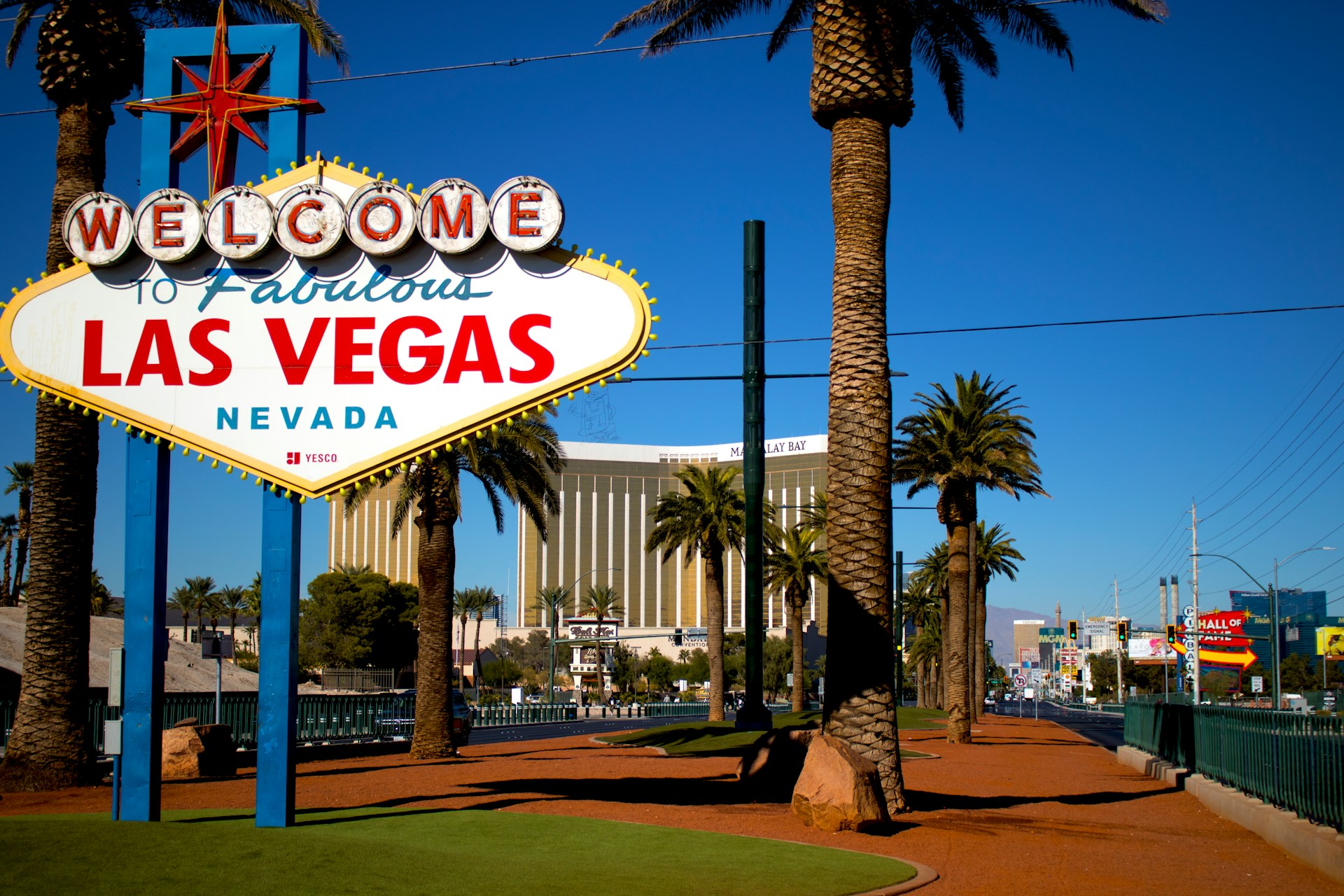
Las Vegas sells nonstop motion, but much of that illusion rests on staff who are now in short supply. Resorts report lingering vacancies in housekeeping, food service, and front desk roles, even as conventions and concerts return at full force. To cope, properties close off room blocks, rotate restaurant openings, or lengthen check-in lines while remaining employees work extra overtime. Guests still see bright lights and crowded casinos, yet the pace now often runs on fewer people covering too many jobs at once. Long lines at check-in and darkened restaurant corners quietly tell that story.
Orlando, Florida
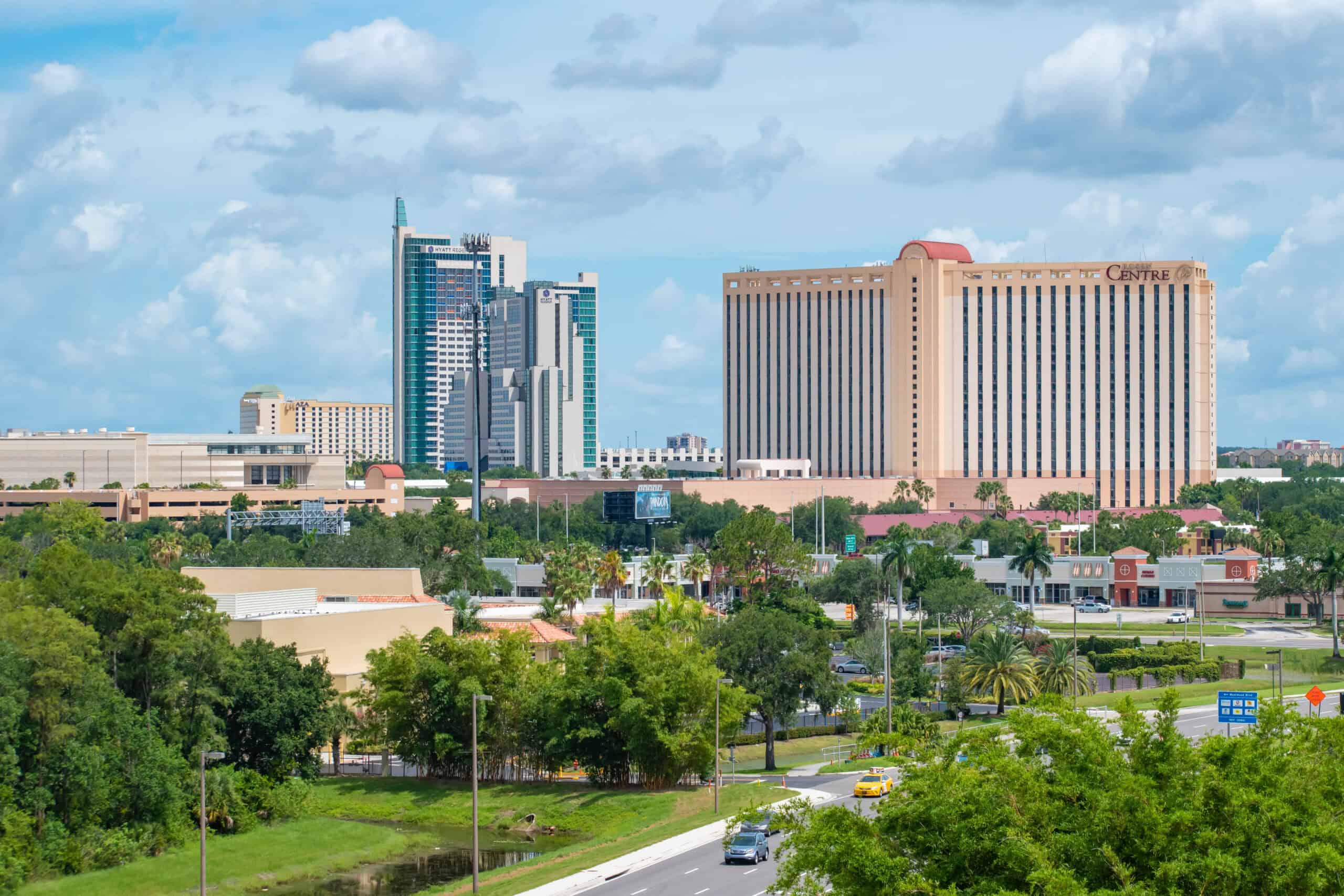
Orlando’s theme parks and hotels rely on armies of workers, yet housing costs and low starting pay make those roles harder to fill. Some major employers are planning or building workforce housing just to keep staff within reach of the gates. On the ground, that shortage means fewer cashiers at food stands, slower room turnovers, and pared-back entertainment schedules on ordinary weekdays. Families still feel the spectacle, but the small frictions of long lines and absent characters hint at a system running close to its limit. The small frictions of slower service now sit under all the color and music.
Hawaiian Resort Islands
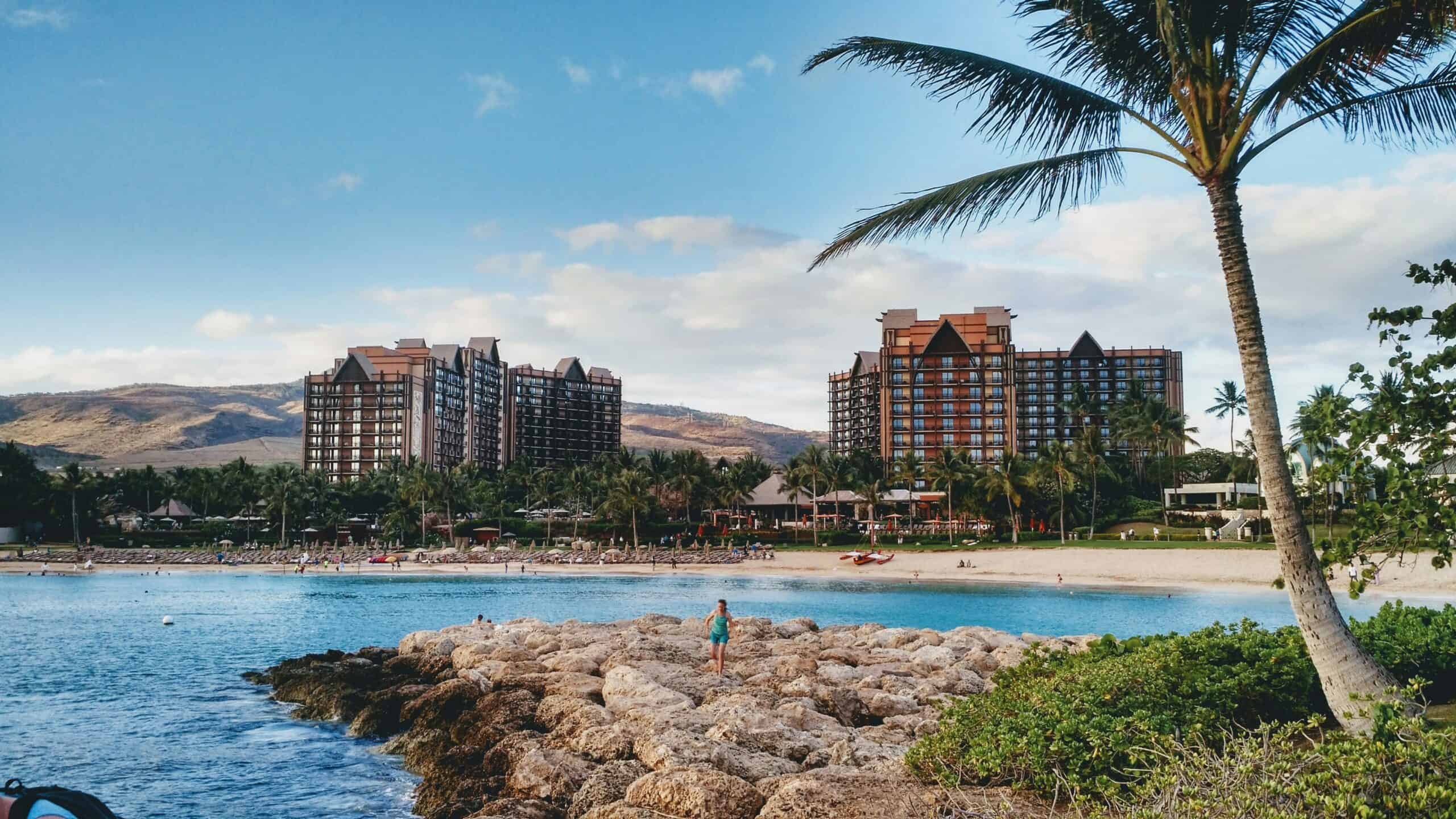
On islands like Maui, Oahu, and Kauai, hospitality jobs collide with some of the highest housing costs in the country. Many workers live far from resort zones or in employer-provided units that barely keep up with demand. Hotels quietly reduce daily housekeeping, leave restaurants dark on certain nights, or stretch front desk teams across multiple duties. Visitors still see beaches and sunsets, yet the number of people holding that experience together has shrunk, leaving staff tired and career pipelines increasingly fragile. Many guests never see that gap, but employees feel it in every extra shift.
Yellowstone And U.S. Park Towns
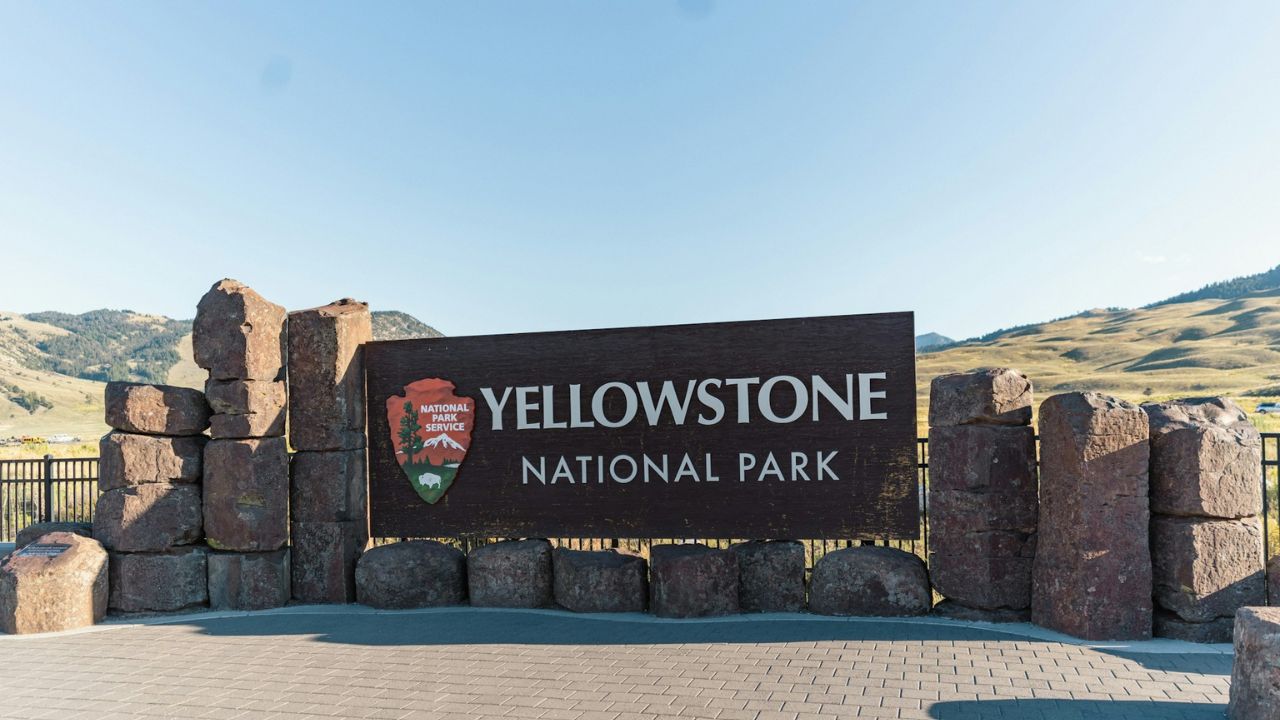
Gateways around Yellowstone, Glacier, and other big parks depend on seasonal workers who now struggle to find any affordable place to sleep. Short-term rentals and rising property values push staff into crowded bunkhouses or long drives from distant towns. Lodges respond by cutting restaurant hours, reducing store staffing, or closing some facilities entirely on slower days. Travelers notice it in the form of long lines, limited dining options, and fewer rangers on duty, even when the landscapes themselves feel as open as ever. Even peak season can feel understaffed, no matter how full the parking lots look.
Barcelona And Spanish Coasts
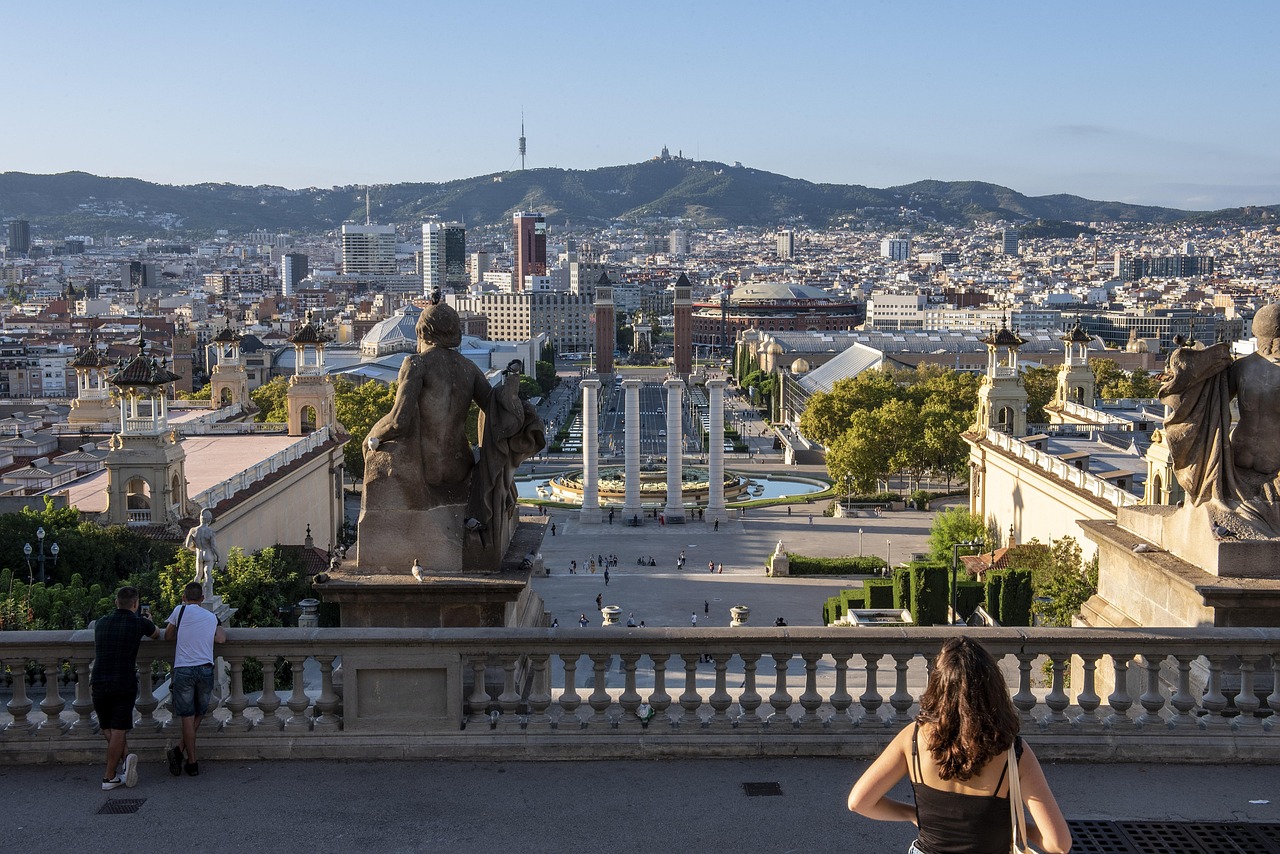
Barcelona and Spain’s coastal strips see record arrivals, yet thousands of hospitality jobs sit unfilled or rotate quickly between hires. Seasonal contracts, late hours, and soaring rent in central districts make the work feel unsustainable for many locals. Hotels and tapas bars adapt by shortening menus, closing for extra rest days, or leaning heavily on less experienced staff. Service can still be warm and lively, but the margin for error shrinks when every busy night depends on a team that is already one illness away from being overwhelmed. The holiday vibe stays bright, yet service quality wobbles more from week to week.
Greek Islands

Greek islands like Santorini, Mykonos, and Rhodes pair postcard views with chronic staffing gaps in hotels, tavernas, and beach clubs. Many workers accept seasonal jobs that come with cramped shared rooms and relentless hours, while others simply stay away. Businesses respond by hiring staff from abroad, trimming services, or closing midweek even in summer. Guests may find fewer lifeguards on busy beaches or slower service at sunset restaurants, small signs that the human side of the holiday is under real strain. The charm remains, but each busy season depends on a shrinking pool of willing workers.
Italy’s Heritage Cities
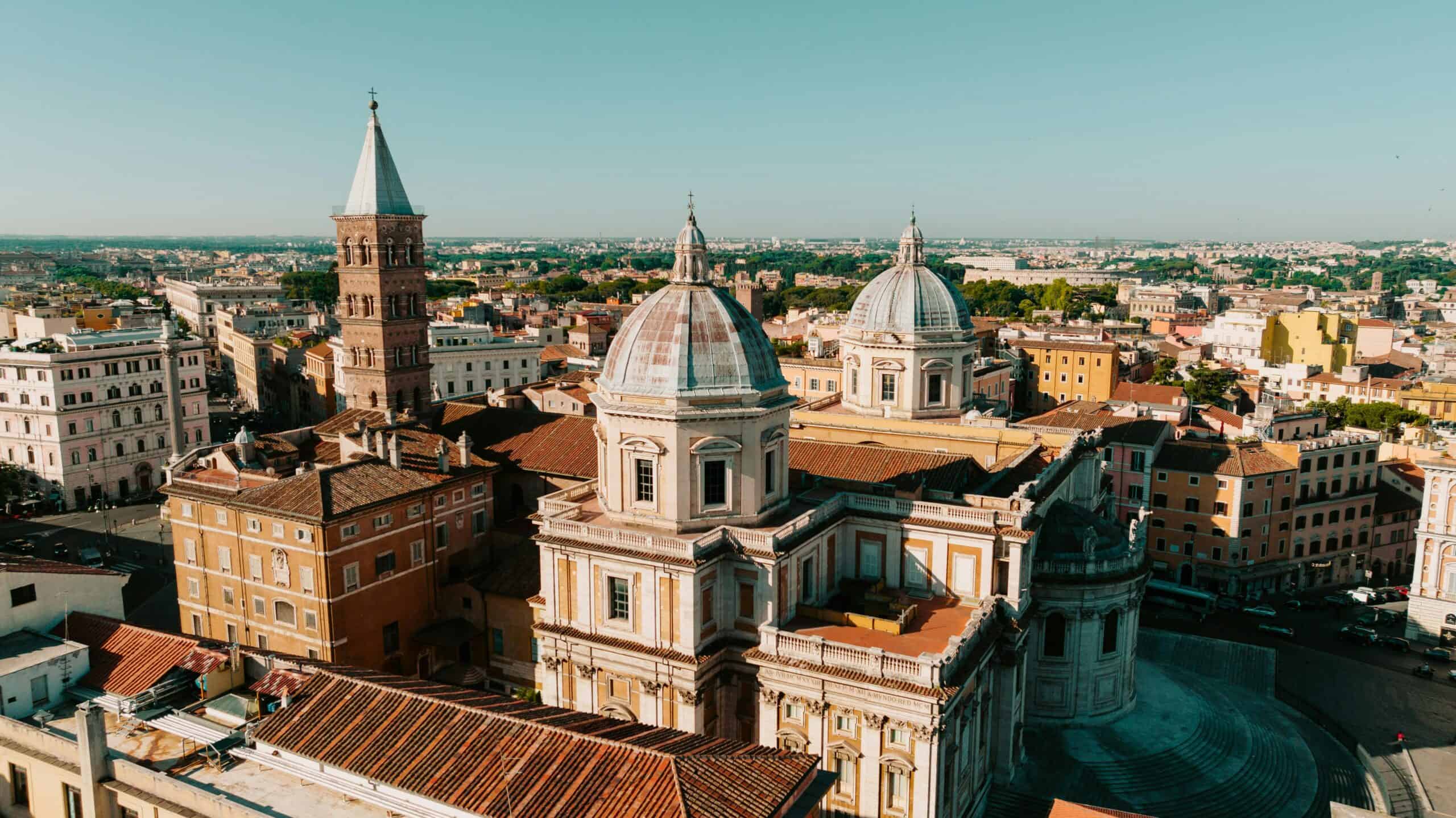
In cities such as Venice, Florence, and Rome, waves of tourists pour in faster than staff can be hired, trained, and housed. Hospitality schools and job agencies report persistent shortages in key roles, especially housekeeping, reception, and kitchen work. Some hotels skip turn-down service or limit check-in desks to one or two stations, even at peak times. Cafés and trattorias may reduce tables or close earlier, not for lack of demand, but because there are simply not enough hands left to carry plates and scrub pans. Visitors still meet smiles, yet those gestures often come from very tired people.
Portugal’s Lisbon And Algarve
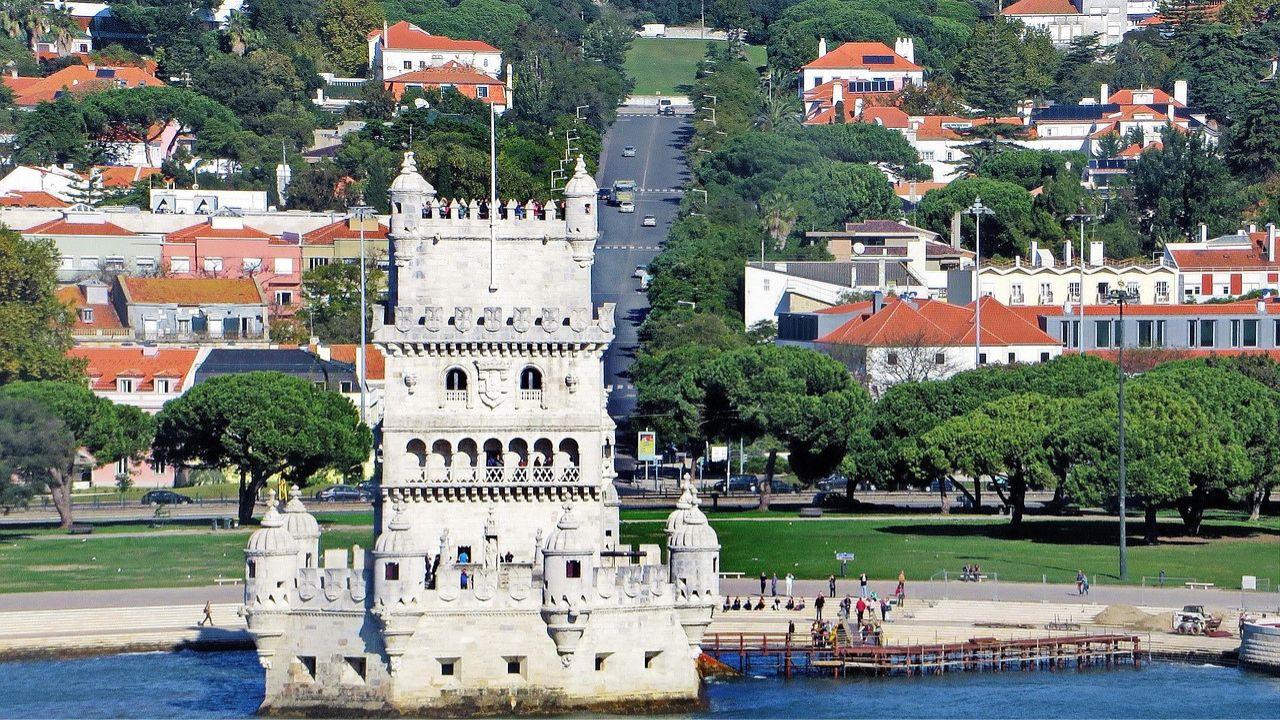
Lisbon’s hilltop neighborhoods and the Algarve’s beaches have seen tourism rebound strongly, but employers describe a chronic lack of workers in hotels, bars, and restaurants. Many roles are filled by migrants who themselves struggle with housing and rising costs. When staffing falls short, resorts scale back kids’ clubs, spa hours, or room service, focusing only on what they can realistically cover. The sun and scenery stay bright, yet the guest experience now depends heavily on whether a full crew managed to show up that particular week. It leaves service quality resting on workers who rarely feel fully settled themselves.