We may earn money or products from the companies mentioned in this post. This means if you click on the link and purchase the item, I will receive a small commission at no extra cost to you ... you're just helping re-supply our family's travel fund.
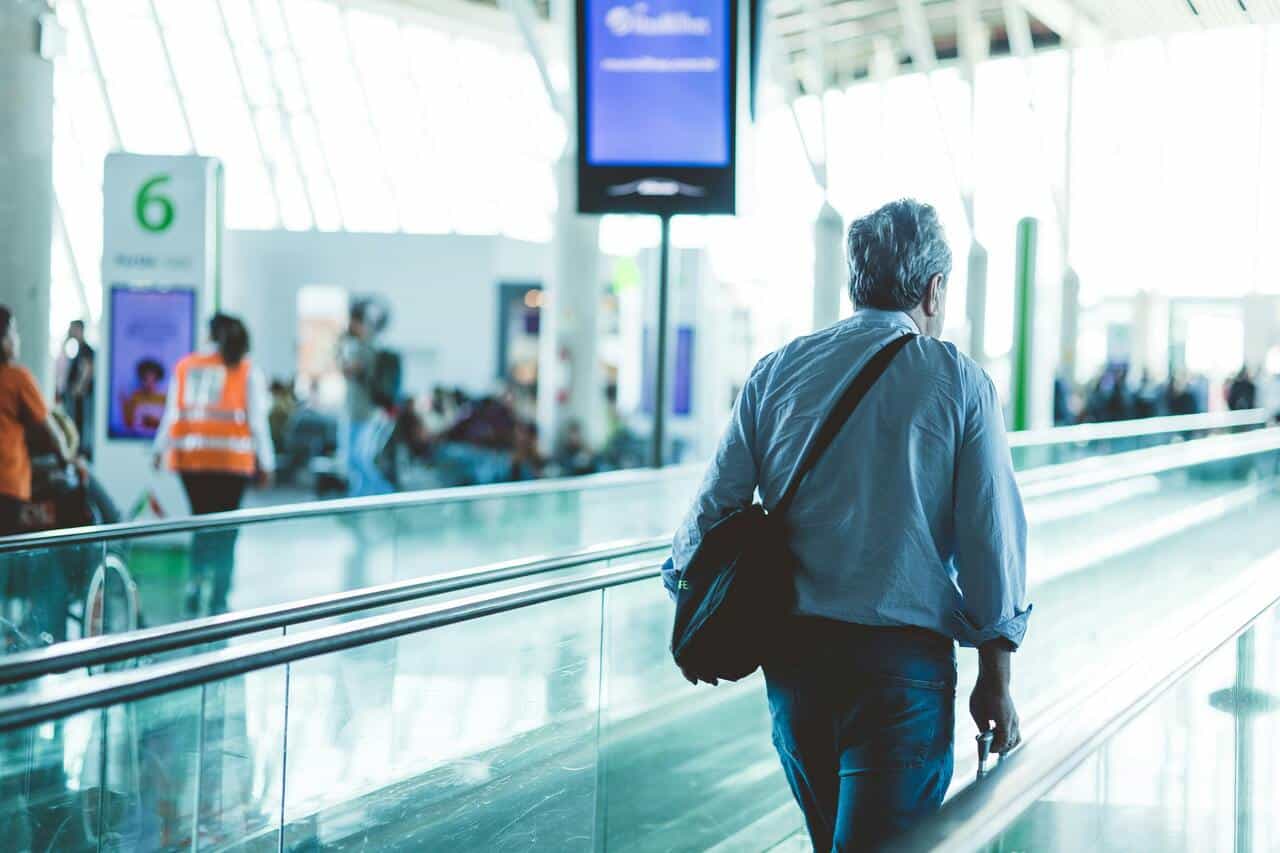
Seasoned travelers know that what you carry onto a plane matters far more than what you pack in a suitcase. Over years of frequent flying across short domestic hops and long-haul international routes, certain items consistently prove their value. These are not trendy travel gadgets but carefully chosen essentials that solve real problems at 35,000 feet. From reducing stress and saving time to protecting health and comfort, the following nine carry-on must-haves are based on experience, data, and the realities of modern air travel.
1. A well-organized document pouch
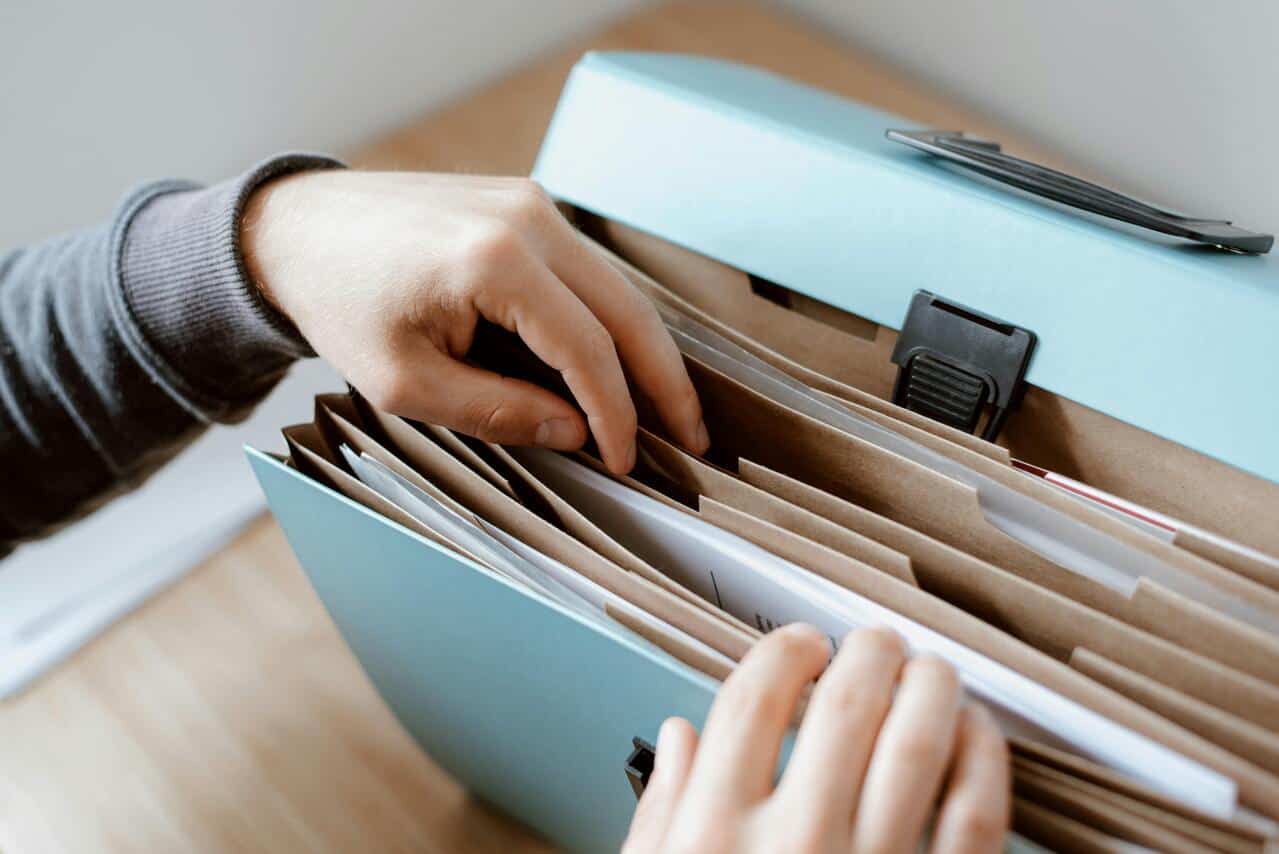
A well-organized document pouch is the backbone of efficient air travel, particularly for frequent fliers navigating busy airports. It should securely hold your passport, boarding pass, visas, travel insurance details, and one backup ID in a layout that allows instant visibility. Airport operations studies show travelers who present documents within five seconds reduce checkpoint delays by nearly 30 percent. A slim profile ensures it fits easily into a seat-back pocket, while durable material prevents bending or tearing. RFID-blocking layers add extra protection against electronic skimming, which rises in high-density terminals. Keeping all documents centralized minimizes stress, avoids last-minute fumbling, and streamlines security, boarding, and immigration checks.
2. Noise-canceling headphones or high-quality earbuds
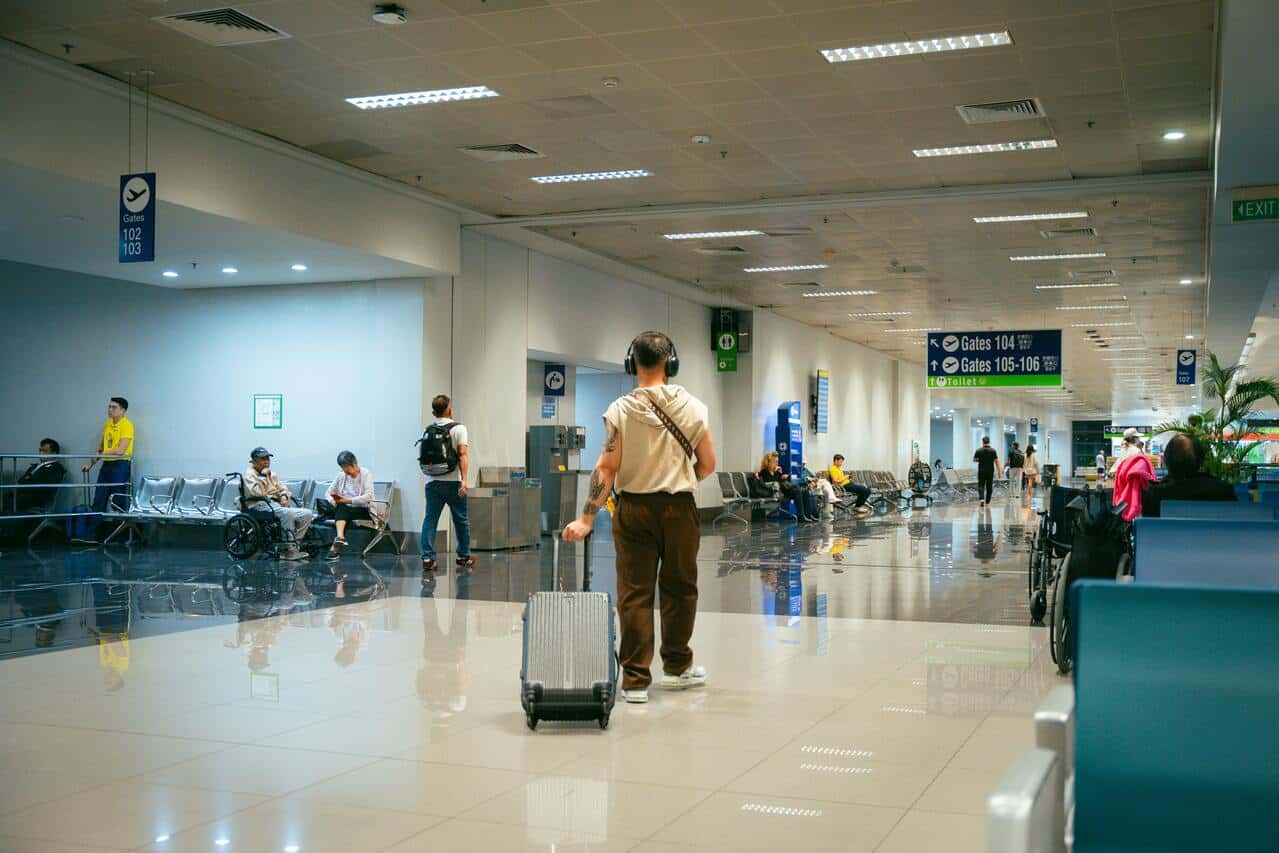
Aircraft cabins average between 75 and 85 decibels, a level comparable to constant city traffic. Noise-canceling headphones or quality earbuds dramatically reduce this exposure, improving comfort and concentration. Frequent fliers report up to 40 percent better rest quality when using active noise cancellation on long-haul flights. Beyond entertainment, they block engine hum, passenger chatter, and crying infants, allowing lower listening volumes that protect hearing. This single item transforms the cabin into a manageable personal space, making flights feel shorter and far less draining.
3. A refillable water bottle
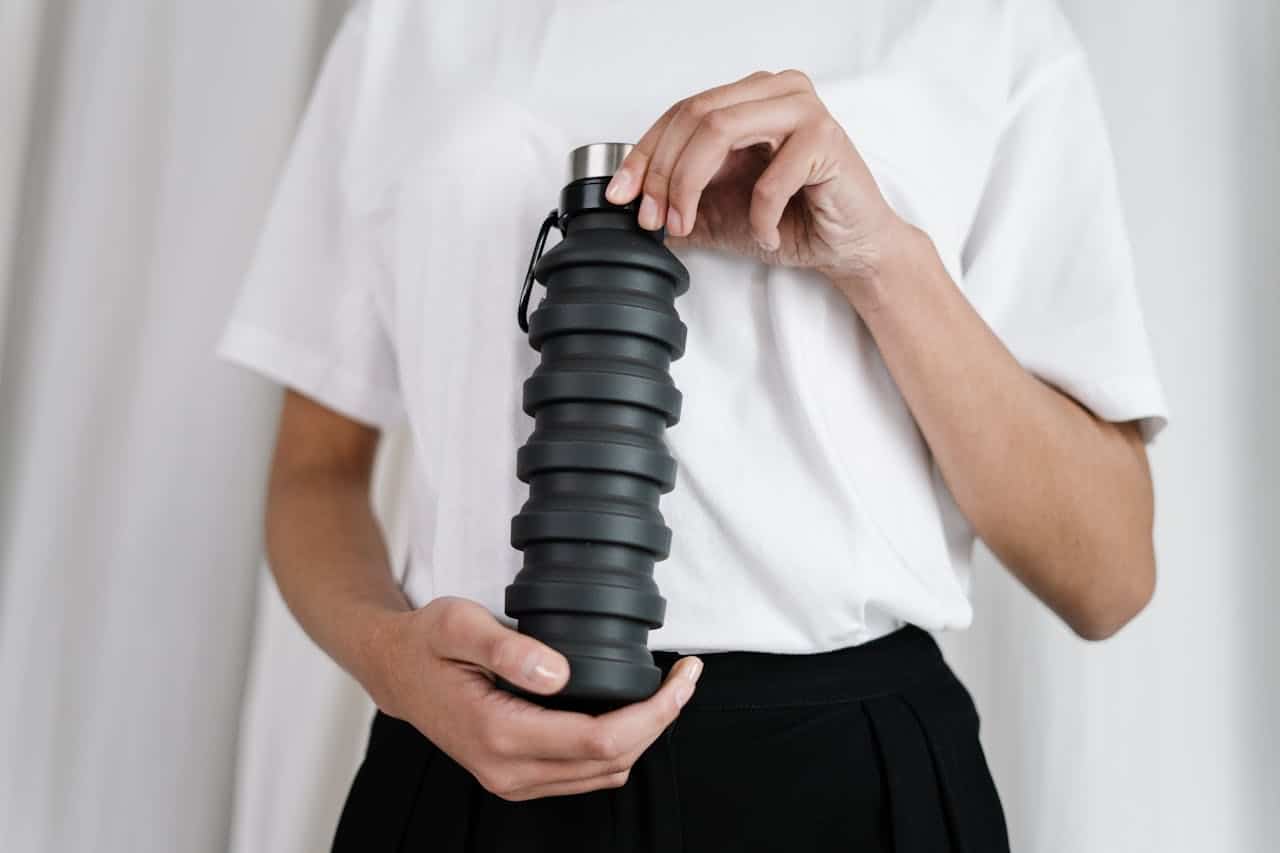
Cabin humidity typically falls below 20 percent, compared to 40–60 percent in most homes. This dry environment accelerates dehydration, leading to fatigue and headaches within just a few hours. Carrying a refillable water bottle allows you to drink consistently without relying on limited inflight service. Health data suggests travelers should consume about 250 milliliters of water per hour while flying. Bringing an empty bottle through security and filling it before boarding ensures steady hydration throughout the journey. This simple habit significantly reduces jet lag symptoms and supports circulation, digestion, and overall comfort during extended flights.
4. A compact, airline-approved power bank
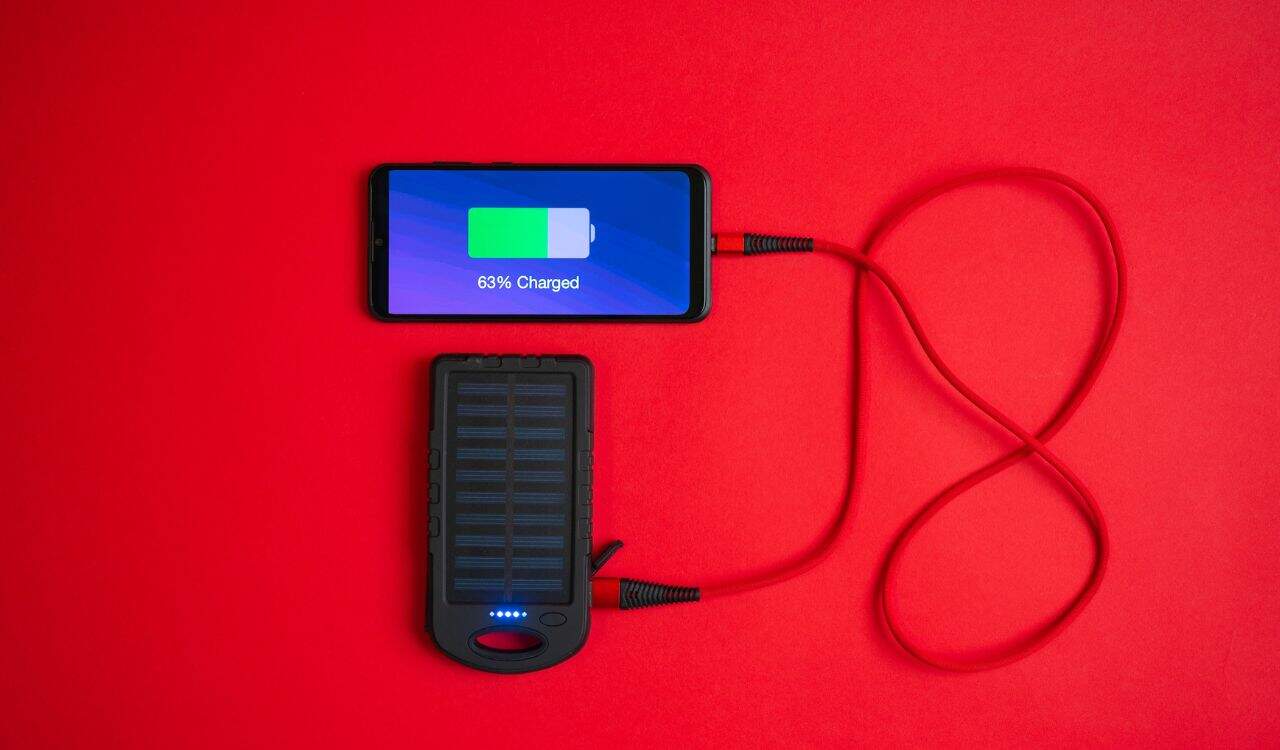
Power availability on aircraft remains inconsistent, with nearly 25 percent of planes lacking functional seat outlets. A compact power bank ensures your phone, tablet, or e-reader stays alive during delays, long taxi times, or missed connections. Aviation regulations typically allow power banks under 100 watt-hours, which can recharge a smartphone two to four times. For frequent fliers, this reliability is critical when boarding passes, maps, hotel details, and emergency contacts are all digital. A slim model stored under the seat keeps essential devices powered without scrambling for scarce airport charging points.
5. Essential medications with spare doses
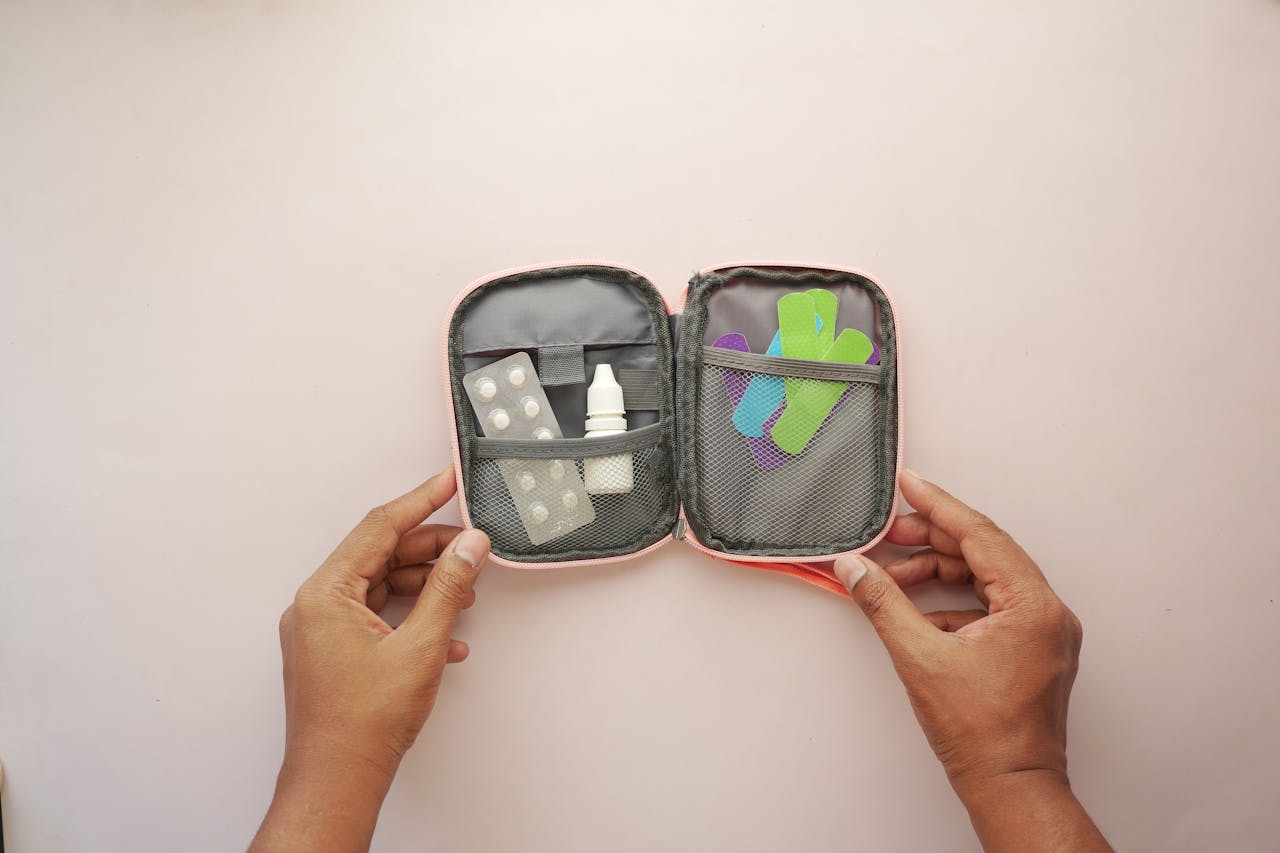
Checked luggage delays affect roughly 6 percent of flights globally, making carry-on medication storage non-negotiable. Always pack essential prescriptions in original packaging, along with at least two extra doses to cover unexpected disruptions. Frequent travelers also include basic pain relievers, motion sickness tablets, and allergy medication, which are among the most requested onboard medical needs. Accessing a pharmacy during international layovers can be difficult due to language barriers or regulations. Keeping medications within reach ensures continuity of care, reduces anxiety, and protects health during long or disrupted travel days.
6. Lip balm and hand moisturizer

Low cabin humidity rapidly strips moisture from skin, with studies showing hydration loss beginning within 90 minutes of flight time. Lips and hands are particularly vulnerable, often becoming dry or cracked before landing. A small lip balm and travel-size hand moisturizer counteract this effect and improve overall comfort. Dermatologists recommend reapplying moisturizer every two to three hours while flying. These compact items take up minimal space but make a noticeable difference, especially on overnight flights where discomfort can interfere with rest and leave travelers feeling worn out upon arrival.
7. A lightweight scarf or travel shawl

Aircraft cabin temperatures can fluctuate by as much as 10 degrees Celsius during a single flight. A lightweight scarf or shawl offers adaptable warmth without adding bulk. Frequent fliers use it as a blanket, neck support, eye cover, or even lumbar padding. Unlike airline blankets, which are often thin or unavailable, a personal scarf ensures cleanliness and comfort. It also bypasses carry-on limits, as most airlines do not count wearable items. This versatile accessory provides warmth, privacy, and flexibility across varying cabin conditions.
8. Familiar, nutrient-dense snacks
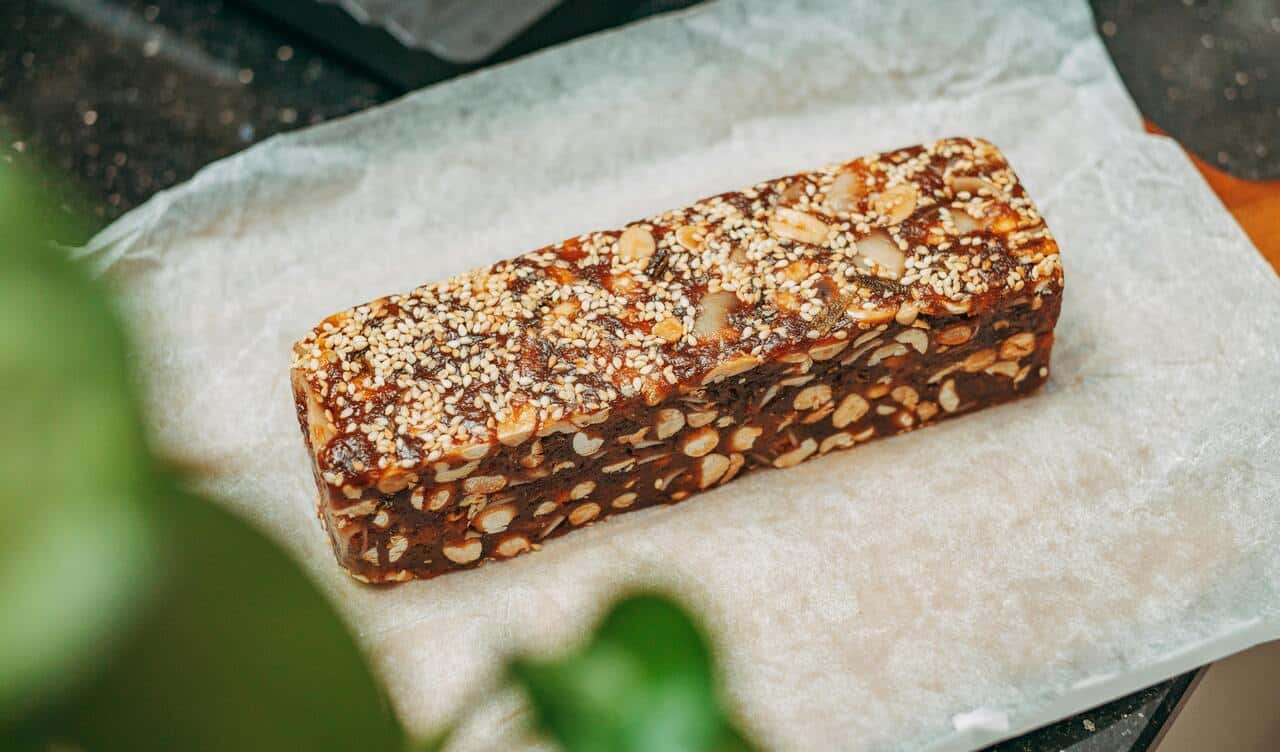
Inflight meals are limited, and delays can push hunger past manageable levels. Carrying familiar snacks stabilizes energy and mood, especially on flights exceeding four hours. Nutrition data shows protein-rich snacks help maintain blood sugar levels better than high-carb options. Frequent fliers favor nuts, protein bars, or dried fruit that travel well and meet dietary needs. Airport food prices can be 40 percent higher than outside terminals, making personal snacks both economical and reliable. Having something you trust to eat reduces stress and keeps your body fueled during unpredictable travel schedules.
9. A simple, reliable pen
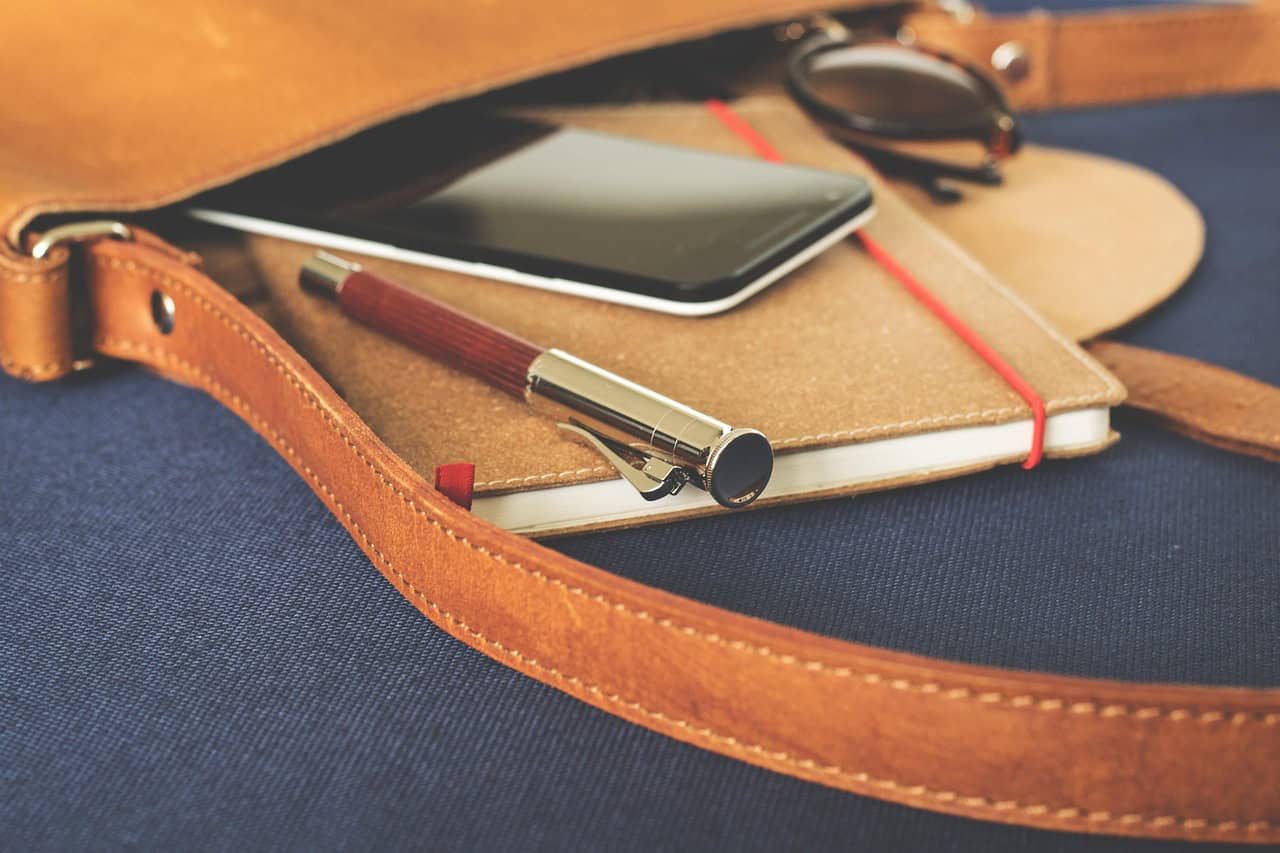
Despite digital advances, paper forms remain common for customs, immigration, and health declarations. On international routes, over 60 percent of passengers still complete at least one handwritten form. Carrying your own pen avoids delays and awkward borrowing in cramped cabins. It also speeds up arrival procedures, allowing you to move through immigration faster. A lightweight pen takes virtually no space but delivers consistent utility. Frequent fliers know this small preparedness detail often separates smooth arrivals from unnecessary frustration.