9 Things to Know Before You Order Chile in New Mexico, Starting With What “Christmas” Means
We may earn money or products from the companies mentioned in this post. This means if you click on the link and purchase the item, I will receive a small commission at no extra cost to you ... you're just helping re-supply our family's travel fund.
The first time you order chile in New Mexico, a server will probably ask you a two-word question: “Red or green?” Answer “Christmas” and you get both. That one word is the fastest way to sound like you belong at the table, but it is only the beginning of how chile works here.
New Mexico takes this so seriously that it is written into state law. In 1996 the Legislature passed a memorial naming “Red or green?” the official state question, and state statute now lists “Red and green or Christmas” as the official answer. The state’s Secretary of State notes the question exists because chile is one of the state’s most important crops.
So before you sit down in Albuquerque, Las Cruces, Santa Fe, or a gas-station diner in Socorro, here are nine things that will save you from ordering the wrong plate, burning your mouth, or missing the best part of the meal.
What to know before you order chile in New Mexico
New Mexican food is not Tex-Mex and it is not interior Mexican cooking. It is its own regional cuisine built around locally grown chile, blue and yellow corn, pinto beans, and pork. Chile is not a garnish here. It is a sauce, an ingredient, and on many plates the main event. Knowing the vocabulary makes everything else easier.
1. “Christmas” means you get both red and green
When the server asks “Red or green?” you are choosing which chile sauce goes over your enchiladas, burrito, eggs, or burger. Say “Christmas” and the kitchen ladles red on one half and green on the other, or mixes them across the plate depending on the restaurant.
The term is widely credited to Santa Fe restaurant lingo, and it spread across the state from there. It is the right answer if you cannot decide, if you want to compare the two, or if you are eating somewhere for the first time and do not know which sauce the kitchen does better. Many locals have a strong preference, but ordering Christmas is never considered a rookie move.
2. Red and green come from the same plant
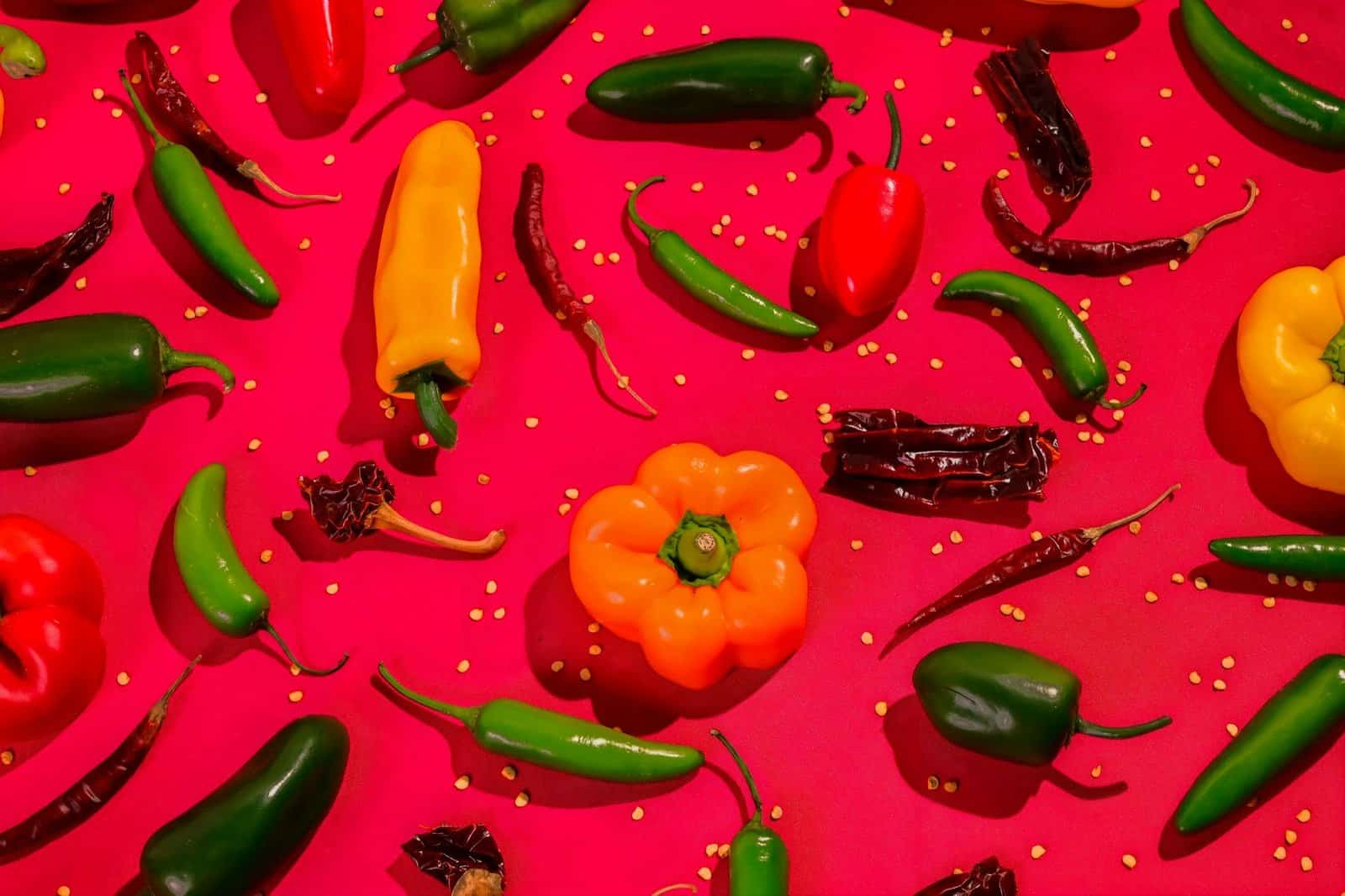
Green chile and red chile are not different species. Green chile is picked before it ripens, then roasted, peeled, and chopped. Red chile is the same pod left on the plant until it turns red, then dried. Dried pods are ground into powder or rehydrated and pureed into sauce.
That difference changes the flavor completely. Green tends to taste bright, smoky, and vegetal, often with chunks of roasted chile you can see. Red tastes earthier and deeper, sometimes slightly sweet or bitter, and usually comes as a smooth, brick-colored sauce. Neither is automatically milder.
3. Neither color tells you how hot it will be
Visitors often assume red is hotter because it looks fiercer. It does not work that way. Heat depends on the chile variety, the growing season, and how the kitchen makes its sauce. One restaurant’s green can be gentle while the place across the street serves green that makes your eyes water. Heat can even shift from week to week as a kitchen moves to a new batch.
The simple fix is to ask. Servers expect the question “Which one is hotter today?” and they will give you an honest answer. If you are sensitive to spice, ask for chile on the side so you control how much lands on your food.
4. “Chile” and “chili” are not the same thing here
In New Mexico, “chile” with an e refers to the pepper and to the sauce made from it. “Chili” with an i usually means the bean-and-meat stew most Americans know from cook-offs and football parties. You will see menus and signs that insist on the spelling, and some people treat the difference as a matter of state pride.
If you order a bowl of “chile” in a traditional New Mexican restaurant, you will often get a bowl of red or green chile sauce or a green chile stew, not a Texas-style bowl of chili. Green chile stew, with pork, potatoes, and roasted green chile in broth, is a standard cold-weather order from late fall through winter.
5. “Smothered” means the whole plate gets covered
When a menu says a burrito or enchilada plate comes “smothered,” the chile is poured over the top until the food underneath almost disappears, often with melted cheese. That is the default style for many dishes. If you want a burrito you can pick up with your hands, order it handheld or ask for the chile inside rather than on top.
Breakfast burritos are a good example. Many New Mexico spots will ask whether you want yours handheld with green inside or smothered on a plate. Both are correct. One is car food. The other needs a fork and a napkin.
6. Enchiladas often come stacked, sometimes with an egg on top
Order enchiladas in much of the country and you get rolled tortillas in a baking dish. In New Mexico, you will often get flat, stacked enchiladas: corn tortillas layered with cheese, onion, and chile, sometimes with blue corn tortillas. Many kitchens will offer to put a fried egg on top. Say yes at least once.
Blue corn tortillas have a nuttier taste and a slightly denser texture than yellow corn. They are tied to Pueblo farming traditions in the region, and seeing them on a menu is a good sign you are in a restaurant serving New Mexican food rather than generic Mexican-American dishes.
7. Sopaipillas are part of the meal, and the honey is not just dessert
At many New Mexican restaurants, your plate arrives with a basket of sopaipillas: puffy, hollow pillows of fried dough. There is usually a squeeze bottle of honey on the table. Some people tear off a corner and drizzle honey inside after the meal, as a small dessert. Others use the honey during the meal to cool down a chile that turned out hotter than expected.
Sopaipillas are also used to wipe up leftover chile. In some restaurants you can order a stuffed sopaipilla as a main dish, filled with meat and beans and smothered in chile. If yours arrive hot from the fryer, eat them before they deflate.
8. Fall is roasting season, and you can smell it
From late summer into fall, grocery store parking lots and roadside stands across the state run propane-fired drum roasters. Fresh green chile tumbles in a rotating metal cage until the skins blister and blacken, and the smell carries for blocks. People buy chile by the sack, take it home, and freeze it in bags to last until next year.
The Hatch Valley in southern New Mexico is the most famous growing area, and you will see “Hatch” on signs and labels far beyond the state. By November, most fresh roasting has wound down, but freezers are full and restaurant kitchens are working through the season’s crop. Strings of dried red chile pods, called ristras, hang on porches and doorways statewide.
9. Chile shows up in places you would not expect
In New Mexico, chile is not confined to New Mexican restaurants. You will find green chile cheeseburgers at diners and fast-food chains, green chile on pizza, green chile in bagels, chile in mac and cheese, and red chile in hot chocolate. Some national chains with New Mexico locations add green chile as a regional option.
The green chile cheeseburger is probably the most famous example. It is a regular burger with roasted green chile on top, usually with cheese, and it is so tied to the state that New Mexico tourism has promoted a Green Chile Cheeseburger Trail. If you only eat one thing outside a sit-down New Mexican restaurant, make it this.
How to put it all together at the table
Here is how a confident first order sounds. Start with a dish that shows off the sauce, like stacked enchiladas, a smothered burrito, or carne adovada, which is pork marinated and cooked in red chile. Ask which chile is hotter today. If you cannot decide, say Christmas.
If you are ordering breakfast, try huevos rancheros or a breakfast burrito with green. If it is cold out, add a cup of green chile stew. Leave room for the sopaipillas.
A few small habits help:
- Ask for chile on the side if anyone at your table is cautious about heat.
- Keep a glass of milk or a sopaipilla with honey nearby if the chile turns out hotter than expected. Water does little to cut the burn.
- Order Christmas at a new restaurant so you can judge both sauces at once.
- Do not be surprised if the server asks “Red or green?” even when you order a burger or eggs. That is normal here.
Why the question matters to New Mexicans
The “Red or green?” question is more than a menu choice. Chile has been grown in the Rio Grande Valley for centuries, and it is woven into family recipes, holiday traditions, and local farming economies. Families pass down how they like their red, how long they roast their green, and which local farm or roaster they trust.
That is why the Legislature took the unusual step of naming an official state question, and why the official answer includes Christmas. When you order chile with a little knowledge, you are joining a conversation New Mexicans have had at the table for generations.
A quick cheat sheet before your trip
If you only remember a handful of things from this list, remember these:
- “Red or green?” is the official state question. “Christmas” gets you both.
- Green is roasted unripe chile. Red is dried ripe chile. Same plant.
- Color does not predict heat. Ask your server.
- “Chile” is the pepper and the sauce. “Chili” is usually the stew.
- Smothered means covered. Handheld means you can pick it up.
- Sopaipillas and honey come with the meal at many restaurants.
Learn those, and your first plate of enchiladas will feel less like a test and more like what it is: one of the most distinctive regional meals in the United States, served with a question that has a legal answer.