We may earn money or products from the companies mentioned in this post. This means if you click on the link and purchase the item, I will receive a small commission at no extra cost to you ... you're just helping re-supply our family's travel fund.
Henry Siismets/Unsplash
Airport screening delays rarely come from anything dramatic. More often, a carry-on gets pulled because an ordinary item looks confusing on X-ray: a dense block, a powdery mass, a battery brick, or something that behaves like a liquid even when it does not look like one. The surprise is how normal these triggers are, especially on short trips packed tight. With a little forethought, most secondary checks become quick and predictable, and the checkpoint stops feeling like a public unpacking table under bright lights. Good packing is not about perfection. It is about making the scan easy to read.
Protein Powder And Other Large Powders
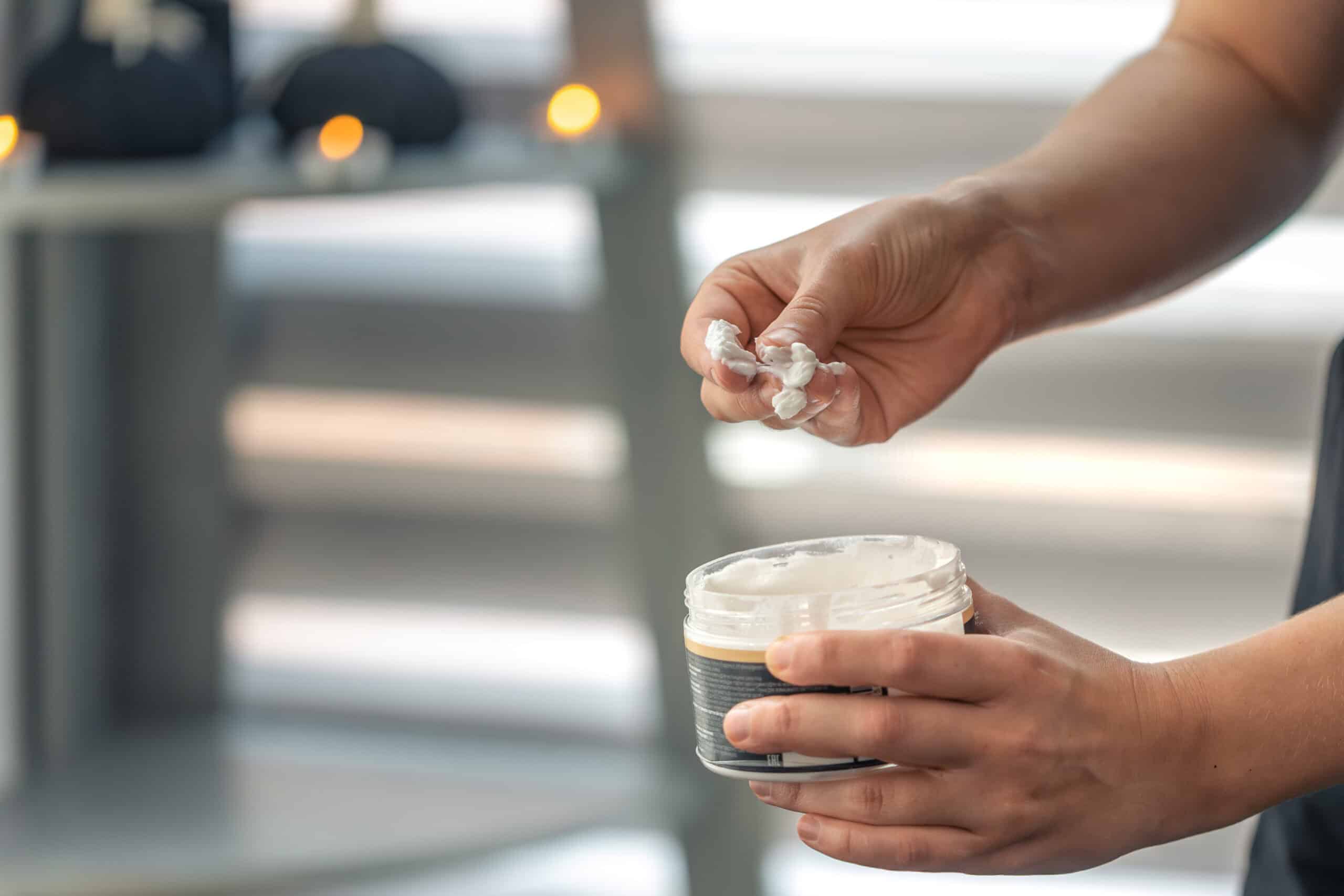
Protein powder, pre-workout, baby powder, and even ground coffee can trigger a bag check when the container is large, because powders read as a dense, uniform mass that is hard to distinguish from other materials on X-ray. TSA notes that powder-like substances over 12 oz. may require additional screening, and the container may be asked to come out so it can be examined, swabbed, or re-scanned in a clearer position. Keeping powders sealed in original, labeled packaging near the top of the carry-on prevents a table-side unpack; when several tubs are coming along for a long trip, checked baggage is usually the smoother call.
Peanut Butter, Hummus, And Other Spreads
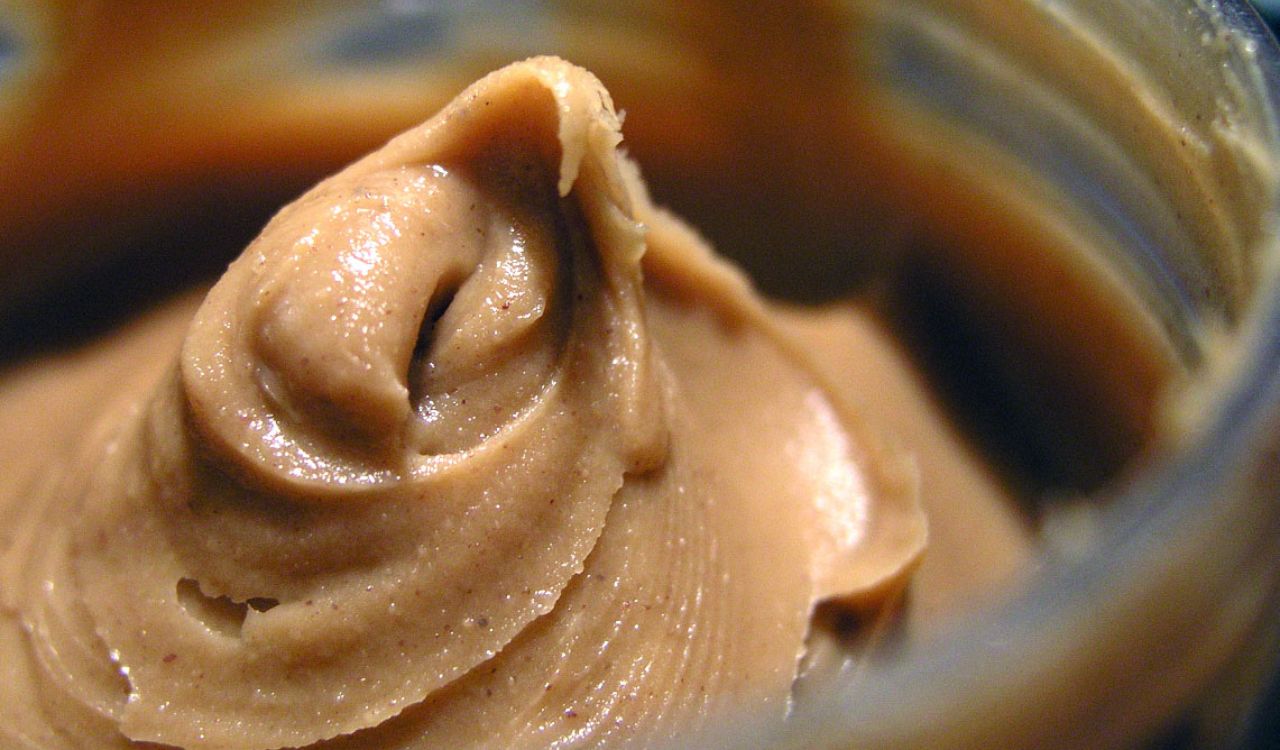
Peanut butter, hummus, yogurt, salsa, and other spreadable foods tend to get pulled because TSA treats many of them as liquids or gels, even when they look like solid snacks. A full-size tub can violate liquid limits in a carry-on, which can lead to extra inspection, swabbing, and a choice between surrendering the item or returning to check a bag after the line is already behind. Portioning spreads into travel-size containers or checking the larger jar keeps the process calm, and packing them together away from electronics makes any inspection quick and clean.
Snow Globes That Look Small

Snow globes are liquid in glass, so they often confuse X-ray images and trigger a closer look, especially when wrapped in gift paper or tucked beside dense souvenirs that block a clear outline. TSA guidance allows a carry-on snow globe only if it appears to contain 3.4 oz. of liquid or less and fits in the quart liquids bag; larger globes belong in checked baggage, even when the dome looks compact. Keeping the globe in its box near the top of the bag lowers breakage risk, speeds inspection, and avoids the awkward moment when a souvenir becomes a fragile object handled under bright checkpoint lighting.
Gel Ice Packs That Are Not Frozen Solid
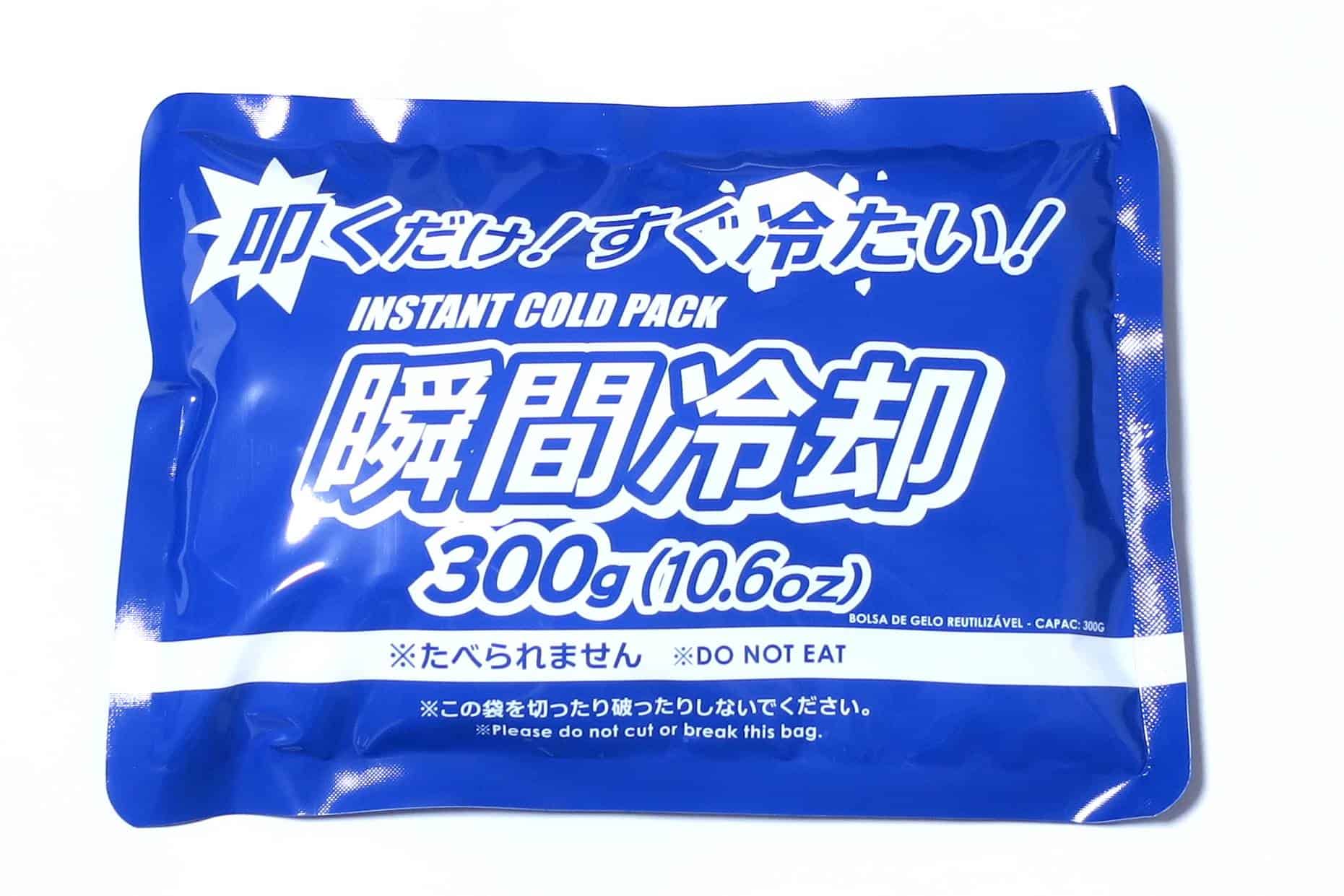
Gel ice packs are allowed when frozen solid; once they turn slushy, TSA treats them like liquids, and that change in texture is a common reason a cooler or lunch bag gets pulled for secondary screening. A pack that left home rock-hard can soften after a long drive, a warm curb wait, or a slow security line, and the scan shows a dense liquid block that officers need to resolve before the bag can move on. Grouping cold packs in a removable pouch keeps screening simple, protects food, and avoids a full bag excavation while other passengers stack trays, shoes, and jackets in a crowded lane. Timing matters.
Candles And Wax Blocks
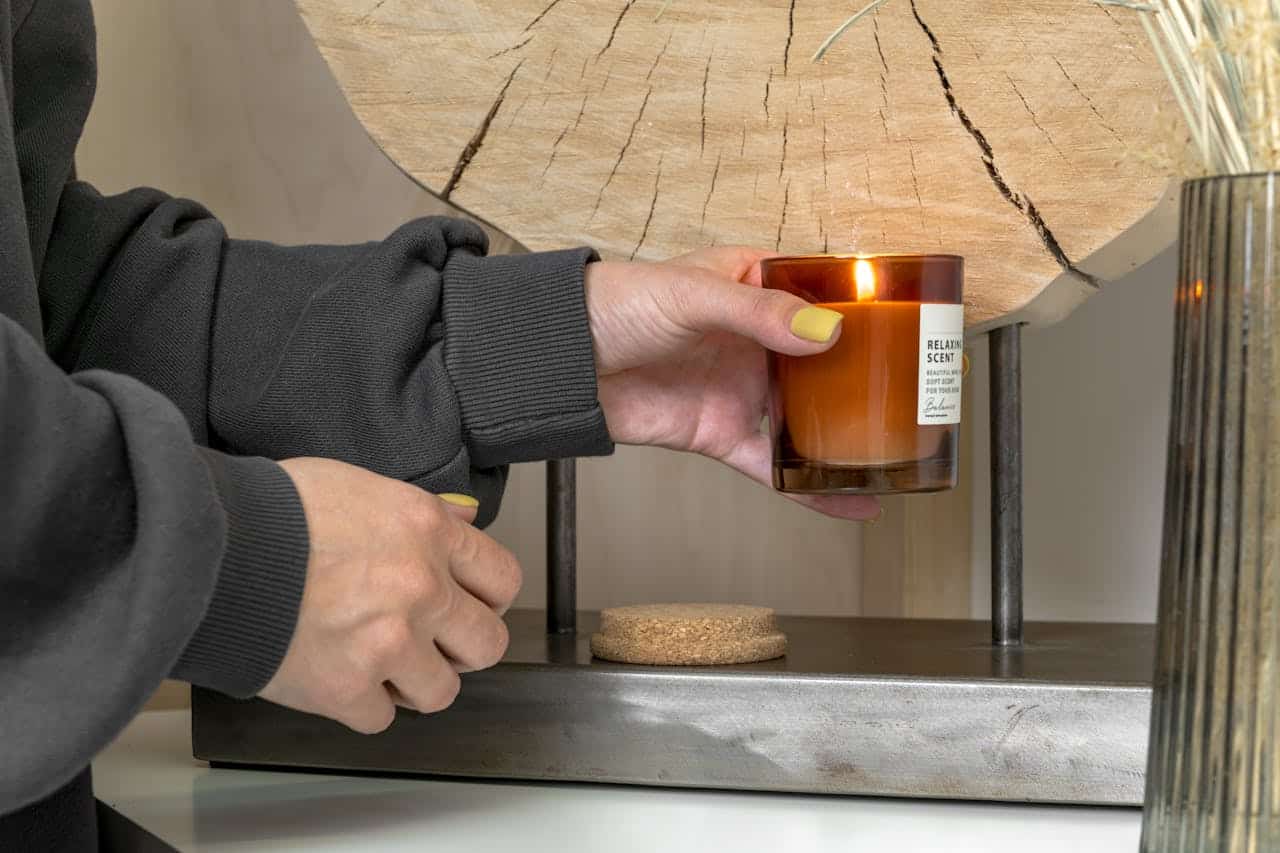
Solid candles are permitted, but wax reads as a dense block on X-ray, so even harmless souvenirs can get flagged for extra screening, especially during holiday travel when many bags carry the same shapes. The image gets harder to clear when candles are stacked, foil-wrapped, or packed beside other dense items like chargers, tins, or hardcover books, and gel-type candles follow different rules that add confusion at the table. Keeping candles unwrapped and easy to lift out helps officers clear them quickly, and it prevents the rushed rewrap that turns a tidy bag into a messy pile of paper, tape, and crumbs.
Wrapped Gifts And Foil Packages

Wrapped gifts look tidy, but paper, tape, bows, and foil can block a clear view of what is inside, which makes a carry-on more likely to be searched when the scan cannot identify the item with confidence. TSA has advised traveling with gifts unwrapped or in gift bags because officers may need to open packages that cannot be resolved on the scan, and beautiful wrapping rarely survives the process in one piece. Keeping gifts accessible with receipts nearby, then wrapping later, preserves the surprise and avoids a stressful repack under the clock of a moving line and a crowded divestment table. Always.
Books And Dense Stacks Of Paper

Books and thick stacks of paper are allowed, yet they still trigger searches because a dense slab of pages can obscure other objects on X-ray, especially when the bag is packed tight and layered. Hardcovers, travel guides, and tightly packed notebooks are more likely to be pulled when they sit beside electronics or snacks, since combined density can create a murky image that often requires a quick swab or a manual look. Packing books flat in an easy-to-remove sleeve keeps screening quick, and it avoids the slow shuffle of clothes, cords, and toiletries across a public table while the line inches forward.
Power Banks And Spare Lithium Batteries
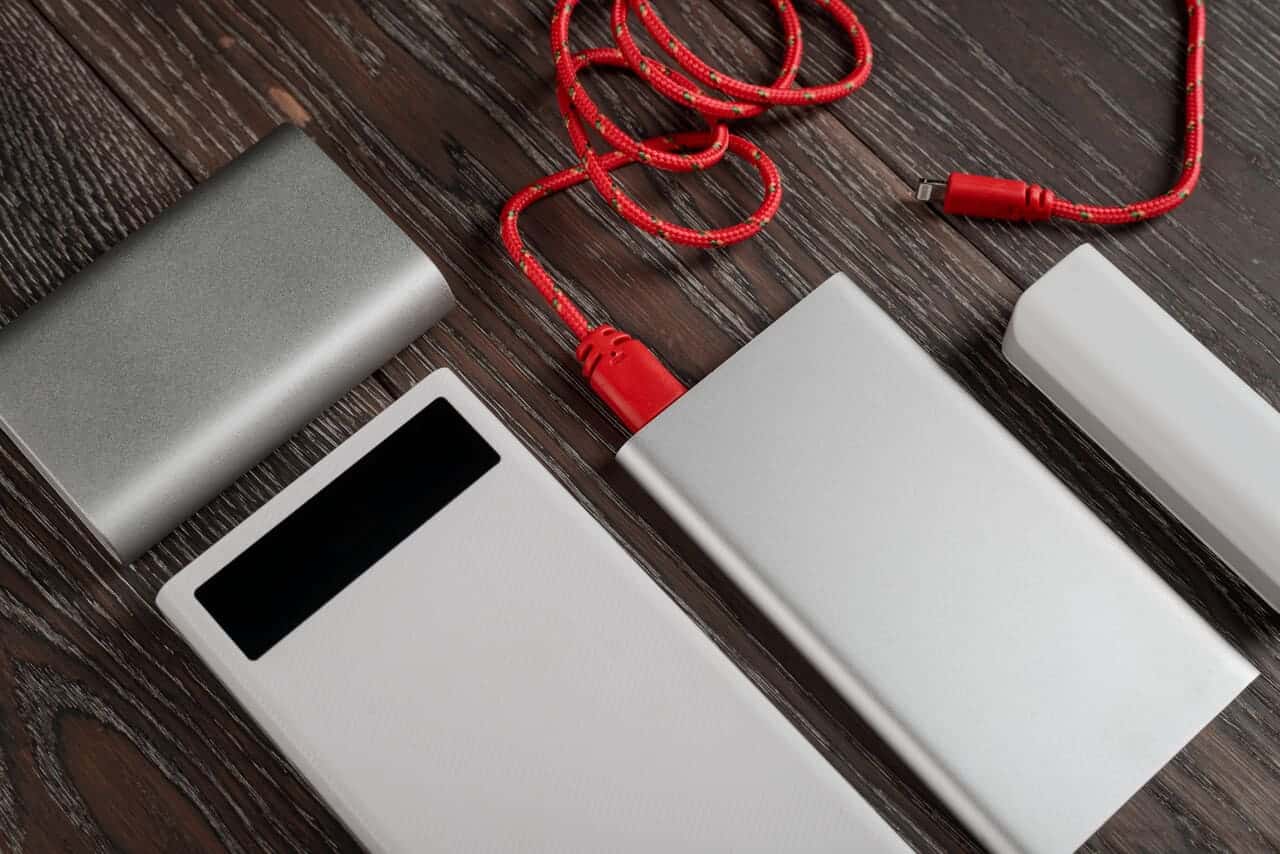
Power banks and spare lithium batteries belong in carry-ons, but they are frequent search triggers when a battery brick is buried under clothing and cords and its outline cannot be separated on the scan. On X-ray, a charger with cables can look like an unidentified device, and several spares stacked together invite a closer look, especially if terminals are not protected and shapes overlap with metal objects like keys or coins. Grouping batteries and chargers in one pouch with caps or cases makes the image cleaner, speeds inspection, and reduces the chance of a slow, item-by-item examination in front of the waiting crowd.
Cast Iron Cookware And Heavy Kitchen Gear
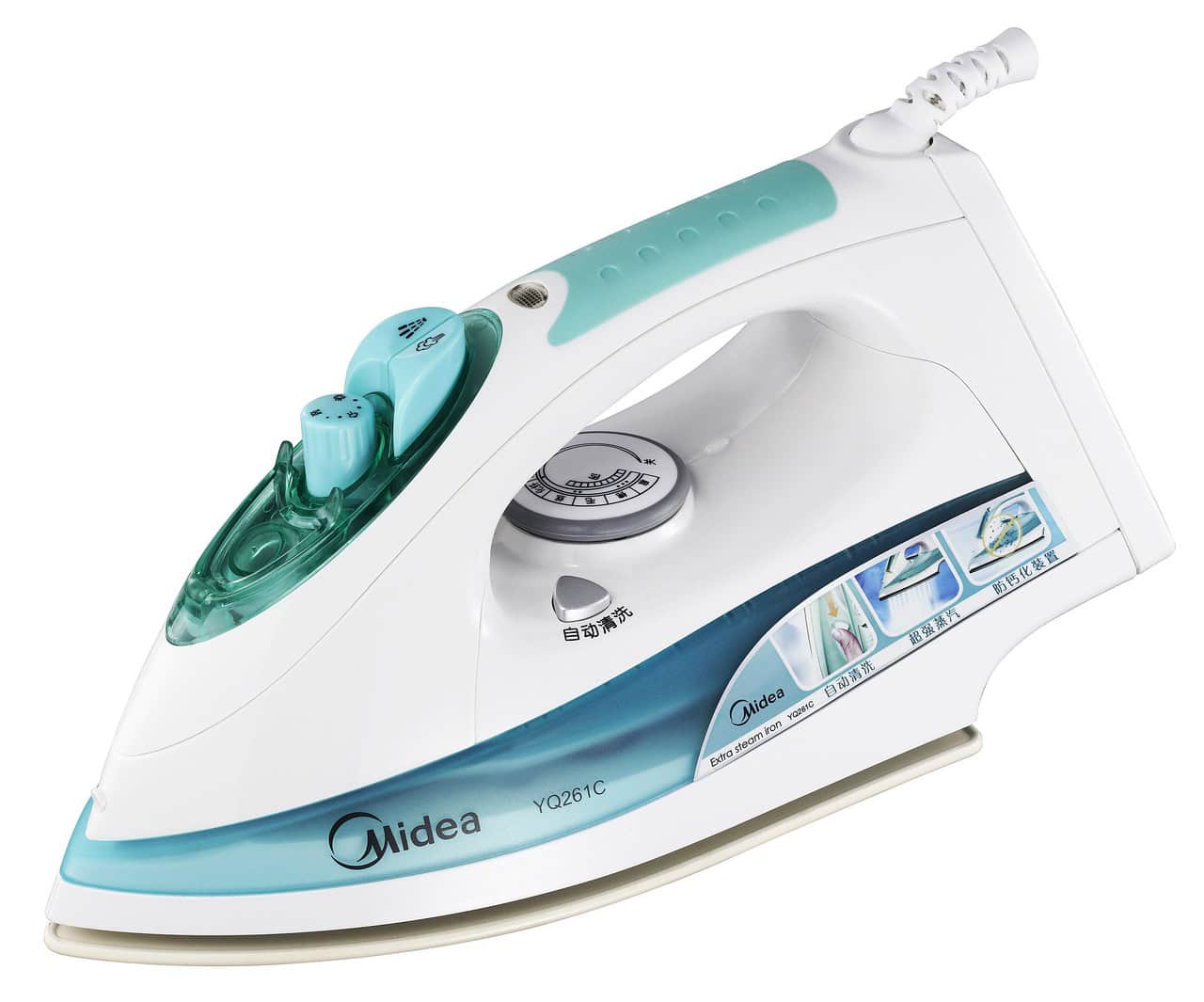
Cast iron cookware surprises many travelers because it is normal kitchen gear, yet TSA prohibits cast iron skillets in carry-on bags, so the scan often ends in a bag search and an immediate decision at the table. At that point the options are limited: check it, mail it, or surrender it, and the process can be slow because the item is heavy, awkward to repack, and rarely fits neatly back into a tight carry-on. Checking heavy pans with padding prevents the checkpoint scramble, protects the skillet from dents, and keeps the focus on the trip instead of a last-minute logistics problem. No surprises.