We may earn money or products from the companies mentioned in this post. This means if you click on the link and purchase the item, I will receive a small commission at no extra cost to you ... you're just helping re-supply our family's travel fund.
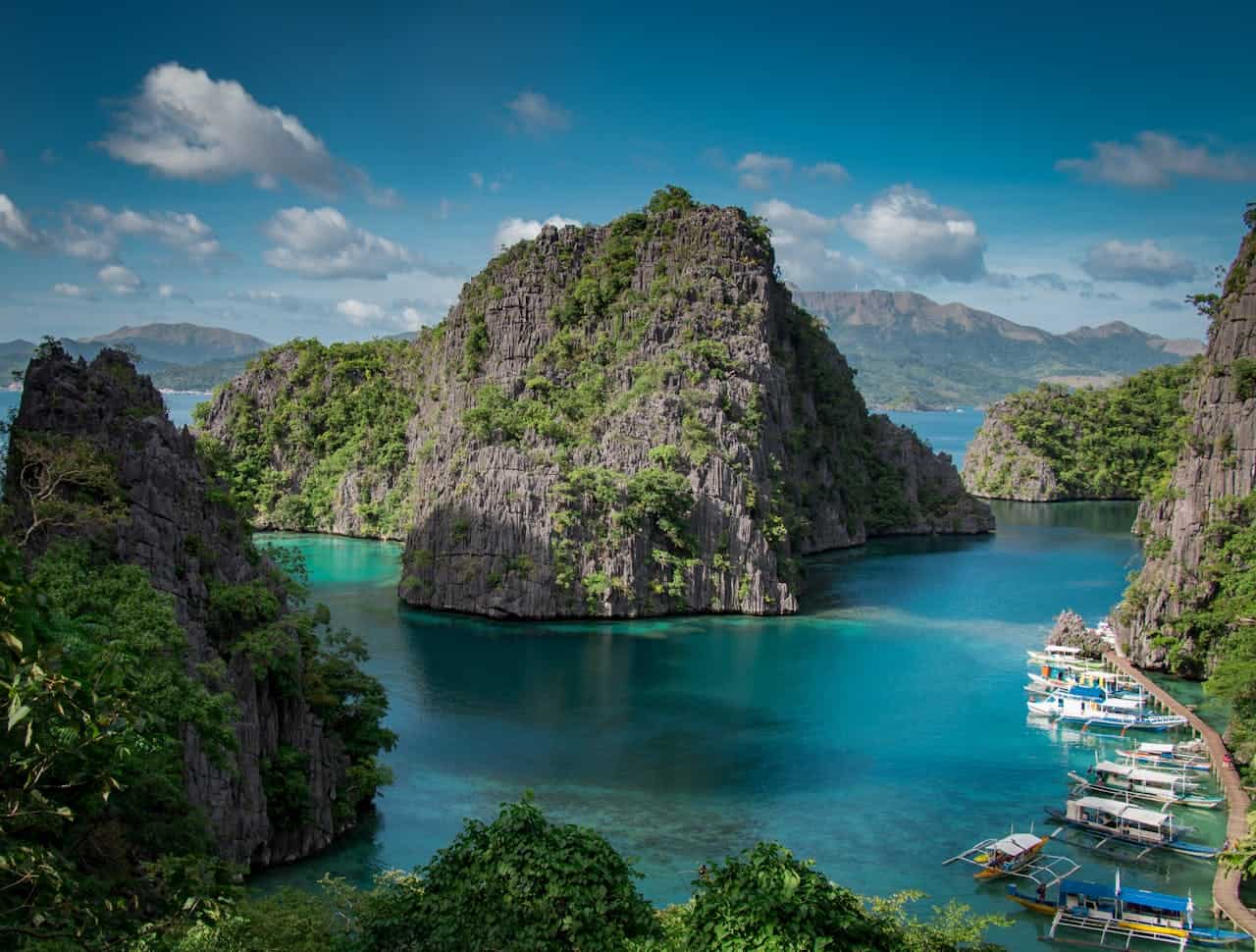
Some beaches still feel like secrets because getting there takes patience, not hype. They sit past the last paved road, beyond the day-tripper loop, where fishing boats set the schedule. On these quieter shores, the details land harder: reef shadows under clear water, salt on warm stone, and night skies that do not compete with neon. The reward is not exclusivity. It is space and a place that still sounds like itself. Local rules, tides, and weather act as quiet gatekeepers, which helps keep sand clean and mornings slow. When visitors match that restraint, the magic lasts. A rare kind of calm.
Playa Frontón, Dominican Republic
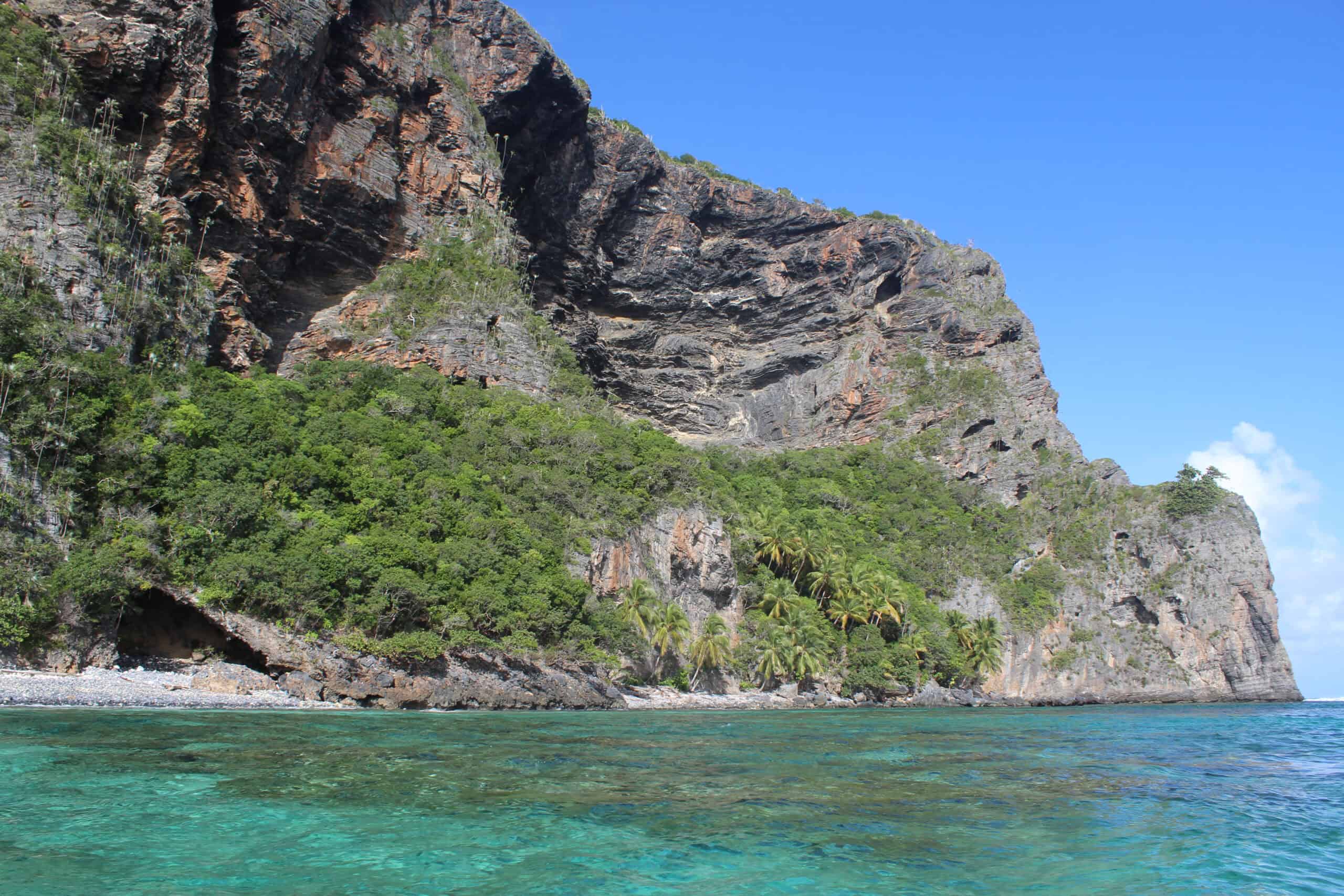
Playa Frontón, near Las Galeras on the Samaná Peninsula, stays quiet because it is reached by boat or a steep coastal hike, not a roadside pull-off. A pale strip of sand sits under cliff walls, and the water often turns bright turquoise, with reef life close enough for easy snorkeling. From mid-Jan. through March, nearby Samaná Bay draws humpback whales, so the week can mix beach time with whale watching, while the cove stays low-key and litter-free, by habit. Shade is scarce and services are minimal, a part of the charm; most visitors bring water, snacks, and carry every wrapper back to town.
Calaguas Islands, Philippines
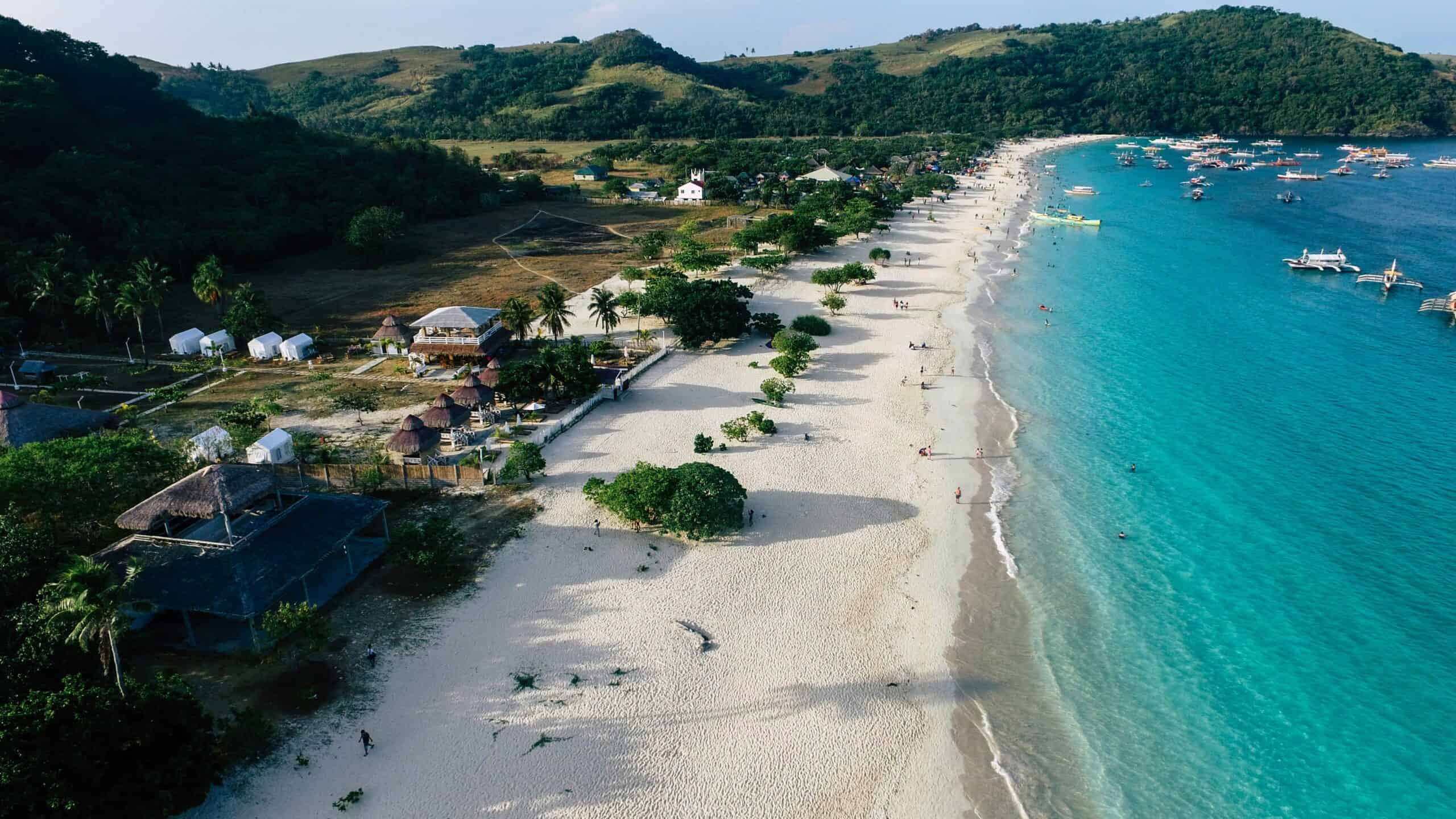
The Calaguas Islands, off Camarines Norte in the Philippines, stay lightly visited because reaching Tinaga Island takes a long land trip and a boat crossing. Mahabang Buhangin is the anchor, a bright run of powdery sand with clear shallows that look almost backlit at noon. With limited development, nights lean toward tents and simple cottages, and sea conditions call the shots, so locals watch forecasts, time departures for calmer mornings, and keep the beach clean by default. Freshwater is limited, power is basic, and cash matters. The mood is simple. The sand feels quieter than huge islands.
Bangaram Island, Lakshadweep, India
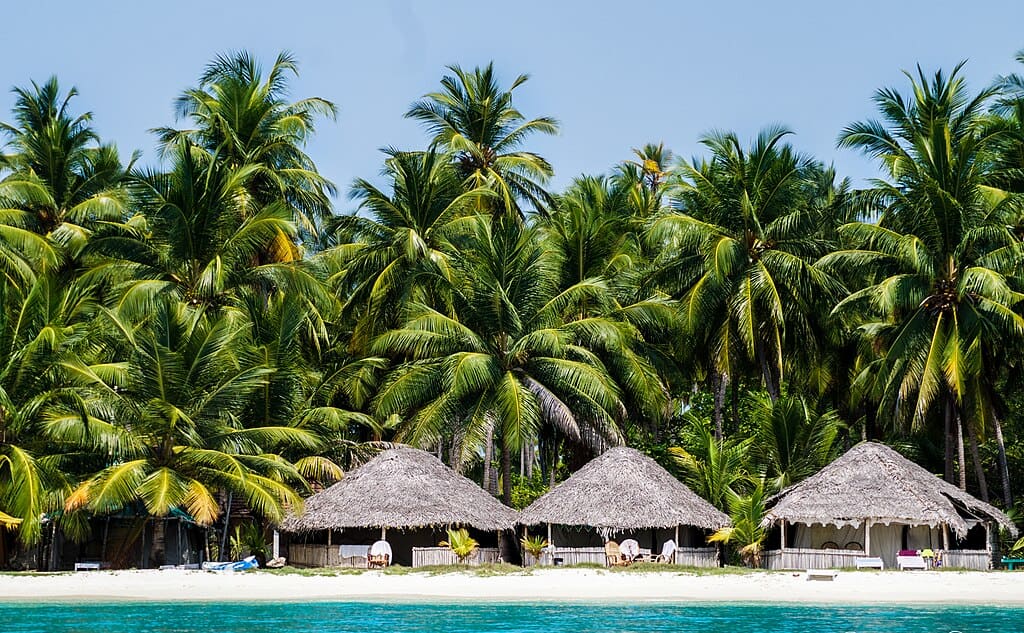
Bangaram, in India’s Lakshadweep, feels like a clean ribbon of sand set inside a shallow lagoon, with a coral reef acting as a natural breakwater. The island is officially uninhabited aside from visitors, and entry permits help keep numbers controlled, which suits the place’s quiet sea-bird rhythm. Most trips route through Agatti, then continue by boat, and the days stay simple: snorkeling, diving, and long swims in glassy water, with coconut groves and modest stays pulling attention away from noise. Low-impact rules matter: sunscreen, fewer plastics, trash carried out. The lagoon stays clear.
Quirimbas Archipelago, Mozambique
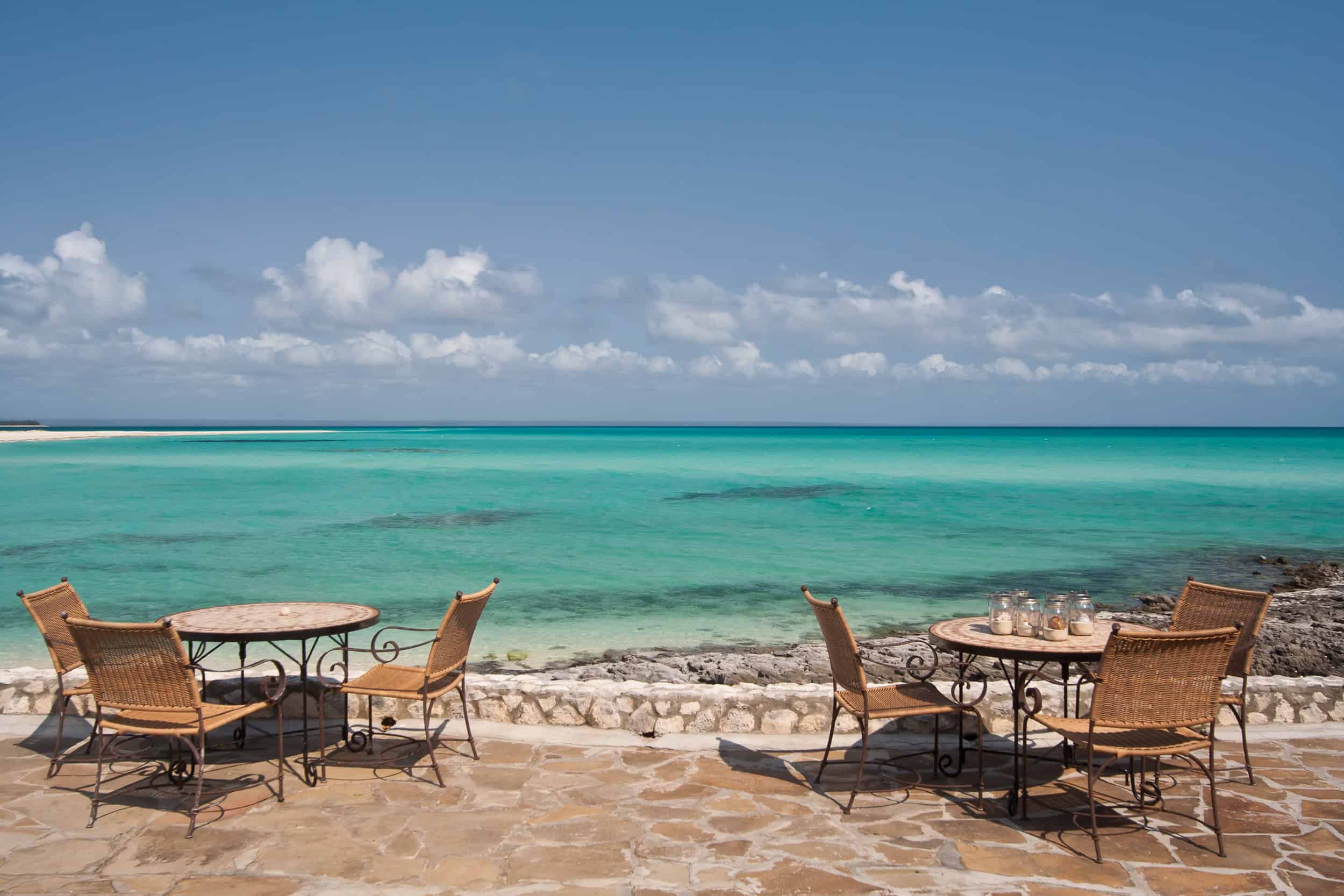
Mozambique’s Quirimbas Archipelago strings 31 islands along roughly 200 miles of coast, where sandbars, mangroves, and reefs stitch sea to land. Ibo Island adds a human pulse, with Swahili and Portuguese layers in its old streets, while nearby islands stay mostly wild and palm-fringed. Days follow tide charts, not clocks: snorkeling coral gardens, watching dhows slide past at dusk, and ending on beaches that still feel beautifully unfinished. Pemba is the common jumping-off point, and May through Sept. often brings clearer seas for boats and reefs. At dawn the air smells of smoke and salt too.
Prassa Beach, Kimolos, Greece
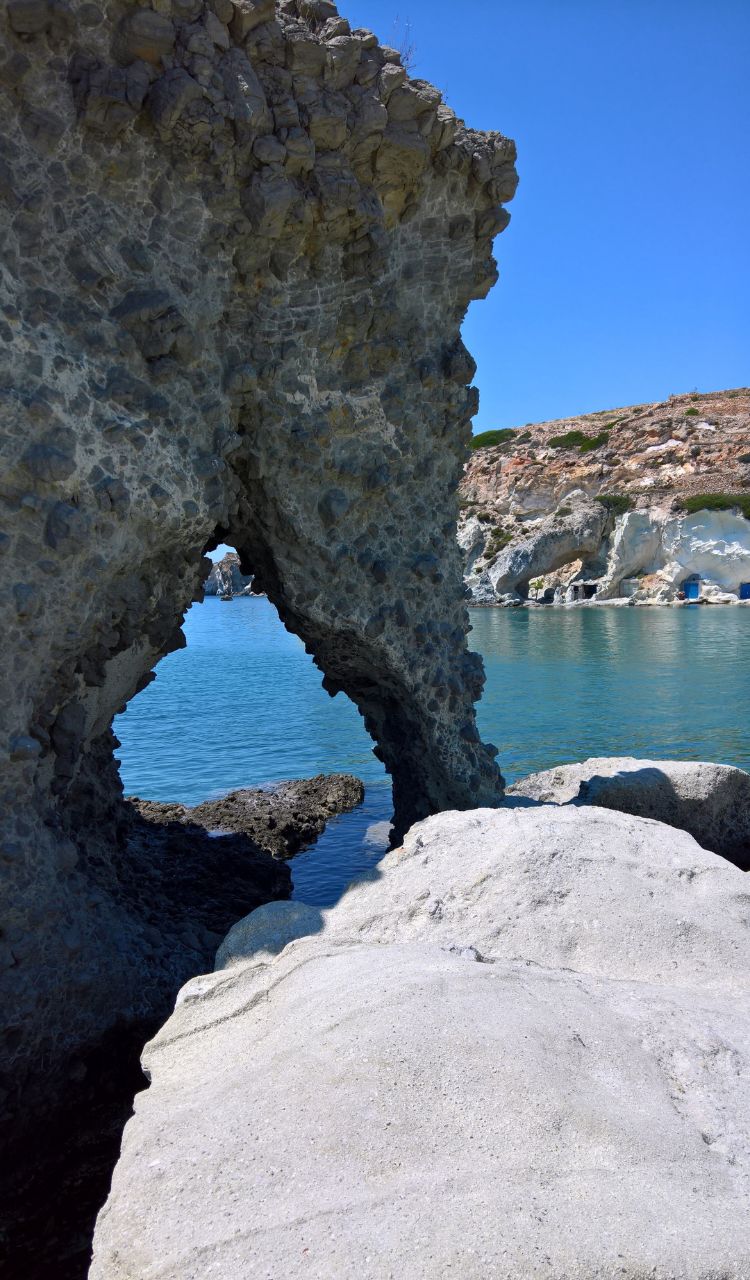
On Kimolos, a small Cycladic island reached by ferry, Prassa Beach keeps a low profile behind a simple village pace and a rougher road. The sand skews unusually pale, influenced by nearby bentonite deposits, and the water turns clear turquoise fast, with rocky edges that suit snorkeling. Even in summer, the scene stays quiet, with a few shade spots, slow swims, and a shoreline where voices drop without effort. When the Meltemi wind rises, crossings can shift, so locals favor calm mornings and avoid trampling dune plants near the tamarisks. It stays lovelier, and slightly overlooked, by design.
Comporta and Praia do Carvalhal, Portugal
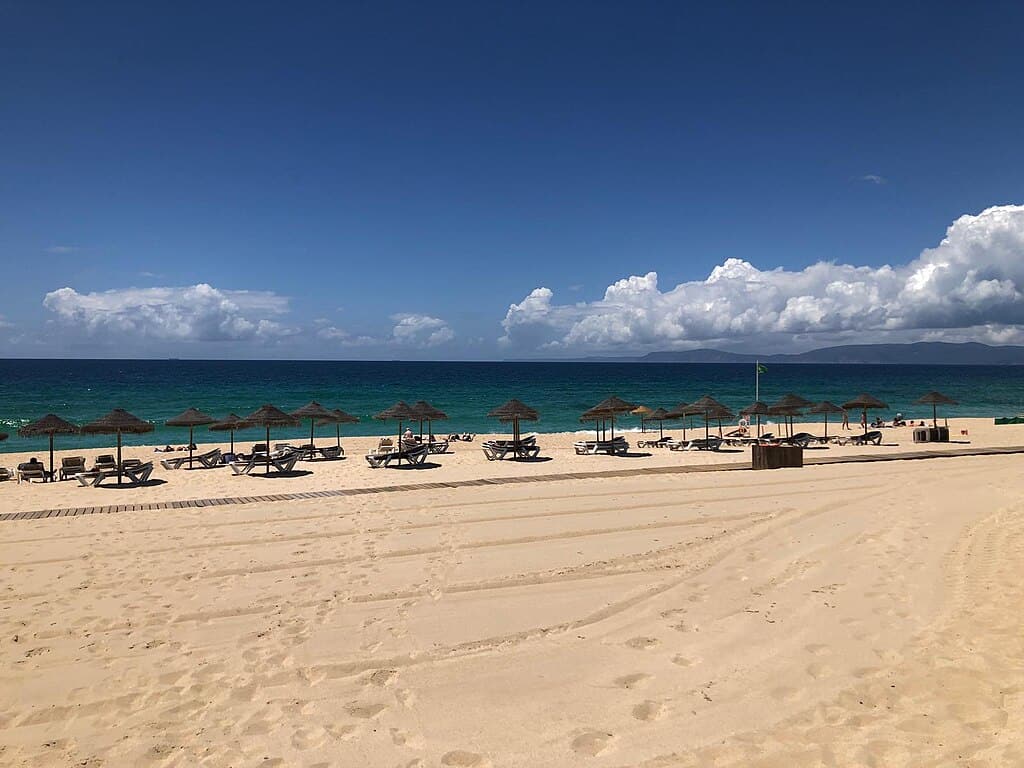
Portugal’s Comporta coast pairs long Atlantic beaches with rice fields and cork forests, so the landscape feels as restorative as the surf. Praia do Carvalhal is framed by dunes and paddies, with wide sand that stays walkable even when summer gets busy elsewhere. Nearby, the Sado Estuary Nature Reserve is known for resident bottlenose dolphins, and boat outings from Setúbal or Tróia add wildlife without turning it into a spectacle. May, June, and October often bring warm light and fewer crowds, which suits Comporta’s quieter, picnic-first beach culture. The mood stays unforced, even at midday.
Gjipe Beach, Albania
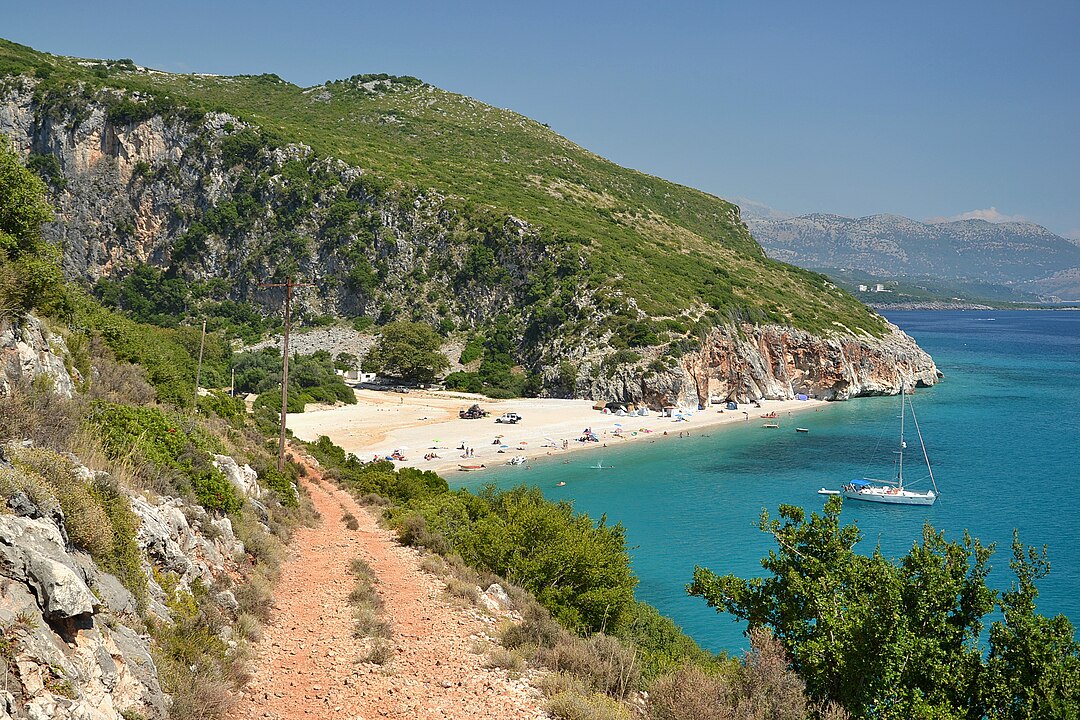
Albania’s Gjipe Beach sits between Dhërmi and Himarë, tucked where a narrow canyon meets the Ionian Sea and cliffs rise on both sides. Reaching it usually means a hike of about 1 to 1.5 hours or a small boat, which filters crowds and keeps the shore feeling deliberate. Down by the water, smooth pebbles and patches of sand meet clear blue shallows, and canyon shade makes afternoons cooler than the open coast. A few seasonal camps appear, but the main draw stays simple: quiet swims, short canyon walks, and a sunset climb back up. It feels far without feeling harsh, and respect keeps it that way.
Caleta Cóndor, Chile
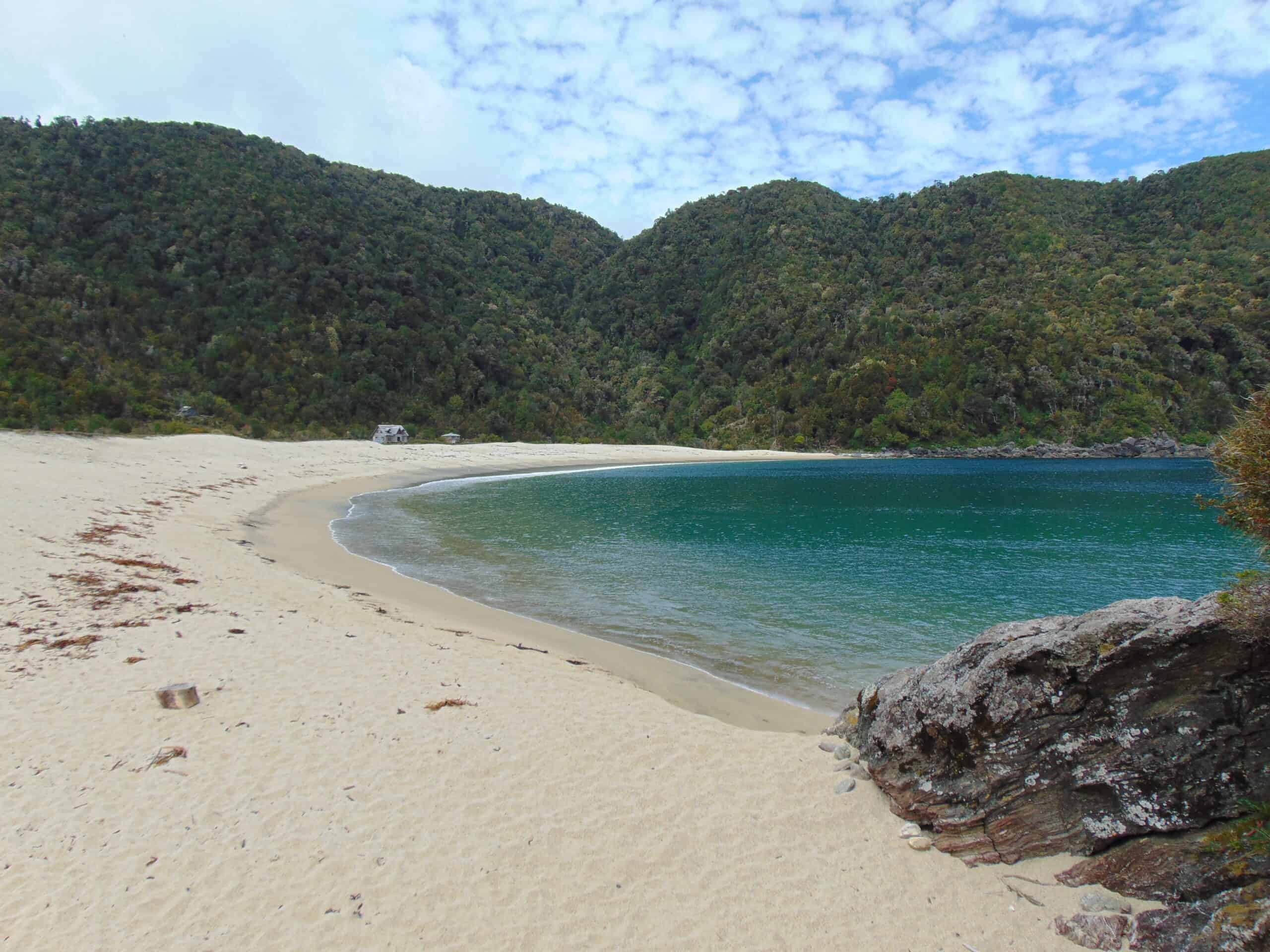
Chile’s Caleta Cóndor, in the Los Lagos Region, sits behind rainforest and rough Pacific water, reached by boat from Bahía Mansa or by a demanding coastal trek. The reward is a sweep of white sand and cold clear water, with forests pressing close enough to make the beach feel like a clearing, not a resort. The community lies within the Mapu Lahual network tied to Huilliche stewardship, so visits tend to stay respectful, low-volume, and cash-based, with patchy signal and quiet nights. November through March is the usual window; days run longer, trails dry out, and weather can still change fast.
Nuquí, Colombia
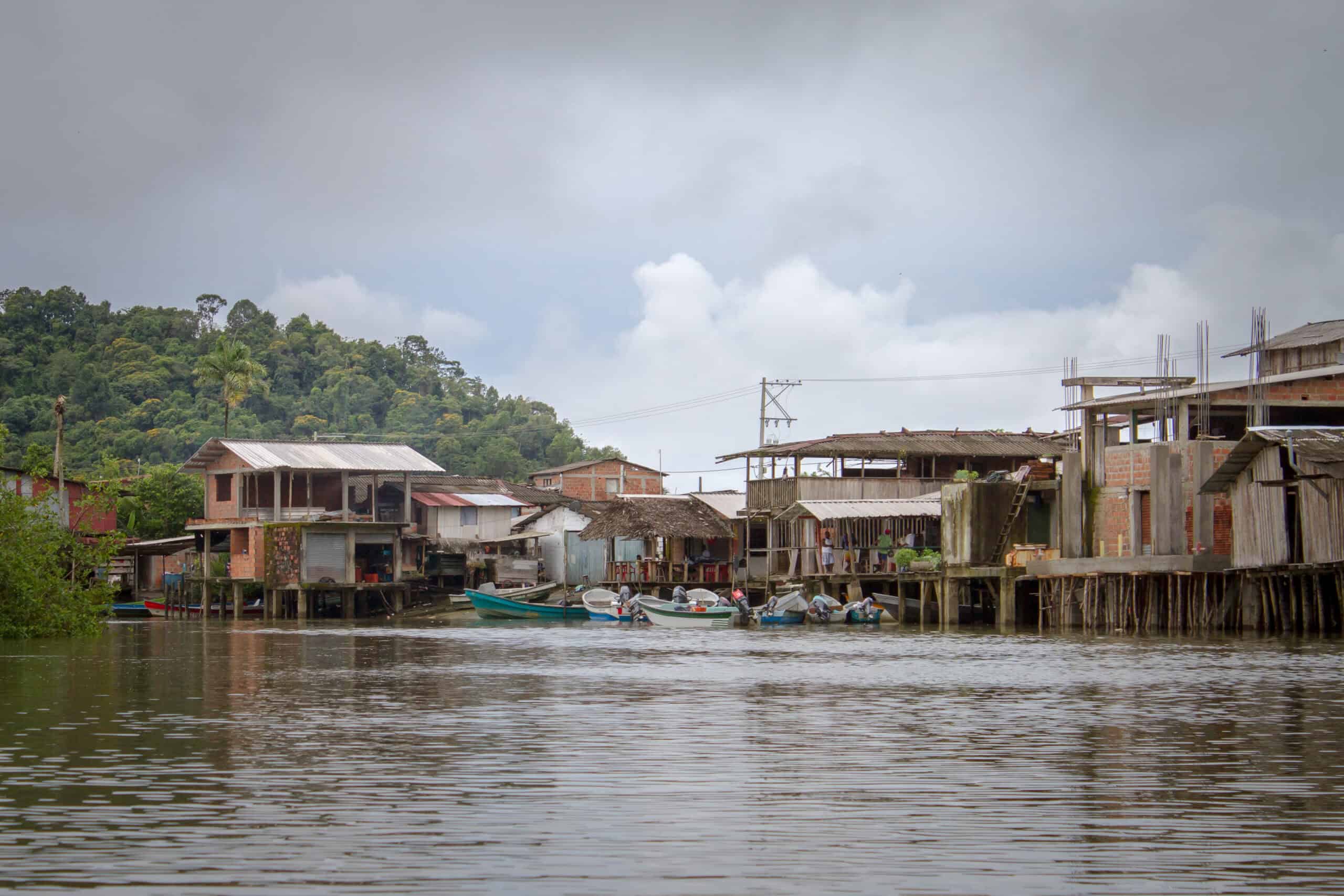
Nuquí, on Colombia’s Pacific coast in Chocó, trades postcard polish for rainforest humidity, dark sand, and a shoreline that feels honestly alive. From July through October, humpback whales arrive offshore to breed and nurse calves, and small-boat outings can turn a quiet bay into a front-row seat for nature. Outside that season, the appeal holds: waterfalls, hot springs, seafood kitchens, and long swims in warm rain, with local guides keeping everything grounded. Access often starts with one flight, then a boat transfer, and plans shift with rain and tide. It rewards patience not speed alone