We may earn money or products from the companies mentioned in this post. This means if you click on the link and purchase the item, I will receive a small commission at no extra cost to you ... you're just helping re-supply our family's travel fund.
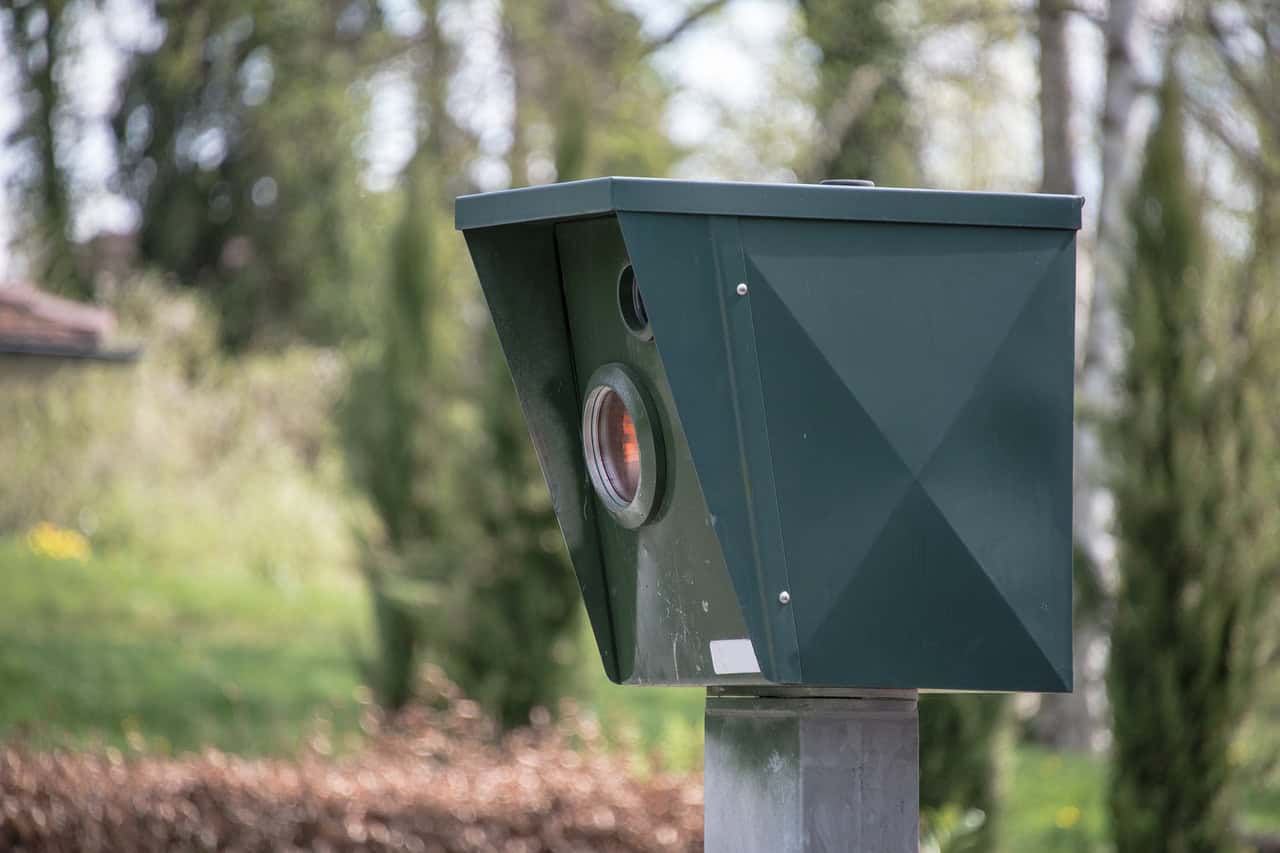
Automated traffic enforcement has expanded rapidly across the United States, relying on red-light, speed, school-zone, and work-zone cameras to issue citations without an officer present. For out-of-state drivers, these systems can be especially surprising because tickets are mailed weeks later to a home address, often with strict payment timelines and limited appeal windows. While states do not officially claim to target non-residents, camera programs follow license plates rather than residency, meaning travelers are cited just as efficiently as locals. Below are nine states where automated camera enforcement is widely used and where visiting drivers most often encounter mailed citations, explained with legal scope, fine ranges, punishment rates, and numerical data every motorist should understand before crossing state lines.
1. California
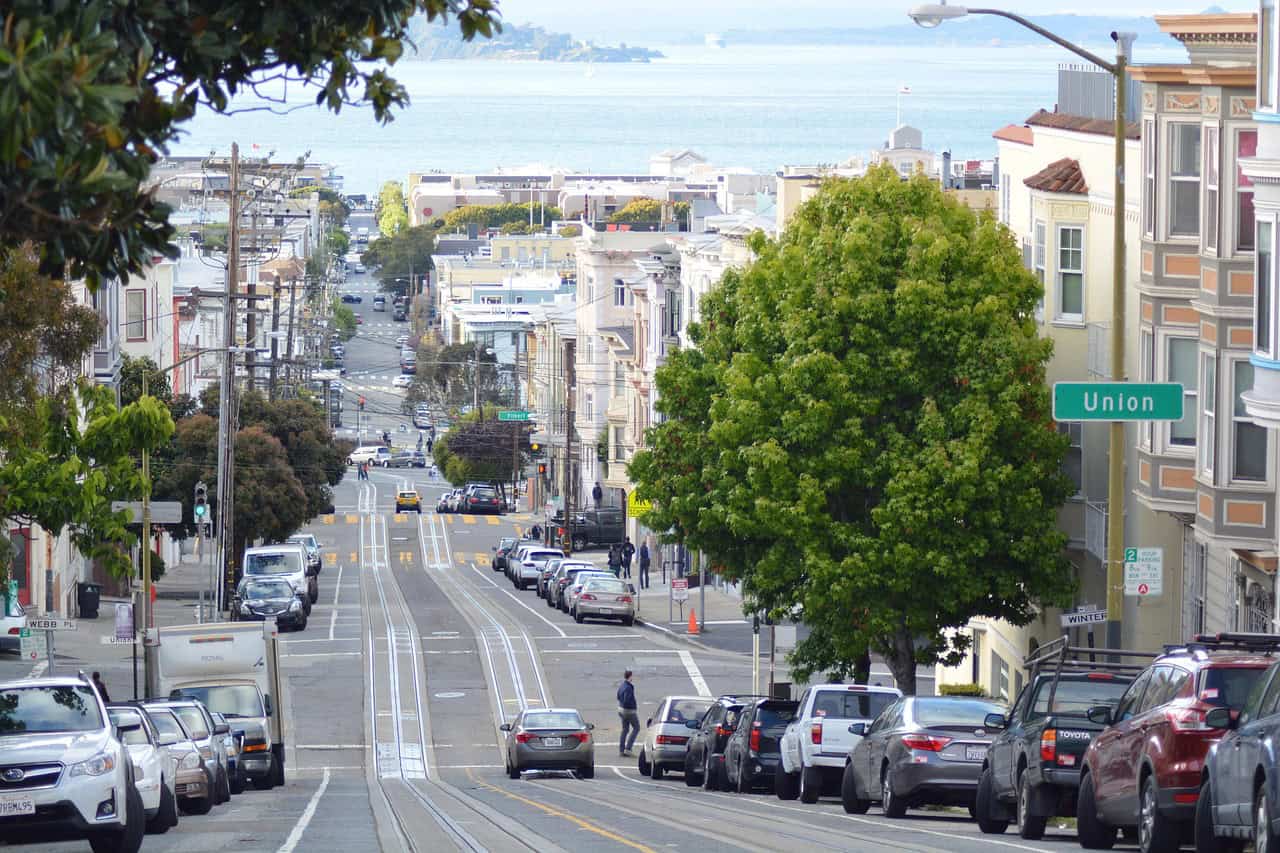
California runs one of the most structured automated enforcement frameworks in the country, combining red-light cameras with newer speed-camera pilot programs. As of 2024, more than 35 cities actively operate red-light cameras, while six large metro areas are authorized to deploy speed cameras in high-injury corridors. Citations are issued to the registered vehicle owner, meaning out-of-state drivers receive tickets by mail like residents. A red-light camera violation typically totals about $490 after fees, while speed-camera fines begin near $50. State data shows roughly 1 in 8 drivers photographed receives a citation, and about 22% of issued tickets go to non-resident vehicles. Late payment penalties can add 40–60% to the base fine.
2. New York
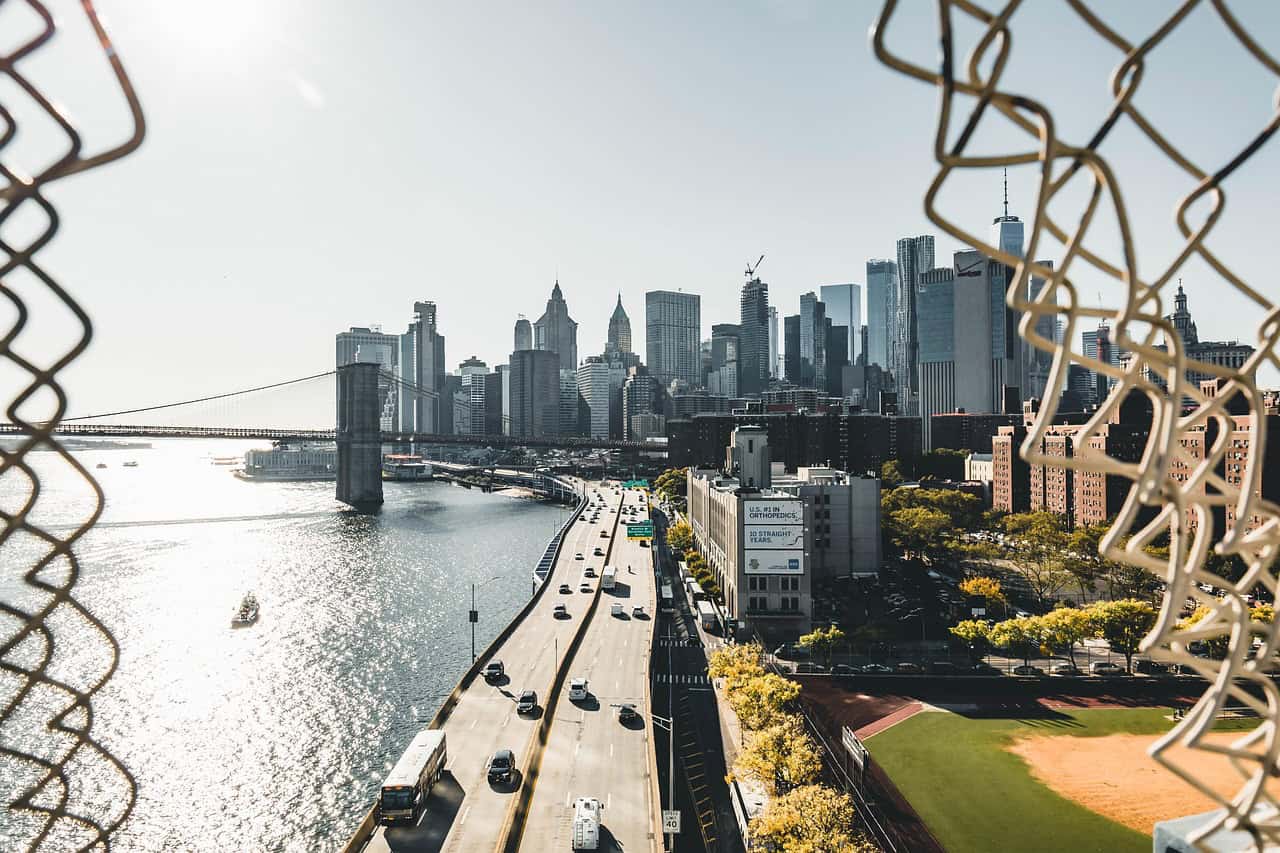
New York operates one of the largest automated camera networks in the United States, especially in New York City. The city alone runs over 2,000 speed cameras and around 750 red-light cameras, many active 24/7. Tickets are mailed to vehicle owners, including out-of-state registrants. Speed camera fines range from $50 to $100, while red-light violations average $50 plus fees. In 2023, more than 4 million violations were issued, with transportation data showing nearly 30% of tickets went to out-of-state plates. About 18% of unpaid tickets accrue late penalties, and repeat violations can double total owed amounts within 12 months.
3. Illinois
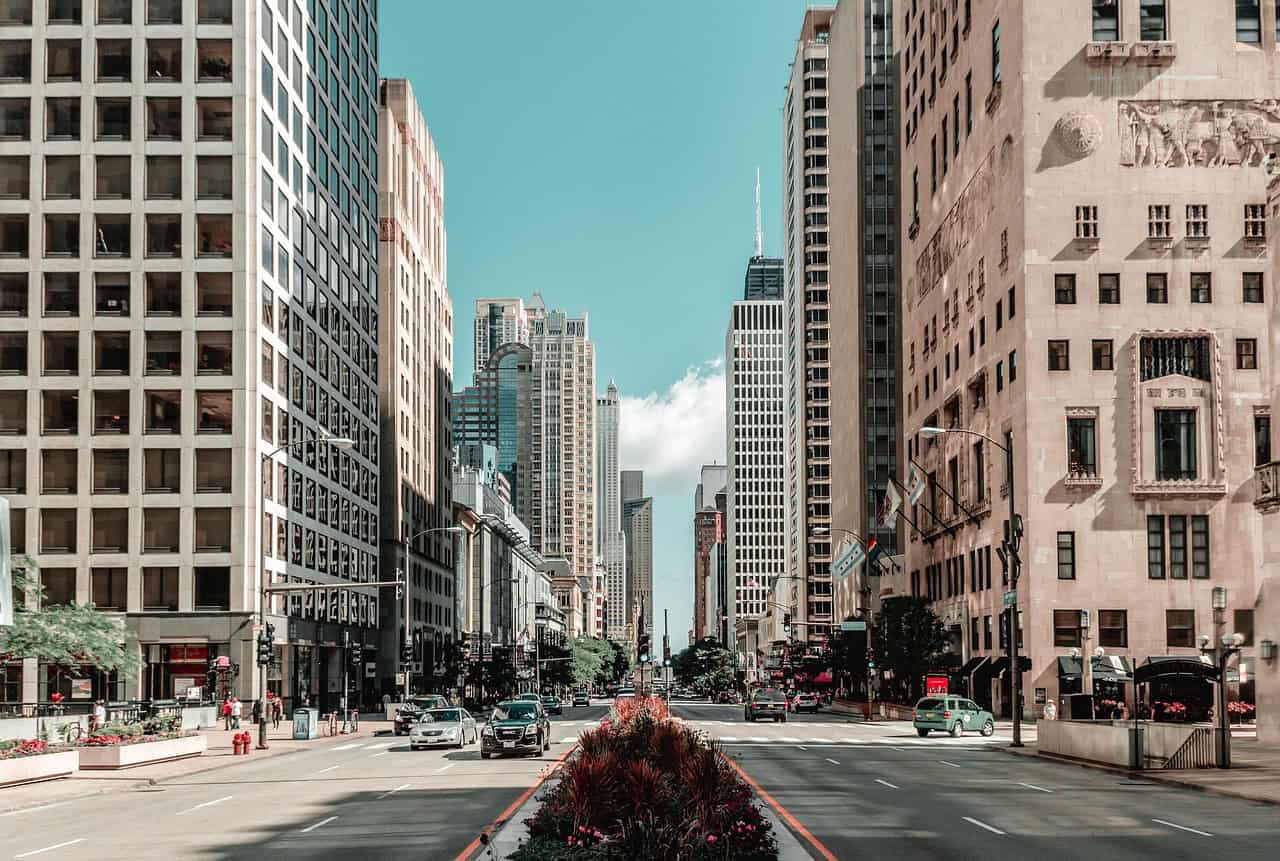
Illinois allows automated enforcement at the municipal level, leading to heavy use in Chicago and nearby suburbs. The state permits red-light and speed cameras, particularly in school and park zones. Chicago alone operates over 350 cameras. Citations are mailed to the registered owner and treated as civil violations. Typical fines range from $35 to $100. City reports show roughly 15–20% of citations are issued to out-of-state vehicles annually. Failure-to-pay rates average 12%, triggering late fees that increase fines by up to 50%. Automated enforcement generates tens of millions of dollars yearly, reinforcing continued expansion.
4. Maryland

Maryland maintains one of the most comprehensive automated enforcement systems on the East Coast, using speed, red-light, and work-zone cameras statewide. More than 300 speed camera locations operate across counties and municipalities. Speed camera citations are typically $40, while red-light tickets average $75. Violations do not add license points, but enforcement is strict: approximately 1 in 10 passing vehicles exceeds the threshold speed. State data shows nearly 25% of citations are mailed to out-of-state drivers. Late penalties add $10–$20 per missed deadline, and unpaid fines can block vehicle registration renewals.
5. Florida
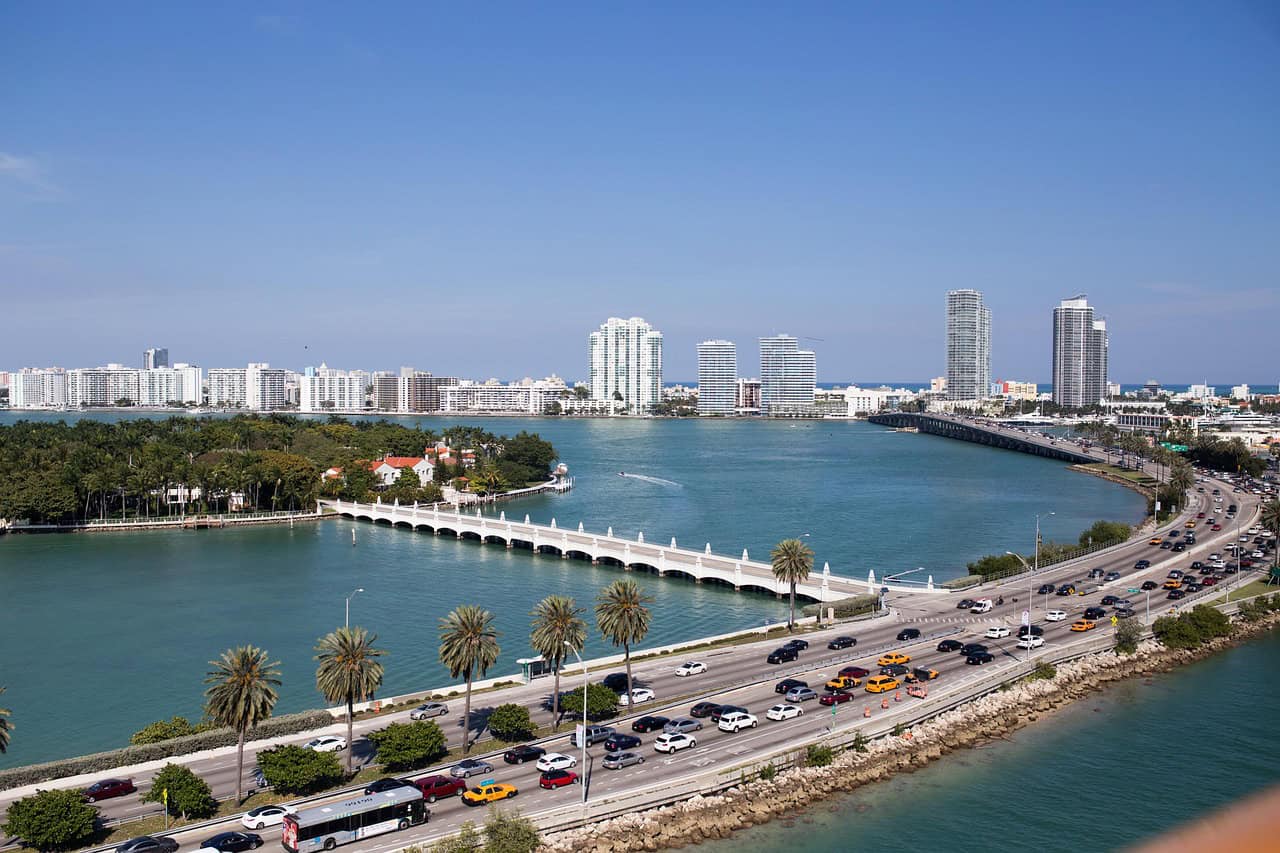
Florida relies heavily on red-light cameras and has expanded speed camera use in school zones. Over 100 cities and counties participate in automated enforcement programs, frequently affecting tourist routes. Red-light camera fines are set at $158 statewide, while school-zone speed camera fines range from $50 to $100. Transportation studies indicate about 20% of issued citations involve out-of-state plates. Roughly 14% of recipients miss initial payment deadlines, triggering additional collection fees of up to $50. Intersections with cameras show a 23% reduction in serious crashes, supporting continued statewide use.
6. Colorado
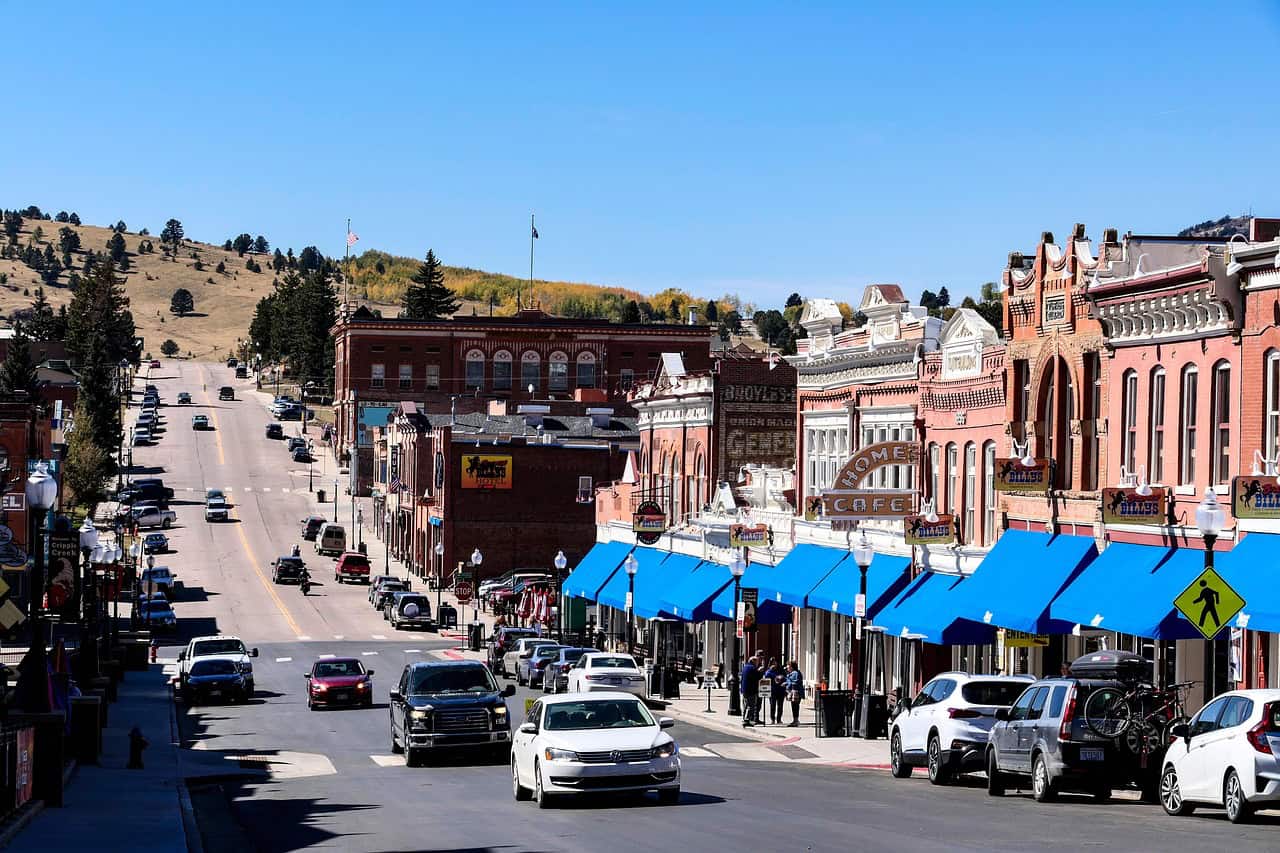
Colorado permits red-light and speed cameras under local authority, resulting in concentrated enforcement in urban corridors and mountain towns popular with tourists. More than 70 jurisdictions operate automated cameras. Speed camera fines usually range from $40 to $80, while red-light tickets average $75. Local audits indicate about 17% of all citations are issued to non-resident drivers. Approximately 10% of violations go unpaid initially, leading to late penalties that can increase total fines by 30–40%. Automated enforcement zones report up to a 30% reduction in speed-related collisions.
7. Virginia

Virginia uses automated cameras primarily in school zones, work zones, and select high-risk corridors. More than 200 speed cameras are authorized statewide. Tickets are mailed to the vehicle owner, with fines capped at $100 and no license points assessed. State transportation data shows an average citation rate of 6–8 vehicles per 1,000 passing during active hours. About 19% of tickets are issued to out-of-state drivers. Late payment fees add up to $50, and repeat violations within a year can result in doubled fines.
8. Georgia
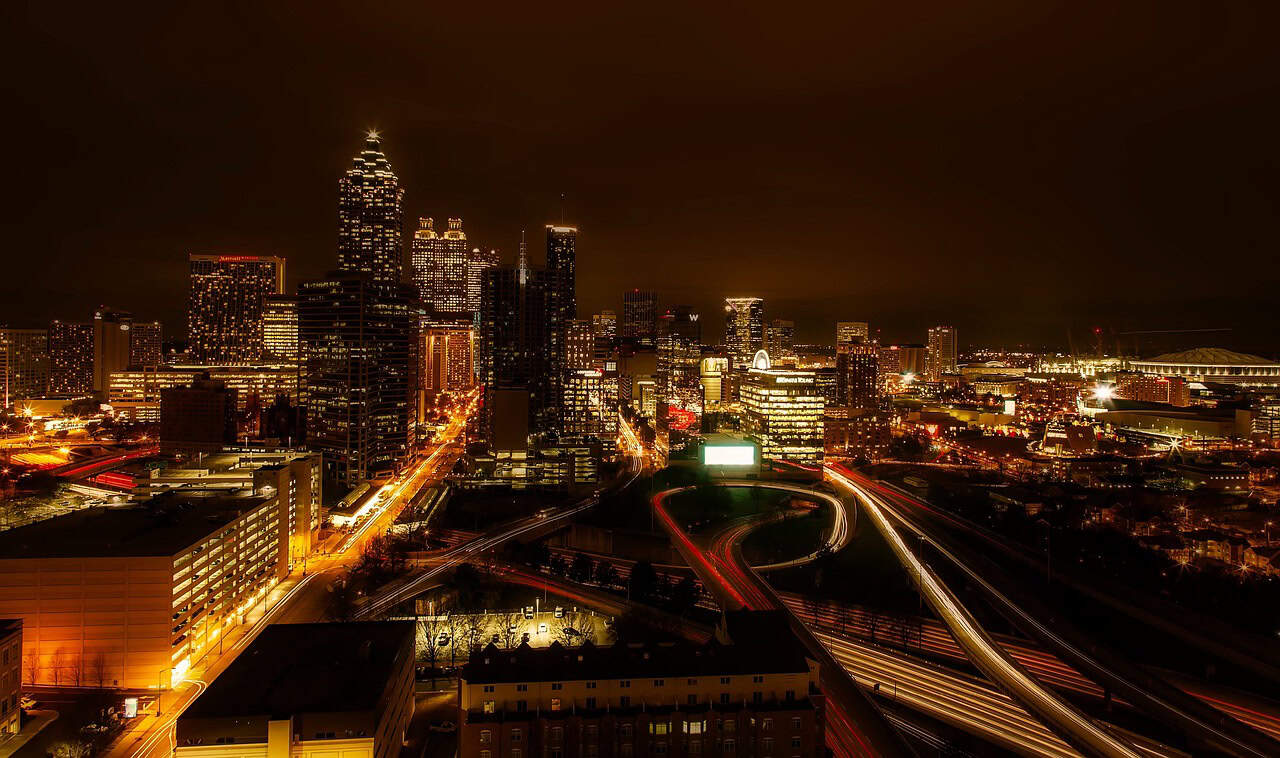
Georgia’s automated enforcement focuses heavily on school zones, with over 100 jurisdictions approved for camera use. Cameras operate during arrival and dismissal times, often surprising visiting drivers. Fines typically range from $75 to $125. State reports show speed violations in monitored school zones dropped nearly 60% after installation. Roughly 21% of issued citations are mailed to out-of-state registrants. Failure-to-pay rates hover near 15%, after which fines can increase by 25–35% through late penalties and administrative charges.
9. Washington
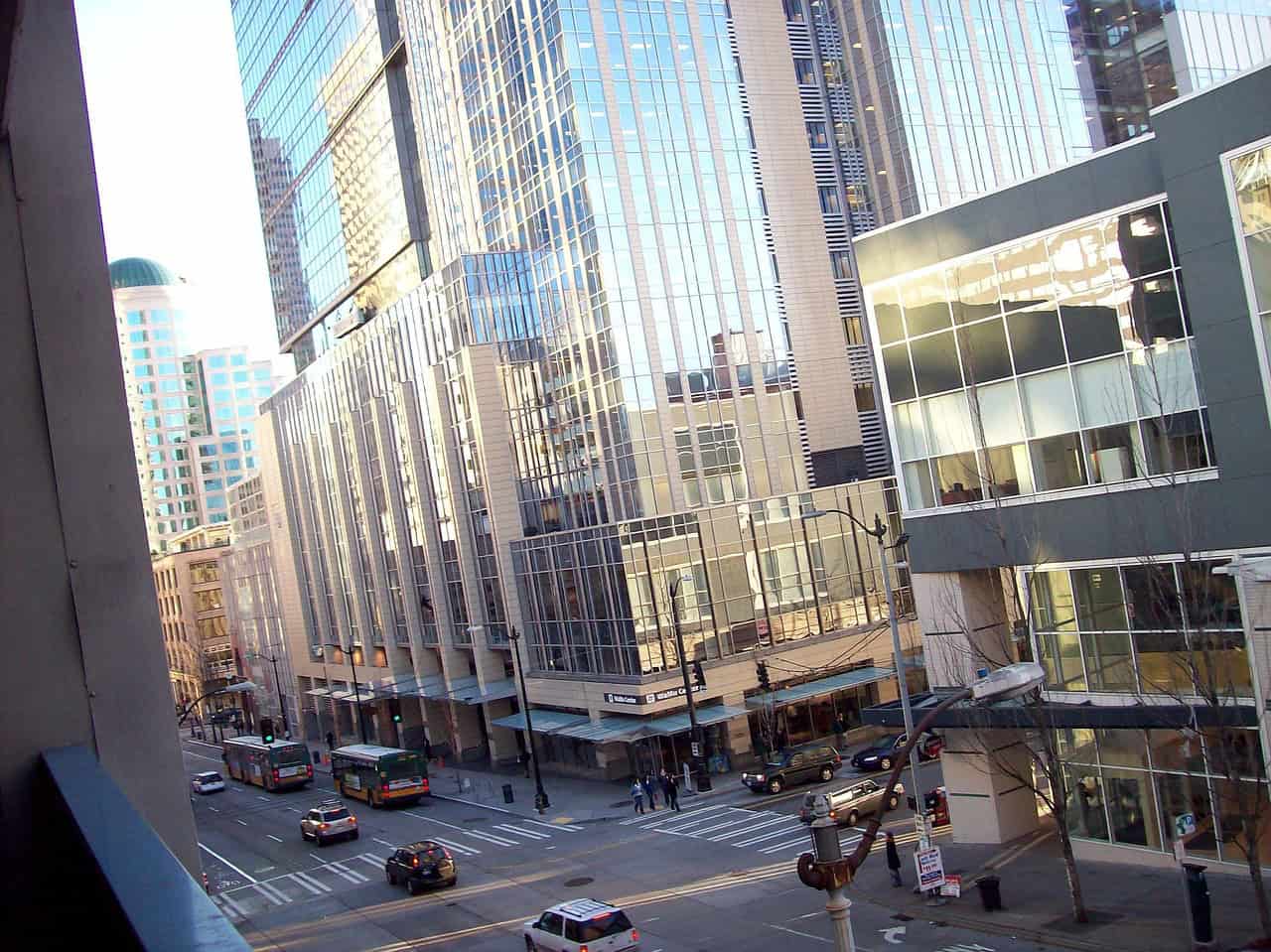
Washington State allows automated enforcement for red-light cameras, speed cameras, school zones, and hospital corridors. More than 200 camera locations operate statewide. Red-light camera fines average $136, while speed camera tickets range from $50 to $150. State data shows approximately 24% of citations involve out-of-state vehicles. Around 11% of tickets remain unpaid after the first notice, triggering late fees of $25–$50. Camera-equipped intersections experience roughly a 25% reduction in severe crashes, reinforcing long-term enforcement use.