We may earn money or products from the companies mentioned in this post. This means if you click on the link and purchase the item, I will receive a small commission at no extra cost to you ... you're just helping re-supply our family's travel fund.
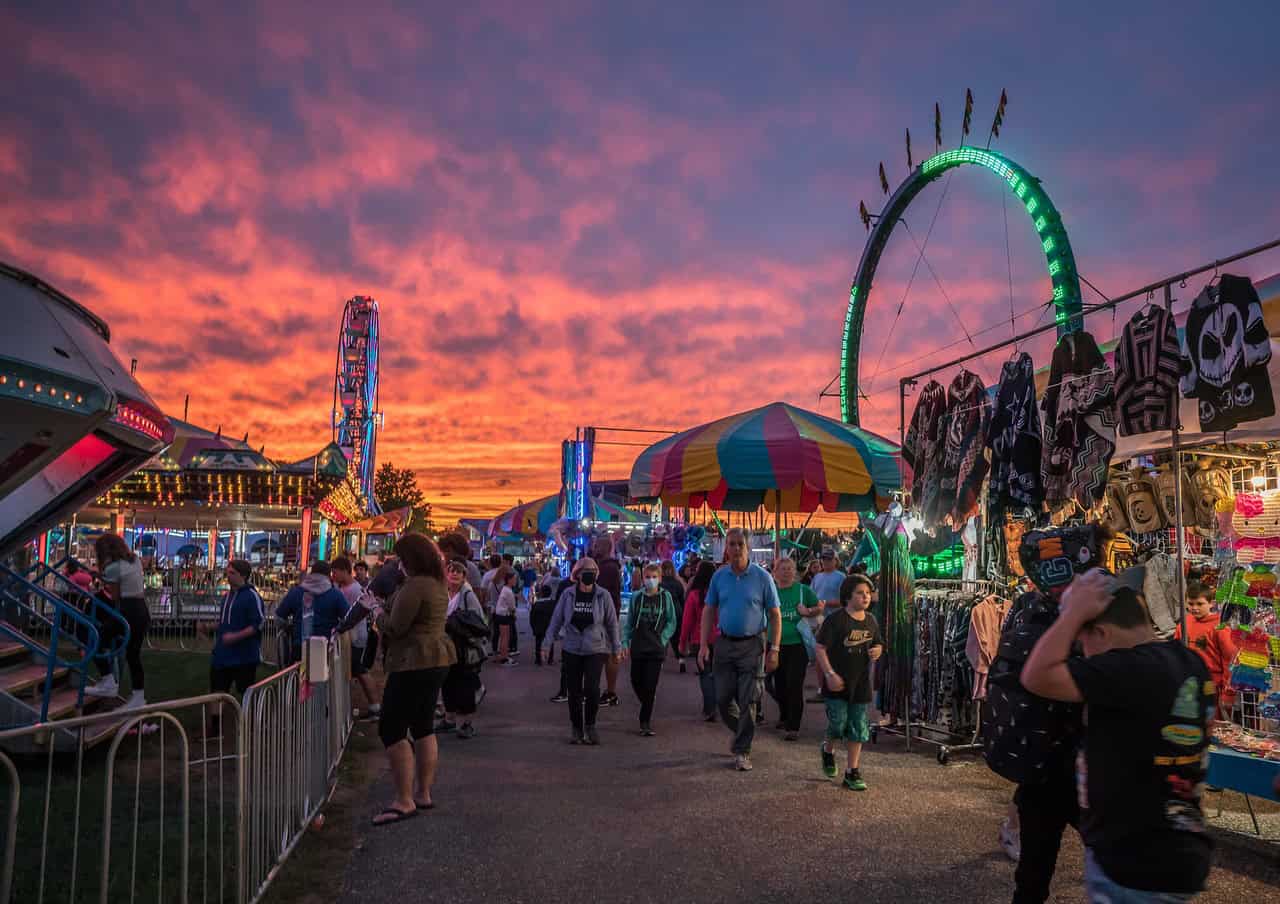
State fairs look casual from the outside, but the experience is secretly built on logistics. Parking funnels, ticket gates, food stands, and livestock barns all peak at the same hours, and one small delay can snowball into missed shows or an afternoon spent standing still. The best fair days are rarely the ones with the perfect plan. They are the ones with smart timing, a few offline backups, and enough flexibility to move when crowds bunch up. With the right habits, the fair feels like a celebration again, not a waiting room.
Arrive Before the Gates Feel Open

Arriving in the first hour keeps the day ahead of the crowd’s curve, when parking attendants are still calm, ticket scanners are fully staffed, and the security table is not buried in bins. Early visitors clear entry with fewer stops, then reach the most popular food booths before the lunch wave turns every order into a slow shuffle and the condiment station becomes a bottleneck of its own. The quiet also makes the layout readable, so barns, stages, shaded bleachers, first-aid tents, and restrooms get mapped while sidewalks are still roomy, preventing later backtracking through dense traffic with sticky hands and tired kids.
Use the Least Popular Entrance, Not the Closest One
/Pixabay
Most first-time visitors follow the biggest sign and the nearest driveway, which is exactly where the longest line forms and the most confusion piles up. Many fairs run multiple gates, and the main entrance by the largest lot absorbs heavy foot traffic plus last-second questions about wristbands, re-entry stamps, stroller rules, bag size limits, and where to scan mobile tickets. A smaller gate can save real time even if it adds a longer walk, because walking keeps momentum while standing still drains it, heats tempers, and turns a simple arrival into a grumpy start before the first ride or corn dog.
Buy Tickets Online and Screenshot Them
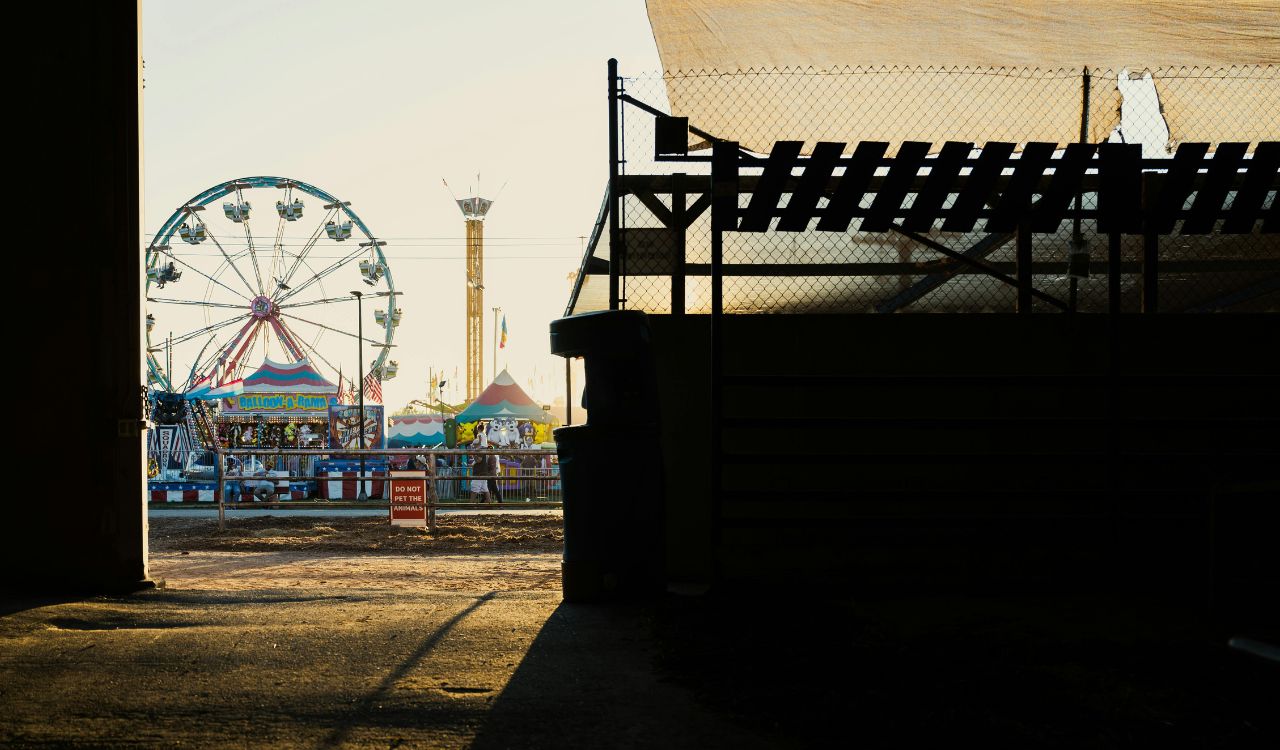
Ticket windows create the most avoidable lines, yet they stay long because buying on-site feels familiar and people assume cell service will behave at the gate. Online tickets turn entry into a quick scan, but weak reception can still create chaos when barcodes load slowly, logins fail, payment confirmations vanish, or an inbox refreshes while staff wait with the scanner raised. A saved screenshot, plus a second copy on another phone, keeps the group moving as one unit, reduces fumbling in crowded lanes, and prevents the tiny stall that makes the line behind swell into a real choke point on weekend peaks.
Park One Lot Farther Than Everyone Wants To

The closest lots fill first and empty last, which means the so-called convenient choice often becomes a slow crawl behind thousands of brake lights and pedestrians crossing without gaps. Parking one lot farther out usually cuts the time spent inching through tight lanes while attendants squeeze cars into shrinking spaces and drivers argue over who saw the spot first. The extra walk feels like a warm-up, and the exit is often faster because the car is not trapped in the final surge when fireworks end, ride lights shut off, shuttle lanes jam, and a tired crowd funnels into the same few roads with dust and horns.
Enter With a Food Strategy, Not a Food Mood
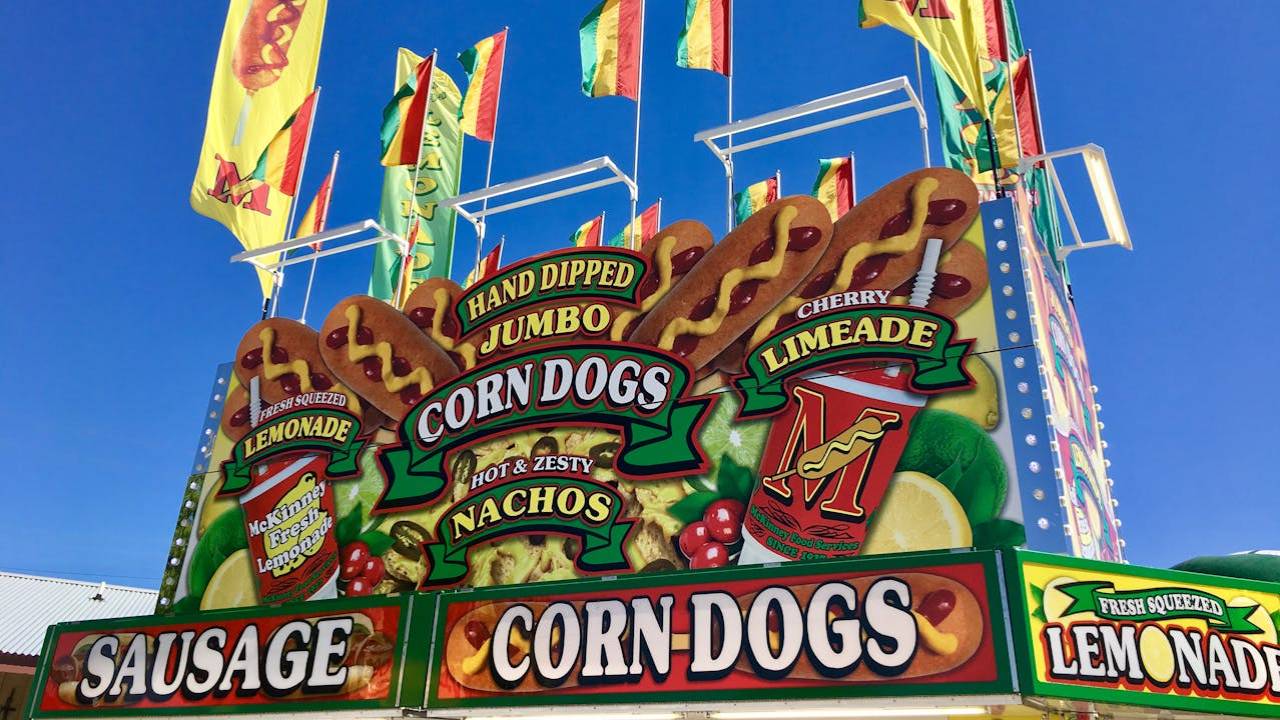
Food is where fair time disappears, especially when everyone hits the iconic stands at the same hour and the lines turn into a single, sunbaked ribbon. A simple strategy helps: eat earlier than the main meal rush, treat peak hours as snack time, and save the headline foods for mid-afternoon lulls when staff can actually keep up and tables open up again. Groups also move faster when orders are split, drinks are grabbed separately, and a clear landmark becomes the meet-up point, because wandering a packed midway hunting for seating, napkins, or condiments wastes more time than any queue in the heat.
Watch the Grandstand Schedule Like a Traffic Report
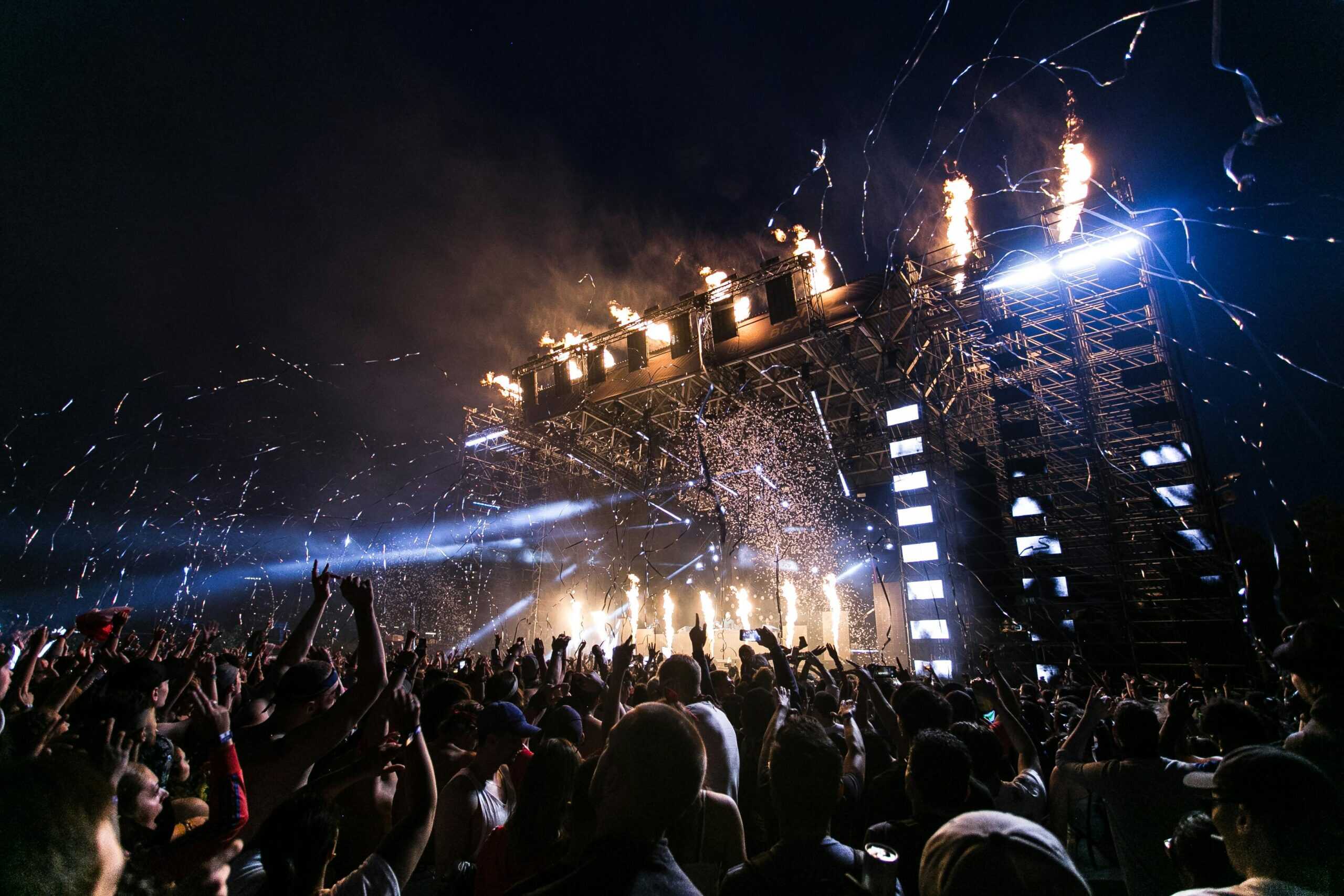
Concerts, rodeos, and headline shows move crowds in waves, and those waves create sudden bottlenecks at gates, restrooms, and the main midway. The printed schedule acts like a traffic report: arriving early prevents a crush at the entrance, and leaving a few minutes before the end avoids the mass exit that turns paths into a slow river. Restroom and snack lines also spike right before showtime, so the fair becomes easier to navigate for anyone timing photo stops, animal barns, merch booths, and the must-try snack run around those seated blocks and their predictable surge patterns all day long.
Use the Shuttle or Park-and-Ride If It Exists
Park-and-ride lots look like a hassle until fairground roads lock up, and then the shuttle becomes the only predictable option left. Shuttles remove the worst variable, which is crawling traffic near the gates, and they reduce the stress of hunting for a space while attendants reroute cars and lots flip to full signs. At night the benefit doubles, because pedestrians, strollers, and cars collide at the exits, while a shuttle queue often moves steadily and drops riders close to a gate without the gridlocked crawl, the missed turn, or the parking-lot argument, as long as the pickup point is memorized.
Save Rides for Midday or Late Evening
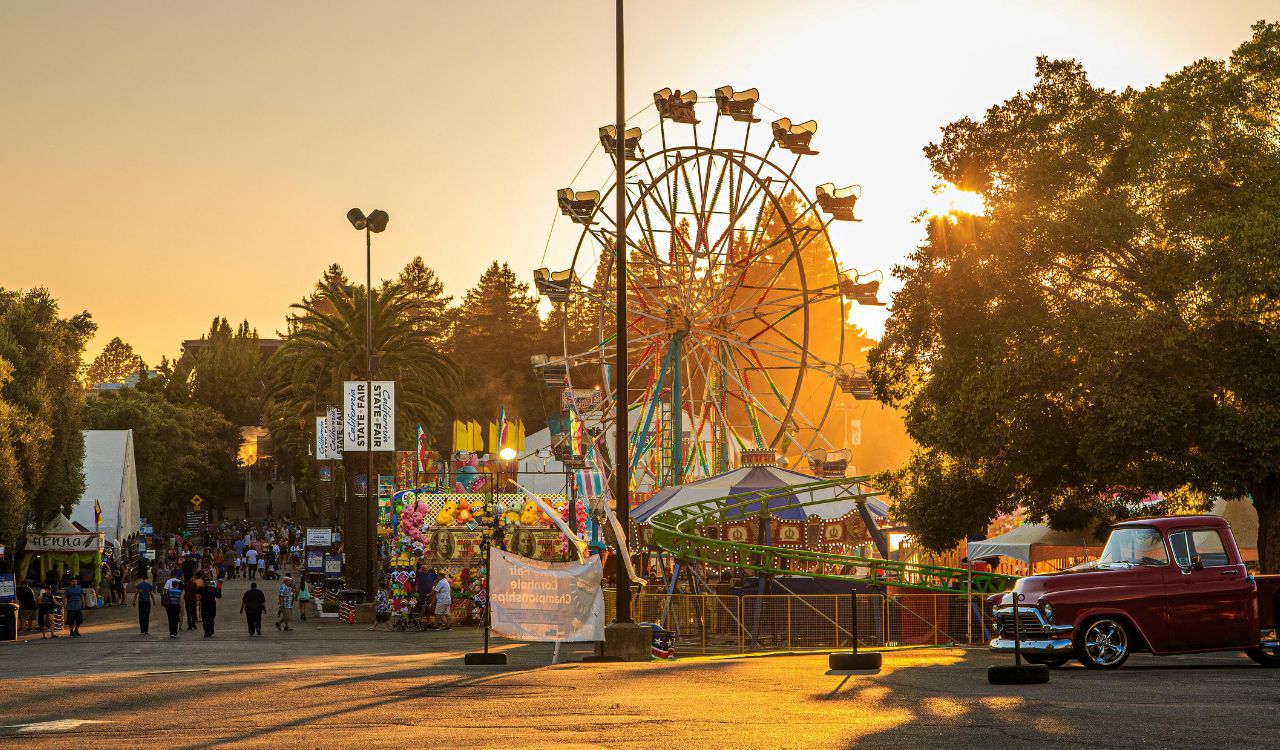
Ride lines spike when families first arrive and again after dinner, which makes the middle hours oddly efficient even on busy days. Midday is when many visitors eat, watch animals being shown, shop the vendor hall, or retreat to shade, so queues shorten while the grounds still feel lively and operators can keep trains running without constant stops. Late evening can also open space as younger kids leave, and that timing reduces rushed decisions, line-cutting drama, and the frantic repack of bags, keeping the day playful instead of competitive while squeezing more rides into less waiting overall.
Carry Cash for Quick Counters and Vendor Gaps

Even modern fairs can slow to a crawl when card readers glitch, kiosks freeze, or a popular vendor runs cash-only inside a crowded barn. Small bills speed lemonade, raffle tickets, animal feed, carnival games, and quick snacks, where a single failed tap can stall the line and trigger a manager call while everyone behind waits. Cash also prevents a second line at the ATM, which often becomes its own bottleneck by afternoon, and it keeps small purchases simple when cell signals wobble, terminals time out, wristbands fail to scan, locker rentals go offline, and receipts refuse to print on demand.