We may earn money or products from the companies mentioned in this post. This means if you click on the link and purchase the item, I will receive a small commission at no extra cost to you ... you're just helping re-supply our family's travel fund.

Safety is more than a headline or a travel ranking. It usually reflects years of steady work across policing, courts, education, healthcare, and local trust. Countries that stay safe over time tend to share a pattern: low violent crime, reliable institutions, and public spaces that still feel usable after dark. None of these places is perfect, and each has pockets of risk, but the broader numbers remain strong. What stands out is consistency. Calm is not occasional. It is built into daily routines, neighborhood norms, and how people move through ordinary life.
Iceland

Iceland remains one of the clearest examples of low-crime stability in the modern world. Serious violent incidents are uncommon, institutions are trusted, and social cohesion helps prevent small disputes from escalating into dangerous outcomes. In Reykjavík and smaller towns alike, public spaces tend to feel calm, even at late hours, because order comes from both community behavior and dependable emergency systems. The country’s size also helps agencies coordinate quickly. Safety here feels less like heavy enforcement and more like a high-trust environment where prevention works before crisis response is needed.
Ireland
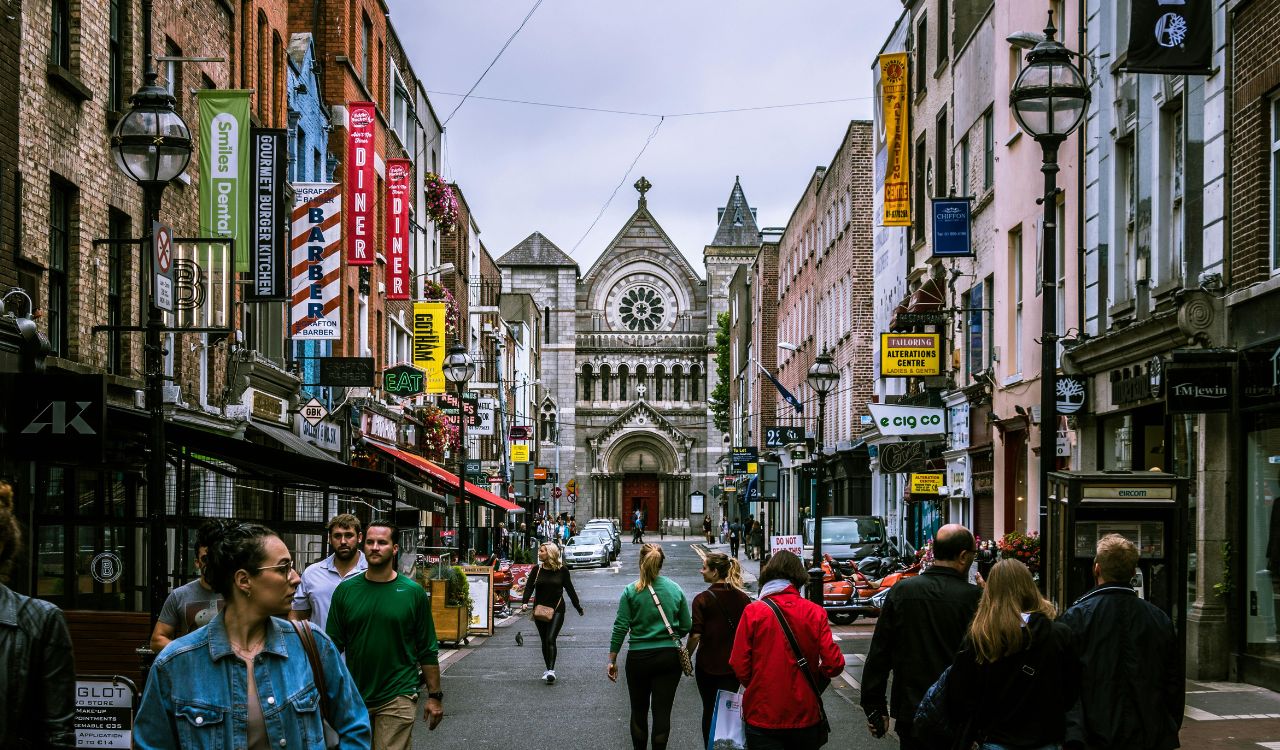
Ireland continues to rank strongly on safety indicators because violent crime remains relatively low and public systems remain broadly reliable. The country’s urban centers are lively, but they are generally manageable, with visible policing and established protocols in high-footfall areas. Local variation exists, as it does everywhere, yet the overall risk of severe violence stays comparatively limited. A key strength is institutional continuity: courts, services, and civic norms support one another, which helps keep public confidence stable. That stability matters, because perceived safety and measurable safety often reinforce each other over time.
New Zealand
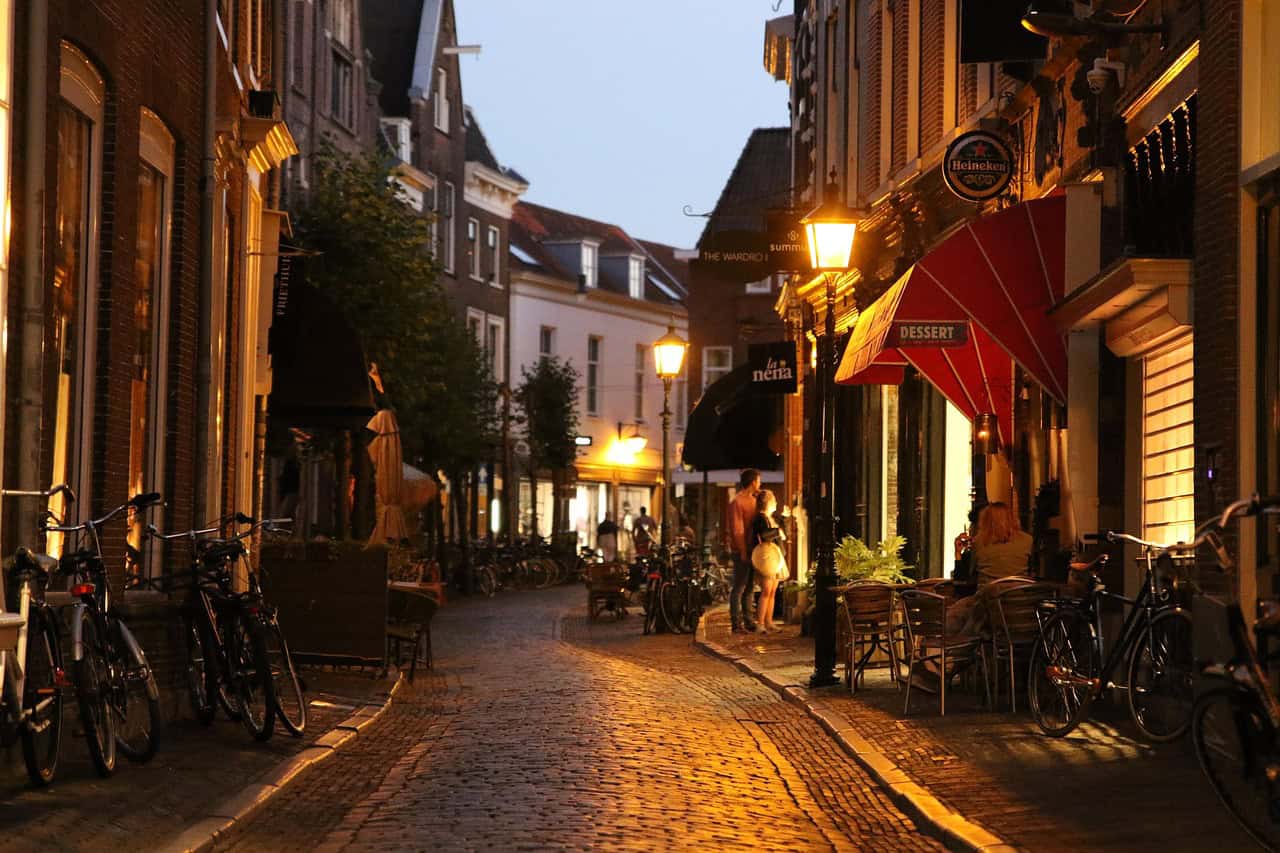
New Zealand has built a reputation for safety through a combination of low severe-crime exposure, responsive institutions, and strong local governance. Most communities benefit from public spaces that remain accessible without constant tension, while emergency and social services maintain broad trust across regions. Crime still occurs, and some categories can rise in specific periods, but violent crime levels remain lower than in many peer nations. The result is a country where safety feels practical rather than performative. Daily life works because systems function, and people generally expect those systems to show up when needed.
Austria

Austria consistently performs well on safety benchmarks because violent crime remains relatively low and public order is maintained without excessive friction. Major cities are active and international, yet transport hubs, central districts, and neighborhood streets are typically well-managed and predictable. Problems such as theft or nightlife disorder can still appear, but high-impact violence is less common than global averages. Strong municipal administration helps keep services coordinated, from transit oversight to local policing. That institutional steadiness creates a rhythm where ordinary routines feel secure, even in busy urban settings and high-tourism seasons.
Switzerland
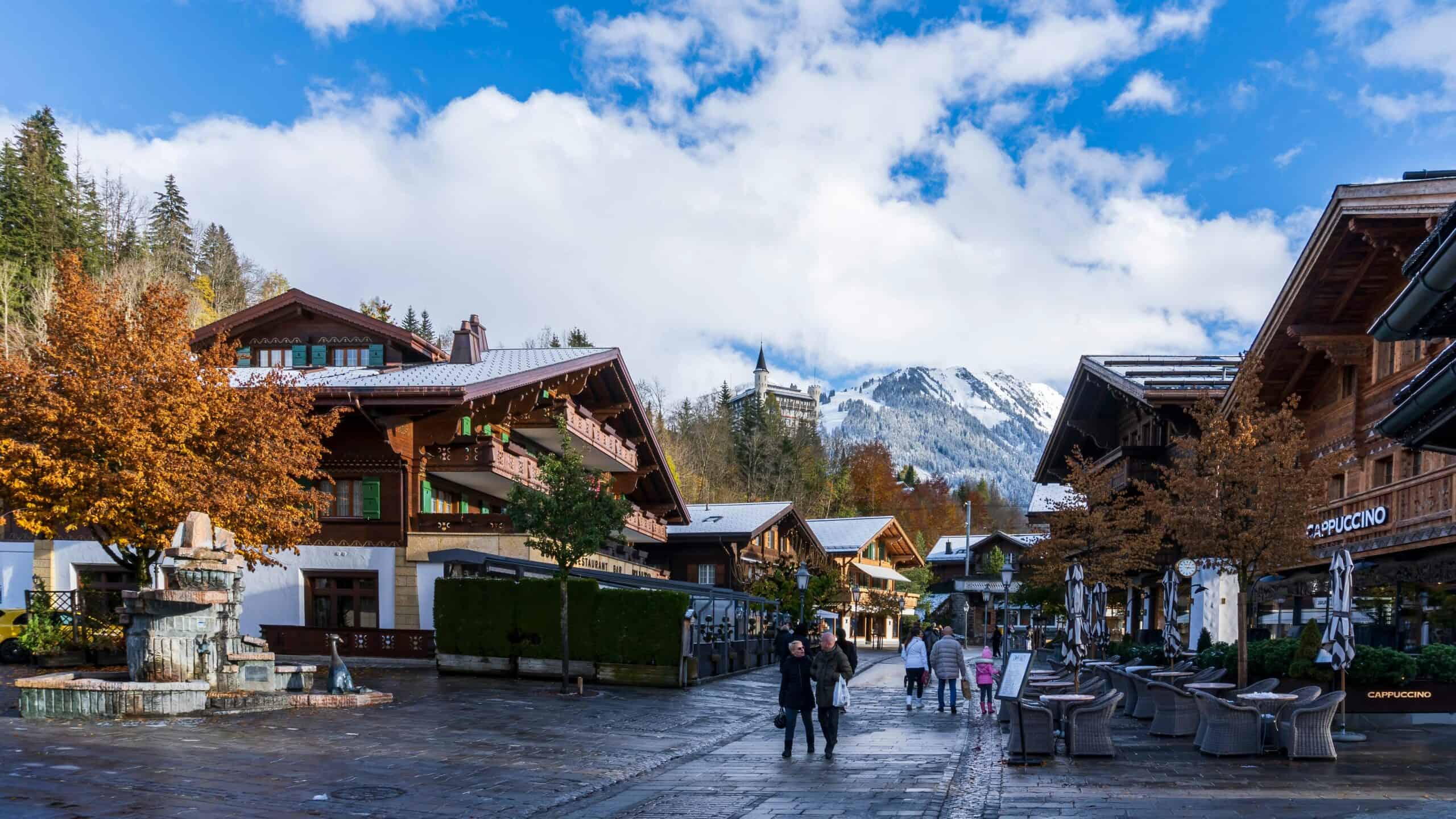
Switzerland pairs low violent-crime exposure with high institutional trust, and that combination supports a durable sense of public safety. Cities are dense and highly connected, yet streets, stations, and residential zones usually feel orderly because enforcement standards are clear and service delivery is dependable. Property crime and scams still exist, but serious interpersonal violence remains comparatively limited in international terms. What stands out is predictability. Systems work as expected, and people plan around rules that are generally applied consistently. That consistency lowers everyday anxiety and strengthens long-term confidence in shared spaces.
Singapore

Singapore is widely recognized for very low levels of serious violent crime, supported by strict legal enforcement and a strong public-order framework. In a dense city-state, that matters: transit corridors, commercial districts, and mixed-use neighborhoods remain highly usable throughout the day and late evening. The model is rules-heavy, but outcomes on street safety are clear and sustained over time. Minor offenses still occur, and no system is flawless, yet the broader environment remains stable and predictable. Safety here is deliberate, maintained through policy discipline, and reinforced by fast, visible administrative response.
Denmark

Denmark’s safety profile reflects more than policing. It rests on social trust, broad service access, and institutions that reduce pressure before it turns into violent harm. Cities stay active without feeling chaotic, and most neighborhoods benefit from infrastructure that supports safe movement, including public transit and well-lit public space. Petty crime and localized disorder can still happen, but severe violence remains comparatively uncommon. The deeper advantage is prevention culture: coordinated schools, health systems, and civic administration reduce long-term risk factors, making safety outcomes more stable from year to year.
Finland

Finland remains a strong performer on safety because low levels of serious violence are matched by high confidence in public institutions. Residents generally rely on systems that function predictably, including emergency response, local administration, and social support structures that reduce vulnerability before crisis emerges. Geographic remoteness in some areas can create logistical challenges, but interpersonal safety remains strong in comparative terms. What makes Finland stand out is consistency across seasons and settings. Calm is not limited to central districts; it extends through daily life in ways that feel normal rather than exceptional.
Japan
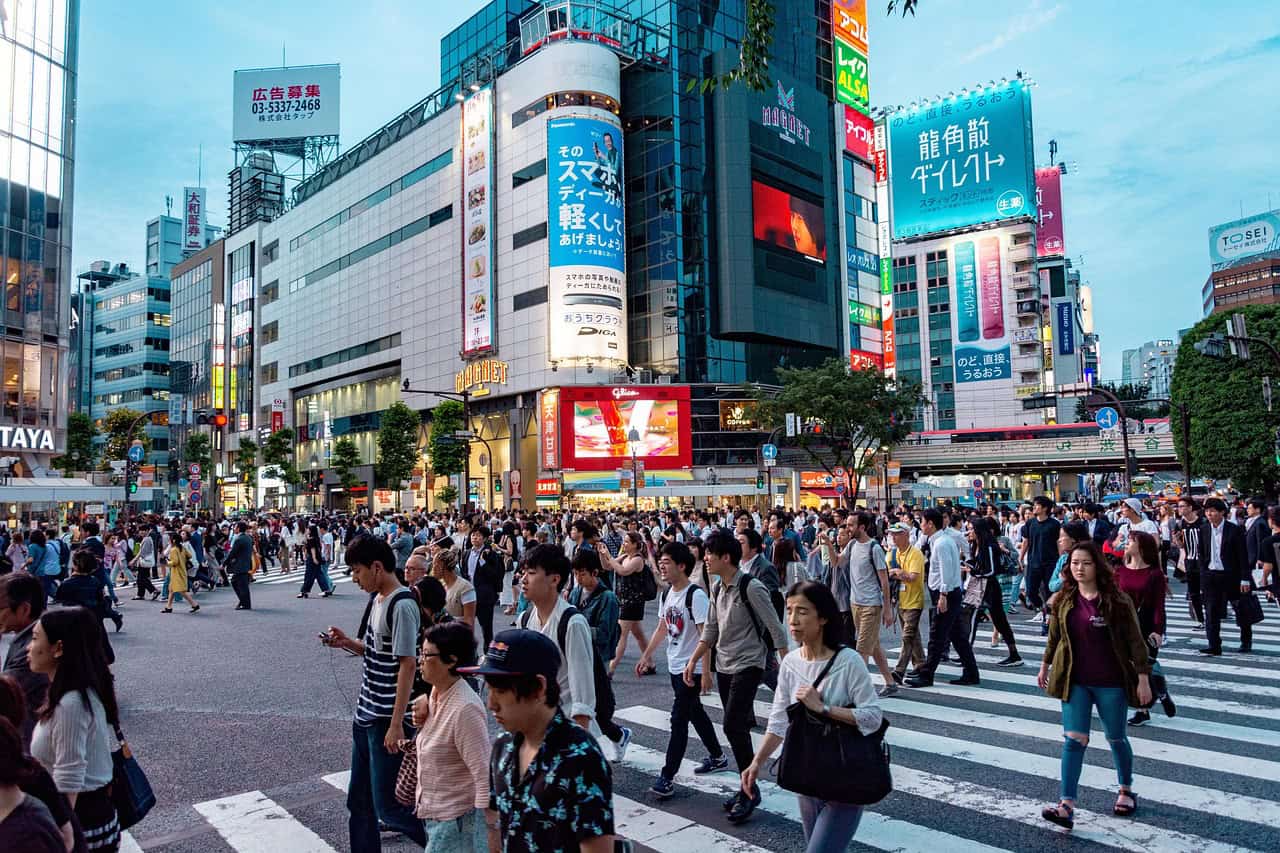
Japan is often cited for low violent-crime rates, and that reputation is supported by long-standing social norms, reliable transit safety, and strong neighborhood accountability. Large cities remain busy late into the evening, yet many districts continue to feel orderly because public behavior, local oversight, and institutional response align well. Crime has not vanished, and trends can shift at the margins, but severe street violence stays comparatively low in global context. The practical effect is confidence in routine movement, where everyday travel, work, and community life proceed with relatively little ambient fear.