We may earn money or products from the companies mentioned in this post. This means if you click on the link and purchase the item, I will receive a small commission at no extra cost to you ... you're just helping re-supply our family's travel fund.
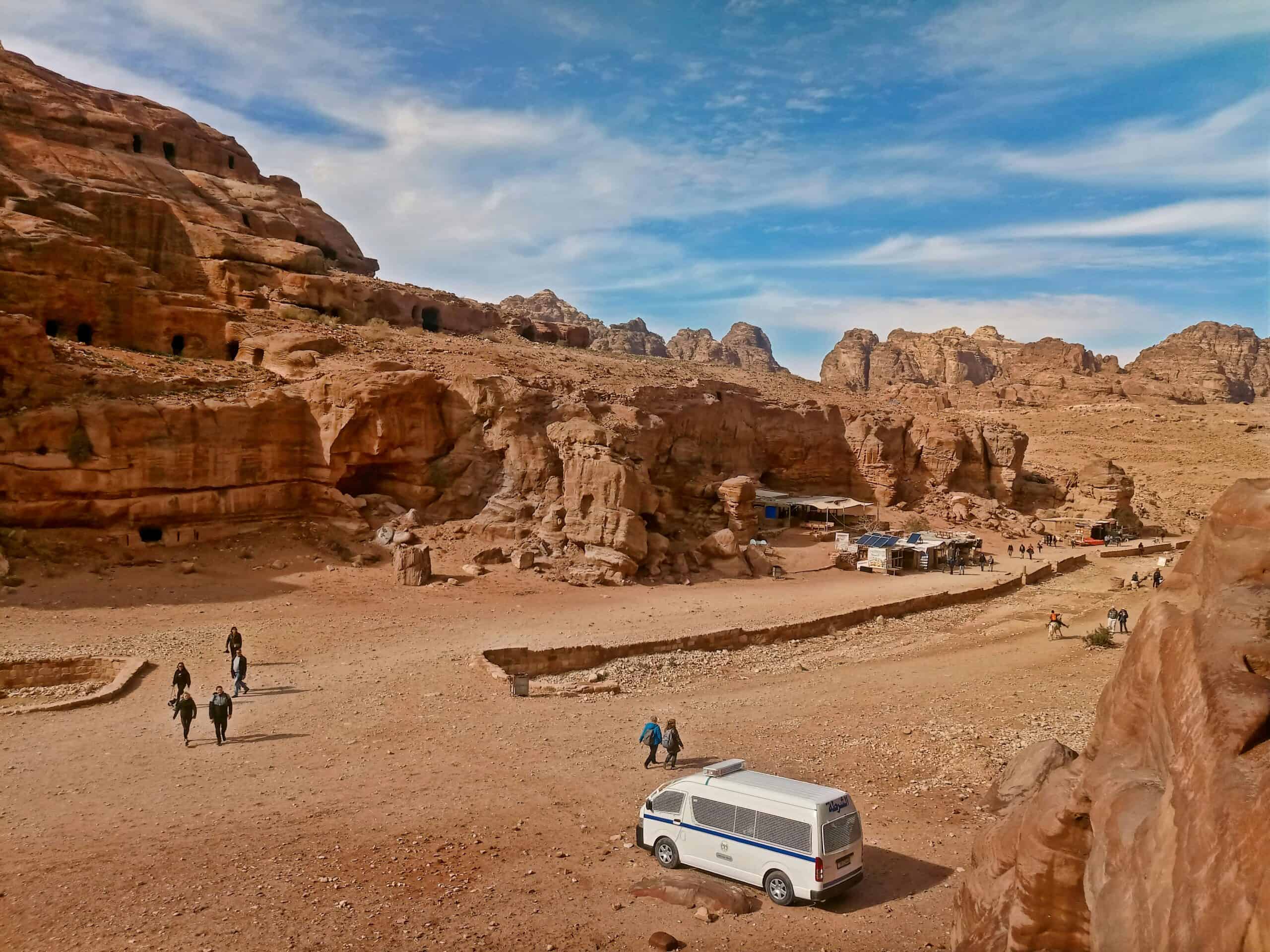
Destinations that look calm on a postcard can feel different on the ground when a conflict’s echoes still linger. In many places, the danger is not constant violence, but the unpredictable mix of old explosives, tense borders, sudden airspace closures, and hard-to-read local politics. Travelers often assume popular cities are insulated, yet risk can rise quickly a few hours outside the center, or after a single headline. These nine places remain captivating, but their safety stories are more complicated than the marketing suggests.
Poland’s Eastern Border Regions
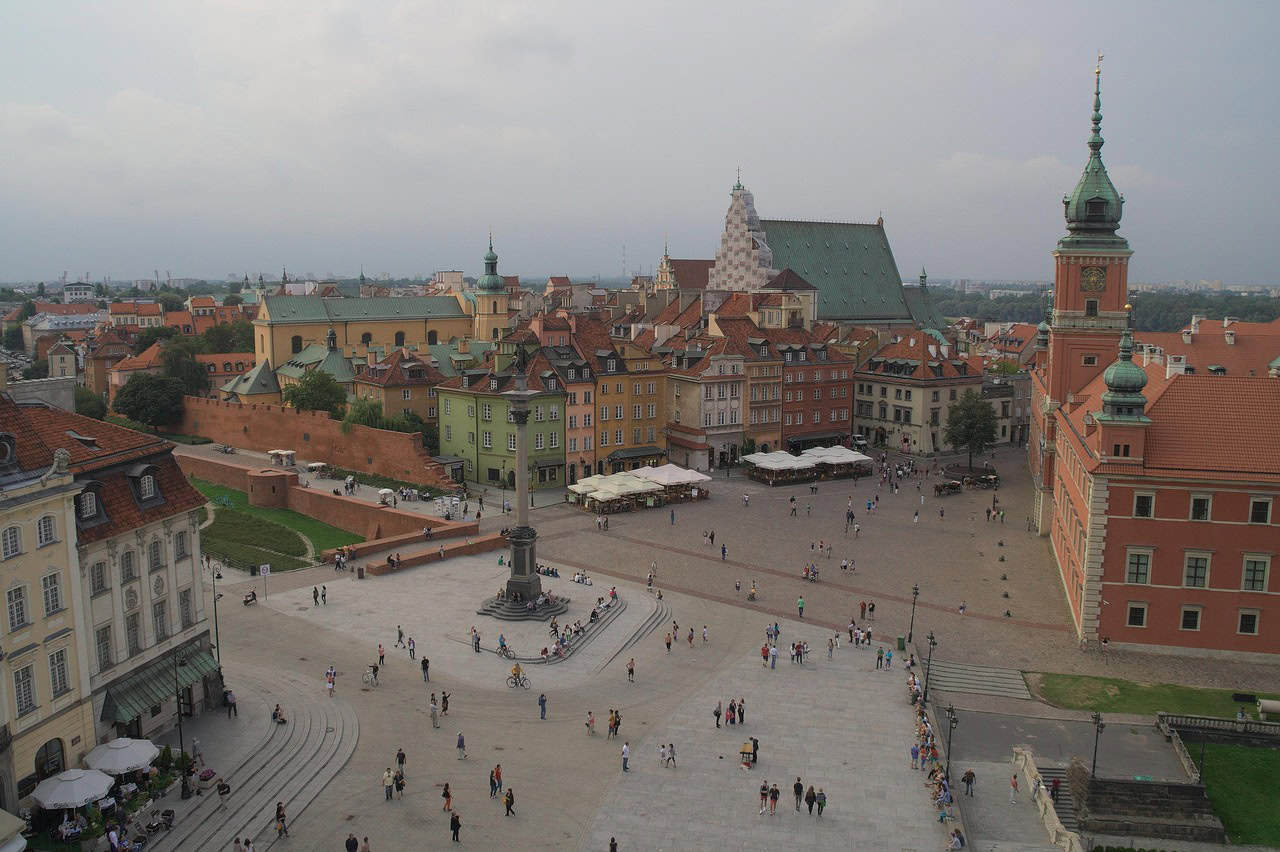
Poland’s big cities can feel as orderly and easy as anywhere in Central Europe, but the map changes near Ukraine and Belarus. UK and Canadian advisories note strikes in Ukraine within about 20 km of the Polish border, plus restricted zones and unpredictable access around crossings with Ukraine, Belarus, and Kaliningrad. That proximity turns a routine road trip into a logistics problem fast, especially when military exercises or air-defense alerts ripple toward the frontier and plans depend on a single highway for fuel, lodging, and alternate routes, even in quiet villages on the lines.
Georgia’s Wine Country and the Occupied Lines
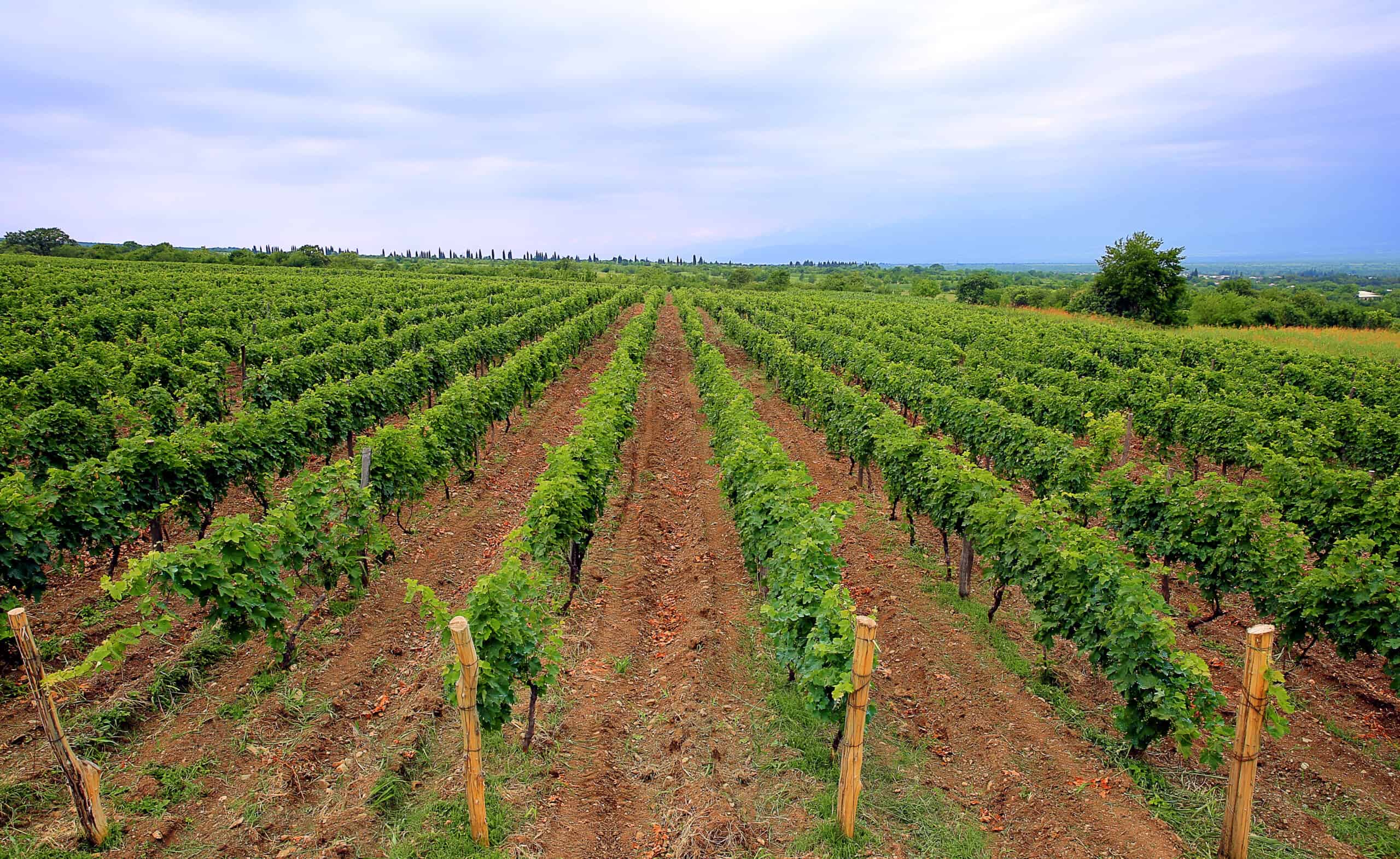
Georgia’s capital and wine valleys project a relaxed, café-lit confidence, which is why many visitors read the country as effortlessly safe. U.S., Canadian, and Australian advisories draw a harder boundary around the Russian-occupied regions of Abkhazia and South Ossetia, citing risks that include civil unrest and landmines where fighting has occurred. Trouble can begin with a wrong turn near an administrative line, where detentions, sudden road blocks, or unmarked hazards turn a scenic drive into a serious incident, especially when GPS shortcuts push cars onto roads locals avoid, in bad weather.
Armenia’s Capital Calm and the Border Roads
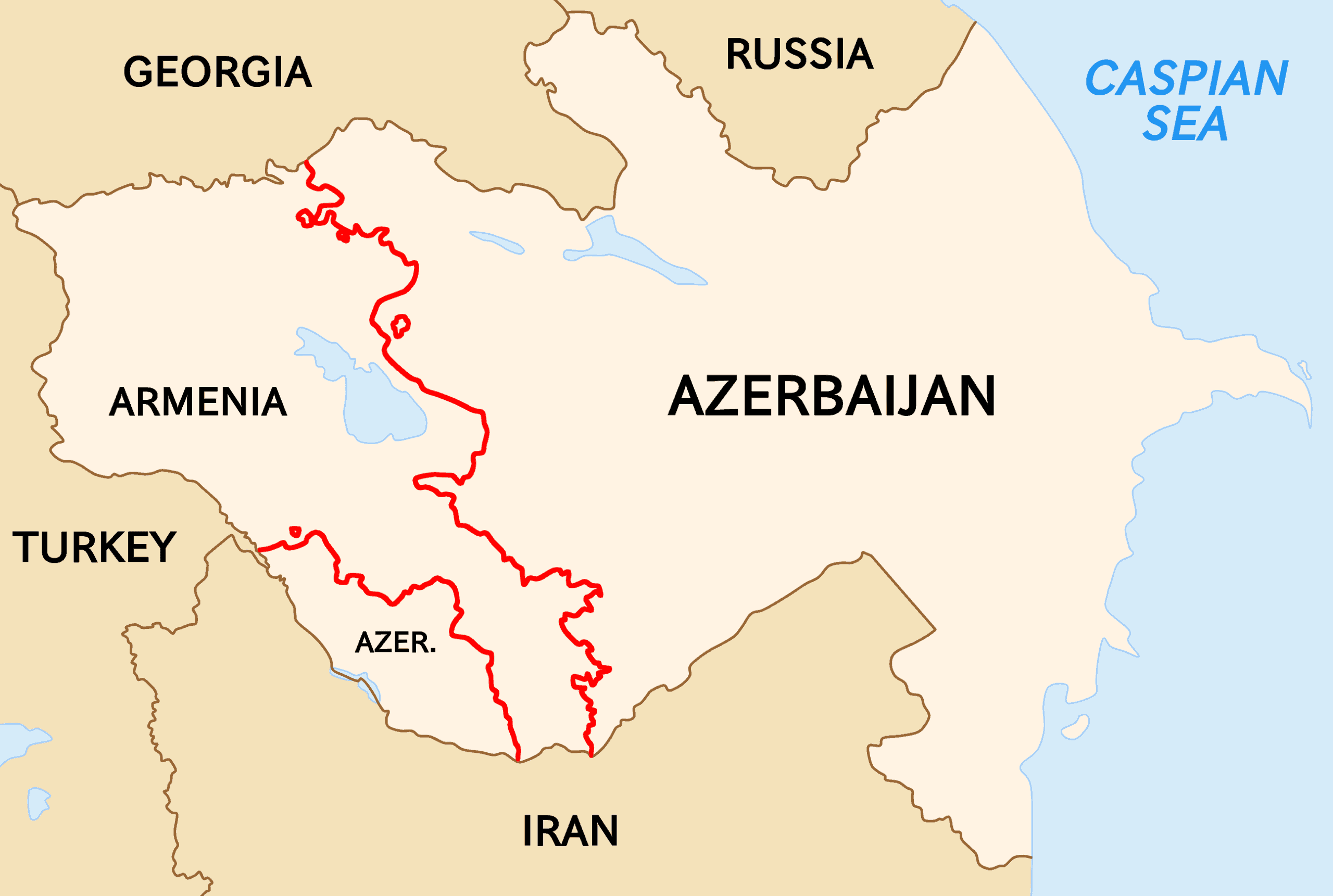
Yerevan’s boulevards and café terraces can feel like a small, steady island, but Armenia’s border geography keeps risk close. U.S. advisories warn of potential armed conflict near the Armenia-Azerbaijan border and urge caution on roads that can cross international lines without warning, where closures and checkpoints may appear abruptly. What looks like a simple countryside loop can become a high-stress situation when a valley road narrows into a monitored corridor and turning around is no longer easy and local conversations shift quietly from hospitality to security in the span of one phone alert.
Jordan Beyond the Postcard Cities
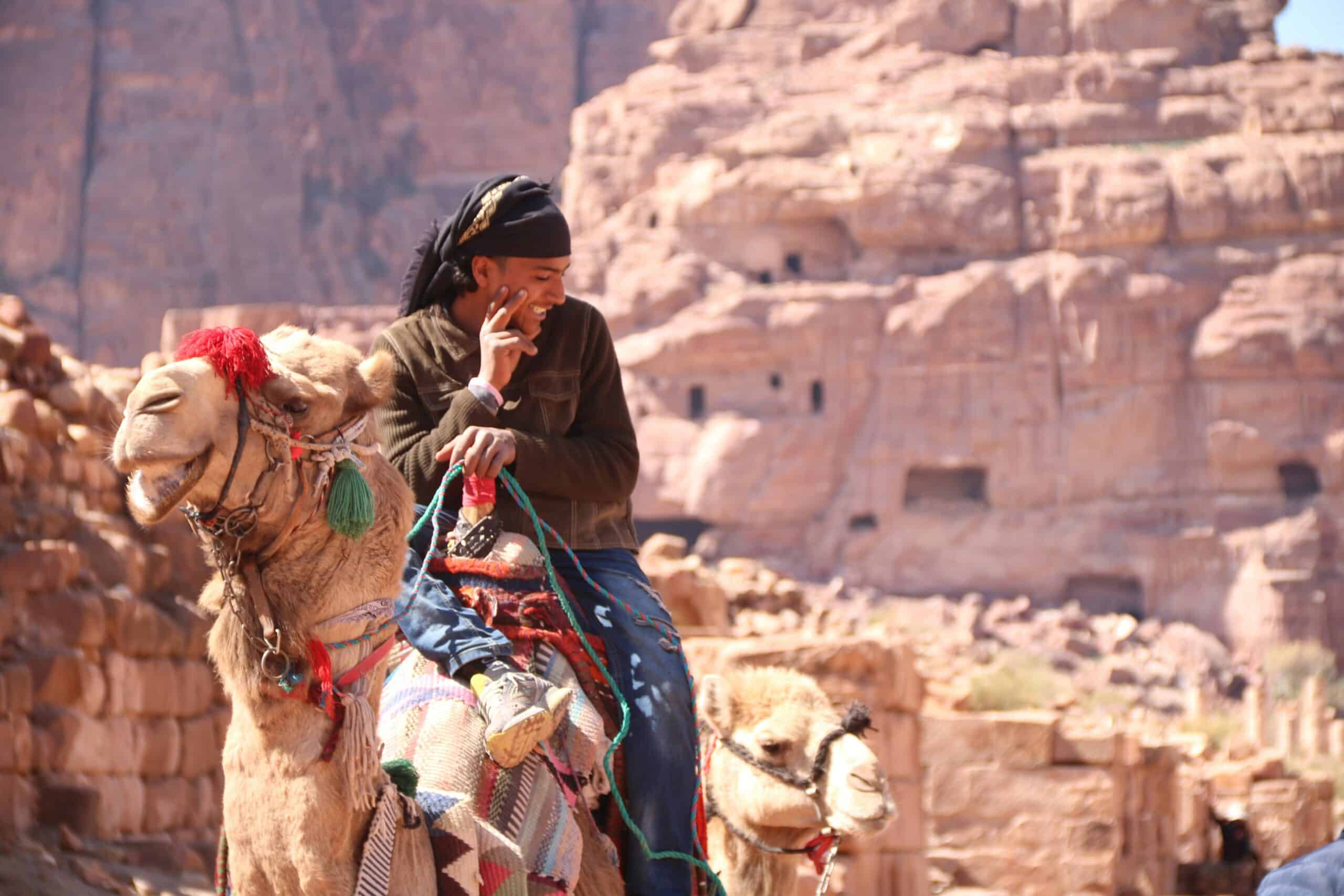
Jordan’s headline attractions often sit in a calm bubble, yet the wider region can shift overnight when conflicts flare. State Department guidance flags parts of the Syrian and Iraqi border areas as do-not-travel zones, and the U.S. Embassy issued a shelter-in-place security alert on Feb. 28, 2026 as regional strikes and airspace disruptions spread. In practice the risk is less about Petra at midday and more about sudden movement limits, crowded transit nodes, and plans that unravel quickly when routes close, leaving travelers juggling hotel extensions, cash access, and last-minute flight changes.
Egypt’s Resort Corridor and the Sinai Edges

Egypt can feel reassuringly tour-bus familiar in Cairo, Luxor, and Red Sea resorts, but its safety map has sharp cut lines. U.S. guidance urges travelers not to enter the Northern and Middle Sinai Peninsula and flags the Western Desert and border areas as higher risk without licensed operators, reflecting long-running militant threats and remote security gaps. The danger often shows up as detours, checkpoints, and excursions that drift beyond the resort bubble, where help can be far and rules change fast, especially on long drives, desert safaris, or last-minute side trips sold as easy add-ons after dark too.
Croatia’s Coast and the Inland Mine Signs
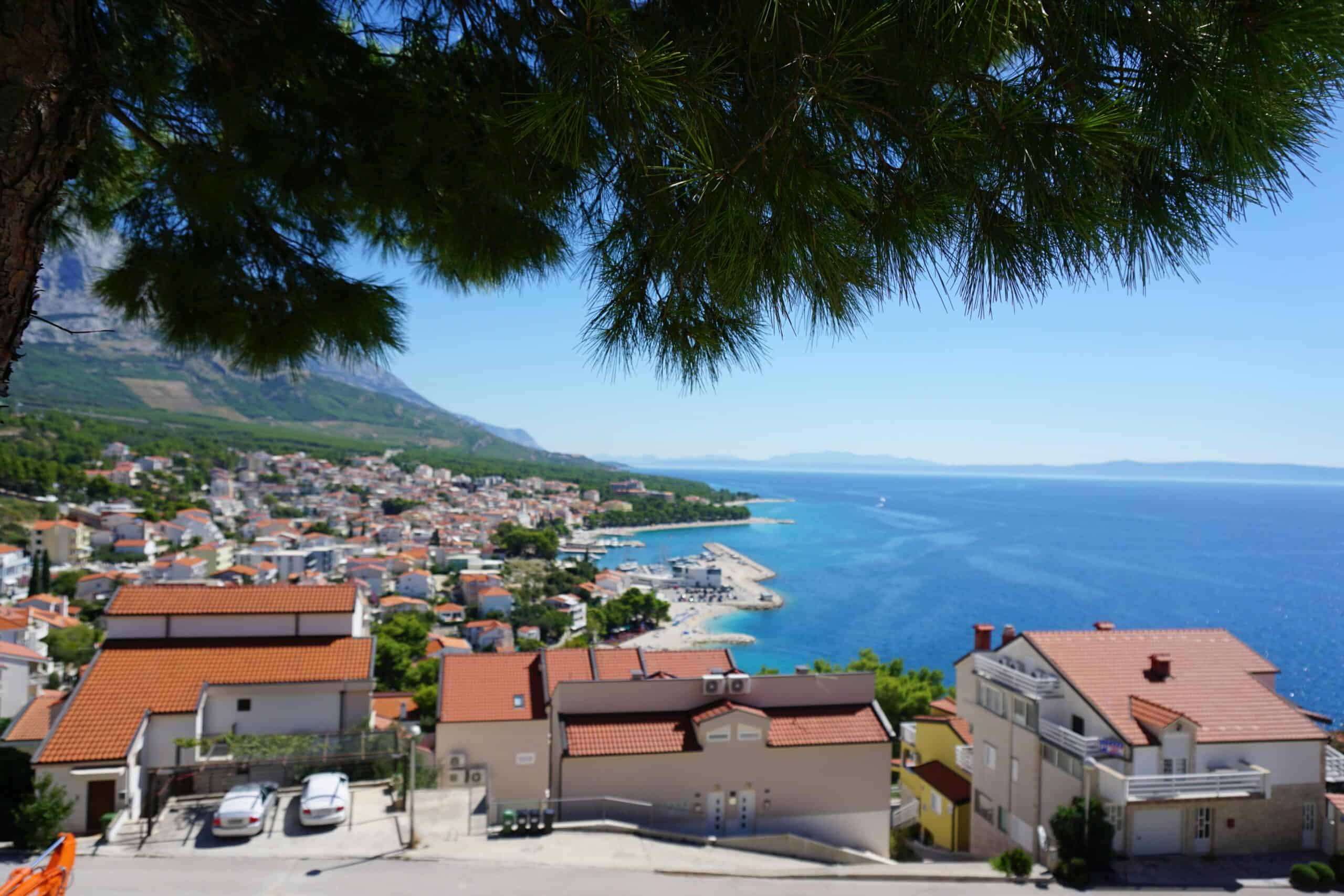
Laganini Croatia/Unsplash
Croatia’s Adriatic towns are polished, walkable, and famously welcoming, which can make the country feel uniformly carefree. UK, U.S., and Canadian guidance still flags leftover landmines in parts of Karlovac and Lika-Senj, plus other previously war-affected areas, especially in dense forests and rough terrain away from the coast. The risk is quiet and physical: a casual hike, a photo stop, or one unplanned shortcut off a well-used track can carry consequences that no beachside common sense can fix. Signs help, but tape fades and boundaries shift after storms. Locals avoid old paths in spring too.
Cambodia’s Temple Trails Outside the Tourist Core

Siem Reap and Phnom Penh can feel well-worn on the backpacker circuit, but Cambodia’s past still sits under the soil in places that look harmless. The U.S. advisory warns about landmines and flags the Cambodia–Thailand border area for armed conflict, while safety guidance also notes mines and unexploded ordnance in remote provinces where forest paths and dry paddies invite wandering. The risk rarely announces itself; it hides in the desire to find a quieter temple, a sunset field, or a shortcut between villages where a guide’s local knowledge matters more than any online map after rainstorms too.
Laos’s River Towns and Unseen War Remnants
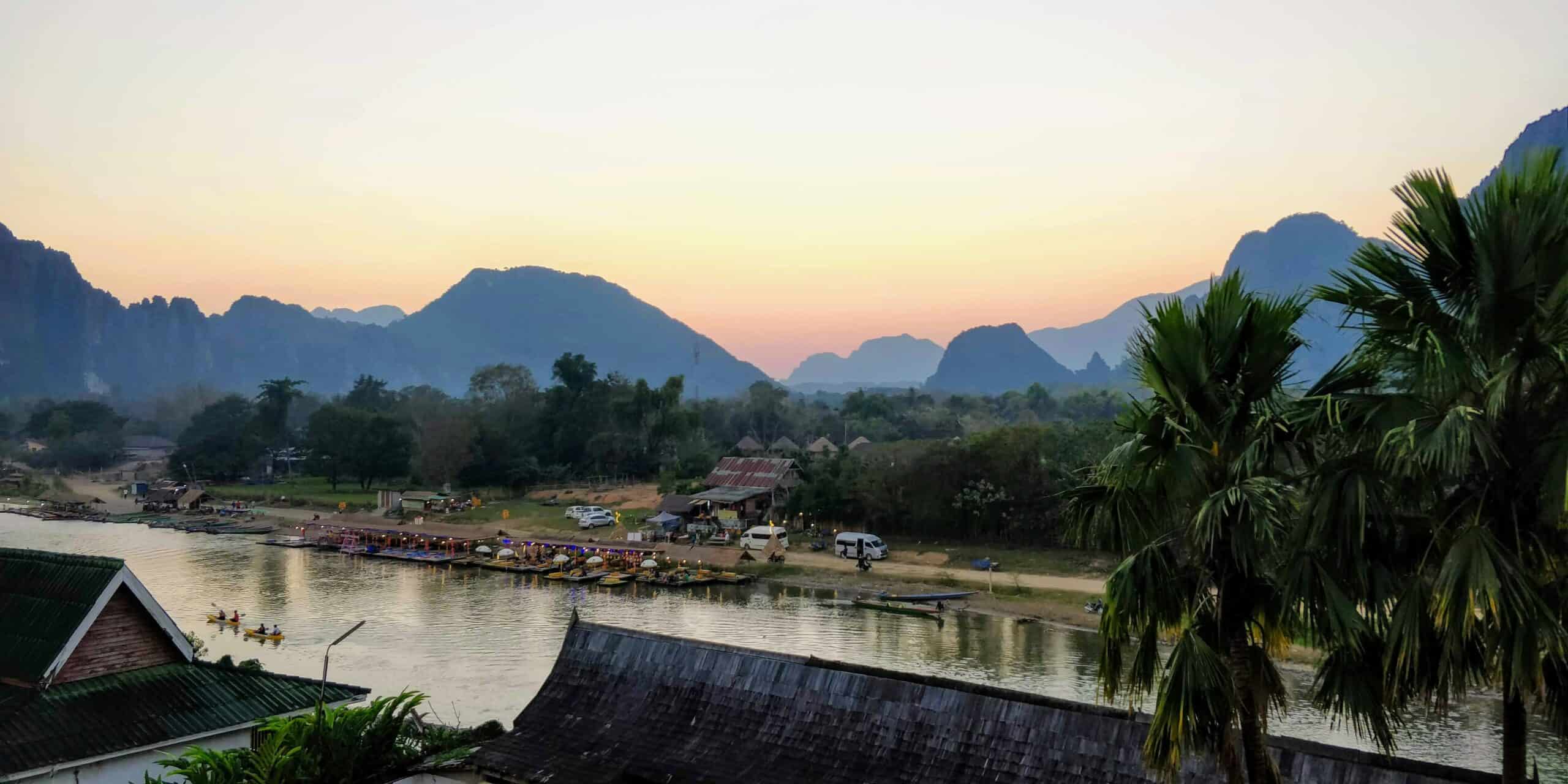
Laos often sells itself as slow travel: river sunsets, temple steps, and quiet streets that seem far from geopolitics. U.S. guidance warns travelers to avoid touching unknown metal objects and to stay on well-used roads and paths because of unexploded ordnance, and it also notes civil unrest as a countrywide concern that can change the mood quickly. When a motorbike route drifts onto a dirt track or a hike cuts across scrubby hills, the most serious hazard may be the one nobody can see, and help may be hours away in areas with limited services and patchy communication in wet season, after storms.
Vietnam’s Beaches and the Unfinished Cleanup
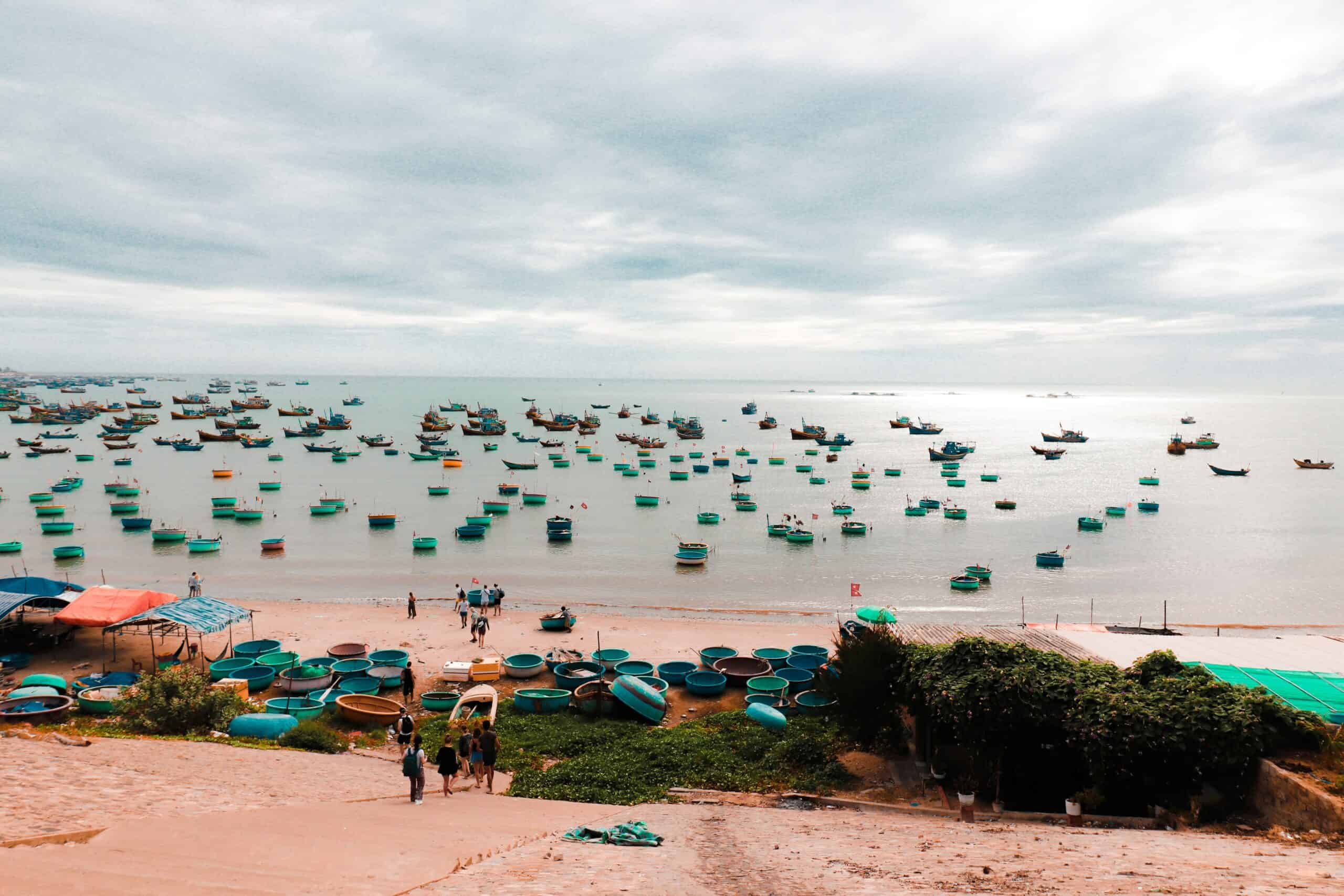
Vietnam’s tourism machine is mature enough to feel almost frictionless, from big-city hotels to beach shuttles. Canadian travel guidance still highlights landmines and unexploded ordnance in parts of central and northern areas, including Quảng Trị and stretches near the Laos border, where war remnants remain a serious risk off major routes. The danger tends to appear on the margins, when a waterfall detour, a drone shot, or a quick scramble onto a riverbank tempts travelers off the paved story, and locals quietly point back to the road, where vegetation can hide old metal in unmarked patches even now in rain.