We may earn money or products from the companies mentioned in this post. This means if you click on the link and purchase the item, I will receive a small commission at no extra cost to you ... you're just helping re-supply our family's travel fund.

Renting a car in 2026 sounds simple, but many travelers still get trapped by persuasive-sounding upgrades that look helpful at the counter yet quietly drain their budget. What appears to be a small add-on often turns into a daily expense that multiplies over a week-long trip, and the frustration usually hits only when the bill arrives. Understanding what actually delivers value and what does not can easily save $150 to $500 on a single rental, along with a lot of unnecessary stress.
1. Premium Vehicle Upgrades

Choosing a larger or more luxurious category is tempting, especially when the representative says it’s “just a small difference,” but premium upgrades frequently add $25 to $80 per day, which easily becomes $175 to $560 on a one-week rental. Bigger cars in 2026 generally burn 10% to 25% more fuel and that difference matters when gas prices average $3.50 to $6.00 per gallon depending on the region. Unless you genuinely need extra seats, luggage room, or off-road capability, the extra space rarely justifies the higher cost.
2. Prepaid Fuel Plans

Prepaid fuel programs sound relaxing because you return the car without worrying about refilling, but the math rarely favors travelers. Many companies price prepaid fuel 5% to 18% higher than local fuel averages, and you pay for the full tank regardless of how much you actually use. On a vehicle with a 14-gallon tank, that can mean paying for 14 gallons even if you return with 6 or 7 gallons unused, wasting $20 to $45 for nothing. It only makes sense if you absolutely know you will return empty.
3. GPS Navigation Devices
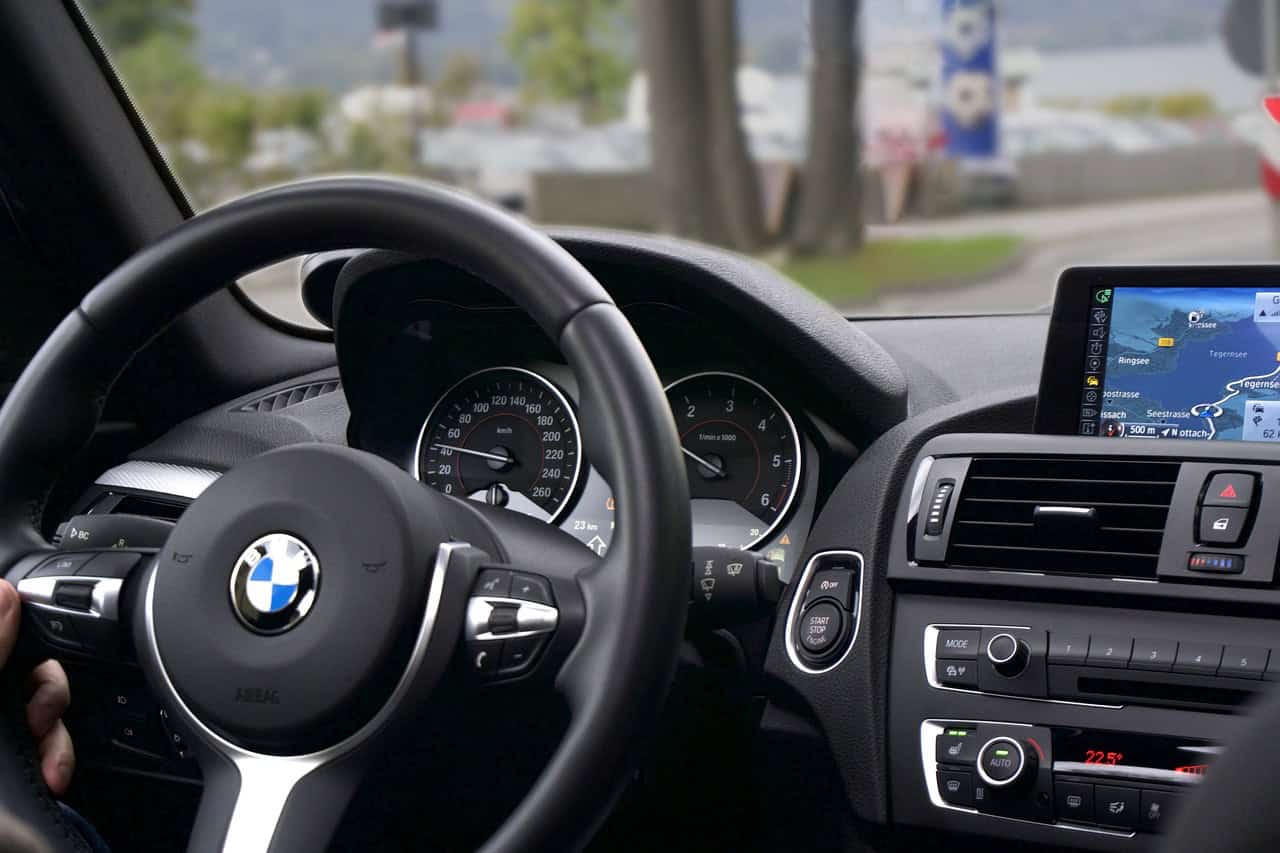
Renting a built-in GPS unit feels professional and reassuring, but in 2026 most phones already outperform these devices. Rental companies commonly charge $10 to $17 per day, so a ten-day trip can quietly add $100 to $170 for something Google Maps or Apple Maps handles for free, often with better traffic accuracy. Battery drain and roaming costs are manageable with offline maps and affordable data plans. Unless you expect long stretches with zero signal, this upgrade simply doesn’t provide equal value for its price.
4. Toll Transponder Packages
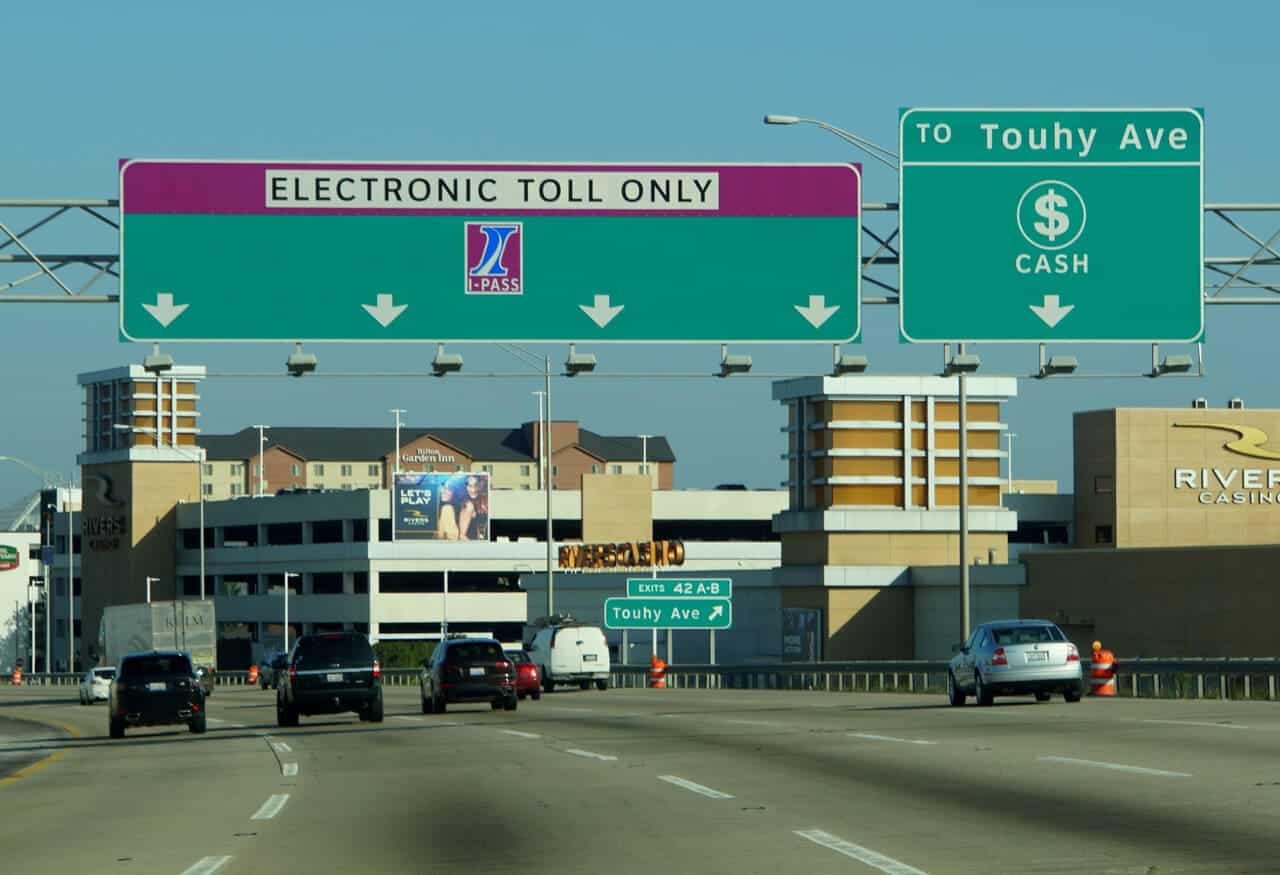
Toll passes are marketed as “stress-free travel,” yet their pricing structure is rarely tourist-friendly. Most companies charge a daily access fee between $4 and $12 plus the actual tolls, and the fee is applied even on days you never drive through a toll gate. Over a five-day rental, that alone can add $20 to $60 before toll costs are even counted. Buying a local pass or paying tolls individually is usually far cheaper, especially in cities where total toll expenses may barely exceed $10 to $25 for the entire trip.
5. Additional Driver Fees

Sharing driving responsibility can seem like a comfort upgrade, but adding another driver often introduces a quiet but significant cost. Many rental companies charge $8 to $18 per extra driver per day, and over a seven-day vacation that easily becomes $56 to $126 added to the invoice. Some states, loyalty programs, and corporate rentals waive this, but many travelers don’t qualify. If the second driver rarely plans to be behind the wheel, it may be smarter to limit driving to one person and save the money instead.
6. Child Seats and Extra Equipment

Families understandably prioritize safety, but rental child seats can be surprisingly expensive for what is essentially basic equipment. In 2026, many companies charge $8 to $15 per day for a single seat, turning into $56 to $105 across a week, and quality sometimes varies because these seats are used repeatedly by many customers. Airlines in many countries allow child seats to be checked for free, which instantly removes this cost. Unless carrying your own is impossible, renting these accessories rarely delivers fair value.
7. Counter Insurance Add-Ons

Insurance conversations at the counter can feel intimidating, and that is exactly why many travelers say yes without thinking. Collision damage waivers frequently cost $20 to $40 per day, which can total $140 to $280 in just one week, and liability add-ons push it even higher. However, many personal auto policies, premium credit cards, and travel insurance plans already provide coverage at no extra charge. Buying duplicate protection simply drains your budget unless you’ve confirmed you truly lack any existing coverage.
8. One-Way and Drop-Off Convenience Fees

Returning a car to a different city or state feels convenient when planning a long journey, but the penalty can be shockingly high. One-way drop fees commonly range from $75 to $400 depending on distance, with some cross-country cases exceeding $600 in 2026. The extra charge often appears at checkout rather than in the initial headline rate, catching travelers off guard. Unless the route absolutely demands a different drop-off point, arranging alternative travel or adjusting plans can save hundreds.
9. Paid Flexibility and Date Adjustment Options

Rental companies increasingly promote “flexible return protection,” promising peace of mind if your timing changes. These add-ons usually cost $6 to $18 per day and can approach $100 across longer trips, yet many travelers never need them. Most rentals already include short grace periods such as 29 to 59 minutes before late fees begin, and adjusting online in advance often costs nothing. Unless your schedule is extremely uncertain, paying extra simply to feel safer rarely delivers real financial value.