We may earn money or products from the companies mentioned in this post. This means if you click on the link and purchase the item, I will receive a small commission at no extra cost to you ... you're just helping re-supply our family's travel fund.

Renting an electric vehicle for a road trip can feel exciting, modern, and environmentally responsible. Yet many travelers discover too late that EVs demand a different mindset than gas cars. Small misunderstandings about range, charging speed, or infrastructure can quickly snowball into delays, stress, or complete standstills. Rental EVs add another layer of risk because drivers are unfamiliar with the vehicle, its software, and its real-world limits. Below are nine of the most common rental-car EV mistakes that strand road-trippers, explained in detail with practical numbers and realities every traveler should understand before hitting the highway.
1. Trusting the Advertised Range Without Question
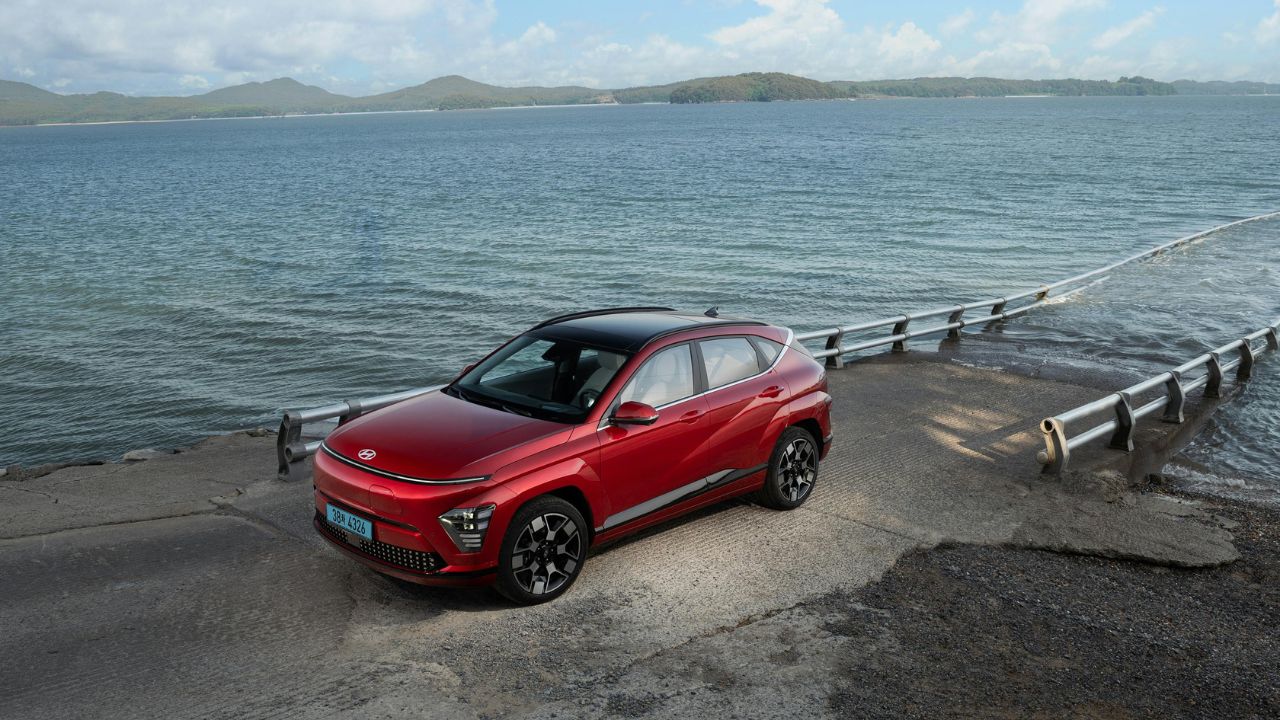
Many renters assume the listed range is reliable, but EV ranges are measured under ideal conditions. A vehicle advertised at 300 miles often delivers only 190–220 miles at highway speeds of 70 mph. Add air-conditioning, passengers, luggage, or hills, and range can drop another 10–20%. Cold weather alone can reduce range by 25–30%. Drivers who plan legs based on brochure numbers often arrive 30–40 miles short of their target charger. Rental EVs may also have older batteries with 5–10% degradation, further shrinking usable range and quietly increasing the risk of being stranded between stops.
2. Failing to Plan Charging Stops in Advance
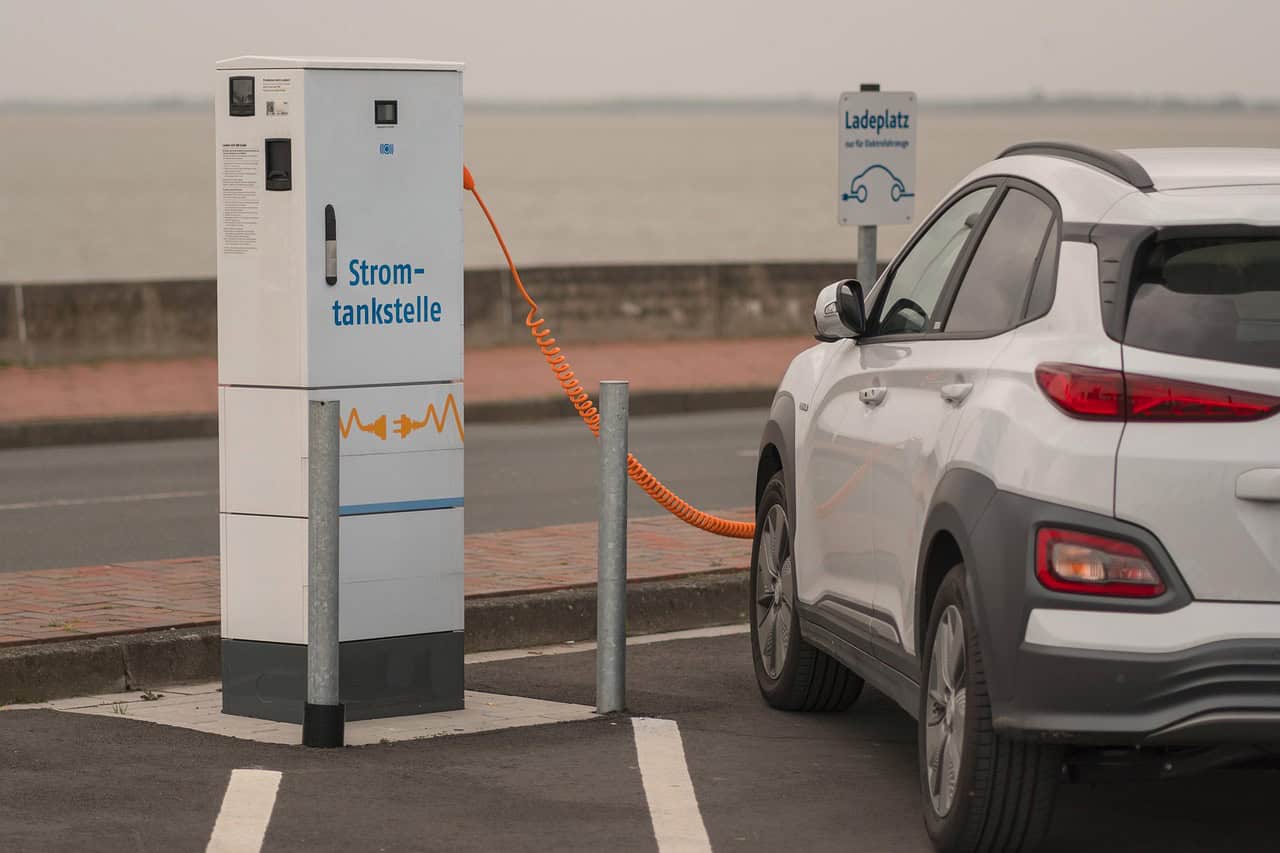
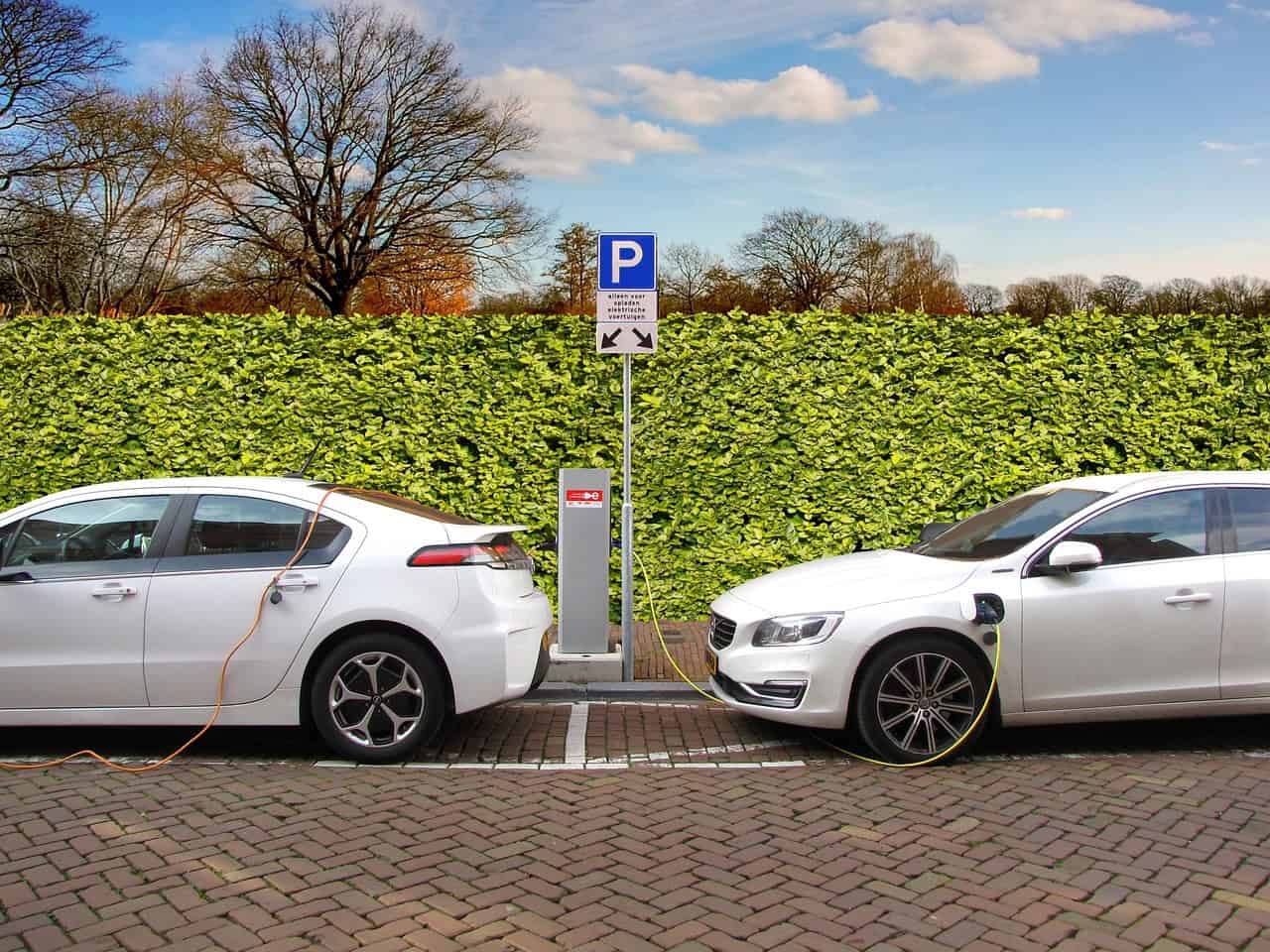
Gas stations appear every few miles, but fast EV chargers can be 40–80 miles apart on many routes. Drivers who rely on “finding one later” often discover entire stretches with zero compatible chargers. On rural highways, a single missed charger can force a 60-mile detour. Navigation systems sometimes route drivers past chargers that are slow, private, or out of service. Without pre-planning, travelers risk reaching 10% battery with no realistic options left. Experienced EV road-trippers typically map charging stops every 120–150 miles, even when the car claims it can go farther.
3. Driving the Battery Too Low Before Recharging
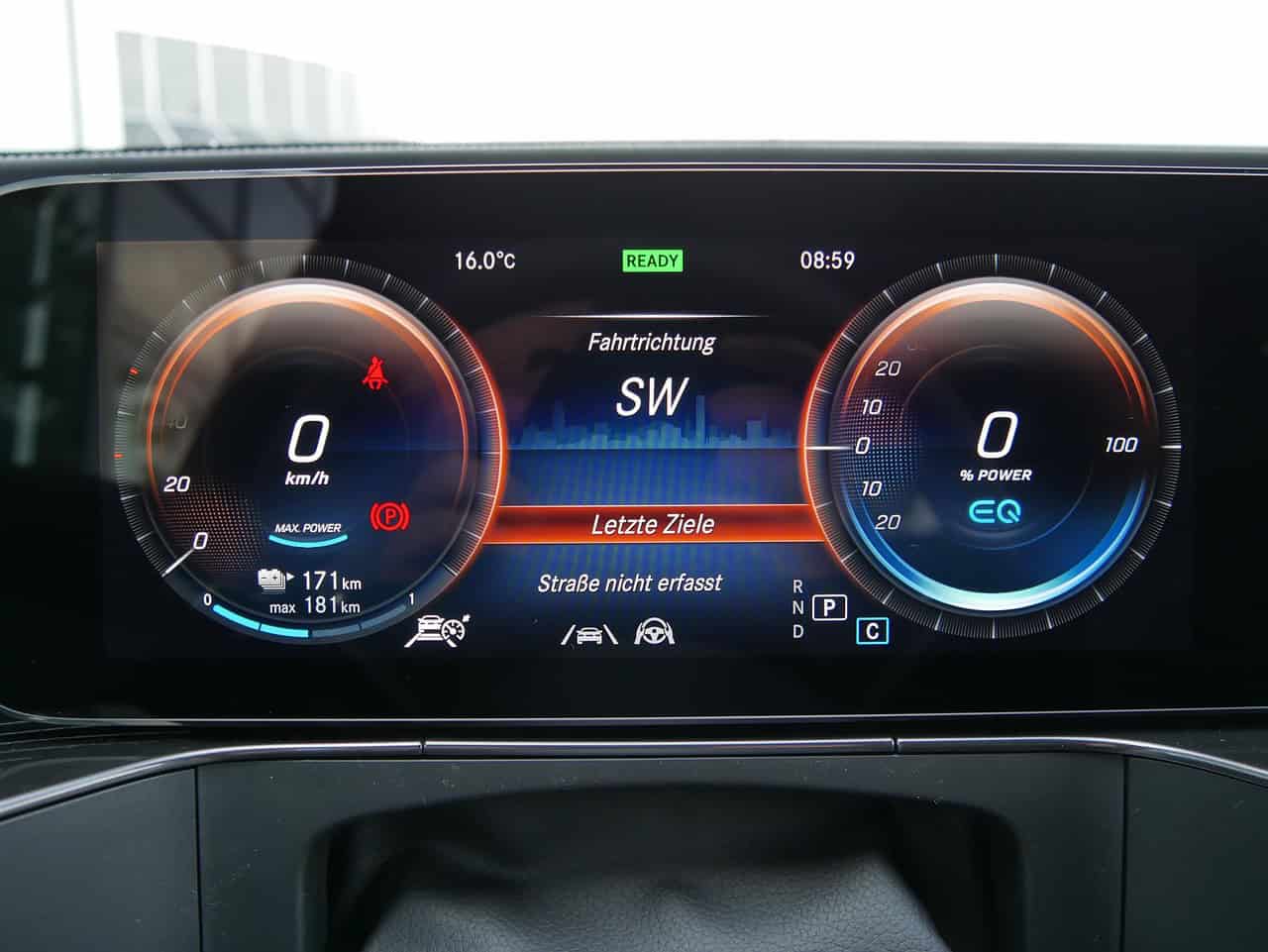
Waiting until the battery drops below 10% feels logical, but it’s risky. Many EVs reduce performance and disable route recalculations under 5%. More importantly, DC fast-charging slows dramatically at very low or very high states of charge. A car at 5% may take 10 extra minutes just to stabilize before charging efficiently. If the charger is broken or occupied, there’s no margin to move on. EV experts recommend searching for chargers at 25–30% remaining, preserving a safety buffer of 40–60 miles that can mean the difference between inconvenience and being stranded.
4. Underestimating How Long Charging Really Takes
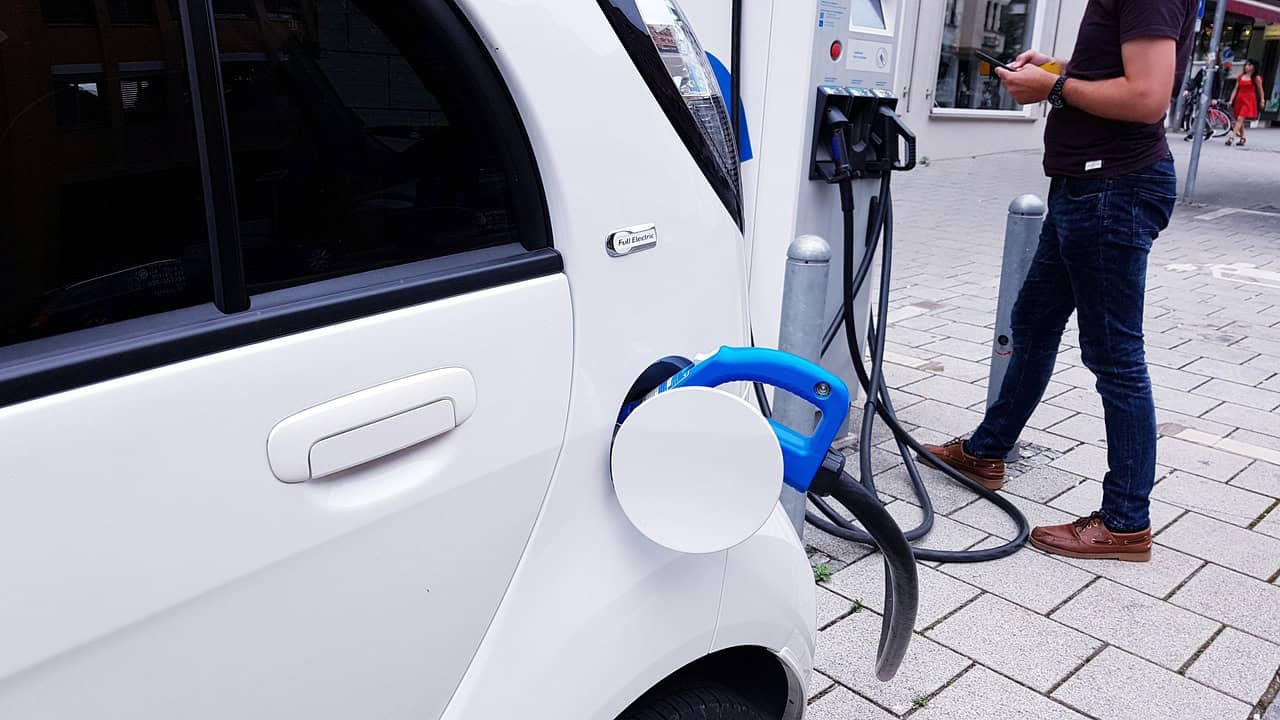
A common assumption is that fast charging is “almost like refueling.” In reality, most rental EVs charge from 20% to 80% in 30–50 minutes under perfect conditions. Slower chargers can take 1.5–3 hours for the same gain. Charging above 80% often slows by 50–70%, turning a quick stop into a long wait. Drivers who plan tight schedules may skip charging early, hoping to save time, only to face an unavoidable hour-long stop later. Over a 500-mile trip, charging time can easily exceed 2.5 hours if poorly planned.
5. Assuming Public Chargers Are Always Working
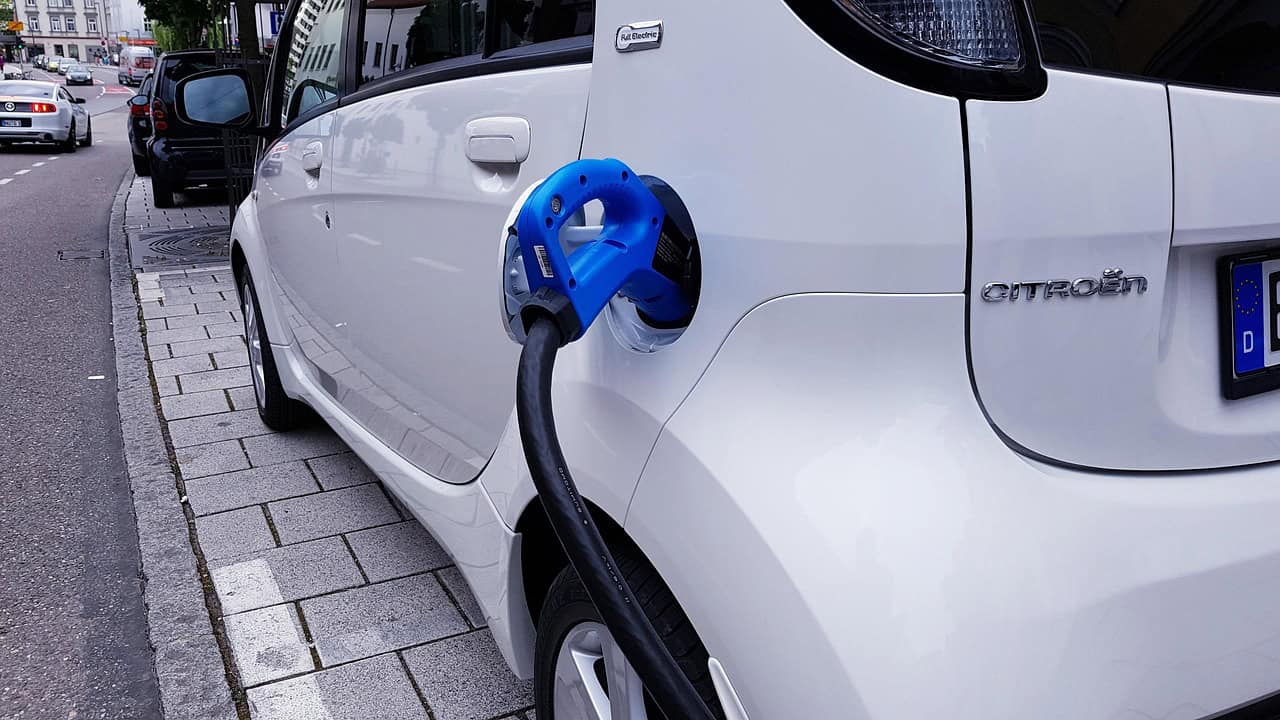
Public charging reliability is improving, but failure rates of 15–25% are still common in many regions. Arriving at a charger only to find it offline, blocked, or already occupied can instantly derail plans. Some locations have only one fast charger within a 50-mile radius. Rental drivers unfamiliar with backup locations may lose 30–60 minutes searching for alternatives while their battery drains. Experienced EV users typically identify at least two chargers within a 20-mile radius of every planned stop, a precaution many rental customers overlook entirely.
6. Not Understanding the EV’s Charging Basics
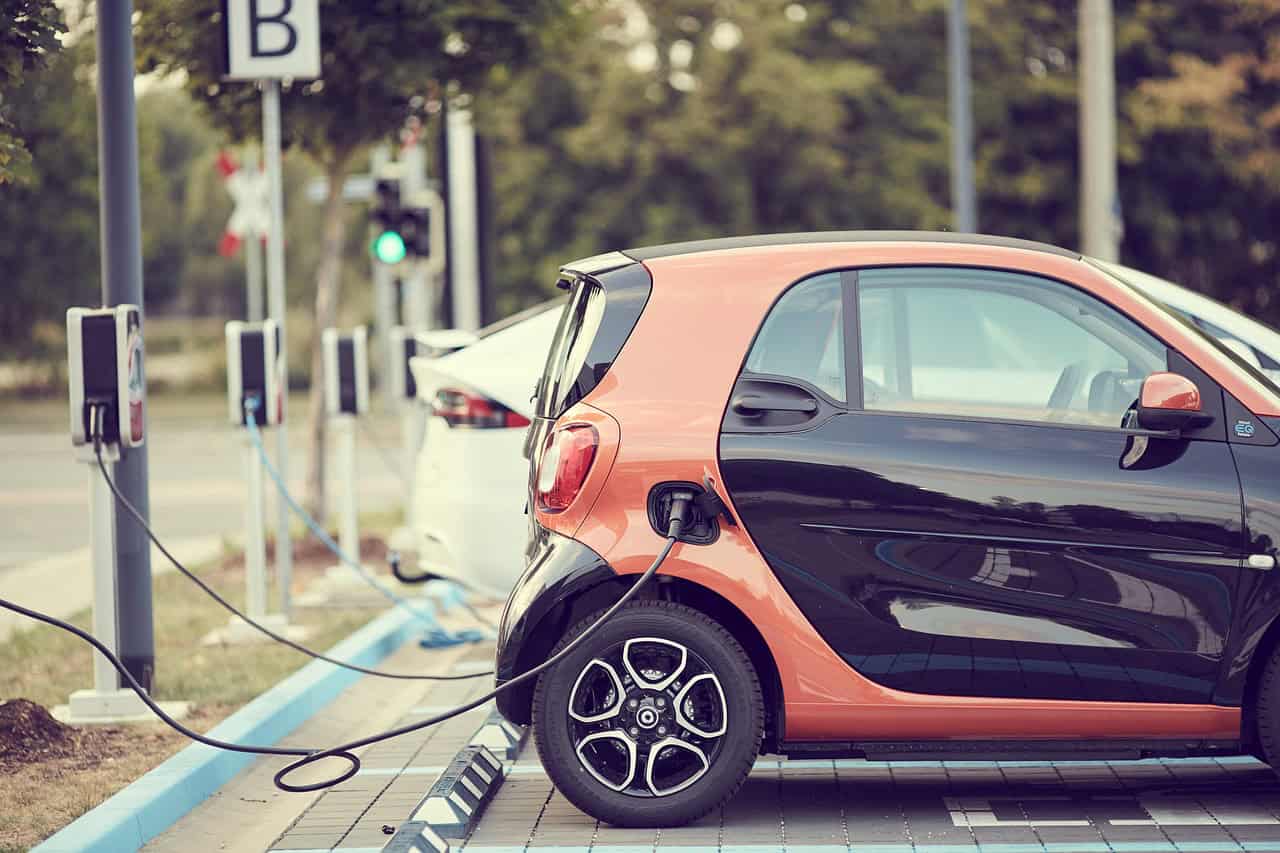
First-time EV renters often struggle with basic concepts like charging curves, connector types, or how to initiate a session. Some don’t realize Level-2 chargers add only 20–30 miles of range per hour. Others misinterpret “remaining range” as fixed rather than dynamic. Confusion at chargers can waste 10–15 minutes per stop, adding up quickly. In worst cases, drivers plug into incompatible connectors or slow chargers, gaining only 40 miles after an hour. A short five-minute orientation could prevent mistakes that reduce usable travel distance by 15–20%.
7. Forgetting to Set Up Charging Apps and Payments
Most fast-charging networks require specific apps or RFID access. Credit-card readers fail or aren’t supported at many stations. Drivers who arrive without the right app may spend 10–20 minutes downloading, registering, and adding payment—assuming cellular service exists. In remote areas, poor signal can make activation impossible. Some networks also require minimum balances of $10–$20. Travelers without preparation may be locked out entirely, even with 5% battery remaining. Veteran EV drivers often carry four to six charging apps, while many rental users have none installed at pickup.
8. Ignoring Weather, Speed, and Terrain Impacts
EV efficiency changes dramatically with conditions. Driving at 75 mph instead of 65 mph can reduce range by 15–20%. Strong headwinds can cut another 10%. Mountain climbs consume significant energy, with elevation gains of 3,000 feet costing 8–12% battery. Extreme heat increases cooling loads, while freezing temperatures reduce battery chemistry efficiency. Drivers who plan routes assuming flat, mild conditions often arrive with 20–30 fewer miles than expected. Over a long day, these small losses accumulate, turning a “safe” 200-mile leg into a stressful gamble.
9. Not Checking Charger and Vehicle Compatibility
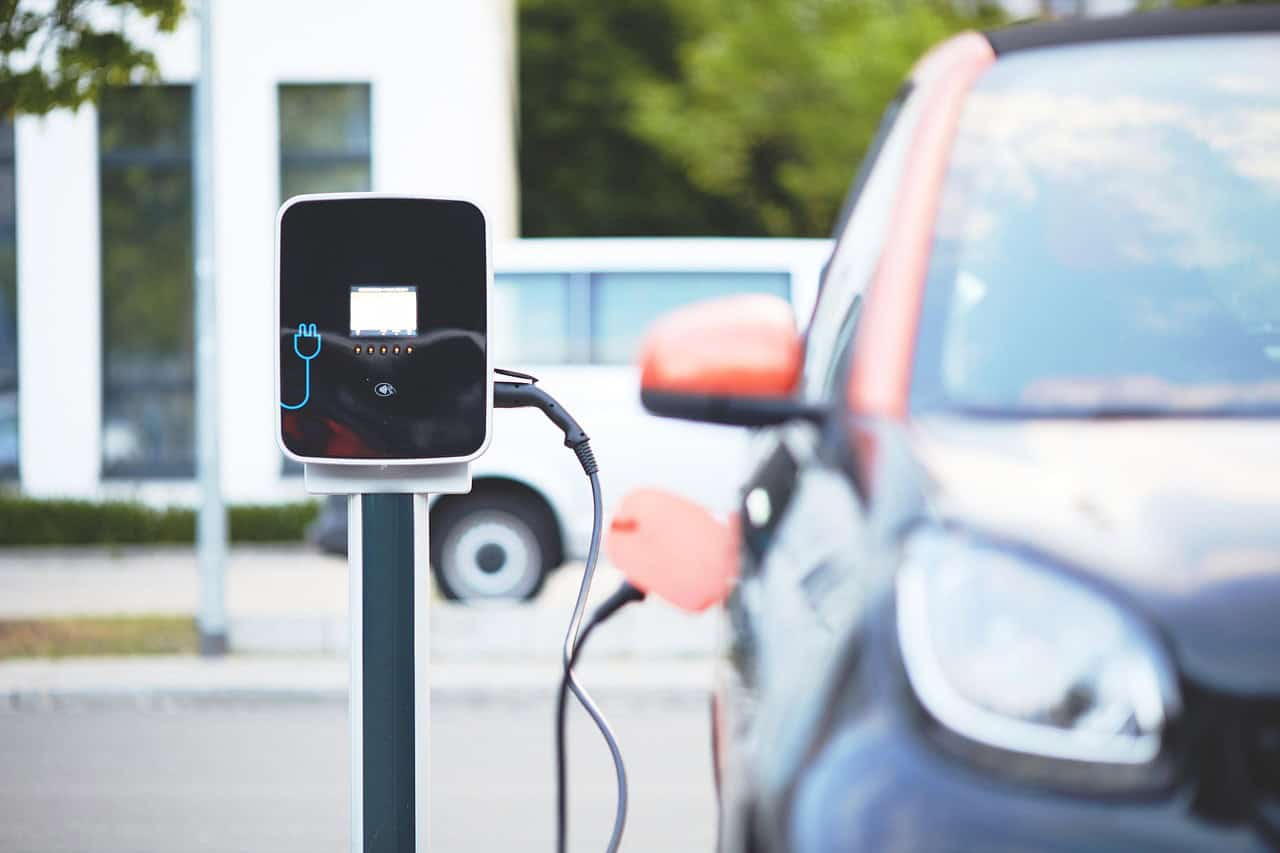
Not all chargers work with all EVs. Some rental vehicles lack adapters for certain networks, while others cannot use older fast-charging standards. Tesla-style connectors, CCS, and CHAdeMO differences confuse many renters. Arriving at a station only to realize it’s incompatible can waste a critical battery. Rental agencies don’t always supply adapters, and buying one on the road isn’t realistic. In areas with limited infrastructure, incompatibility can force detours of 50–70 miles. Smart EV travelers confirm connector compatibility before departure, something many stranded renters wish they had done earlier.