We may earn money or products from the companies mentioned in this post. This means if you click on the link and purchase the item, I will receive a small commission at no extra cost to you ... you're just helping re-supply our family's travel fund.
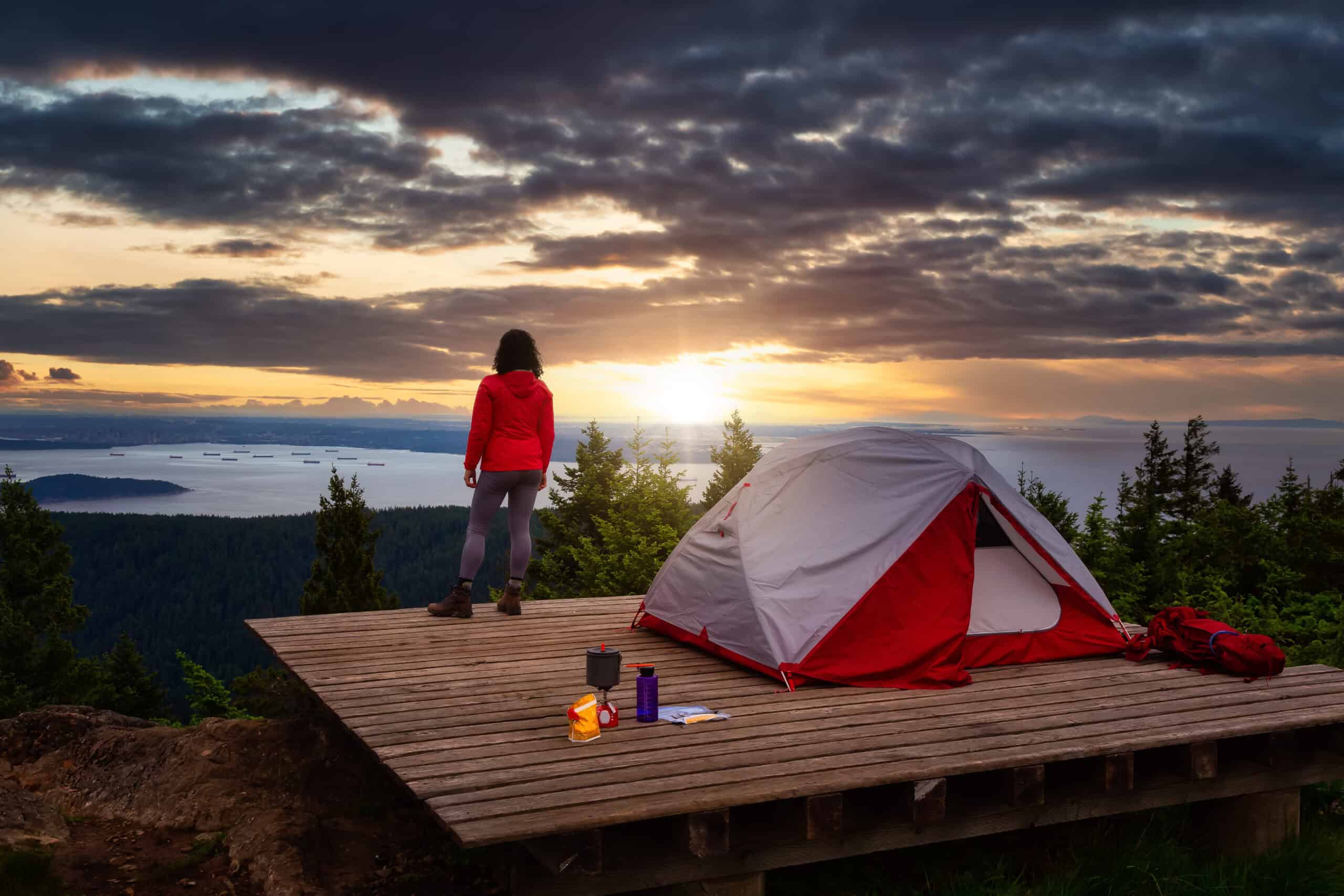
Solo camping still carries a powerful romance: one tent, one fire ring, and a silence that feels clean enough to reset a life. But official outdoor-safety guidance keeps circling back to the same truth. The National Park Service says it is safer to travel with a companion, while parks and emergency agencies repeatedly stress trip plans, first aid, weather awareness, and backup communication. In the outdoors, danger rarely arrives like a movie scene. More often, it begins as something ordinary that becomes much harder to solve when no one else is there.
A Small Injury Stops Being Small Fast
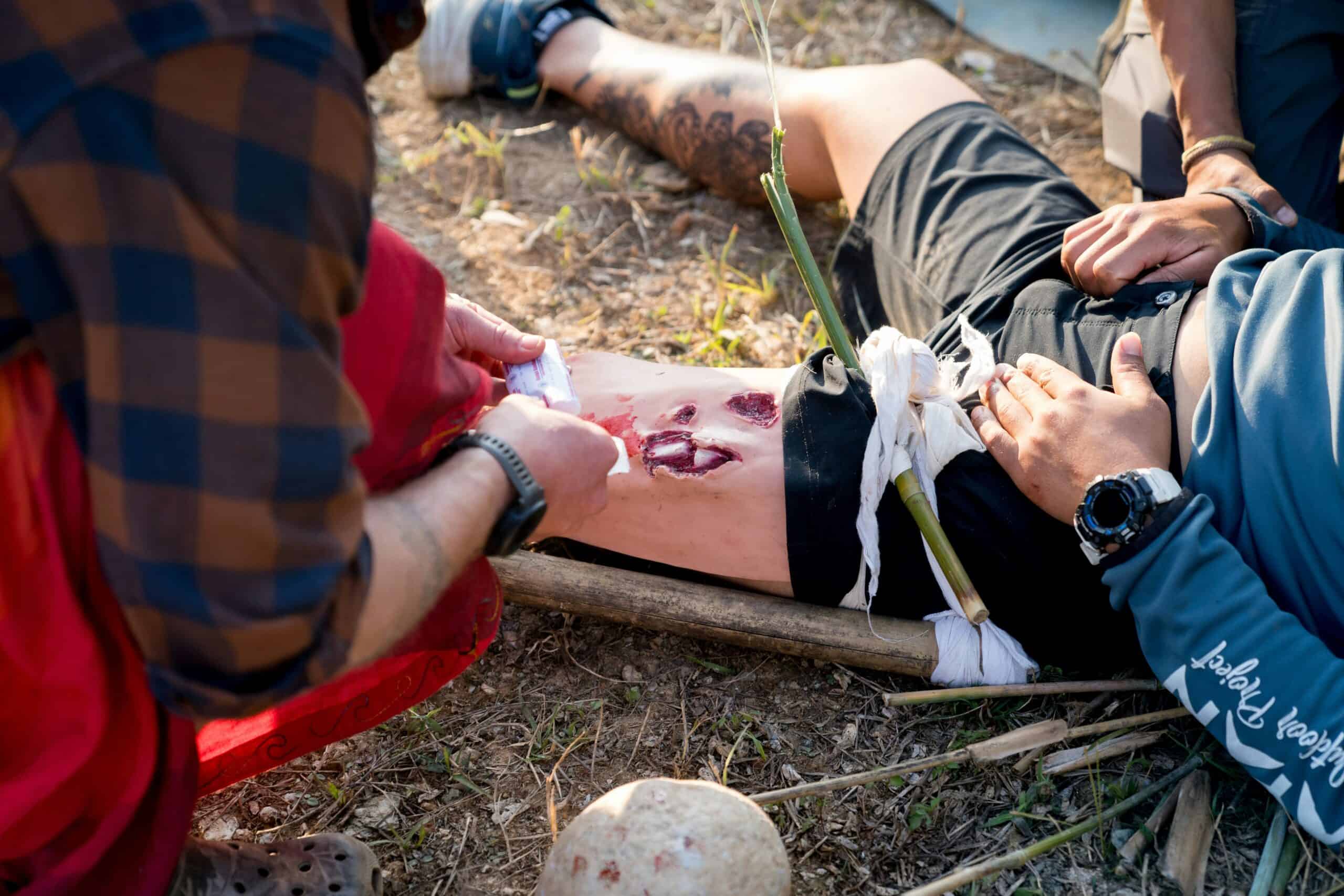
Camping injuries are usually ordinary, not dramatic. The Red Cross lists bruises, fractures, sprains, strains, and burns among common camping injuries, and the National Park Service urges backcountry travelers to learn CPR and wilderness first aid and to plan for emergencies rather than rely on rescue. That matters because a rolled ankle, deep cut, or bad fall feels very different when there is no second person to stabilize, fetch help, share gear, or simply keep the injured camper from making exhausted decisions that turn a manageable problem into a long and dangerous one.
No One Notices Right Away When A Plan Breaks
A camping trip becomes much safer when someone else can notice the moment the schedule slips from late to worrying. The National Park Service repeatedly tells visitors to leave a written trip plan, share an expected return time, and make sure an emergency contact knows when to alert the park if that check-in never comes. Solo campers can still file that plan, of course, but there is no partner beside them to confirm the route changed, the injury happened, or the weather forced a detour. In the first fragile hours of an emergency, that missing witness can cost precious time.
Phones Fail Exactly Where Reassurance Matters Most
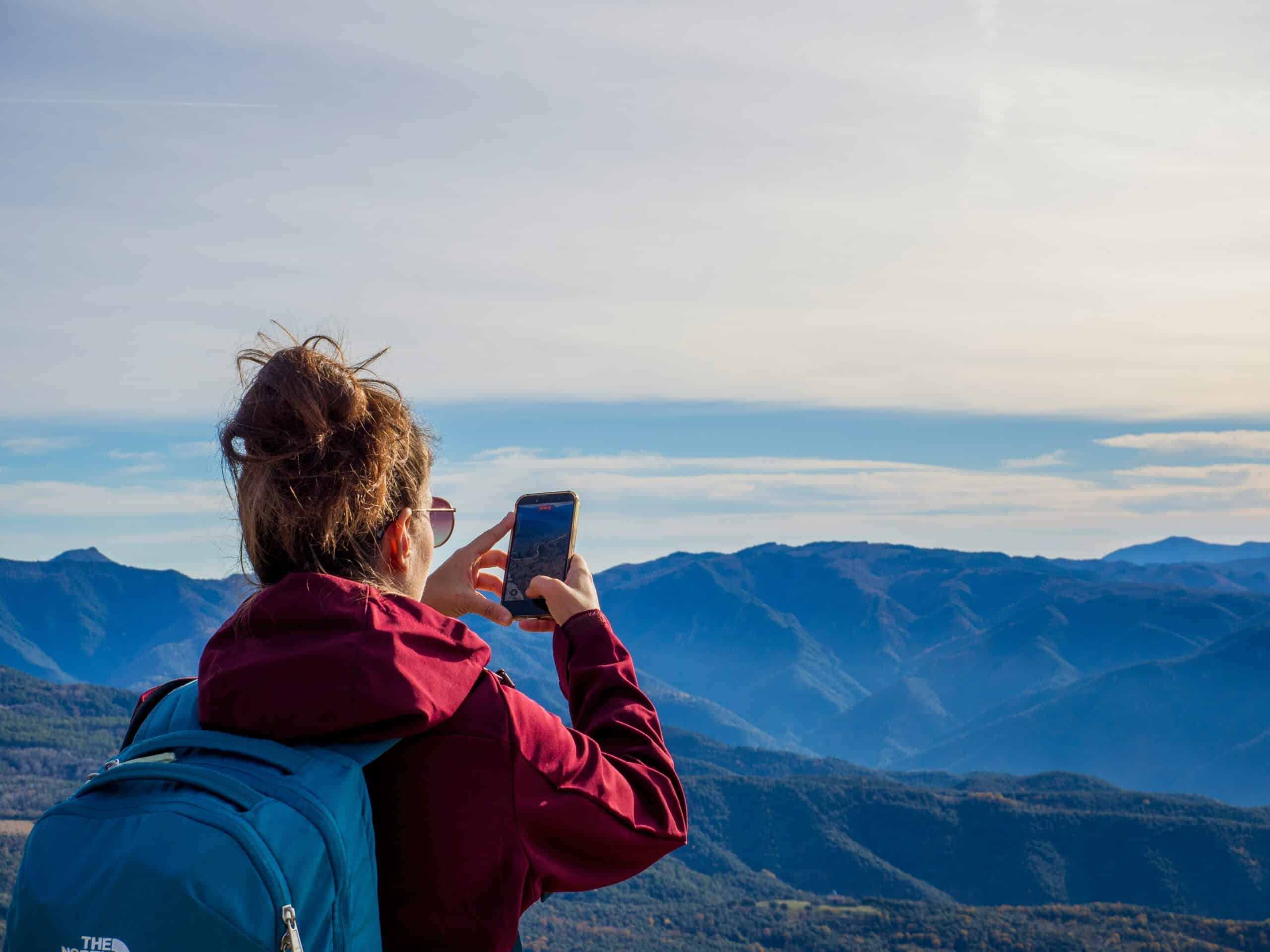
One of the most persistent backcountry myths is that a charged phone solves the problem of being alone. Parks keep warning visitors otherwise. Death Valley notes limited to no cell service and recommends carrying a satellite or similar emergency device, while Gates of the Arctic says there is no cell service and no surrounding infrastructure once a visitor leaves the access points. A solo camper who treats a phone like a rescue plan is really leaning on hope. When a screen goes quiet in the wrong place, there may be no easy call, no quick map correction, and no one nearby to bridge the gap.
Storms Turn A Peaceful Campsite Into A Weak Shelter
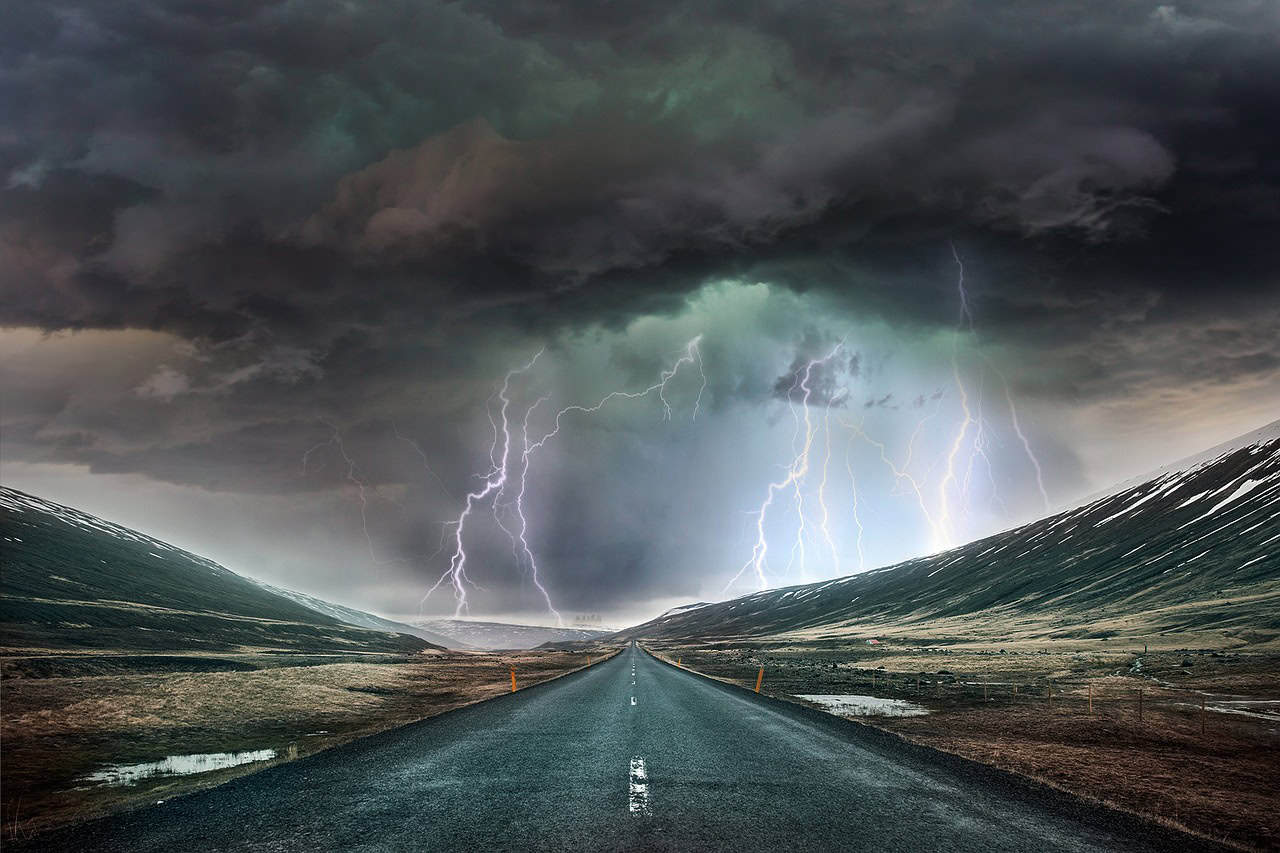
Bad weather is not just uncomfortable. It changes the basic math of exposure. NOAA’s lightning guidance is blunt that a tent offers no protection from lightning, and Mount Rainier’s wilderness guidance is equally direct: do not travel alone, and avoid travel entirely when visibility is poor. That is why solo camping carries a special risk in storm-prone country. When thunder moves in, wind shifts, and darkness closes around a site, there is no second person helping strike camp, spot hazards, or make the call to move early instead of waiting one mistake too long under fabric and poles.
Flash Floods Do Not Care How Calm A Creek Looked At Dusk
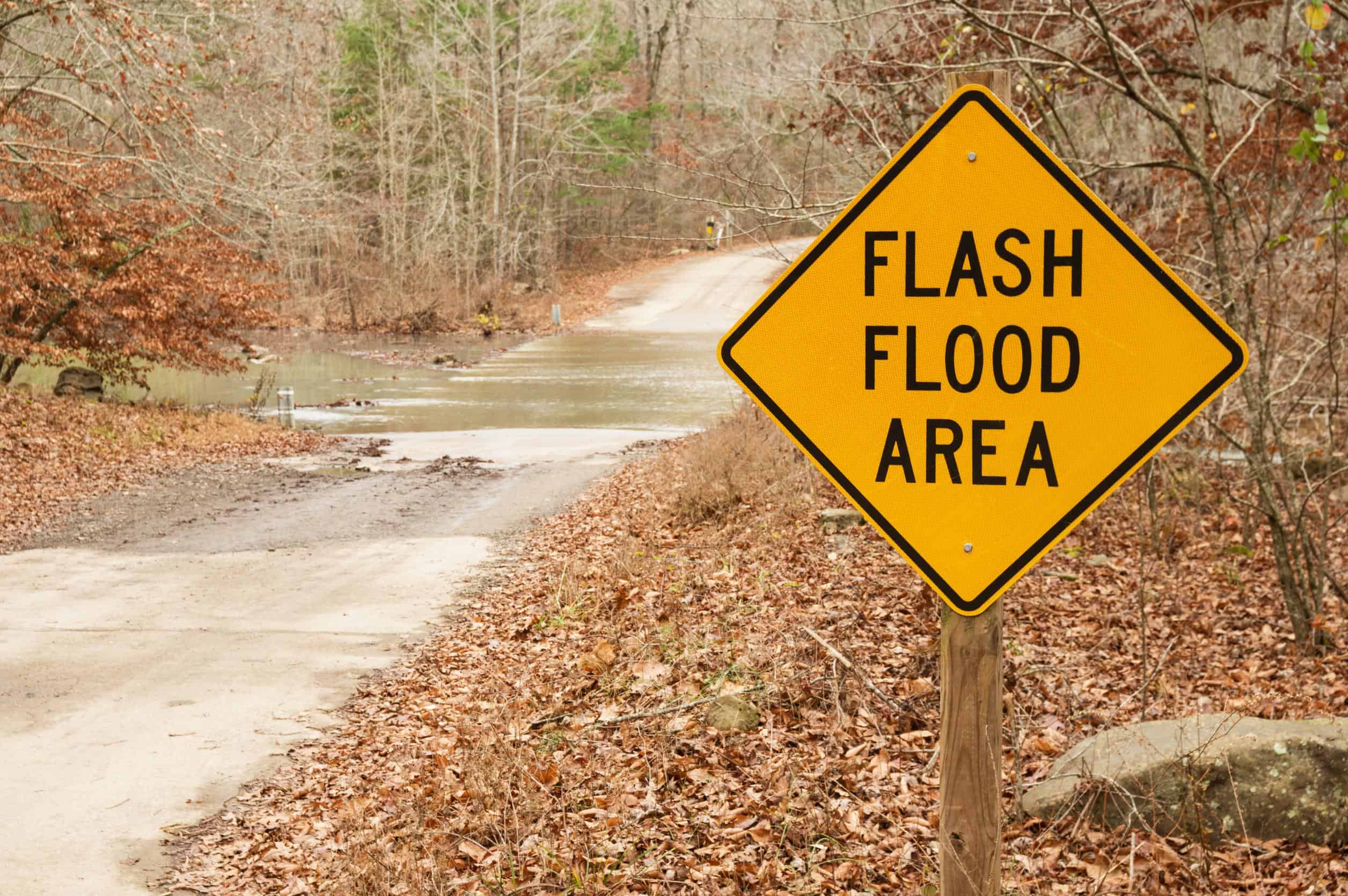
Some of the most dangerous campsites are the ones that seemed prettiest an hour earlier. The Forest Service warns that flash floods can develop rapidly with little or no warning, including from rain upstream, and specifically advises campers not to set up near streams, rivers, dry streambeds, or other low ground. A group can miss those signs too, but a solo camper has fewer eyes on the terrain and less margin once water starts rising in the dark. What looked like a quiet bank at sunset can become a bad trap before dawn, with almost no time to save gear or think twice.
Heat Can Blur Judgment Before It Feels Like An Emergency

Heat illness does not always announce itself with a dramatic collapse. It often starts with thirst, dizziness, weakness, fatigue, or confusion, and the CDC warns that severe heat illness can require immediate medical care, while NIOSH has documented dehydration, loss of coordination, and impaired judgment in hot conditions. That combination is especially dangerous for solo campers because judgment is the very tool they need most. When the body starts slipping, there is no partner to notice the slower speech, the poor decisions, or the stubborn urge to push on instead of cooling down, hydrating, and changing the plan before the damage deepens.
Bad Water Can Flatten A Trip In A Hurry
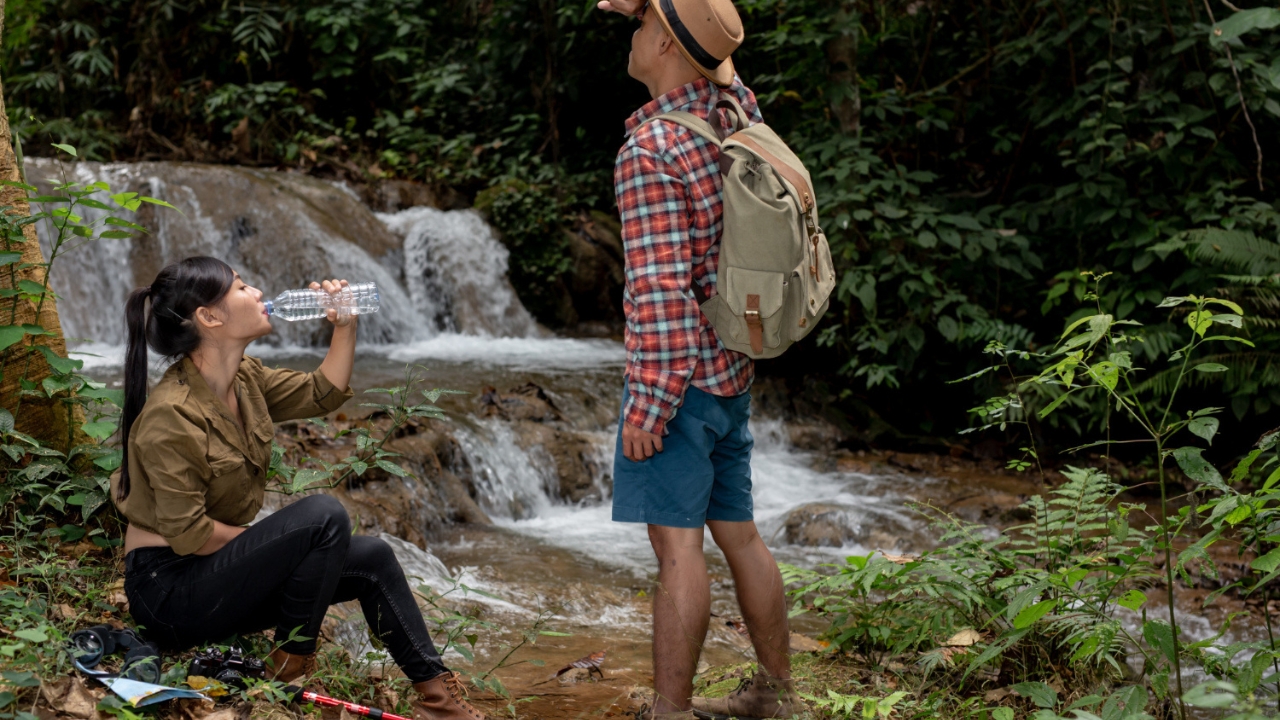
Water problems in camp are not limited to running out. They also come from trusting the wrong source. The CDC says untreated water from lakes, rivers, springs, ponds, and streams can carry germs, and advises boiling, or filtering and disinfecting, to reduce the risk. That matters because stomach illness in the backcountry is more than an inconvenience. Once vomiting, diarrhea, dehydration, or weakness enter the picture, even simple tasks become heavier. A companion can help treat water correctly, track symptoms, and keep a sick camper moving toward help. Alone, a person may discover too late that the stream was clear but not clean.
Wildlife Mistakes Get Riskier Without Backup
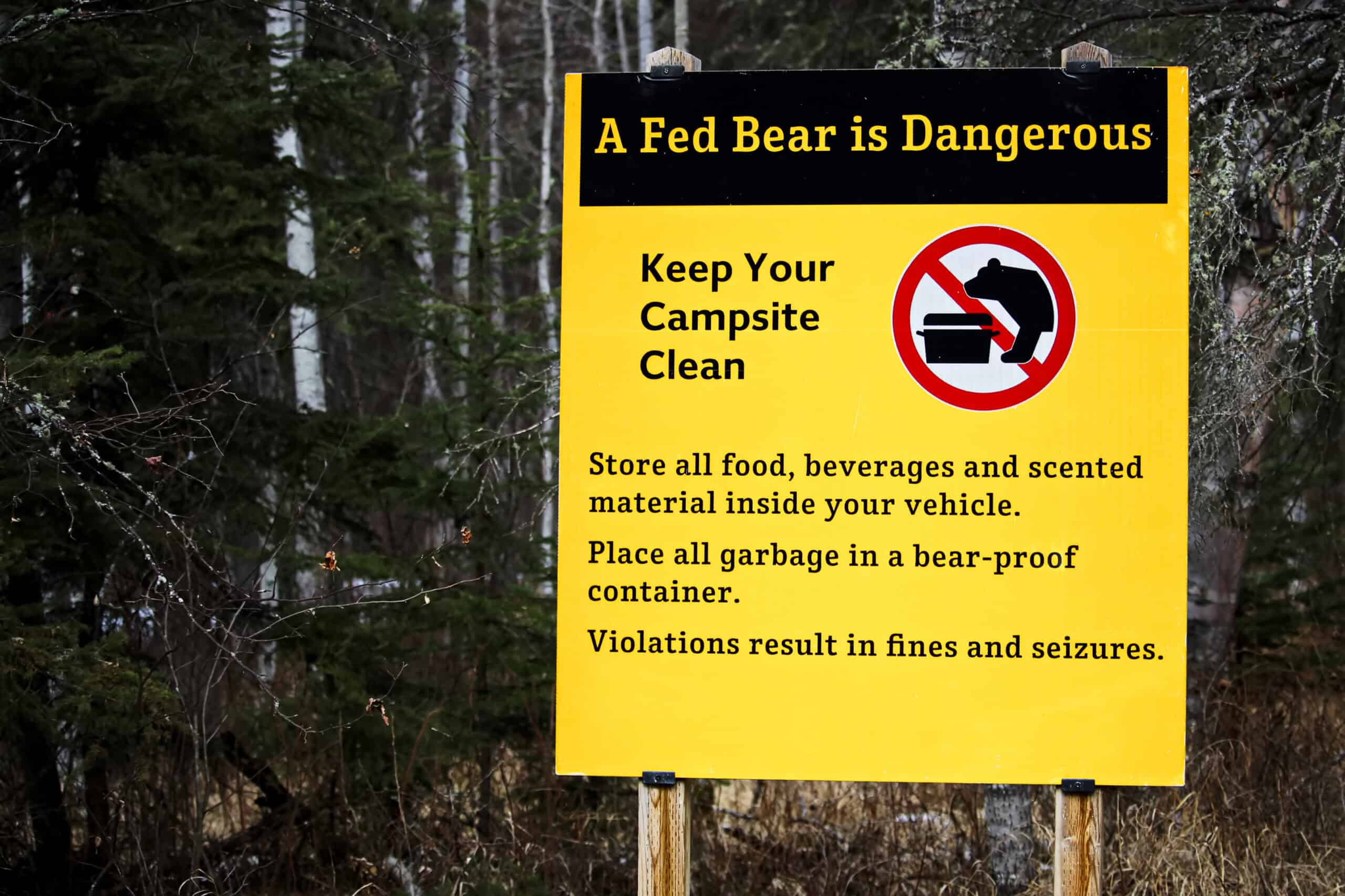
Wildlife trouble often begins with food, smell, timing, and inattention rather than with the animal itself. The National Park Service warns campers never to leave food scraps or toiletries unattended, to store all scented items properly, and in bear country to separate sleeping areas from cooking and food storage. Yellowstone also advises making noise and avoiding the hours when bears are more active. Those rules are manageable, but solo campers carry every step alone. There is no second person reminding them about a cooler left out, watching the tree line, or helping respond calmly if an animal wanders too close to camp.
Fire Problems Escalate Quicker Than One Person Expects
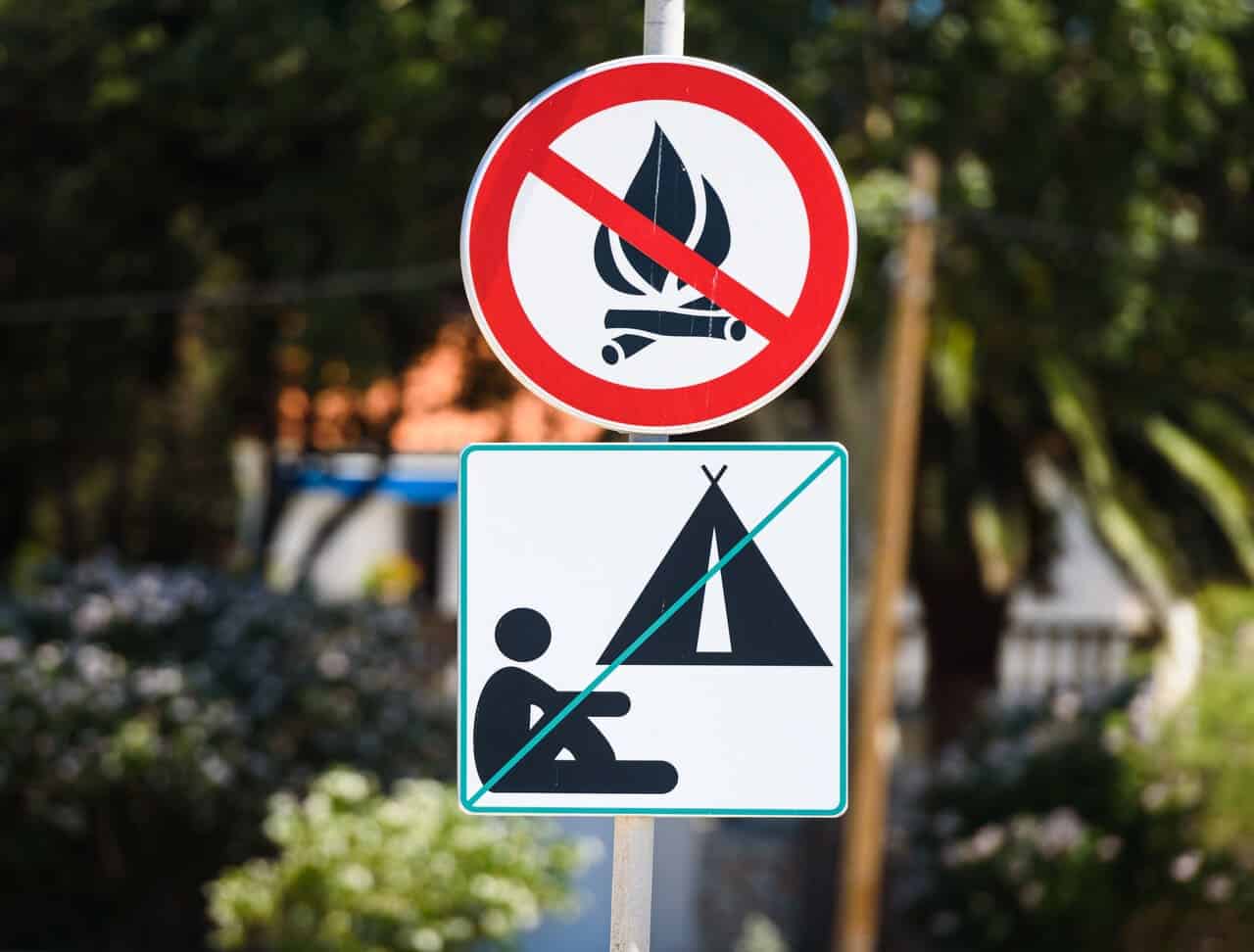
Campfires and stoves feel simple right until they stop behaving. FEMA’s fire guidance says campfires should be at least 25 feet from tents, shrubs, and anything that can burn, and emergency guidance also warns that camp stoves, charcoal, and other combustion tools must be used outdoors and handled with care. A solo camper can absolutely follow those rules, but any flare-up, tipped stove, or spark that lands badly becomes a one-person scramble. There is no one keeping water ready, moving gear, or watching the perimeter while the other person fixes the mistake. Fire punishes delay, and being alone increases delay.