We may earn money or products from the companies mentioned in this post. This means if you click on the link and purchase the item, I will receive a small commission at no extra cost to you ... you're just helping re-supply our family's travel fund.
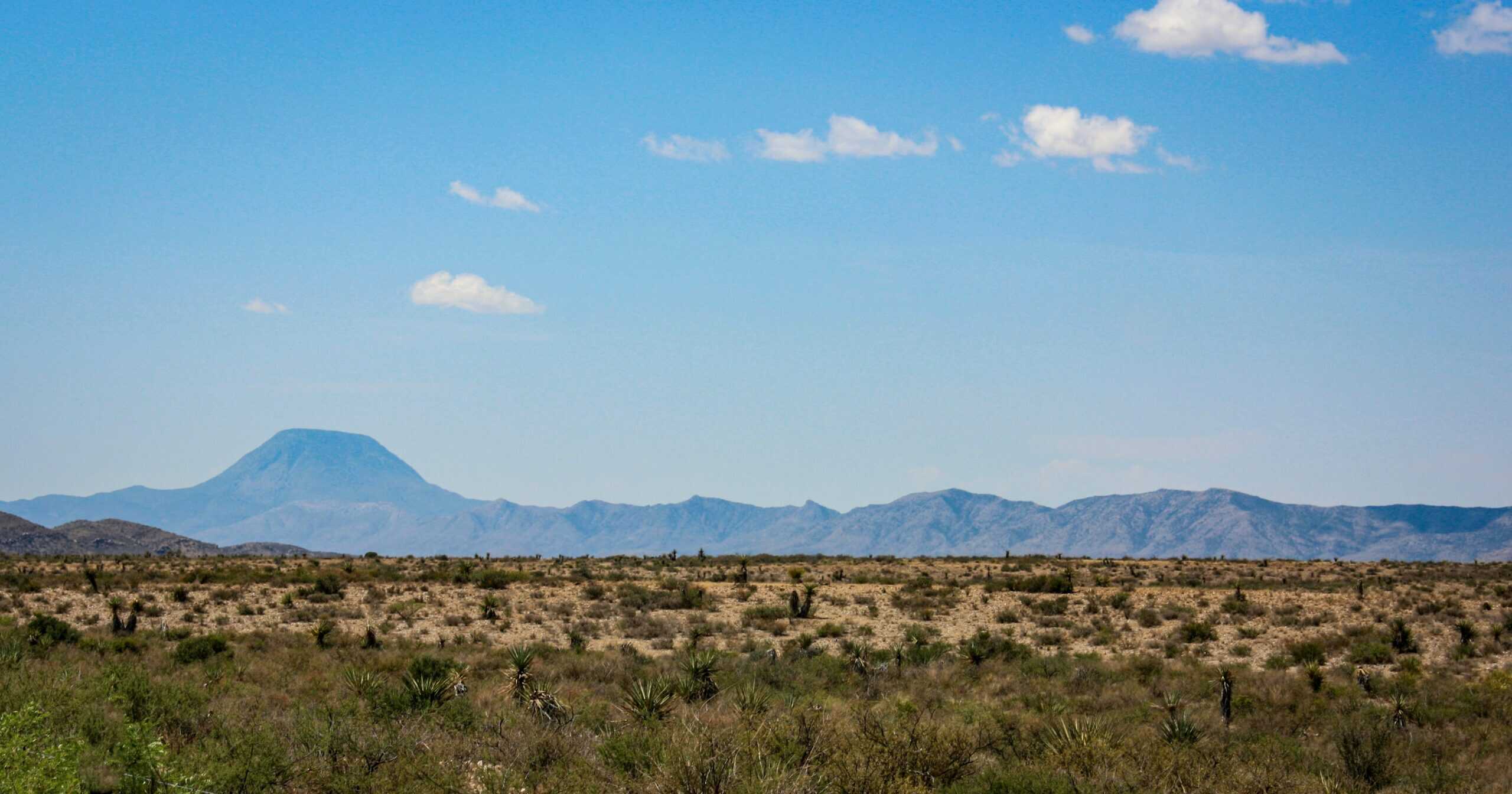
West Texas carries a kind of presence that feels both striking and demanding. The land stretches wide, the skies feel endless, and the pace of life slows in ways that can either ground a person or unsettle them. For many Texans, the region represents a sharp contrast to the convenience and energy found elsewhere in the state. It is not simply about preference, but about adjustment. The distance, climate, and daily realities shape an experience that some respect from afar, even if they choose not to stay.
Vast Distances Between Destinations
Robert Harkness/Unsplash
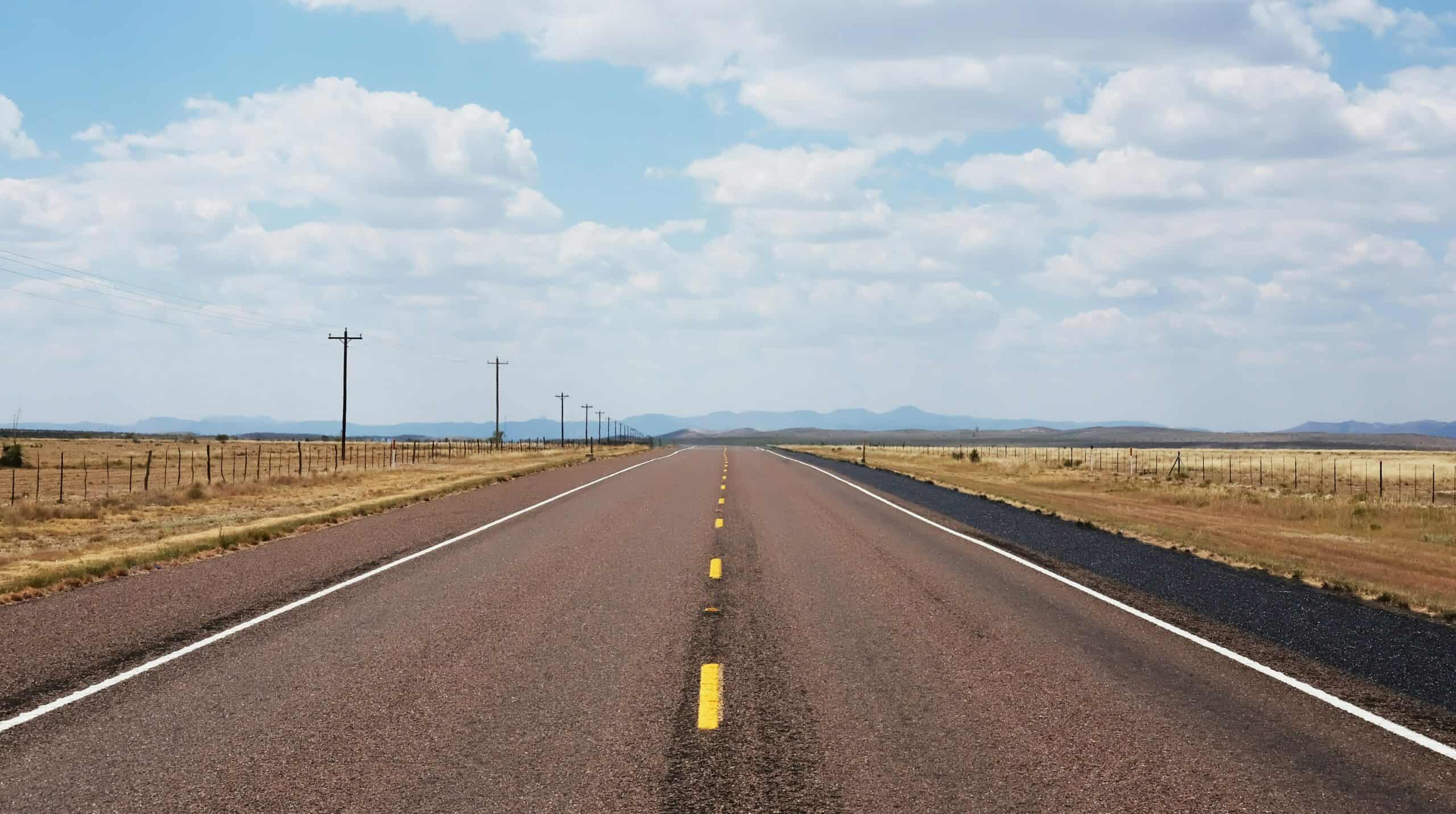
Distance defines daily life in West Texas in a way that surprises many people. A short trip elsewhere can turn into a long drive here, with miles of open road and little in between. Gas stations, towns, and services are spaced far apart, which requires planning ahead. That constant awareness can feel exhausting over time. For those used to quick access and shorter commutes, the scale of the region becomes more than a novelty. It turns into a daily commitment that not everyone wants to make.
Limited Access to Major Amenities
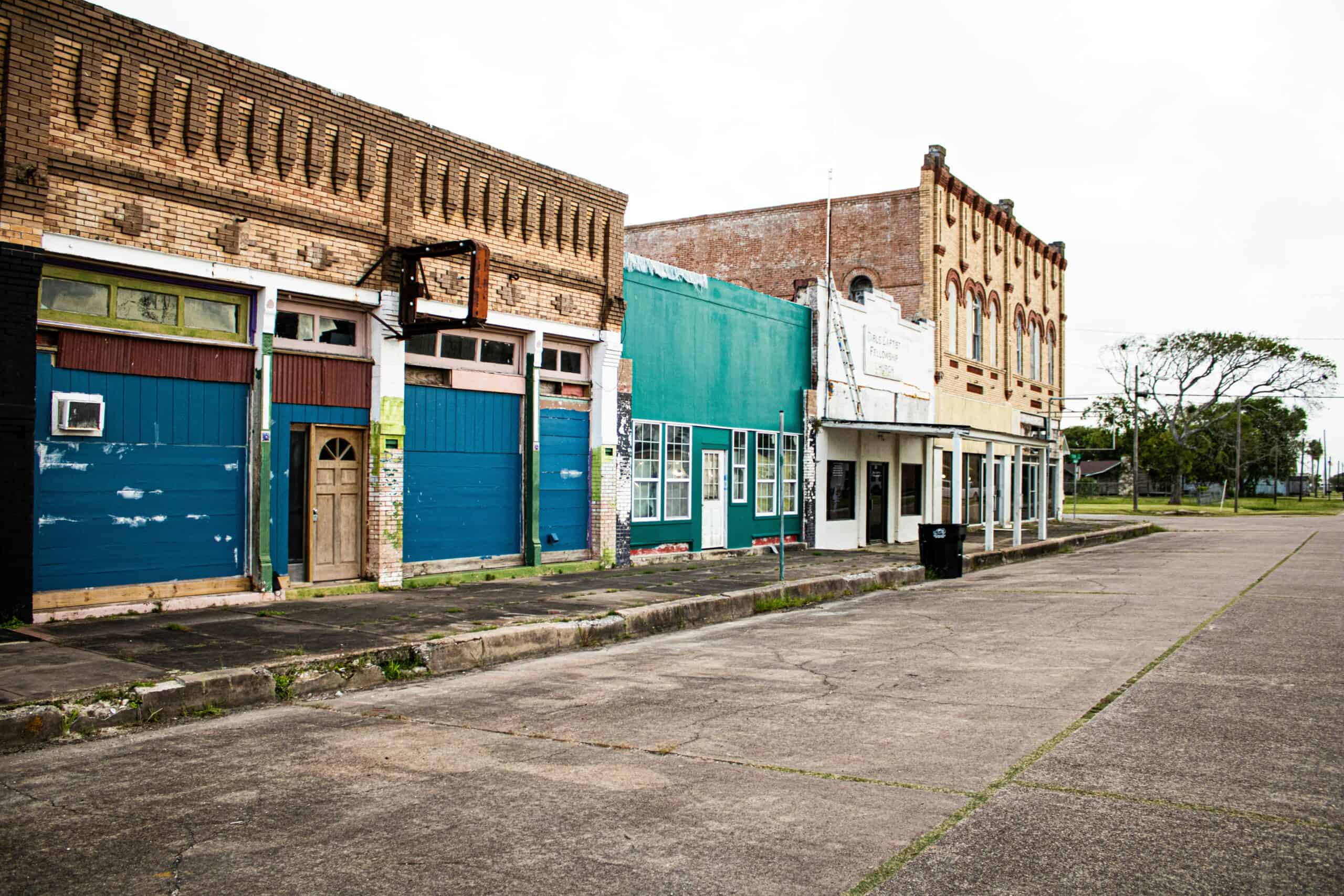
In cities like Austin or Dallas, convenience is built into everyday life. West Texas offers a different reality, where choices are fewer and options take effort to reach. Grocery stores, entertainment, and specialized services are not always close by. That gap becomes noticeable quickly, especially for those used to variety. Over time, the lack of easy access shapes how comfortable people feel living or spending extended time in the region.
Extreme Weather Conditions

The weather in West Texas does not ease people in gently. Summers bring intense heat that lingers throughout the day, while the dry air adds to the strain. Sudden temperature drops and strong winds can shift conditions quickly, making the climate feel unpredictable. Dust storms are part of the environment, not a rare event. Adjusting to this kind of weather takes time and resilience. For many, it becomes a deciding factor in whether the region feels livable.
Sparse Population and Isolation
Space is one of West Texas’s defining features, but it comes with a tradeoff. Homes and towns are spread out, and daily life often happens at a quieter, slower pace. For some, that quiet feels peaceful. For others, it creates a sense of isolation that builds over time. Social interaction requires more effort, and opportunities to connect are less frequent. That distance between people can feel just as real as the distance between places.
Limited Job Opportunities
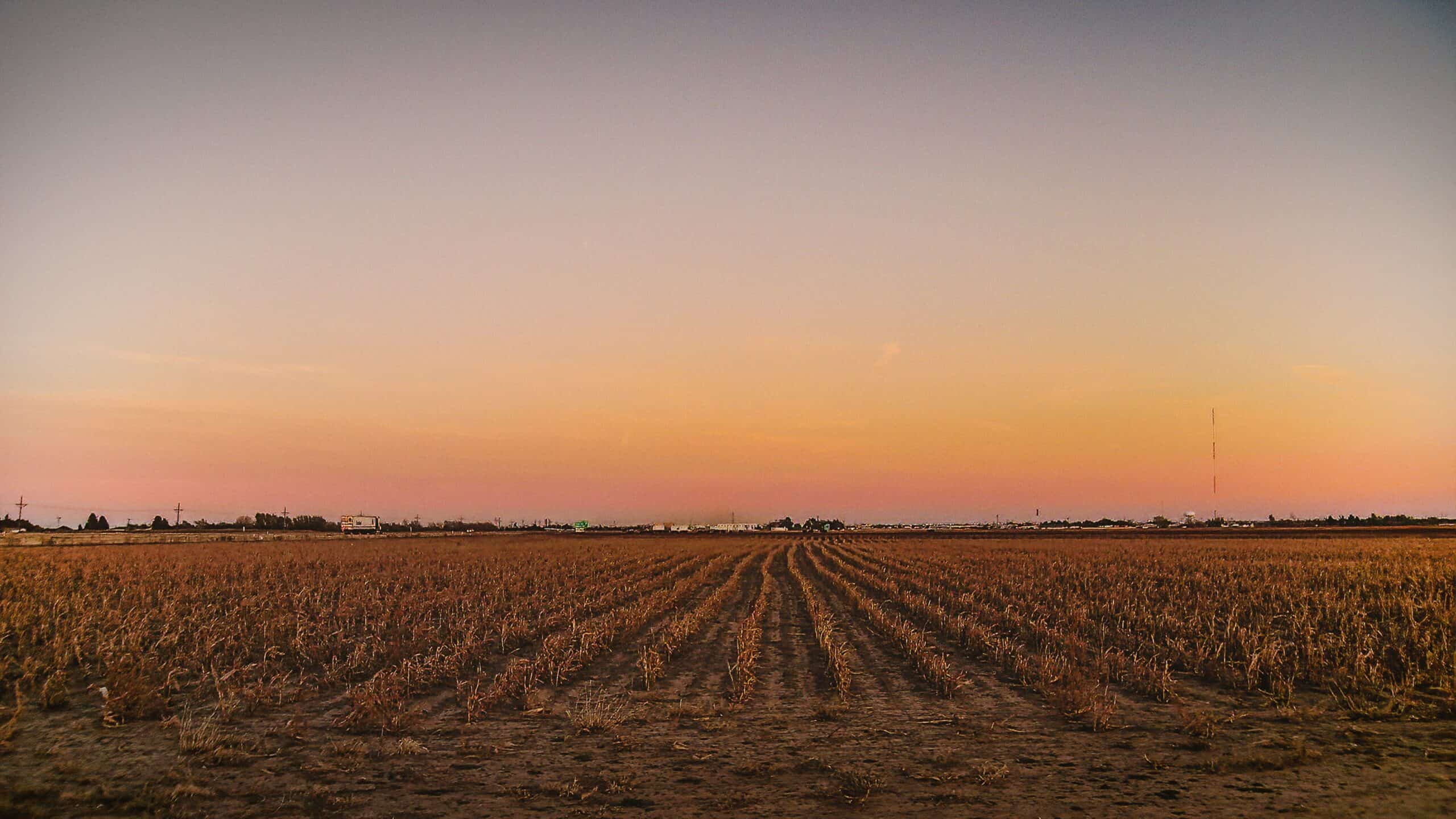
Work opportunities in West Texas tend to follow a narrow path. Industries like oil, agriculture, and energy dominate the landscape, leaving fewer options for other professions. While those sectors offer stability, they do not cover the full range of careers people may be seeking. Moving to the region often means adjusting expectations or changing direction. For many Texans, that limitation is enough to keep them closer to larger, more diverse job markets.
Challenging Terrain and Landscape
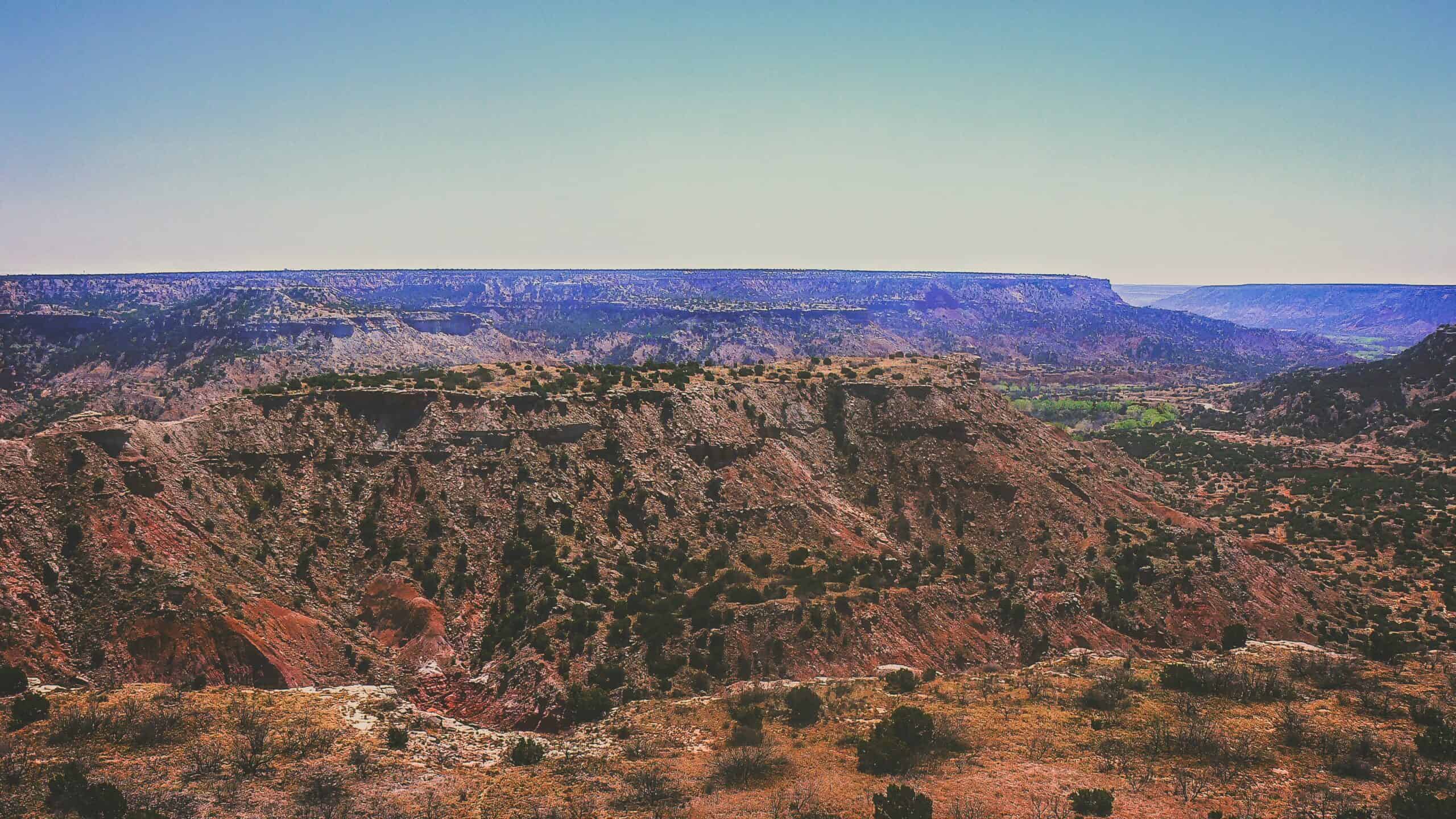
The land itself plays a major role in shaping the experience of West Texas. Rocky ground, dry stretches, and open desert define much of the region. It has a raw beauty, but it can feel harsh for those used to greener surroundings. Outdoor activities often require preparation and awareness of the environment. The terrain is not always forgiving, and that reality influences how people move through it and how often they choose to return.
Long Travel Times for Healthcare
Healthcare access is a practical concern that carries real weight in West Texas. Basic care is available, but specialized services often require significant travel. That distance adds stress in urgent situations and complicates regular checkups. Planning becomes essential, even for routine needs. For families and older residents, this factor alone can influence where they choose to live or how often they visit the region.
Strong Winds and Dust
Wind is not just occasional in West Texas, it is part of daily life. It moves across the land with force, often carrying dust that affects visibility and comfort. Outdoor plans can change quickly, and the environment can feel abrasive over time. While locals adapt, newcomers often find it difficult at first. The constant presence of wind shapes how people experience the outdoors and how long they are willing to stay.
Cultural and Lifestyle Differences
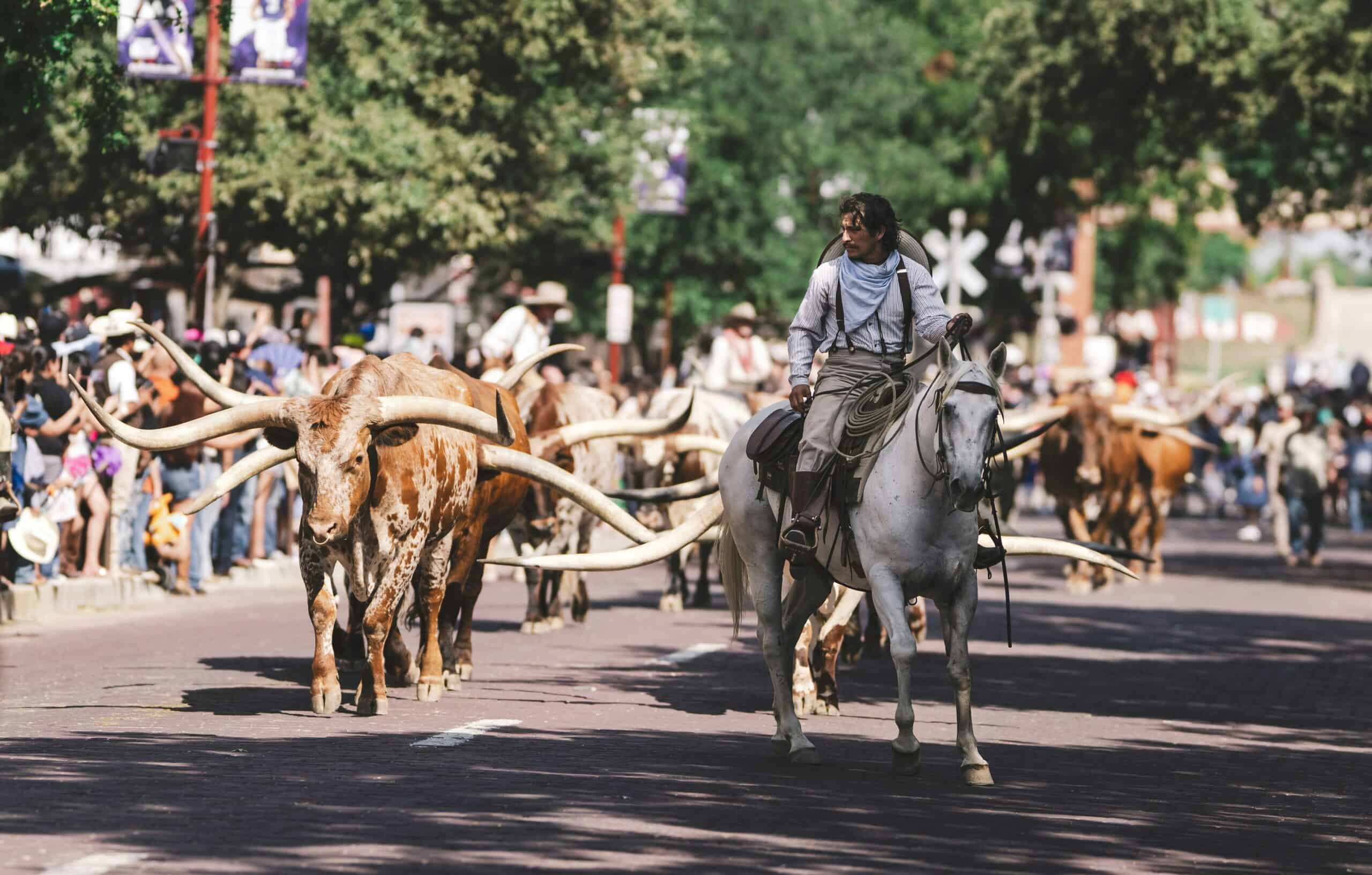
Life in West Texas moves at its own pace, shaped by tradition and distance. Compared to places like Houston, the rhythm feels slower and more deliberate. Communities are close-knit, and routines follow a different kind of structure. Adjusting to that shift takes time, and it does not suit everyone. For many Texans, the contrast highlights how much lifestyle influences the way a place feels.