We may earn money or products from the companies mentioned in this post. This means if you click on the link and purchase the item, I will receive a small commission at no extra cost to you ... you're just helping re-supply our family's travel fund.
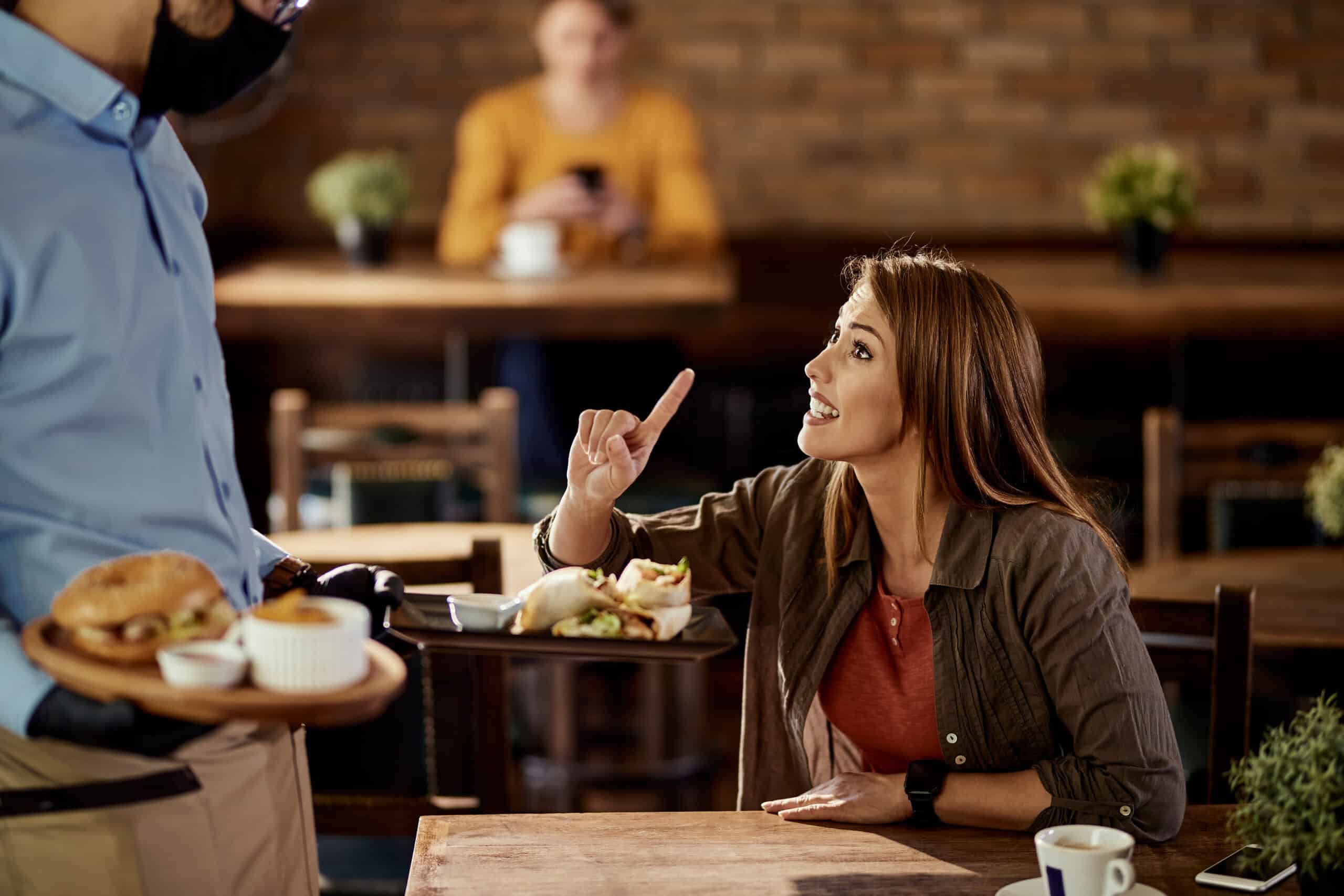
Restaurant dinners once felt like a small celebration, a reliable way to trade the kitchen for connection. Now many Americans arrive already braced for sticker shock, awkward tip screens, and a final bill that lands with a thud. Even when the food is excellent, the experience can feel more transactional than restorative, shaped by new fees, staffing strain, and tech that replaces hospitality. The result is a growing sense that going out has become work: planning, budgeting, and negotiating expectations, all while trying to relax.
Prices Feel Like a Paywall
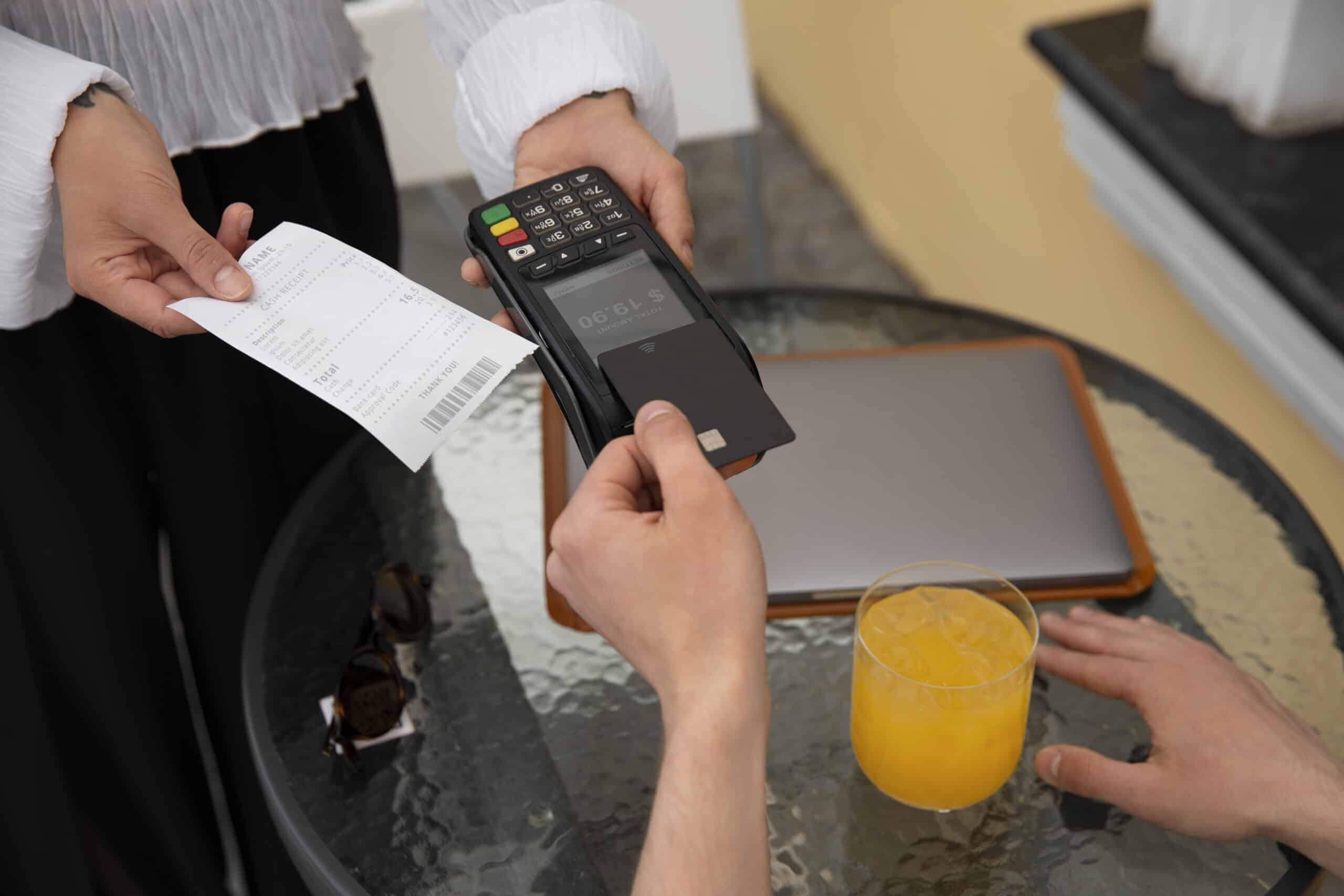
Menu prices have kept climbing, and diners feel it before the first bite, long before a server mentions specials. Federal data show food away from home was about 4% higher in Jan. 2026 than a year earlier, and the BLS reports full-service meal prices up 4.7% over the year, showing up in $18 burgers, $9 sides, and $4 sodas. When a modest order turns into two entrees, one shared appetizer, tax, and tip that clears $70 without alcohol, the mood shifts from indulgence to calculation, and the mental tallying can make even excellent food feel less satisfying, for households trying to keep budget steady without giving up little extras on weeknights.
Portions Shrink While Prices Rise
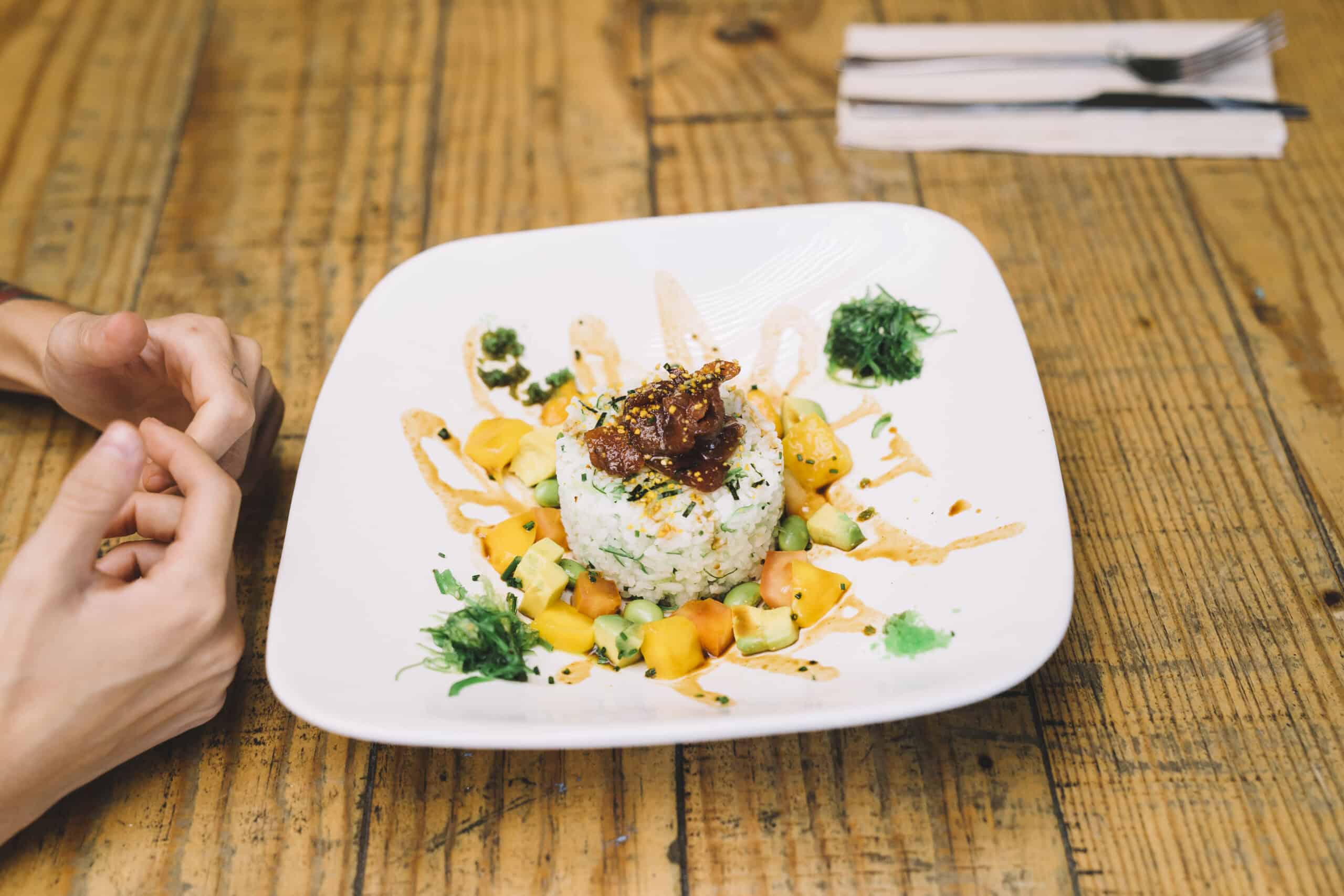
The plate often looks smaller, even when the check looks bigger, and that visual mismatch hits like an insult. Some restaurants lean on reduced portions, smaller-plate menus, and appetizer-style mains to control costs, but diners experience it as shrinkflation in real time, not a thoughtful redesign. When a familiar dish arrives with fewer fries, thinner slices, or a half-empty takeout box that once held leftovers, people start scanning for value instead of flavor, especially when menu descriptions stay the same but the portion tells a different story and hunger follows them home, and many leave hungry enough to stop for snacks later tonight.
Tipping Prompts Everywhere
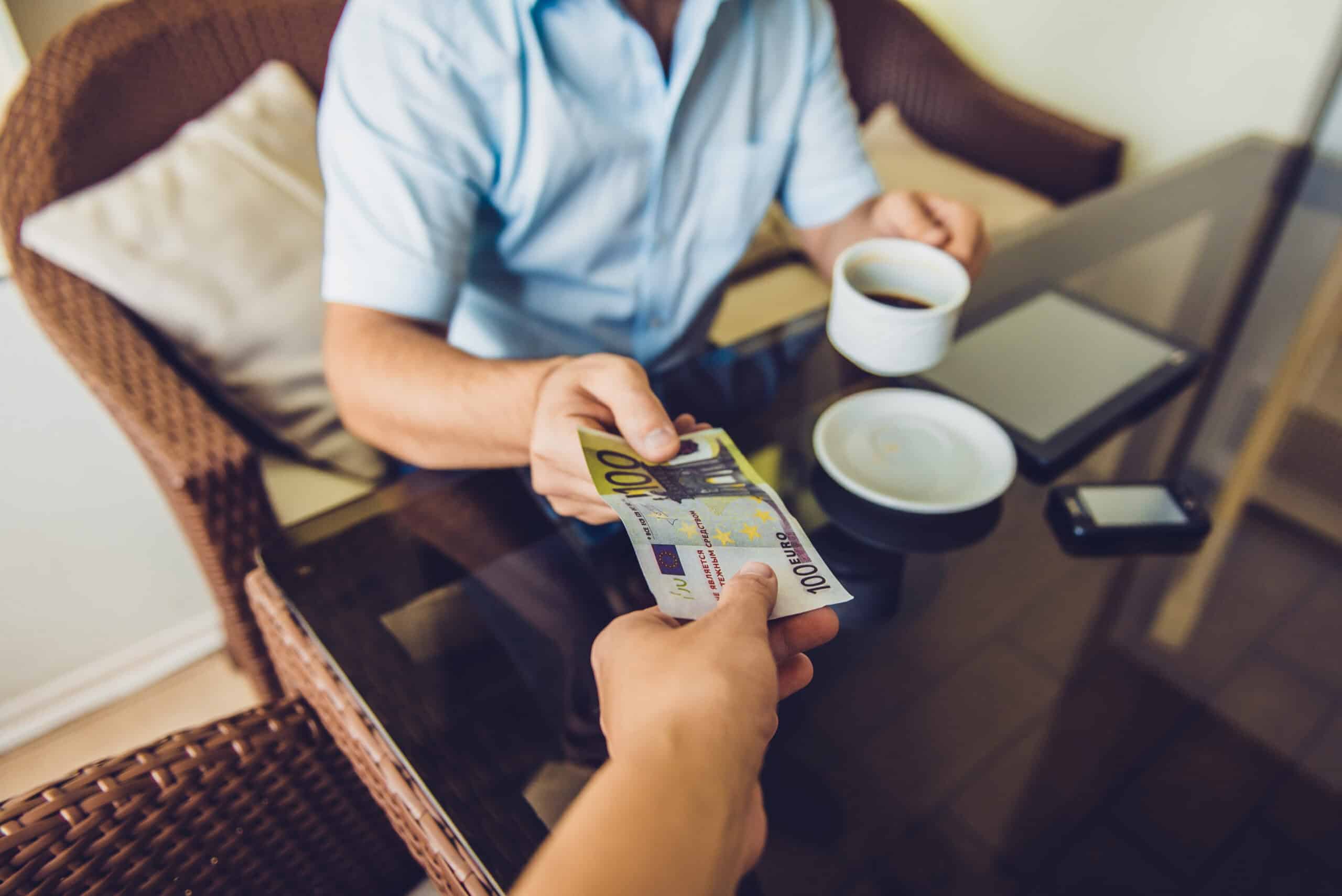
Tipping used to be a clear social contract at the end of a full-service meal, but digital prompts now show up everywhere. Surveys have found large majorities saying tipping culture has gone too far, including a WalletHub poll reported by Food & Wine that found nearly nine in 10 Americans feel it has expanded beyond reason. For many diners, the pressure creates guilt, resentment, and math fatigue in the same moment, especially when tip prompts appear on coffee, frozen yogurt, takeout bags, and selfcheckout style kiosks, turning payment into a moral test instead of hospitality, leaving diners unsure what a meal should cost until guilt kicks in.
Surprise Fees at Checkout
Possessed Photography/Unsplash
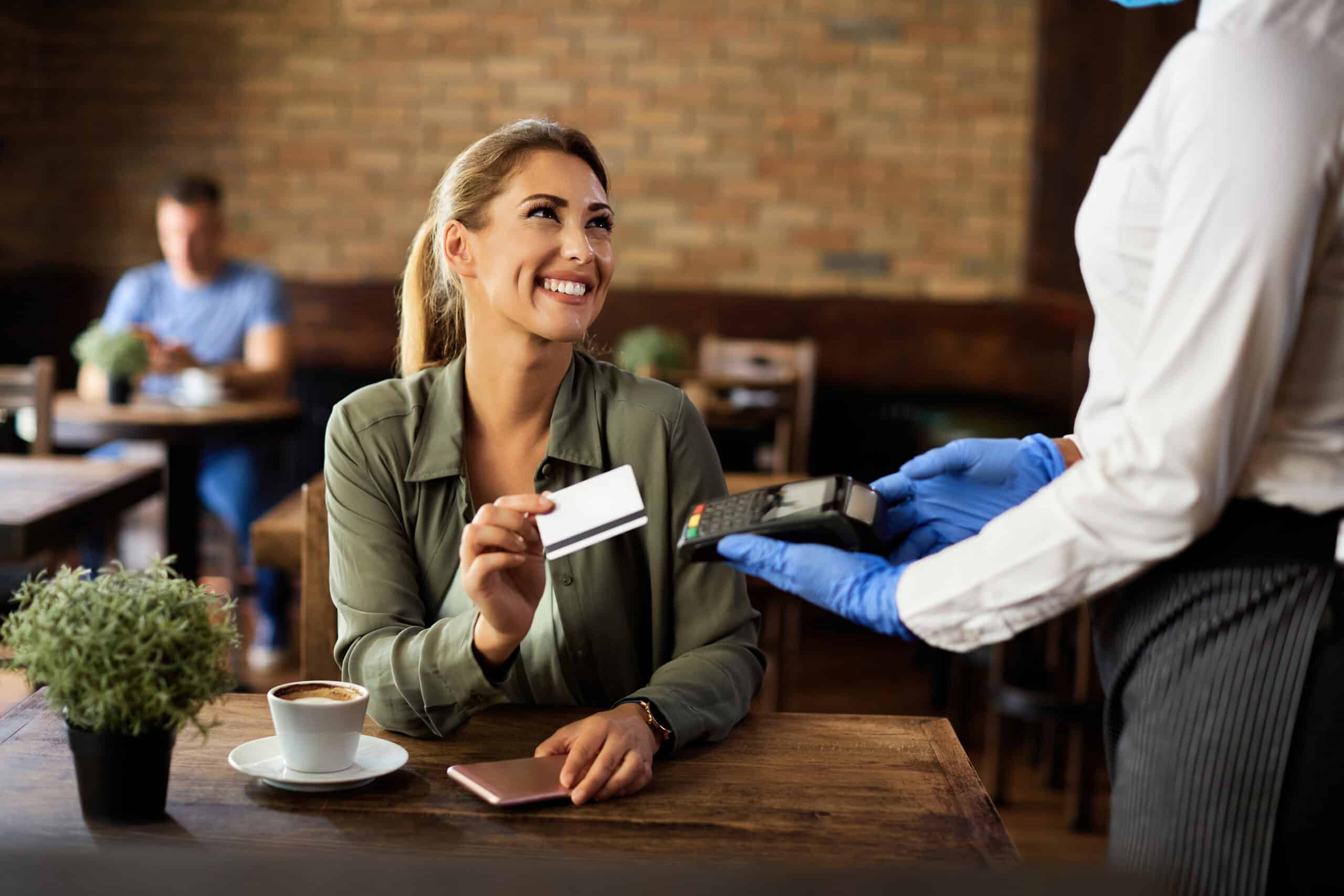
A growing number of checks come with extra line items: service fees, kitchen appreciation charges, wellness surcharges, and credit-card percentages that appear after the meal is chosen. Consumer finance reporting notes restaurant surcharges are on the rise and can cancel out credit card rewards, while payment-industry coverage has tracked more restaurants passing card fees onto diners. Even small add-ons change the emotional math, because diners feel ambushed at the end, and the last impression becomes a tense scan of fine print instead of an easy goodbye, with some people photographing receipts to decode add-ons later, even at a quick lunch.
Reservations Now Feel Like a Contract
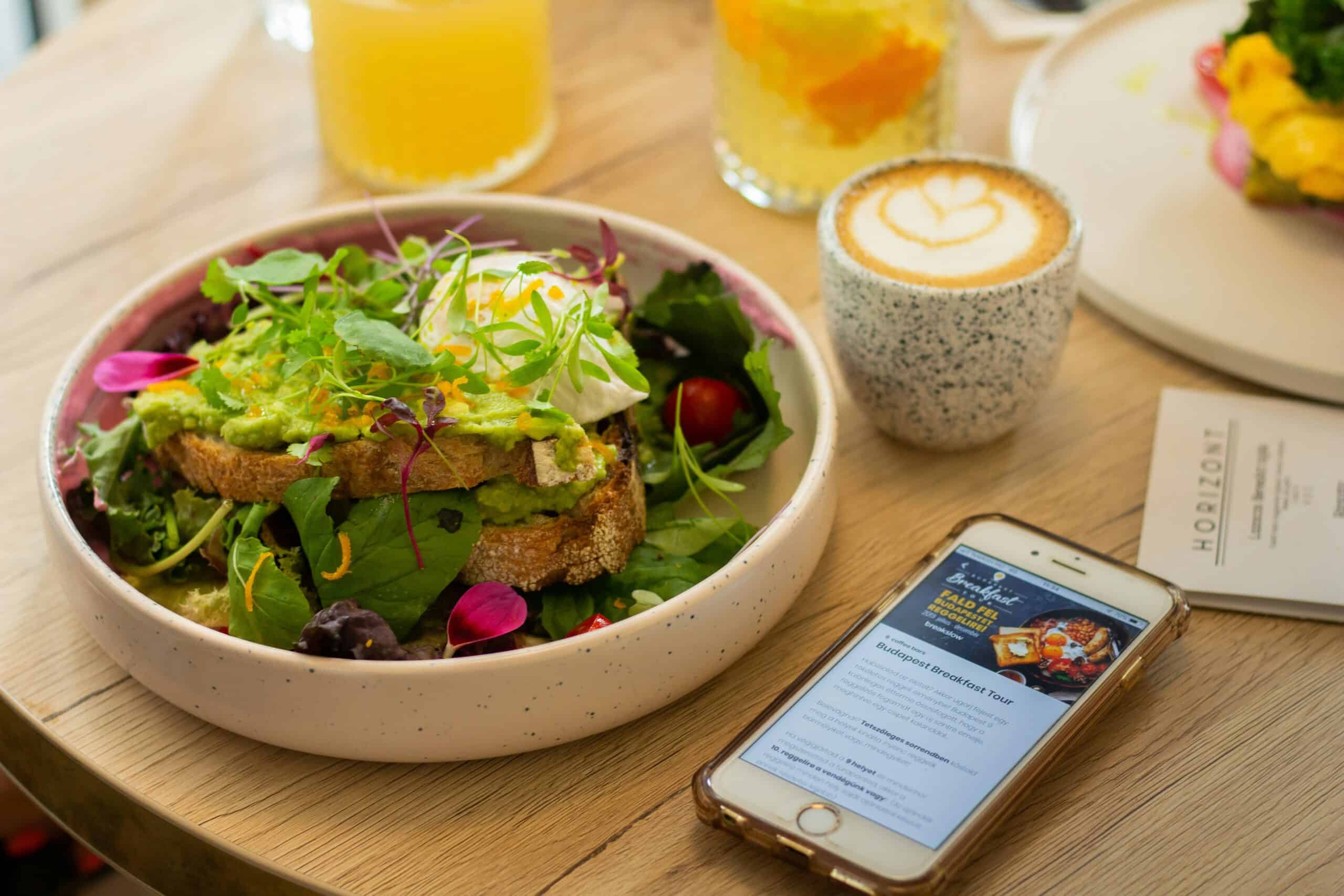
What used to be a casual plan can now involve deposits, strict cancellation windows, and no-show penalties that turn dinner into a commitment. In early 2026, OpenTable began adding a 2% service fee on certain transactions, including deposits and no-show charges, and restaurants can choose to absorb it or pass it along, while OpenTable also explains that restaurants may require deposits to secure a reservation. Platforms also track no-shows, and OpenTable’s terms note accounts can be suspended after repeated no-shows, which makes one late train or sick kid feel oddly high-stakes, like booking airfare with penalties and fine print attached now.
Service Feels Stretched Thin
Even great servers cannot fix a dining room that is understaffed, and many teams are still operating in survival mode. A 2026 James Beard Foundation report found nearly half of independent operators cite staffing shortages, and it also suggests steep price hikes are hitting a ceiling, limiting quick fixes and leaving fewer hands to cover more tables. The result can be longer waits, missed refills, and rushed problem-solving, plus a room that feels tense, as if everyone is bracing for something to go wrong, and the warmth that once smoothed over small mistakes is harder to sustain when everyone is rushing, and patience runs out fast for folks.
Dining Rooms Are Too Loud to Unwind
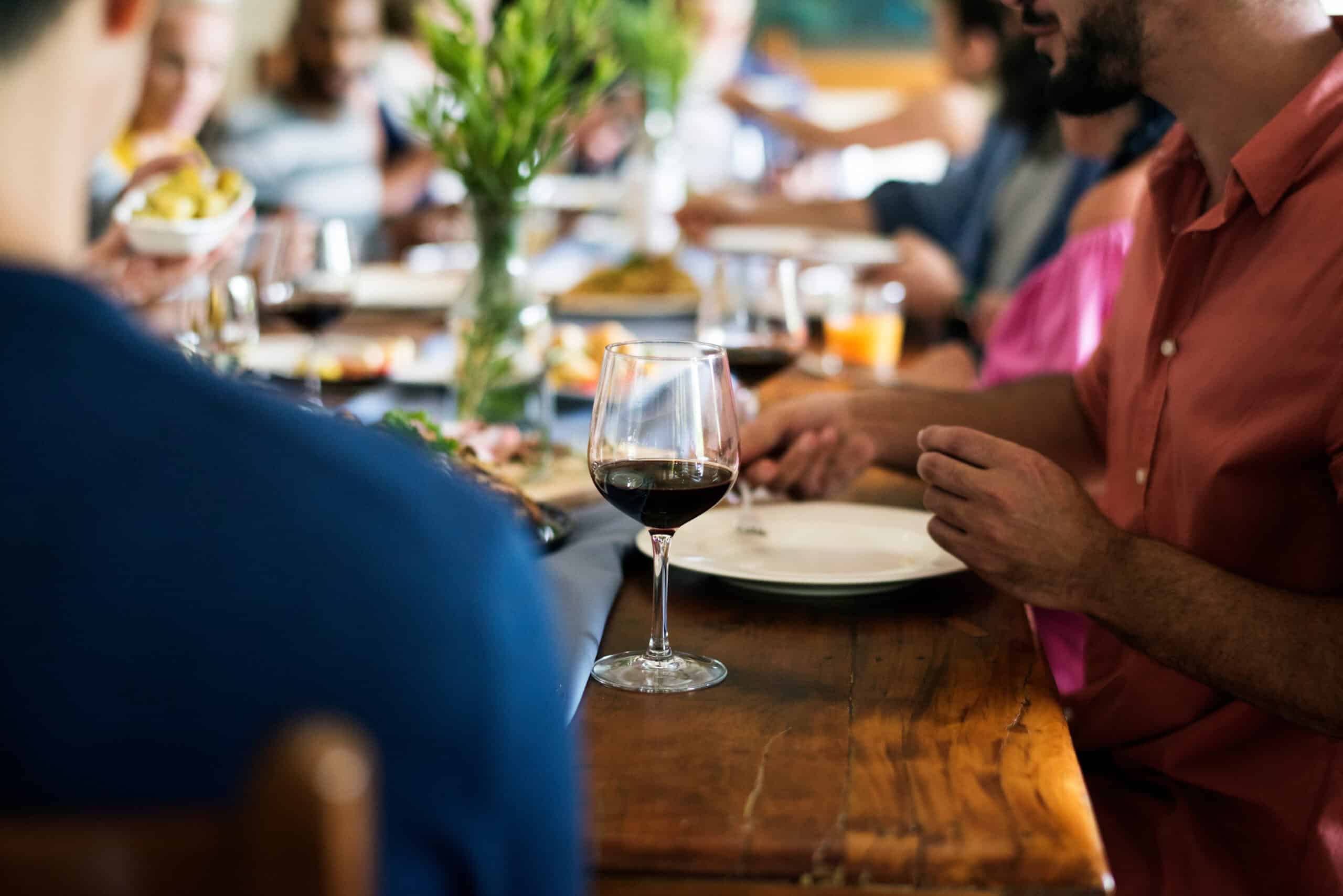
Many modern restaurants are built for buzz: open kitchens, concrete floors, high ceilings, and tight tables that turn a crowd into a wall of sound. Reporting on the science of noise notes that prolonged exposure can raise anxiety and fatigue, and it also describes how brains strain to sort voices in a loud room, which quietly drains energy. When conversation becomes a strained shout over clanging plates and loud playlists, people leave feeling wrung out, and paying premium prices for stress and hoarseness starts to feel absurd, with ringing ears lingering on the ride home, and some avoid restaurants since noise strains hearing and nerves now.
QR Codes Replace Hospitality
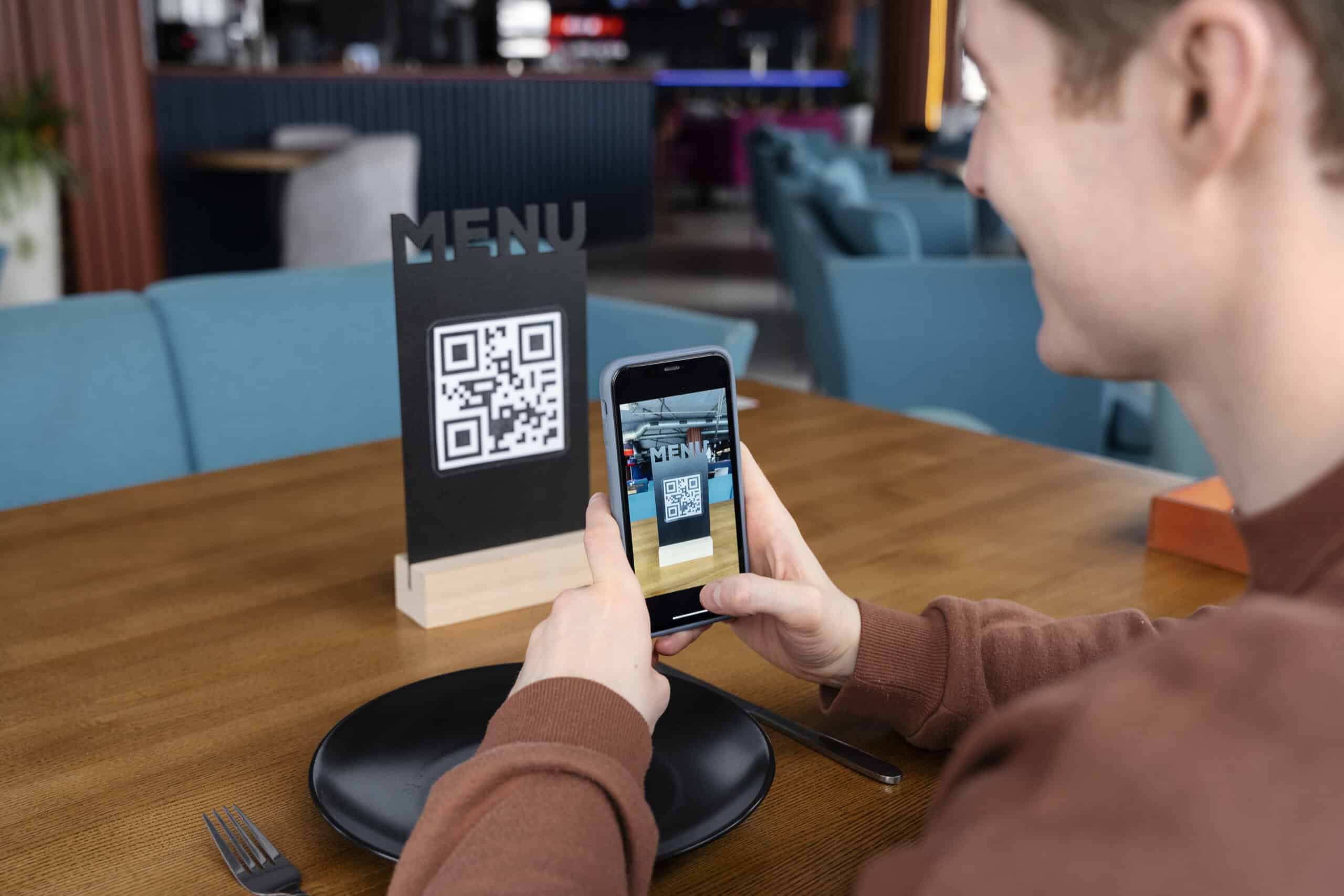
The menu has moved from paper to a phone screen, and not everyone experiences that shift as progress or convenience. QR ordering can streamline operations, but it can also mean weak Wi-Fi, dead batteries, tiny text, and a sense that the table is doing work once handled by a person, sometimes after handing over an email address to open the menu. Research on QR menus describes how service models shifted after the pandemic, yet diners often miss the human layer: quick explanations, allergy guidance, and a server reading the table, and for anyone without a charged phone it can feel like a quiet barrier, slowing ordering and muting table talk now.
Waiting Feels Like the Whole Experience

Lines, delayed seating, and slow ticket times can stretch a simple meal into multiple hours, especially on weekends when dining rooms run hot. When reservations are scarce and walk-ins pile up, diners may spend more time hovering near the door than enjoying the table, and small frictions stack, from parking meters to babysitter clocks, then the meal can feel rushed once seated. After a long workday, the promise of convenience matters, and restaurants increasingly lose that advantage to home kitchens, fast-casual counters, and meals that start on schedule, when time feels scarce and the line itself becomes the dealbreaker, even weekdays today.