We may earn money or products from the companies mentioned in this post. This means if you click on the link and purchase the item, I will receive a small commission at no extra cost to you ... you're just helping re-supply our family's travel fund.
As international travel picks up after years of disruption, several countries and iconic destinations are adopting “America‑First” or foreign‑visitor pricing in 2026. These policies often mean higher fees for non-residents while keeping local access cheaper or free. For travelers, this shift affects budgeting, planning, and the overall travel experience. Here’s a detailed look at nine destinations where these changes are most notable, with key numbers and practical details for both foreign and U.S. visitors.
1. U.S. National Parks “America‑First” Pricing : USA

Starting January 1, 2026, the United States will implement a two-tier fee system for its most popular national parks. Non-U.S. visitors will pay a $100 surcharge per person at 11 iconic parks, including Yellowstone, Yosemite, Grand Canyon, Everglades, and Zion, on top of standard entrance fees. U.S. residents keep current pricing. Annual passes for international travelers jump from $80 to $250. Fee-free days like July 4 weekend are reserved for U.S. citizens. Multi-park trips will require careful budgeting to avoid unexpected costs, especially for families or tour groups.
2. Louvre Museum Higher Entry for Non‑EU Visitors : Paris, France
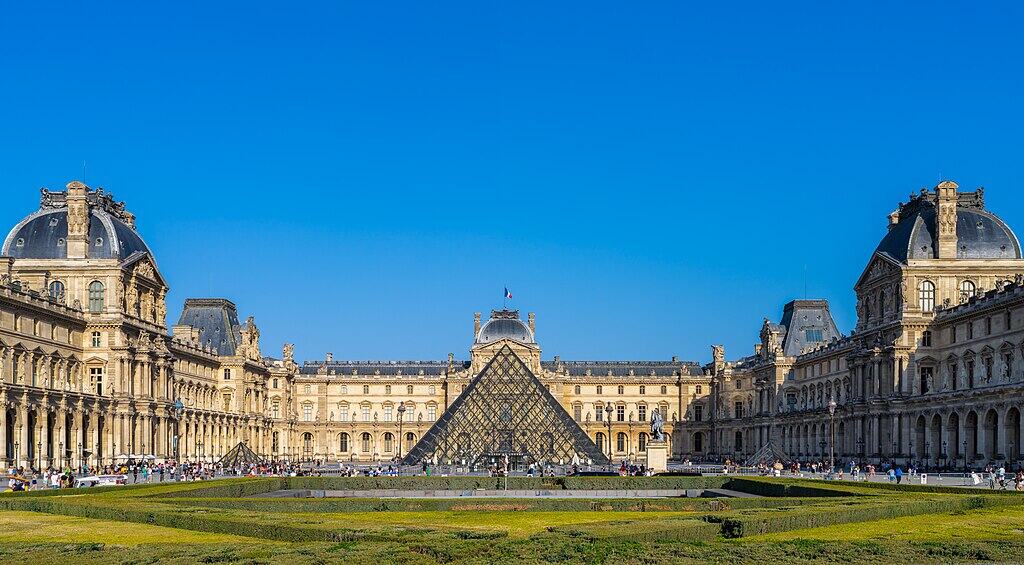
Beginning January 14, 2026, the Louvre Museum will raise ticket prices for visitors outside the EU/EEA. Non-European tourists will pay around $37, roughly 45% higher than the standard fee for EU residents. The increase funds major renovations, security upgrades, and modernization projects within the museum. EU/EEA citizens continue paying standard rates. For international travelers, this adjustment means museum visits in Paris should now be carefully factored into daily travel budgets, particularly for those planning multiple cultural attractions.
3. Palace of Versailles Tiered Fees for Non‑EU Travelers : France

The Palace of Versailles will introduce higher entry fees for non-EU visitors starting in January 2026. International tourists may pay around $40 during peak periods, roughly $5 more than EU visitors. This differential is intended to fund conservation work, staff support, and infrastructure improvements at one of Europe’s most visited heritage sites. European Union and EEA residents continue paying standard rates. Travelers planning a combined itinerary in Paris, including Versailles and the Louvre, should budget accordingly, as these small surcharges can accumulate for families or groups.
4. Trevi Fountain Visitor Charge : Rome, Italy
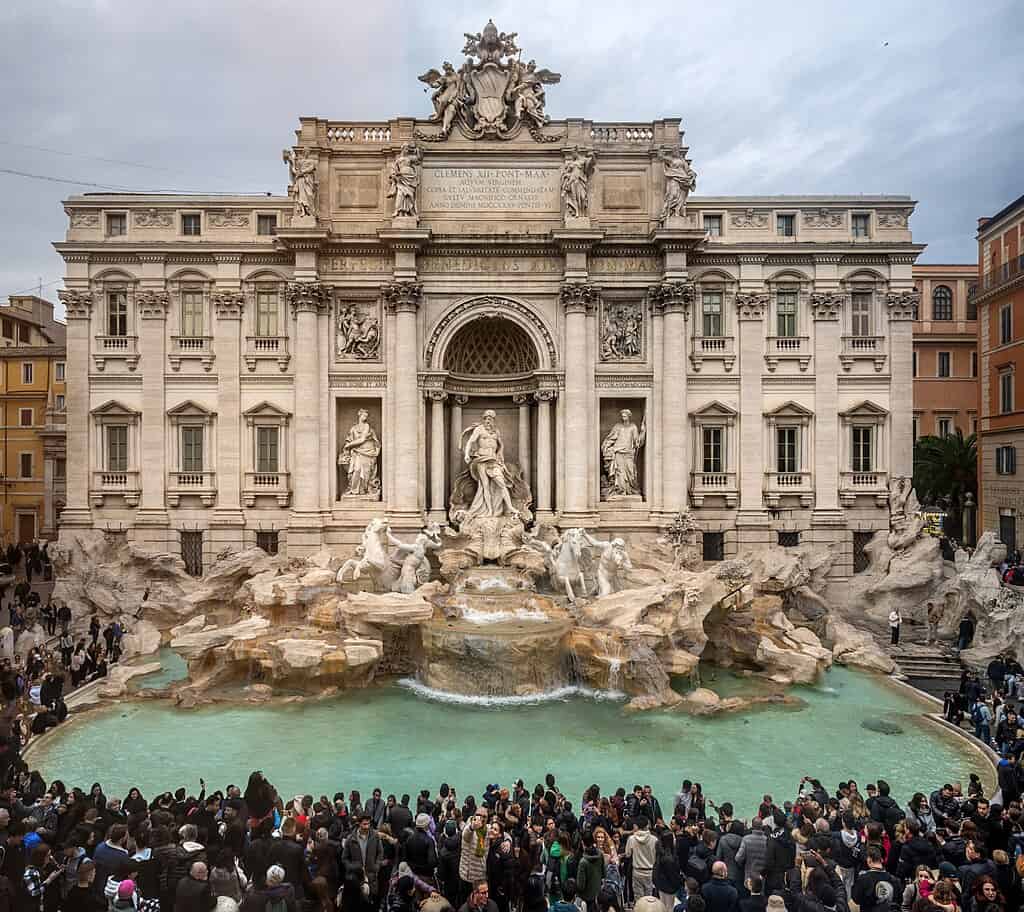
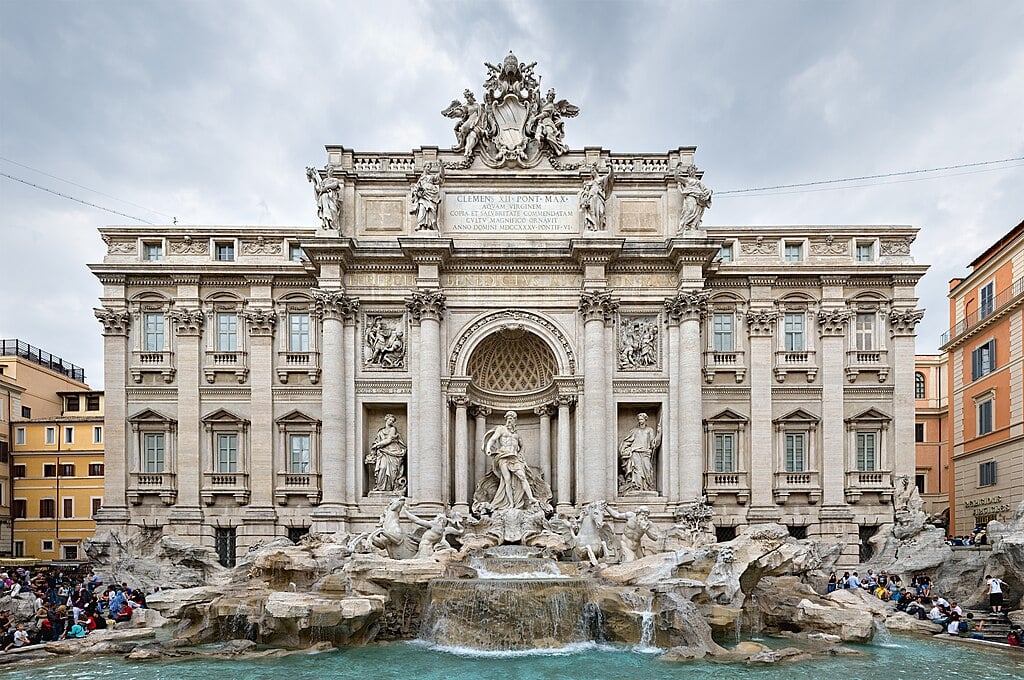
From February 1, 2026, Rome will introduce a modest access fee of around $2 per person for tourists entering the immediate area around the Trevi Fountain. While inexpensive, this new charge applies primarily to non-Italian visitors and aims to reduce overcrowding, fund upkeep, and preserve the historic surroundings. Italian residents or local visitors may enjoy reduced or waived fees. Travelers should plan for this additional cost, especially during peak tourist months when crowds are heaviest, and consider it as part of the daily expenses in Rome for sightseeing.
5. Thailand Tourism Entry Fee for Foreign Visitors

Starting February 2026, Thailand will impose a $9–10 entry fee for international visitors. The surcharge supports travel insurance coverage, upgrades to tourist facilities, and sustainable tourism practices. Thai citizens are not affected, keeping domestic travel affordable. For foreign travelers, especially those planning multiple stops or longer stays, this added cost should be included in budgeting. It marks a shift in Southeast Asia toward tourist-targeted fees to fund infrastructure and reduce strain on popular destinations like Bangkok, Chiang Mai, and Phuket.
6. Barcelona Landmark Differential Fees : Spain

In 2026, several of Barcelona’s iconic landmarks, including Sagrada Familia and Park Güell, will increase entry fees for non-EU visitors by approximately $5–7 per ticket. Spanish residents and EU citizens retain current pricing. The additional revenue supports preservation efforts, crowd management, and local infrastructure improvements, reflecting a broader push across Europe to address overtourism. Travelers planning multi-attraction itineraries should factor in these surcharges, as even modest increases accumulate for families or groups visiting multiple cultural and historic sites in the city.
7. Norway Fjord Cruise Surcharge : Norway
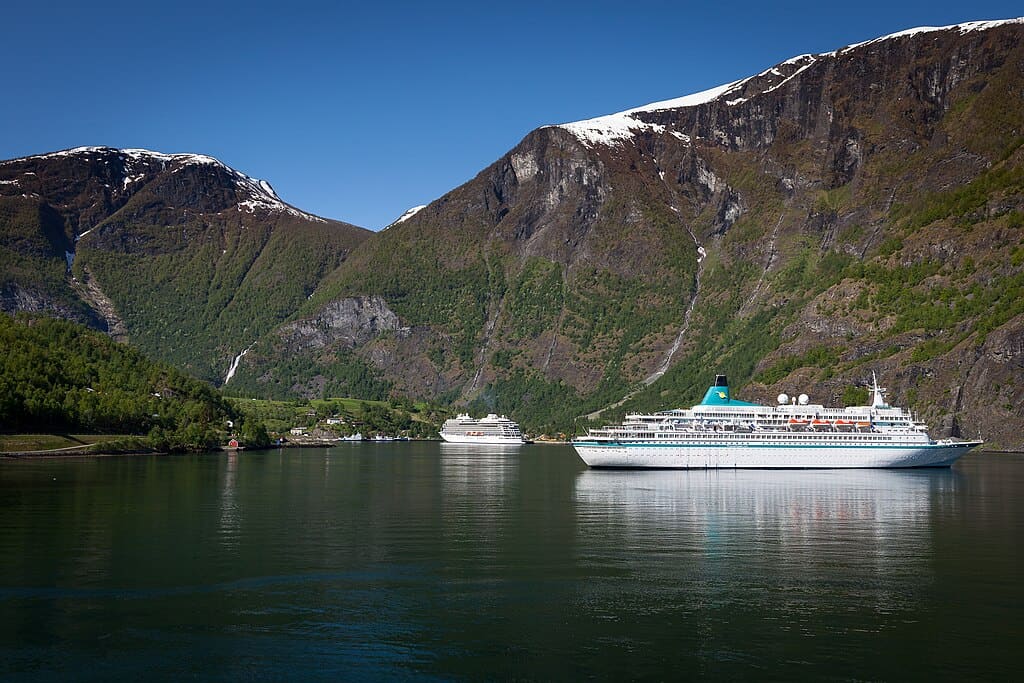
Norway will introduce a $15 tourist surcharge per passenger on certain fjord cruises starting March 2026, aimed at non-residents. Norwegian citizens are exempt from this fee. The extra revenue funds environmental protection, sustainable tourism initiatives, and maintenance of delicate fjord ecosystems. Travelers planning cruises along Geirangerfjord or Nærøyfjord should account for this surcharge, especially if booking multiple excursions. The measure highlights a growing global trend where tourism revenue from foreigners supports conservation, while locals benefit from standard pricing.
8. Japan Heritage Site Differential Fees : Kyoto, Japan

Beginning April 2026, Kyoto will introduce higher entry fees for international tourists at popular heritage sites such as Kinkaku-ji and Fushimi Inari Taisha. Non-Japanese visitors can expect to pay $6–8 per site, roughly 25–30% higher than resident pricing. The extra funds support preservation, cultural programming, and site maintenance. Japanese residents continue paying lower fees. For travelers, this means cultural sightseeing days may cost more than expected, especially if planning to visit several historic temples and gardens in a single day.
9. Australia National Parks Foreign-Visitor Fees : Australia
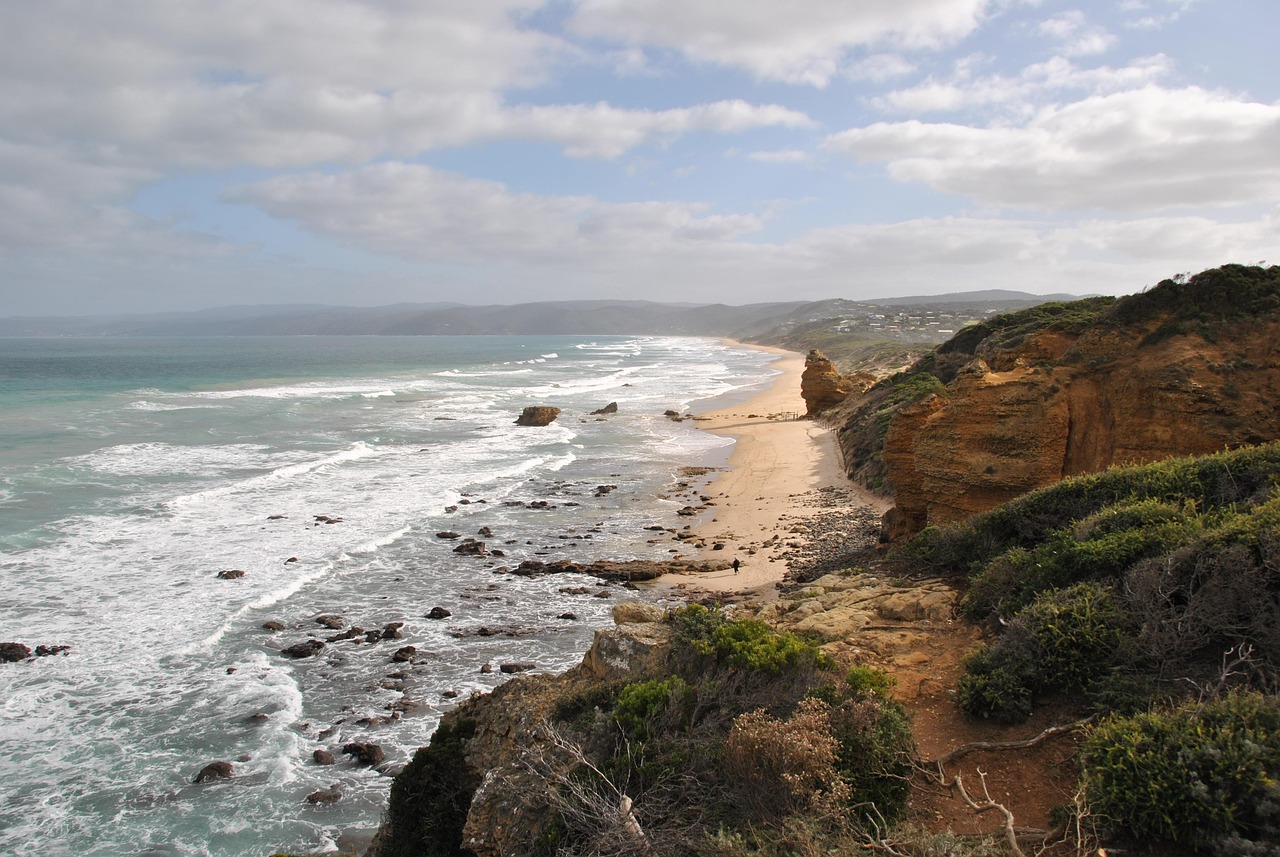
In 2026, Australia will roll out tiered pricing for non-residents at several national parks, including Uluru-Kata Tjuta and Kakadu National Park. International visitors will pay $22–32 more per person than Australian residents, with annual passes also increasing significantly. Revenue supports park conservation, Indigenous community programs, and infrastructure upgrades. Australians retain standard pricing, while tourists should plan ahead and budget carefully for multiple parks. This measure underscores the trend of countries prioritizing domestic access and sustainable tourism funding through targeted foreign fees.