We may earn money or products from the companies mentioned in this post. This means if you click on the link and purchase the item, I will receive a small commission at no extra cost to you ... you're just helping re-supply our family's travel fund.
Once-quiet places rarely become unlivable all at once. It starts with a single clip, a geotag, and a caption promising secret beauty. Then the weekend crowds arrive: cars nose into driveways, phone lights flicker at dusk, and residents realize their routines now share space with someone else’s content plan. In 2026, many towns are learning to manage attention the hard way, adding permits, police details, and parking rules that feel harsh until lived experience makes them obvious. The friction is less about visitors than volume, and about infrastructure built for locals suddenly serving the internet.
Pomfret, Vermont
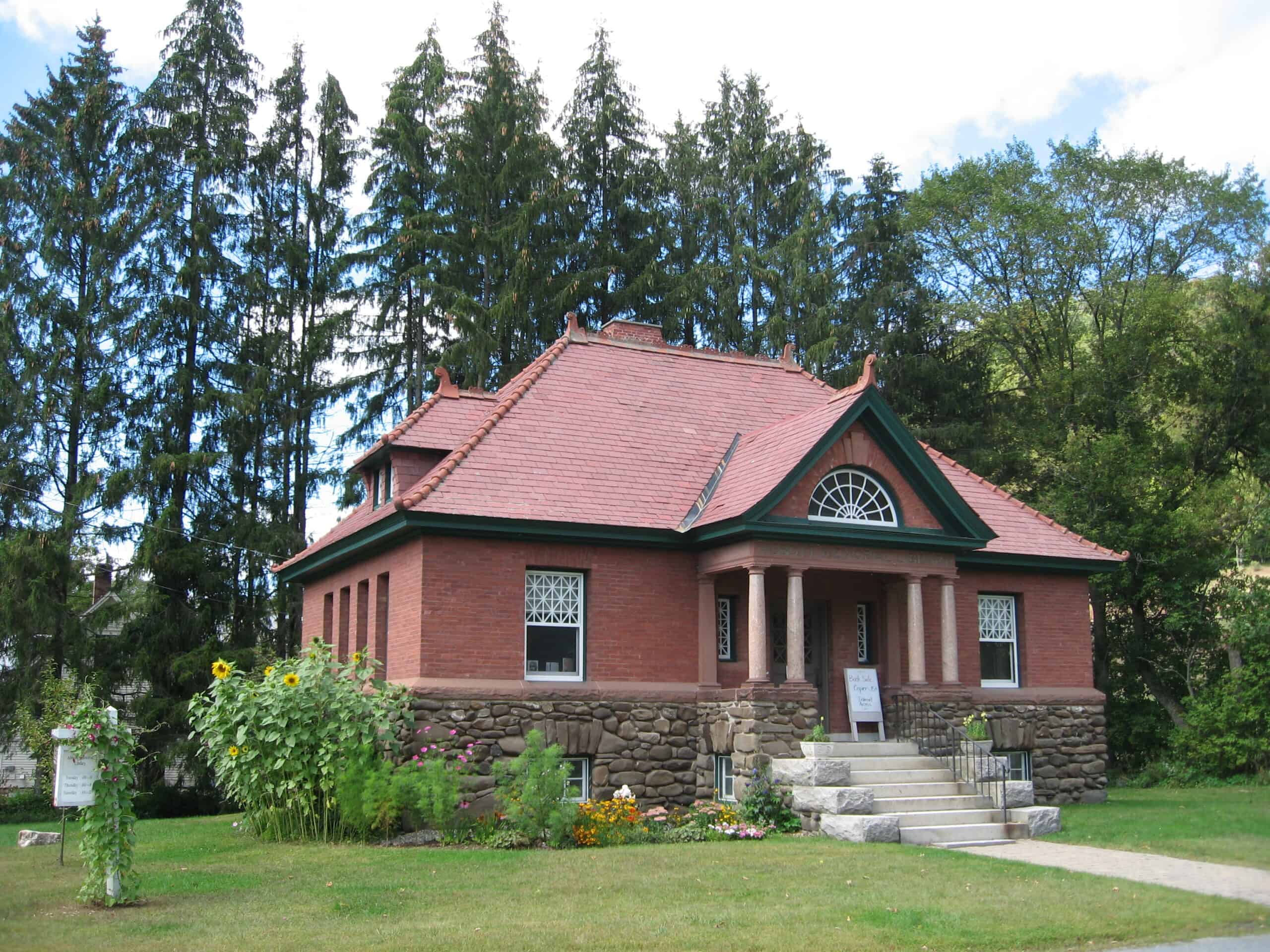
Pomfret’s fall roads used to belong to residents, school buses, and the occasional leaf-peeper. Then “Sleepy Hollow Farm” went viral, and cars began lining narrow lanes for the perfect foliage photo, turning shoulders into makeshift parking. Neighbors reported blocked driveways, trespassing, and near-misses on blind curves, pushing the town to use traffic control points and clear no-parking messages. What reads as quaint online can feel, on the ground, like living inside a pop-up festival with no venue plan. Even polite visitors create volume the roads cannot absorb.
Sleepy Hollow, New York
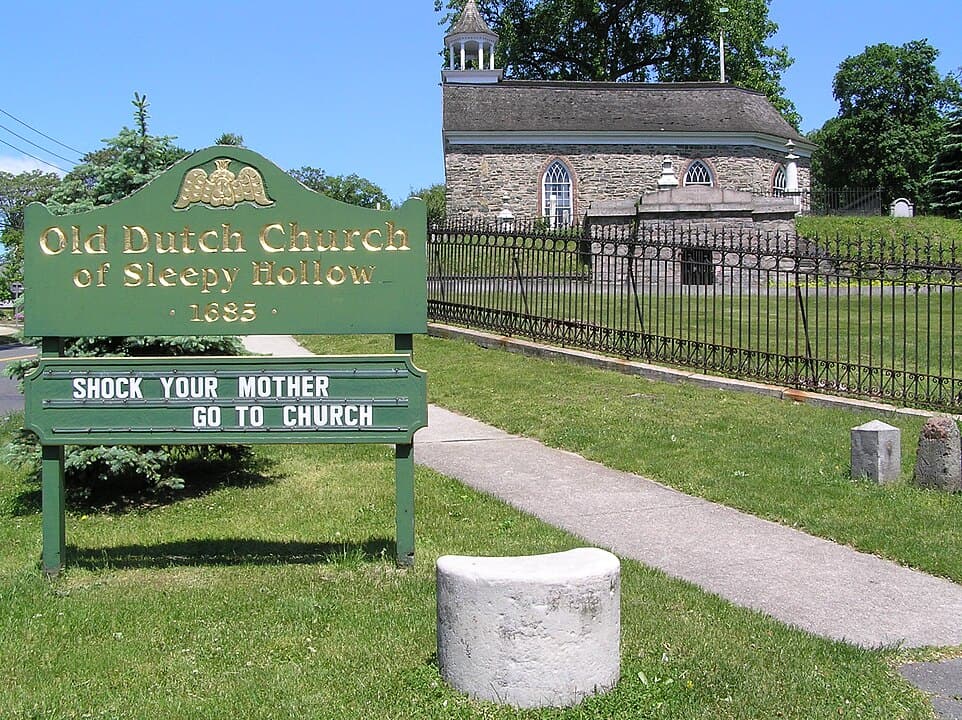
Sleepy Hollow leans into October, but the modern surge runs on TikTok-style hype as much as Washington Irving. Spooky weekends can swamp parking, jam bridges, and turn quick errands into long loops around barricades. Officials promote shuttles, timed events, and designated zones so residential streets do not become overflow attractions. The legend still delights, yet locals describe a month where the town’s normal pace disappears, replaced by constant crowd energy at dusk. Residents talk about porch lights flashing past midnight, and about weekend traffic that makes crossing town feel like a slow crawl.
Salem, Massachusetts
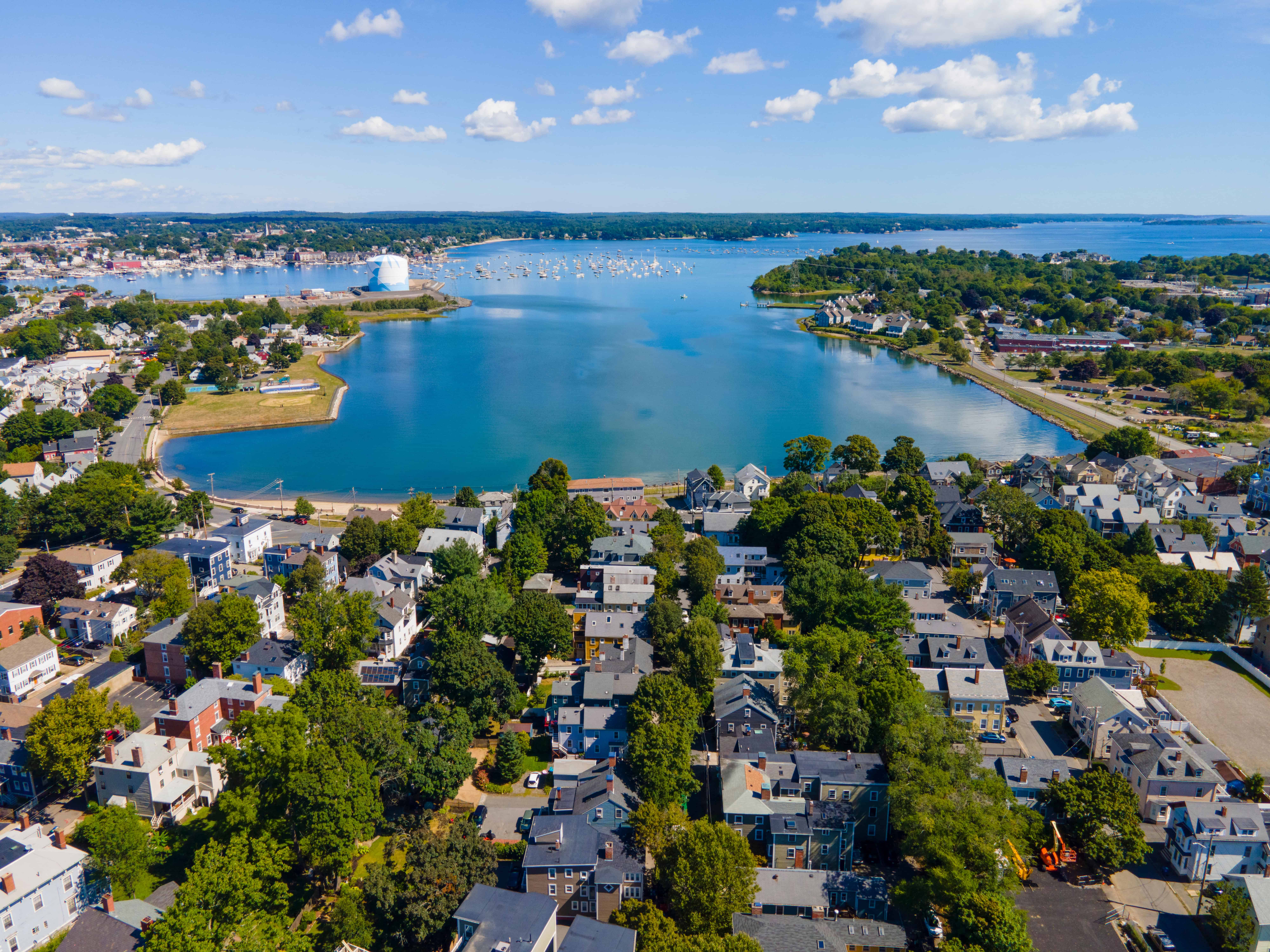
Salem’s history draws people year-round, yet social media turned October into a tidal wave with little off-switch. Sidewalks choke, restaurant waits stretch, and residents describe downtown as a maze of lines that begins before lunch and peaks after dark. The city leans on transit planning, structured programming, and crowd messaging, but the friction remains when daily life shares space with costume crowds. The atmosphere can be thrilling, but locals still talk about exhaustion when quiet nights become the rarest luxury. Locals plan appointments around street closures, and some leave on peak weekends just to reclaim calm.
Lake Elsinore, California

Lake Elsinore’s poppy bloom was always beautiful, but viral clips made it a stampede. During peak super-bloom moments, officials restricted access and closed roads as crowds overflowed parking, trampled flowers, and clogged routes needed for residents and ambulances. Locals described the scene as less like tourism and more like a sudden surge of cars with nowhere to go and no shared rules. The bloom fades fast, yet the response shows what happens when nature becomes content: protection starts to look like policing. Closures exist because stewardship is fragile.
Springdale, Utah
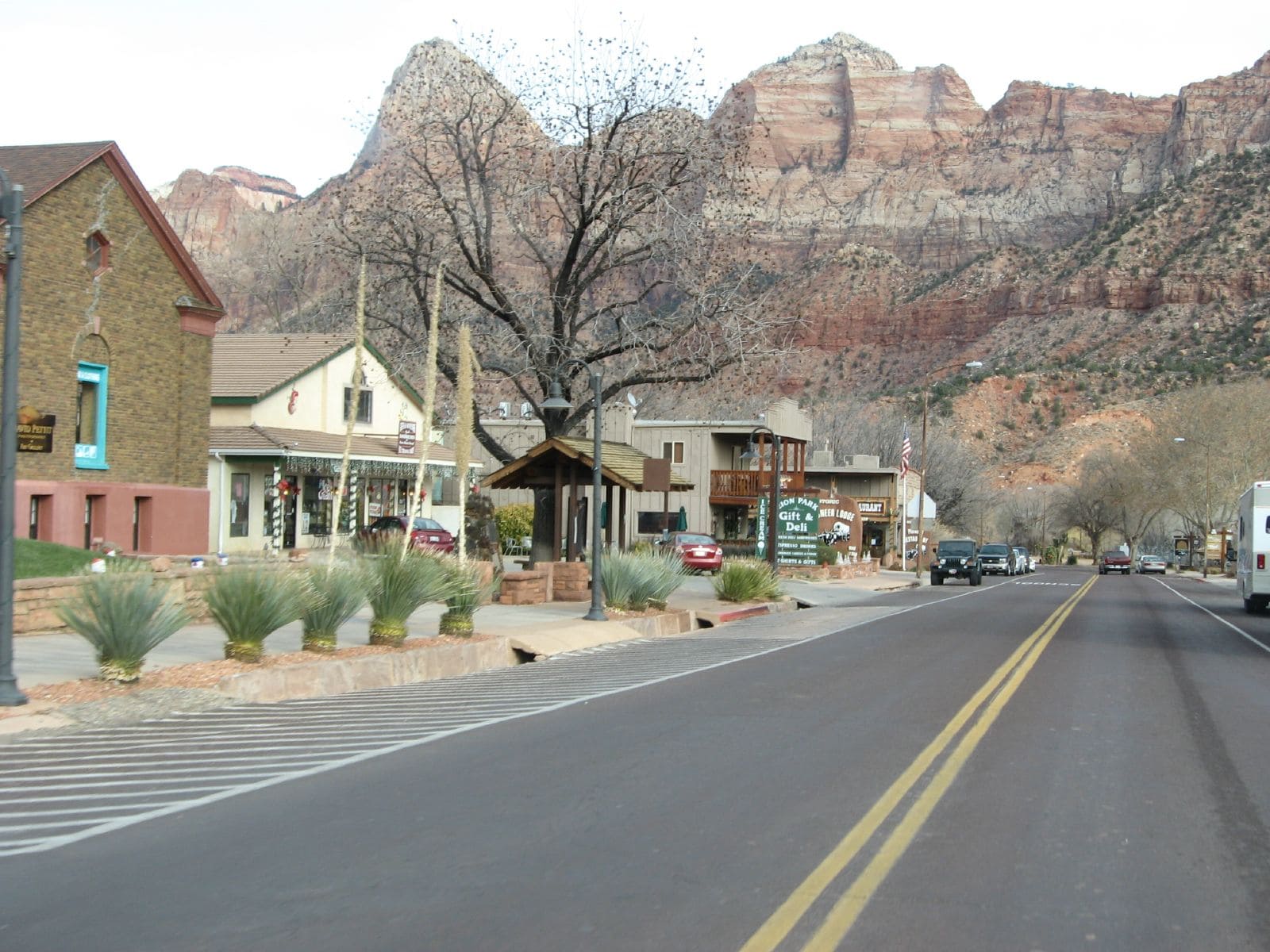
Springdale sits at Zion’s doorstep, which means overflow traffic is a local reality, not a visitor inconvenience. When parking fills, the park directs drivers back into town for shuttles, and congestion spills into commutes, delivery routes, and emergency response. Shuttle coordination and permit systems for certain hikes help, but peak days still feel like the town is operating as a waiting room for the canyon. Service workers feel it too, commuting through the same lines visitors treat as part of the trip. In summer heat, idling vehicles and packed sidewalks add a physical edge to the stress.
Sedona, Arizona

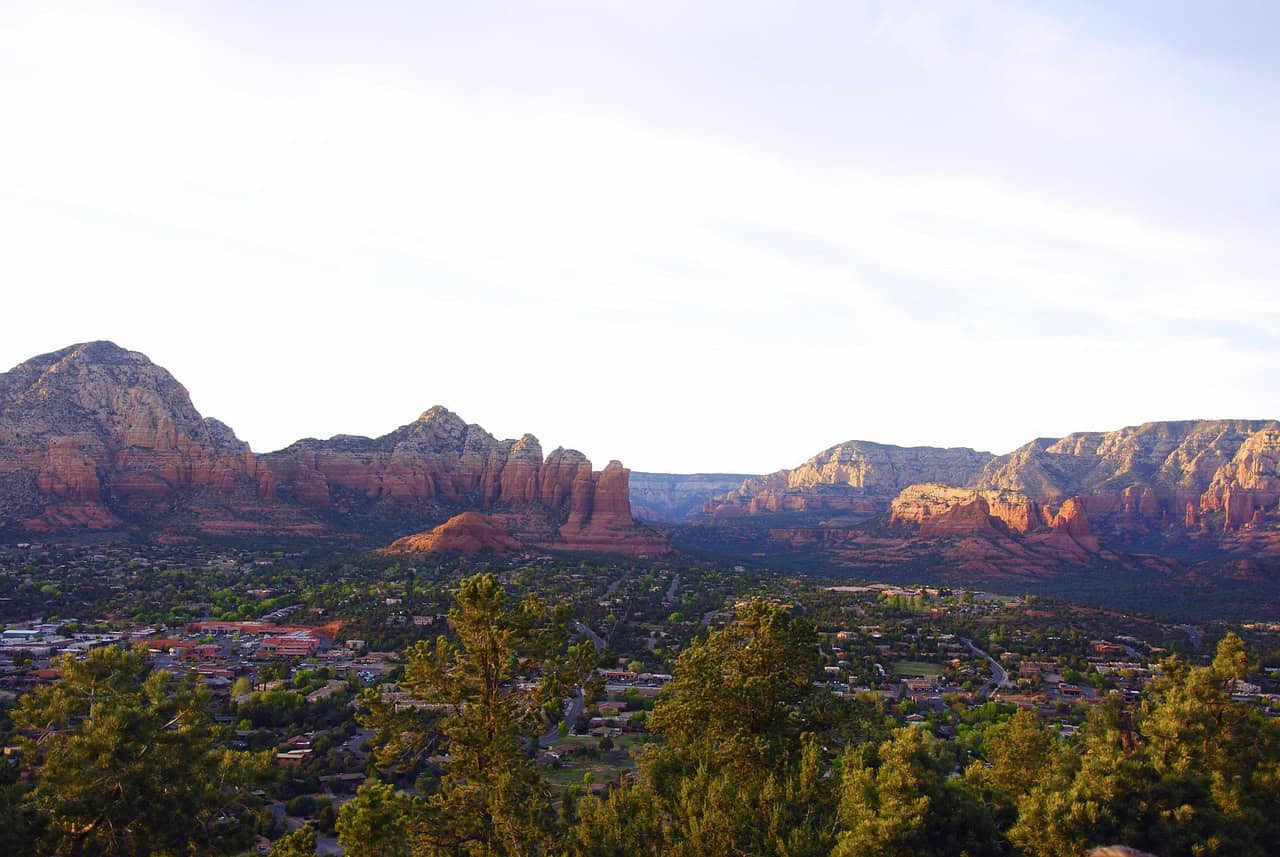
Sedona’s red-rock calm has been crowded out by the promise of a perfect sunrise reel. Trailhead lots fill early, roadside parking spills into neighborhoods, and residents describe strain on water, housing, and rescue services in a town built for fewer cars and fewer short-term stays. Local leaders discuss shuttles, parking management, and stronger visitor education as popularity keeps outrunning policy. The scenery stays timeless; the lived experience shifts, with congestion becoming a daily backdrop instead of an occasional holiday spike. When trailheads overflow hikers spill into private drives, and the town’s small-service footprint thins.
Page, Arizona
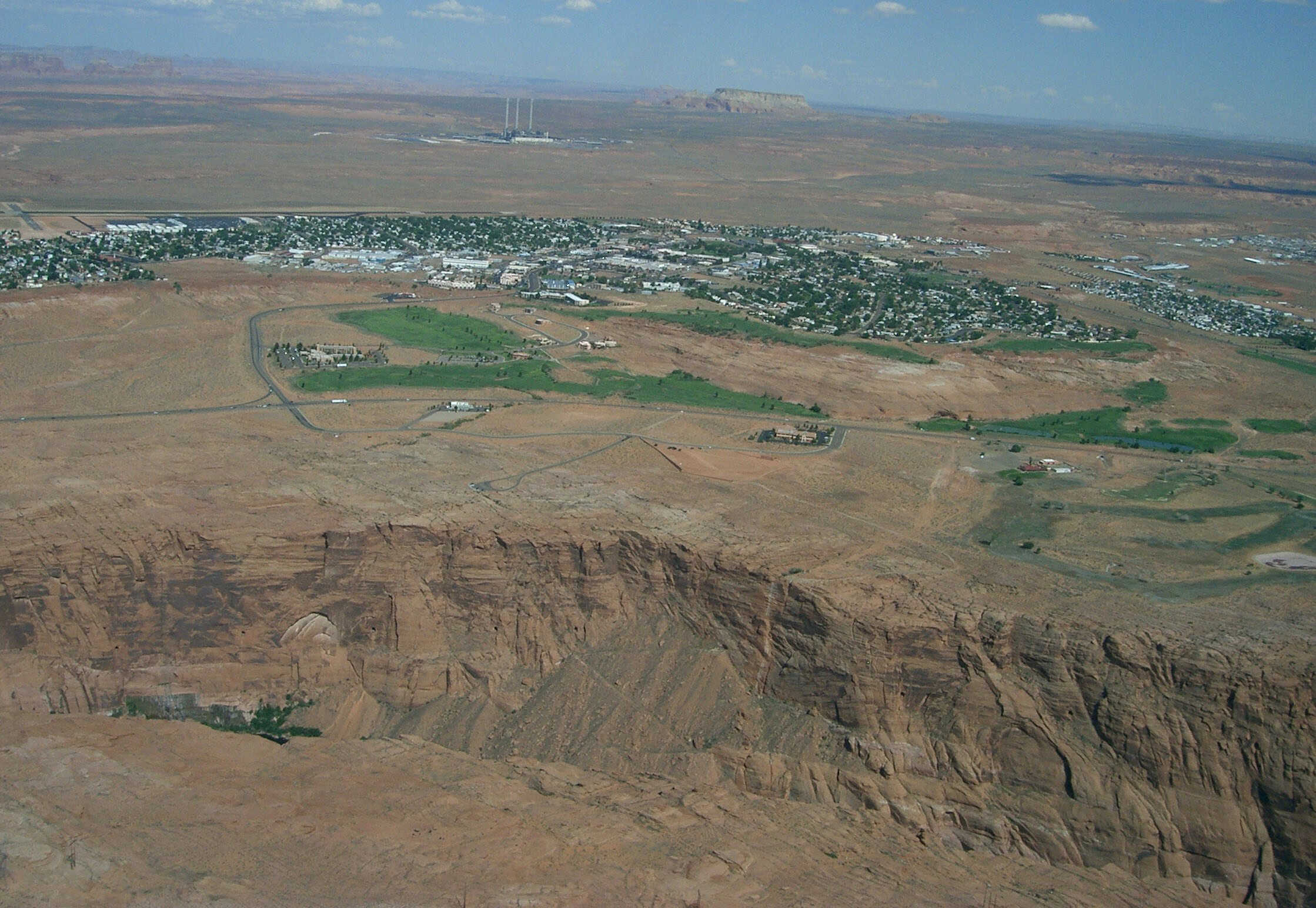
Page watched Horseshoe Bend transform from a local overlook into a global must-stop, propelled by shareable photos and route guides that treat viewpoints like checkpoints. Managers expanded parking and added access controls as visitor volume surged, and nearby services learned to staff for nonstop arrivals instead of seasonal bursts. Jobs and revenue followed, yet locals also describe crowded walkways, busy approach roads, and a constant churn that changes the town’s tempo. A single curve in the Colorado River became an always-on stage. In peak season, the traffic bleeds into gas stations and grocery aisles, reshaping everyday timing.
Supai, Arizona
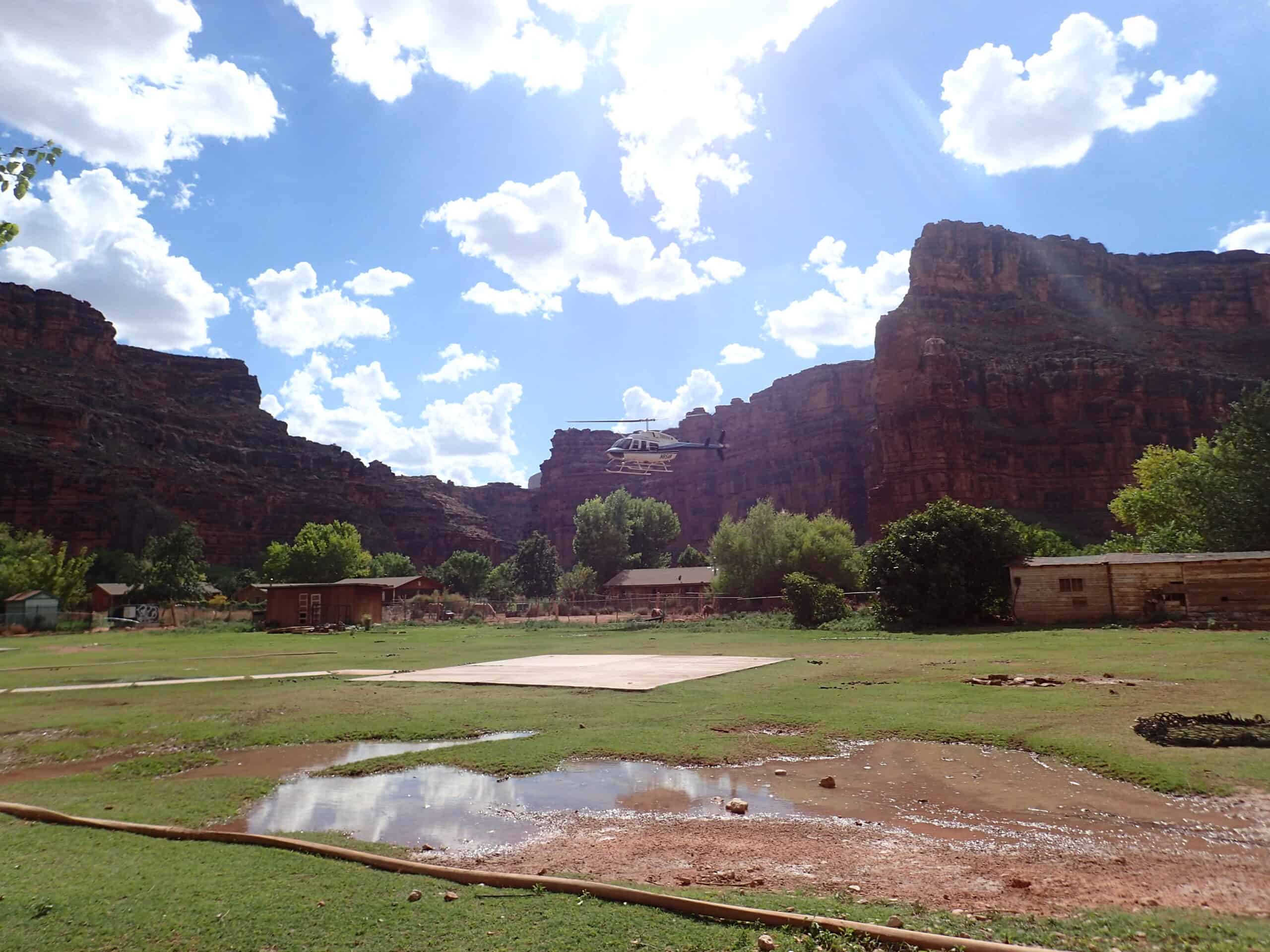
Supai sits deep in Havasu Canyon, where the waterfalls look unreal and access is intentionally limited. Reservations and strict rules reflect hard lessons about overcrowding, resource strain, and damage to a fragile place that is also a living community. Residents are not managing a theme park; they are protecting water, trails, and basic services in an isolated setting where help is not close. Viral posts can romanticize the hike, but locals carry the consequences long after the photos leave, so limits become self-defense. Infrastructure there is not elastic.
Marfa, Texas
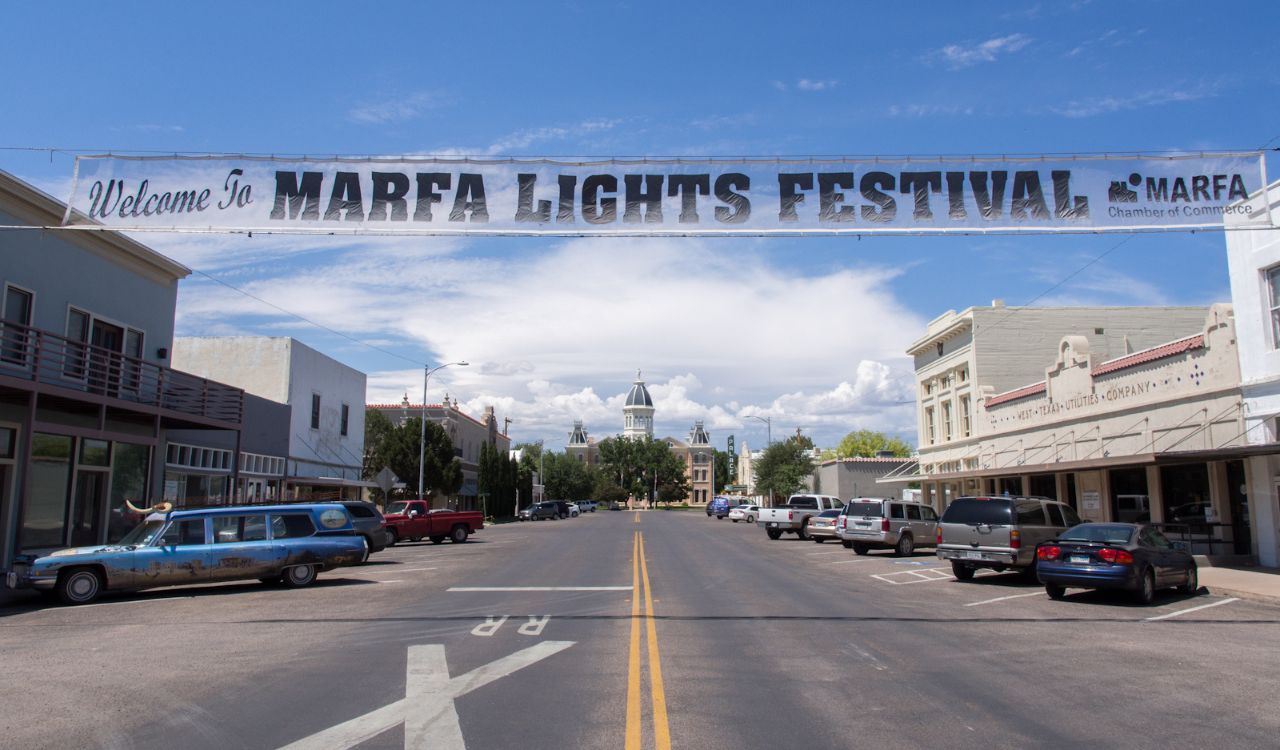
Marfa’s desert quiet once felt like a private joke shared among artists, ranch families, and curious travelers. Then the town’s minimalist cool became internet currency, boosting tourism and short-term rentals while squeezing housing for the people who keep schools, shops, and services running. Reporting has described an affordability crunch and a rising share of homes shifting into visitor use, tightening supply for long-term residents. The town still sells serenity, but locals feel the pressure in rents, staffing, and the uneasy sense that daily life is being priced like a weekend stay. Essential workers compete with weekend budgets.