We may earn money or products from the companies mentioned in this post. This means if you click on the link and purchase the item, I will receive a small commission at no extra cost to you ... you're just helping re-supply our family's travel fund.

Air travel usually sells a feeling before it sells a seat: control, timing, and the quiet belief that the world still runs on schedule. In March 2026, that illusion has been cracked open. War-related airspace closures across the Gulf, flood disruption in East Africa, and knock-on cancellations across South Asia have pushed several major airports into a state of damage, shutdown, or grinding disorder. Some are badly reduced. Some are physically scarred. Others remain open, but only in the narrowest, most technical sense of the word.
Dubai International Airport
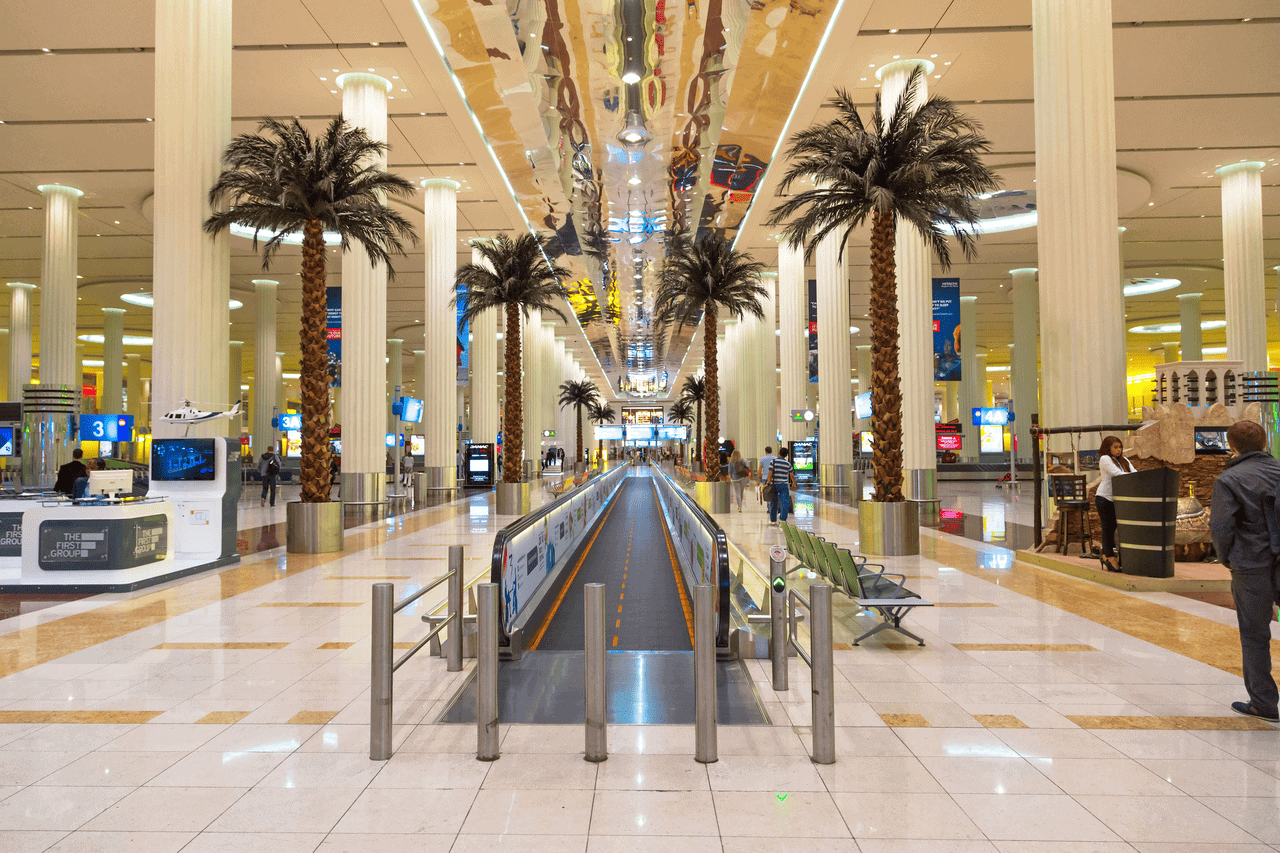
Dubai International is one of the world’s most important transfer hubs, which is exactly why its disruption feels so large. Reuters reported that Iranian strikes damaged part of the airport complex, injured four people, and helped force a collapse in normal operations before flights resumed only in a sharply reduced form. Emirates later said it was running a reduced schedule and accepting transit passengers only when onward connections were actually operating. At a hub built on constant motion, even partial service feels like visible strain.
Hamad International Airport, Doha
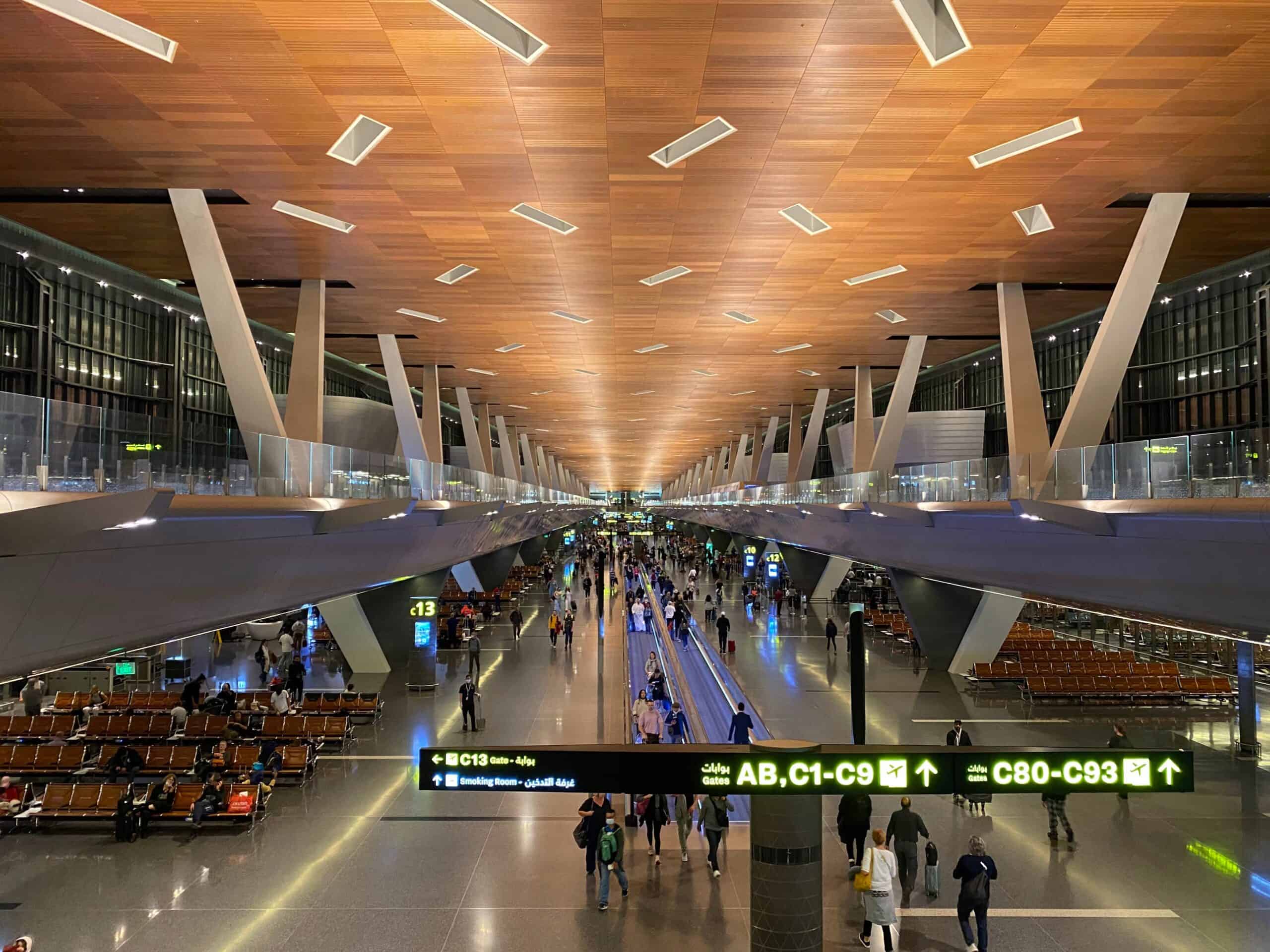
Doha’s Hamad International usually works like a polished relay point between continents, but right now it has carried the atmosphere of a holding room. Reuters reported that Qatar’s airspace closure stranded around 8,000 transit passengers, while key flights were grounded and only limited relief movements slowly restarted. That kind of disruption hits differently at a transfer airport. The terminal may still glow, the signs may still flash, but the deeper function is broken. It stops being a connector and starts feeling like a pause no one planned for.
Zayed International Airport, Abu Dhabi
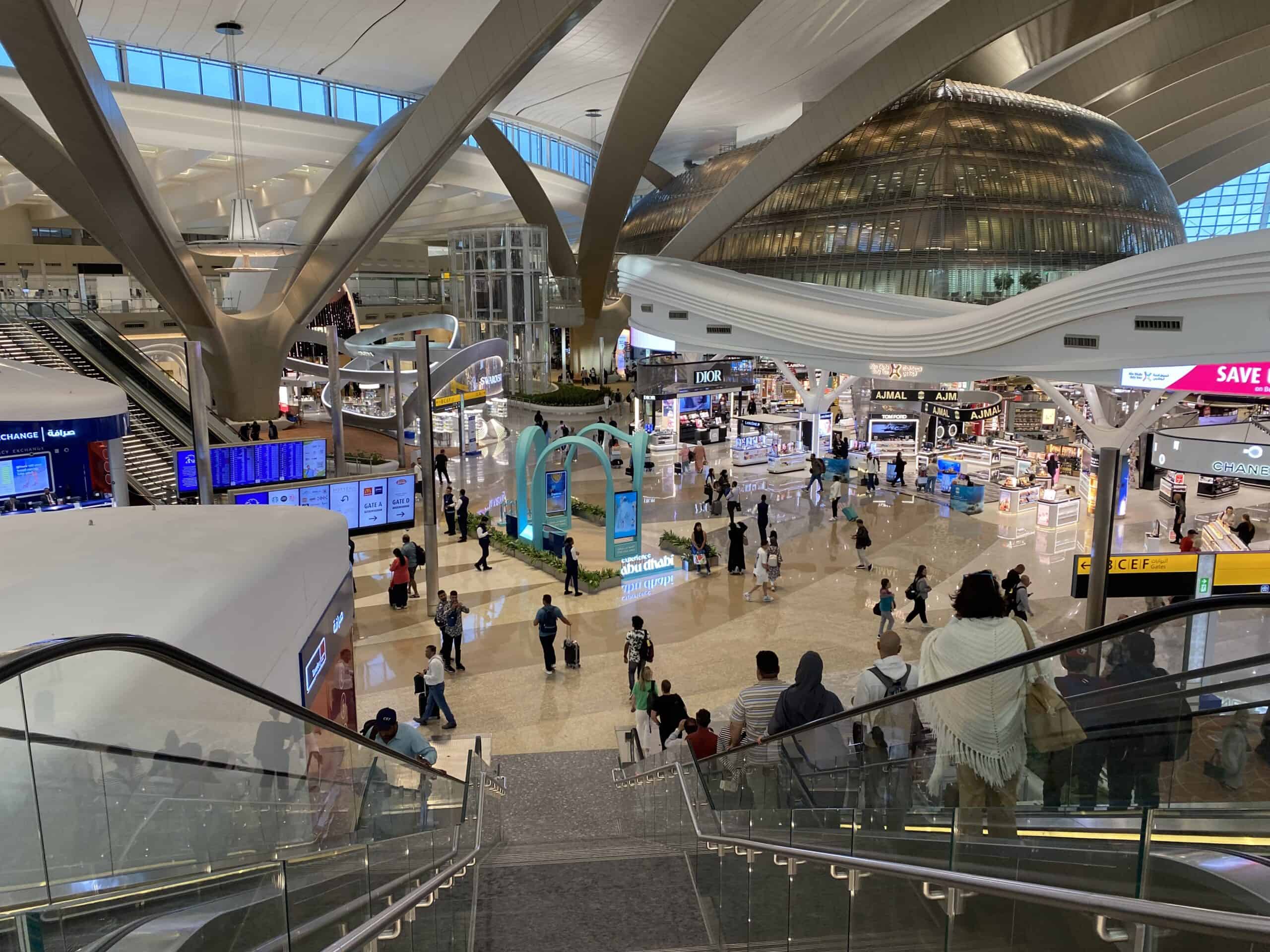
Abu Dhabi’s main airport has been stuck in an uneasy middle ground between open and disrupted. Reuters reported that the wider strike-and-response cycle damaged airport infrastructure in the UAE, and Etihad later said it would run only a limited commercial schedule through March 19. That matters because Abu Dhabi is not a fringe node. It is a major global gateway with long-haul links stretching across Europe, Asia, and North America. When a hub like this shifts into restricted mode, uncertainty spreads faster than most passengers ever see on the departure board.
King Khalid International Airport, Riyadh
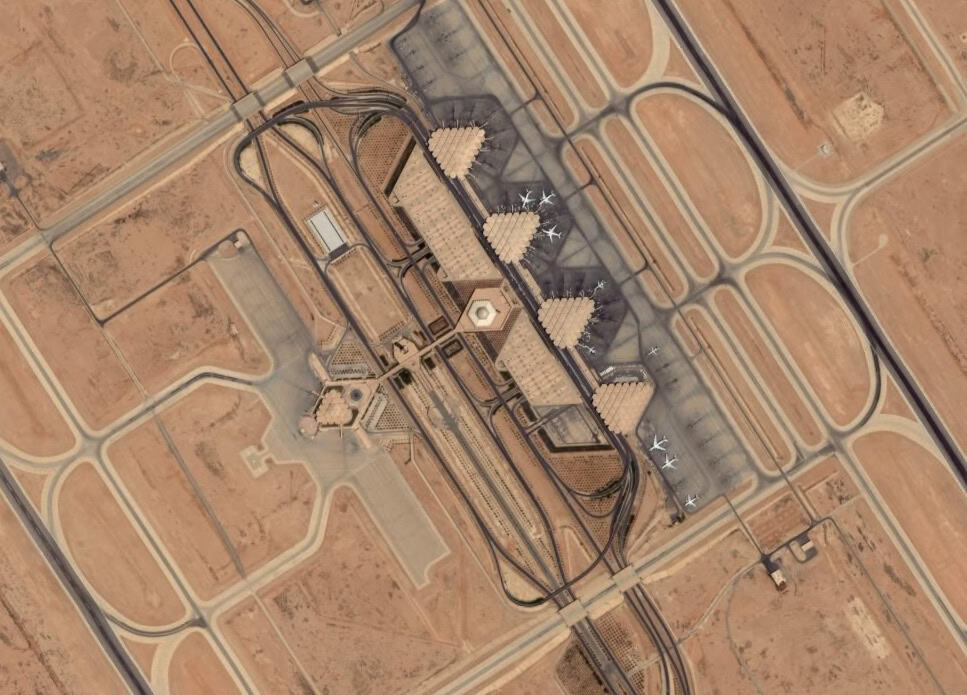
Riyadh is still operating, but normal is not the right word for it. International carriers have cut or suspended Riyadh service, and Reuters roundups show the city caught inside the wider aviation shock caused by the Gulf conflict and airspace risk. That leaves the airport in a subtler form of chaos, where terminals can appear functional even as reliability drains away flight by flight. The real problem is not always a dramatic closure. Sometimes it is the erosion of confidence, when major routes keep disappearing and timing stops meaning very much at all.
Indira Gandhi International Airport, Delhi
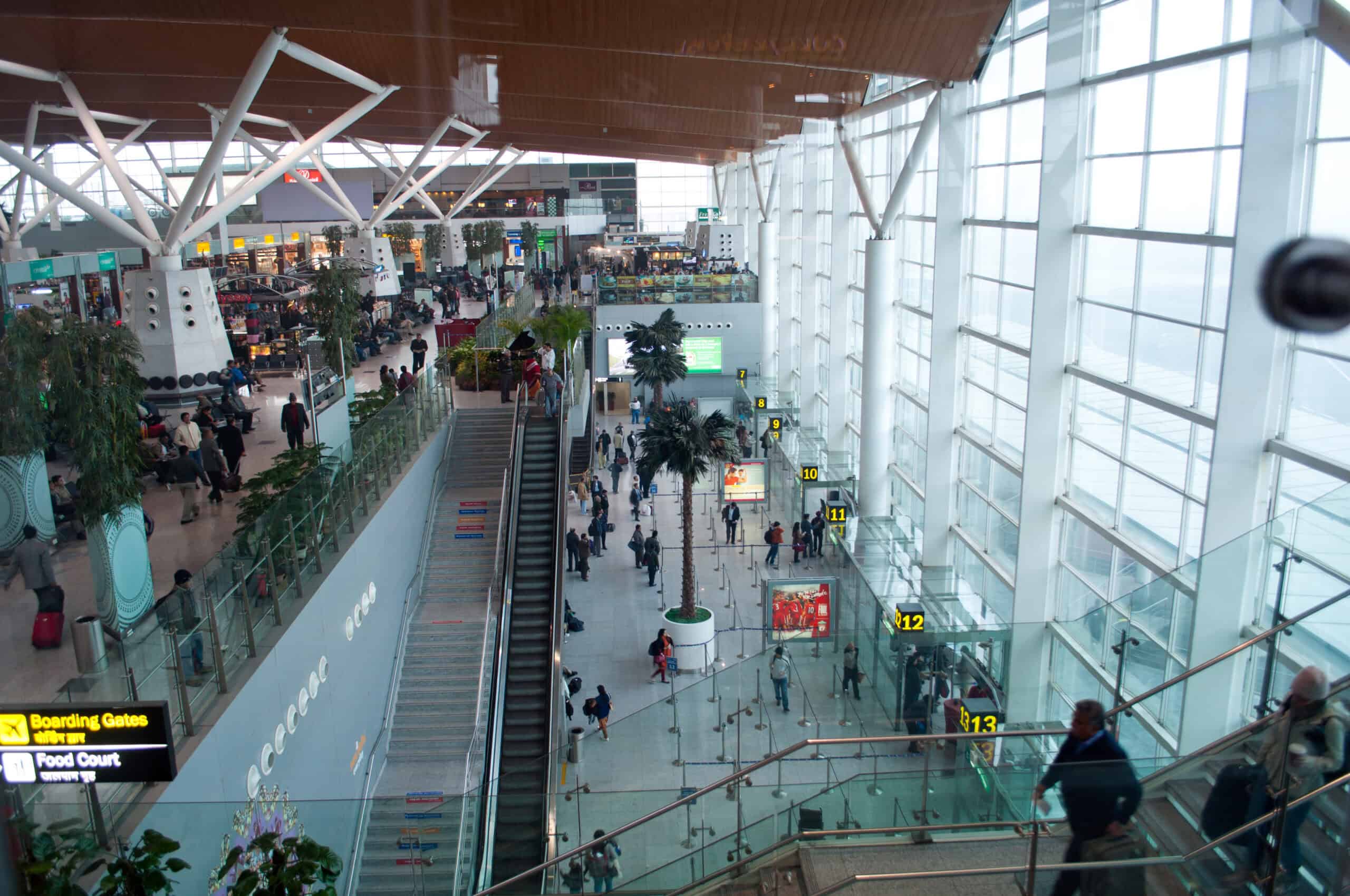
Delhi shows how a crisis can scramble an airport far from the strike zone itself. Reuters reported that Indian carriers have been hit by a double blow: conflict-driven Gulf airspace disruption layered on top of Pakistan’s continuing airspace ban on Indian airlines. As routes to the Middle East, Europe, and North America were suspended or rerouted, Delhi saw waves of cancellations and stranded passengers. The airport is still operating, but the network feeding it has been bent out of shape, which turns a busy terminal into a place of constant recalculation.
Chhatrapati Shivaji Maharaj International Airport, Mumbai
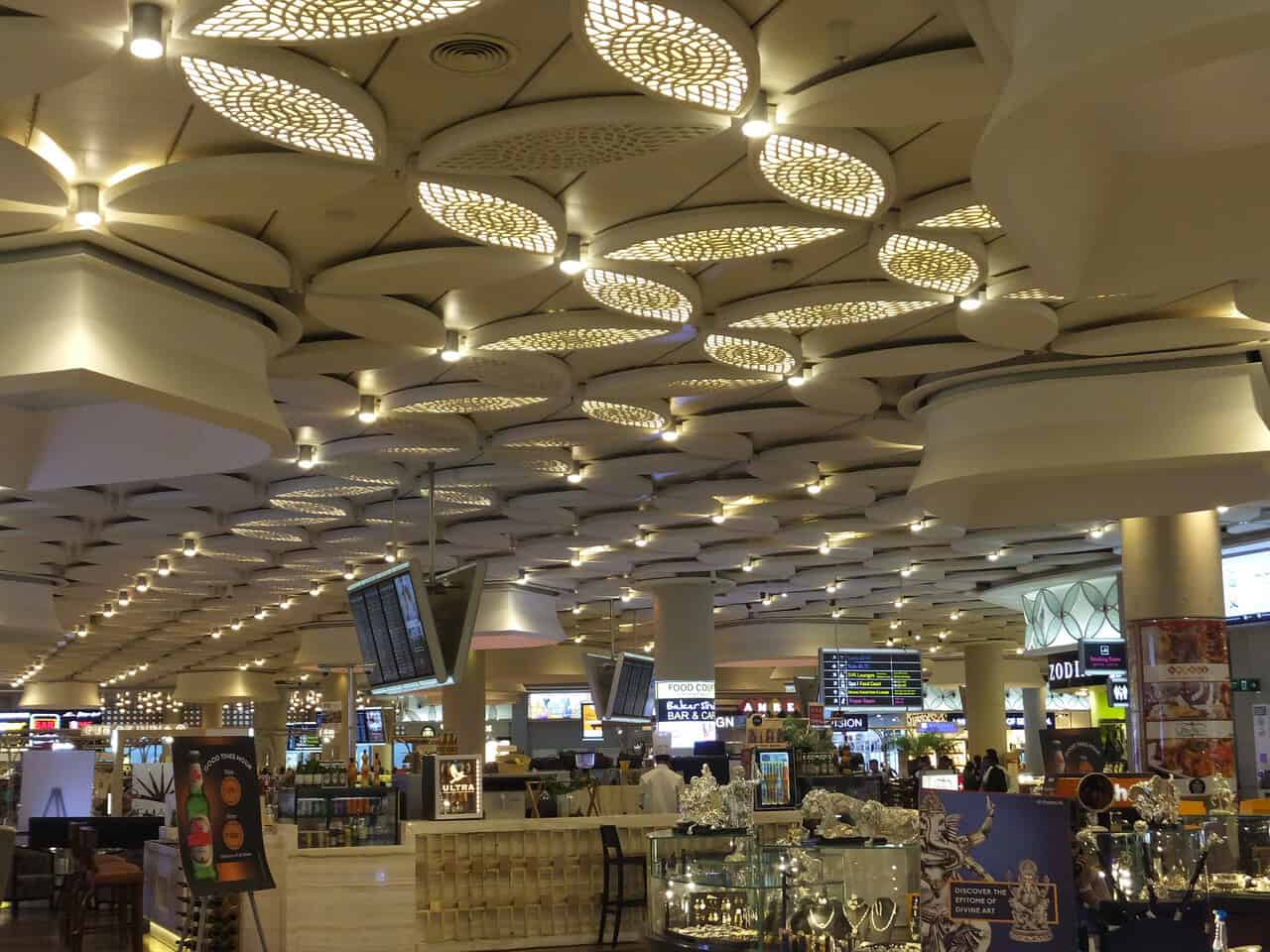
Mumbai has been pulled into the same regional shock, but with its own distinctly restless rhythm. As airlines reshuffled routes and cut international flying, Mumbai was hit by dozens of cancellations tied to the Middle East conflict. The visible result is familiar to anyone who has watched a major hub slip into disruption: delayed aircraft, missed slots, reworked crew patterns, and passengers trying to rebuild itineraries at the gate. What makes Mumbai’s situation striking is that the airport itself is not the source of the crisis. It is absorbing the aftershocks of one.
Jomo Kenyatta International Airport, Nairobi
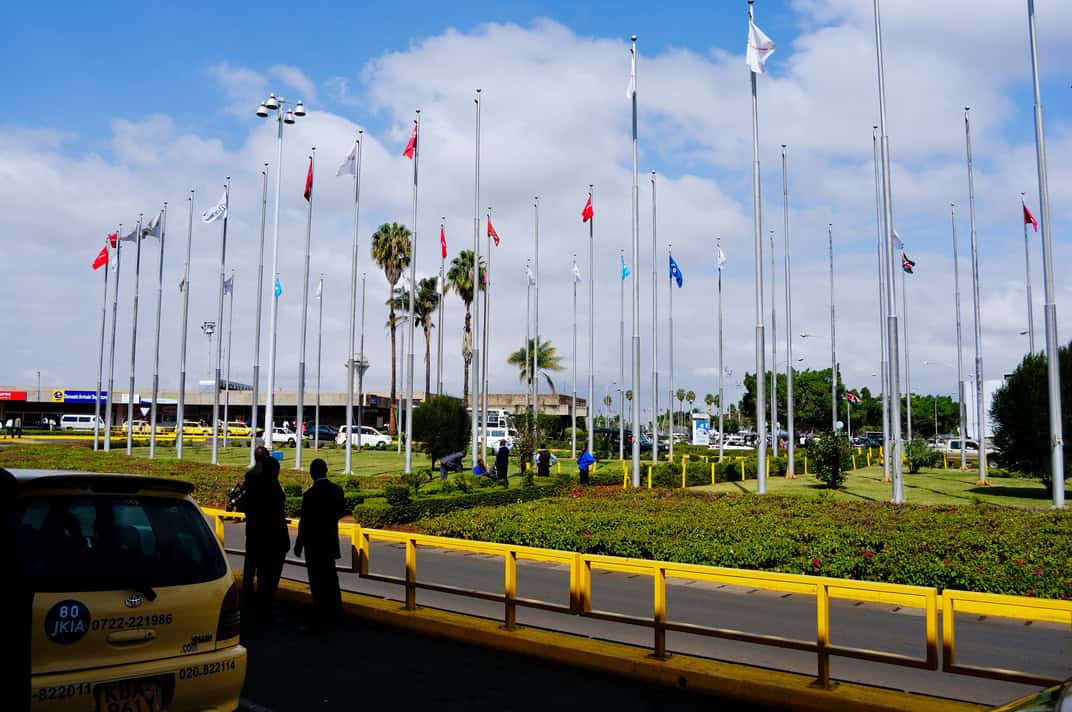
Nairobi’s airport is not caught in war, but it is dealing with something just as destabilizing in practical terms: severe flooding. Reuters reported that flash floods in the Kenyan capital killed at least 23 people, swept away vehicles, and disrupted flights at East Africa’s biggest airport, forcing Kenya Airways to divert some services. Airports are built to project order, even under pressure. Floodwater changes that instantly. It turns runways, roads, and access systems into vulnerable points all at once, and the airport starts reflecting the city’s distress instead of shielding travelers from it.
Kuwait International Airport
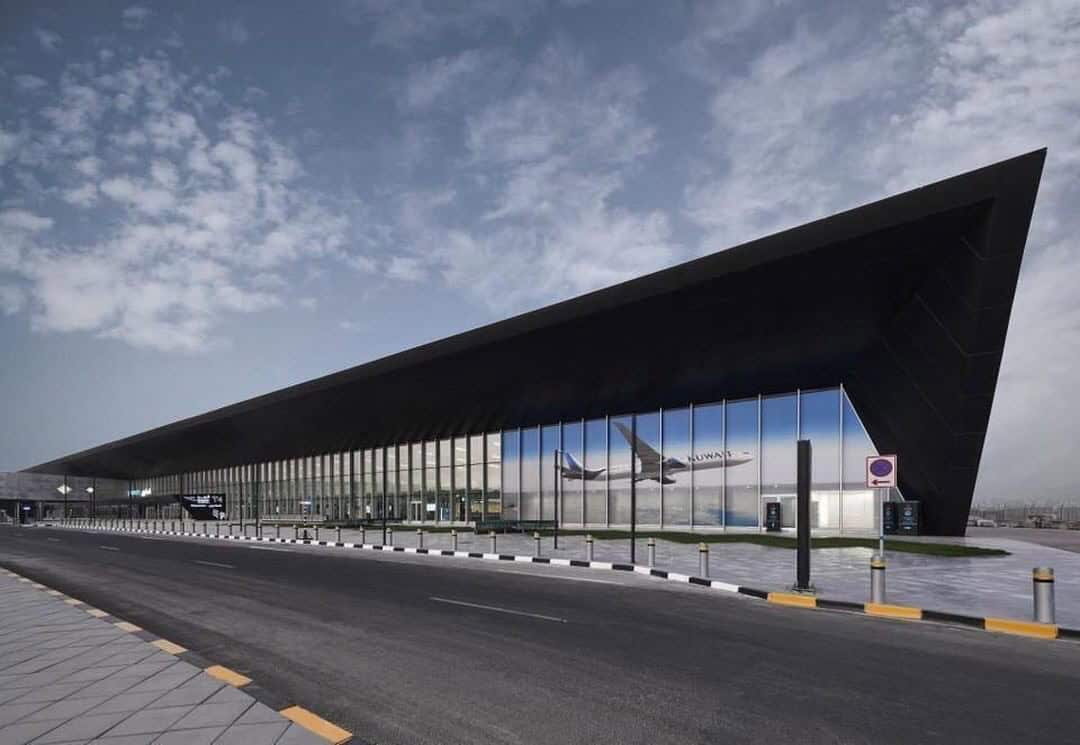
Kuwait International has been part of the broader Gulf shutdown pattern, even when it has drawn fewer headlines than Dubai or Doha. Reuters reported that retaliatory strikes and the regional escalation forced closures or severe restrictions at key airports including Kuwait, helping bring a major stretch of Middle Eastern aviation close to a standstill. For travelers, the effect is familiar even without dramatic images: abrupt cancellations, interrupted onward journeys, and terminals that feel more like waiting zones than gateways. In a crisis, silence can signal disruption just as clearly as visible damage.
Hazrat Shahjalal International Airport, Dhaka
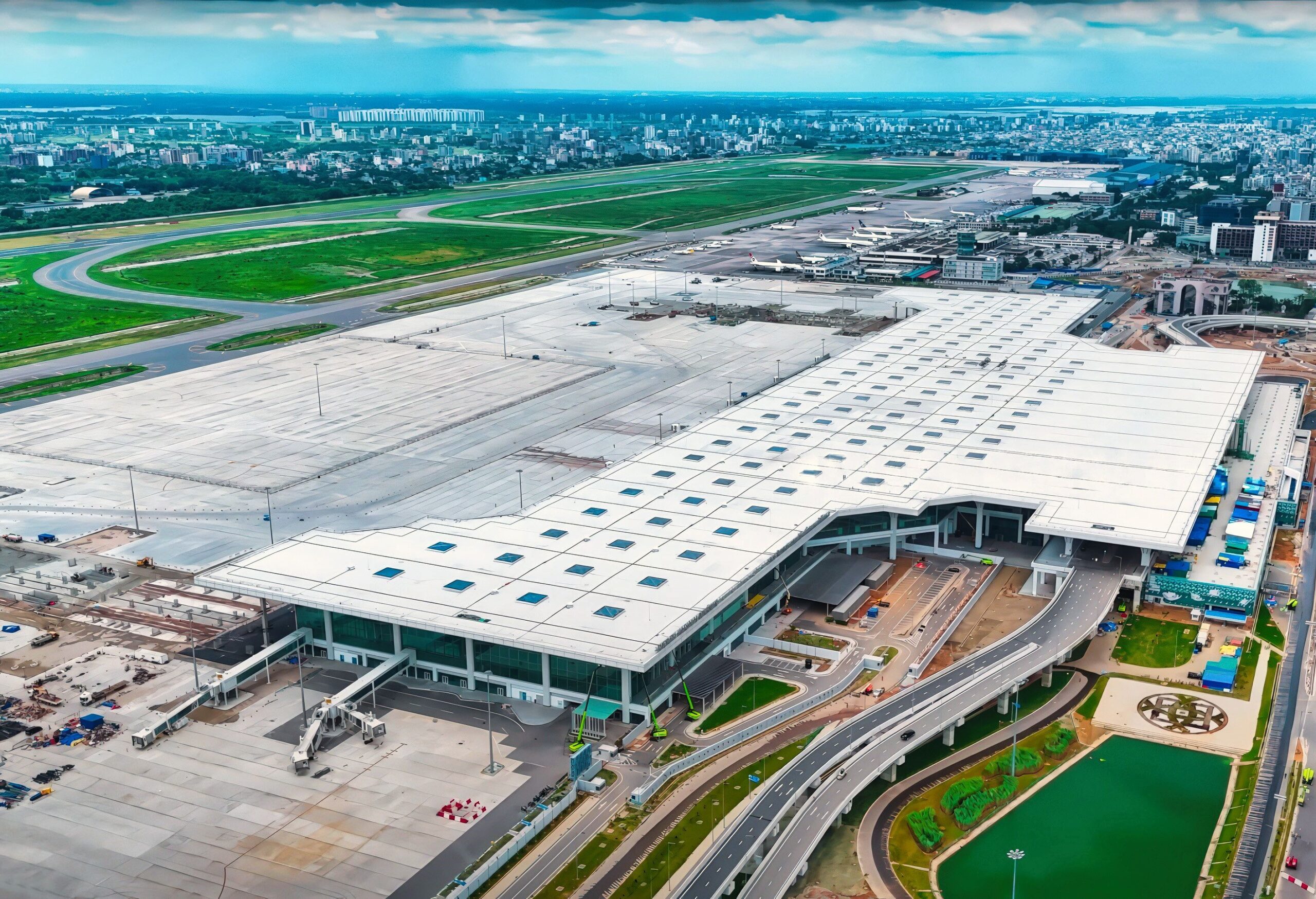
Dhaka’s main airport shows how quickly a distant war can spill into the everyday movement of workers, pilgrims, and families. Flights bound for several Gulf destinations were canceled after regional airspace closures, leaving large numbers of passengers stranded at Bangladesh’s busiest airport. Reuters-connected coverage documented the scene as Middle East-bound services were suspended and uncertainty spread through the terminal. Dhaka is not a battlefield hub, but it is tightly linked to Gulf labor and travel routes. When those routes snap, the strain becomes immediate, local, and deeply human.