We may earn money or products from the companies mentioned in this post. This means if you click on the link and purchase the item, I will receive a small commission at no extra cost to you ... you're just helping re-supply our family's travel fund.
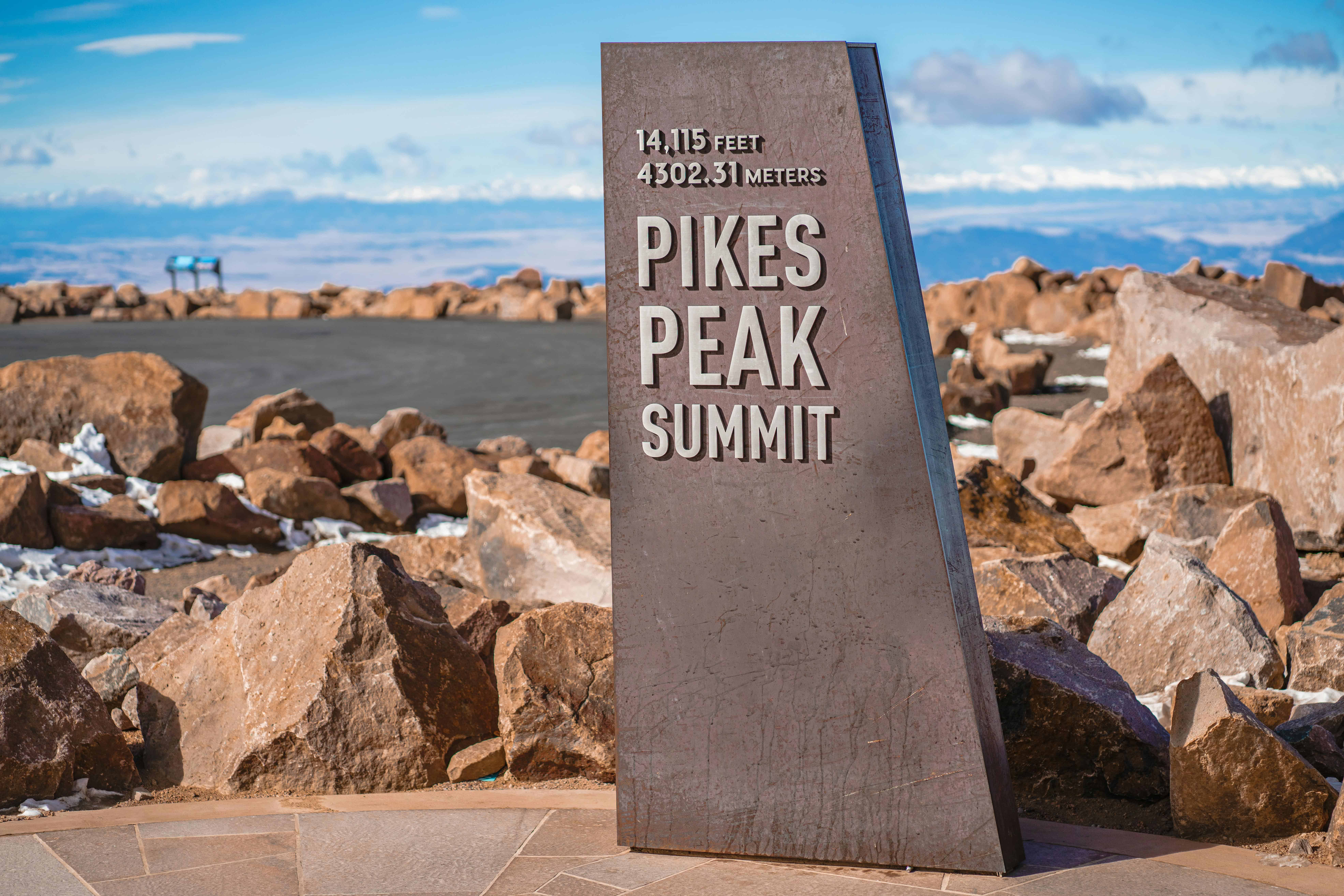
For a long time, national parks were the most reachable dream on the map. A car, a cooler, and a cheap motel could buy several days of trails, stargazing, and campfire stories. That equation has shifted. Lodge rates, gateway town motels, reservation fees, and gear rentals now pile on top of entrance passes. For many households, the question is no longer which park to visit first, but whether the numbers can work at all without clipping into debt or giving up other trips for the year.
Yosemite National Park, California
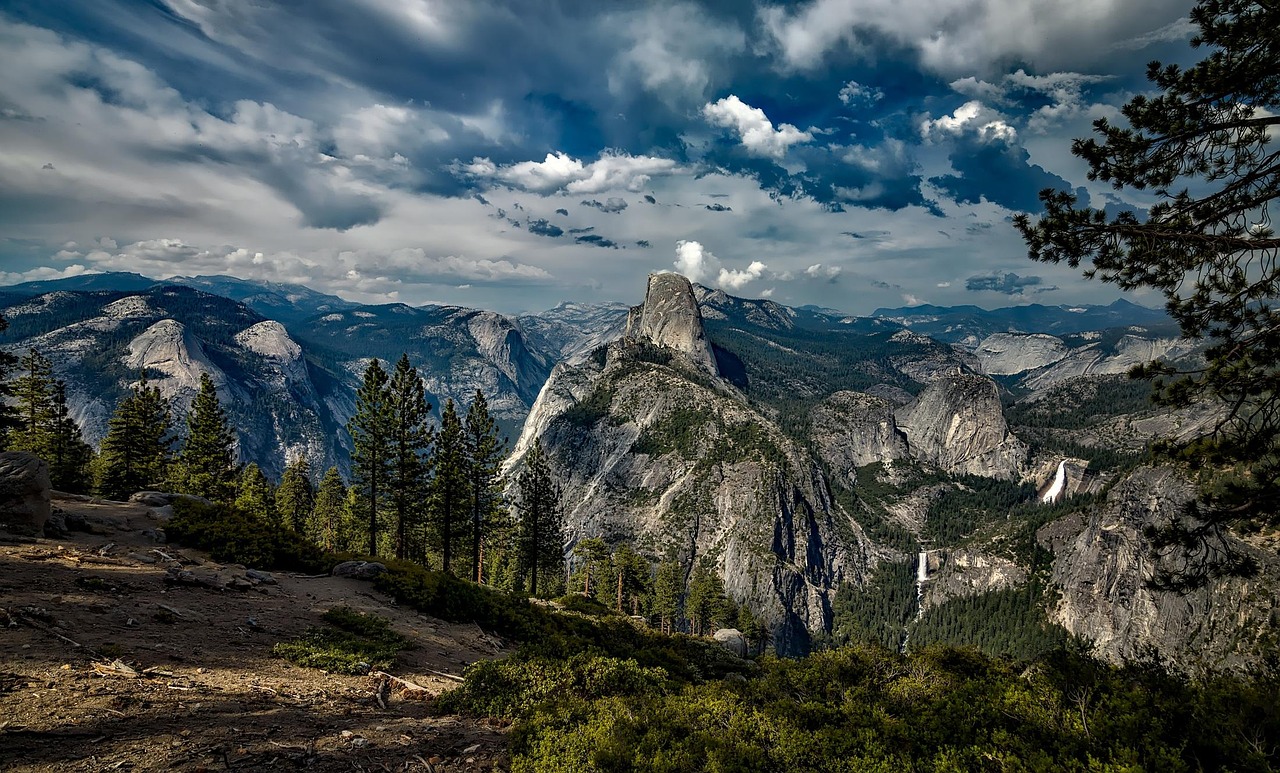
Yosemite still welcomes cars through the gates for a modest fee, yet the real strain shows up everywhere a family might sleep. Valley lodges and hotels in nearby towns now chase big-city prices on peak dates, while campgrounds book out in minutes and come with nonrefundable reservation charges. Add in the cost of parking, shuttles, and cafeteria meals, and a few nights can swallow a monthly housing payment. The granite walls feel as generous as ever; the lodging market wrapped around them does not.
Yellowstone National Park, Wyoming, Montana, Idaho
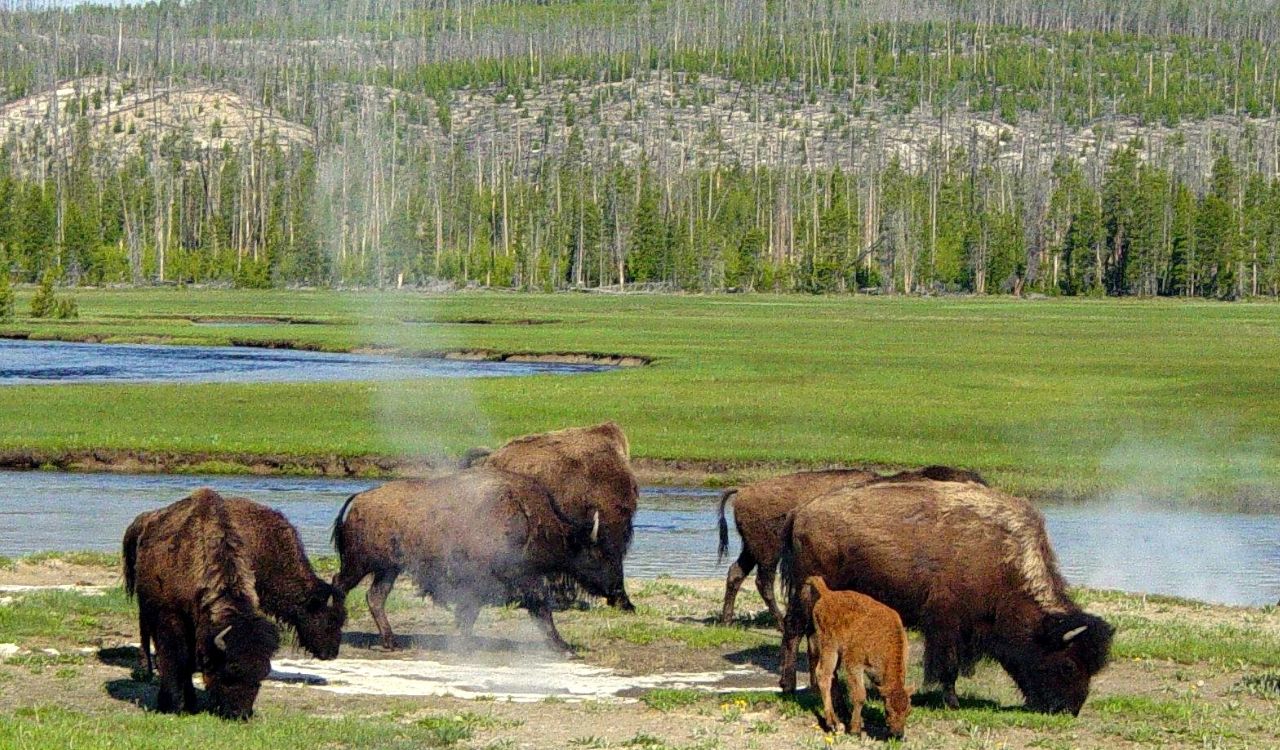
Yellowstone spreads across three states, which means long drives, distant towns, and very little true competition for beds. In-park hotels set a high bar for nightly rates, and even basic rooms outside the gates often follow that lead once summer arrives. Fuel, food, and hours spent on the road between geysers or wildlife viewing spots quietly add more to the bill. A family that once imagined a weeklong camping and cabin mix now sometimes trims the stay to two or three nights, trading time in the park for financial breathing room.
Grand Canyon National Park, Arizona
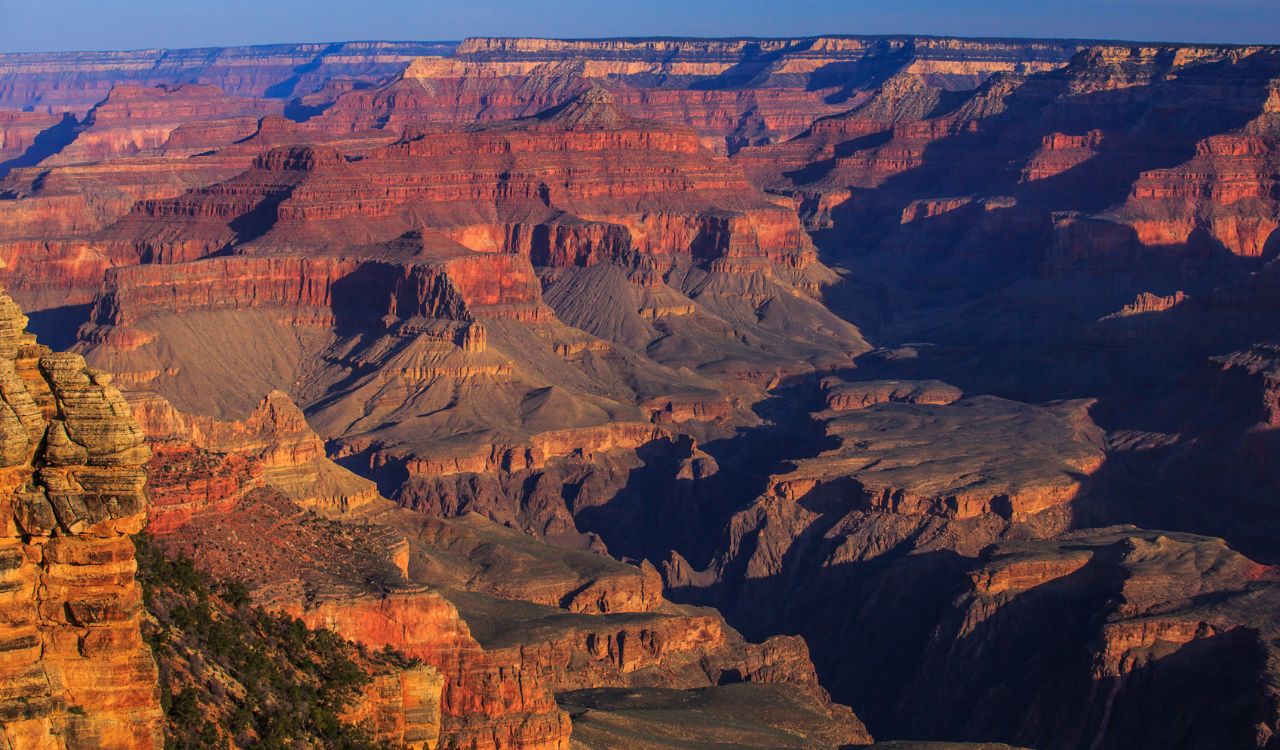
The South Rim still looks like the classic picture on postcards, but staying near it feels very different from a previous generation’s memories. Lodges perched on the rim charge steep nightly prices, and even older motels in Tusayan or farther along Highway 64 have learned exactly how much visitors will pay not to drive an extra hour. Food options are limited, so restaurant prices and quick-service meals land higher than many expect. By the time parking, shuttles, and snacks are tallied, a simple canyon sunrise can come with luxury-level totals.
Zion National Park, Utah
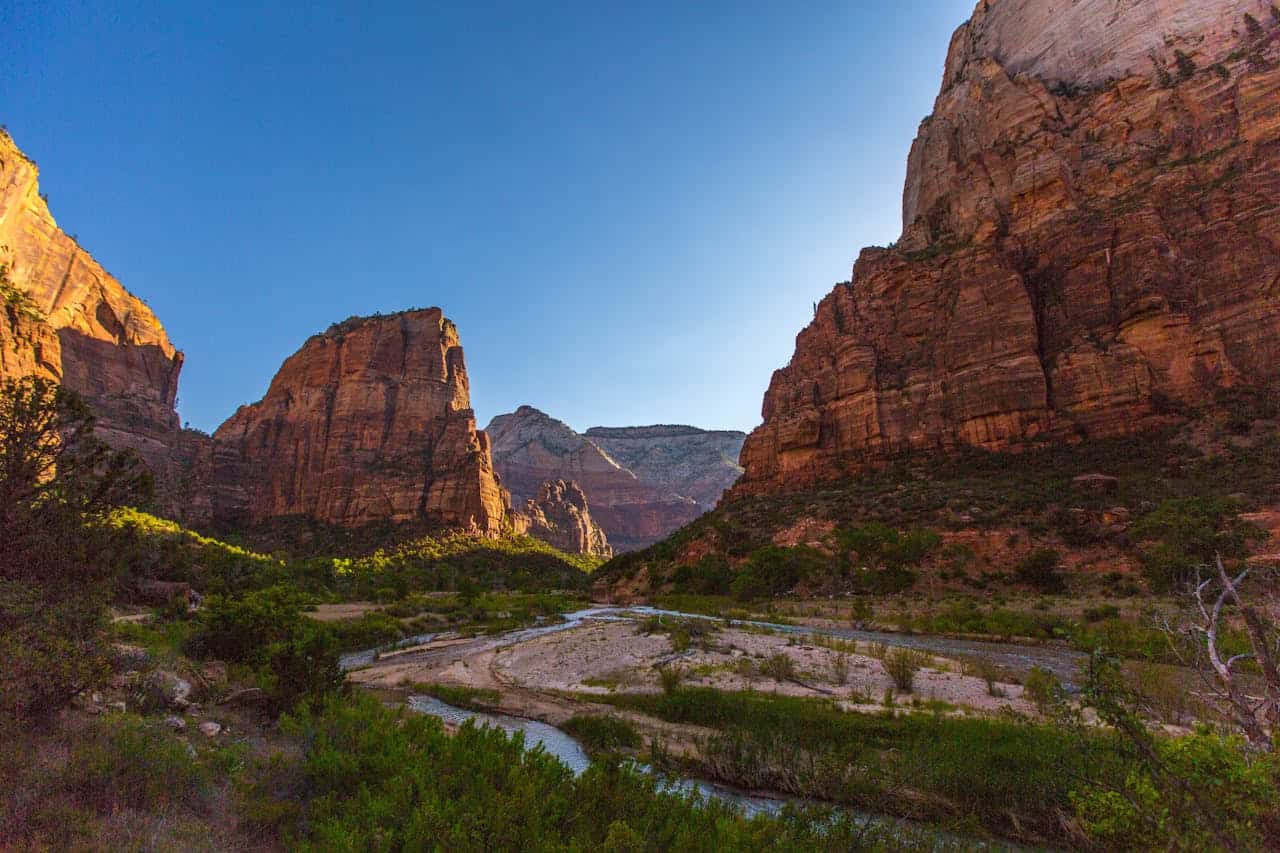
Zion’s narrow canyon and dramatic cliffs pull in crowds from all over the world, funneling nearly everyone through one small gateway town. Springdale’s hotel market reflects that bottleneck with nightly rates that rival boutique city districts, even for straightforward chain properties. Shuttle access, trail gear for water hikes, and restaurant tabs in a high-demand strip push expenses even higher. For many households, the park itself still feels welcoming, but the experience of being pinned between two canyon walls and one pricey lodging corridor carries a different kind of pressure.
Glacier National Park, Montana
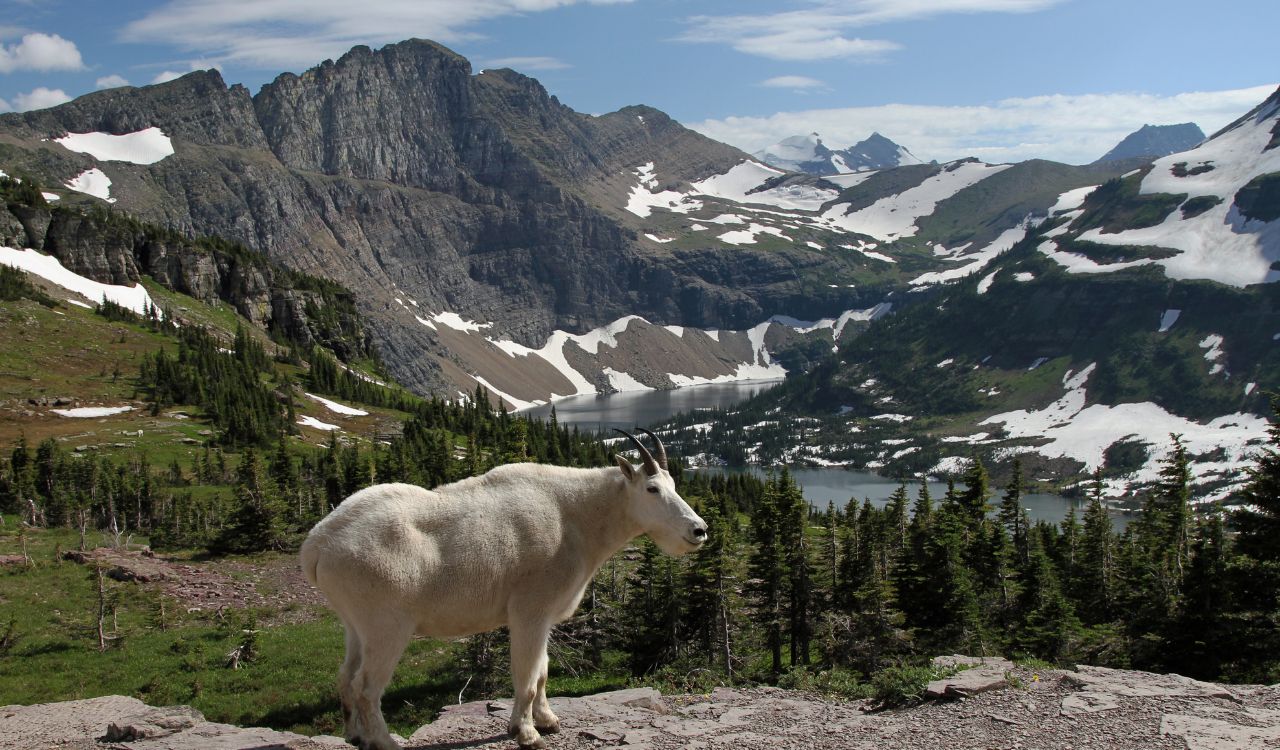
Glacier sits at the edge of the map, and that isolation shows up in every invoice. Rooms at historic lakeside hotels routinely reach price points that would shock travelers in more competitive regions, while simpler motels in nearby towns quickly fill and climb in sync. Timed entry systems and reservation fees for famed roads and campgrounds add small but cumulative costs. Groceries, gas, and long distances mean there are few ways to “cheat” the budget. The scenery feels wild and untamed; the economics feel tightly controlled.
Olympic National Park, Washington
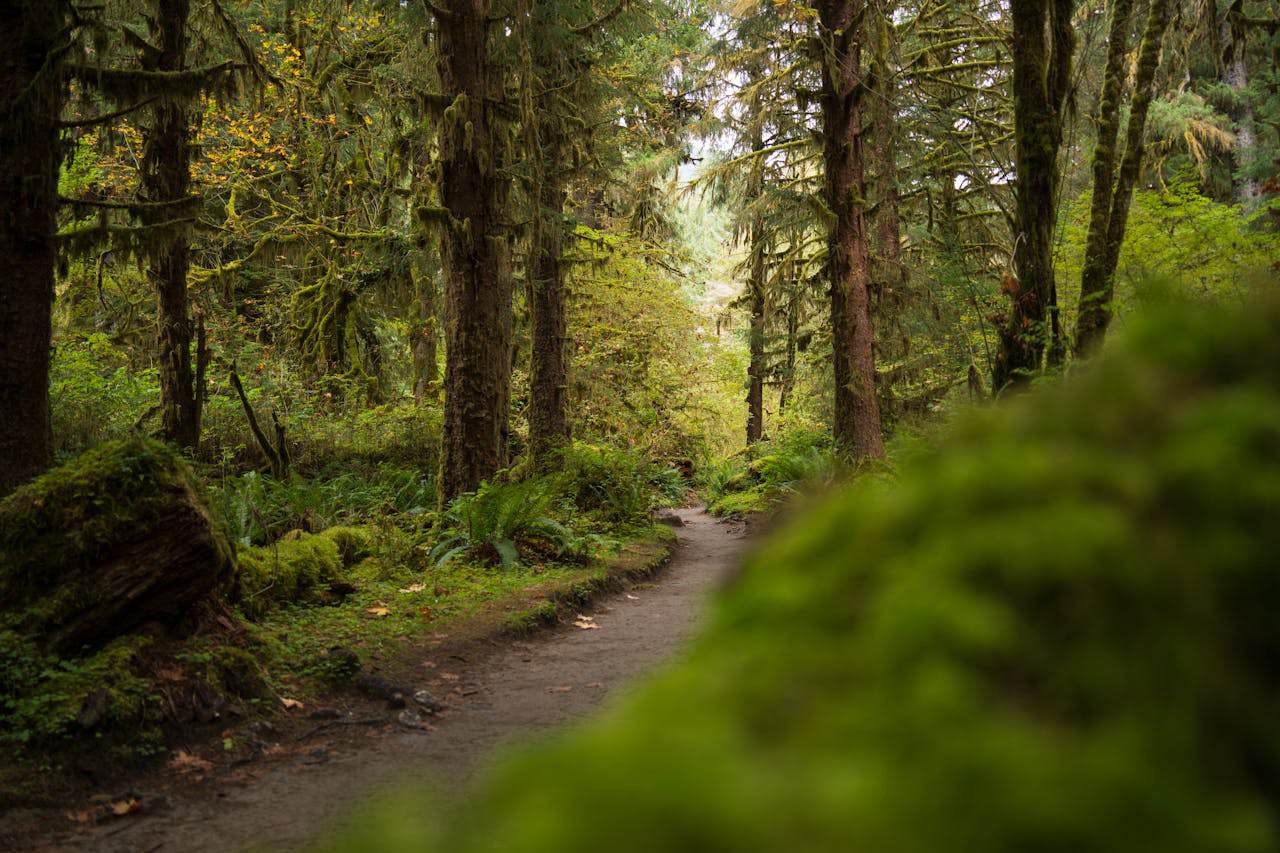
Olympic’s appeal lies in its mix of mossy forests, high ridges, and wild coastline, but that spread also means extra driving and scattered, limited lodging clusters. Lakeside lodges and cabins command premium rates in high season, and surrounding peninsula towns have only so many rooms to offer, which keeps prices high even when amenities stay simple. Ferries, fuel for long loops, and café meals in small communities layer on top of those hotel bills. The park still feels like three trips in one, yet many families now sample a single corner instead of the full circuit.
Grand Teton National Park, Wyoming
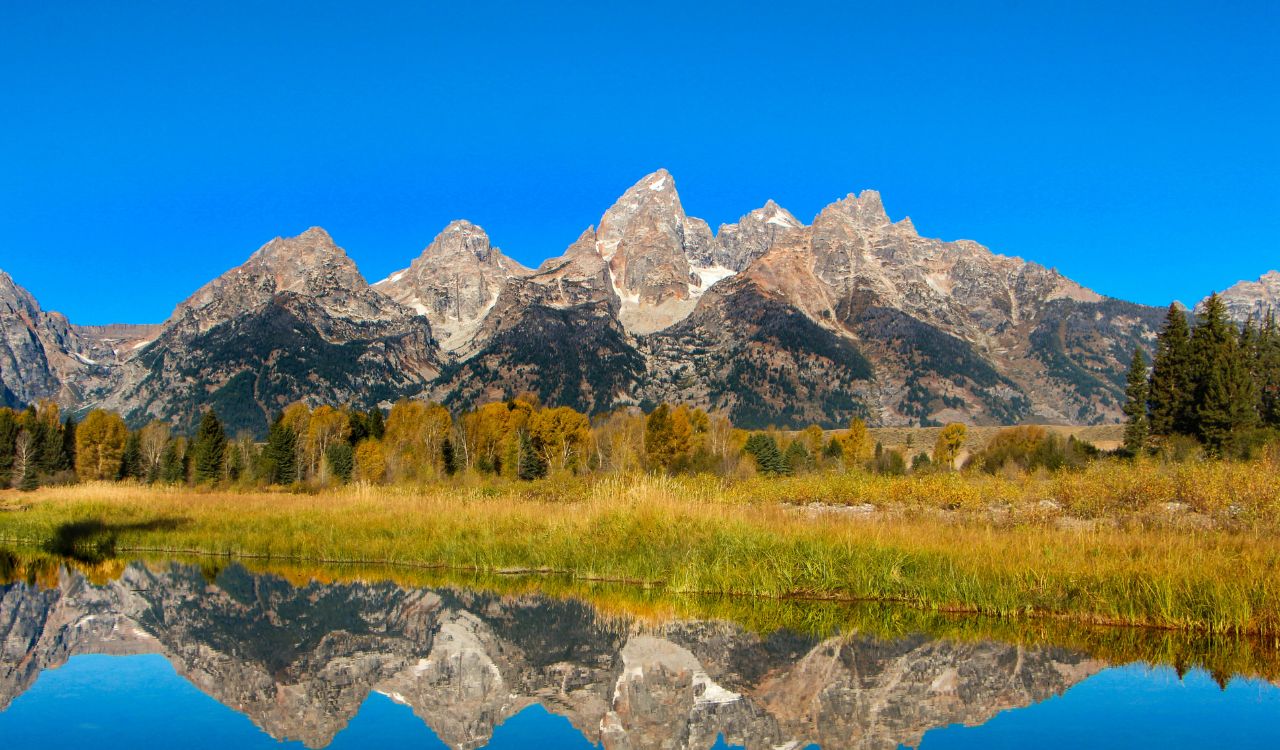
Grand Teton shares a tourism heartbeat with nearby Jackson, and that town’s resort economy sets the tone for almost every stay. Park lodges, cabins, and hotels around the square all price themselves for a world of ski vacations, destination weddings, and high-end adventure trips. It is still possible to camp, but campsites fill quickly and require planning that not every household can manage. When rooms routinely cost more than rental cars and flights combined, the range that once symbolized wide-open possibility starts to feel reserved for those with thicker wallets.
Acadia National Park, Maine
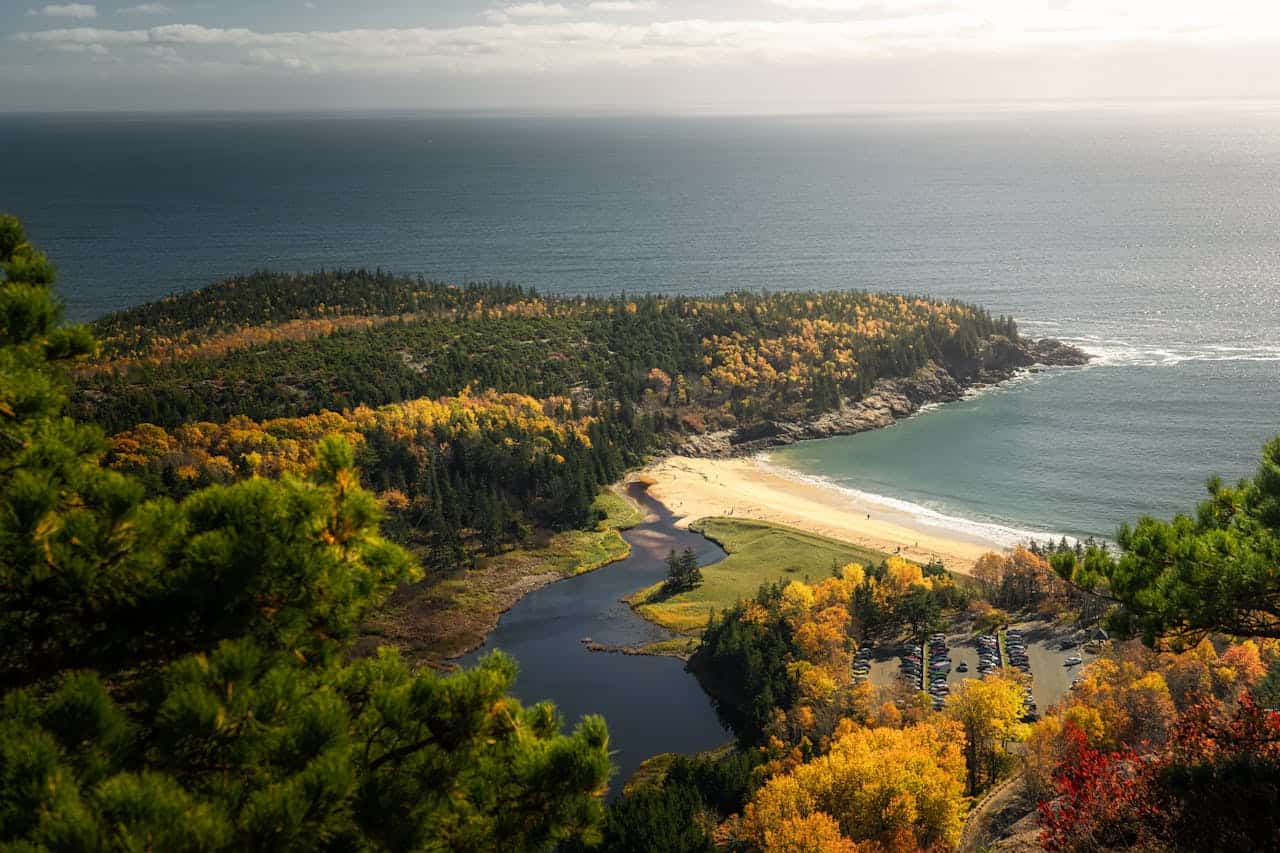
Acadia remains drivable for many families along the Eastern Seaboard, yet Bar Harbor and its neighbors have shifted toward a higher tier of tourism. Boutique inns, waterfront hotels, and even modest properties now ask summer rates that compete with major coastal cities. Parking hassles and paid timed entries for sunrise drives sit on top of those totals. Lobster rolls and café breakfasts, once considered small splurges, become daily line items that add up quickly. The rocky shoreline and carriage roads still invite curiosity, but the overnight costs reshape who gets to linger.
Rocky Mountain National Park, Colorado
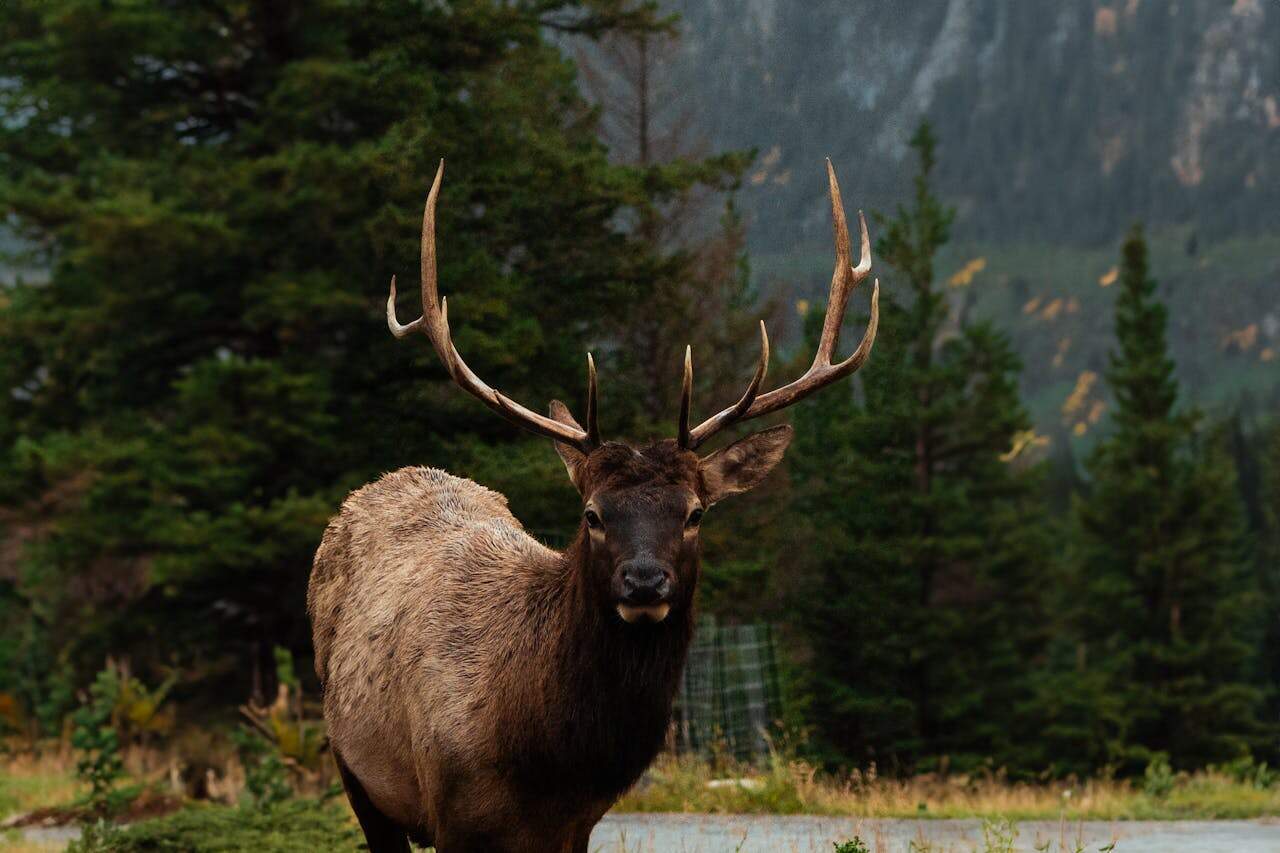
Rocky Mountain National Park sits within a day’s reach of major cities, which keeps traffic steady and demand constant. Estes Park and nearby communities have responded with higher room rates, expanded vacation rentals, and fewer true budget choices. Timed entry tickets, shuttle systems, and limited parking push visitors toward longer stays instead of quick day trips, which multiplies hotel costs. Gear for rapidly changing mountain weather adds another layer. Families along the Plains still see the peaks from home, yet stepping into them now often requires savings once reserved for faraway destinations.